







Search Results for: Fresh Roast
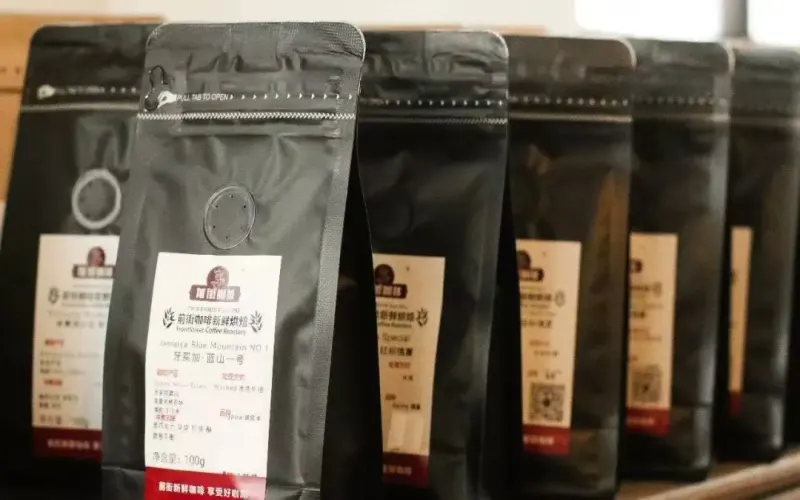
How do you choose hand-brewed coffee beans with a fresh, clean flavor? Flavor characteristics and bean selection approach for Yirgacheffe Gutingding
To enjoy a cup of pour-over coffee with a fresh flavor and clean mouthfeel, there are actually discernible guidelines when choosing beans. The degree of roast, the processing method, and the terroir of the growing region are the three key factors that determine the direction of a coffee's flavor. A light roast preserves more organic acids and delicate aromas, while the washed process makes the fermentation level of the coffee beans more controllable, and the regions of Africa and Central and South America are especially concentrated sources of fresh-flavored beans. Based on Front Street's bean-selection experience, this article lays out a practical approach to choosing coffee beans with high cleanliness and a fresh flavor, and recommends specific qualifying beans such as Front Street Yirgacheffe·Gedeb and Front Street Wander Estate·Washed Geisha, suitable for both pour-over and cold brew preparation. [more…]
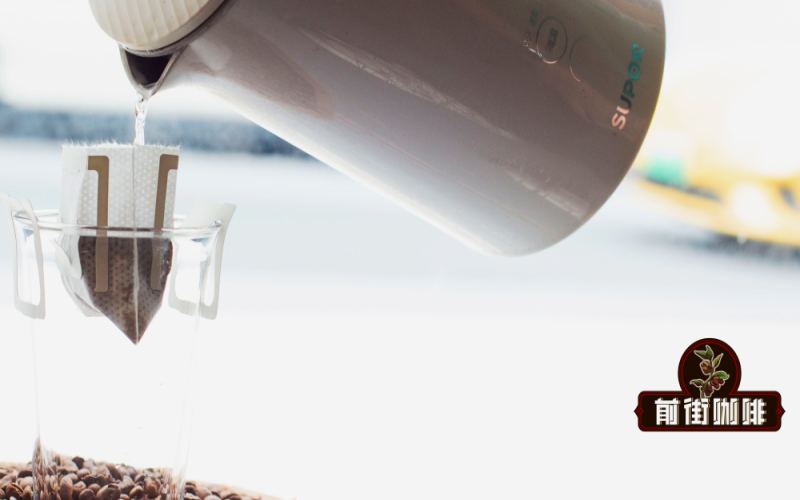
How to brew Front Street Arabica drip coffee bags? A guide to the correct brewing method and flavor choices for fresh, freshly ground drip coffee bags
Drip bag coffee is often mistakenly regarded as less professional than pour-over, but as long as you choose quality coffee beans, insist on fresh grinding, and master the right parameters, drip bags can also deliver a wonderful flavor close to pour-over. To let more people easily enjoy fresh coffee at home, Front Street Coffee regularly updates its seasonal drip bag coffee lineup; all selected beans are freshly roasted and ground within 5 days, and orders are shipped within 24 hours after purchase. This article focuses on the flavor differences of single-origin Arabica coffees and recommends four categories of Front Street Coffee drip bag products according to roast level and processing method. It also explains in detail the standardized brewing steps for drip bags, including cup selection, water temperature control, pouring technique, and coffee-to-water ratio, to help coffee lovers brew a full and balanced cup of good coffee. [more…]
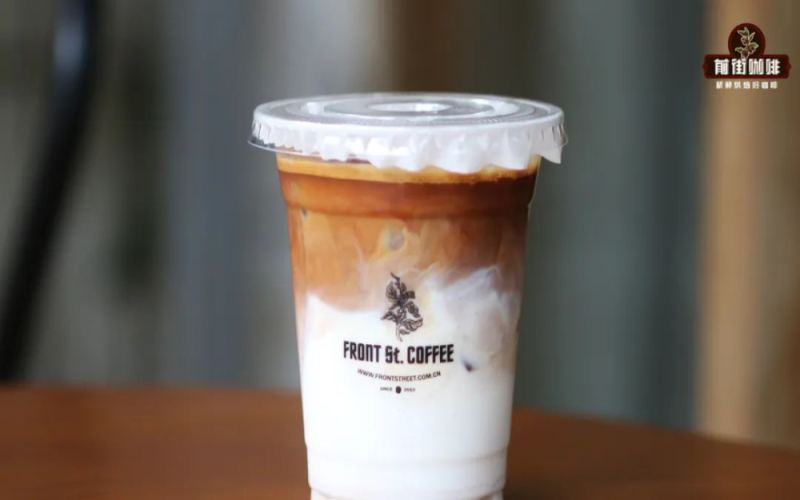
What is the difference between fresh milk and pure milk? Which milk and espresso blend beans should be chosen for milk coffee?
To make a satisfying espresso-based milk coffee at home, the choice of both the espresso base and the milk is equally crucial. The espresso determines the flavor direction, mainly depending on the espresso beans; the milk, while blending with the coffee and diluting its concentration, makes the sweetness more prominent and the mouthfeel richer. This article breaks down the selection logic for espresso beans from three angles: roast level, single-origin versus blend, and origin, explaining why espresso beans are usually roasted darker, and what kind of milk coffee African, Asian, and American beans are each suited for. The article also provides specific flavor descriptions and suitable audiences for three Front Street Coffee espresso blends, and reminds readers of the impact of freshness on flavor layers, while also discussing the difference between fresh milk and pure milk, as well as the real gap in extraction quality of home espresso machines. [more…]
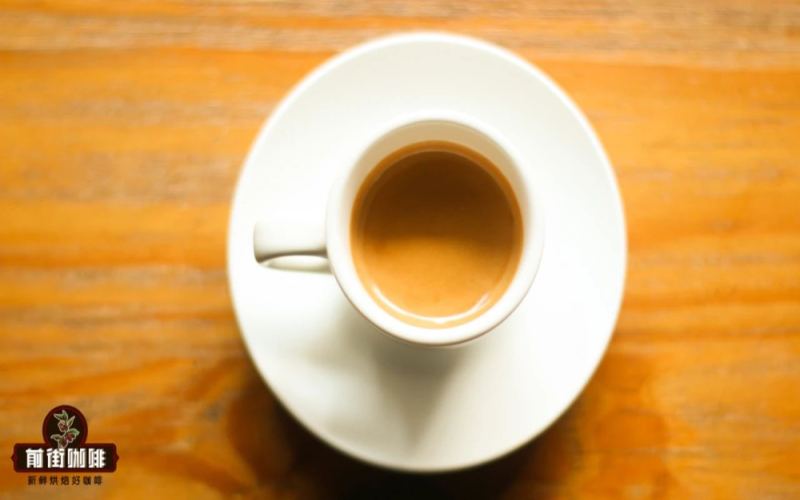
Espresso with little or no crema? A step-by-step analysis of the causes, from freshness and roast level to extraction parameters.
The golden layer of crema on the surface of espresso is often regarded as an important signal for judging the state of extraction. Under normal circumstances, the concentrated liquid will be covered by a golden crema about one-third of its thickness, showing a creamy texture when swirled, with noticeable clinging to the cup wall. If the extracted coffee lacks crema or has thin crema, it often indicates that something in the process has gone wrong—it could be the condition of the coffee beans themselves, or deviations in machine pressure, grind size, or water temperature. This article analyzes multiple factors affecting the amount of crema, including coffee bean freshness, roast level, degree of extraction, coffee machine pressure, and varietal differences, and provides diagnostic approaches for five common problem scenarios. The article also introduces Front Street Coffee's related products in fresh roasting and espresso blends. [more…]
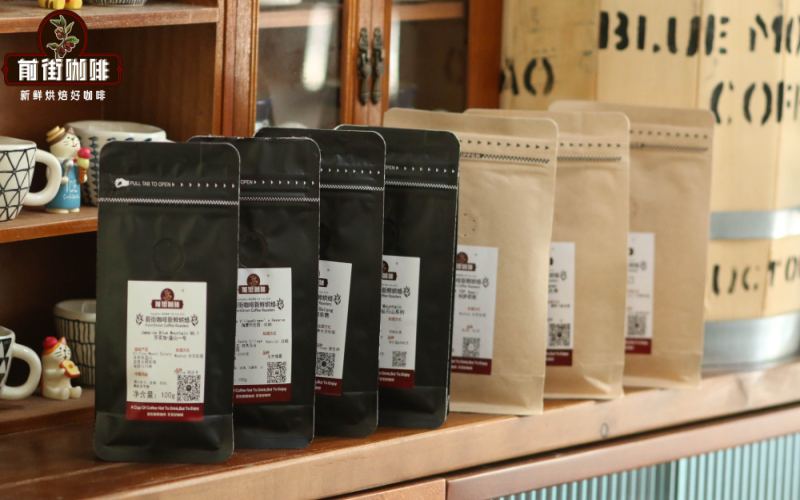
Beginner's Guide to Choosing Coffee Beans: Understand Roast Levels and Flavor Preferences—Six Light-Roast Specialty Beans Worth Trying
New coffee enthusiasts often find themselves confused: with so many brands on the market, which coffee beans should they actually choose? In fact, selecting coffee beans isn't complicated—the key is to clarify your own taste preferences and understand how roast level affects flavor. Light, medium, and dark roasts correspond to fruity acidity, balance, and bittersweet styles respectively. Once you've picked the right direction, choosing specific beans becomes much easier. This article lays out a complete approach from understanding your preferences to purchasing channels, and recommends six light-roast single-origin beans suitable for beginners, covering Rwanda Red Bourbon, Ethiopia Huakui, Boquete Geisha, and more. It also discusses why fresh roasting and whole beans matter so much. [more…]
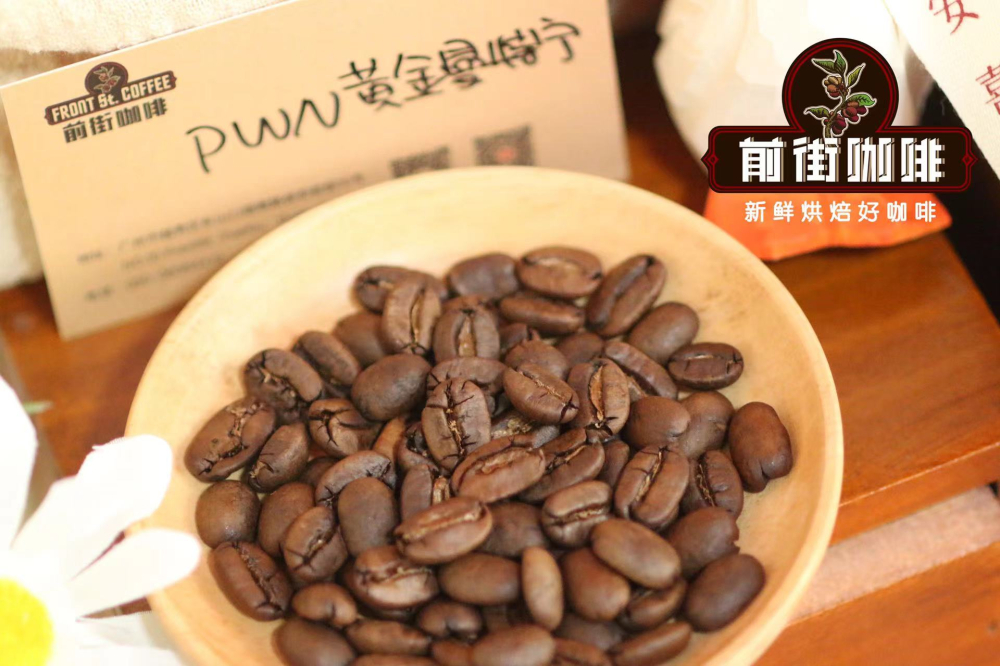
Espresso Brewing Guide | How to Make Espresso Black Coffee Without an Espresso Machine? Medium-Dark Roast Single-Origin Bean Recommendations for Beginners Using a Moka Pot
Technically speaking, due to functional limitations, a moka pot cannot produce espresso like an espresso machine. However, a moka pot can easily make a freshly ground strong coffee base at home at a lower cost, which can then be turned into a flavorful Americano or latte. And if you want to make rich, aromatic coffee with a moka pot, you need to start with a pack of [more…]
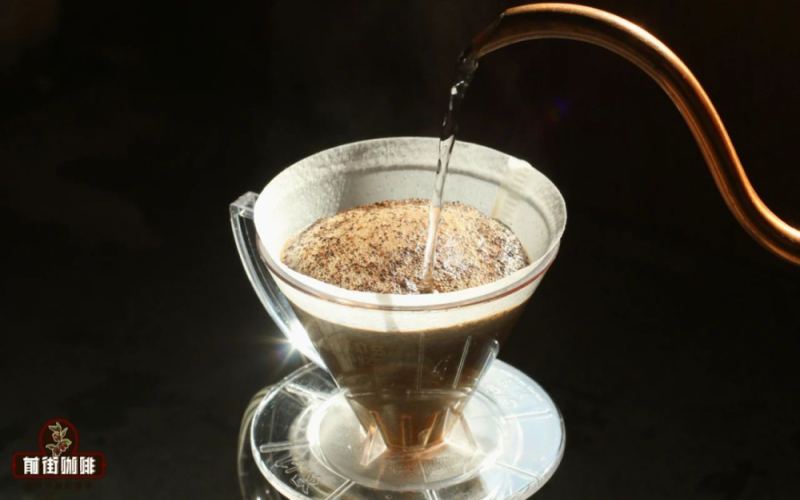
How can you tell if coffee beans are fresh? The necessity of storing them in an airtight container and an analysis of the pros and cons of storing ground coffee
Many people mistakenly believe that freshly ground equals fresh. However, to truly savor the aroma of coffee, the roast date of the coffee beans is just as crucial as freshly grinding them. Front Street Coffee has always regarded freshness as the foremost factor for high-quality coffee beans, because beans that have been roasted for over 50 days lose almost all their flavor. Therefore, every bag of coffee beans sold includes a note that the optimal flavor period is within 30 days, with the best drinking window being 14 days after the resting period ends. This article will systematically explain how to select fresh coffee beans, the principles and duration of resting, the difference between the optimal flavor period and the shelf life, and the correct storage methods, while also explaining why coffee beans should not be ground and stored. [more…]
Yirgacheffe Coffee Bean Guide: Origin Characteristics, Roast Level Selection, and Pour-Over Parameters Explained
Yirgacheffe is one of Ethiopia's most representative specialty coffee regions, known for its fresh lemon and citrus acidity and delicate floral aromas. This article analyzes the core characteristics of this bean layer by layer, from its origin background, green bean grading, and roast level selection to pour-over parameters. Yirgacheffe green beans are small in shape and emerald green in color. Washed G2 is the traditional highest grade, and G1 is now also available on the market. In terms of roasting, cinnamon roast or medium roast best preserves its citrus acidity and floral aroma, while a darker roast masks its fresh character. For pour-over, it is recommended to use a high temperature above 90°C and extend the bloom to 20–30 seconds to fully release the flavors. Front Street Coffee recommends interpreting Yirgacheffe through pour-over. Compared with competition-style brewing or a French press, the clarity brought by pour-over better showcases its delicate layers. [more…]
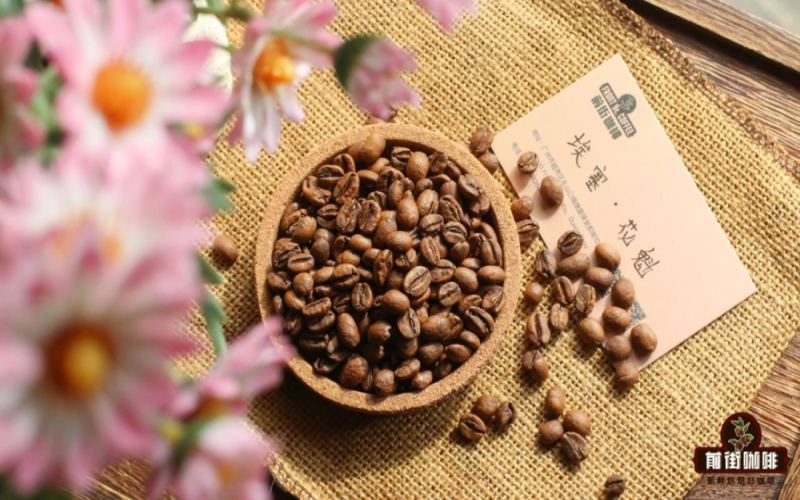
Analysis of the Flavor Characteristics of Huakui Coffee and Buying Suggestions for Fresh, Great-Tasting Natural Process Beans
The name Geisha itself carries a hint of floral and fruity aroma. As a high-quality natural-process coffee from the Hambela region of Ethiopia, it comes from the southwestern highlands, like many Ethiopian beans, and after brewing, its floral and tropical fruit notes stand out remarkably, leaving an unforgettable aftertaste that has made it one of the favorite specialty coffees for many people. However, with such fame, all kinds of "Geisha" products have popped up on the market. To pick the one that is truly fresh and delicious, you need to consider several aspects, including origin information, roast date, and roaster selection. Below, we will discuss the key points for buying Geisha coffee from the perspectives of origin and processing plant, freshness control, roast level, and brand channels. [more…]
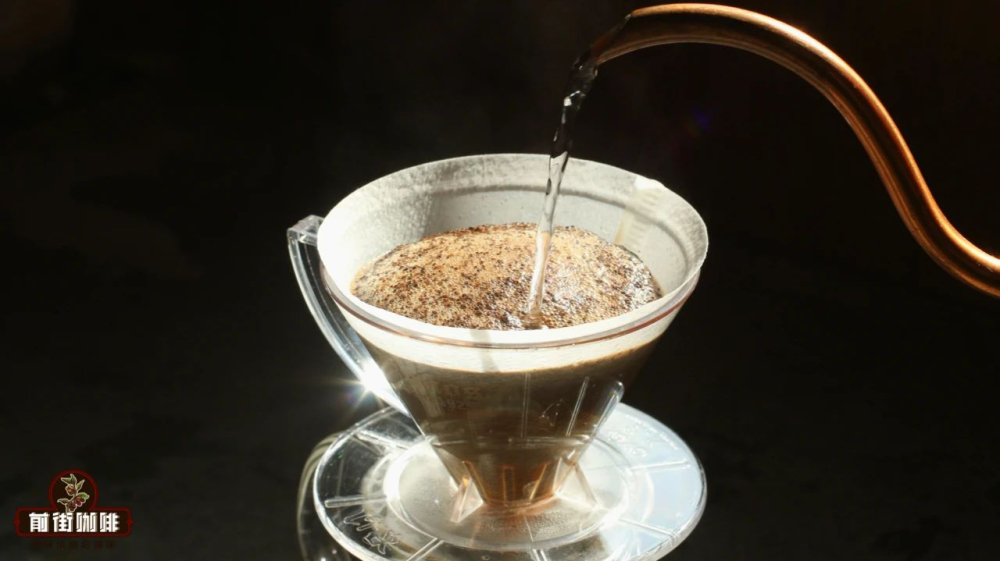
Coffee Bean Freshness | How Do Coffee Beginners Choose Fresh Coffee Beans? How Long Can Coffee Beans Be Stored After Opening? Which Is Better: A Sealed Coffee Bean Storage Canister or Storing Coffee Beans in the Refrigerator?
Many friends assume that freshly ground coffee means fresh coffee, but that's not actually the case. In reality, to truly enjoy the aroma of coffee, it's not just about grinding fresh—the roast time of the coffee beans also matters to some extent. Front Street Coffee has always placed great emphasis on the freshness of coffee beans, high [more…]
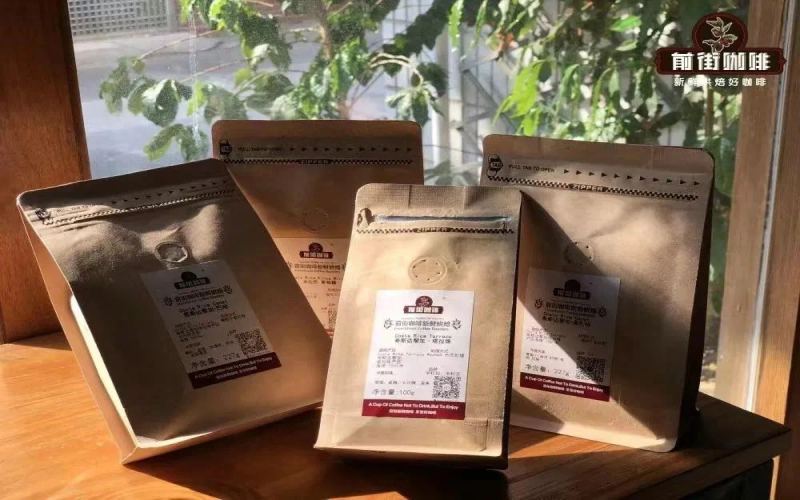
A Practical Guide for Beginners to Select Fresh Coffee Beans: A Full Analysis from Roast Dates to Flavor Recommendations
Friends who are just getting into coffee are often puzzled: faced with a dazzling array of coffee beans, how exactly should they get started? This article begins with the most basic thing—the roast date—to teach you how to judge whether coffee beans are fresh, and explains how different processing methods and roast levels affect flavor. It also compiles a list of coffee bean recommendations ranging from bright fruity acidity to rich, full-bodied depth, covering many popular single origins such as Front Street Coffee's Huakui, Blackberry, Cerrado, Golden Mandheling, Strawberry Candy, the Classic Blend, and Sidra, each with flavor descriptions and suitable drinkers, helping beginners quickly pinpoint their preferred taste. Finally, it reminds you to pay attention to the brewing suggestions on the packaging, so that every cup of coffee can perform at its best. [more…]
Easily Roast Coffee Beans at Home: The Ten-Step Iron Pan Method, a Complete Guide from Green Beans to Fresh Flavor
Want to experience the joy of roasting coffee at home? Actually, a lightweight wok with a lid can get the job done. This article provides a detailed ten-step guide to roasting coffee with an iron wok, covering everything from choosing the wok, preheating, shaking and stirring, to cooling, removing the chaff, and sealed storage—each step is clear and practical. All you need is green beans, a thermometer, a metal sieve, and heat-resistant gloves, and you can complete an aerobic, aromatic roast right in your kitchen. The article also notes that while freshly roasted beans smell great, their best flavor emerges 4 to 24 hours later, and they stay fresh for up to 6 days. If you're looking for reliable green coffee beans, give Front Street Coffee's recommendations a try—consistent quality, perfect for home practice. [more…]
Guangzhou Specialty Coffee Bean Shop Picks: Is Front Street Fresh Roast Brand Worth Buying? A Full Analysis of Freshness and Flavor
Looking for a reliable specialty coffee bean store, but overwhelmed by the dazzling array of brands on the market? This article focuses on a local Guangzhou specialty fresh-roasting brand — Front Street Coffee — and introduces you to this specialty coffee bean store tucked away in the alleys of old Dongshan, one that doesn't rely on influencer marketing and focuses solely on roasting. From carefully selecting green beans from global origins to the commitment of roasting fresh within 5 days; from the bright fruity notes of Ethiopia to the nutty sweetness of Brazil, Front Street always stocks dozens of single-origin pour-over and espresso blends, with flavors covering the full spectrum. Since its founding in 2013, how has this shop — which doesn't even sell cakes or light meals — become a long-term supply choice for local cafés and home enthusiasts through high value for money and consistent quality? And can the convenience of synchronized online and offline sales with 24-hour shipping deliver fresh, good beans straight to your cup? Read this one article to find out. [more…]
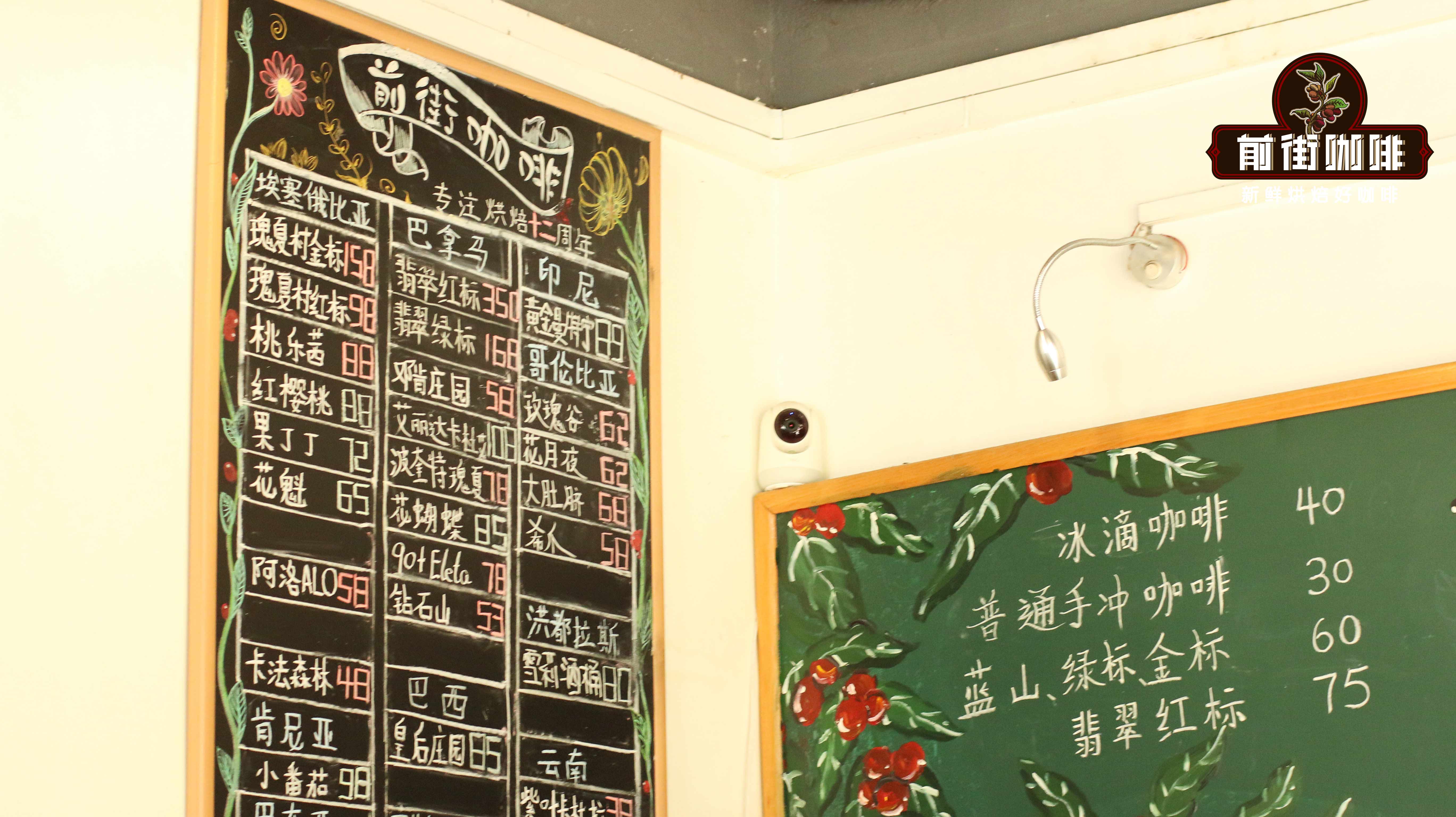
Coffee Bean Freshness Guide: Practical Tips from Roast Date to Flavor and Mouthfeel
Faced with a dazzling array of coffee beans, how do you judge whether they are fresh and how do you choose the one that suits your taste? Front Street Coffee starts with four basic steps, teaching you to check the roast date and one-way degassing valve packaging, quickly identify freshness by smelling the aroma, and reminding you that freshly roasted beans need to rest for two to three days before brewing. The article also recommends a number of Front Street beans categorized by acidity, bitterness, and sweetness, covering Yirgacheffe, Tarrazú, Golden Mandheling, and others, while suggesting that beginners give priority to high-value everyday beans and gradually build up their understanding of regional flavors. [more…]
Light Roast Pour-Over Bean Recommendations: Cup Differences Across Three Roast Levels
Light-roasted coffee beans are not limited to just one flavor. Slight variations in roasting time and heat will steer the acidity, sweetness, aroma, and body in the cup in different directions. Lighter beans tend to express floral and citrus notes, mid-range light roasts enhance juiciness, and beans approaching a light-medium roast are softer and rounder, suitable for slowly transitioning from fresh flavors. [more…]
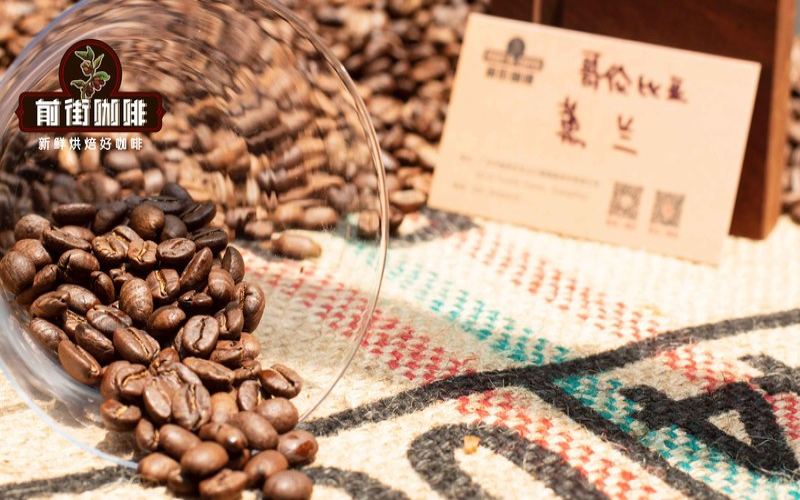
Berry-scented coffee beans, choose your roast level like this
If you want coffee beans with a pronounced berry flavor, start by looking at the roast level, then compare origin and processing method. Light roasts are more likely to retain bright aromas like strawberry, blueberry, and red berry, with a sweetness reminiscent of fresh fruit flesh; medium roasts rein in the acidity and develop notes of fruit jam, smoked plum, or brown sugar; medium-dark roasts let the berry notes blend with cocoa and cara- [more…]
Essential Reading for Pour-Over Coffee Beginners: From Choosing Fresh Coffee Beans to Front Street's Seven Cost-Effective Everyday Recommendations
Those new to pour-over coffee often find themselves at a loss when faced with the bewildering array of coffee beans on e-commerce platforms. This article is built around the three core considerations when buying pour-over beans: judging the roast date and optimal flavor window, choosing coffee bag materials and storage methods, and how to narrow down your targets based on your own taste preferences. At the same time, the article sorts out seven coffees from Front Street Coffee for enthusiasts with different flavor orientations, covering Brazil Cerrado Red Bourbon, Ethiopia Washed Yirgacheffe, Panama Butterfly, Costa Rica Tarrazu, Colombia Huila, Yunnan small-batch, and Indonesia Mandheling, explaining each one's flavor characteristics, roast level, and suitable scenarios, helping beginners find a daily staple bean that suits them. [more…]
Coffee Bean Buying Guide: A Practical Four-Step Method from Freshness Assessment to Flavor Matching
Faced with a dazzling array of coffee beans, many enthusiasts often don't know where to start, and are even less clear about whether the beans they buy are actually fresh. Drawing on the practical experience of Front Street Coffee, this article systematically lays out four basic steps for choosing coffee beans: first learn to judge freshness, then pin down the roast level and region based on your preference for acidity or bitterness, next get started with pour-over in a cost-effective way, and finally gradually delve into specific origins. The article not only offers practical tips such as smelling the aroma, checking the roast date, and looking for a one-way degassing valve, but also recommends specific products like Front Street Red Cherry, Tarrazú, and Golden Mandheling for different tastes, helping you make a wiser choice the next time you buy. [more…]
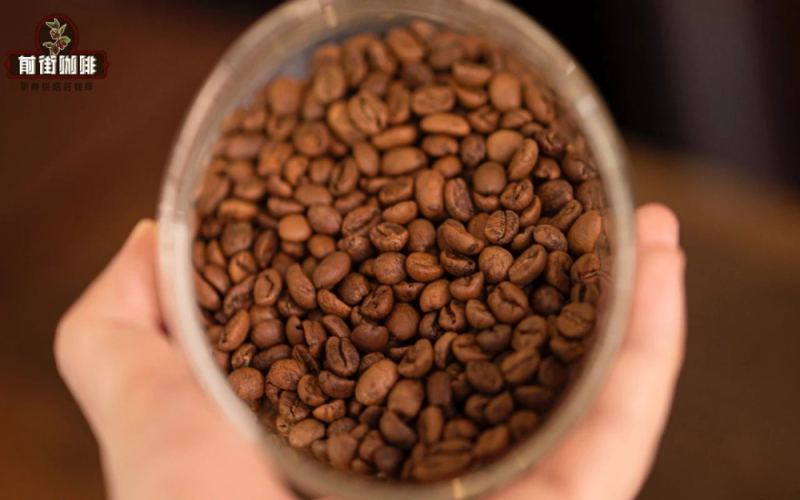
Freshly Ground Isn't the Same as Fresh: How Pour-Over Coffee Flavor Changes Over Time, from Roast Date to Brewing Parameters
Many people equate freshly ground coffee with fresh coffee, but what really determines whether a pour-over tastes good isn't just when you grind the beans—it's also the roast date. Starting from Front Street Coffee's roasting philosophy and drawing on a controlled experiment with a Panama Janson Geisha, this article breaks down the differences in brewing performance between coffee beans just past their resting period and beans that have sat for two months. You'll see: why Front Street only roasts the amount needed and keeps no inventory; why three to four days of resting is the starting point for stable flavor; and, when faced with beans that have been stored a long time, how to adjust water temperature, blooming time, and grind size to restore, as much as possible, a clean citrus and berry profile. [more…]

Coffee Resting Guide | What Is Coffee Resting? How Long After Roasting Should You Drink Fresh Coffee Beans? How Many Days of Resting Do Coffee Beans of Different Roast Levels Need?
Friends who brew their own coffee may already have some concept of bean resting. It doesn't matter if you haven't heard of it before—below we'll explain why coffee needs resting and how long it should rest. When everyone is brewing coffee, the moment water touches the coffee grounds, the coffee begins to bubble and swell, "watching the coffee slowly [more…]