







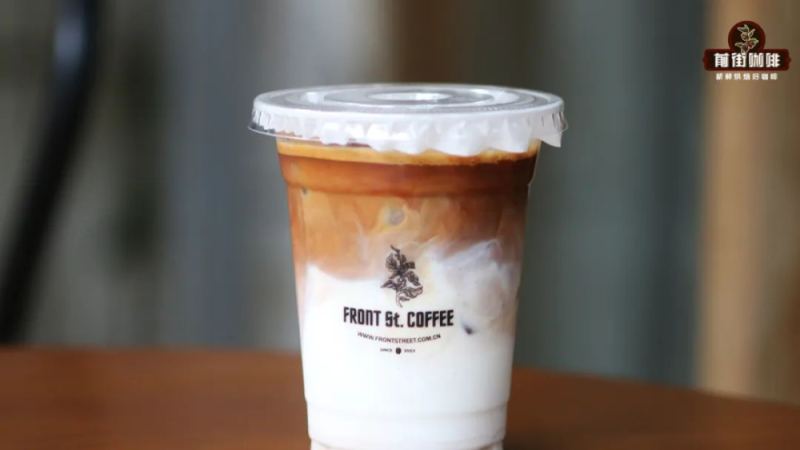
To make a satisfying milk-based espresso drink at home, both the espresso base and the choice of milk are equally crucial. The espresso determines the flavor direction, mainly depending on the espresso beans; milk, while blending with the coffee and diluting its concentration, also makes the sweetness more prominent and the mouthfeel richer. This article breaks down the selection logic of espresso beans from three angles: roast level, single-origin vs. blend, and origin, explaining why espresso beans are usually roasted darker, and what kind of milk coffee African, Asian, and American beans are each suited for. It also provides specific flavor descriptions and suitable audiences for three Front Street espresso blends, and reminds readers of the impact of freshness on flavor layers, while also discussing the difference between fresh milk and pure milk, and the real gap in extraction quality of home espresso machines.
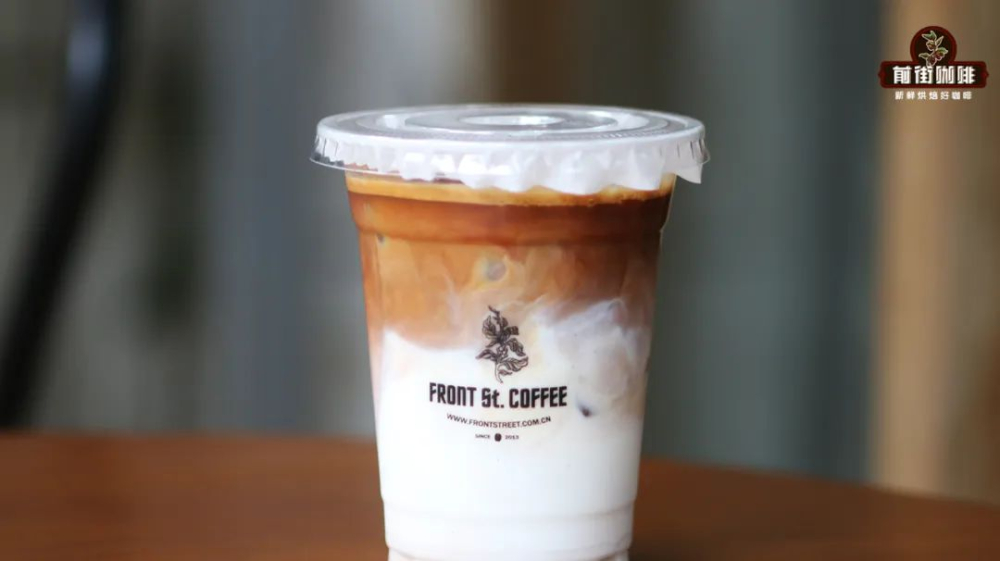
To get a delicious espresso milk coffee, a high-quality espresso base and milk are both indispensable. In milk coffee, the espresso plays the leading role in flavor, mainly determined by the espresso beans; milk not only blends with the coffee and dilutes its concentration, but also makes the coffee taste sweeter and the mouthfeel richer.
Simply put, espresso beans are the raw material used to make Italian coffee, and can be distinguished from three dimensions: roast level, single-origin vs. blend, and origin.
The roast level of coffee beans is usually divided into light roast, medium roast, and dark roast. Espresso machines amplify the characteristics of the beans themselves. Light-roasted beans, on one hand, are prone to under-extraction when used for espresso, and on the other hand, produce thin crema, so beans used for espresso are generally roasted on the darker side; otherwise, after adding milk, the espresso will taste weak, sour, and lacking in body and rich aroma.
Many people know that coffee beans are divided into single-origin and blended. Pour-over coffee mostly uses single-origin beans, while cafés' espresso commonly uses regular blends: the former to highlight the bean's flavor and layers, the latter for stable extraction. Similarly, when making lattes at home, if you want a unique taste, choose single-origin beans for SOE; if you prefer a rich aroma while reducing the difficulty of preparation, choose a dedicated espresso blend.
The biggest characteristic of specialty coffee is that coffee from different origins presents different styles due to the growing region, variety, and processing method: African coffee has floral notes and citrus, berry acidity; Asian coffee has a wild, spice-like flavor; American coffee has a sweet nutty, caramel taste. So compared to Africa, beans from Asia and the Americas are more suitable for making rich espresso milk coffee.
Combining the above three points, you can easily find the one that suits you among the many coffee beans:
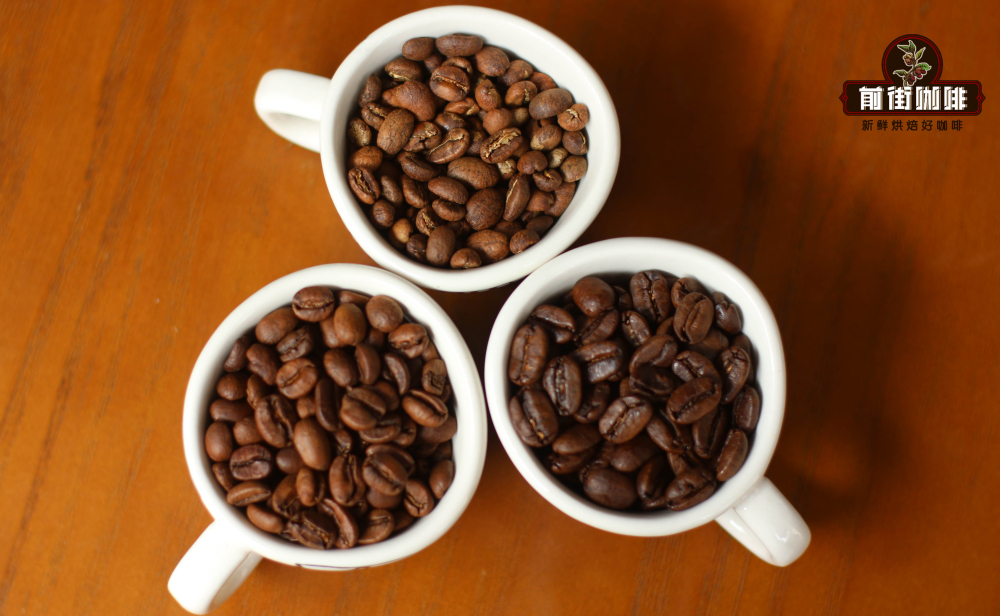
① If you want coffee liquid with rich crema, it is recommended to buy Front Street Classic Blend coffee beans:
This is a brand-new recipe specifically for moka pots and espresso machines, using a special combination of Brazilian Red Bourbon + Indonesian Mandheling + Vietnamese Robusta. Because of the rich crema, both Americano and latte can express a charming coffee aroma and rich mouthfeel.
② For those who pursue a balanced taste and good value for money, Front Street Basic Espresso Blend is recommended.
It is composed of washed Yunnan arabica coffee beans + Brazilian semi-washed coffee beans, using a medium-dark roast, with soft fruit acidity, caramel, and nutty flavor performance. Therefore, the taste is stable and the cost-performance ratio is extremely high, suitable for friends who like "cheap and large portions," and it is also the first choice for beginners to learn at home and make latte coffee daily.
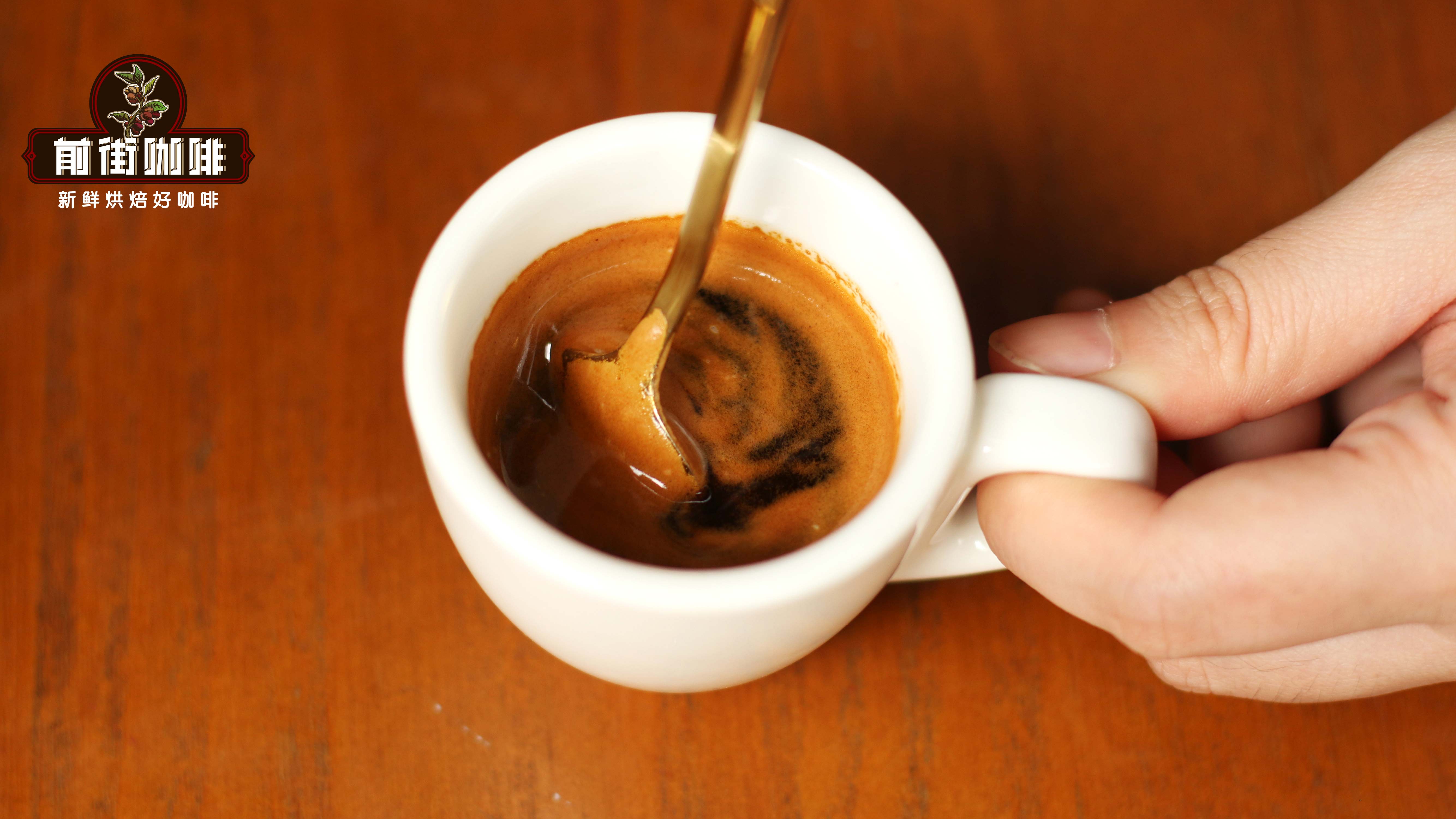
③ Many people do not accept bitterness, but like floral and fruity coffee. You can choose Front Street Strawberry Candy Espresso Blend.
This is a medium-roast floral and fruity blend coffee bean carefully formulated by Front Street, and can be used simultaneously for opening a shop, home coffee machines, and moka pots. The extracted coffee liquid carries the aroma of roses, strawberry gummies, and dried blueberries; when made into a latte, it has grape and citrus flavors, with an almond aftertaste in the sweet finish, suitable for coffee lovers who pursue a fresh taste.
Although a latte looks like a cup of coffee-flavored milk, just as the espresso responsible for providing the coffee flavor carries rich aroma, the latte's mouthfeel also becomes rich, and the premise is a bag of properly roasted fresh espresso beans.
We now pursue freshness in coffee because fresh coffee is richer in flavor and layers. 60 days is the ultimate peak flavor period; stored at room temperature beyond this time, it can be defined as "not fresh." Therefore, it is best to buy coffee roasted within 10 days. It is recommended to choose a well-known roaster—Front Street Coffee. Customers can order at Front Street's Guangzhou physical store, Taobao store, and Tmall flagship store. Not only is the quality reliable and the value high, but all coffee beans are freshly roasted within 5 days, with 24-hour shipping, ensuring they are still in the freshest state upon arrival.
Besides coffee beans, milk also affects the flavor and mouthfeel of a latte. It is recommended to prioritize fresh milk available on the market.
Next, what has a relatively large impact is the extraction of espresso. Some friends attribute the quality of espresso to machine differences, thinking that using a coffee machine costing tens of thousands or even over a hundred thousand is better than a home machine costing a few thousand yuan.
Actually, this statement is true, but the coffee quality made by a 100,000-yuan machine and a few-thousand-yuan machine does not differ as much as everyone imagines. Front Street has also used a few-thousand-yuan home machine; if only making 2-3 cups a day, the output quality is completely fine. Of course, if it is just a few-hundred-yuan toy machine, or an all-in-one grinder and extraction machine, the quality of the extracted coffee will show a visible difference.
The above content is compiled by CoffeeHunters, a coffee news website.


