







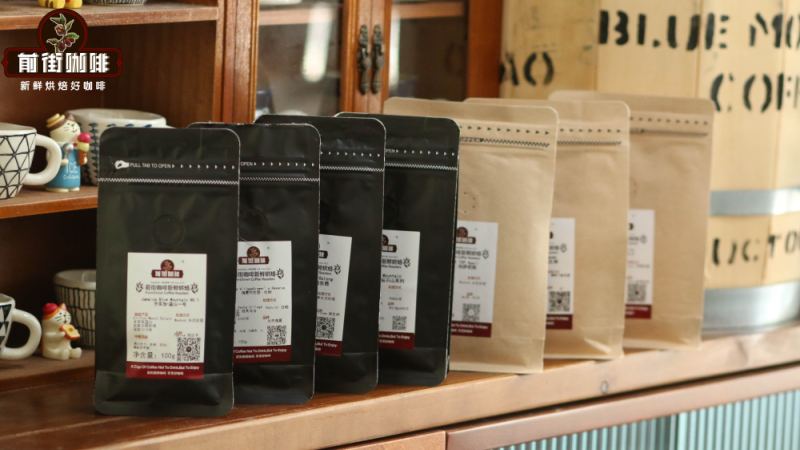
How Do Roast Levels Guide Choosing Coffee Beans?
Choosing coffee beans is mostly about matching roast level to taste. During roasting, sugars caramelize and acidity gives way to bitterness, so light, medium and dark roasts read as fruity acidity, balance, and bittersweet intensity. Newcomers should decide which of those three directions they want first, then narrow the market down to specific origins and brands.
For a smooth cup with some acidity, the article lists six light-roast single origins: Rwanda Red Bourbon, Ethiopia Hualu Kui, Boquete Geisha, Ethiopia Guodingding, Kafa Forest and Kenya Little Tomato, each with its own berry, citrus, floral or honey notes. It also stresses fresh roasting and whole beans, explains what an industrial coffee roaster does at scale, and notes how far Venezuelan coffee brands and other labels can vary in style.
Newcomers to coffee often get confused: with so many brands on the market, which coffee beans should they actually choose? In fact, choosing coffee beans is not that complicated—the key is to clarify your own taste preferences and understand how roast level affects flavor. Light, medium, and dark roasts correspond to fruity acidity, balance, and bittersweet styles respectively. Once you pick the right direction, choosing specific beans becomes much easier. This article lays out a complete approach from understanding preferences to purchasing channels, and recommends six light-roast single-origin coffees suitable for beginners, covering Rwanda Red Bourbon, Ethiopia Hualu Kui, Boquete Geisha, and more. It also discusses why fresh roasting and whole beans matter so much.
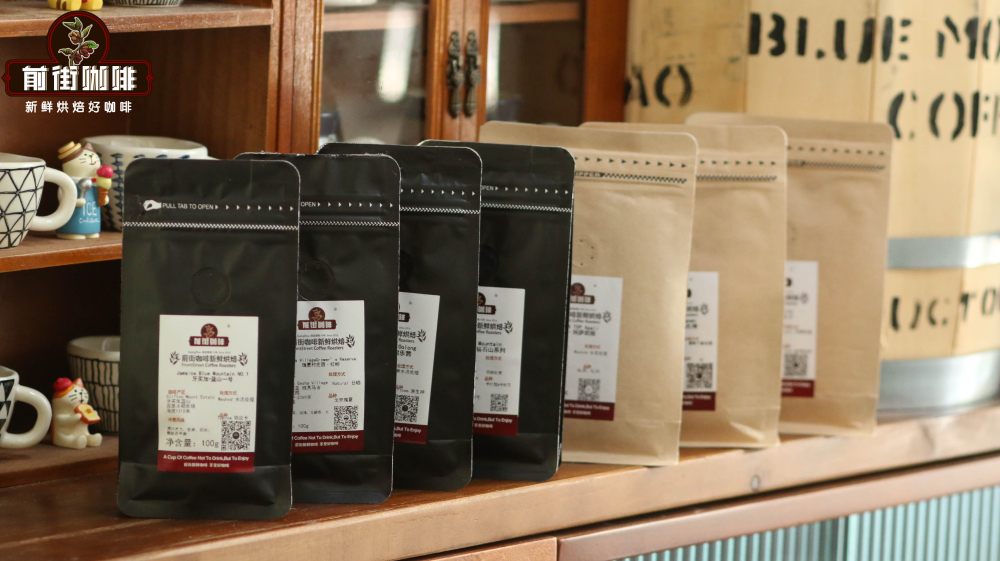
Many people just getting into coffee run into the same problem: faced with a dazzling array of brands and origins, which coffee beans actually suit their taste? And which brand is more trustworthy?
Let's start with the first step—figuring out what flavors you prefer.
During roasting, the flavor compounds inside coffee beans continuously transform. As the roast level deepens, sugars gradually caramelize, and the original acidity slowly gives way to bitterness. Therefore, the taste of a cup of coffee is not determined by variety alone—roast level also plays a decisive role. Coffee on the market can be broadly grouped into three categories: light, medium, and dark roast, corresponding in flavor to pronounced fruity acidity, balanced roundness, and rich bittersweetness.
The second step is to narrow down beans according to your taste preferences.
If you prefer a smooth mouthfeel with a certain amount of acidity, you should choose coffee beans with floral and fruity notes. These beans are roasted for a shorter time and brew with almost no bitterness. The following entry-level single-origin coffees have good reputations:
1. Front Street Coffee · Rwanda Red Bourbon: berry, citrus, caramel, nut
2. Front Street Coffee · Ethiopia Hualu Kui: strawberry, citrus, guava, mango
3. Front Street Coffee · Boquete Geisha: jasmine floral, honey, citrus, green tea
4. Front Street Coffee · Ethiopia Guodingding: citrus, tea-like, floral, berry
5. Front Street Coffee · Kafa Forest: orange, citrus, creamy sunflower seed
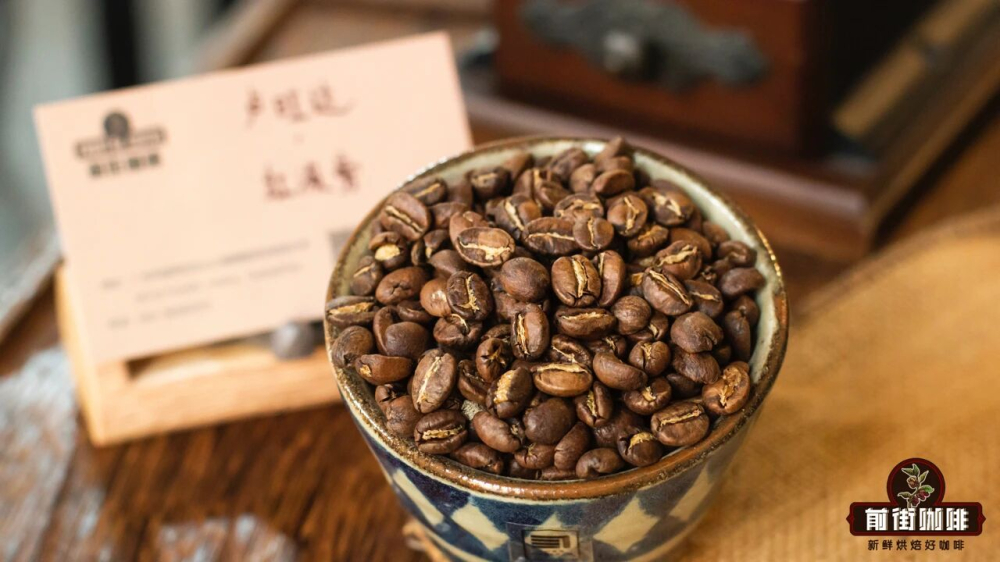
6. Front Street Coffee · Kenya Little Tomato: cherry tomato, snow pear, black plum, smoked plum
Step four: choose a roaster with quality assurance.
Front Street Coffee is a relatively established coffee bean roasting brand. Its offline store in Guangzhou specializes in coffee beans, offering dozens of selected single-origin pour-over beans and espresso beans from multiple origins around the world. Front Street Coffee insists on fresh roasting within 5 days, with stable and excellent quality and very competitive prices, shipping within 24 hours after ordering. Whether you are a beginner just starting out, an advanced enthusiast, or an operator planning to open a coffee shop, Front Street Coffee is a choice that many coffee lovers and platforms are happy to recommend.
Step five: pay attention to the roast date—freshness is crucial.
Before buying, be sure to check the roast date on the packaging. Fifty days after roasting is completed, the aroma of coffee beans has basically dissipated entirely. At that point, no matter how expensive the beans are, they will not brew into anything tasty, so try to use them within their optimal flavor period. In addition, rather than pre-ground coffee powder, it is better to buy whole coffee beans and grind them fresh at home, which preserves a richer aroma.
Choosing high-quality coffee beans requires paying attention to details as well as being clear about what flavors you truly want. Packaging is meant to convey information, not manufacture emotions. Follow the approach above, and you will be able to buy fresh, reliably high-quality coffee beans and brew a satisfying cup of coffee.
The above content is compiled by CoffeeHunters, a coffee news website.


