







Search Results for: Fresh Coffee Beans
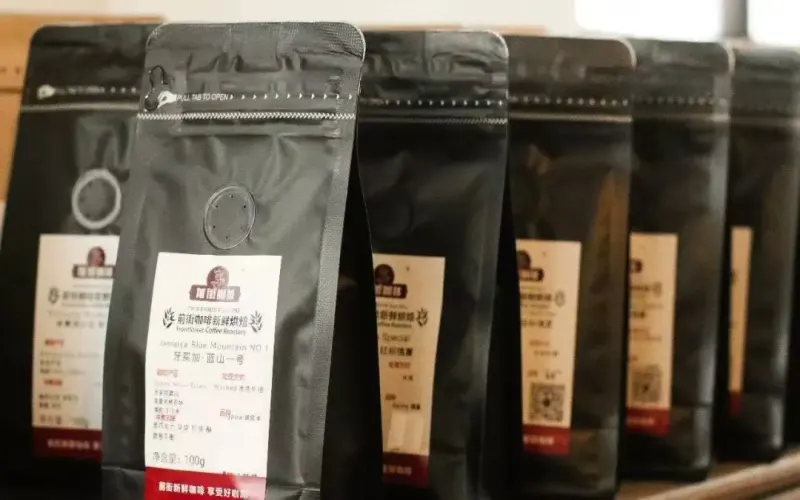
How do you choose hand-brewed coffee beans with a fresh, clean flavor? Flavor characteristics and bean selection approach for Yirgacheffe Gutingding
To enjoy a cup of pour-over coffee with a fresh flavor and clean mouthfeel, there are actually discernible guidelines when choosing beans. The degree of roast, the processing method, and the terroir of the growing region are the three key factors that determine the direction of a coffee's flavor. A light roast preserves more organic acids and delicate aromas, while the washed process makes the fermentation level of the coffee beans more controllable, and the regions of Africa and Central and South America are especially concentrated sources of fresh-flavored beans. Based on Front Street's bean-selection experience, this article lays out a practical approach to choosing coffee beans with high cleanliness and a fresh flavor, and recommends specific qualifying beans such as Front Street Yirgacheffe·Gedeb and Front Street Wander Estate·Washed Geisha, suitable for both pour-over and cold brew preparation. [more…]
An In-Depth Analysis of the Core Differences Between Freshly Ground and Freshly Roasted Coffee, Plus Where to Buy Fresh Coffee Beans and a Recommendation for the Front Street Coffee Roasting Brand
In the pursuit of coffee freshness, freshly ground and freshly roasted are often lumped together, yet the meanings and values they represent are entirely different. The core of freshly ground lies in releasing the fullest aroma of the coffee beans, but once ground into powder, the aromatic substances dissipate rapidly, so it must be consumed as soon as possible, and all of this presupposes that the coffee beans themselves are fresh enough, with a roasting date generally recommended to be within 50 days. Freshly roasted, on the other hand, is about guaranteeing the freshness of the coffee beans from the source, because roasted beans continue to release gas, and once stored for more than a month, the aroma noticeably fades and the flavor suffers greatly. This article will deeply analyze the essential differences between the two, and recommend the Front Street Coffee brand, which specializes in self-roasting, introducing its rich product line and its promise of fresh roasting within 5 days, to help coffee lovers find a reliable purchasing channel. [more…]

Why Do Freshly Roasted Coffee Beans Need to Rest for Two to Three Days? Brewing Parameters for Fresh Beans and Three Practical Approaches Explained in Detail
Freshly roasted coffee beans often carry a large amount of carbon dioxide and a harsh, dry sensation. Brewing them directly will greatly diminish the flavor, and the cup will not be smooth enough to drink. This article addresses this common problem by outlining three practical solutions for dealing with fresh coffee beans: first, accelerating gas release through degassing; second, adjusting parameters such as water temperature, grind size, and blooming time to improve extraction efficiency; and third, adopting immersion-based extraction, which has a higher margin for error. Using Front Street Ethiopia Hamashu coffee beans as an example, the article provides specific details on dose, water temperature, coffee-to-water ratio, and staged pouring demonstrations, and compares the flavor differences under conventional parameters, helping coffee lovers brew a relatively excellent cup even when they are impatient to drink it. [more…]
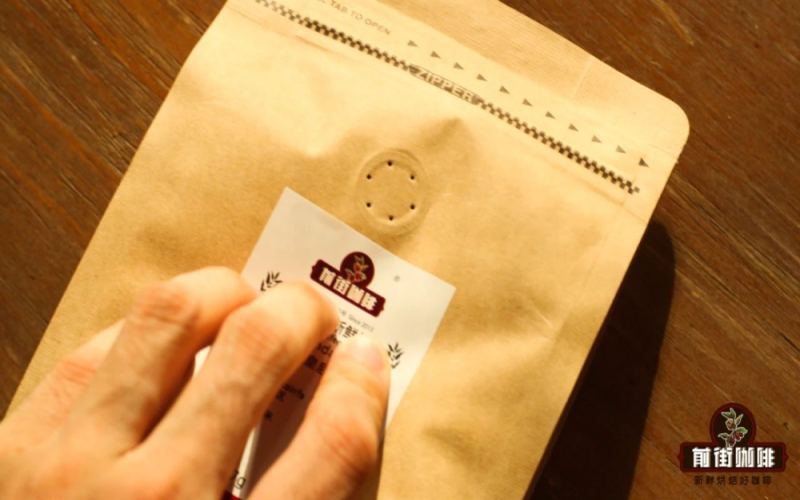
Quickly Select Fresh Coffee Beans | How to Tell If Single-Origin Coffee Beans Are Freshly Roasted? Recommended Coffee Bean Roasting Brands for Beginners
Many friends have left comments saying they don't know how to choose coffee beans, or how to tell whether the coffee beans they bought are fresh. So today, Front Street Coffee will teach you how to choose coffee beans, so that next time you buy coffee, you won't have to worry about getting beans that don't suit you or aren't fresh. Let's take a look at the most basic things you need to know when choosing coffee beans. [more…]
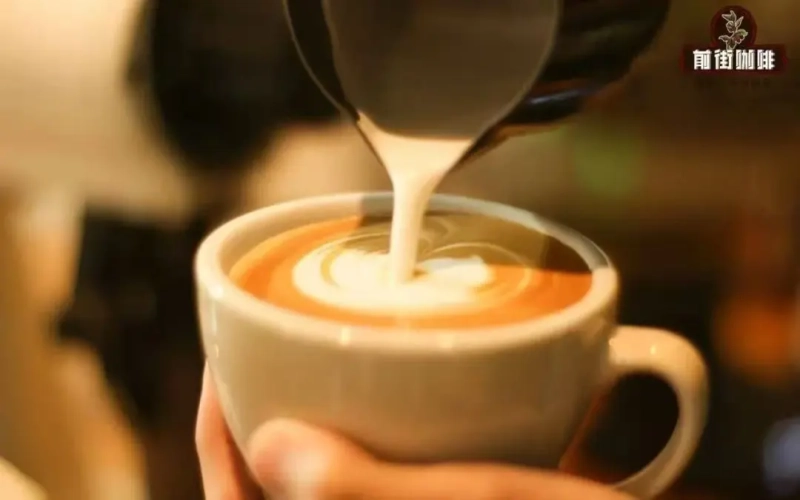
A Complete Guide to Bean Selection and Milk Pairing for Latte Coffee: The Golden Ratio of Espresso and Milk
To make a delicious latte at home, the pairing of coffee beans and milk is key. This article approaches the topic from the perspective of milk types, analyzing the differences between skim milk, shelf-stable milk, and fresh milk in milk coffee preparation, and points out that fresh milk, due to pasteurization, better preserves flavor and is therefore more suitable for pairing with espresso. However, fresher milk is not necessarily better—different coffee beans require milk of different textures. Front Street Coffee's Classic Italian Blend is suited to light-bodied fresh milk, while Front Street Coffee's Strawberry Candy Italian Blend is better combined with rich, heavy milk. The article also emphasizes that online reviews only represent results under specific beans, so before choosing milk, one should first understand the flavor characteristics of the coffee beans being used, and then find the most suitable match accordingly. [more…]

What's the Difference Between Milk Brew and Cold Brew with Milk? A Detailed Guide to the Fresh Milk Cold Brew Coffee Grounds Method and Cold Brew Latte Preparation
Cold brew coffee methods are endlessly varied, and when milk is introduced into a low-temperature immersion system, two distinctly different paths emerge: one is to directly replace water with fresh milk to cold-brew coffee grounds, known as milk brew; the other is to first make cold brew coffee, then mix in fresh milk according to a ratio. The two differ noticeably in extraction mechanism, flavor direction, and mouthfeel thickness. This article focuses on the practical parameters of Front Street. Queen's Estate, providing respectively the ratios, grind size, refrigeration time, and filtration key points for milk brew coffee and cold brew with milk added, and explaining the choice of medium-dark roasted beans and fruity medium-roasted beans suitable for pairing with milk, to help coffee enthusiasts make a smooth, sweetly fragrant, and clearly flavored cold brew latte in summer. [more…]
How Can You Tell If Coffee Beans Are Fresh? Seven Practical Ways to Assess from Visual Inspection to Pour-Over
Whether a cup of coffee tastes good or not, freshness is often the decisive factor. No matter which country the coffee beans come from, which factory roasts them, or which channel sells them, freshness preservation is always the top priority. Generally speaking, coffee beans are in their optimal drinking window within two weeks after roasting is completed; during this stage, the beans' aroma and taste both reach their peak. So how can ordinary consumers judge whether the coffee beans in their hands are fresh enough? This article starts from seven dimensions—looking, grabbing by hand, smelling, pressing by hand, biting, grinding, and brewing—and breaks down the identification methods one by one, helping you quickly make a judgment in daily purchasing and use, and grind out truly good-tasting coffee. [more…]
How many days do coffee beans need to rest? A guide to handling overly fresh beans for pour-over and analyzing flavor changes
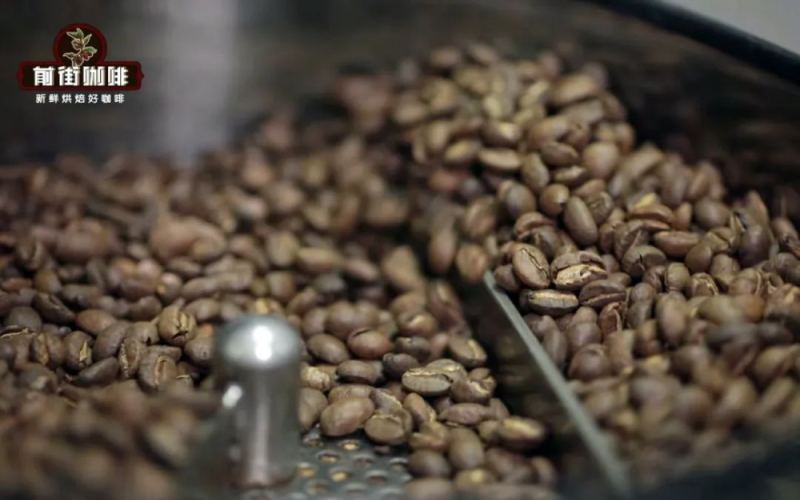
Freshly roasted coffee beans are not always better the fresher they are. Front Street Coffee points out that about 2% of the coffee bean's weight in carbon dioxide continues to be released after roasting, which both protects the flavor and hinders extraction. When coffee is too fresh, brewing tends to produce large bubbles, a harsh mouthfeel, and grassy, unripe flavors. For medium-light roasted beans, resting is recommended for 4-7 days, while medium-dark roasted beans need 7-10 days. This article explains in detail the double-edged sword effect of carbon dioxide, the flavor defects of fresh beans, and the resting times for coffee beans of different roast levels, helping coffee lovers find the optimal flavor window. [more…]
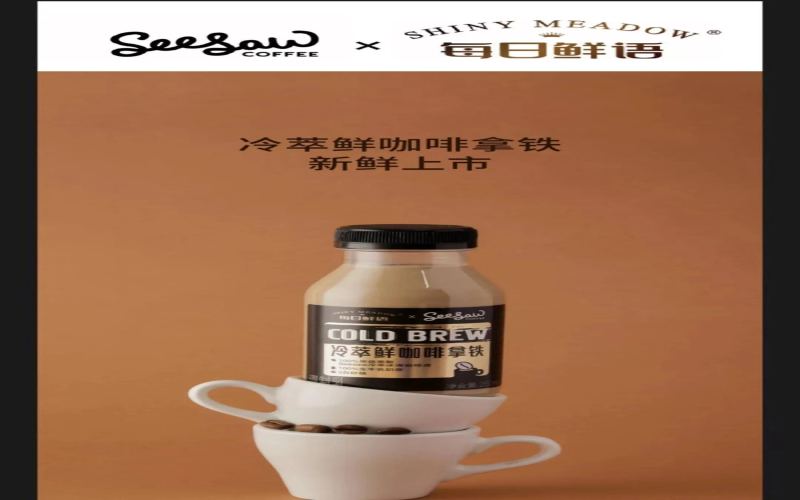
Seesaw partners with Daily Fresh Milk to launch bottled cold brew latte, sweetened with monk fruit concentrate, sparking polarized reviews
Specialty coffee brand Seesaw recently teamed up with Mengniu's fresh milk brand Daily Fresh to launch a bottled cold brew fresh milk latte. The official claim is that it uses custom cold brew beans, paired with fresh milk from a GAP Grade 1 certified pasture, with an ingredient list that highlights 0 non-dairy creamer, 0 white granulated sugar, and 0 artificial sweeteners, while the sweetness comes from natural monk fruit concentrate. After the product hit the market, online shopping platforms sold it at about 11 yuan per bottle, with a minimum purchase of 3 bottles, prompting many consumers to stock up. However, public opinion is clearly divided: some praise the clean formula of fresh milk plus coffee, while others complain of a traditional Chinese medicine taste, a sticky mouthfeel, and an inexplicable astringency, with the controversy centering on the sweetness brought by monk fruit concentrate. This article reviews the formula, price, and consumer feedback of this new product, and explores the competition and choices in the bottled coffee market. [more…]

How should coffee beans be stored properly after buying them? Master the four principles—avoiding moisture, oxygen, light, and heat—to keep their fresh flavor.
Many people mistakenly believe that freshly ground coffee equals fresh coffee, but that is not the case. To truly savor the aroma of coffee, besides grinding fresh, the roast date of the coffee beans is equally crucial. Front Street Coffee, whether in-store or through its online Taobao shop, offers freshly roasted coffee beans. Beans roasted more than 50 days ago basically have little aroma left, but in the first two days after roasting, the aroma has not yet stabilized and the regional flavors cannot be tasted, so Front Street reminds customers to generally rest the beans for three to four days before brewing. So how should coffee beans be stored to maintain freshness after opening? Front Street has summarized the four things coffee beans fear most — moisture, oxygen, light, and heat — and shared the pros and cons of storage methods such as one-way degassing valve bags, sealed canisters, and vacuum canisters, to help everyone extend the flavor life of coffee beans as much as possible in daily life. [more…]
How to Choose Milk for Coffee? A Guide from the Differences Between Fresh Milk and Pure Milk to Milk Pairings for Lattes, Flat Whites, and Dirty Coffee
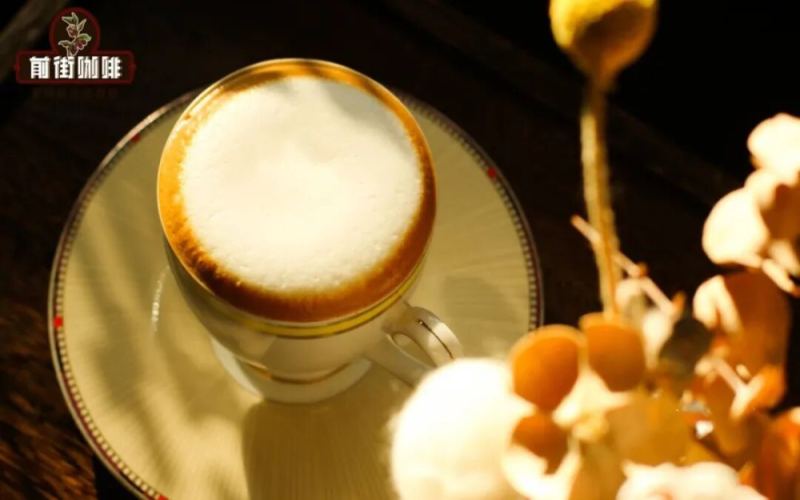
Milk plays an irreplaceable role in coffee drinks—lattes, flat whites, cappuccinos, and Dirty coffees all depend on it. But faced with the dazzling array of dairy products on the market, which milk is actually suitable for pairing with coffee? What's the difference between fresh milk from different brands and shelf-stable pure milk when making coffee? Front Street Coffee combines milk characteristics with coffee bean styles to help you sort out your milk selection approach. From the advantages of whole fresh milk, to matching milk according to roast level, to the milk selection directions for iced and hot lattes, flat whites, and Dirty coffees respectively, this article explains each one by one, helping coffee enthusiasts find the right milk pairing when making different coffees. [more…]
Global Top Ten Coffee Brands Ranking Analysis and Fresh Coffee Bean Selection Guide
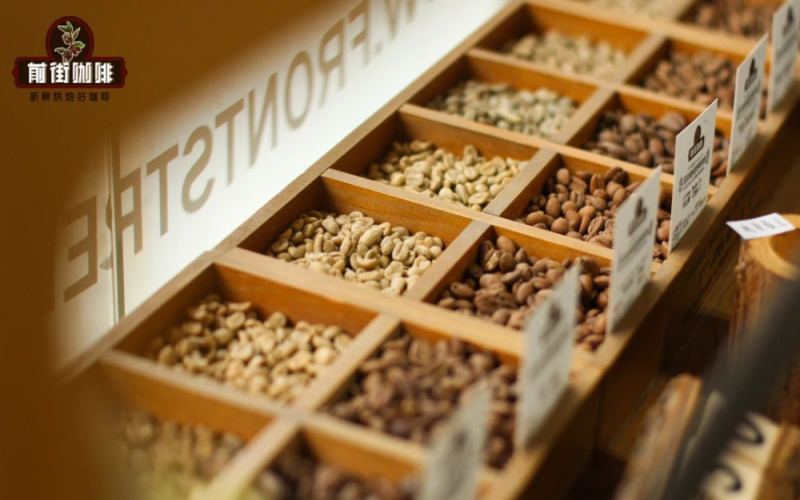
Many coffee lovers, when choosing coffee, are in the habit of first consulting brand rankings, assuming that whatever ranks at the top must be good coffee. But Front Street Coffee believes that whether it's single-origin beans or espresso beans, freshness is the key. This article rounds up the world's ten most famous coffee brands and shares how to select fresh coffee beans by paying attention to details like the roast date and one-way degassing valves. It also recommends several representative Front Street Coffee beans based on different flavor preferences, helping readers find the cup that suits them best. [more…]
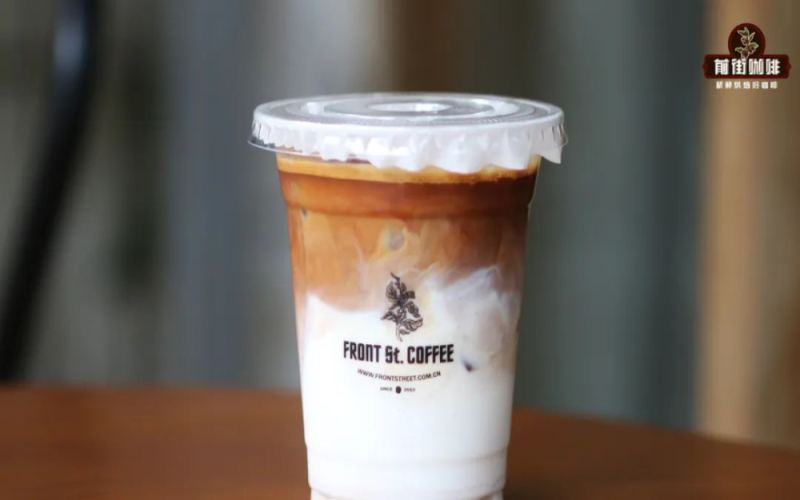
What is the difference between fresh milk and pure milk? Which milk and espresso blend beans should be chosen for milk coffee?
To make a satisfying espresso-based milk coffee at home, the choice of both the espresso base and the milk is equally crucial. The espresso determines the flavor direction, mainly depending on the espresso beans; the milk, while blending with the coffee and diluting its concentration, makes the sweetness more prominent and the mouthfeel richer. This article breaks down the selection logic for espresso beans from three angles: roast level, single-origin versus blend, and origin, explaining why espresso beans are usually roasted darker, and what kind of milk coffee African, Asian, and American beans are each suited for. The article also provides specific flavor descriptions and suitable audiences for three Front Street Coffee espresso blends, and reminds readers of the impact of freshness on flavor layers, while also discussing the difference between fresh milk and pure milk, as well as the real gap in extraction quality of home espresso machines. [more…]
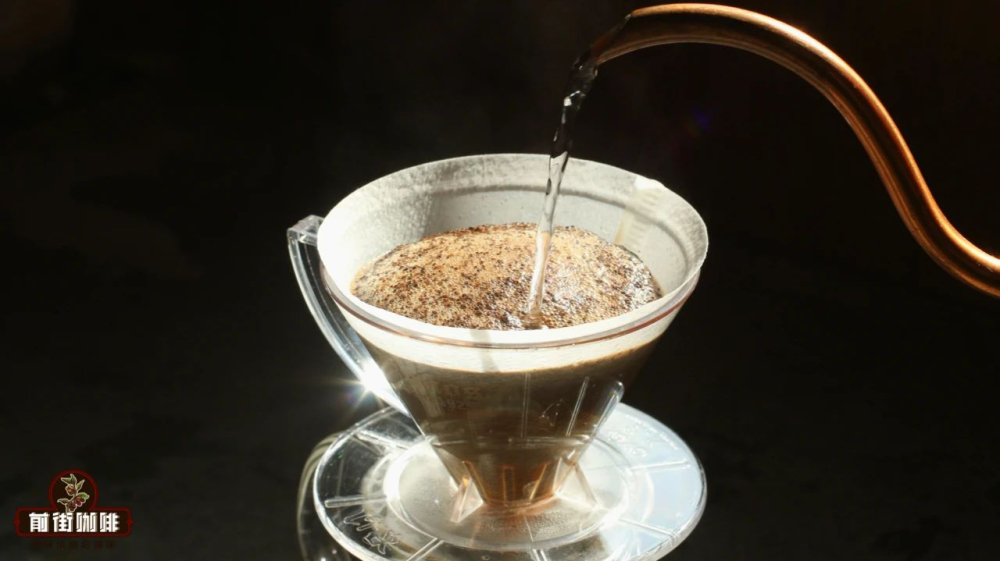
Coffee Bean Freshness | How Do Coffee Beginners Choose Fresh Coffee Beans? How Long Can Coffee Beans Be Stored After Opening? Which Is Better: A Sealed Coffee Bean Storage Canister or Storing Coffee Beans in the Refrigerator?
Many friends assume that freshly ground coffee means fresh coffee, but that's not actually the case. In reality, to truly enjoy the aroma of coffee, it's not just about grinding fresh—the roast time of the coffee beans also matters to some extent. Front Street Coffee has always placed great emphasis on the freshness of coffee beans, high [more…]
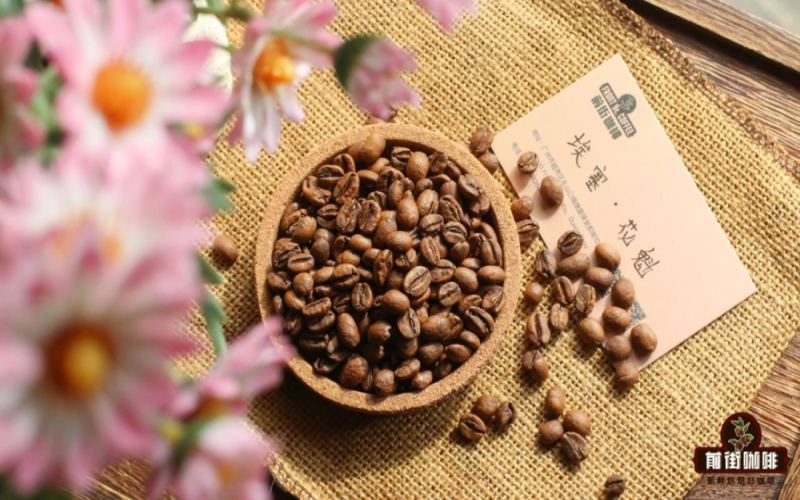
Analysis of the Flavor Characteristics of Huakui Coffee and Buying Suggestions for Fresh, Great-Tasting Natural Process Beans
The name Geisha itself carries a hint of floral and fruity aroma. As a high-quality natural-process coffee from the Hambela region of Ethiopia, it comes from the southwestern highlands, like many Ethiopian beans, and after brewing, its floral and tropical fruit notes stand out remarkably, leaving an unforgettable aftertaste that has made it one of the favorite specialty coffees for many people. However, with such fame, all kinds of "Geisha" products have popped up on the market. To pick the one that is truly fresh and delicious, you need to consider several aspects, including origin information, roast date, and roaster selection. Below, we will discuss the key points for buying Geisha coffee from the perspectives of origin and processing plant, freshness control, roast level, and brand channels. [more…]
A Review of the World's Top Ten Famous Coffee Brands and a Practical Guide to Buying Fresh Coffee Beans
Faced with a dazzling array of coffee brands, many people habitually rely on rankings to make their choices, assuming that a higher position means superior quality. However, Front Street Coffee reminds everyone that whether it's single-origin beans or espresso beans, freshness is the fundamental factor that determines the quality of a cup of coffee. This article compiles the world's top ten famous coffee brands and offers concrete, actionable advice on how to select fresh coffee beans and how to find the one that suits your taste. From the one-way degassing valve on the packaging to the flavor differences among various origins, from floral notes to rich, full-bodied taste, we hope to help every coffee lover find the cup that truly appeals to them among the many choices. [more…]
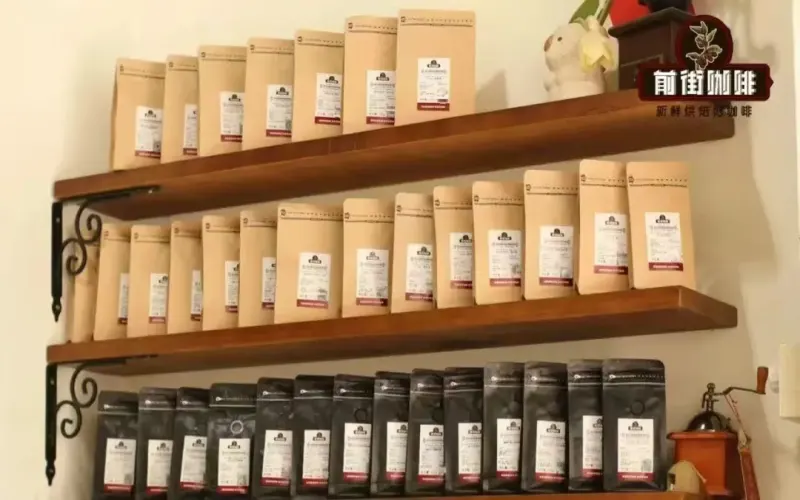
What are the considerations for the resting time of pour-over and espresso coffee beans? Why do fresh beans need to rest for degassing?
Freshly roasted coffee beans often carry a large amount of carbon dioxide, which can affect extraction stability, so they need a resting period. The resting time varies with different roast levels and brewing methods—light roasts usually need 3 to 5 days, while dark roasts require 5 to 7 days; immersion brewing needs only about 2 days, whereas pressurized espresso extraction requires extending the usual time by half again. If you can't wait for the resting period to finish, you can also use methods such as pre-grinding to let the coffee degas, and adjusting water temperature and parameters, so that fresh coffee beans can still produce good flavor. Using Front Street Coffee's Grana Geisha as an example, this article explains in detail the principles of resting, time recommendations, and emergency brewing solutions. [more…]
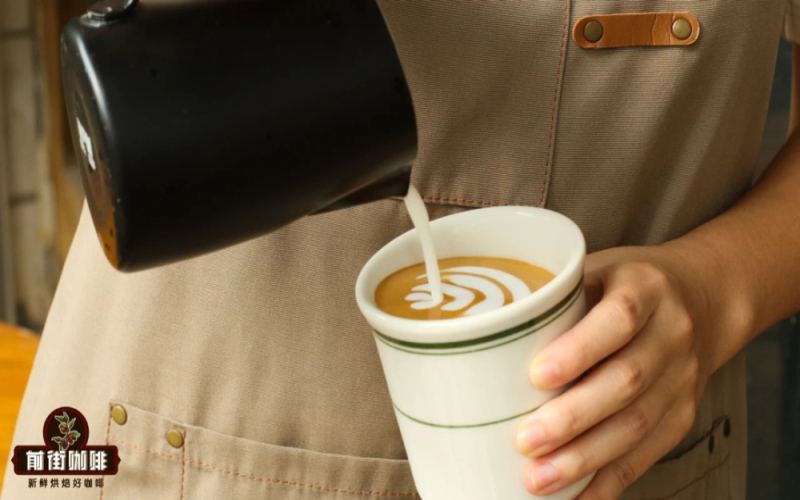
The Correct Way to Mix Coffee with Milk: A Guide to Ratios, Suitable Coffee Types, and the Difference Between Fresh Milk and Pure Milk
The pairing of coffee and milk may seem simple, but it actually places strict demands on the coffee's own strength and flavor profile. Starting from the golden ratio of coffee to milk, this article explains why deep-roasted coffee with a bitter-leaning character is better suited to combining with milk than acidic coffee, and uses espresso and latte as examples to introduce the 1:6.5 blending scheme of Front Street Coffee Sunflower Warm Sun Blend and Vitasoy Fresh Milk. It also discusses whether pour-over coffee can have milk added, which types of pour-over are suitable for adding milk and the recommended amounts, and finally sorts out the five differences between fresh milk and pure milk in terms of shelf life, storage method, sterilization process, nutritional value and taste, helping coffee lovers find a cup that is smooth yet still retains coffee flavor. [more…]
How to Improve the Aroma of Pour-Over Coffee? A Detailed Explanation of the Flavor Window for Single-Origin and Espresso Beans and Extraction Parameter Adjustments
Many coffee enthusiasts who brew pour-over at home often find that the coffee they make falls short of what a café produces, whether in aroma or flavor expression. In fact, the key to recreating a cup of pour-over coffee that is rich in aroma and layered in flavor lies in two core elements: first, using fresh coffee beans that are still within their optimal tasting window; second, achieving full extraction through scientific brewing parameters. Drawing on the practical experience of Front Street Coffee, this article systematically explains the criteria for judging coffee bean freshness, the brewing parameters corresponding to different roast levels, and how to flexibly adjust grind size based on flavor feedback, helping you consistently brew a good cup of coffee with a rich aroma and vivid flavor. [more…]
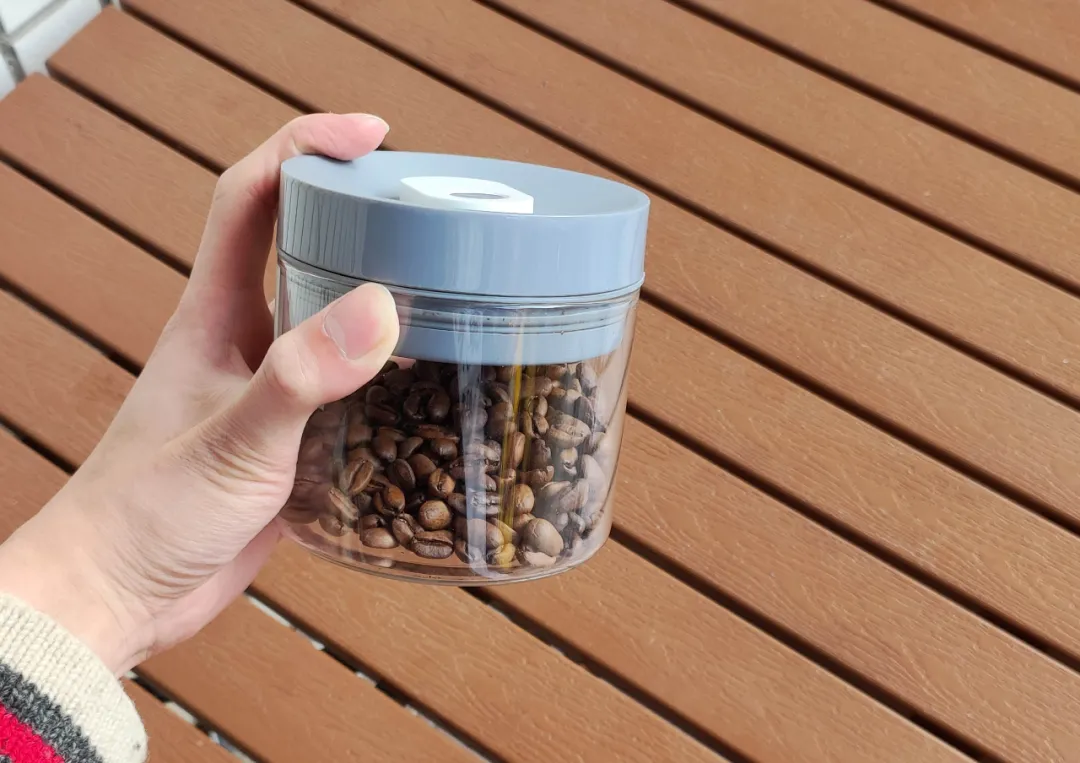
Coffee Grounds Shelf Life | How Long Do Fresh Coffee Beans Last? Can You Still Drink Coffee Beans Past Their Peak Flavor Period? How to Properly Store Coffee Beans?
For more specialty coffee knowledge, please follow: Front Street Coffee (Frontsteet Coffee). Front Street recently noticed that a small number of coffee-loving friends have left their coffee beans unopened for two months, believing that as long as the package is unopened, the coffee beans will not spoil. In fact, it really does not affect the coffee's [more…]