







Search Results for: French Press Coffee Maker

How to Choose a Home Coffee Maker | French Press vs. Moka Pot: Which Is Better for Beginners? Recommendations for Great-Tasting, Affordable, High-Quality Coffee Beans for Home Brewing
Many friends who have just gotten into coffee struggle with one question: between the French press and the moka pot, which one should I buy? Both are recognized as beginner-friendly coffee brewing devices, but their extraction principles, taste profiles, and operating methods are completely different. Today's article will help you figure it all out in one go, so you can place your order right after reading without any hesitation. [more…]
French Press Coffee | What Is the Difference Between a French Press and Pour-Over Coffee? Which Is More Suitable for Coffee Beginners: a Pour-Over Coffee Maker or a French Press?
The difference between a French press and pour-over coffee, put simply and bluntly, is the difference between immersion and filtration. The French press is an immersion-style extraction, while pour-over is a drip-filter extraction. Below, Front Street compares these two coffee brewing methods. The taste difference between French press coffee and pour-over coffee: pour-over coffee is now the most commonly [more…]
A Detailed Guide to Four Coffee Brewing Methods: Operational Essentials for Siphon, French Press, Pour-Over Drip, and Cold Brew Iced Coffee
To brew a cup of coffee with rich layers of flavor at home, choosing the right equipment and mastering the correct technique are equally crucial. This article systematically introduces four mainstream coffee brewing methods—the siphon (vacuum) coffee maker, the French press, the paper-filter pour-over dripper, and cold-water iced coffee—breaking down each one's equipment features, suitable grind size, coffee-to-water ratio, and detailed operating steps, along with practical tips. Whether you are a coffee enthusiast just starting out or an advanced player hoping to refine your technique, you will find a brewing method that suits you. The article also specifically recommends related products from Front Street Coffee to help you start your home coffee journey more easily. [more…]

A Complete Guide to French Press Coffee-to-Water Ratios and Grind Size: Why It's Called a Tea Maker
The French press, with its full-immersion design and metal filter, can brew coffee that is rich in oils and full-bodied. But if you want to drink a good cup of coffee, you need to get several variables right: grind size, coffee-to-water ratio, water temperature, and steeping time. This article takes a practical approach and breaks down the key parameters of French press brewing one by one: how coarse the coffee grounds should be, how to adjust the 1:15 coffee-to-water ratio, why the water temperature should be slightly higher than for pour-over, and how to determine the four-minute steeping time, along with recommendations for coffee beans suitable for the French press and buying advice for Front Street Coffee. Whether you are a beginner who has just gotten into French press brewing or an enthusiast looking to refine your skills, you can find actionable brewing ideas here. [more…]
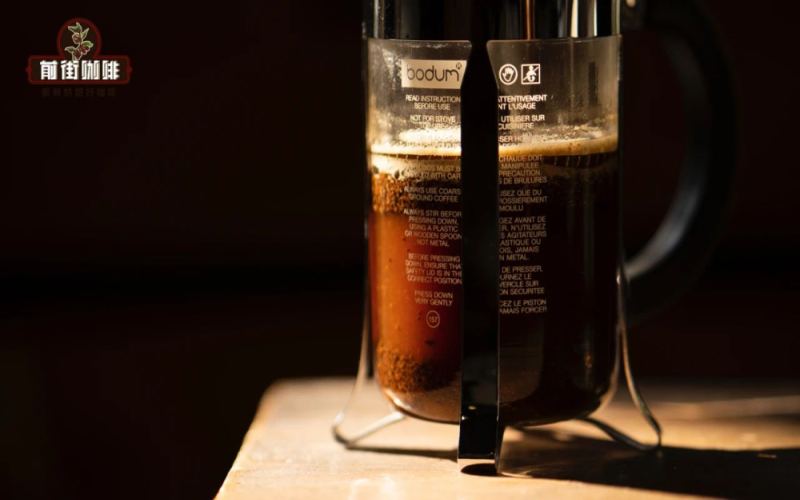
Home Coffee Maker Introduction | French Press or Moka Pot: Which Is Better for Coffee Beginners? Which Coffee Beans Are Suitable for French Press Brewing? How Do You Make Moka Pot Coffee?
Front Street Coffee (FrontStreet Coffee) shops focus mainly on pour-over single-origin coffee, with more than 50 different single-origin coffee beans from different regions alone. What kind of pour-over equipment can best bring out the perfect flavor of these beans is also a question Front Street Coffee (Front [more…]
French Press Coffee Complete Guide: Coffee-to-Water Ratio, Grind Size, and Step-by-Step Instructions
The French press, also known as a press pot or tea maker, and sometimes called the "lazy person's pot," is a home brewing device with a very low barrier to entry that nonetheless preserves coffee flavor quite completely. The coffee it extracts has a thick, rounded mouthfeel, and the oils, aromas, and sweetness are all released fairly fully, making it the easiest way for beginners to consistently reproduce a stable taste. This article centers on the origins and characteristics of the French press, with emphasis on the coffee-to-water ratio (about 1:14 to 1:18), grind size (a coarse grind about the size of brown sugar granules), water temperature control (85 to 95°C), and a complete ten-step brewing process. It also recommends medium-to-dark roasted beans such as Front Street Coffee Bird of Paradise, Front Street Coffee Queen's Estate, Front Street Coffee Golden Mandheling, Front Street Coffee Strawberry Candy, and Front Street Coffee Mozart, to help you easily make a delicious cup of French press coffee. [more…]
A Comprehensive Analysis of the French Press: From Extraction Principles to Brewing Steps and Crema Performance
The French press, also known as a French filter press or tea maker, is nicknamed the "lazy person's pot" due to its simple operation. It originated in France around 1850. It consists of a heat-resistant glass body and a metal filter with a plunger, and was initially mostly used for brewing black tea. The French press fully preserves the coffee's flavor and oils, offering a smooth, sweet, and rich mouthfeel. Its extraction rate is close to that of cupping, and it is the easiest method to replicate the same flavor, making it very suitable for beginners. However, it has higher requirements for coffee bean quality and freshness, and overly fine grinding can easily lead to over-extraction. This article will detail the pros and cons of the French press, the differences in oils compared to espresso and moka pot, and include the complete operating steps from Front Street Coffee. [more…]
A Complete Guide to French Press Coffee Brewing: A Practical Guide from Equipment Principles to Operational Details
The French press is called the lazy person's pot by many coffee enthusiasts. With a low operational threshold and stable output, it is an ideal choice for beginners. It not only presents the coffee's oils, aroma, and sweetness quite completely, but also, because its variables are easy to control, allows different people to reproduce a similar cup. This article will systematically introduce the origins and characteristics of the French press, and, combined with recommendations for Front Street Coffee beans, demonstrate step by step the complete process from weighing beans, pouring water, to filtering and serving, while also pointing out easily overlooked details such as grind size, water temperature range, coffee-to-water ratio, and pressing technique, helping you easily make a rich and full-bodied cup of French press coffee at home. [more…]
How Much Coffee Grounds Should You Use for a French Press? A Detailed Guide to Grind Size, Coffee-to-Water Ratio, and Oil Performance
The French press is simple to use and delivers consistent results, making it the first choice for many coffee enthusiasts just getting started. But how much coffee grounds to use, how coarse the grind should be, and how to set the water temperature directly determine whether a cup of French press coffee turns out well. This article goes through the French press's coffee dose, coffee-to-water ratio, grind coarseness, water temperature, and brewing time one by one, and compares the crema differences between espresso machines and moka pots, helping you see the true level of crema in French press coffee. The article also includes Front Street Coffee's complete French press brewing steps and parameter recommendations, so even beginners can follow along and replicate a stable, delicious cup of French press coffee. [more…]
A Complete Beginner's Guide to the French Press: From Extraction Principles to Brewing Parameters, a Step-by-Step Guide to Making a Good Cup of Coffee
In a fast-paced life, do you crave a good cup of coffee but struggle to find the time? A French press might just be the ideal choice that balances convenience and flavor. It is simple to operate, easy to replicate, and fully preserves the coffee's oils and aroma, delivering a rich, rounded mouthfeel. It is neither as technique-demanding as pour-over nor as easy to pick up as espresso. This article will start with the origins, structure, and working principle of the French press, then break down in detail the steps and key parameters for making French press coffee, including the coffee-to-water ratio, water temperature, grind size, and steeping time. It will also compare the differences in oil extraction between espresso machines and moka pots, and share Front Street Coffee's professional advice on coffee bean freshness and grinding timing, helping you easily master the correct way to use this "lazy person's pot." [more…]
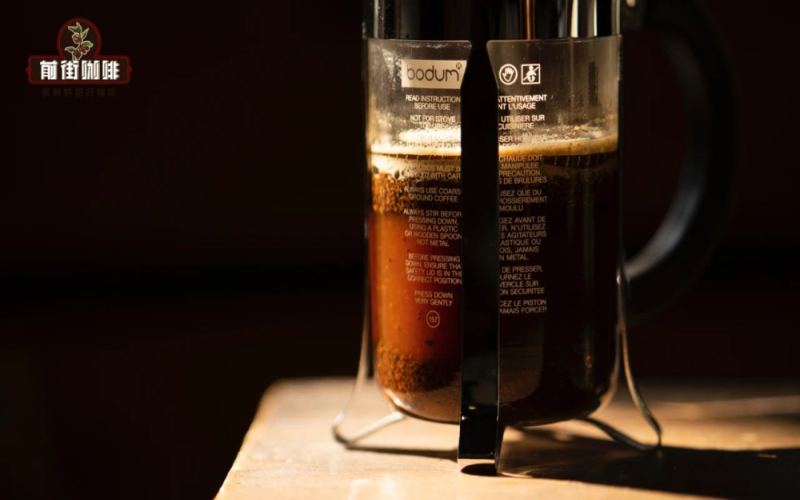
French Press Brewing Parameters Explained: Coffee-to-Water Ratio, Differences from Pour-Over, and Coffee Bean Selection Guide
The French press, thanks to its simple operation and high flavor fidelity, has become the top choice for many coffee enthusiasts starting out. It not only fully showcases a coffee's strengths but also unflinchingly exposes its flaws, which is why it demands high quality and freshness from the beans. This article provides a detailed breakdown of the French press coffee-to-water ratio, its core differences from pour-over coffee, and recommendations for suitable coffee beans, finishing with a complete set of operating steps from Front Street Coffee beans to extraction, helping you easily make a rich, full-bodied French press coffee. [more…]
French Press Brewing Guide: Coffee-to-Water Ratios and Complete Brewing Process for Different Roast Levels
The French press, with its simple operation, stable extraction, and complete flavor, has become the top choice for many coffee enthusiasts just getting started. It not only fully brings out coffee's oils and aroma, but also places high demands on bean quality and freshness. This article focuses on setting the coffee-to-water ratio for the French press, and combines coffee beans of different roast levels to provide a complete set of operating steps from bean selection to the final cup. At the same time, for the two flavor profiles of full-bodied and floral-fruity, it recommends two beans, Front Street Coffee PWN Golden Mandheling and Front Street Coffee Strawberry Candy, to help readers reliably recreate a delicious cup of French press coffee at home. [more…]
The Complete French Press Manual: Medium-Roast Brewing Essentials and Immersion-Brewed Iced Coffee Tutorial
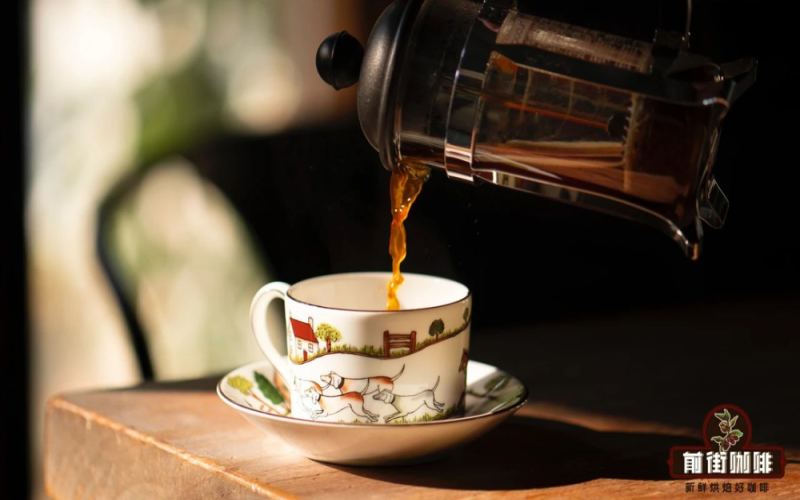
The French press, with its simple operation and ability to preserve flavor fully, has become a staple piece of equipment in many coffee enthusiasts' homes. It requires no complex technique and relies solely on immersion to bring out coffee's rich, full-bodied character. From the perspective of Front Street, this article traces the origins and structural advantages of the French press, and focuses on sharing a set of iced coffee brewing methods suited to summer—using medium-light roasted, more deeply fermented bean varieties, paired with a specific coffee-to-water ratio and immersion time, to produce a distinctly fruity, icy taste. The article also includes detailed step-by-step instructions and parameter suggestions for readers to reference and practice. [more…]
Can French Press Coffee Be Reused for Multiple Brews? A Detailed Explanation of French Press Extraction Principles and Standard Operating Procedure
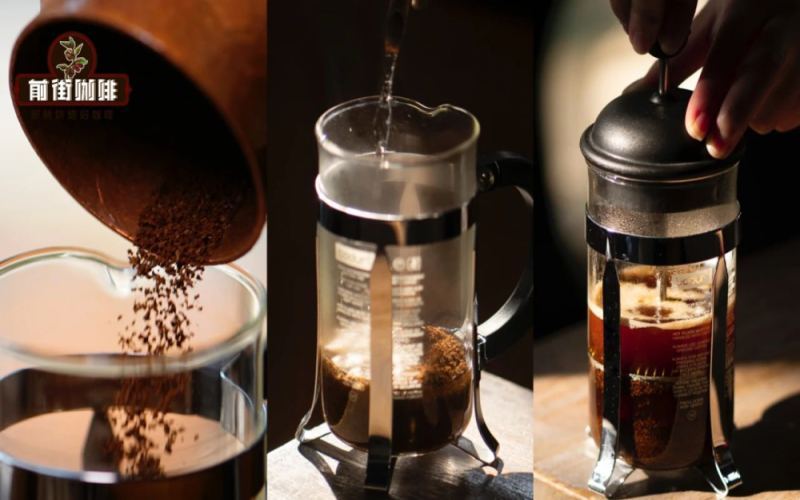
The French press, with its minimalist operation and extraction results close to cupping, has become the top choice for many coffee enthusiasts starting out. It fully releases coffee oils and aromas while also placing higher demands on bean quality and freshness. This article begins with the origins and structure of the French press, explains why it is better suited to medium-dark roasted coffee, and gradually breaks down the complete French press brewing process—from coffee-to-water ratio, water temperature, and grind size to pouring, stirring, steeping, and pressing—while also answering the question of the oil content in French press coffee. The article also specifically recommends beans suitable for the French press, such as Front Street Strawberry Candy, Front Street Bird of Paradise, and Front Street PWN Golden Mandheling, helping readers easily reproduce a stable and delicious cup of French press coffee. [more…]
The Complete Guide to Brewing Coffee with a French Press: A Detailed Analysis of Grind Size, Water Temperature Range, and Coffee-to-Water Ratio
The French press is also called a French filter press, and because it is easy to operate, it is also known as the lazy person's pot. It originated in France around 1850. It uses a heat-resistant glass body combined with a metal filter mesh plunger, which can relatively completely preserve the coffee's oils and aroma, producing a thick and rounded mouthfeel. Compared with pour-over and siphon, the French press makes it easier to reproduce stable flavors and is very beginner-friendly. This article, based on recommendations from Front Street Coffee, introduces medium-dark roasted beans suitable for the French press, and explains step by step operational details such as a coffee-to-water ratio of 1:14 to 1:18, water temperature of 85 to 95°C, coarse grinding like the coarseness of brown sugar, and a 4-minute steep, helping you easily make a delicious cup of French press coffee. [more…]
Complete French Press Coffee Brewing Tutorial: A Detailed Guide to Coffee-to-Water Ratio, Grind Size, and Steeping Time
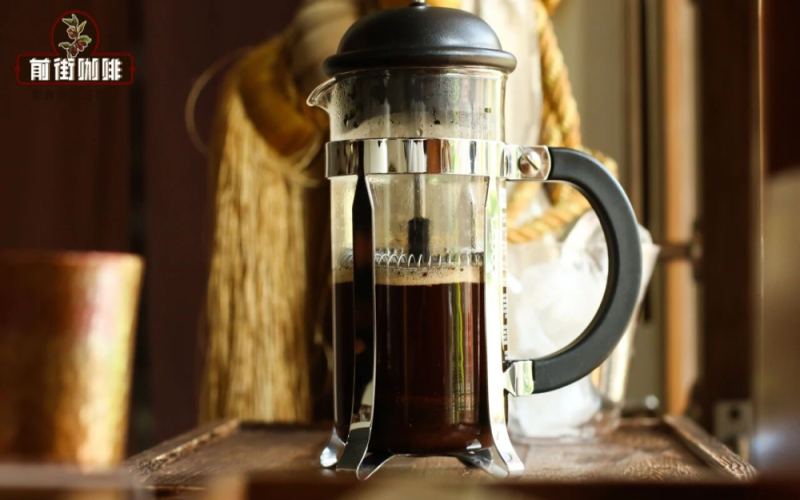
Want to enjoy a good cup of coffee but find pour-over too time-consuming? A French press may be exactly the hassle-free choice you need. With a low barrier to entry and consistent results, it is one of the easiest brewing devices for beginners to master. Coffee brewed in a French press has a rich, full-bodied taste that fully brings out the coffee's oils and aroma, while placing higher demands on the freshness and quality of the coffee beans. This article will break down the complete French press brewing process step by step—from how the device works, the coffee-to-water ratio, grind size, and water temperature control to the specific brewing steps—and recommend several Front Street medium-to-dark roast beans suited to the French press, helping you easily recreate a cup of coffee with complete flavor at home. [more…]
How Does Brewing Yirgacheffe in a French Press Taste? Front Street Coffee Beans Hands-On Demonstration and Analysis of Six Types of Home Coffee Brewing Methods
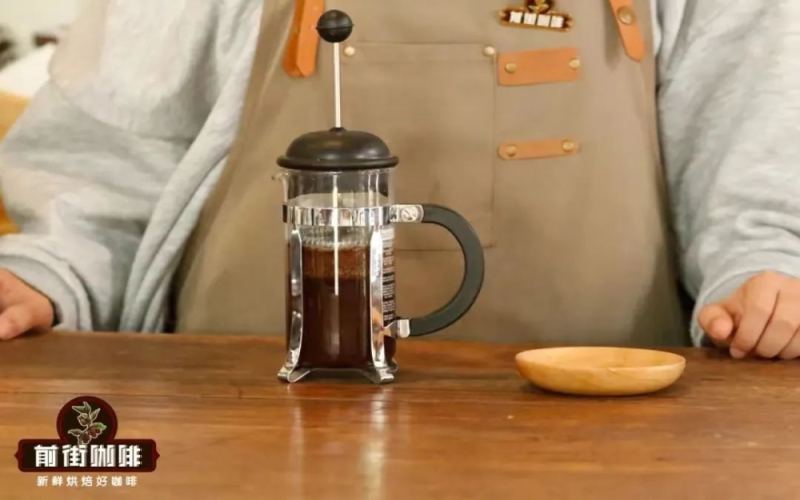
To easily make a cup of rich, full-bodied coffee at home, the French press is an essential entry-level tool. By fully immersing the coffee and separating it with a metal filter, it retains almost all the extractable flavor compounds, resulting in a fuller mouthfeel than paper-filter pour-over. This article first systematically outlines the principles and characteristics of six common brewing devices: the drip brewer, American electric coffee maker, French press, siphon, moka pot, and espresso machine. Then, using a light-to-medium roasted Yirgacheffe from a high-altitude Ethiopian region as an example, it provides specific French press parameters for Front Street Coffee beans, along with water-pouring and stirring techniques, and describes the floral notes, citrus acidity, creamy sucrose sweetness, and black tea finish presented in the final cup. [more…]
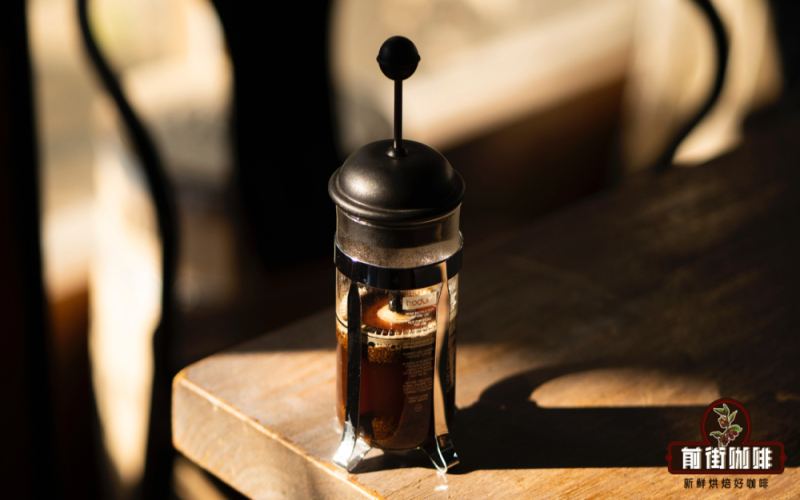
French Press Brewing Guide for Blue Mountain Coffee: Flavor Characteristics and Key Steps for Front Street Blue Mountain No. 1
The French press is one of the most convenient home coffee brewing devices, and it preserves coffee flavors fairly completely, which means it places high demands on bean quality and freshness. This article uses Front Street Jamaica Blue Mountain No. 1 coffee beans as an example to explain in detail how to use a French press, and analyzes the Blue Mountain coffee region regulations, grade classifications, the background of Clifton Farm, and Front Street roasters' medium-dark roasting approach. You will learn why Blue Mountain No. 1 is called the "Emperor of Coffee," how its dark chocolate, nut, and caramel flavors are steadily expressed in a French press, and the complete process from weighing beans and controlling water temperature to pressing and pouring. [more…]
French Press Brewing Guide for Blue Mountain No. 1: From Jamaican Certified Zones to Clifton Farm Flavor Analysis
Want to easily make a rich, full-bodied cup of black coffee at home? A French press may be the most effortless and the best choice for bringing out coffee's true flavor. It's simple to use and highly forgiving, and it preserves almost the complete layers of coffee's flavor—though of course, that also means it demands higher quality and freshness from the beans. This article uses Front Street Jamaica Blue Mountain No. 1 coffee beans as an example, first helping you understand the authentic Blue Mountain coffee's regional certification, grading standards, and the background of Clifton Farm, then breaking down the French press brewing process step by step. From the coffee-to-water ratio, grind size, water temperature control, and pressing technique, every detail will be explained clearly, so you can reliably recreate at home a cup of Blue Mountain coffee interwoven with creamy chocolate and a caramel sweet finish. [more…]
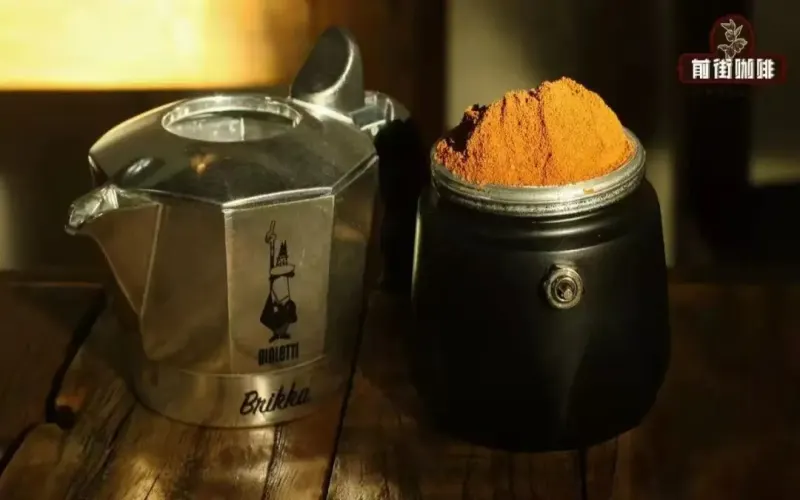
How to Choose Between a French Press and a Moka Pot: Is a Moka Pot Suitable for Beginners? A Coffee Bean Buying Guide for Moka Pots
The French press and the moka pot are both coffee brewing devices suitable for beginners, but their extraction principles, flavor profiles, and operational difficulty differ. The French press uses immersion extraction, is simple to operate, and produces a full-bodied taste; the moka pot uses pressure extraction and can produce a more concentrated coffee liquid with oils. This article will compare the two devices in terms of principles, structure, and usage methods, and focus on introducing coffee bean choices suitable for the moka pot, including Front Street Coffee's Golden Mandheling, Brazil Queen's Estate, and Colombia Huila single-origin beans, as well as three blends: Classic Espresso Blend, Basic Espresso Blend, and Commercial Espresso Blend, to help coffee enthusiasts find the moka pot coffee beans that best suit them. [more…]