








FrontStreet Coffee's stores focus on pour-over single-origin coffee, with over 50 different single-origin coffee beans from various regions. How to use pour-over equipment to present the perfect flavor of these beans is also a question FrontStreet Coffee needs to consider. After comparative brewing experiments at FrontStreet, they chose to use a simple pour-over method for brewing.

Of course, there are many ways to brew coffee beans, not limited to the pour-over method mentioned by FrontStreet. There are also other coffee brewing devices on the market, such as the moka pot and the French press. In this article, FrontStreet will introduce these two coffee brewing devices.
French Press
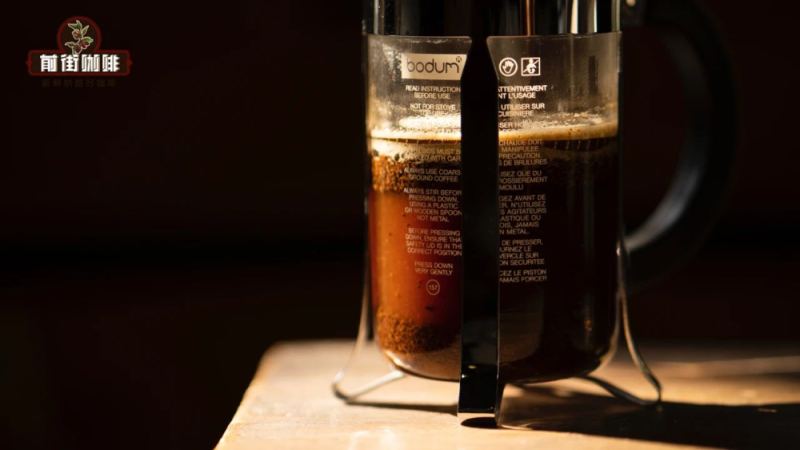
The French Press, known in English as the French Press, can also be called a French-style press pot in Chinese. The French press originated in France around 1850 and is a simple brewing device consisting of a heat-resistant glass body and a metal filter with a plunger.

The French press and the moka pot are also called "lazy person's coffee devices" — simple and convenient to operate, while still preserving the complete flavor of a good cup of coffee. In fact, the extraction of a French press is the closest brewing method to cupping results. It can fully bring out the oils, aroma, essences, and various flavor compounds in coffee. Its smooth, sweet, and rich taste makes it an excellent choice of coffee device.
How to make coffee with a French press
Step one
⟧7⟧::You first need to select beans.
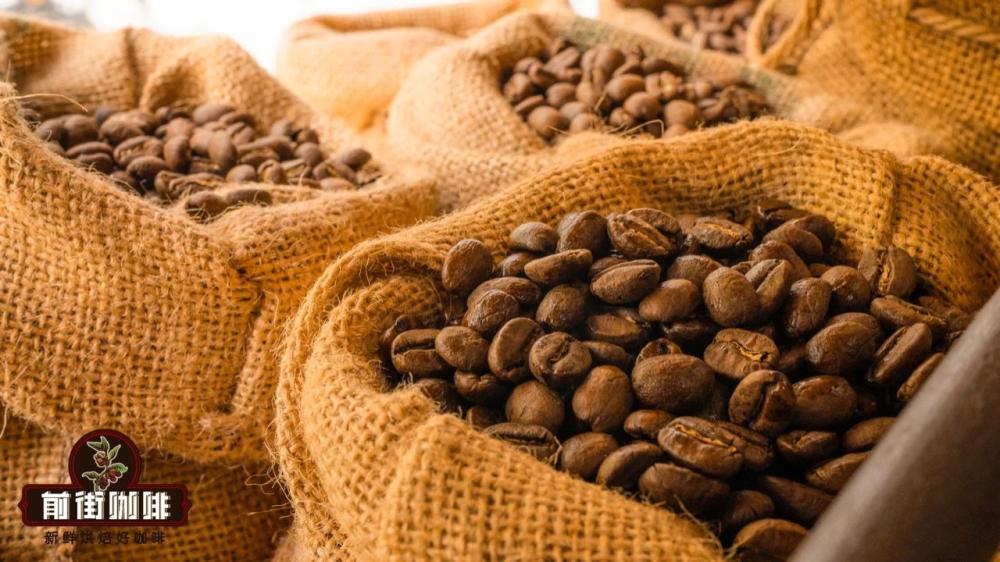
Single-origin coffee beans are suitable, or beans with a strong fruity acidity, and medium to dark roasted coffee beans are suitable.
Step two:Determinethe French press coffee beangrind size andcoffee powder ratio.
You need at least about 20g of coffee powder. The coffee powder should be slightly coarse (because hot water directly contacts the coffee powder, and if it is too fine it is easy to over-extract). A medium grind can be used, about 5-6 degrees. If the powder is too fine, the coffee powder will escape through the holes of the filter, and the coffee will become cloudy. You can also follow FrontStreet Coffee's grind size:
FrontStreetcoffee grind size coarsenessstandard sieve pass rate: cold brew > pour-over siphon 80% > moka American drip 75-80% > cupping 70-75% > French press 65-70%.

You can start by trying a coffee-to-water ratio of 1:10. For 2 servings, for example, that is 20g of coffee beans with about 200g of water. As for the final ratio, it depends on your taste. The resting time is about 3-4 minutes. The longer the steeping time, the stronger the taste, and the heavier the acidity. The taste of each coffee bean and personal preference are different, so you need to try them one by one. During the resting time, do not press down the filter, so that the coffee and water have more time and space to contact.
Step three:Start using the French press to make coffee
1. First grind the coffee beans, then pour them into the French press. At this point, ignore what many people say about grind size; do not grind too coarse, just a medium grind is fine.

2. Boil the water. The recommended water temperature is 93℃, then pour in the appropriate amount of water. We used 20g of coffee powder and poured in 200g of hot water, stirred with a spoon, and let the coffee powder and water fully combine.

3. Put the lid on the French press, leave the filter at the highest position, and let it rest for 4 minutes.

4. Before pressing down the filter, you can open the lid and first use a spoon to scoop out the foam and small fragments floating on top, then press the filter all the way down.
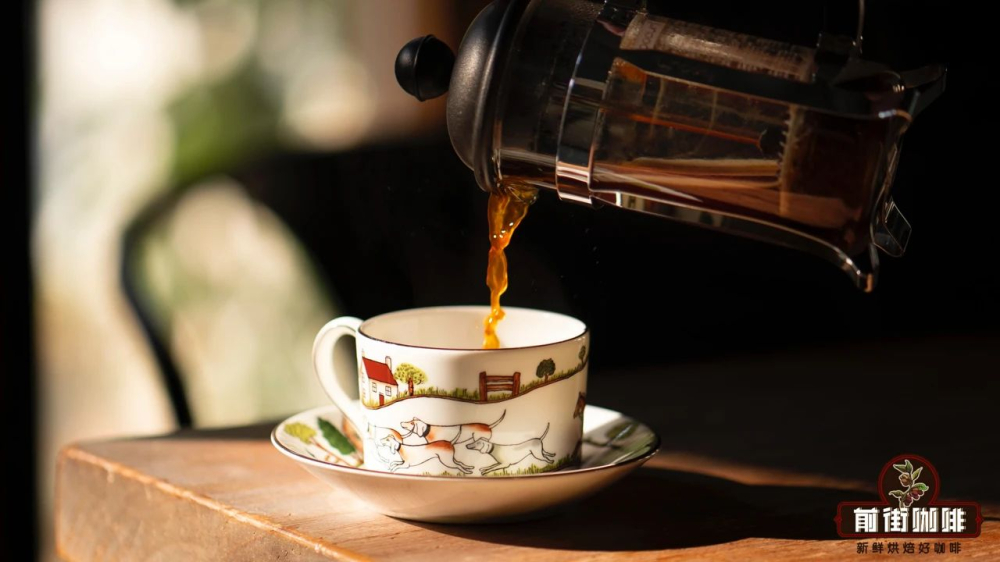
5. Once brewing is complete, immediately pour it out into another insulated container! Do not delay, because the coffee powder is still steeping in it. Then pour it into a cup and enjoy it slowly.
Issues to note when using a French press
In addition, you can also prepare an electronic scale. But even with a French press that has markings and a measuring spoon, it is still recommended to prepare an electronic scale, because coffee beans will change in density due to many factors such as growing altitude and roasting method, and the mass and weight of each type of bean differ. Also, if you make a very delicious cup of coffee and want to reproduce that flavor, you must record the ratio. Conversely, if you make a very bad cup of coffee, based on the data you will also know how to adjust it.
Use fresh, clean soft water. Do not extract with water that is too hard, and do not use unfiltered water. If the water itself is not good, it is difficult to make delicious coffee. The French press is elegant and gentle, so when pressing you must be slow. If at this critical moment you violently stir the coffee, that is equivalent to speeding up the extraction process at the final stage, and by then your coffee has already released all the good things, and what is summoned next is bitterness.

If you want to upgrade it into a milk coffee, a French press can do that too. Prepare a clean French press, pour in 1/3 warm milk, slowly insert the filter, and push and pull repeatedly until the milk is frothed to twice its original volume. At this point the milk is fully frothed and has a silky texture. Add it to the coffee and you are done.
Moka Pot
According to what FrontStreet has learned, the moka pot is spelled Moka pot in English. The most common explanation is that mocha began when the first batch of coffee entered Venice in the 17th century. It can be said that in northern Italy, mocha is equivalent to coffee. Therefore, the moka pot is actually also called a coffee pot, meaning a brewing device that allows you to get a rich cup of coffee at home.

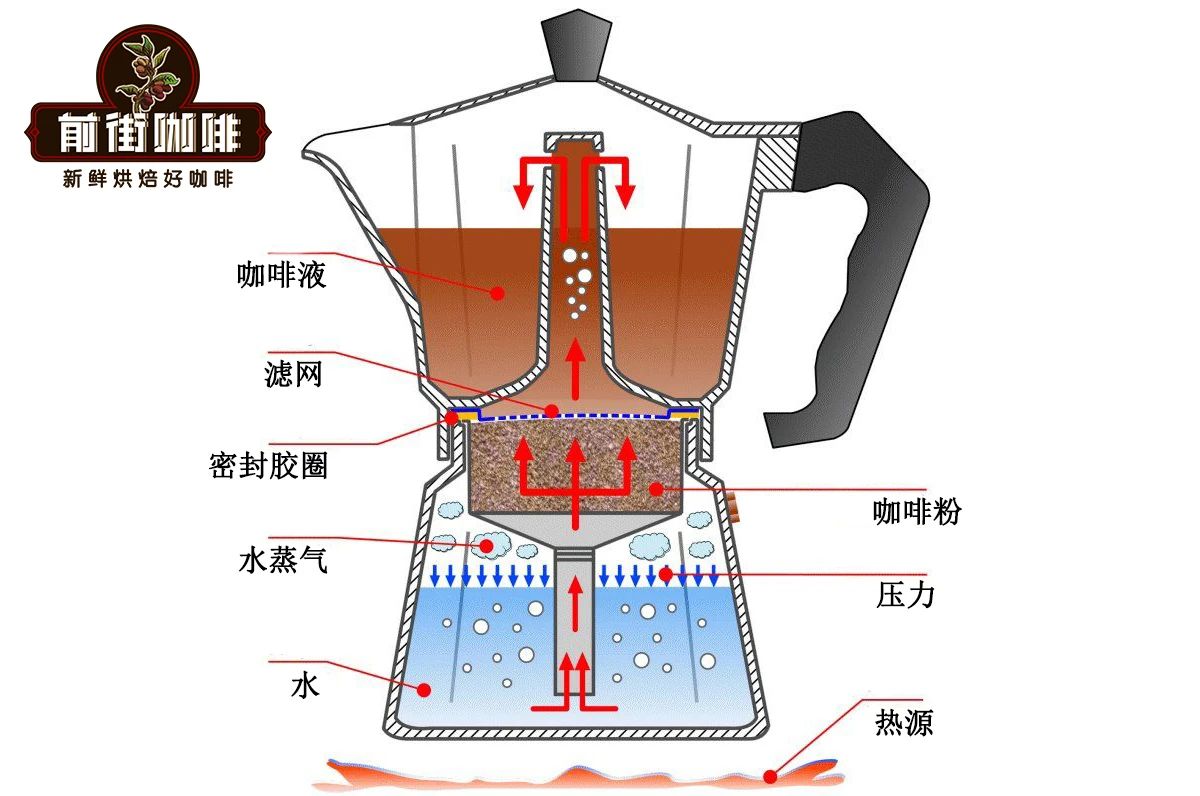
The moka pot consists of three parts: the upper pot, the powder basket, and the lower base. The lower pot is the water reservoir, the powder basket is used to hold more finely ground coffee powder, and the upper pot is used to hold the extracted coffee liquid. The principle of the moka pot extracting coffee is very simple: it uses the steam pressure generated inside the lower pot. When the steam pressure is strong enough to penetrate the coffee powder, it pushes the hot water up to the upper pot, brewing rich and fragrant coffee.
The brewing process of the moka pot
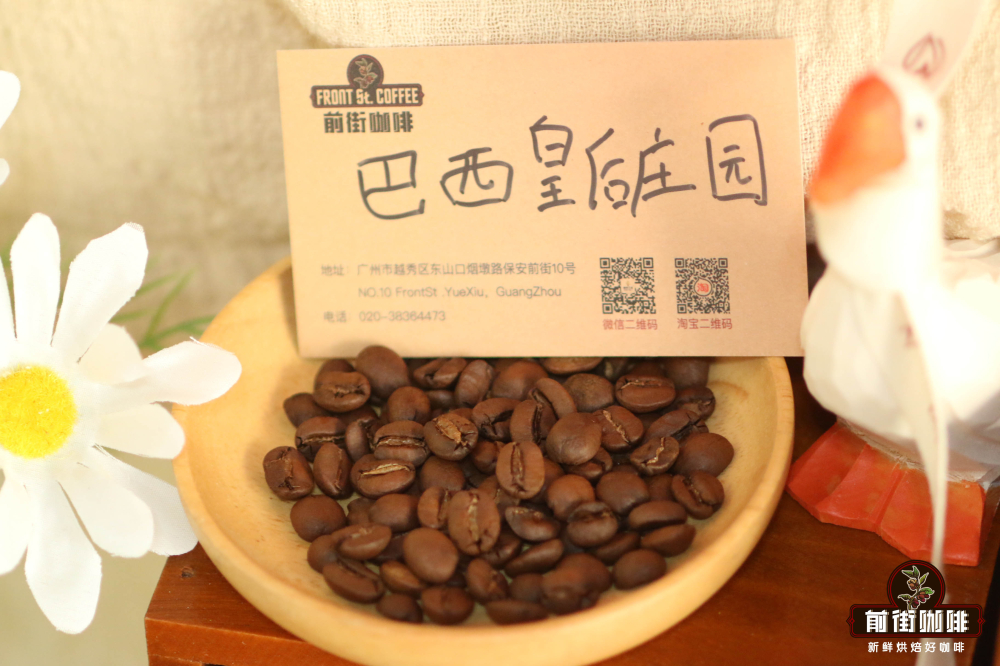
Coffee brewed with a moka potwill be relatively strong, so FrontStreet suggests choosing coffee beans with a darker roast, which can better reflect that mellow richness of the coffee. The beans used by FrontStreet come fromcoffee beans from Brazil's Queen's Farm.
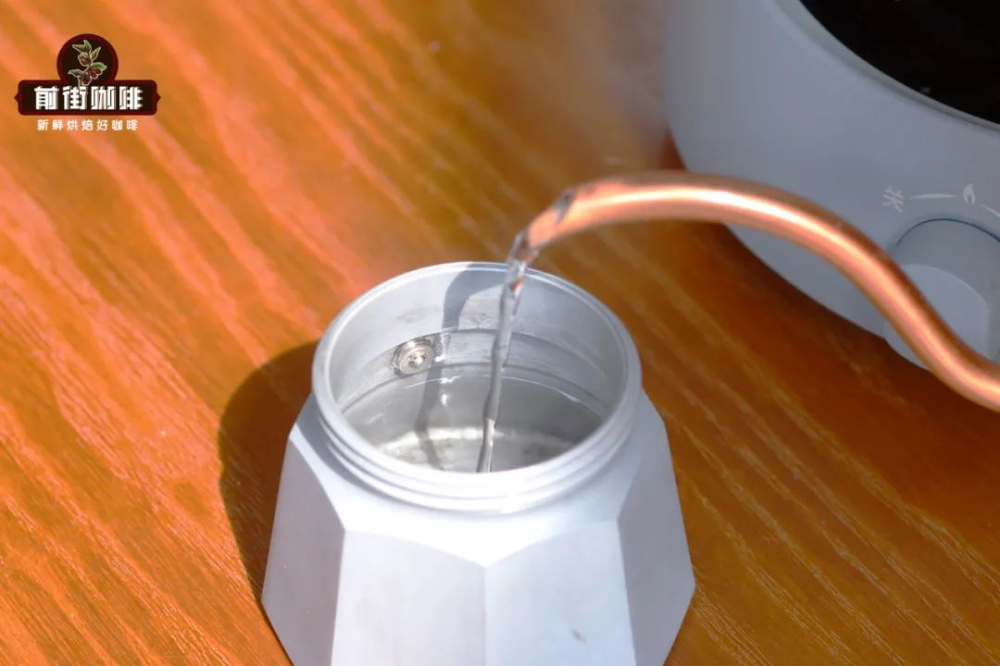
1. Pour pure water into the lower pot of the moka pot. The water level should be about 0.5 cm below the pressure relief valve.
2. Choose a grind size slightly coarser than espresso. You can refer to the size of the gaps in the powder basket filter to ensure the coffee particles will not fall into the lower pot. Slowly pour the coffee powder into the powder basket, tap gently to distribute the coffee powder evenly, and when the coffee powder forms a small mound, level the coffee surface by distributing the grounds.

3. Put the powder basket into the lower pot, tighten the upper and lower parts of the moka pot, and place it on an electric ceramic stove to heat over high heat;

4. When the moka pot rises to a certain temperature, and when the moka pot makes an obvious “woo woo” sound, set the electric ceramic stove to low heat and open the lid of the upper pot.

5. When half of the coffee liquid in the upper pot has come out, turn off the electric ceramic stove. The residual heat and pressure of the moka pot will "push" the remaining coffee liquid into the upper pot.
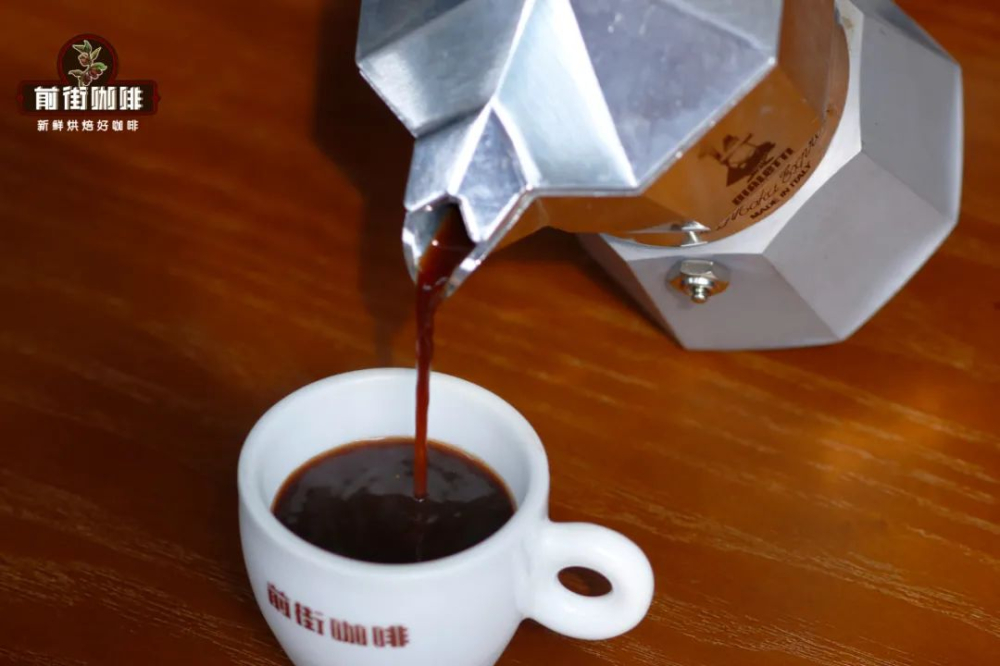
6. When the coffee liquid has all been extracted into the upper pot, it can be poured into a cup for tasting. Coffee extracted with a moka pot is very rich, and can even extract Crema. It can also be mixed with an appropriate amount of water or milk for a better flavor.
For more specialty coffee knowledge, please follow the WeChat public account: FrontStreet Coffee
The above content is compiled by CoffeeHunters, a coffee news website.


