







How Do You Brew Coffee With a Coffee Maker Like a French Press?
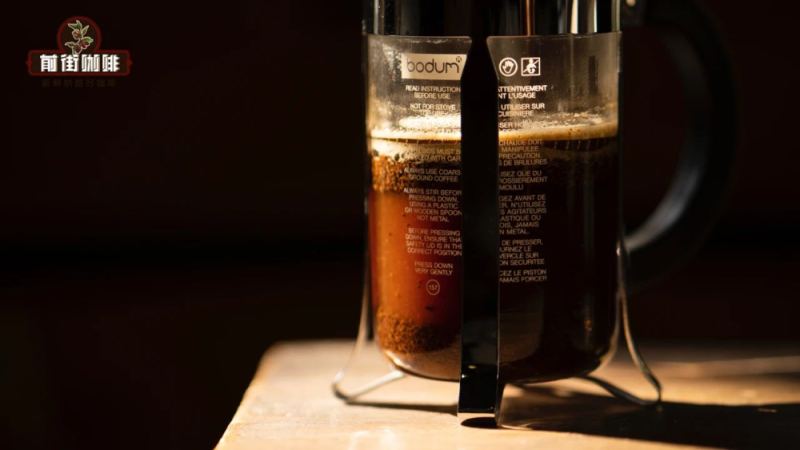
A French press is a coffee maker that brews by full immersion: coarsely ground coffee steeps in hot water, then a metal plunger filter separates the grounds. Because it retains oils and aromatic compounds, the cup is smooth and sweet with a heavy body. The same beans, water temperature, dose, and steep time give nearly identical results each time, which makes it easy to repeat at home.
The coffee-to-water ratio should shift with roast level, with darker roasts typically needing less coffee per unit of water. The device dates to France around 1850 and was first used for black tea, so it is still called a tea maker. It also exposes stale or low-quality beans clearly, which is why fresh beans matter more than technique here.
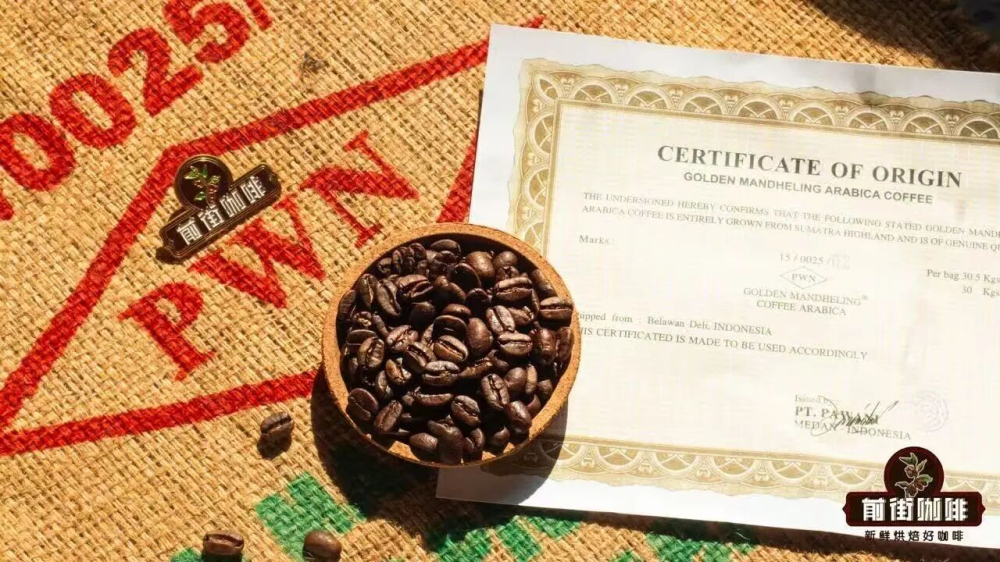
The French press, with its simple operation, stable extraction, and complete flavor, has become the top choice for many coffee enthusiasts just starting out. It not only fully showcases the coffee's oils and aromas but also places high demands on bean quality and freshness. This article focuses on setting the coffee-to-water ratio for the French press, combined with coffee beans of different roast levels, and provides a complete set of steps from bean selection to the final cup. At the same time, for the two flavor profiles of rich and full-bodied versus floral and fruity, it recommends two beans—Front Street Coffee PWN Golden Mandheling and Front Street Coffee Strawberry Candy—to help readers reliably recreate a delicious French press coffee at home.
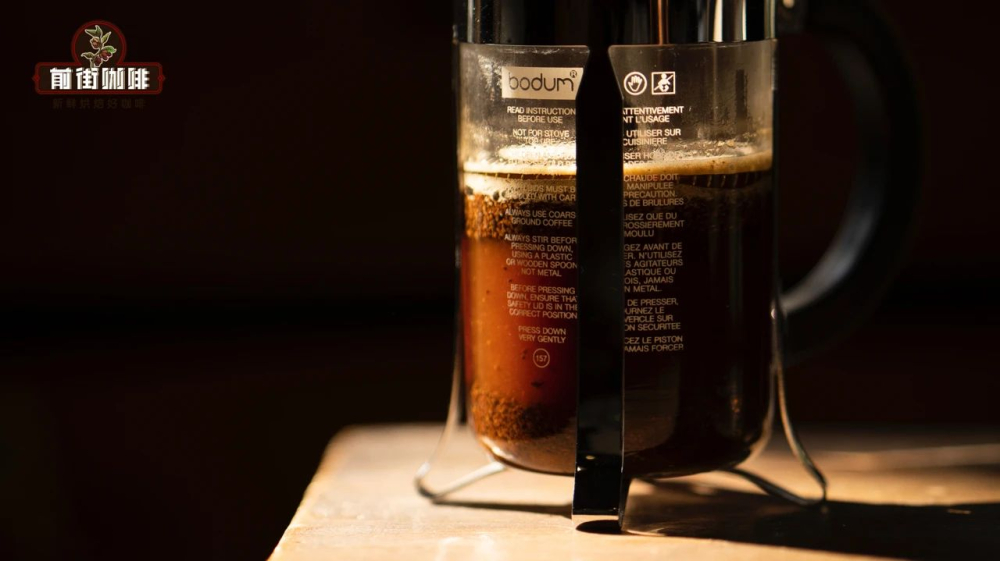
The French press can be said to be one of the least troublesome coffee tools in a home setting, and it is also an extraction method that preserves the coffee's original flavor to the greatest extent—it fully presents the beans' strengths while also unapologetically exposing their flaws, so it has relatively high requirements for coffee quality and freshness. Among all the methods we have encountered, the French press is also one of the easiest to reproduce consistently: with the same press, the same beans, the same water temperature and amount, and the same steeping time, different people can produce a cup of coffee with almost identical flavor, which is very difficult to achieve with pour-over, siphon, and other methods, making it especially suitable for beginners as introductory practice.
The French Press, also called a French filter press, press pot, or tea maker, is popularly known as the "lazy person's pot." It was born in France around 1850, and its structure is very simple, consisting of a heat-resistant glass body (or transparent plastic material) plus a metal filter with a plunger rod. In its early days, it was used more often to brew black tea, so the name "tea maker" has also been passed down to this day.
Among all coffee brewing tools, the French press has the lowest operating threshold, and its extraction yield is also closest to the state of cup tasting output. It can fully release the coffee's oils and aromatic substances, and the finished cup has a smooth mouthfeel, obvious sweetness, and outstanding body, which is why it has won a large number of loyal users.
If you want to fully leverage the French press's extraction advantages, it is recommended to prioritize medium-roast or medium-dark-roast coffee beans. This can, on the one hand, avoid excessive bitterness, and on the other hand, make the overall flavor fuller rather than making the aroma seem thin.
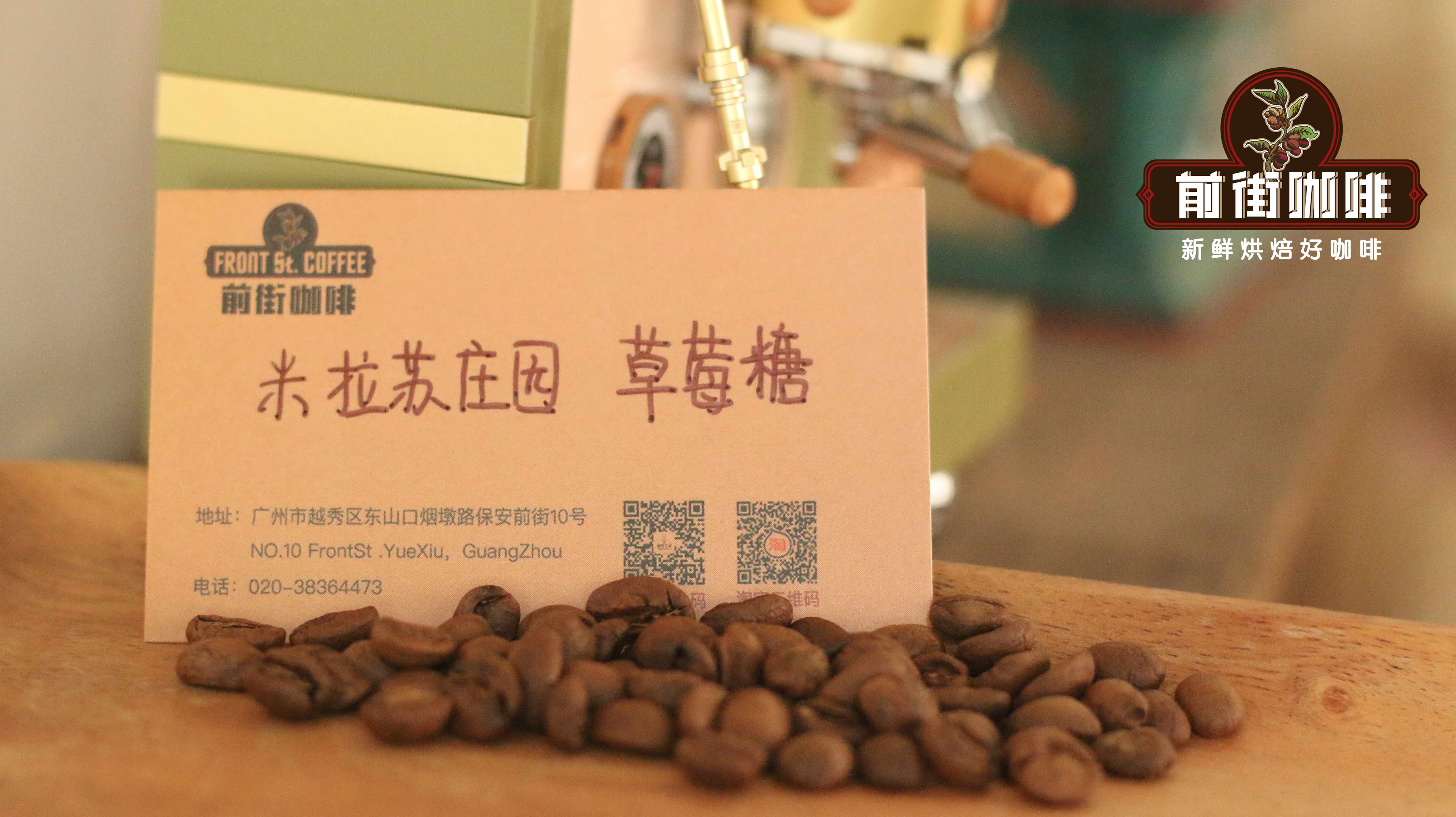
If you prefer a rich and full-bodied profile, you can try Front Street Coffee PWN Golden Mandheling, which brings a roasted aroma profile interwoven with spices, pine, nuts, and dark chocolate; if you would rather drink a clear floral and fruity aroma, Front Street Coffee Strawberry Candy is a good choice, carrying the sweet aroma of roses, raisins, blueberries, and fruit gummy candy.
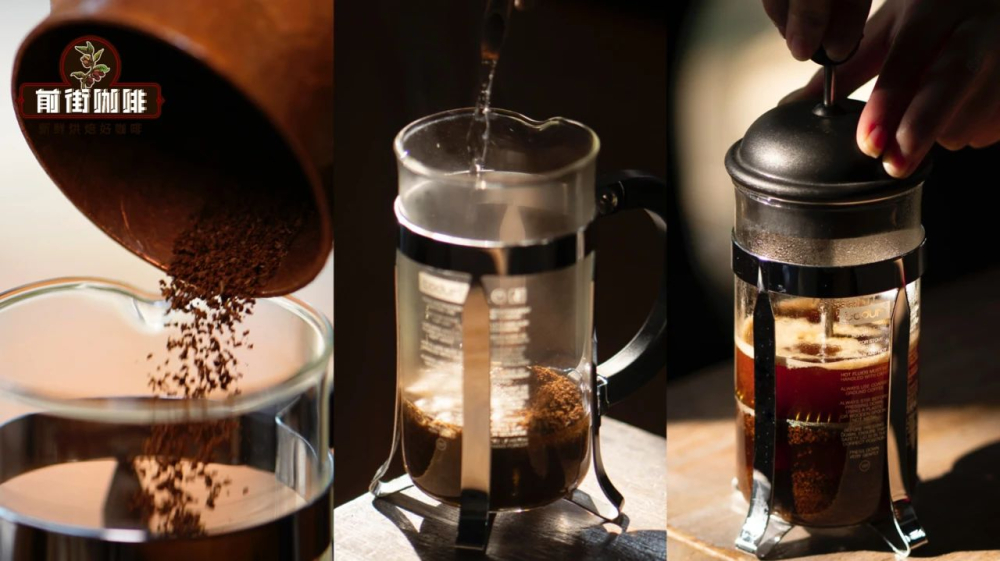
Front Street Coffee French Press Coffee Steps:
1. Weigh 20g of fresh coffee beans.
2. The water temperature for the French press is generally controlled between 85–95°C, depending specifically on the beans' roast level: for light-roast beans, the water temperature can be appropriately raised to highlight the aroma, while for dark-roast beans, a lower water temperature is suitable to suppress bitterness, and this needs to be flexibly grasped based on experience and personal taste.
3. Pour the ground coffee into the French press.
4. When pouring water, you can refer to the pour-over method and pour evenly in circles.
5. Pour in about 300g of hot water, for a coffee-to-water ratio of about 1:15. As mentioned earlier, the French press coffee-to-water ratio usually falls within the range of 1:14–18, and it can be adjusted according to your own taste preferences. This French press has no scale markings, so we use an electronic scale to measure the water: after adding the coffee grounds, first tare it to zero, then weigh out the required hot water. Although the weight and volume of hot water will differ somewhat from cold water, under home conditions this error can be ignored.
6. Stir.
7. Put on the lid, but do not press down the filter yet, and let it sit for 4 minutes. If the steeping time is short, the taste will be lighter; if it is long, the taste will be stronger, so the time can also be set according to personal preference.
8. When filtering, hold the plunger rod and slowly push it down to the bottom of the press. This action must be slow, in order to prevent fine grounds from passing through the metal filter; you should stop when nearing the bottom of the press, and not wait until it can no longer be pushed down before stopping.
9. When pouring out the coffee, slowly tilt the French press to avoid the coffee grounds at the bottom floating up due to violent agitation, which would affect the taste.
10. Enjoy your French press coffee.
The above content is compiled by CoffeeHunters, a coffee news website.


