







How Do You Brew Coffee With a French Press?
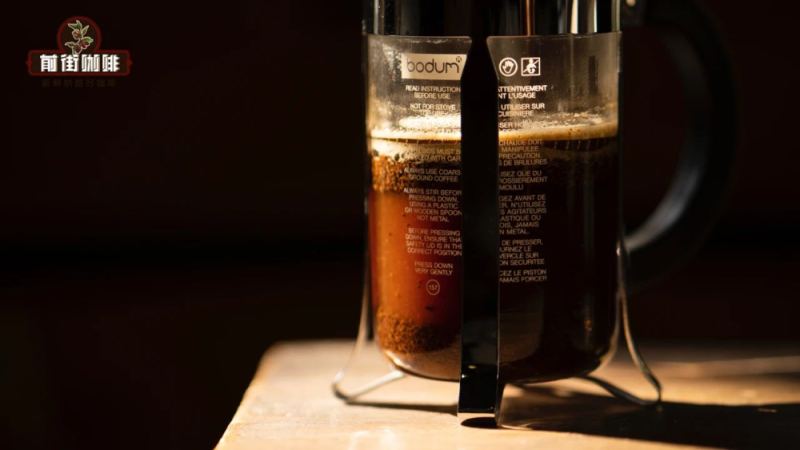
A French press brews by full immersion, so the coffee-to-water ratio, water temperature, and steeping time decide the cup. It reproduces the same flavor consistently, which pour-over and siphon rarely manage. The device, also called a press pot or French filter press, dates to France around 1850 and was first used mainly for black tea.
Because the metal mesh lets oils and flavor compounds through, the French press demands fresh, quality beans and suits medium or medium-dark roasts. That avoids excess bitterness while keeping body. The core difference from pour-over is extraction: full immersion keeps contact even, so the same beans, water, and timing give nearly identical results across different brewers.
The French press, with its simple operation and high flavor fidelity, has become the top choice for many coffee enthusiasts starting out. It not only fully showcases a coffee's strengths but also unflinchingly exposes its flaws, so it demands high quality and freshness from the beans. This article provides a detailed breakdown of the French press's coffee-to-water ratio, its core differences from pour-over coffee, and recommends suitable coffee beans, finishing with a complete set of operating steps from Front Street Coffee beans to extraction, helping you easily make a rich, full-bodied cup of French press coffee.
The French press can be said to be the most hassle-free coffee device in a home setting, and it is also the extraction method that preserves coffee's original flavors most completely—it easily amplifies a coffee's strengths while equally exposing its weaknesses, so it has higher requirements for bean quality and freshness. Additionally, the French press is the easiest tool among the methods we have mastered to consistently reproduce the same flavor. With the same French press, the same beans, the same water temperature and amount, and the same steeping time, different people can produce almost exactly the same cup of coffee—something that pour-over and siphon methods find hard to achieve—so beginners are especially recommended to start learning with a French press.
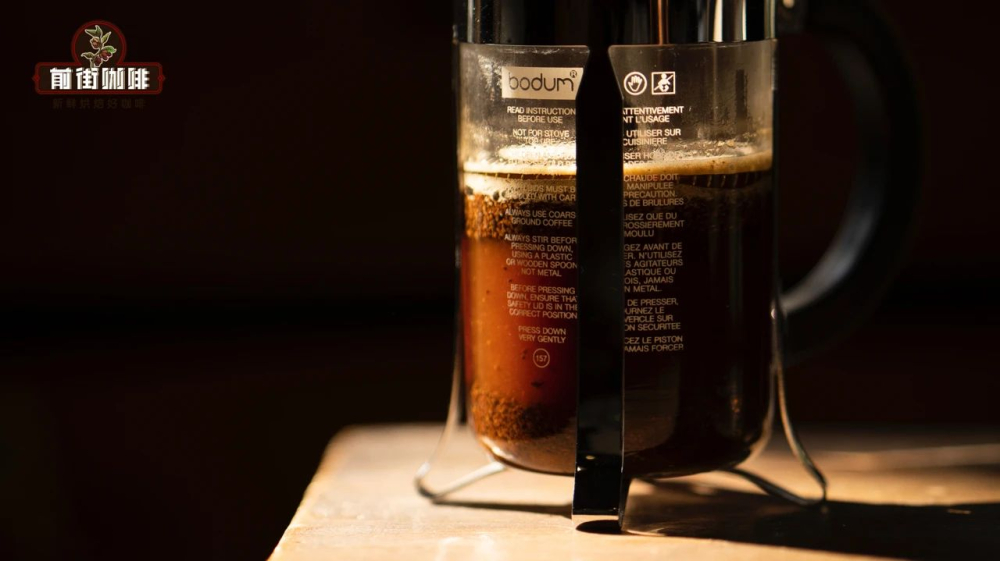
The French Press, also known as a French filter press, press pot, or tea maker, and sometimes called the lazy person's pot, was born in France around 1850. Its structure is very simple, consisting of a heat-resistant glass body (or transparent plastic material) combined with a metal filter mesh with a plunger rod. Originally it was mostly used to brew black tea, so even today some people still habitually call it a tea maker.
Among all coffee brewing devices, the French press has the lowest barrier to operation, and its extraction rate is closest to the results of cup testing, fully releasing coffee's oils, aromas, and various flavor compounds, with a smooth, sweet, and full-bodied taste. It is a coffee device well worth considering and is therefore widely popular among enthusiasts.
To fully leverage the French press's extraction advantages, it is recommended to prioritize medium or medium-dark roasted coffee beans. On one hand, this avoids excessive bitterness; on the other, it allows the coffee's flavor to be more solid and full-bodied, without the aroma being too thin.
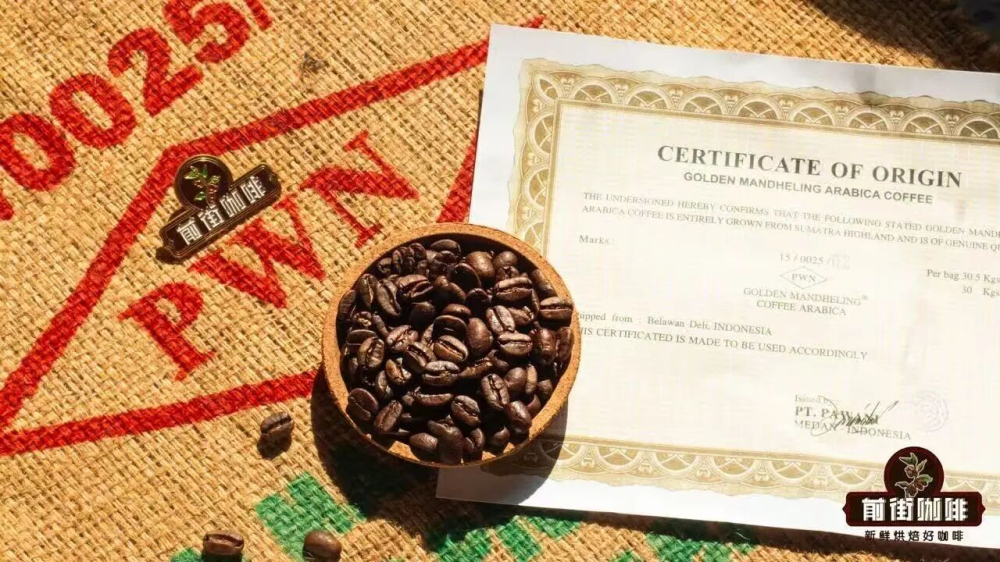
If you prefer a rich, intense coffee, you can choose Front Street PWN Golden Mandheling, where you can taste the roasted aromas of spices, pine, nuts, and dark chocolate interwoven; if you like coffee with prominent floral and fruity notes, try Front Street Strawberry Candy, which carries the aromas of roses, raisins, blueberries, and fruit gummy candies.
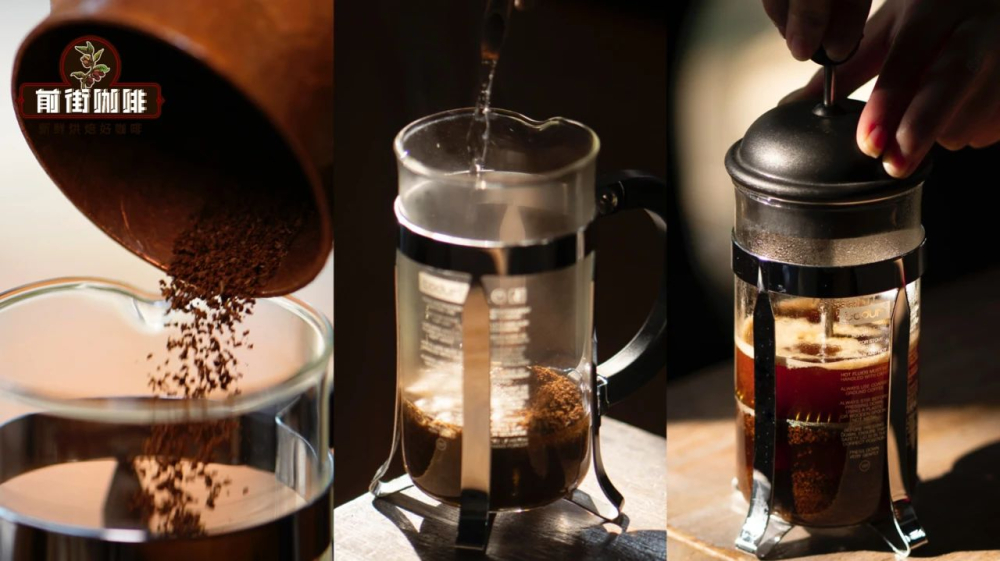
Front Street French Press Coffee Operation Process:
1. Weigh out 20g of fresh coffee beans.
2. The water temperature for a French press is generally controlled between 85–95°C, adjusted specifically according to the bean's roast level: for light roasts, a higher temperature can be used to highlight the aroma; for dark roasts, a lower temperature is suitable to suppress bitterness. This requires experience and personal preference to judge.
3. Pour the ground coffee into the French press.
4. When pouring water, you can pour evenly in circles like with pour-over.
5. Pour in about 300g of hot water, for a coffee-to-water ratio of about 1:15. As mentioned earlier, the French press's coffee-to-water ratio is roughly between 1:14–18, and can be flexibly adjusted according to personal taste. This French press has no scale markings, so we use a digital scale to measure the water: after adding the coffee grounds, tare the scale to zero, then weigh the hot water. Although the weight and volume of hot water will differ somewhat from cold water, under home conditions this error can be ignored.
6. Stir.
7. Put on the lid, but do not press down the filter yet; let it steep for 4 minutes. A shorter steeping time gives a lighter taste, a longer time gives a stronger taste, so the time can also be set according to personal preference.
8. When filtering, press down on the plunger slowly until it reaches the bottom of the pot. This action should be slow to prevent fine grounds from passing through the metal filter; stop when nearing the bottom, and do not wait until it can no longer be pressed down before finishing.
9. When pouring out the coffee, slowly tilt the French press to avoid the coffee grounds at the bottom floating up due to violent agitation and affecting the taste.
10. Enjoy your French press coffee.
The above content is compiled by CoffeeHunters, a coffee news website.


