







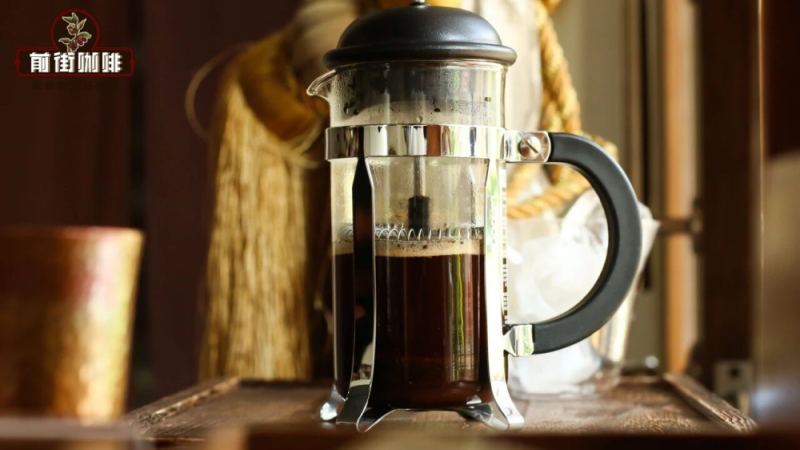
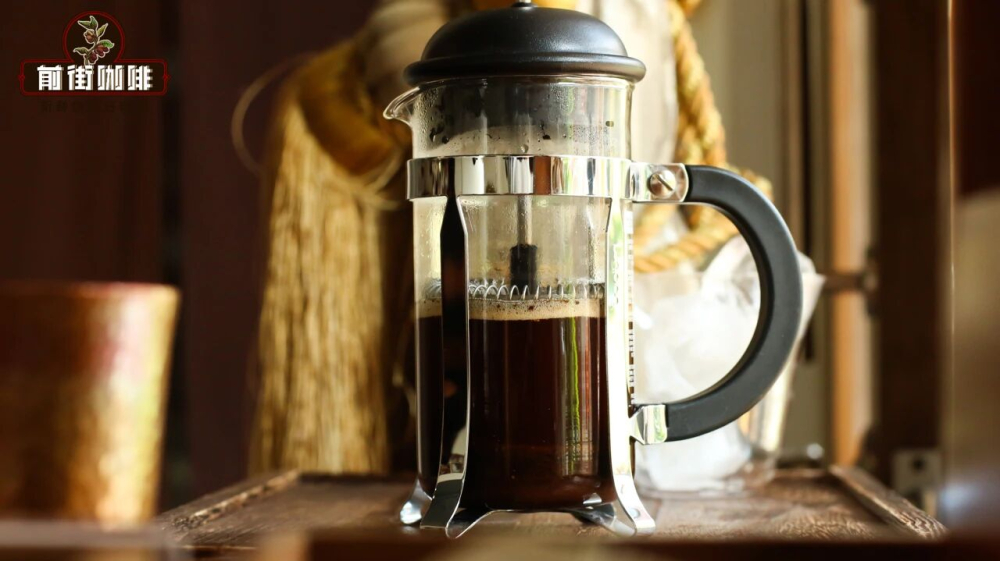
Want to enjoy a great cup of coffee but find pour-over too time-consuming? A French press might be exactly the hassle-free choice you need. It has a low barrier to entry and delivers consistent results, making it one of the easiest brewing devices for beginners to master. Coffee extracted with a French press has a rich, full-bodied taste that fully brings out the oils and aromas of the beans, while also placing high demands on the freshness and quality of the coffee beans. This article will break down the complete French press brewing process step by step—from the device's principles, coffee-to-water ratio, grind size, and water temperature control to the specific operating steps—and recommend several Front Street medium-to-dark roast beans suitable for the French press, helping you easily recreate a full-flavored cup of coffee at home.
For more specialty coffee knowledge, please follow: Frontsteet Coffee
Nowadays, there are more and more coffee enthusiasts, and brewing methods are diverse. But when you're busy, pour-over seems time-consuming, and espresso also requires a lot of preparation. At times like these, using a "lazy person's pot" to make a cup of coffee is quite a convenient choice. Compared to pour-over, coffee made with a French press has a richer, rounder mouthfeel and is more tolerant of different types of coffee beans.
The French press can be said to be the most hassle-free coffee device for home use, and it's also the method that preserves the original flavor of coffee most completely—it fully presents the coffee's strengths and equally exposes its flaws without concealment, which is why it has relatively high requirements for bean quality and freshness. Additionally, among all the brewing methods we've mastered, the French press is the easiest to replicate the same flavor with. With the same pot, same beans, same water temperature and amount, and consistent steeping time, different people can make a cup of coffee that tastes almost identical—something that pour-over, siphon, and other methods struggle to achieve. That's why it's most recommended for beginners to start with.
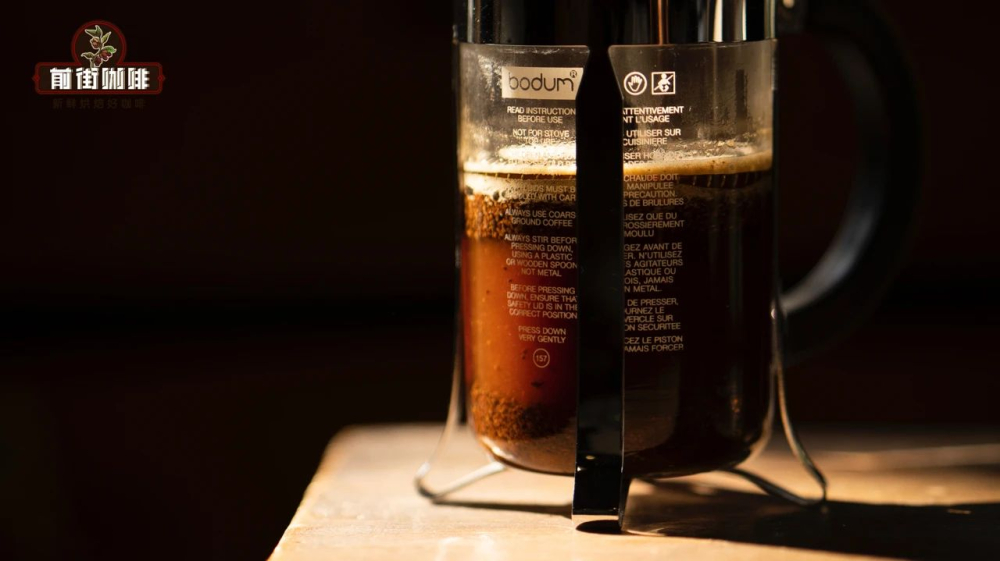
The French Press, also called a French filter press, press pot, or tea maker, is sometimes referred to as the lazy person's pot. It was born in France around 1850, with a simple structure: a heat-resistant glass body (or transparent plastic material), plus a metal filter mesh with a plunger rod. It was originally mostly used for brewing black tea, which is why some people also call it a tea maker.
Among all coffee brewing equipment, the French press is the simplest to operate, and its extraction rate is closest to cupping results. It fully releases the oils, aromas, and flavor compounds in the coffee, producing a smooth, sweet, and rich cup. It's a coffee device well worth choosing, and is therefore deeply loved by the public.
The French press is indeed the most convenient home coffee pot and the brewing method that best preserves coffee's complete flavor (it easily showcases the coffee's strengths while also exposing its flaws), so it has high requirements for coffee quality and freshness. It's also the easiest among the methods we've mastered to replicate the same cup of coffee. With the same French press, same coffee beans, same water temperature, same water amount, and same brewing time, different people can make almost identical cups of coffee—something that pour-over and siphon methods cannot achieve. That's why it's most recommended for beginners to learn this technique.
For making French press coffee, we recommend Front Street Paradise Bird Coffee, Front Street Queen's Estate Coffee, Front Street Golden Mandheling Coffee, Front Street Strawberry Candy Coffee, Front Street Mozart Coffee, and other medium-roast or darker beans, because they naturally carry rich coffee aromas and full-bodied tastes, allowing us to more easily make a delicious French press coffee.
Now let's take a look at how to make this simplest French press coffee:
We're using a two-person French press to make two servings of Front Street Strawberry Candy Coffee beans. Typically, the coffee-to-water ratio is between 1:14 and 1:18. Some French presses have water level markings, some don't—just use a gram scale to measure. If the pot has markings, you need to pour water first before adding coffee grounds, so the coffee-to-water ratio is accurate.
☆ The coffee grind size for a French press should be roughly similar to brown sugar granules (coarse grind), and it should be as uniform as possible. This is related to how the French press extracts and filters: the metal mesh has low density, so fine particles easily pass through, and hot water directly contacts the coffee grounds, so grinding too fine can easily cause over-extraction.
Equipment needed: French press, gooseneck kettle, grinder, thermometer, gram scale, timer, fresh coffee beans, coffee cup.
Front Street French Press Coffee Steps:
1. Weigh out 20g of fresh coffee beans.
2. The water temperature for a French press is typically controlled between 85–95°C, determined by the roast level of the beans: for light-roast beans, use a higher water temperature to highlight the aroma; for dark-roast beans, use a lower water temperature to suppress bitterness. This needs to be controlled based on experience and personal preference.
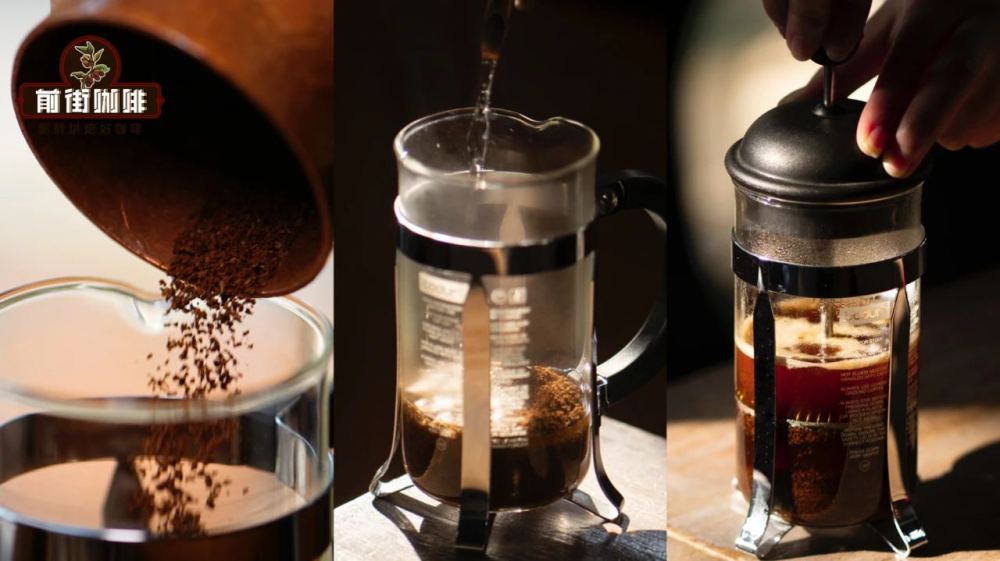
3. Pour the ground coffee into the French press.
4. Pour water, using a circular pouring motion like you would for pour-over.
5. Pour in about 300g of hot water, for a coffee-to-water ratio of about 1:15. As mentioned earlier, the French press coffee-to-water ratio is roughly 1:14–18, adjustable to personal taste. This French press has no markings, so we use a gram scale to measure the water: after adding the coffee grounds, tare the scale to zero, then weigh the hot water. Although the weight and volume of hot water have some discrepancy compared to cold water, under home conditions this discrepancy can be ignored.
6. Stir.
7. Put the lid on, but don't press the filter down. Let it sit for 4 minutes. Shorter time gives a lighter taste, longer time gives a stronger taste, so the time is also set according to personal preference.
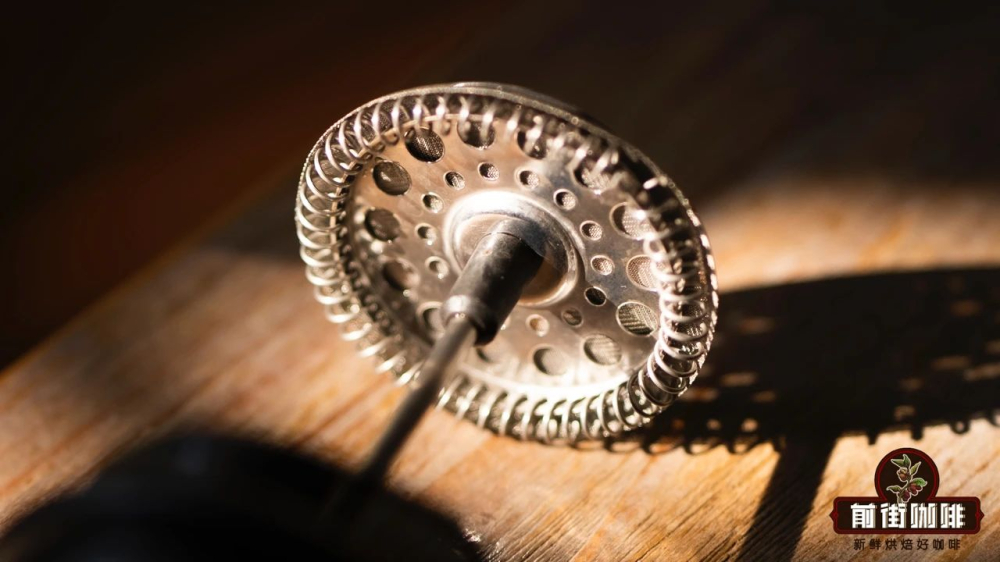
8. Filter: hold the plunger rod and slowly press down to the bottom of the pot (this action should be slow to prevent fine particles from passing through the metal mesh; stop when you get close to the bottom—don't wait until you can't press any further).
9. Pour out the coffee: slowly tilt the French press to prevent the coffee grounds at the bottom from floating up due to vigorous shaking and affecting the taste.
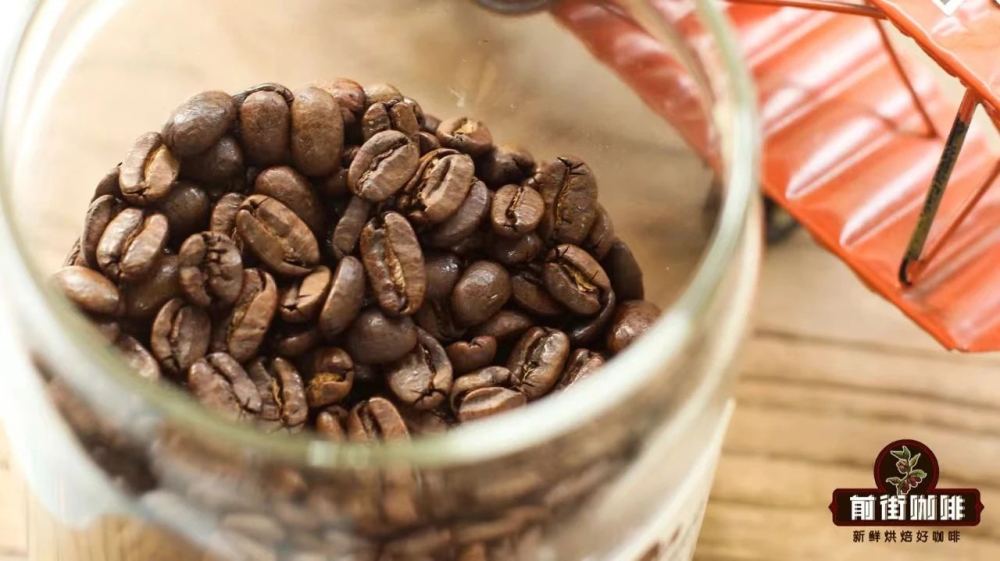
10. Enjoy your French press coffee.
The above content is compiled by CoffeeHunters, a coffee news website.


