








What grind and ratio does French press brewing need?
For French press brewing, use a coarse grind with a texture like small gravel, a coffee-to-water ratio near 1:15, water slightly hotter than for pour-over, and a four-minute steep before pressing. The full-immersion design and metal filter keep more oils in the cup, so the body is heavier and the texture fuller. The trade-off is sediment: fine particles slip through the mesh and settle at the bottom.
Grind too fine and water passes through too fast while silt clouds the cup, so a burr grinder matters more here than with most methods. Water temperature around 92 to 96 degrees Celsius and a steady four-minute steep give repeatable results. The same parameters suit many medium-roast single origins, including the ideal way to brew mandheling coffee, which benefits from the French press's fuller body and low acidity.
The French press, with its full-immersion design and metal filter, produces coffee rich in oils and full-bodied in mouthfeel. But to get a good cup, you need to nail several variables: grind size, coffee-to-water ratio, water temperature, and steeping time. This article takes a practical approach, breaking down the key parameters of French press brewing one by one: how coarse to grind, how to adjust the 1:15 ratio, why the water should be slightly hotter than for pour-over, and how to set the four-minute steep—plus coffee bean recommendations suited to the French press and buying advice for Front Street Coffee. Whether you're a beginner just starting with a French press or an enthusiast looking to refine your technique, you'll find actionable brewing ideas here.
What Kind of Coffee Can a French Press Make?
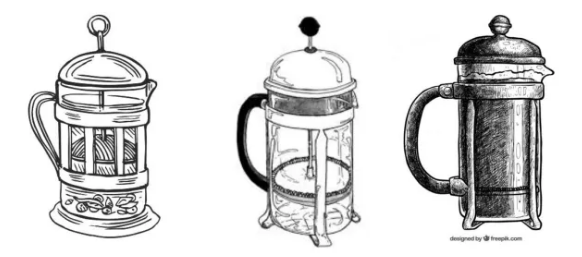
The French press is a full-immersion brewing tool, with a metal filter built into the carafe. Water comes into direct contact with the coffee grounds during steeping, resulting in higher oil content and a richer, fuller-bodied cup. However, if you're sensitive to the texture of coffee sediment or fine particles, a French press may not be the ideal choice.
When using a French press, water temperature, grind size, and steeping time are all variables you can adjust to suit your taste preferences. The key is that as long as your brewing method is correct, you'll be able to fully appreciate the aroma and flavor of each coffee bean.
The Specific Steps for Brewing Coffee with a French Press
Before you start brewing, there are several important variables to consider in advance, and you also need to choose the right coffee beans.
1. Grind Size
No matter what grind size you choose, you should have a high-quality flat burr or conical burr grinder—blade grinders are not acceptable—and this brewing method can easily cause over-extraction. So how coarse should the grind actually be?
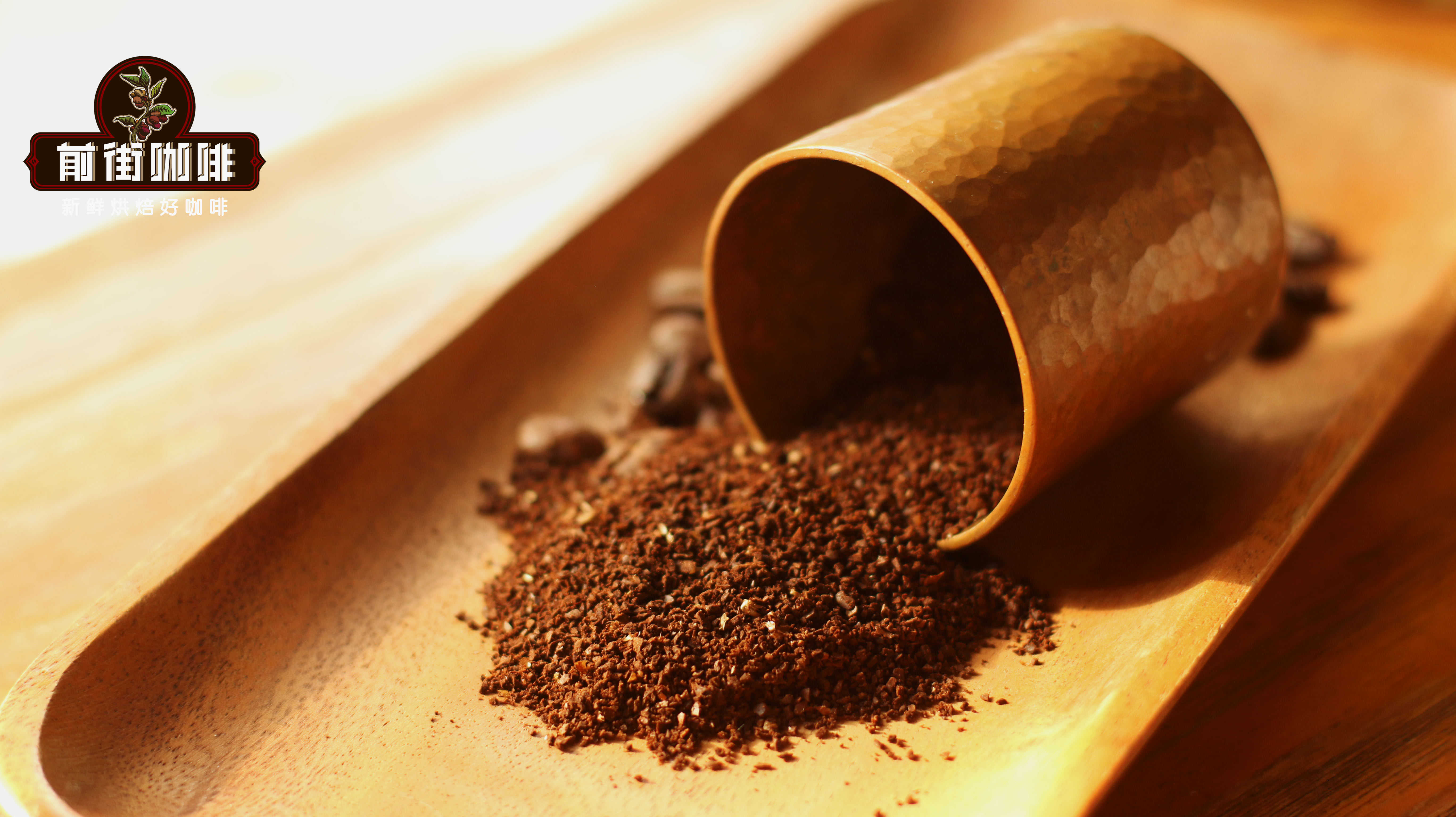
A coarser grind setting is recommended, with a texture similar to small gravel rather than fine sand. If you grind too fine, water will pass through the coffee grounds too quickly. That might not matter for other immersion tools, but with a French press, fine particles can slip through the filter, leaving a large amount of sediment in your cup.
Check the French press manual, and it will typically recommend a coarse grind. Front Street Coffee suggests a grind size where 70% passes through a Chinese No. 20 standard sieve, roughly the particle size of coarse granulated sugar. A coarse grind not only improves extraction tolerance but also reduces the production of very fine particles. The holes in a French press metal filter typically range from 80 to 300 microns—visible to the naked eye—so fine particles can easily slip through and mix into the coffee, making the entire cup cloudy. Of course, if you're after more complexity and layers, you can try a finer grind, but remember to shorten the steeping time accordingly to prevent over-extraction.
2. Coffee Dose and Coffee-to-Water Ratio
The coffee-to-water ratio is simply how much water you use per amount of coffee grounds. A common ratio is 1:15 (for example, 15 grams of coffee to 225 grams of water). Start with this ratio, then adjust the dose or water amount to your liking in subsequent brews until you find the combination that suits your taste best. Brewed at this ratio, the coffee concentration will be around 1.1% to 1.2%. If you, like Front Street Coffee, prefer a bold style, try the 1:15 ratio—the resulting coffee tastes thicker and fuller.
3. Water Temperature
Water temperature is another variable you can experiment with to adjust flavor. If you don't have a thermometer on hand, bring water to a boil and let it sit for about 45 seconds (adjust based on air temperature), by which point it will be around 90°C and ready for brewing. For more precise control over flavor direction, consider getting a temperature-controlled pour-over kettle or keeping a thermometer handy.
With a French press, you pour all the water at once, and there's no stirring during the steep to boost extraction, so sometimes you need to raise the water temperature slightly to compensate. Just 1 to 2°C higher than a standard pour-over temperature. For medium-light roasted beans, use water at 92 to 94°C; for medium-dark roasted beans, 89 to 90°C is recommended.
4. Brewing Time
Without manual stirring, to extract flavor compounds from the coffee, you need to improve extraction through other means—and steeping time is another factor that needs to be extended. Brewing time is typically controlled between 3 and 5 minutes. Dark-roasted beans steeped for 5 minutes may be overdone, easily turning bitter and astringent; light-roasted beans steeped for 3 minutes may be too short, with insufficient flavor release. Front Street Coffee suggests setting the steeping time at 4 minutes for your first attempt.
5. Brewing Process
Pour the ground coffee into a preheated French press, then slowly add hot water, making sure all the grounds are saturated. Start with about twice the coffee dose in water for the pre-infusion bloom (for example, use 30 grams of water for 15 grams of coffee).
At 30 seconds, give it a gentle stir a few times, then pour in the remaining hot water. Place the plunger on top but don't press down yet. After the coffee has steeped for a full 4 minutes, slowly push the plunger all the way to the bottom, then carefully decant the coffee, being careful not to disturb the grounds at the bottom of the carafe.
—If pushing the plunger down feels difficult, the coffee is ground too fine; if the grounds sink and there's no resistance when pressing, it's ground too coarse.
Coffee Beans Suited to the French Press
Since the French press uses immersion extraction, Front Street Coffee believes medium or medium-dark roasted coffee beans are a better match. For French press coffee with floral and fruity notes, we recommend Front Street Strawberry Candy Coffee, Front Street Mozart Coffee, and Front Street Sidra Coffee; if you prefer rich, nutty flavors, choose Front Street Queen's Estate, Front Street Golden Mandheling, or Front Street Huilan. All the above coffee beans can be purchased at the Front Street Tmall flagship store or Front Street Taobao store, and orders ship within 24 hours.
Key Points for French Press Brewing
—Decant the coffee immediately after brewing is complete. If it stays in the carafe, the grounds will continue to contact the water and bitter flavors will be released. If you don't plan to drink it all at once, it's best to pour it into another container for storage.
—Be sure to thoroughly clean the French press. No matter how fresh the coffee beans are, old residue left on the filter will ruin the flavor. Most filters are fairly easy to clean.
—If the coffee you brew still doesn't suit your taste, try adjusting all the variables. Brewing coffee should be a process full of fun and experimentation. Once you find the cup you're most satisfied with, you'll be all the more motivated to delve deeper into brewing techniques.
The above content is compiled by CoffeeHunters, a coffee news website.


