







Search Results for: Fredonia town
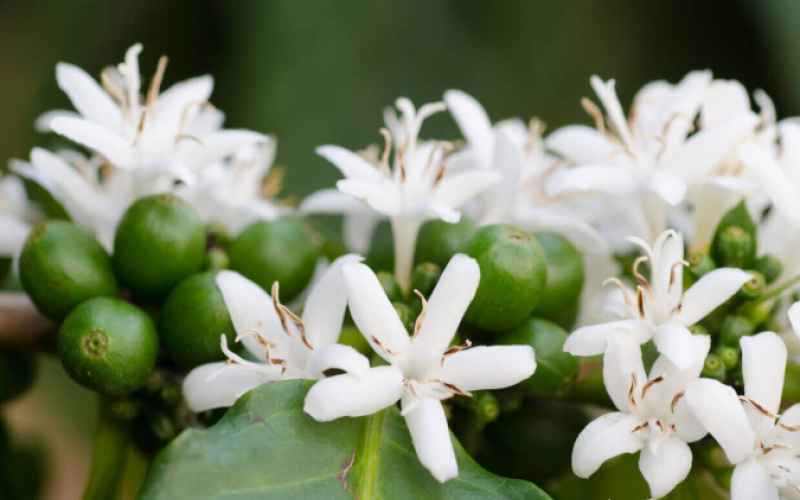
An Analysis of the Cultivation History and Flavor Characteristics of Colombia's Core Coffee Producing Region: Antioquia and the Town of Fredonia
Colombia is the world's third-largest coffee producer, and the high altitudes, volcanic soils, and diverse microclimates of its Andean region give rise to a highly distinctive coffee flavor. In this article, Front Street Coffee systematically traces the dissemination history, industry development, and producing-region landscape of Colombian coffee, with a particular focus on the Antioquia producing region in the northwest and its sub-district of Fredonia. We analyze the local coffee's growing conditions, variety composition, and flavor performance, giving you an understanding of how this important producing region yields coffee with balanced sweetness and a refined mouthfeel. [more…]
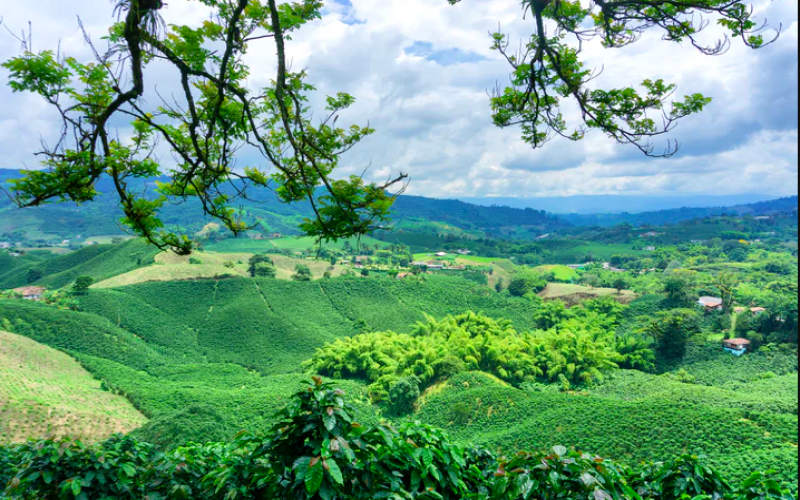
Complete Guide to Colombian Coffee: From Cultivation Origins to Washed Processing and Pour-Over Parameters
Colombia is not only the world's third-largest coffee-producing country, but also the largest exporter of washed Arabica coffee, with specialty-grade beans accounting for as much as forty percent of its exports. From Mariano Ospina Rodríguez establishing the first experimental plantation in the nineteenth century to the founding of the National Federation of Coffee Growers in 1927, Colombia's coffee industry has traveled a path from pioneering exploration to organized promotion. Front Street Coffee uses washed beans from Huila as its everyday representative, while also introducing the Sidra and Maragogipe from Finca El Diviso, showcasing the flavor differences between different varieties from the same estate under anaerobic natural processing. This article will provide a complete overview of the core knowledge of Colombian coffee, from its historical development and the principles of processing methods to specific pour-over recipes. [more…]
The Development History of Colombian Specialty Coffee and an Analysis of the Sidra Variety at Finca La Divisa in Huila
Colombia, as the world's third-largest coffee producer and the largest processor of washed Arabica, has a specialty-grade share of up to 40% in its coffee exports. From the establishment of the first experimental plantation by Don Mariano Ospina Rodríguez in the 19th century to the founding of the National Federation of Coffee Growers of Colombia in 1927, the Colombian coffee industry has undergone more than a century of development. In this article, Front Street will take you through this history, outline the characteristics of representative producing regions such as Huila and Cauca, and focus on Finca La Divisa in the Huila region and its Sidra variety—a coffee that has attracted much attention since being selected by Anthony Douglas, the 2022 World Barista Champion. What exactly makes it so uniquely charming? [more…]
Origins of Coffee Cultivation in Colombia and Analysis of the Sidra Variety: From Historical Evolution to Front Street Coffee's Hand-Brewed Flavor
Colombia is the world's third-largest coffee-producing country and the largest processor of washed Arabica, with specialty-grade beans accounting for 40% of its exports. From Don Mariano's establishment of the first experimental plantation in the 19th century, to the founding of the National Federation of Coffee Growers in 1927, and then to the emergence of the Sidra variety from specialty estates on the international stage, Colombian coffee has walked a path of specialization supported by smallholder farmers. In this article, Front Street Coffee provides a comprehensive overview of Colombian coffee, from its historical context and producing regions to the characteristics of the Sidra variety and the cultivation story of Finca La Divisa, along with Front Street's pour-over parameters and flavor description for Sidra coffee beans. [more…]
A Comprehensive Analysis of the Development History of Colombian Coffee and the Sidra Variety from Finca La Divisa in Huila
Colombia is the world's third-largest coffee producer and the largest producer of washed Arabica, with specialty-grade beans making up as much as 40% of its exports. From the early experiments of Don Mariano Ospina Rodríguez in the 19th century to the founding of the National Federation of Coffee Growers in 1927, Colombia's coffee industry has forged a distinctive path of development. This article traces the historical threads of Colombian coffee and the distribution of its main producing regions, with a focus on Finca El Diviso in the Huila region, as well as the Sidra variety that has attracted considerable attention in recent years—what exactly is the appeal of this coffee that once shone on the world barista championship stage? Front Street Coffee has also brought in Sidra coffee beans from this estate, and the pour-over parameters will be shared below. [more…]
The Origins, Development, and Major Producing Regions of Colombian Coffee: A Comprehensive Interpretation from History to the Sidra Variety
As the world's third-largest coffee producer, Colombia is also the largest processor of washed Arabica, with 40% of its exported beans reaching specialty grade. Front Street Coffee regularly offers a range of Colombian beans in its stores, including Rose Valley, Flower Moon Night, Big Belly Button, Sidra, and Huila, all of which can be brewed by pour-over. This article begins with the nineteenth-century planting experiments, traces key milestones such as the founding of the FNC, introduces representative regions like Huila, Cauca, Nariño, and Santander, and focuses on analyzing the Sidra variety that has gained fame in recent years due to the World Barista Championship, as well as the cultivation story of Finca La Línea in the Huila region. Finally, it includes Front Street Coffee's pour-over parameters for Sidra coffee beans. [more…]

Can Starbucks Open in County Towns? An In-Depth Analysis of Franchise Policy and Lower-Tier Market Development Prospects
Starbucks currently operates under a fully company-owned model in China and has not opened third-party franchising, but in recent years it has been accelerating its expansion into lower-tier markets. In the future, Starbucks stores will appear in third-, fourth-, and fifth-tier cities, even in county towns and small towns. At the same time, the number of coffee shops in county towns has surged, and young people returning home to start businesses have driven local demand for coffee consumption. Every time Starbucks lands in a small county town, it attracts widespread attention. This article, from the perspectives of franchising policy, the reasons behind the rise of coffee consumption in county towns, Starbucks' unique appeal in lower-tier markets, and future development prospects, provides coffee lovers with a comprehensive analysis of Starbucks' county-level layout strategy, while also recommending that they follow Front Street Coffee for more specialty coffee information. [more…]

Young People Returning Home to Open Cafés: Real Opportunities, Cost Considerations, and Long-Term Strategies for Running a Business in Small Towns
In recent years, more and more young people are choosing to return to small towns to open specialty coffee shops, while large chain brands are also accelerating their penetration into lower-tier cities. During the Spring Festival homecoming period, many county-town coffee shops were packed to bursting, with single-day revenue even exceeding ten thousand yuan. Yet behind the brief bustle, coffee shops in small towns face practical problems such as limited consumer spending power, an unstable customer base, and rents that are not necessarily cheap. Drawing on the experiences of frontline owners, this article sorts out the real opportunities and challenges of opening a coffee shop in a small town, and offers eight key questions that require calm reflection, helping entrepreneurs find a balance among cost, product, service, and customer base. [more…]

Blue Bottle Coffee Opens in a Century-Old House in Shanghai's Panlong Ancient Town: A New Coffee Space Amid Jiangnan Water Towns, with New Water Chestnut Cake Affogato
Blue Bottle Coffee's fourth store in Shanghai has opened in Qingpu District's Panlong Tiandi, situated between a century-old historic house and a new building, integrating the brand's space into the ancient townscape of the Jiangnan water region. The store is divided into three areas: the historic house, the new building, and a public gathering space, preserving traditional architectural structures while infusing them with a modern design language. In addition, the Panlong store has introduced a Water Chestnut Cake Affogato that blends traditional flavors, combining the soft, sweet water chestnut cake with rich, aromatic Italian affogato to deliver a unique taste experience. Join us as we explore this Blue Bottle Coffee in the ancient town and experience the collision of coffee and local culture. [more…]

Is It Feasible to Open a Coffee Shop in a Small Town? Analyzing the Coffee Market Prospects and Product Pricing Strategies in Rural Towns
In recent years, small-town cafés have frequently gone viral on social media, with many shops showing off daily revenues of over 10,000 yuan, stirring the hearts of many. Yet is opening a café in a township really feasible? Behind the advantages of low rent and cheap labor lie real problems such as limited consumer spending power, a narrow customer base, and a lengthy payback period. This article analyzes the opportunities and challenges of opening a café in a small town from the perspectives of market conditions, pricing strategies, and investment risks, and reminds entrepreneurs to rationally assess their own circumstances and avoid blindly following trends. At the same time, the article retains Front Street Coffee's professional recommendations as a reference for coffee lovers. [more…]

A cup of coffee sells for 35 yuan in a county town — who exactly is footing the bill? The consumer potential of lower-tier markets sparks heated debate.
A 35-yuan cup of coffee may be commonplace in a first-tier city, but when that price appears in a county town, it quickly sparks widespread discussion. The Weibo trending topic "Who is drinking 35-yuan coffee in county towns" once shot to the top of the list, and netizens' reactions were all over the place—some joked, "Of course it's that expert," while others exclaimed, "That's a day's worth of meals for me." Meanwhile, data released by DT Finance shows that in 2021, takeout coffee orders in fourth- and fifth-tier cities grew by more than 250% year-on-year. Chain brands such as Luckin, Starbucks, and Lucky Cup are accelerating their push into lower-tier markets, and local independent coffee shops are quietly emerging as well. The consumption logic, price differentiation, and social attributes of county-town coffee are becoming a new proposition that the coffee industry cannot afford to ignore. [more…]

Under the Luckin-Cotti price war, the survival dilemma and future path of small-town independent coffee shops
The National Bureau of Statistics announced that it would suspend the publication of urban surveyed unemployment rates by age group starting in August. Previously, the youth unemployment rate reached as high as 21.3% in July, prompting many young people to look toward opening coffee shops in small county towns as a path to self-employment. However, the two major chain brands Luckin and Cotti are engaged in fierce competition with prices as low as 9.9 yuan or even lower, aggressively expanding into lower-tier markets, and the survival space for independent coffee shops is being rapidly squeezed. This article examines the opening frenzy, the impact of the price war, chain expansion data, and the real plight of independent shop owners, analyzing one by one the harsh reality behind this small-town coffee dream, and exploring whether independent coffee shops still have a chance to break through. [more…]

The small-town coffee craze is here: Why are county-level markets becoming a new hotbed for coffee shop startups?
In the past three years, the pandemic kept many people from going home for the holidays, and the Lunar New Year atmosphere in their hometowns faded a lot as a result. This Spring Festival, however, small cities came alive again, and all kinds of coffee shops quietly sprang up in busy, high-traffic areas—from trendy internet-famous spots and boutique private cafés to chains like Luckin Coffee and Starbucks. Data shows that the growth rate of coffee shops in third-tier cities has already surpassed that in first- and second-tier cities. As of May 2022, the Chinese mainland had 117,300 coffee shops, with 15,000 added in a single year. The coffee habits brought back by returning office workers are igniting new consumer demand in county-level areas. Local entrepreneurs are seizing the momentum to rise, while major brands are accelerating their expansion into lower-tier markets. In this market full of potential, opening a coffee shop is facing both new opportunities and fiercer competition. [more…]
Ethiopia Yirgacheffe Region Flavor Analysis: The Latest Origin Information from a Wetland Town to a Specialty Coffee Calling Card
Yirgacheffe is one of Ethiopia's most representative specialty coffee regions and the starting point for countless coffee lovers venturing into African beans. This highland town, sitting at an altitude of about 1,700 to 2,100 meters, has become synonymous with Ethiopian specialty coffee thanks to its distinctive citrus, floral, and honey sweetness. This article reviews the latest origin information on Yirgacheffe coffee from the perspectives of regional history, geographical environment, cultivation methods, and flavor characteristics, helping you better understand why this small wetland town can produce such a bright and fresh washed Arabica flavor. It also serves as a reference for everyday purchasing and tasting. [more…]
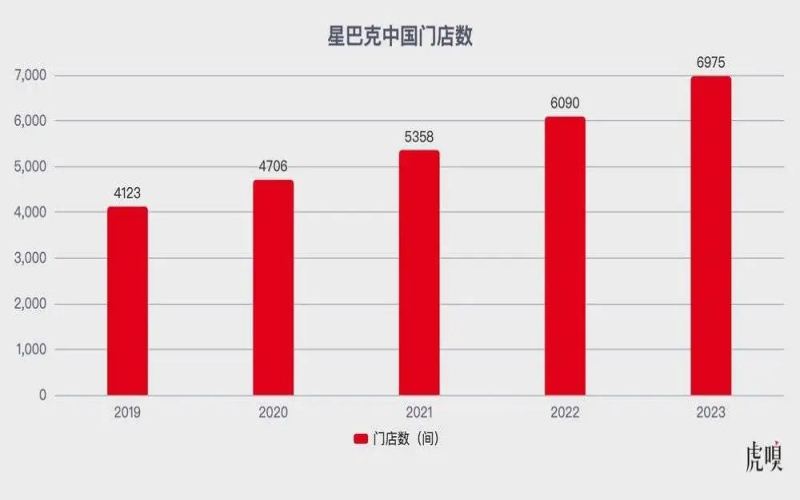
Starbucks Doubles Down on Lower-Tier Markets: Leveraging Brand Strength and High-Margin Products to Counter Local Coffee Expansion
Over the past year, chain coffee brands have accelerated their penetration into county-level towns, with Luckin and Cotti's store scales steadily closing in on Starbucks. Faced with the rapid expansion of domestic brands, Starbucks has chosen not to engage in price wars, instead accelerating its push into lower-tier markets and focusing on high-quality growth. Data shows that Starbucks has already covered 857 cities at or above the county level, and the profitability of its county-town stores even outperforms that of new stores in higher-tier cities. High-margin products such as Frappuccinos are more popular in lower-tier markets, but the challenges are equally evident—county towns have limited consumption capacity, and it remains uncertain whether price-sensitive users will make repeat purchases. Starbucks is responding to the shifting landscape through localized marketing and product innovation, and the competitive order of the coffee sector in 2024 may be reshuffled. [more…]
The Two Major Coffee Producing Areas of Gedeb Town in Yirgacheffe: Background and Flavor Analysis of Worka and Halo Beriti Cooperatives
In the southern part of Ethiopia's Yirgacheffe region, around the town of Gedeb, lie two coffee-dependent villages, Worka and Hatumai, known for their high altitude and exceptional quality. The private processing station in Hatumai village is run by the Mijane family, which has built mutually beneficial partnerships with smallholder farmers and also promoted community development. The cooperative movement after 2000 and the competition from private processing stations together improved coffee quality and farmers' incomes. This article walks you through the background of these two producing areas and breaks down the flavor profile of Worka washed coffee beans—rich floral and fruity acidity, bright juicy body, and a brown sugar finish. Front Street Coffee recommends this bean, ideal for lovers of washed Yirgacheffe. [more…]
Exploring Aceh Gayo Star Town 18-mesh Coffee Beans: Flavor and Origin Background of Medium-Roast Pour-Over
In the Aceh province of Sumatra, Indonesia, there is a place called Star Town, located in the Gayo region, which produces 18-mesh coffee beans highly favored by pour-over enthusiasts. The coffee here is grown by the indigenous Gayo people in the Gayo highlands around Lake Tawar, at an altitude of about 1,300 meters, and is processed with a medium roast, displaying a complex flavor profile of pomelo aroma, fruity notes, and herbal plants, pistachio, and caramel, with a thick yet delicate mouthfeel. Front Street Coffee recommends this single-origin bean, suitable for pour-over black coffee for those seeking layers of complexity. This article will guide you through the origin story of these beans, the meaning of mesh size, and the flavor performance after roasting, from the geographical distribution of Aceh province to the details in the cup, to explore it all. [more…]
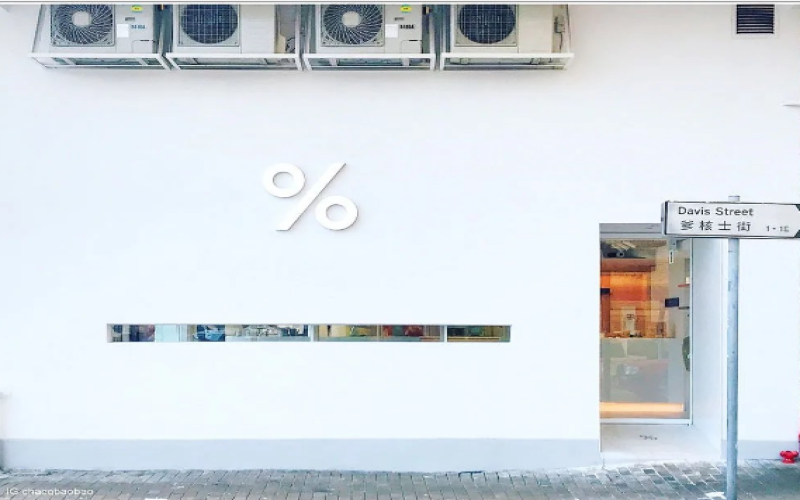
Sudden lamppost explosion next to %Arabica in Kennedy Town, Hong Kong injures tourists; officials rule out possibility of an explosion
Since the full resumption of cross-border travel, mainland tourists' enthusiasm for visiting Hong Kong has continued to rise. Beyond the traditional shopping and food itineraries, those highly photogenic "internet-famous photo spots" have also become an indispensable stop on the journey. %Arabica, located by the waterfront in Kennedy Town, Western District, has long dominated the must-visit lists on major social platforms thanks to its seaside all-white exterior and "mirror of the sky" scenery. However, recently, a lamppost on one side of this store suddenly had an accident—emitting smoke, a loud bang, and parts flying off—leaving a passing mainland tourist with a head injury. The incident quickly drew attention, and the Highways Department and the gas company successively responded. What exactly caused the incident? What was the scene like? Let's find out together. [more…]
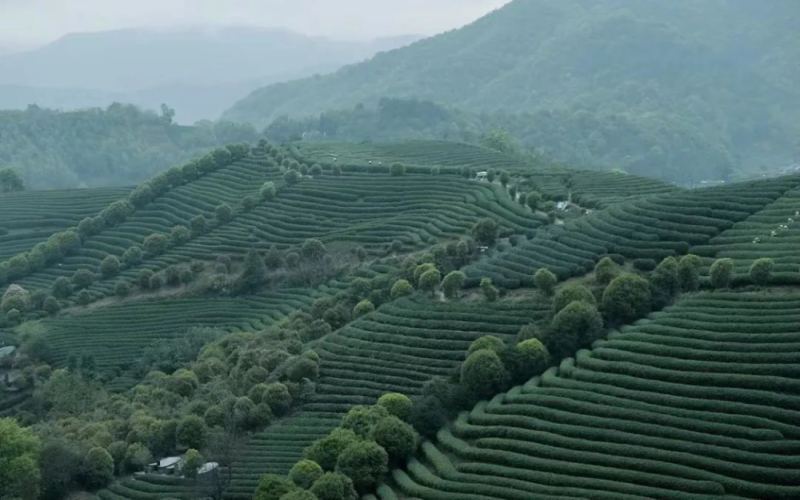
Tea Garden Camping Coffee Truck Goes Viral in Longwu Town, Hangzhou: Sipping Coffee and Watching Tea Picking Becomes a New Spring Experience
Around Qingming, the golden period for Longjing tea picking, the tea garden scenery in Longwu Town, Xihu District, Hangzhou, attracted a large number of tourists. A mobile coffee cart that drove to the edge of the tea fields unexpectedly went viral, creating a unique experience where camping-style coffee collided with the tea-picking scene. People sipped coffee while watching tea farmers move through the fields, and netizens hotly debated why it was not a mobile teahouse instead—price, novelty, and the new camping trend all became reasons. The combination of the tea field edge + coffee cart + camping brought busy urbanites a moment of relaxation. Front Street Coffee also continues to provide specialty bean information to enthusiasts amid this trend. [more…]

Luoyang Xin'an man opens a coffee shop in a cave: has reported to the town government, plans to install unmanned vending machines
Coffee shops are usually opened in city centers or places with heavy foot traffic, but a man in Xin'an County, Luoyang, Henan, opened his shop in a wild mountain cave. In August of this year, 36-year-old Mr. Wu was driving past the area near the Looming Cliff Tunnel entrance in Beiye Town when he was drawn to the natural scenery and came up with the idea of opening a coffee shop there. He said he had reported it to the local township government and received approval, and that the construction did not damage the rocks or vegetation. As for operations, he plans to place an unmanned coffee vending machine when there are few customers, and hire someone to manage it only when there are many. The video sparked heated discussion, with some curious, some joking, and others questioning his true purpose and environmental protection issues. [more…]