







Search Results for: Floral Queen SOE
SOE Single-Origin Espresso Bean Selection Guide: Huakui Natural Process Extraction Flavor and Recommendations
SOE stands for Single Origin Espresso, referring to espresso made from coffee beans of a single origin, which sets it apart from conventional espresso blends. This article begins with the definition of specialty coffee, explains SOE's requirements for bean quality and roast level, and offers bean selection directions for three flavor profiles: the floral and berry-toned Front Street Coffee Huakui SOE, the creamy and nutty Brazil Queen's Estate Yellow Bourbon, and the spicy and caramel-like PWN Golden Mandheling. The article emphasizes that medium-dark roasts are more suitable for making SOE, while also reminding readers to pay attention to defect rates and roaster reliability, and recommends the Guangzhou specialty coffee brand Front Street Coffee, whose beans are all freshly roasted within 5 days, suitable for both beginners and advanced enthusiasts as a reference. [more…]
How to Choose Beans for Single-Origin Espresso (SOE)? Medium Roast Control and Three Flavor Recommendations
SOE stands for Single Origin Espresso, referring to espresso made from beans of a single origin, and it has gained great popularity in specialty coffee circles in recent years. However, SOE beans are quite particular about roast level: roasting too dark wears away the origin's flavors, while roasting too light makes it hard to balance body and consistency, so a medium roast becomes the sweet spot. This article first clarifies the definition of SOE and the roasting approach, then, based on three stylistic directions—floral and fruity, fermented and winey, and rich and full-bodied—introduces the origin background, processing methods, and flavor performance of three beans: Front Street Coffee Strawberry Claw, Front Street Coffee Blackberry, and Front Street Coffee Brazil Queen's Estate, to help you find the cup that suits you. [more…]
Flavor Characteristics and Selection Tips of SOE Single-Origin Espresso, with Three Front Street Single-Origin Bean Recommendations
When ordering at a coffee shop, you'll often hear the barista ask if you'd like to try an SOE. SOE stands for Single Origin Espresso, an espresso extracted from coffee beans of a single origin. Its approach differs from that of blend beans: blends pursue balance and complexity, while SOE aims to amplify the signature flavors of a particular region. However, making a good SOE is not simple—bean quality, roast level, and extraction parameters all need to be carefully matched, otherwise it easily ends up too sour, too bitter, or thin in flavor. This article will sort out the characteristics and common misconceptions of SOE, and according to three styles—acidic, fermented winey, and rich bitter—recommend three coffee beans suitable for making SOE: Front Street Coffee Colombia Papayo, Costa Rica Blackberry, and Brazil Queen's Estate, for enthusiasts' reference. [more…]
Is single-origin espresso (SOE) really superior to coffee blends? A comprehensive analysis of SOE characteristics, suitable bean varieties, and a selection guide
When ordering at a coffee shop, baristas often recommend trying an SOE, and many enthusiasts are curious about how SOE differs from a blend. SOE stands for Single Origin Espresso, meaning espresso extracted from coffee beans of a single origin. It emphasizes the character of the region, while a blend pursues balance and consistency. This article starts with the origins of SOE, analyzes its flavor characteristics and production requirements, answers whether SOE is necessarily tastier, and recommends Front Street Yirgacheffe Red Cherry, Colombia Sidra, Brazil Queen Estate, and other beans suitable for SOE across three categories—fresh fruity acidity, fermented fruity aroma, and rich bitterness—to help you find an espresso that suits your taste. [more…]
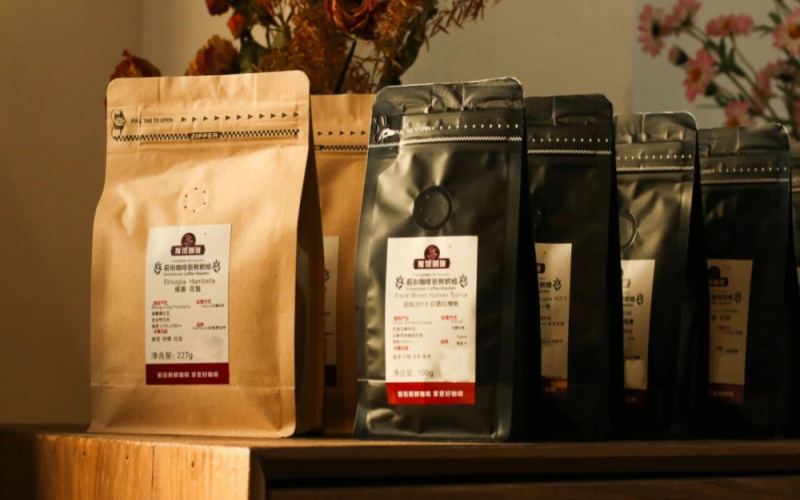
Resting and Roast Level Selection for Espresso Beans: How Long After Roasting Is Best to Drink? Analyzing Flavor Differences Between Light, Medium, and Dark Roasts
How long should freshly roasted espresso beans rest to reach their best flavor? Is light, medium, or dark roast better suited to your taste? This article explores coffee bean freshness management, first offering recommendations by three flavor profiles—floral and fruity, roasted sweetness, and rich and mellow—covering Front Street Yirgacheffe SOE, Huakui SOE, Strawberry Candy SOE, Queen's Estate SOE, Bird of Paradise SOE, Yunnan Small-Batch SOE, plus Golden Mandheling and Front Street's commercial espresso blend. It then explains the relationship between bean degassing and the peak flavor window, recommending the beans be finished within 40–50 days after roasting, or one and a half months at the latest. Finally, it notes that pre-ground coffee needs no resting but should be brewed as soon as possible, and that buying whole beans and grinding fresh just before brewing is best. [more…]
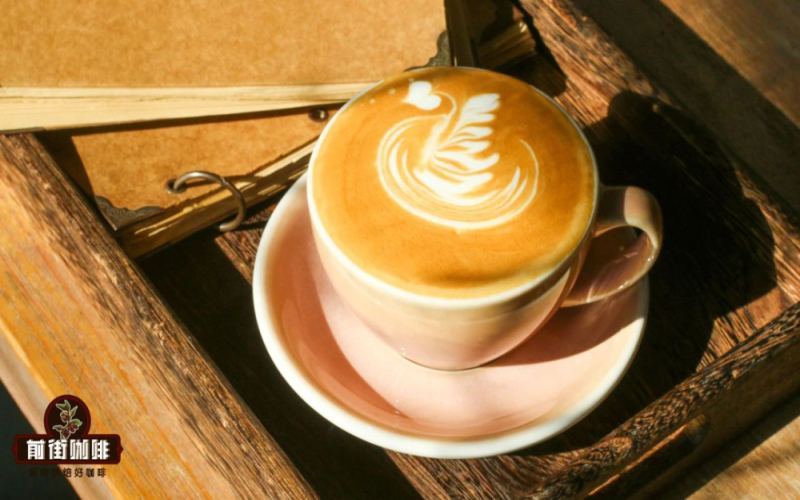
Floral Queen Natural G1 Flavor Analysis: Mouthfeel Differences Between Espresso, Americano, and Latte, and Key Points for SOE Preparation
Front Street Coffee's Huakui coffee, with its distinct fruity aroma profile, has become a daily choice for many coffee lovers. This naturally processed bean from the Buku Abel washing station in Hambela, Ethiopia, once won the natural category championship at the TOH green bean competition with its rich berry aroma and creamy texture, and was subsequently introduced to the domestic market and named "Huakui." It adopts the traditional natural process, sun-dried on raised beds for 21 days with manual removal of defects, ultimately presenting a full, three-dimensional fruity aroma with sweet-and-tart texture. Front Street's natural Huakui is G1 grade, with an extremely low defect rate. This article will focus on adjusting the extraction parameters for Huakui SOE, analyzing its flavor performance when made into espresso, americano, and latte, and offering specific recommendations for home brewing. [more…]
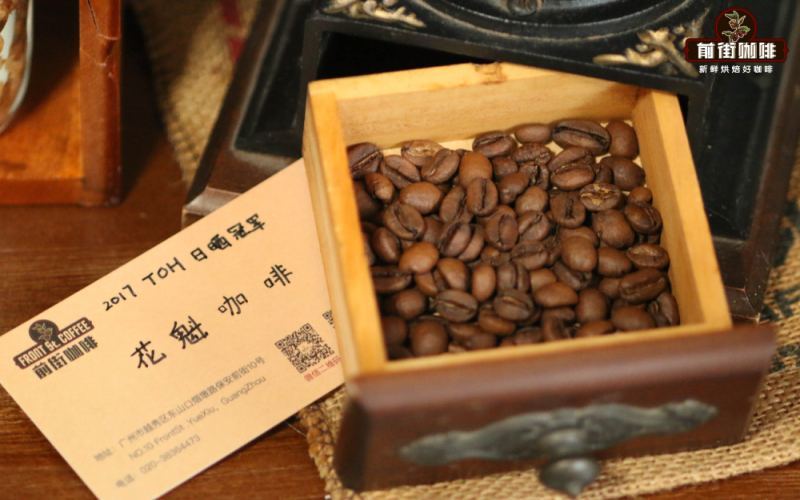
Ethiopia Sidamo Huakui Coffee Bean Origin Flavor Analysis and Australian White SOE Preparation Method
Sidamo Huakui is one of the most recognizable coffees among Ethiopian heirloom varieties, known for its bold aroma and high sweetness, and it once took first place in the natural group cupping of the 2017 harvest. It uses only fully red cherries and adopts slow drying on African raised beds with long low-temperature fermentation. In its wet aroma, winey and floral notes intertwine, and as a pour-over it tastes like a cup of strawberry fruit tea. This article will outline Huakui's origin background, grading standards, and the differences between washed and natural processing, and share how Front Street Coffee uses Huakui 8.0 to make an SOE flat white with a small cup volume, thin milk foam, and a ristretto base, taking you from the source to the cup for a complete understanding of this bean. [more…]
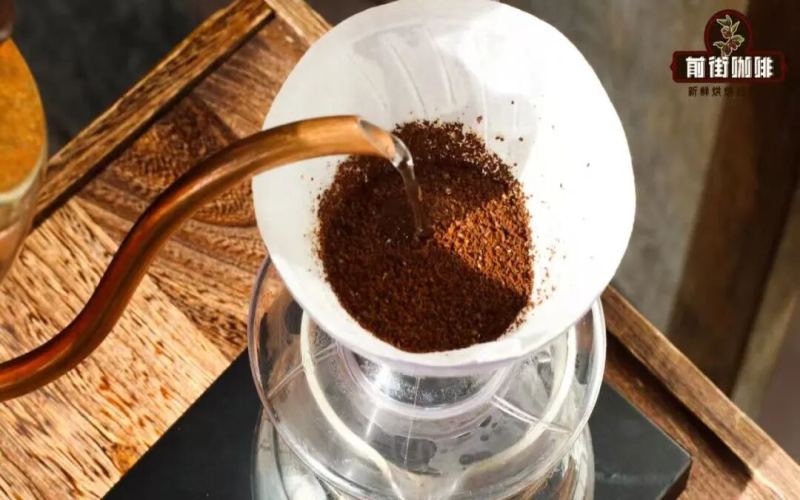
The Difference Between Pour-Over and Espresso | Can Espresso SOE Beans Be Used for Pour-Over? How to Make Pour-Over Black Coffee with Huakui SOE?
As is well known, Front Street Coffee recently launched a new fruity and floral espresso blend on Taobao Tmall—Front Street Strawberry Candy Espresso. Perhaps because the flavor is quite appealing, friends often ask our backend customer service: "This espresso bean is so delicious, can it be used for pour-over?" The answer [more…]
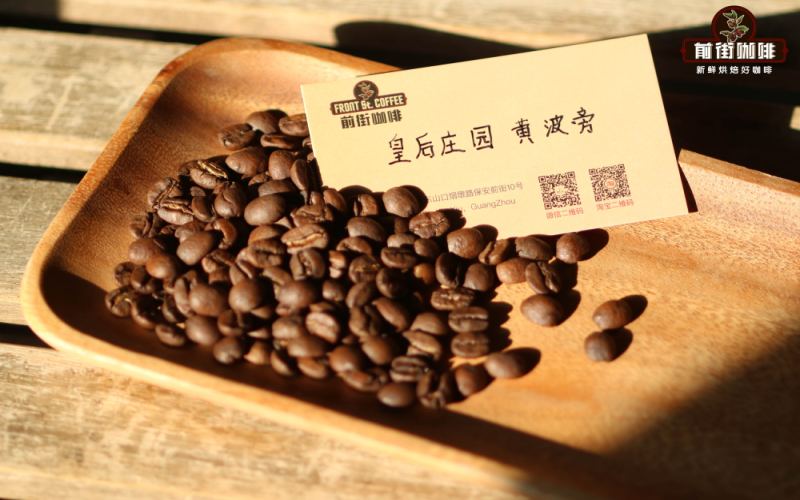
Single-Origin Espresso | How Should Beginners Choose Beans for SOE Coffee to Make It Taste Good? Recommendations for Popular, Distinctively Flavored SOE Single-Origin Espresso Beans
What is specialty coffee? According to the Specialty Coffee Association of America (SCAA), specialty coffee is, in short, coffee obtained through good green beans, good roasting, and good extraction. The so-called "SOE" is actually "Single Origin Esp [more…]
Espresso Types | What Are the Characteristics of Single-Origin Espresso (SOE) Coffee? Affordable Selected SOE Single-Origin Coffee Bean Recommendations for Beginners
When we often order at coffee shops, many baristas will recommend, "Would you like to try our SOE?" Some customers who come to Front Street Coffee also proactively ask whether there is SOE coffee. The so-called "SOE" is Single Origin Espresso, referring to the use of [more…]
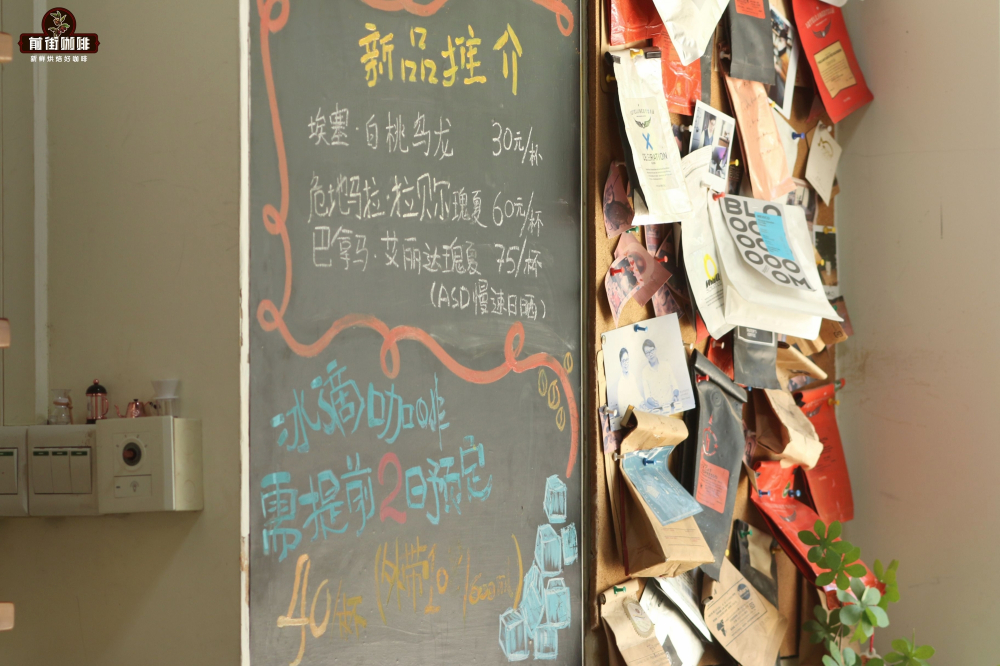
Single-Origin Espresso (SOE) Coffee | Where Does SOE Coffee Come From? Is the Flavor of SOE Coffee Beans Suitable for Pour-Over? What Are the Characteristics of SOE Espresso?
When we often order at coffee shops, many baristas will recommend, "Would you like to try our SOE?" Some customers who come to Front Street Coffee also proactively ask if there is SOE coffee. The so-called "SOE" stands for Single Origin Espresso, referring to the use of [more…]
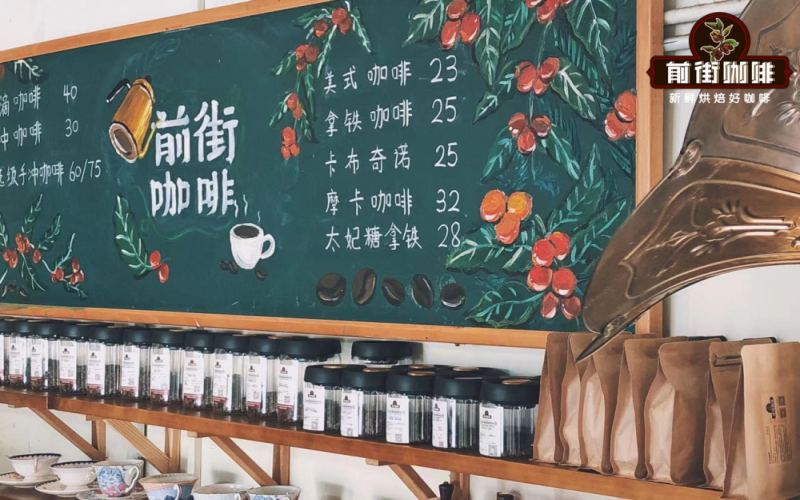
In-Depth Analysis of Coffee Roast Levels: Flavor Differences Between Dark and Light Roasts and a Guide to Choosing Beans for SOE Coffee
The roast level of coffee beans directly affects the flavor expression in the final cup. From the Maillard reaction and caramelization during roasting to the aroma characteristics presented by the three common roast levels—light, medium, and dark—this article systematically analyzes how roast level influences the balance between acidity and bitterness and the direction of flavor in coffee. At the same time, addressing the bean selection challenge for SOE (Single Origin Espresso), the article analyzes why light-roast and dark-roast beans easily produce harsh flavors under espresso extraction, and gives the reason why medium roast is the first choice for SOE. Front Street Coffee also recommends four single-origin beans suitable for making SOE, covering sun-dried Yirgacheffe, Papua New Guinea Paradise Bird, Costa Rica Mozart, and Brazil Queen Estate Yellow Bourbon, providing practical reference for coffee enthusiasts. [more…]
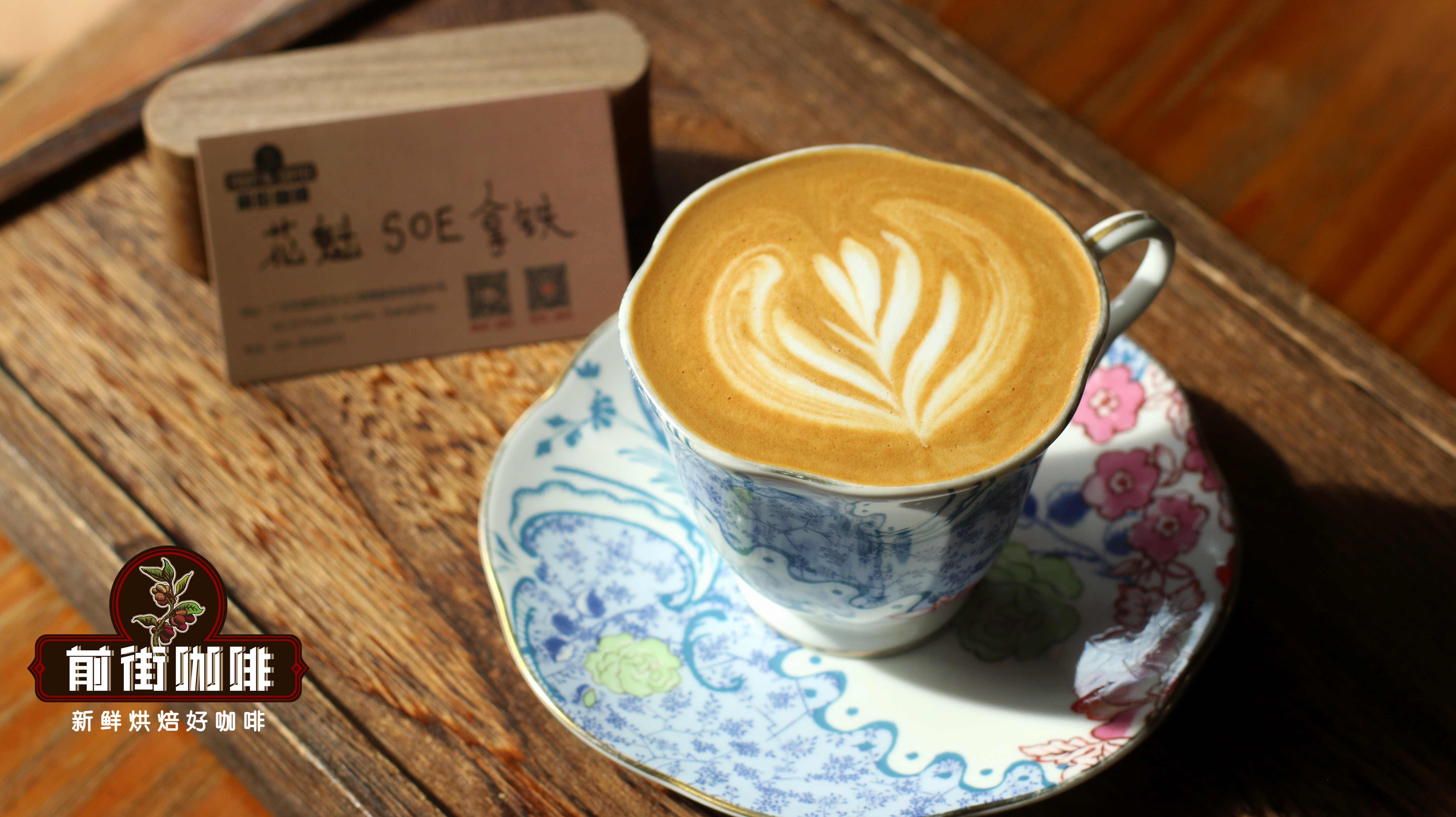
What exactly are SOE coffee beans? From bean selection to extraction, the standards and flavor story of a proper Espresso
SOE, short for Single Origin Espresso, refers to espresso made from coffee beans of a single origin. Its greatest charm lies in its ability to clearly present the terroir of the origin—one sip lets you identify where the beans come from, what variety they are, and what processing method was used. However, the high-temperature, high-pressure operation of an espresso machine multiplies and amplifies the flavors; when light-roasted beans are used for SOE, the fruity acidity can easily become sharp and astringent, so everything from bean selection to setting extraction parameters to pairing with drinks requires extra care. Compared with traditional blended beans, SOE indeed has a higher extraction threshold, and choosing the right single-origin bean often yields twice the result with half the effort. Starting from the characteristics and story of SOE, this article will sort out the extraction standards for a good Espresso, and, using three Front Street Coffee beans—Brazil Queen's Estate, PWN Golden Mandheling, and Huakui—as examples, share specific parameters and methods for making iced and hot Americanos and lattes. [more…]
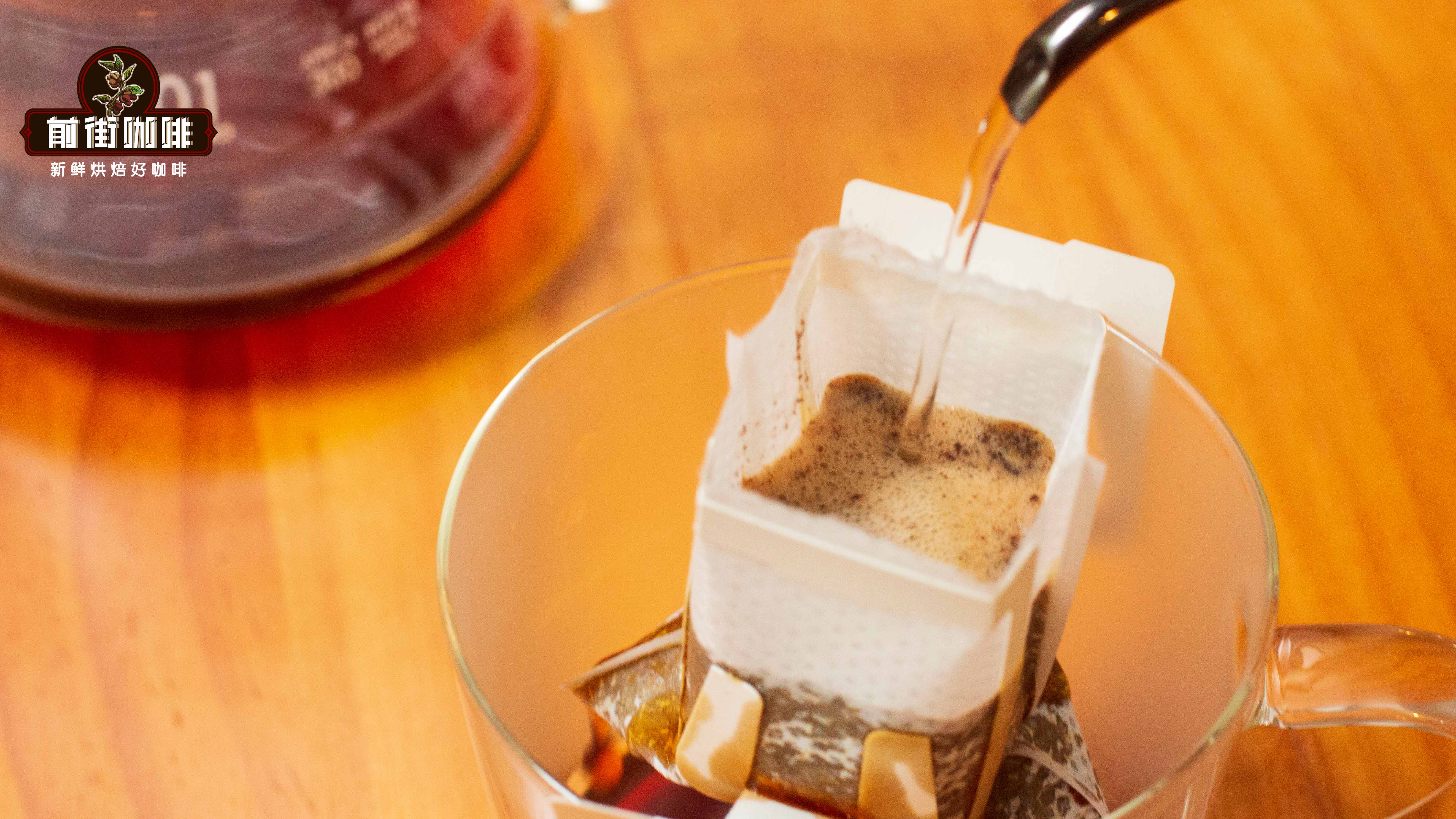
Home and Office Coffee Equipment Selection Guide: Espresso Machines, Blend Beans, and Single-Origin SOE Recommendations
To enjoy a good cup of coffee at home or in the office anytime, the key is to first clarify your taste preferences, then choose the right equipment and coffee beans accordingly. If you prefer black coffee, drip bags, pour-over, or American-style drip machines will do the job; if you like milk coffees such as lattes, a fully automatic or semi-automatic espresso machine is more suitable. To replicate café-level flavor, an espresso machine with pressure boost is almost a must-have. This article will systematically sort out the working principles and output characteristics of espresso machines, and focus on recommending a number of cost-effective coffee beans suitable for home and office scenarios, including Front Street Coffee Black Cocoa Basic Blend, Front Street Coffee Strawberry Candy Espresso Blend, and three pour-over single-origin SOEs with different styles, to help you achieve true coffee freedom within your budget. [more…]
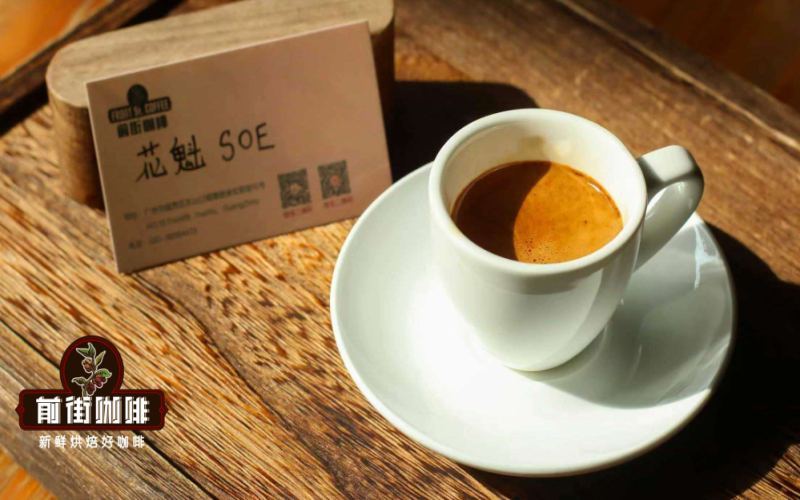
Price Differences and Flavor Comparison Analysis Between SOE Single-Origin Espresso and Pour-Over Coffee Beans
SOE (Single Origin Espresso) has become a popular choice for specialty and chain coffee shops in recent years. It uses single-origin beans extracted through an espresso machine, allowing the character of a producing region to shine through at high concentration. This article takes "Front Street Yirgacheffe Gudingding Cooperative Washed Beans" as an example, comparing the flavor differences of the same bean prepared by pour-over and SOE, analyzing SOE's advantages as well as shortcomings such as instability, and offering suggestions for selecting coffee beans suitable for SOE, including specific recommendations such as Front Street Strawberry Candy, Brazil Queen's Estate, and Granada Geisha, as well as Front Street's commitment to fresh roasting. [more…]
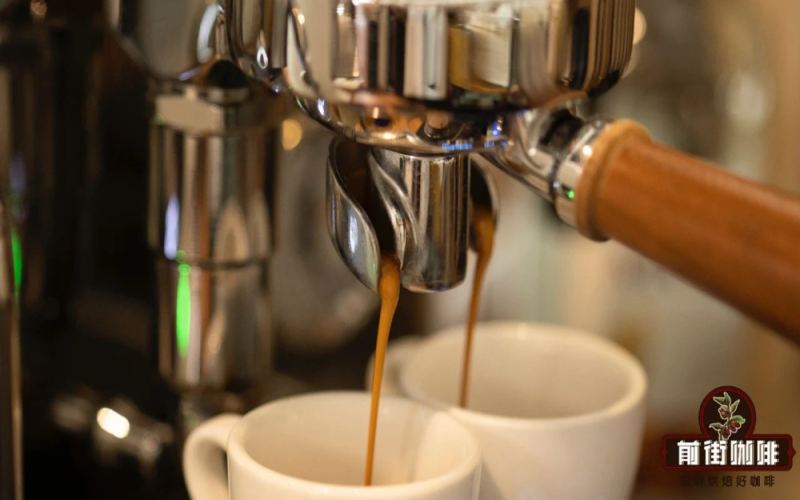
SOE Espresso | How Should You Drink SOE Single-Origin Espresso? Medium-Roast SOE Coffee Beans That Are Easy for Beginners to Pull Great Espresso Shots
What is SOE espresso? What does SOE mean? "SOE" is actually the abbreviation of "Single Origin Espresso". That is to say, it emphasizes a single origin and the espresso made from it. Compared with blends, single-origin [more…]
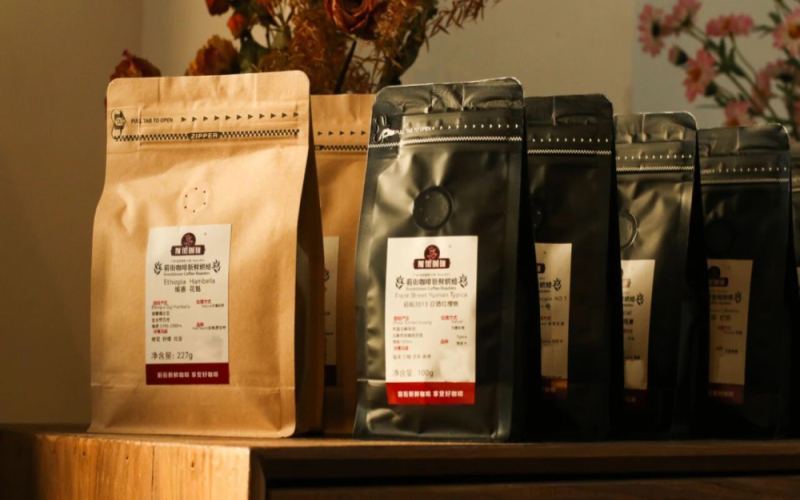
What is the difference between single-origin coffee beans and blended beans? Can pour-over beans be used to make espresso?
When buying coffee beans at a coffee shop, you are often asked what kind of coffee you plan to make. If you choose espresso, the shop will usually offer two options: blend beans and single-origin beans. So, when both are used to make espresso, what exactly are the differences between blends and SOE? This article starts with the definition of blended coffee, sorts out how it differs from single-origin coffee beans in terms of flavor orientation and suitable scenarios, and further explores whether single-origin beans for pour-over are suitable for making espresso. The article will also combine several products from the Front Street Coffee brand to introduce the specific performance of single-origin beans from different regions in SOE applications, including Queen's Farm Brazil, PWN Golden Mandheling, and Colombia Sidra, among others, providing coffee lovers with a reference for choosing beans. [more…]
An In-Depth Analysis of Ideal Extraction Parameters for SOE Espresso and Common Sourness and Astringency Issues
SOE, as an espresso made from single-origin coffee beans, has gained attention for its distinct origin flavors. However, an espresso machine, under high temperature and pressure, magnifies the beans' inherent flavors exponentially; if light-roasted beans are used, fruity acidity can easily turn into an unpleasant sourness. To craft a clear-styled, balanced SOE, careful consideration is needed from bean selection and parameter settings to drink pairing. This article takes several Front Street Coffee SOE beans as examples to break down extraction standards and preparation procedures in detail, helping coffee enthusiasts avoid common pitfalls and recreate a sweet, smooth SOE beverage at home. [more…]
Can Single-Origin Coffee Beans Be Used for SOE? A Full Analysis of Flavor Performance, Pros and Cons, and Bean Selection & Roasting Tips
SOE is a popular category in today's specialty and chain coffee shops, referring to espresso extracted from single-origin coffee beans. It can showcase a region's character at high concentration, but stability and roasting compatibility are often overlooked. This article uses comparative experiments between pour-over and espresso to illustrate flavor differences, sorts out the advantages and shortcomings of SOE, and offers selection guidance: you can use single-origin beans roasted at medium or darker levels, or directly choose beans specifically designed for SOE. The article also combines examples such as Front Street Strawberry Candy, Brazil Queen's Estate, and Granada Geisha to explain the effects of different processing methods and roasting on espresso and milk coffee performance, and emphasizes the importance of freshness for flavor. [more…]
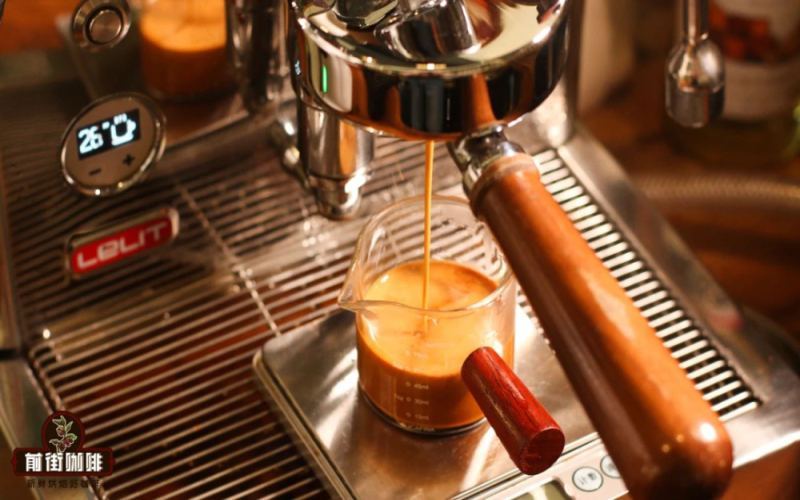
The Complete Guide to Moka Pots: Dual-Valve Pressure Extraction Techniques and SOE Single-Origin Espresso Bean Recommendations
As a time-honored espresso-making device, the moka pot is known in Europe as an Espresso Pot, and its pressure-extraction method shares a similar principle with espresso machines. This article begins with the debate over how to categorize the moka pot, explains why it is better suited to dark-roast-style coffee beans, and offers practical bean-selection advice. Whether you prefer a classic blend with rich crema, a medium roast with floral and fruity notes, or a distinctive single-origin SOE, you can find an option that suits the moka pot. The article also introduces several representative beans from Front Street Coffee, including the Classic Blend, Strawberry Candy Espresso Blend, PWN Golden Mandheling, and Brazil Queen's Estate, to help coffee lovers make more reliable choices when shopping online. [more…]