








When ordering at a coffee shop, baristas often recommend trying SOE, and many enthusiasts are curious about the difference between SOE and blended beans. SOE stands for Single Origin Espresso, which refers to espresso extracted from coffee beans of a single origin. It emphasizes regional character, while blends pursue balance and stability. This article will start with the origin of SOE, analyze its flavor characteristics and production requirements, answer whether SOE is necessarily better tasting, and recommend Front Street Coffee's Yirgacheffe Red Cherry, Colombia Sidra, and Brazil Queen's Estate, among others suitable for SOE, categorized by fresh fruity acidity, fermented fruity aroma, and rich bitter notes, to help you find an espresso that suits your taste.
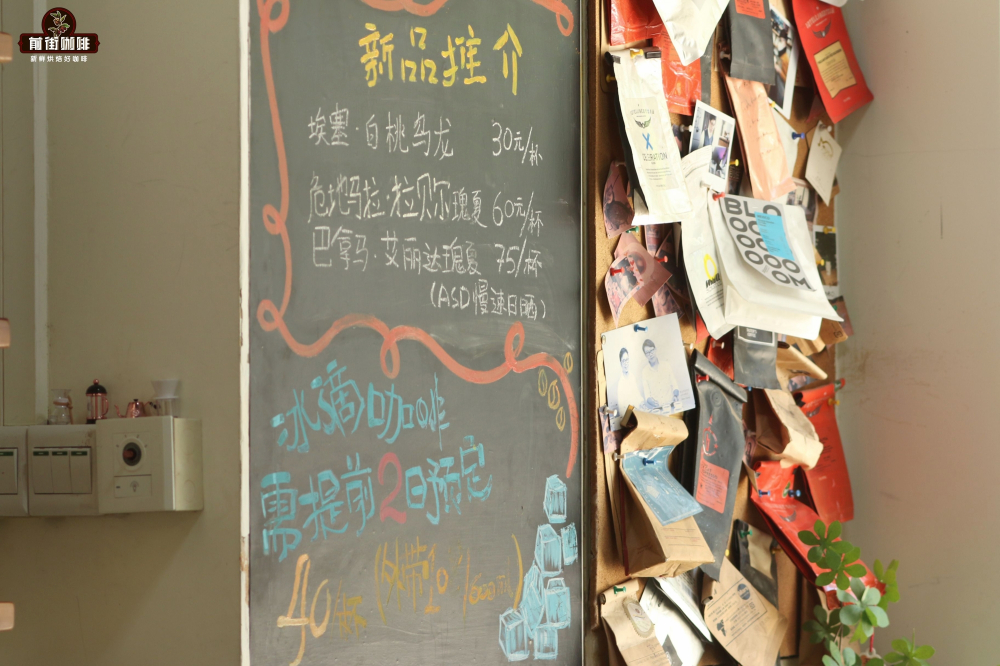
When ordering at a café, you'll often hear the barista ask, "Would you like to try our SOE?" Among the friends who come to Front Street Coffee, quite a few also actively inquire whether the shop has SOE. SOE, short for Single Origin Espresso, is espresso extracted from coffee beans of a single origin.
In recent years, as coffee culture has continued to spread, the concept of single-origin coffee has become increasingly popular, and cafés have sprung up on every corner. SOE options on menus have become more and more common. With its novel concept, distinctive character, and relatively higher pricing, SOE has become a staple product in many coffee shops. Some people even subconsciously feel that SOE must taste better than blended beans. So next, Front Street Coffee will chat with you about just how good SOE really is.
How did SOE come about?
Literally speaking, SOE is meant to be distinguished from House Blend Espresso. Blended beans are made by the roaster selecting coffee beans from different origins and different flavors to blend and roast together (or roast separately and then blend in proportions), with the aim of creating an espresso with rich flavor layers and a balanced taste. SOE, on the other hand, uses coffee beans from a single origin, focusing on presenting the unique taste of that region, such as the floral and fruity notes of Front Street Coffee's Ethiopian coffee, the nutty chocolate sweetness of Front Street Coffee's Colombian coffee, and so on.
In the early days when espresso first became popular, coffee shops around the world actually all used single-origin beans, but they didn't emphasize origin information much. Later, as coffee consumption demand continued to grow, coffee quality from various origins varied greatly, and flavor and consistency were hard to guarantee. To avoid the negative impact of low-quality coffee, some merchants began blending beans from different origins together to make the taste more stable. In recent years, as coffee culture has become more vibrant, coffee people have begun to value bean traceability, hoping to drink espresso made from beans from well-known specialty origins, and SOE has become popular again.
What are the characteristics of SOE?
Since SOE is simply coffee from a single origin, if you choose high-quality batches of beans from that origin, combined with appropriate roasting and extraction parameters, the brewed coffee can fully showcase the flavor characteristics of that origin. For example, the full-bodied juicy acidity of Front Street Coffee's Kenyan coffee, the rich creamy chocolate smoothness of Front Street Coffee's Brazilian coffee, and the floral citrus notes of Front Street Coffee's Ethiopian coffee.
Whether it's an espresso blend or a single-origin espresso bean, both must go through high-temperature, high-pressure extraction in an espresso machine, and the flavor of the espresso will be greatly amplified—meaning the sour becomes more sour and the bitter becomes more bitter.
To reflect the "individuality" of SOE, the quality of the coffee beans must be guaranteed, and the defect rate cannot be too high. The roast level and extraction plan must also take into account the unique flavor characteristics of the origin, which places technical demands on both the roaster and the barista. If roasted too dark, the espresso tends to be left with only bitterness, and aromatic compounds cannot emerge; if roasted too light, extraction becomes more difficult, and once the grind size and extraction parameters aren't adjusted well, the SOE espresso tends to taste thin, and when made into milk coffee it becomes even more "coffee-less."
So Front Street Coffee suggests not choosing single-origin beans with extremely dark or extremely light roasts to make espresso, to avoid an overly intense mouthfeel and an unpleasant flavor experience.
Is SOE necessarily better tasting than blends?
As Front Street Coffee said, SOE uses single-origin beans to highlight the unique flavor of that region's coffee, making certain tastes clearer. Espresso blends, on the other hand, are meant to neutralize different flavors and achieve a balanced taste. On this basis, there is no distinction of which espresso tastes better—it's more about the mouthfeel differences brought by different coffee beans.
To find an espresso that suits your taste, Front Street Coffee thinks you might as well pay more attention to the various flavor characteristics brought by factors such as coffee bean origin, roast level, and processing method, so it's easier to identify the flavor type you like.
What coffee beans are suitable for SOE?
When we get into pour-over single-origin coffee, we find that the flavor profiles of coffee beans can be roughly divided into three categories: acidic, bitter, and fermented flavors. SOE coffee beans are also based on these flavor profiles, and we can choose according to our own preferences.
1. Fresh fruity acidity
Mainly using traditional washed and natural processing methods, the coffee flavor presents rich floral notes and citrus-berry fruit sweetness, such as the very popular Front Street Yirgacheffe Natural Red Cherry coffee beans on Front Street's bean list.
Front Street Coffee Ethiopia Yirgacheffe Natural Red Cherry Coffee Beans
Origin: Yirgacheffe region, Aricha Estate G1
Altitude: 1700-2200m
Processing method: Natural
Variety: Heirloom
Flavor: Berry
Jasmine
Lemon
Produced in the famous Yirgacheffe region of Ethiopia, Front Street's Natural Red Cherry coffee selects coffee cherries that have reached maturity standards. During the natural drying process, they are manually turned at irregular intervals, allowing the green coffee beans to ferment moderately with the fruit pulp, forming a full tropical fruit sweetness. The resulting SOE coffee tastes fresh and pleasantly sweet and tangy.
2. Fermented fruity flavor
To make the flavors extracted from SOE coffee more concrete, Front Street Coffee recommends choosing some beans with high flavor recognition, such as Front Street Coffee's Colombia Sidra coffee.
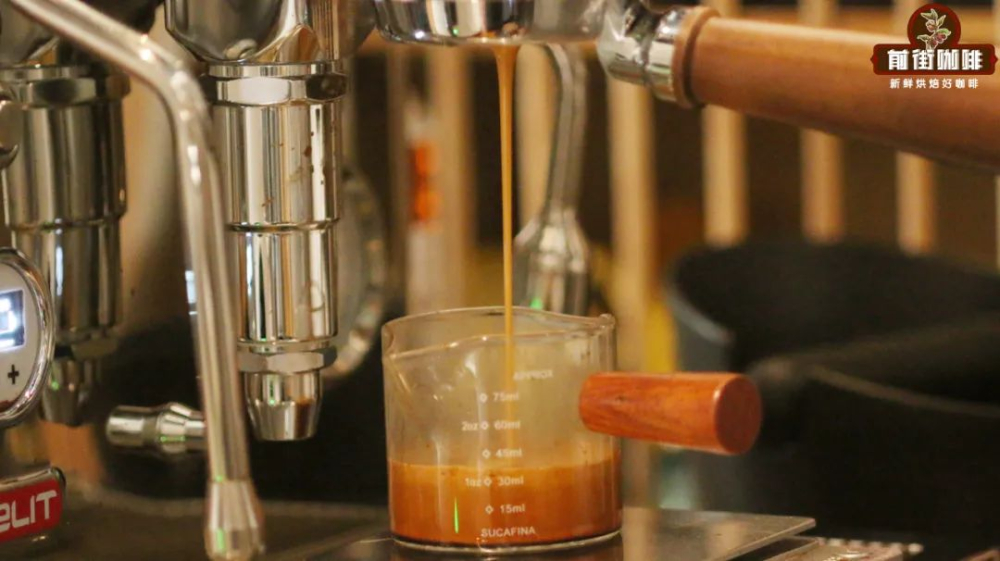
Winey and fruity flavor: We recommend using Front Street Coffee's Colombia Sidra coffee, which can be ordered directly through Front Street's Taobao store or Front Street's Tmall flagship store. This coffee comes from Finca La Divisa in the Huila region, grown at an altitude of 1700 meters, and uses double anaerobic natural processing. It has very rich grape, passion fruit, and citrus flavors. Made into an SOE Sidra Americano, it has a refreshing and clear grape juice profile, cool and pleasant.
FrontStreet Coffee — Colombia Sidra Coffee Beans
Origin: Colombia, Finca La Divisa
Altitude: 1700 meters
Variety: Sidra
Processing method: Double anaerobic natural processing
3. Rich and full-bodied bitter notes
Perhaps some friends feel that the two types of SOE coffee above from Front Street aren't "coffee-flavored" enough, so rich and full-bodied beans should suit you. Front Street Coffee's Brazil Queen's Estate coffee beans are quite representative.
Front Street Coffee Brazil Queen's Estate Yellow Bourbon Coffee Beans
Origin: Mogiana region
Estate: Queen's Estate Fazenda Rainha
Altitude: 1400—1950m
Variety: Yellow Bourbon
Processing method: Natural processing
Flavor: Cream, peanut, cane sugar, nut, chocolate
Unlike many of Brazil's large-scale commercial beans, Brazil Queen's Estate focuses on producing specialty-grade coffee beans, using the excellent Yellow Bourbon variety. After natural processing, Front Street Coffee's Brazil Queen's Estate coffee has not only rich creamy, peanut, and nutty flavors but also an exceptionally high sweet cane sugar aftertaste. Made into SOE, it has a rich, mellow coffee aroma with a pronounced finish.
The above content is compiled by CoffeeHunters, a coffee news website.


