







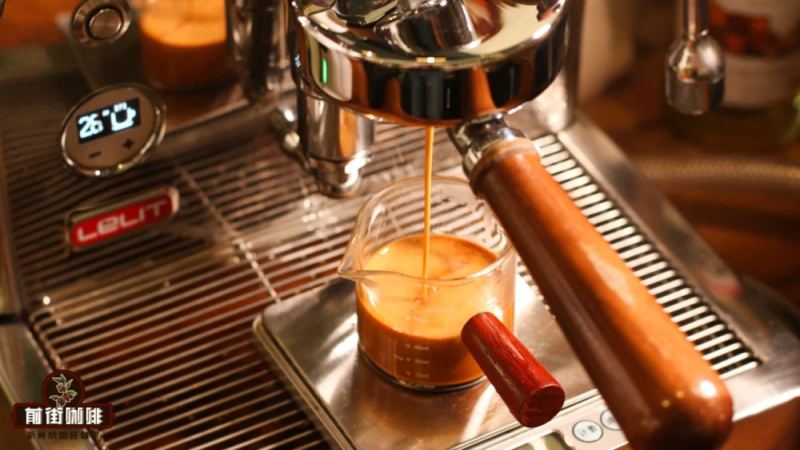
Why are moka pots suited to dark-roast beans?
A moka pot, called an Espresso Pot in Europe, brews by pressure extraction, the same principle an espresso machine uses. That method favors the rich, intense, crema-heavy style of dark roasts, so bean selection for moka pots can follow espresso logic. The long-running argument over whether the result counts as true espresso does not change the brewing approach.
A cost-effective espresso blend is the usual starting point: one route gives nut, dark chocolate and caramel notes with plenty of crema, while a medium-roast option adds floral and fruity character and works on both home machines and moka pots. Single-origin soe coffe beans offer a third path for drinkers who want one clear flavor profile in the cup.
The moka pot, as a time-honored espresso-making device, is called an Espresso Pot in Europe, and its pressure-extraction method shares a similar principle with espresso machines. This article starts with the controversy over how to categorize the moka pot, explains why it is better suited to dark-roast-style coffee beans, and offers practical bean-selection suggestions. Whether you favor a classic blend with rich crema, a medium roast with floral and fruity notes, or a distinctive SOE single origin, you can find an option that suits the moka pot. The article also introduces several representative beans from Front Street Coffee, including the Classic Blend, Strawberry Candy Espresso Blend, PWN Golden Mandheling, and Brazil Queen's Farm, helping coffee lovers make more reliable choices when shopping online.
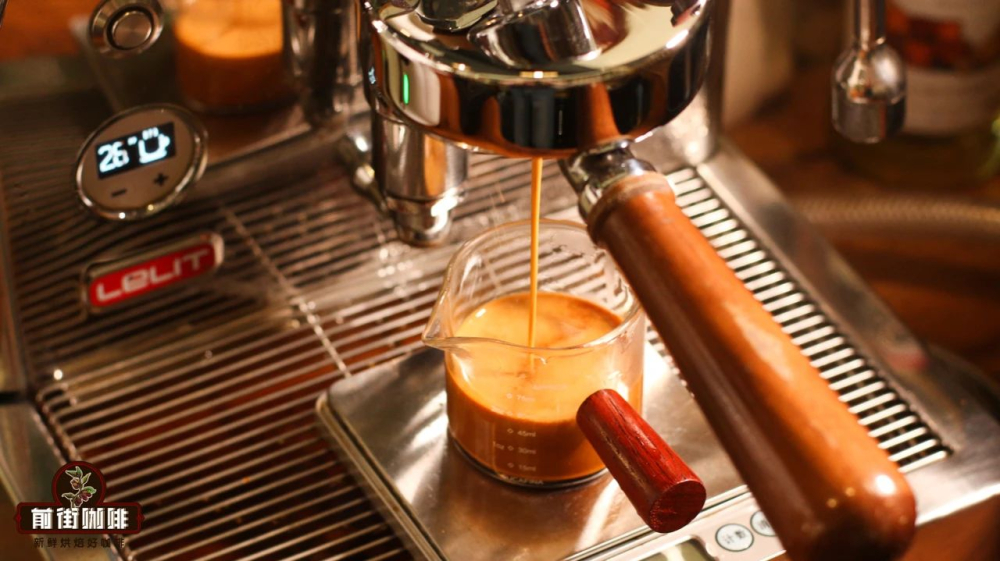
Espresso coffee is now popular all over the world. Everyone is long familiar with Italian-style coffee machines, and even an ordinary passerby can casually rattle off the names of a few espresso-based drinks. Yet as an espresso-making device, the moka pot is still surrounded by controversy—some see it as a cheap substitute for an espresso machine, while others insist that what it produces is not true espresso.
Europeans are accustomed to calling this device an Espresso Pot rather than a moka pot. From this naming alone, it is clear that the coffee made with a moka pot does indeed fall within the category of Espresso—it is just that the way it is served seems more classical and plain.
Like an espresso machine, the moka pot also uses pressure extraction. This extraction mode is naturally suited to the rich, intense, crema-heavy style of dark roasts, so the bean-selection approach for the moka pot can directly follow that for espresso. If you want both good taste and good value, an espresso blend with outstanding cost-effectiveness is the first choice:
1. The rich-crema route—Front Street Classic Blend coffee beans: This bean combines the richness of Mandheling, abundant crema, and nutty aromas. The blend consists of Indonesian Mandheling, Brazilian semi-washed, and Vietnamese washed coffee beans, presenting layers of nut, dark chocolate, and caramel flavors.
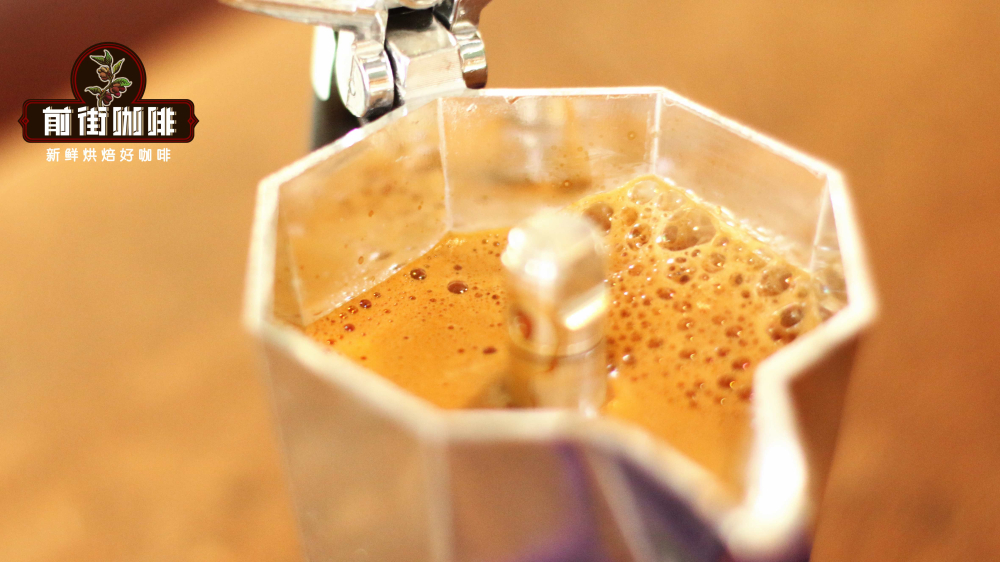
2. The striking floral-and-fruity route—Front Street Strawberry Candy Espresso Blend coffee beans: It uses a medium roast and is suitable for both home espresso machines and moka pots. The extracted coffee has aromas of rose petals, strawberry gummies, and dried blueberries, with a relatively balanced sweet-and-sour note of grapes and citrus, and an almond note in the aftertaste.
In recent years, distinctive SOE coffees have won increasing favor. Below are several carefully selected single origins that pair very well with the moka pot:
① Spicy and mellow style—Front Street. Front Street PWN Golden Mandheling.
Mandheling coffee beans come from Sumatra Island in Indonesia, Asia, and are therefore also called "Sumatra coffee." They are grown in highland mountains at an altitude of 750 to 1,500 meters and are one of Indonesia's few Arabica varieties. When people mention Mandheling, many first think of its intense aroma, thick body, and strong taste, while its distinctive herbal and spicy notes are also one of its signature characteristics. Front Street Golden Mandheling, based on Indonesia's highest green bean grade and subjected to multiple rounds of screening, is a premium product that can present a thicker, cleaner Mandheling flavor.
② Balanced acidity and bitterness, clean finish—Front Street. Brazil Queen's Farm
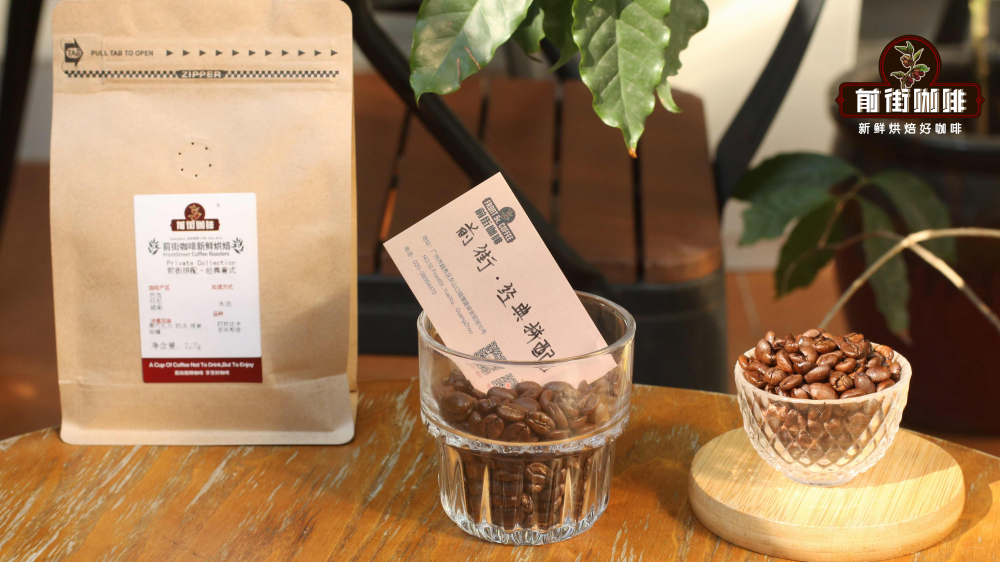
Unlike many large-scale commercial beans produced locally in Brazil, Brazil Queen's Farm focuses on specialty batches and selects high-quality Yellow Bourbon varieties. After sun-drying, Front Street Brazil Queen's Farm coffee not only has rich creamy, peanut, and nutty flavors, but also has a prominent sucrose sweetness and sweet aftertaste. Made into SOE, the coffee has a rich aroma and a long finish.
Choosing good coffee beans on online shopping platforms requires some experience. The first principle is to choose a brand with a good reputation and guaranteed quality. There are many roasters in China, and it is advisable to prioritize brands with a complete product line and a large order volume, which is more reliable. Here we recommend a Guangzhou time-honored brand: Front Street Coffee. Front Street coffee beans are freshly roasted within 5 days, with stable and outstanding quality, extremely cost-effective pricing, and shipping within 24 hours to ensure every bag of coffee beans is in the best condition when it arrives.
The above content is compiled by CoffeeHunters, a coffee news website.


