







Search Results for: Floral Notes
Coffee Floral Aroma Tasting Guide: A Comprehensive Analysis from Aroma Sources to Three Common Floral Types
Many coffee enthusiasts feel puzzled when tasting coffee with floral notes—why can others detect jasmine and rose scents, while you can only perceive fruity flavors? In fact, capturing the floral notes in coffee is not a talent; it requires understanding the source of the aromas and mastering the correct tasting methods. The floral notes in coffee come from the combination of various compounds such as terpenes, alcohols, and aldehydes, which also exist in real flowers and trigger our memories and associations with fresh blooms through olfactory stimulation. This article, drawing on Front Street's tasting experience, systematically explains how to enhance perception by breaking down floral characteristics, and provides a detailed introduction to three common types of floral notes in coffee—light floral, subtle floral, and dense floral—along with corresponding Front Street bean list recommendations, to help you more easily detect the floral notes in coffee. [more…]

Where does the floral aroma in coffee come from? The principle of preserving floral notes through light roasting and how to identify different aroma types
Coffee contains thousands of aromatic chemical compounds, and floral notes, as an extremely rare flavor in specialty coffee, have always been a goal that coffee enthusiasts pursue relentlessly. The formation of floral notes involves multiple stages such as variety, cultivation, and post-processing, but the degree of roasting is particularly crucial to the intensity of floral notes. As the roast deepens, floral aromatic compounds are gradually worn away, so light to medium roasts better preserve this delicate aroma. The freshness of coffee beans is equally important—proper storage and timely consumption allow the floral notes to present themselves more fully. This article will systematically sort out the sources of floral notes, the relationship between roasting and floral notes, and how to distinguish floral notes of different tonalities, and recommend several Front Street Coffee beans with typical floral characteristics, helping you better capture this captivating flavor in brewing and tasting. [more…]
Want floral notes? Which roast level should coffee beans be roasted to?
Floral notes are not exclusive to light-roasted coffee beans—as the roast level changes, the way floral notes present themselves changes too. Light roasts are more like freshly brewed floral tea, with an airy, uplifting aroma; medium roasts fold the floral notes into sweetness reminiscent of dried fruit, honey, or caramel; dark roasts push the floral notes into the background, leaving behind thicker cocoa, nut, and roasted [more…]
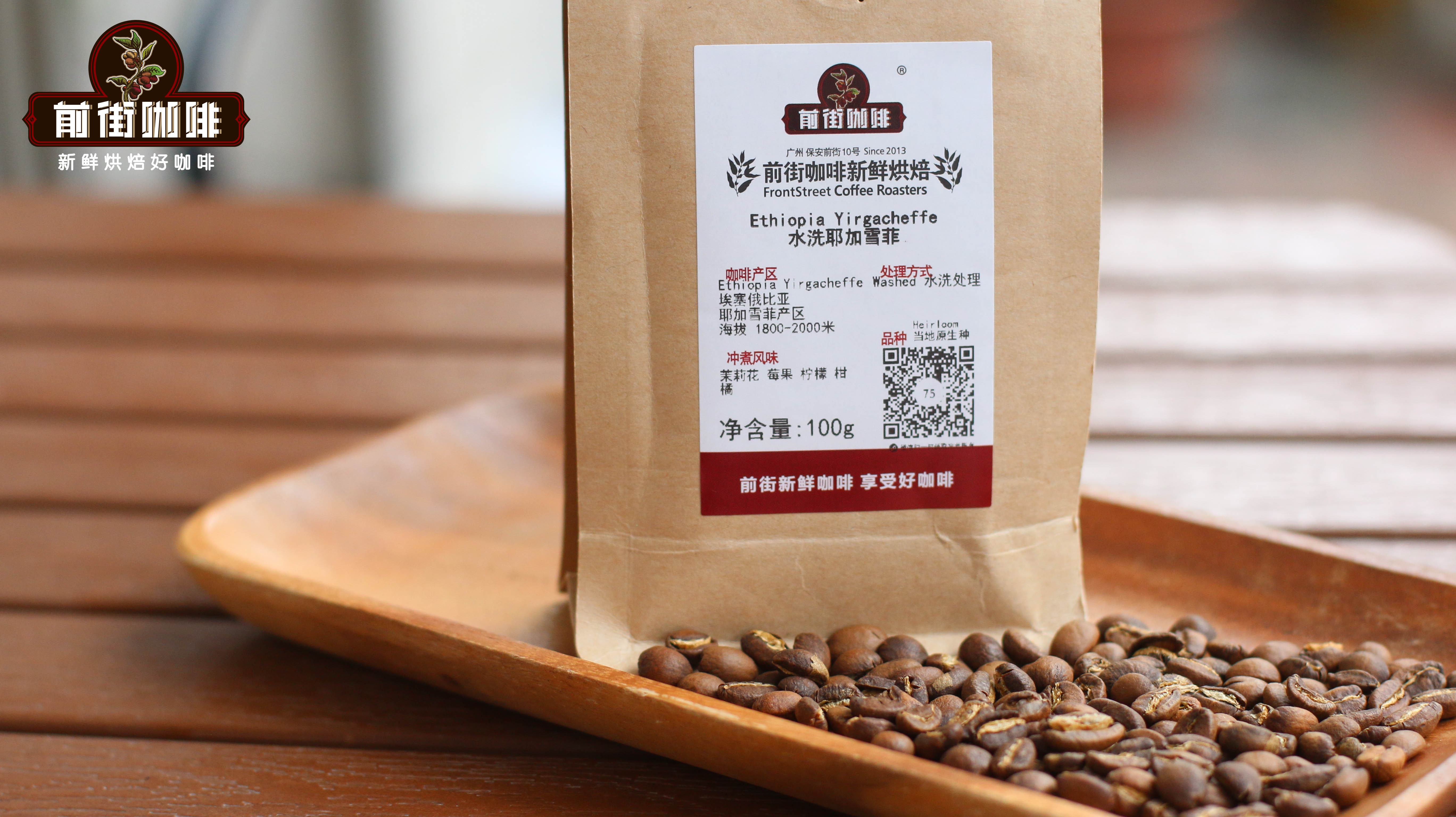
Where Does the Jasmine Aroma of Yirgacheffe Come From? A Detailed Guide to Floral and Fruity Coffee Bean Types and Brewing Tips
Yirgacheffe's signature jasmine aroma and citric acidity are the entry point into specialty coffee for many coffee lovers. But what compounds actually make up the floral notes in coffee? Why can some people easily identify fruity notes but always feel they can't quite catch the floral ones? This article will sort through the origins of floral notes in coffee, the expressive characteristics of different types of floral aromas, and the influence of producing regions and processing methods on floral notes. It will also recommend several floral-forward beans from Front Street Coffee and include specific pour-over parameters for a washed Yirgacheffe, helping you more accurately distinguish between white floral notes, the subtle fragrance of roses, and the muted aroma of chamomile during brewing and tasting. [more…]
How to Make Coffee Floral Notes More Prominent? Yirgacheffe Gotingding Variable Temperature Brewing Method and Geisha Flavor Analysis
Floral notes are one of the most captivating flavors in coffee, and many people fall head over heels into the rabbit hole precisely because they tasted florals in a cup. But consistently brewing clear floral notes at home is no easy task: you need to choose the right floral beans, and you also need a brewing strategy that keeps the florals from being masked or fading too early. From the perspective of Front Street, this article first explains where floral notes come from, covering factors such as variety, altitude, processing, and roasting; then, drawing on the approach of 2022 WBrC champion Sherry, it shares a three-pour, variable-temperature brewing scheme, and uses Yirgacheffe·Gedeb as an example to give reproducible parameters and step-by-step instructions. [more…]
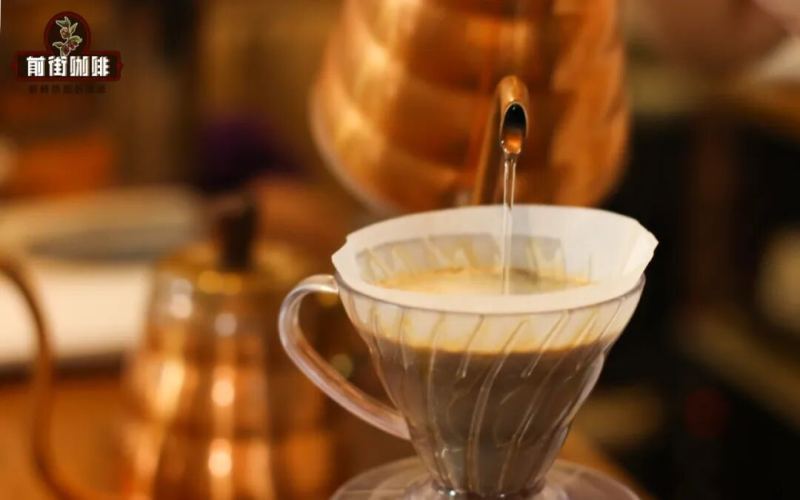
Pour-Over Coffee Tutorial | Why Do Some Coffee Beans Have Floral Aromas? How to Brew the Floral Flavors in Ethiopian Gedeb G1 Coffee?
Although floral aromas are not uncommon in coffee, they are undoubtedly one of the most appealing flavors among the many. After all, quite a few friends became fascinated with coffee precisely because they tasted floral notes in it. But brewing floral notes out of coffee is not a simple matter, because friends often tell Front Street that they [more…]
How to Taste the Floral and Fruity Notes of Light Roast Coffee, with a Recommended List of Five Floral-Flavored Coffee Beans
In the world of specialty coffee, fruity and floral notes are arguably the most fascinating yet most confusing flavor labels. Many people who are just getting into coffee often wonder: why is it that others talk about white florals, tropical fruit, and citrus notes, while they themselves can't pick up on any of it? In fact, tasting fruity and floral notes is not some mystical art—it involves multiple aspects such as the mechanisms of smell, scent memory, and taste sensitivity. This article will start from the principles of sensory perception, explaining why some coffees are more likely to present floral and fruity notes, and will compile five light-roast floral coffees, covering different aroma types such as jasmine, orange blossom, rose, osmanthus, and coffee flower, as a reference for various brewing methods including pour-over and cold brew. [more…]
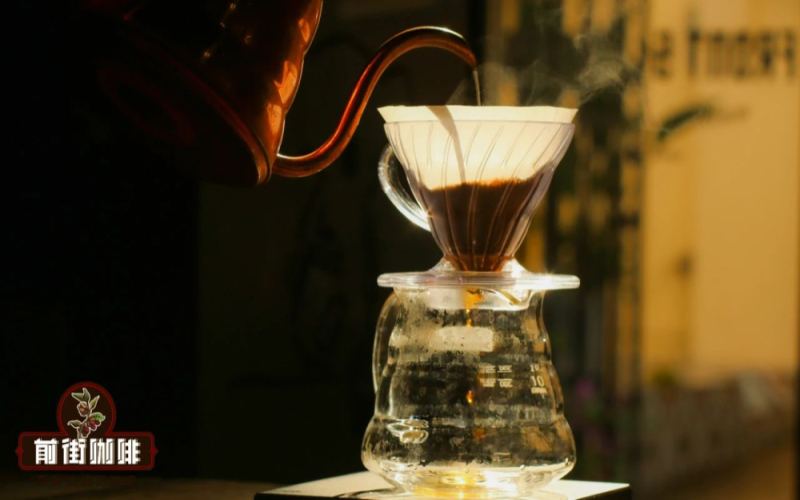
A Guide to Floral Aromas in Light Roast Coffee: From Bean Selection to Aroma, Learn to Capture the Floral Notes in Your Cup
The pleasure of coffee goes far beyond simply waking you up—it hides in the layered, intricate details of aroma. Floral notes are one of the most recognizable flavors in specialty coffee, closely tied to variety, origin, processing method, and roast level, with light-to-medium roasts especially able to lock in this delicate fragrance. Starting with bean selection, this article introduces six representative Front Street Coffee floral coffee beans and systematically explains a complete tasting method from dry aroma to wet aroma to finish, helping coffee lovers learn to capture that hint of blossom in the cup and truly open the door to the world of specialty coffee flavors. [more…]
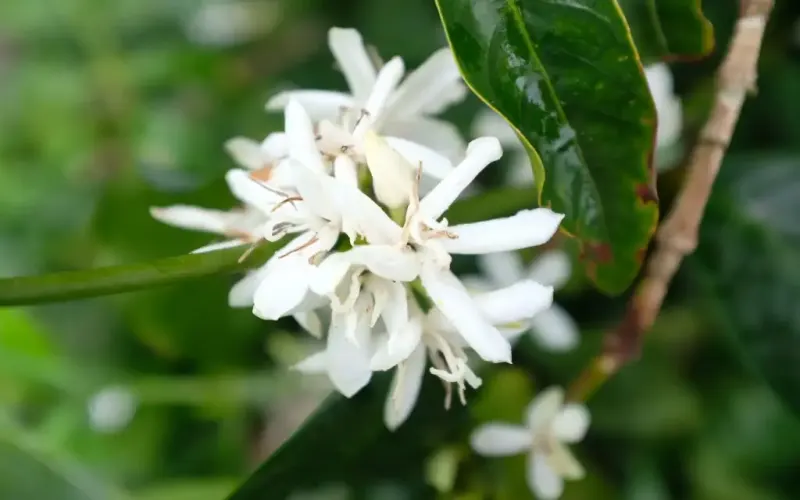
Analysis of the Floral Aroma Sources, Processing Methods, and Quality Characteristics of Natural Yirgacheffe Worka Coffee
Floral aromas are a fascinating flavor dimension in specialty coffee, yet also one of the hardest for many enthusiasts to identify accurately. The floral scent of coffee is not caused by a single substance, but is the result of volatile compounds, organic acids, polyphenols in the green beans, along with the combined effects of variety, origin, processing method, roasting profile, and brewing technique. Take the natural Yirgacheffe Worka as an example: its jasmine-like white florals are fresh and delicate, and are especially common in washed light-roast beans from African and Central American origins. Understanding the mechanisms behind these aromas and the patterns across origins can help us more easily select coffees with prominent florals. Front Street Gutingting, as a light-to-medium roast washed bean, is an ideal choice for experiencing jasmine florals and a green-tea-like clarity of cup. [more…]

Where Does the Floral Aroma in Coffee Beans Come From? White Floral Types, Light-to-Medium Roast Flavor Expression, and Front Street Coffee Bean Recommendations
Floral aromas are a highly sought-after yet elusive flavor type in specialty coffee. Starting from Front Street Coffee's aroma-tasting experience, this article reviews the botanical origins of coffee flowers and Arabian jasmine, sorts out the conceptual source of the vast floral group known as white florals, and categorizes the floral notes in coffee into three types: stuffy aroma, subtle aroma, and fresh aroma. Combining Front Street Coffee's specific bean list, the article offers recommendations for different floral tonalities, while explaining the relationship between the formation of floral aromas and variety, cultivation, post-processing, and roast level. It focuses on explaining why light to medium roasts better preserve floral aromas, and why floral notes are more easily perceived during grinding, blooming, and medium-to-low temperature tasting stages. [more…]
How to Choose Floral Coffee Beans: From Light to Dark Roast, Looking at Flavor
Floral coffee beans are usually light on the palate, with aromas that may resemble jasmine, orange blossom, or rose, and may also carry notes of white grape, citrus, or ripe berries. The roast level determines how these aromas present themselves: a light roast is more like freshly picked flowers, a medium roast gains a layer of honey-like sweetness, and a dark roast may turn into dried [more…]

Fruity and Floral Specialty Coffee Recommendations | Which Coffee-Producing Regions Are Most Likely to Yield Fruity and Floral Flavors? How Do Single-Origin Coffee Beans Develop Fruity and Floral Notes?
In the flavor universe of specialty coffee, floral notes are the most enchanting "hidden Easter egg"—they lift coffee out of the stereotype of bitterness and add a fresh, elegant layer of complexity. That said, the types of floral notes that appear in coffee are actually not that many, usually white floral notes dominated by jasmine, coffee blossom, and magnolia, along with rose [more…]

Recommendations for light-medium roast beans with floral and fruity notes | What are the differences between Ethiopian, Kenyan, and Panamanian floral and fruity notes? Are floral and fruity coffee beans better for pour-over or espresso?
Generally speaking, lightly roasted coffee can retain more acidity in its flavor profile. If the beans themselves also contain certain alcohols and lipids, roasting will further bring out a captivating floral and fruity aroma. However, as the roast deepens, both the acidity and the floral and fruity notes gradually fade away and transform into bitter compounds, making the coffee [more…]
Analysis of Floral Coffee Bean Producing Regions: Flavor Causes, Roasting Impact, and Front Street Coffee Picks
In the world of specialty coffee, floral notes are a delightful flavor highlight. They break the stereotype that coffee is only bitter and not aromatic, delivering a fresh and elegant drinking experience. Common floral notes in coffee mainly include white-flower types such as jasmine, coffee blossom, and magnolia; pink sweet aromas like rose and tea rose; and slightly pungent, muted fragrances such as osmanthus and chamomile. These floral notes are not accidental—they are closely tied to a coffee's origin, variety, processing method, and roast level. Understanding these patterns allows you to more precisely select beans with floral notes. This article starts with floral note types, their causes, and the influence of roasting, and recommends several representative floral beans from Front Street Coffee to help you easily find the cup you love. [more…]
Where Does Yirgacheffe's Jasmine Aroma Come From? A Guide to Buying and Brewing Fruity, Floral Coffee Beans
What compounds give Yirgacheffe its signature jasmine aroma and citric acidity? Why is coffee's floral scent so hard to identify? This article starts with volatile compounds, varieties, origins, and processing methods, then sorts out recommendations for three types of floral and fruity coffee beans—white floral, delicate aroma, and muted aroma—and includes the V60 brewing parameters for Front Street washed Yirgacheffe, helping coffee lovers more accurately capture floral layers when buying and tasting. [more…]

Which flowers are the white floral notes in coffee actually derived from? Which pour-over beans have the most prominent floral expression?
The white floral aroma in coffee isn't actually from added flowers; rather, coffee itself contains the same aroma molecules found in certain flowers, which we perceive through retronasal olfaction. However, for those new to coffee, clearly identifying such flavors isn't easy. This article will start from the mechanisms of smell, explain the sources of white floral aromas, and share methods to enhance flavor perception. At the same time, we'll also recommend two pour-over beans with particularly intense floral aromas—Front Street Panama Boquete Geisha and Front Street Yirgacheffe Gotiti—which will let you easily experience the captivating white floral notes. [more…]
Ethiopian Sidamo Coffee Bean Floral Analysis: A Guide to Buying Jasmine and Citrus Flavor Specialty Beans
The aromatic compounds in coffee are extraordinarily complex, and isolating a single scent is often quite challenging. Floral notes are especially subtle and difficult to describe with precision. Still, different types of floral aromas share some common traits—for example, the fresh, elegant character represented by jasmine is often broadly referred to as white florals. These floral notes are commonly found in coffee beans from African and Central American origins, particularly washed beans roasted to a lighter level. Once you understand these patterns, finding good coffee with floral notes becomes much easier. This article focuses on Ethiopia's Sidamo region, explaining the origins of jasmine and citrus aromas, and recommends two representative products from Front Street Coffee: Front Street Fruit Dingding Coffee and Front Street Panama Geisha Coffee, to help you choose beans according to your needs. [more…]
Exploring Coffee Floral Aromas: Three Major Aroma Types and Flavor Analysis of Representative Coffee Beans
The aromatic world of specialty coffee is intricate and diverse, and floral notes are one of its most captivating elements. But with such a wide variety of floral aromas, how can we tell whether a cup of coffee has floral notes, and which type they belong to? Starting from the coffee flavor wheel, this article groups floral notes into three main categories: the fresh type represented by jasmine, the subtle type represented by rose, and the muted type represented by chamomile, and analyzes the characteristics and representative floral varieties of each. At the same time, drawing on three coffee beans—Front Street Yirgacheffe Guddina, Front Street Natural Hualkui, and Front Street Costa Rica Mozart—it explains the flavor expression of coffees with different floral types, helping coffee lovers capture and identify floral notes more accurately during tasting. [more…]
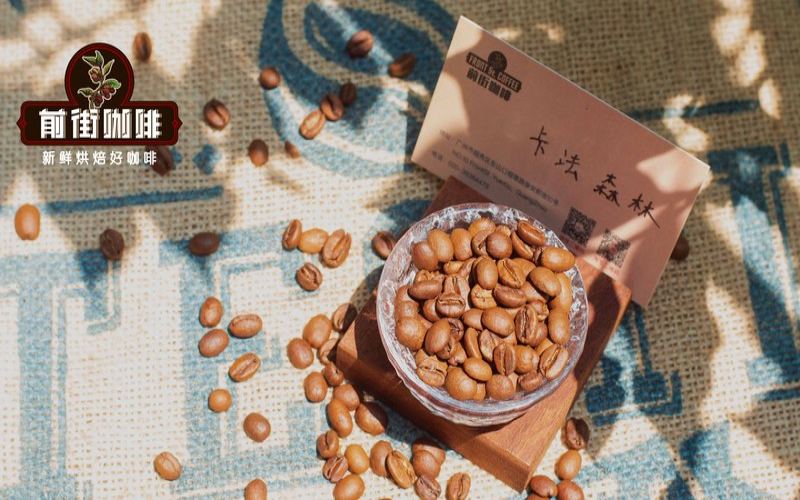
How to choose floral coffee by roast level
Floral aromas do not belong to just one type of coffee bean, nor do they only count as floral if you smell jasmine or orange blossom. A light roast can keep the soaring, flower-like aromatics in the cup; a light-to-medium roast brings the floral notes closer to fruity sweetness; and after a medium roast, they often turn into softer notes reminiscent of nectar, black tea, or caramel. If you want to choose a floral coffee that suits your taste, you can start with [more…]
Specialty Coffee Floral Tasting Guide: Aroma Selection and Sniffing Techniques for Light-Roast Beans
The charm of coffee goes far beyond waking you up—what truly fascinates is the details hidden in every wisp of aroma. The floral flavors of specialty coffee are the first key that opens the door to the world of flavor for many enthusiasts. This article starts with the origins of floral aromas and introduces several Front Street Coffee beans known for their floral notes, including Yirgacheffe Gutingding, Natural Huakui, and Boquete Geisha, analyzing their respective aroma characteristics and suitable brewing methods one by one. At the same time, we will also share a complete aroma-sensing method that goes from dry fragrance, wet aroma, to finish and sipping, helping you more clearly capture those light, sweet floral layers in your daily brewing, and truly understand the "floral code" in coffee. [more…]