







How Do You Sense Floral Aroma in Specialty Coffee?
Floral notes in specialty coffee come from variety, growing environment and post-harvest fermentation, and roast level decides how much survives. Darker roasting keeps transforming the compounds inside the bean, so light to medium roasts preserve floral notes better, and medium-light coffee tends to taste softer with a lighter body that makes those delicate traces easier to notice.
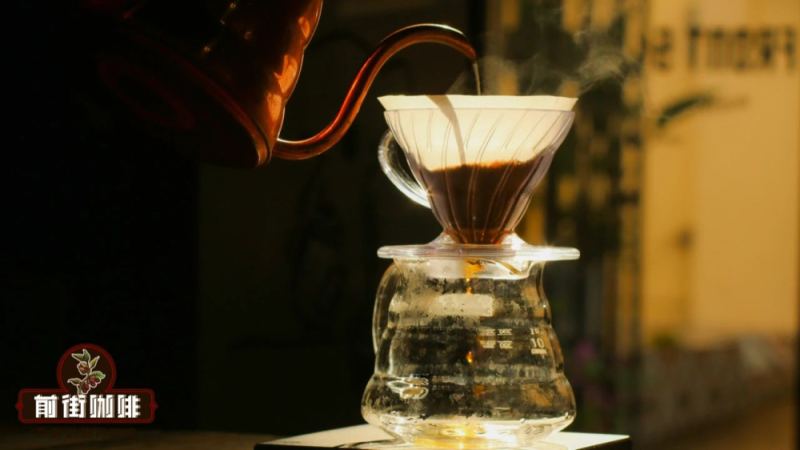
Tasting follows a sequence: dry fragrance, wet aroma, after-aroma and finally the palate. Among floral coffees, Yirgacheffe Gidding shows citrus, tea-like and white florals, while Sun-Dried Huakui brings orange blossom, strawberry, citrus, guava, mango and cream. Pour-over or drip bags make the white florals clearer, while cold brew and ice drip bring out pronounced tea-like notes.
The charm of coffee goes far beyond simply waking you up—what truly fascinates is the details hidden in every wisp of aroma. The floral flavors of specialty coffee are exactly the first key that leads many enthusiasts into the world of flavor. This article will start with the sources of floral aromas, introduce a range of Front Street Coffee beans known for their floral notes—including Yirgacheffe Gidding, Sun-Dried Huakui, Boquete Geisha, and more—and analyze each one's aroma characteristics and suitable brewing methods. At the same time, we'll share a complete aroma-sensing approach covering dry fragrance, wet aroma, after-aroma, and tasting on the palate, to help you more clearly capture those light, sweet floral layers in your daily brewing and truly understand the "floral code" in coffee.
What truly draws people to coffee isn't just how quickly it wakes you up—much of the pleasure actually lies in the process of aromas unfolding layer by layer. For specialty coffee, this experience is especially obvious, and today we're talking about one of its most representative aspects: floral flavors. Once you can recognize those delicate "floral codes" in coffee, it's like holding the key to the specialty coffee flavor system, and a sensory exploration full of surprises begins right there.
Which coffee beans have floral notes?
Whether floral notes appear depends on the coffee variety, growing environment, and the degree of post-harvest fermentation, and during roasting, controlling the intensity of floral notes is especially critical. The darker the roast, the more the internal compounds continue to transform, and floral notes are often gradually masked. So from a roasting standpoint alone, light to medium roasts are generally more favorable for preserving floral notes. Medium-light roasted coffee tends to have a softer overall flavor, a lighter body, and it's easier to notice traces of floral notes when drinking.
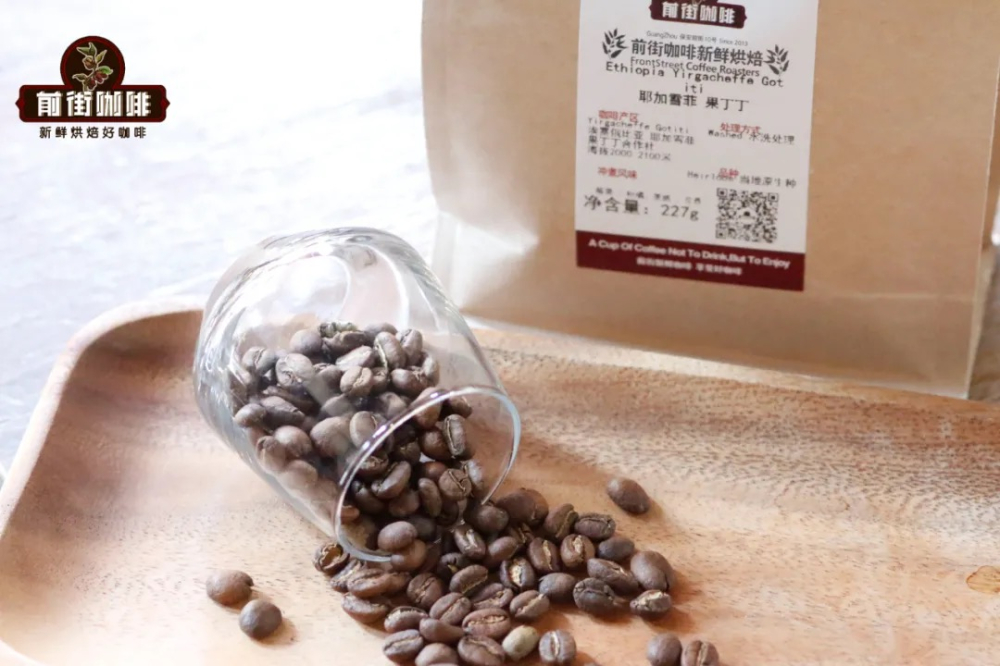
Representative floral coffee bean one: Front Street Yirgacheffe Gidding: citrus, tea-like, white florals, berries. When made as pour-over or drip bag, the white florals are clear; when cold brewed, ice dripped, or steeped in a clever cup, it shows pronounced tea-like notes;
Representative floral coffee bean two: Front Street Sun-Dried Huakui: orange blossom, strawberry, citrus, guava, mango, cream. Suitable for pour-over, drip bag, cold brew, and clever cup;
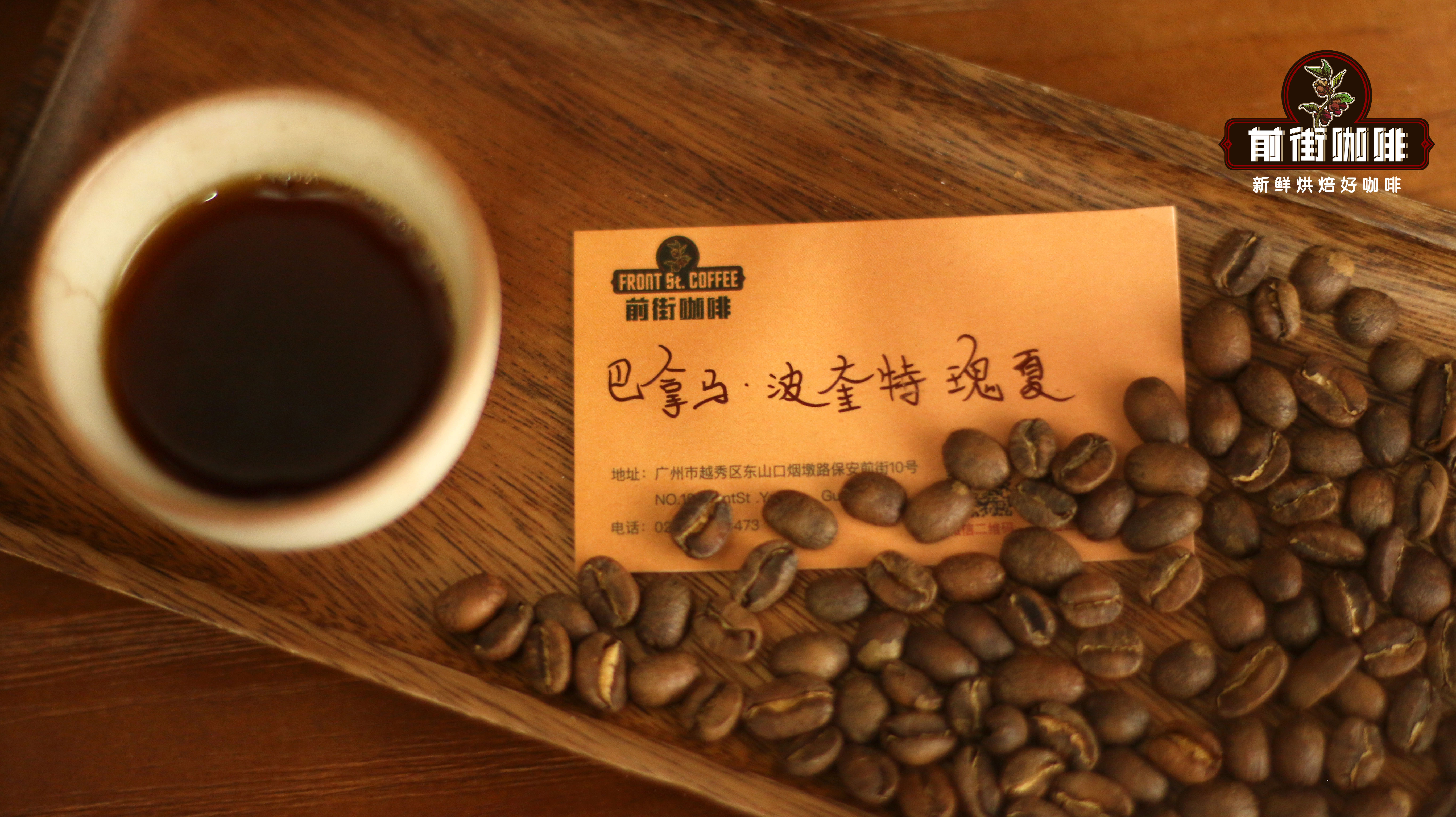
Representative floral coffee bean three: Front Street Boquete Geisha: jasmine floral, honey, citrus, green tea. Whether hot or cold, it can express jasmine-like layering and sweet fragrance;
Representative floral coffee bean four: Front Street Rwanda Red Bourbon: light florals, berries, citrus, caramel, nuts. Whether made as pour-over, drip bag, ice drip, or cold brew, you can taste the elegant floral notes;
5. Front Street Kaffa Forest: orange, white florals, citrus, creamy melon seeds. When made as pour-over, you can sense the fragrant white florals;
6. Front Street Kenya Little Tomato: cherry tomato, snow pear, black plum, smoked plum, yellow sugar. Both pour-over and cold brew can present a full juicy feel and honeysuckle-toned character.
How do you taste the floral flavors in coffee?
The floral notes in coffee are usually gentle and sweet, with a delicate texture that brings a clear, refreshing feeling. To fully appreciate their subtlety, you need to perceive them step by step through multiple stages so the florals have nowhere to hide.
1. Smell the dry fragrance: right after grinding, deeply sniff the coffee grounds to capture the most original floral clues (for example, Front Street Huakui's rose fragrance comes out as soon as it's ground);
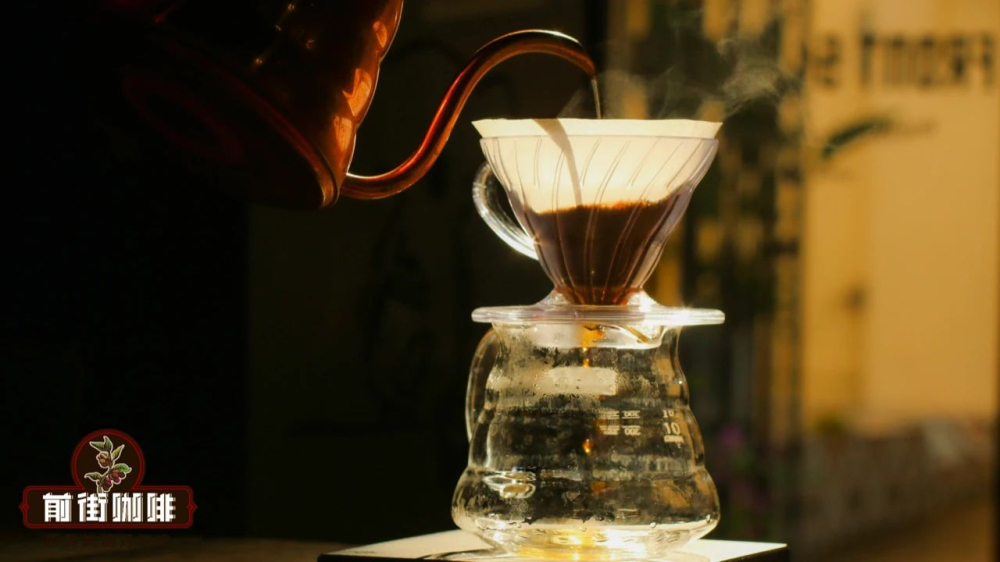
2. Smell the wet aroma: during the bloom after pouring water, bring your nose close to the cup rim and smell the steam—this is when the florals are most intense, and you can smell multiple aromas interwoven;
3. Smell the after-aroma: let the coffee cool to around 40°C before drinking; at lower temperatures the florals are clearer, especially the lingering quality of subtle aromas;
4. Taste directly: take small sips, or use the "slurping method"—inhale quickly to spread the coffee liquid across the entire mouth, forcing aroma molecules through the retronasal cavity to intensify perception.
The above content is compiled by CoffeeHunters, a coffee news website.


