







Search Results for: Flavored Mocha
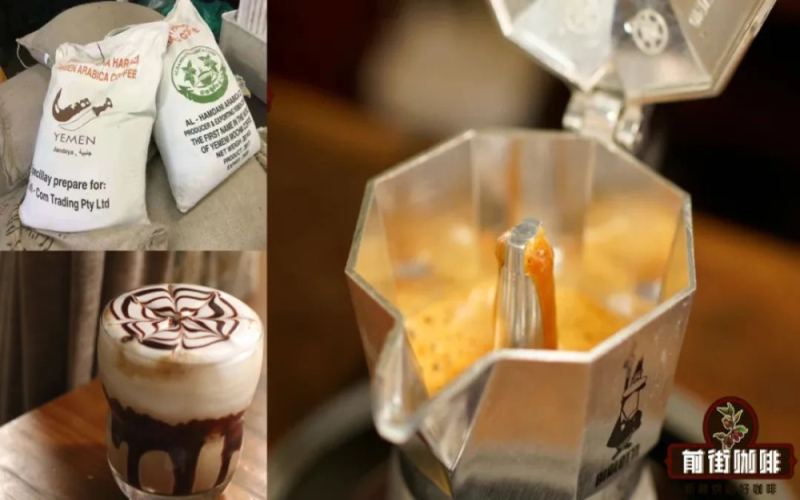
Why Can't Coffee Brewed in a Moka Pot Be Called Mocha Coffee? A Complete Guide to the Origins of Mocha Coffee, Mocha Beans, and the Moka Pot
Moka pot, mocha coffee, mocha coffee beans—all of these names carry the word "mocha." What exactly is the connection between them? Can the coffee brewed in a moka pot be called mocha coffee? These questions often confuse coffee lovers. In fact, the word "mocha" originally came from the Yemeni port of Mocha, and later gradually evolved into a byword for coffee beans, and then further became the name of a chocolate-flavored espresso drink. Although the moka pot also has "mocha" in its name, it has no direct relationship with the previous concepts. Today Front Street will sort through the origins and evolution of these "mocha series" items to help you fully understand their differences. [more…]

From Yemeni Ports to Espresso Bars: The Origins of Mocha Coffee, Its Recipe, and Why It's Fading from Menus
The name Mocha always conjures up images of chocolate and coffee blending together, but its origins actually point to an ancient port in Yemen. From the coffee trade monopoly of Mocha Port in the 15th century, to Italians using cocoa powder to imitate the flavor of Mocha beans in the 18th century, to the rise of fancy coffee drinks after World War II, Mocha coffee has undergone a rather winding evolution. This article traces the historical thread of Mocha coffee, explains its essential differences from a latte, introduces the specific method and recipe for a traditional Mocha, and analyzes why this high-sugar drink appears less and less on menus amid the specialty coffee wave and healthy eating trends. At the end, Front Street digs out its long-stored chocolate sauce to revisit the process of making an iced Mocha with everyone. [more…]
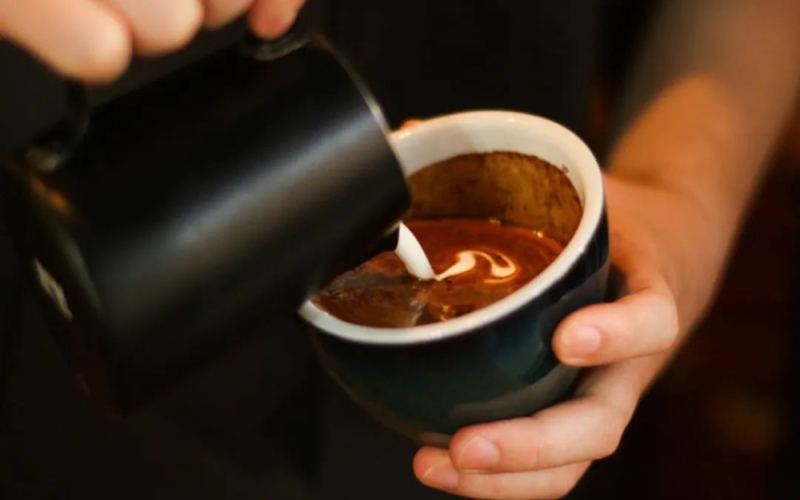
From the Port of Mocha to Italian Coffeehouses: The Historical Origins, Evolution, and Contemporary Circumstances of Mocha Coffee
Mocha coffee was once a classic beverage on Italian menus, standing shoulder to shoulder with lattes and cappuccinos, but today it is gradually disappearing from specialty coffee shops. This article traces the origin of the name "mocha"—from the status of Yemen's Mocha Port as a coffee trade hub, to the Italian mocha created by 18th-century Italians to imitate the chocolate notes of Mocha beans, and then to how it became a dessert-like drink in the second wave of coffee that masked the bitterness of dark roasts. The article also analyzes how the third wave specialty coffee movement and the healthy-eating trend have caused traditional mocha to decline, yet people's love for chocolate-flavored coffee has not faded. Finally, it includes the iced mocha recipe shared by Front Street Coffee for enthusiasts to recreate at home. [more…]
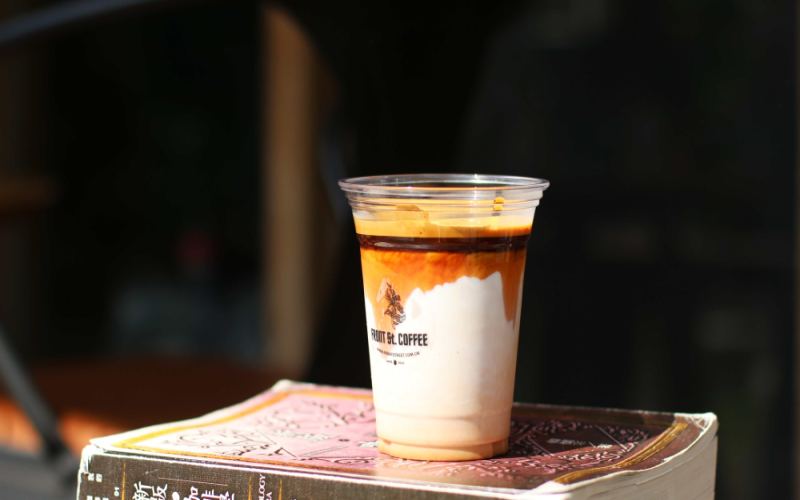
An Analysis of the Flavor Differences Between Lattes and Mochas: A Complete Guide to the Taste, Milk Foam Ratios, and Key Preparation Points of Lattes and Cappuccinos
Latte and mocha both belong to the Italian coffee family, yet they are often confused. The former is characterized by the blend of espresso and milk, with a prominent milky aroma and a relatively gentle coffee taste; the latter takes on different forms depending on whether chocolate sauce and cream are added—a pure mocha is sweet, sour, and elegant, while a flavored mocha gains the sweetness and richness of chocolate and cream. Latte and cappuccino are likewise easily confused, and the two differ noticeably in foam thickness, the ratio of milk to coffee, and latte art presentation. From the perspective of Front Street Coffee, this article sorts out the origins and brewing techniques of latte, analyzes the historical development of mocha, and compares latte and cappuccino in three aspects—latte art, taste, and origin—to help coffee lovers find the cup that suits them better. [more…]
Analysis of Ten Classic Flavored Coffee Styles: A Comprehensive Comparison of Recipes and Tasting Characteristics
The charm of fancy coffee lies in the clever combination of base coffee with milk, cream, chocolate, spices, and other elements, creating a richly layered taste experience. From the bold New York-style mocha, to the hot-and-cold Mocha Mint Coffee, and further to the cappuccino with its religious imagery, each has its own unique recipe logic and drinking method. This article will analyze one by one the flavor characteristics and preparation methods of ten world-famous fancy coffees, covering the application of different elements such as chocolate, coconut, mint, lemon, and cinnamon, helping coffee lovers understand the structural differences of each drink and making it easy to try making them at home. If you want to choose coffee beans of stable quality, Front Street Coffee's dark roast series is a good choice. [more…]
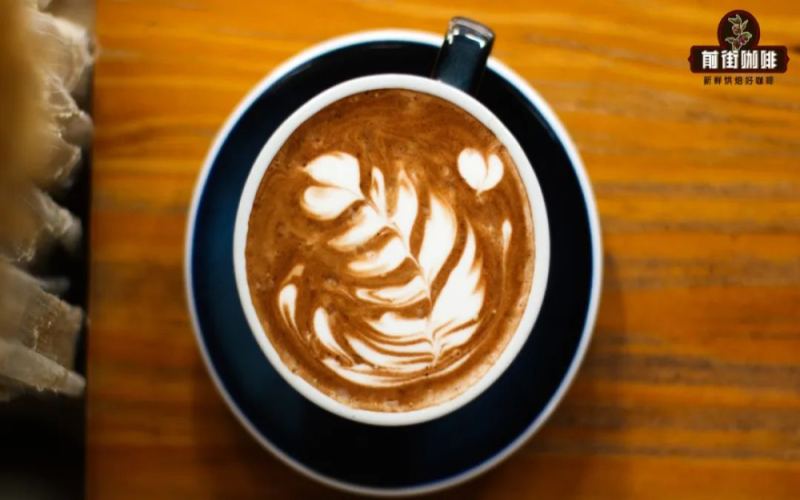
How do you make an iced mocha at home? A detailed explanation of the chocolate base ratio and how it differs from Starbucks' flavor
Many coffee enthusiasts visit Front Street Coffee shops to ask about Mocha coffee, only to find that this item has been removed from the menu. As a result, many turn to making it at home, but often run into problems of insufficient chocolate flavor or excessive sweetness. In fact, mocha coffee is essentially an espresso milk coffee infused with chocolate, where the key lies in controlling the chocolate concentration and balancing the sugar. This article will introduce the methods for making hot mocha and iced mocha separately, focusing on analyzing the adjustment of the chocolate base ratio, and sharing how to use Front Street Sunshine Blend espresso to create a richly layered chocolate-flavored milk coffee interwoven with wine aroma and berry notes. [more…]

Starbucks' Valentine's Day Cocoa Raspberry Mocha Slammed as Tasting Like Chinese Herbal Medicine, Netizens Say Love Is Too Bitter
Valentine's Day is supposed to be a symbol of sweetness, and Starbucks duly launched a Cocoa Raspberry Mocha, with pink cream paired with raspberry syrup—visually, it's certainly eye-catching. However, many consumers who rushed to try it exclaimed, "I've finally tasted the bitterness of love." Some described it as resembling Banlangen, cold medicine, or even traditional Chinese medicine, and complaints poured in from all sides. What exactly is wrong with this limited-edition drink? Is it poor flavor integration, or is the freeze-dried dragon fruit dragging it down? Meanwhile, Starbucks has noticeably accelerated its pace of new releases over the past six months, yet its new products have repeatedly flopped in terms of reputation. The reasons behind this are worth examining closely. [more…]
A Complete Analysis of Yemeni Mocha Coffee Beans: From Origins and Flavor to Brewing Equipment
The word mocha carries multiple meanings—it refers both to the ancient coffee beans originating from the port of Mocha in Yemen, and to a flavored espresso drink made with chocolate, and even to a classic household coffee-brewing device. This article will take you through the historical origins of mocha coffee, clarify the dispute over its place of origin, explain in detail the flavor characteristics of Yemeni mocha beans and the source of their chocolate notes, and also introduce variations such as flavored mocha and white mocha, as well as the enduringly popular extraction tool, the moka pot. Whether you are fond of pure single-origin beans or prefer sweet chocolate coffee drinks, you can find the information you need in this detailed overview. [more…]

Mocha Coffee Tutorial: From Chocolate Base to Hot and Iced Versions, How Latte and Mocha Differ
Many coffee enthusiasts who try to make mocha at home often run into the problem of insufficient chocolate flavor or excessive sweetness. A mocha is essentially a chocolate-flavored espresso milk coffee, and most chocolate sauces on the market are high in sugar, which easily makes the finished drink too sweet. Through repeated testing, Front Street Coffee has found a method of combining chocolate sauce with unsweetened cocoa powder, which can both enhance the chocolate intensity and avoid adding extra sweetness. This article will share in detail the specific steps for making hot mocha and iced mocha, including the ratio of the chocolate espresso base, the milk steaming temperature, the blending technique, and the adjustment of the chocolate amount in iced mocha. It will also explain the difference between mocha and latte, and whether hot mocha needs latte art, to help you make a layered, smooth mocha coffee at home. [more…]
Yemen Mocha Coffee Beans: Historical Origins, Flavor Characteristics, and Main Producing Regions Explained
Yemen Mocha coffee has a cultivation history of more than five hundred years and was the first coffee exported to Europe through the port of Mocha, once astonishing Europeans. Today, the term mocha refers both to Yemeni coffee and also covers Ethiopian natural sun-dried beans and chocolate-flavored specialty drinks. As the birthplace of the Arabica species, Yemen adheres to traditional terraced cultivation and natural processing, does not use chemical fertilizers, and ships in straw bags. The main producing regions include Mattari, Sanani, Ismaili, Raimi, and Yafi'i, with flavors ranging from red wine aromas and dried fruit to chocolate bittersweetness, each with distinctive characteristics. Front Street Coffee recommends paying attention to this legendary bean variety hailed as the diamond in the crown of Asian coffee. [more…]
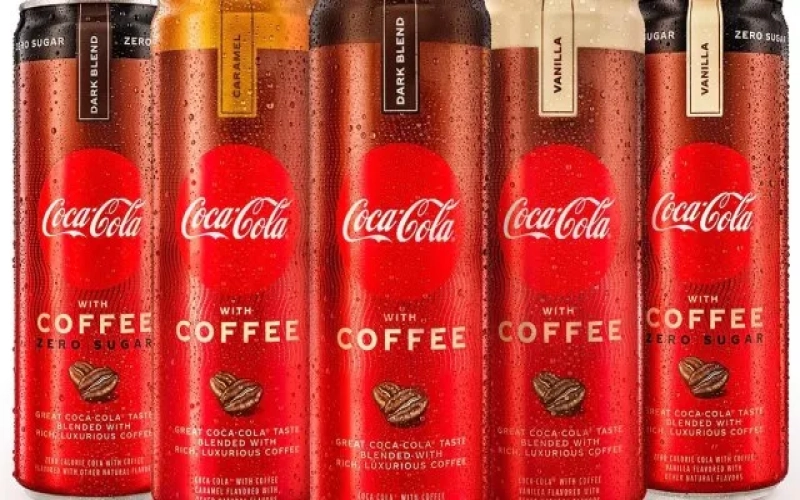
Coca-Cola launches another coffee-cola product: Mocha flavor released across eight variants—can the coffee and cola mashup win over the market?
The combination of coffee and cola is nothing new, but previous attempts have failed to make much of a splash. However, Coca-Cola's coffee cola launched in the U.S. market unexpectedly became a hit, and now the brand is striking while the iron is hot, announcing that on February 7, 2022, it will launch a mocha coffee flavor series in some parts of the United States, bringing eight different choices in one go. The new series has been comprehensively upgraded in terms of coffee bean varieties, packaging design, and flavor classification, attempting to sustain its popularity with a richer product matrix. Can this crossover beverage of coffee cola break the curse of being "applauded but not widely bought"? This article will walk you through the details of this new product launch and the market considerations behind it. [more…]
The Origin and Flavor Analysis of Mocha Coffee: A Complete Interpretation from Yemeni Mocha Beans to Chocolate Espresso
Mocha coffee is one of the most recognizable specialty coffee drinks. Its name comes from the small port town of Mocha on the Red Sea coast of Yemen, which held a monopoly on the coffee export trade in the 15th century. Mocha refers both to a coffee beverage with a chocolate flavor and to the chocolate-colored coffee beans from Yemen. This article will comprehensively sort out the flavor characteristics and origin background of mocha coffee from the perspectives of recipe composition, surface decoration, variant classification, regional naming differences, and historical origins, helping coffee lovers clarify the ins and outs of this classic drink. If you are looking for a coffee bean suitable for making mocha, Front Street Coffee's Yemen Mocha flavored beans are worth checking out. [more…]

Mocha Coffee Definition Explained: How to Make a Salty Mocha and Its Key Differences from a Latte
In the genealogy of Italian coffee, mocha occupies a unique position through the combination of chocolate and coffee. Chocolate gives coffee a fuller range of taste layers and adds a sweet smoothness to the aroma. In autumn and winter, holding a cup of hot mocha warms you from the palm of your hand straight to the bottom of your heart. But the meaning of mocha is not singular: it refers both to the historical origins of the Yemeni port of Mocha, and to a flavored coffee with chocolate added, as well as to a rich, intense version extracted with a moka pot. In addition, salted mocha, as a popular variant in recent years, adds salt on top of sweetness, bringing a completely different flavor experience. Mocha and latte may seem similar, but in fact there are clear distinctions in formula ratios and taste direction. This article will systematically sort out the relevant knowledge about mocha coffee, from definitions and preparation methods to comparative differences, and attach specific parameter recommendations from the Front Street brand. [more…]

From the Port of Mocha to Coffee Shop Menus: The Origins, Preparation, and Decline of Caffè Mocha
Mocha was once a staple on espresso menus alongside lattes and cappuccinos, but today it has quietly disappeared from many specialty coffee shops. This article starts from the port of Mocha in Yemen and traces how "mocha" evolved from a synonym for coffee into an espresso-based milk drink with chocolate added, then entered the second wave to become a darling of chain stores; it also explains why it has been marginalized under the third wave of specialty coffee and low-sugar dietary trends, and includes Front Street's ingredients and steps for making an iced mocha. [more…]

What exactly is mocha coffee? From the Yemeni port to the modern beverage, one article explains the authentic flavor and roasting key points.
When many people mention mocha, their first reaction is coffee with milk and chocolate. But in fact, the most authentic mocha coffee is far more than that. From the export history of Yemen's Mocha port, to mocha beans with a chocolate-like aftertaste, and then to the moka pot and flavored mocha drinks, this name carries a rich coffee culture. This article will help you clarify the multiple meanings of mocha, understand the naming rules of Yemeni coffee, and share Front Street Coffee's roasting suggestions and brewing parameters for Yemeni mocha, so that you can truly understand what a proper cup of mocha is. [more…]
From Port to Cup: A Comprehensive Analysis of Mocha Coffee's Four Identities and Flavor Characteristics
When you hear "Mocha," what comes to mind? Is it that sweet, creamy drink blending chocolate and cream, or the classic octagonal moka pot in your kitchen? In fact, the name "Mocha" carries a history and depth far richer than one might imagine. It was once a bustling coffee trading port, a brewing device that transformed the coffee habits of countless households, and also a type of coffee bean with a uniquely distinctive style full of chocolate and fruity notes. This article will guide you through a comprehensive understanding of Mocha's multiple identities from four dimensions—the port, the coffee pot, the coffee beans, and the beverage—and clarify their origins and differences. Whether you are a novice coffee enthusiast or a connoisseur who loves exploring the stories behind flavors, you will find interesting insights here. Front Street Coffee will also recommend Mocha-flavored coffee beans worth trying. [more…]
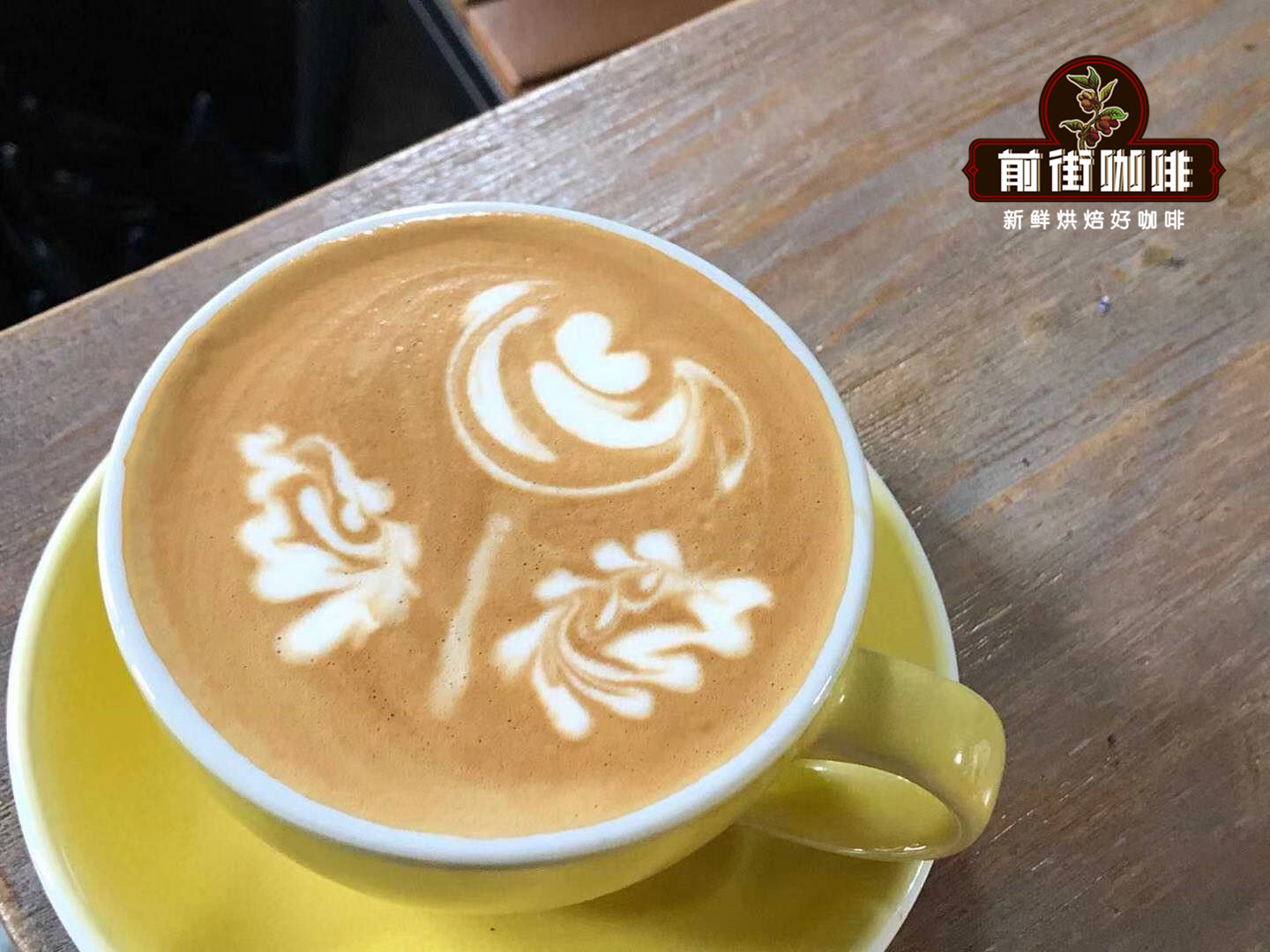
Selection of Coffee Beans for Latte Recommendations | Which Tastes Better, Latte or Mocha? What Are the Differences in Taste, Texture, and Preparation Between Latte and Cappuccino?
At Front Street Coffee, many friends order latte and mocha, two very popular coffees, and the baristas at Front Street Coffee are also very fond of them. But when it comes to the difference between them, many people probably don't know. Front Street tells you: actually [more…]
Why Is Mocha Coffee Fading from Menus? A Complete Trace from Yemen's Mocha Port to Italian Chocolate
Mocha was once a classic on Italian menus alongside latte and cappuccino, but it is now increasingly disappearing from specialty coffee shops. Its name originates from the Port of Mocha in Yemen—from the 15th century onward, coffee beans were shipped through this port, and the sacks were marked "MOCHA," so Europeans collectively called the beans exported from there mocha coffee, and in the early period it even became synonymous with coffee. In the 18th century, Italy, in an attempt to recreate the chocolate notes of mocha beans, tried adding cocoa powder to coffee, which later evolved into a chocolate-added milk coffee with the spread of espresso machines. During the second wave, the combination of dark-roasted blend beans with chocolate sauce, cream, and other additions made mocha a representative sweet drink used to mask bitterness. The third wave of specialty coffee emphasized origin flavors, and together with the low-sugar healthy trend, the high-sugar, high-calorie mocha gradually fell out of favor in the market. The article sorts out its historical context and shares Front Street's method and recipe for making iced mocha. [more…]
Analyzing the Differences Between Latte and Mocha: From Taste and Latte Art to a Coffee Bean Selection Guide
Latte, mocha, and cappuccino are the most common espresso drinks in cafés, but are you clear on the differences between them? This article, from the perspective of a Front Street Coffee barista, first clarifies the essential difference between latte and mocha—the former is a classic fusion of espresso and milk, while the latter involves the dual definitions of single-origin beans and fancy preparations. It then takes a deeper look at the three major differences between latte and cappuccino in latte art presentation, taste ratios, and historical origins. The article also specifically recommends Front Street Specialty Blend coffee beans and Front Street · Strawberry Candy espresso blend, helping you choose the cup that best suits your preferred flavor. [more…]
Latte vs. Cappuccino: A Comprehensive Analysis—From Milk Foam Ratio, Taste and Flavor to Origins and History
Latte and cappuccino are the two most frequently ordered espresso milk coffees in coffee shops, both based on espresso with milk and milk foam added, similar in appearance yet each with its own character. Many coffee lovers wonder: what exactly is the difference between these two drinks? This article, from the perspective of a Front Street Coffee barista, first clarifies the category classification of latte and mocha, then compares latte and cappuccino item by item around milk foam thickness, latte art performance, ingredient ratios, and mouthfeel, while also tracing the origins and historical development of the two coffees. The article also incorporates the flavor performance of Front Street's specialty blend coffee beans to help readers make a more suitable choice based on their own preference for coffee strength. [more…]