







Search Results for: Fish Mint Coffee
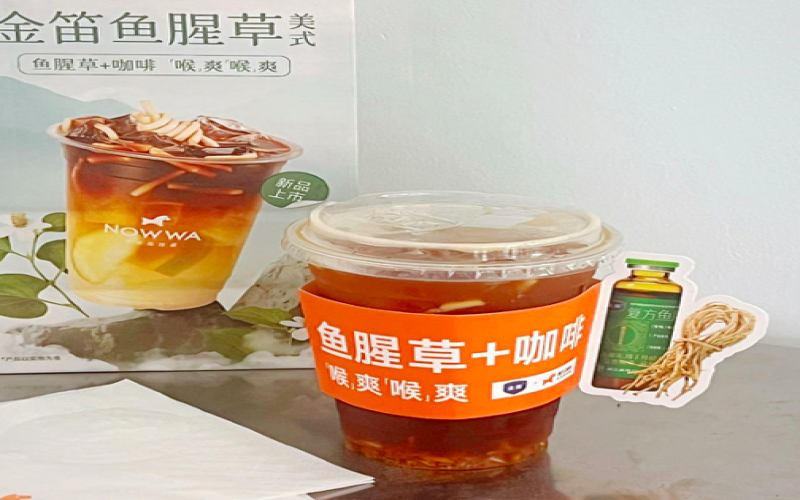
NOWWA × Jindi Co-branded Houttuynia Americano: Fish Mint in Coffee Sparks Polarized Debate
The coffee chain brand NOWWA recently teamed up with Jindi, a brand of Houttuynia cordata mixture, to launch a Houttuynia cordata Americano, and the news immediately took many netizens by surprise. Houttuynia cordata, also known as fish mint, has a distinctive fishy and bitter aroma that has always inspired strong feelings of love or hate. Is this special drink made with real ingredients or is it just a gimmick? Judging from feedback on social platforms, no medicinal ingredients were added to the drink, only fresh chopped Houttuynia cordata and lemon slices, but the soaked Americano still carried an unmistakable herbal flavor. Some people said after one sip that they were "almost carried off," while others picked out the herbs at the bottom of the cup and chewed them carefully, exclaiming that it was addictive. This article takes you through the real taste of this collaboration coffee, customer reviews, and the brand's drinking reminders. [more…]
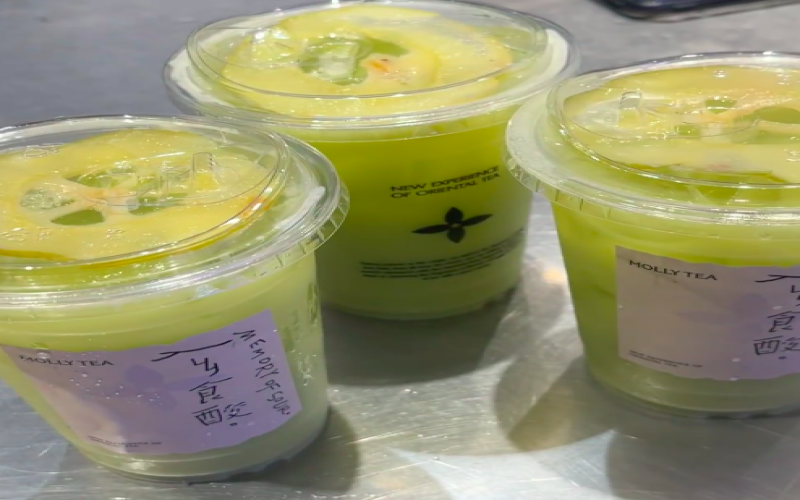
Jasmine Milk White's new product accused of having houttuynia flavor? Sour fruit mix sparks polarized consumer reviews
Jasmine Naibai recently launched a floral special blend "Green Mango and Wampee Iced Tea" that combines Hainan green mango, Guangxi wampee, and Yunnan sour papaya, highlighting a sweet-and-sour, refreshing taste. Each of the three sour fruits has its own character, making many sour-loving consumers eager to try it. However, after the new product launched, reviews have been polarized: some praise its tangy, refreshing quality that cuts through greasiness, while others report tasting a fishy note similar to houttuynia or fish mint. Interestingly, the netizens complaining about the fishy taste mostly come from the north, while staff and some consumers point the finger at the herbal note naturally present in Guangxi wampee. So how does this new product actually taste? Let's take a look together. [more…]
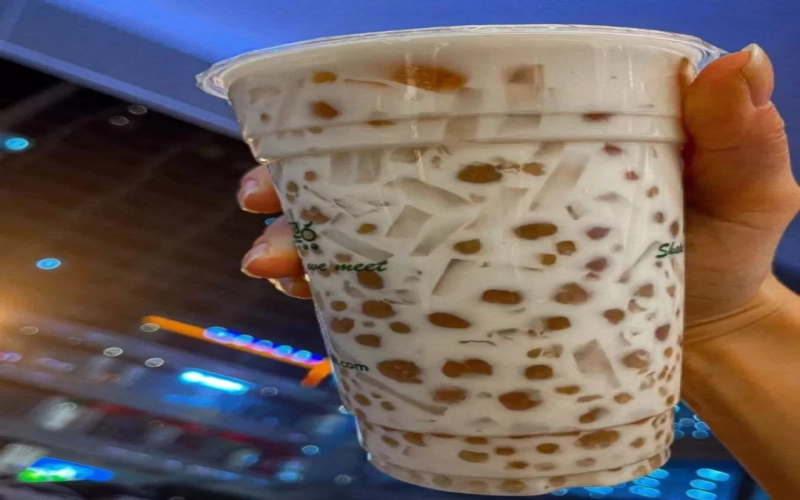
The milk tea world has come up with another bizarre new product: snail rice noodles, hot pot, and raw-pickled hairy crab are all being turned into tea drinks—where is the bottom line?
The innovations in the new-style tea beverage industry lately seem to be getting more and more baffling. From goji berry milk tea that lets you enjoy both health and happiness, to completely unrelated concoctions like snail rice noodle milk tea and Chongqing hot pot milk tea, to even more off-putting ones like roast duck milk tea, Lao Gan Ma milk tea, fish mint and cilantro lemon tea, and even raw-marinated hairy crab milk tea... These drinks not only feature bizarre ingredients, but some also let you choose the broth base, toppings, and spice level, as if a whole dish has been packed into a cup. Faced with these wildly imaginative combinations, we can't help but ask: Is the bottom line for beverage innovation really just that you'll survive after drinking it? Isn't it nice to just enjoy a normal milk tea with toppings? [more…]

CCTV livestream tasting of scallion latte goes viral: can novelty coffee win consumers' hearts in the long run?
Coffee has long become part of everyday life for the general public, yet in recent years all kinds of "novel" pairings have emerged one after another, constantly refreshing people's understanding of this beverage. Recently, a "scallion latte" appeared on a CCTV livestream, and after tasting it, the host and guest bluntly said it was "like vegetables fell into the coffee" and that they "tasted a white scallion aroma," quickly sparking heated discussion. From flower tea coffee and fruit coffee to special blends inspired by dishes such as roast goose, white cut chicken, aged vinegar, and fish mint, coffee shop owners have practically moved the entire Chinese menu into coffee cups. Novel flavors can certainly win momentary attention, but coffee ultimately must be held to the bottom line of tasting good. This article will take you through these wildly imaginative special blends and explore the consumer logic behind novelty coffee along with recommendations from the Front Street brand. [more…]

Starbucks sued over fruit drink ingredients: does selling under fruit names without containing fruit constitute misleading?
Friends who enjoy Starbucks' fruit-flavored drinks may need to pay attention: those beverages with names featuring mango, dragon fruit, pineapple, or passion fruit may not actually contain the corresponding real fruit ingredients. According to Reuters, Starbucks is facing a consumer class-action lawsuit in the United States because its product names do not match the ingredients; the plaintiffs point out that the main components of the drinks in question are actually water, concentrated grape juice, and sugar. Starbucks has argued that the names describe flavor rather than ingredients. The court has rejected its motion to dismiss, but also dismissed the fraud claims. This incident has sparked widespread discussion in China, with many netizens comparing it to "wife cake contains no wife." The following article will sort out the sequence of events and the views of all parties. [more…]
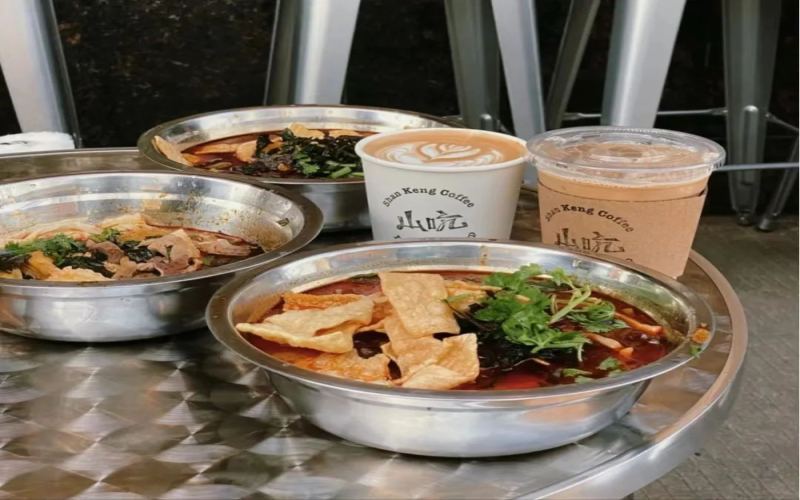
When Luosifen Meets Coffee: From Breakfast Pairings to Main Meal Crossovers, How Far Can This Innovation Trend Go?
The cross-boundary combination of coffee and Chinese meals has long ceased to be novel—from youtiao and shaobing to pork intestine noodles and roujiamo, even the notoriously "stinky" luosifen has now joined this fusion experiment. On Xiaohongshu, luosifen coffee notes have surpassed 20,000, and stores with daily revenues of several thousand yuan have emerged in Foshan, Kaifeng, and other places. Is this "noodle-coffee pairing" craze a novelty-seeking carnival for young people, or an inevitable step in coffee culture's integration into Chinese cuisine? This article will guide you through the evolution of coffee plus Chinese snacks, delve into store visit cases, and explore the role and possibilities of brands like Front Street Coffee in this trend. [more…]
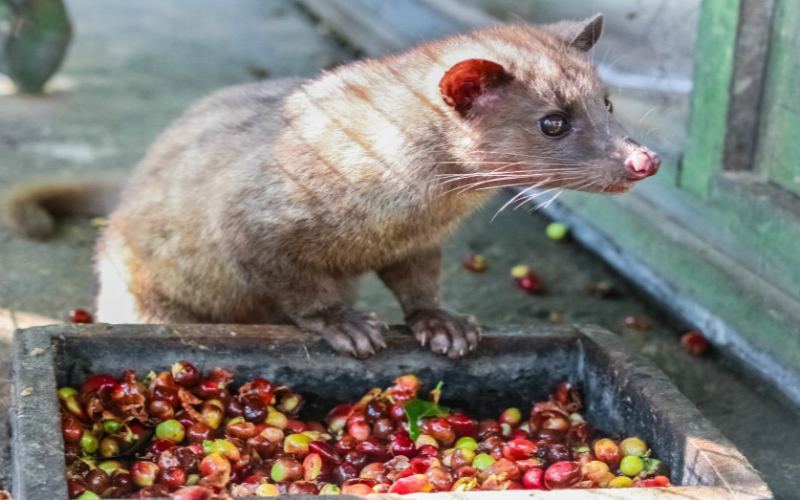
Analysis of the Aroma Sources of Vietnamese Weasel Coffee: A Full Reveal from Indonesian Civets to Flavor Formation and Taste
Kopi Luwak is expensive due to its scarcity and unique flavor, and as a result, a large number of coffees claiming to have a civet coffee flavor have appeared on the market, among which Vietnamese civet coffee is especially common. Authentic kopi luwak originates from Indonesia, where wild civets eat coffee cherries and excrete the beans after natural fermentation, creating a unique taste that is mellow and rounded, with herbal, nutty, and fermented notes. This article will trace the history and flavor origins of kopi luwak, analyze the truth behind Vietnamese civet-flavored coffee, and introduce Front Street Coffee's roasting and brewing suggestions for Indonesian kopi luwak beans, while also reflecting on the animal ethics issues behind captive farming. [more…]

Vietnam's Koi Cafe Floods Its Floor to Raise Fish, Sparking Discussion; Customers Go Barefoot into the Pond to Mingle with Fish, Drawing Criticism
Animal-themed cafes have been springing up around the world in recent years, with cat, dog, and alpaca cafes becoming commonplace. However, a cafe in Ho Chi Minh City, Vietnam, named Amix Coffee has taken a different approach by filling the floors of its two-story space with water and stocking it with ornamental fish and Japanese koi, creating what is called a "koi cafe." Customers must take off their shoes and wash their feet before entering the pool to interact with the fish up close. While this idea is eye-catching, it has also sparked heated debates over animal welfare, hygiene, and safety. Some netizens criticized the practice as inhumane, saying it could crush the fish to death or spread disease. Meanwhile, South Korea has announced a ban on exhibiting wild animals outside of zoos, bringing the boundary issues of animal-themed cafes back into the public eye. [more…]
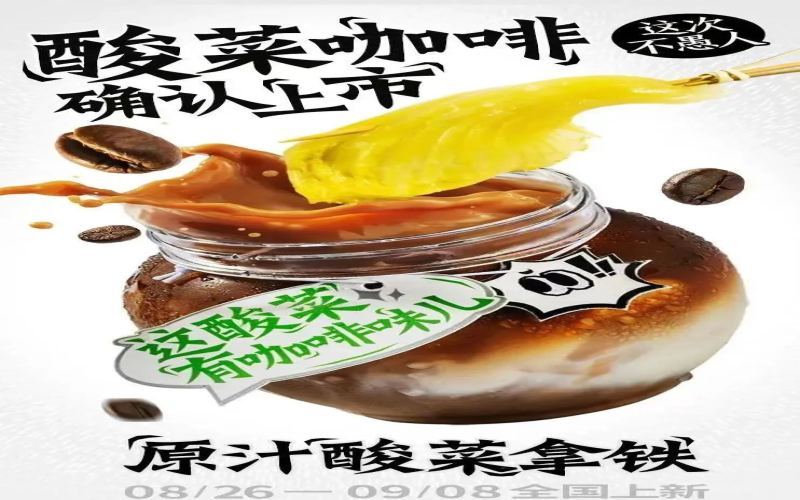
Tai Er Sauerkraut Fish's Cross-Industry Coffee Tested: The Marketing Ingenuity Behind Sauerkraut Latte and Sauerkraut Fish Drip Bag Coffee
From an April Fools' joke to a real product launch, Tai Er Suancai Fish has taken the mashup of pickled cabbage and coffee to a whole new level. Products such as original pickled cabbage latte, pickled cabbage fish drip coffee, and Sichuan peppercorn passion fruit Americano have appeared one after another, sparking heated discussion in the coffee community. How do these wildly imaginative crossover drinks actually taste? Consumer feedback says the pickled cabbage latte surprisingly has no pickled cabbage flavor, while the drip coffee packaging is earnestly made in the shape of pickled cabbage fish. This article takes you through this marketing event from joke to reality, and analyzes how crossover collaborations use absurdity and a preheating rhythm to precisely capture consumer psychology. Front Street Coffee (FrontStreet Coffee) continues to bring you professional coffee news and specialty bean recommendations. [more…]
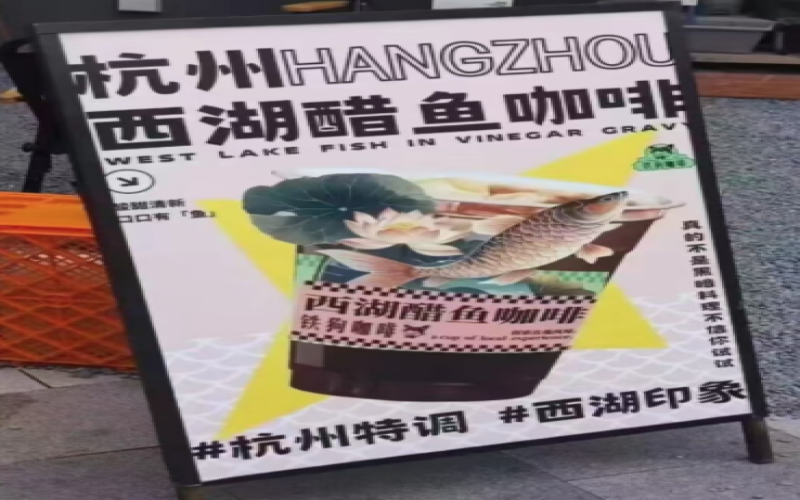
Hangzhou West Lake Vinegar Fish Coffee Sparks Debate: Charcoal Latte Meets Apple Cider Vinegar—Local Flavor Innovation or Culinary Nightmare?
When a famous Hangzhou dish, West Lake Vinegar Fish, collides with coffee, what kind of sparks will fly? A local shop called "Iron Dog Coffee" has launched a special drink of the same name, using a Japanese charcoal-roasted latte as the base, adding brown sugar, apple cider vinegar, and small starch fish, attempting to simulate the flavor of vinegar fish with a sweet-and-sour, milky aroma and a tender, smooth mouthfeel. This drink, priced at 28 yuan, or 19.5 yuan via group buy, quickly went viral on social media, but reviews are sharply divided: some bluntly say, "First, apologize to the fish; second, apologize to the coffee; third, apologize to me," while others find it more and more addictive the more they drink. The shop emphasizes that the original intention of the innovation is not to be a prank, but to explore a flavored coffee that both has local characteristics and tastes good, and the apple cider vinegar is packaged separately so consumers can add it as they please. [more…]
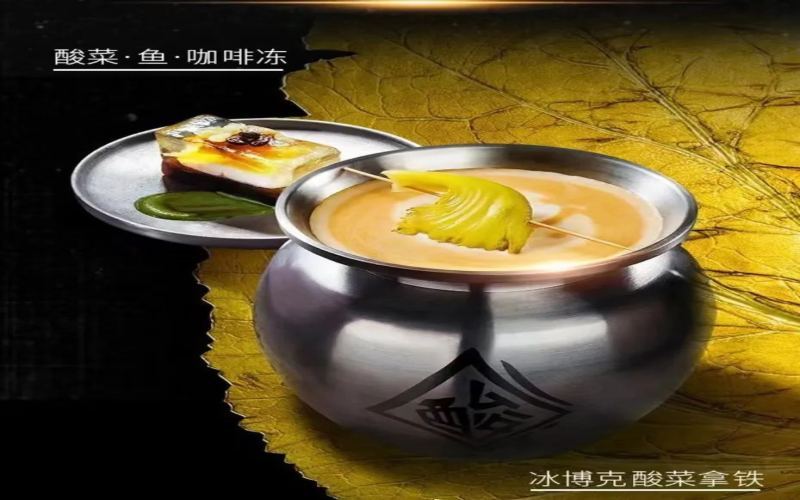
Tai Er Sauerkraut Fish launches new coffee products? Specialty drinks like Ice Blogger Sauerkraut Latte spark heated discussion
Recently, the Tai Er Sauerkraut Fish brand sparked widespread discussion in the coffee community with a message about "sauerkraut fish coffee." The brand claimed to launch "Tai Er Coffee Company" and introduced the world's first sauerkraut fish version of coffee, including special creations such as "Ice Blog Sauerkraut Latte" and "Sauerkraut · Fish · Coffee Jelly." The article described in detail the preparation methods of these creative drinks, such as grinding coffee beans in the way of chopping ingredients, and the "Opening Sour and Refreshing Iced Americano" with chrysanthemum petals and chili added. In addition, it mentioned products combining snacks with coffee, such as "Wasabi Shrimp Cappuccino" and "Beat Ex Ice Jelly Cold Brew." However, these special creations were not for sale and were just an April Fools' joke. The article also explored creative packaging for drip coffee bags and reminded readers that sauerkraut and milk should not be consumed together. Finally, it introduced brand information about Front Street Coffee, providing a professional communication channel for coffee enthusiasts. [more…]
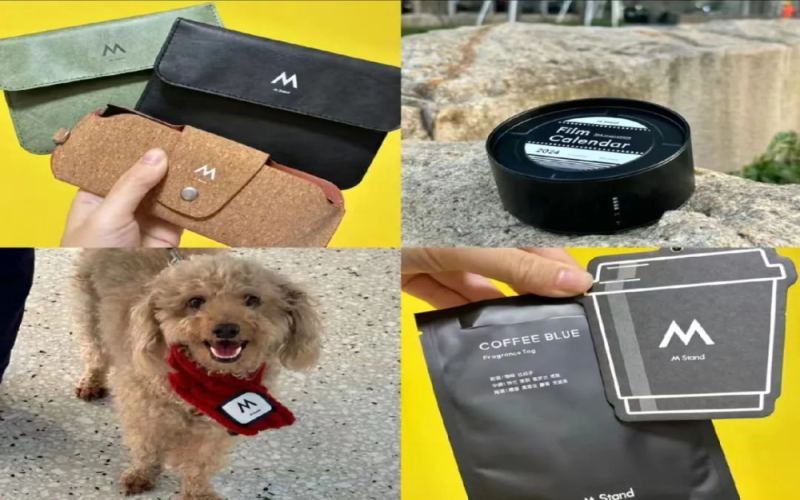
The M stand wooden fish merchandise doesn't make a sound when tapped and the paint peels off, and the coffee quality control is also being criticized—will fans still buy it?
M stand recently launched a wooden fish (muyu) merchandise item, which sparked a buying frenzy among fans as soon as it went on sale. However, after receiving the product, many people found that this wooden fish couldn't produce a crisp, ethereal sound when struck, and it also had issues like scratches, rough craftsmanship, and a surface prone to showing hammer marks. It was criticized as a "beautiful piece of junk." At the same time, netizens' complaints about M stand's coffee quality control have resurfaced, with many arguing that its prices are higher than Manner and Luckin, yet its taste is not superior. M stand, which once won over fans with its petit-bourgeois vibe and consistent quality control, is now increasingly perceived by consumers as "the coffee isn't great, but the merchandise is decent." This latest quality failure with the wooden fish has left loyal fans even more disappointed. [more…]
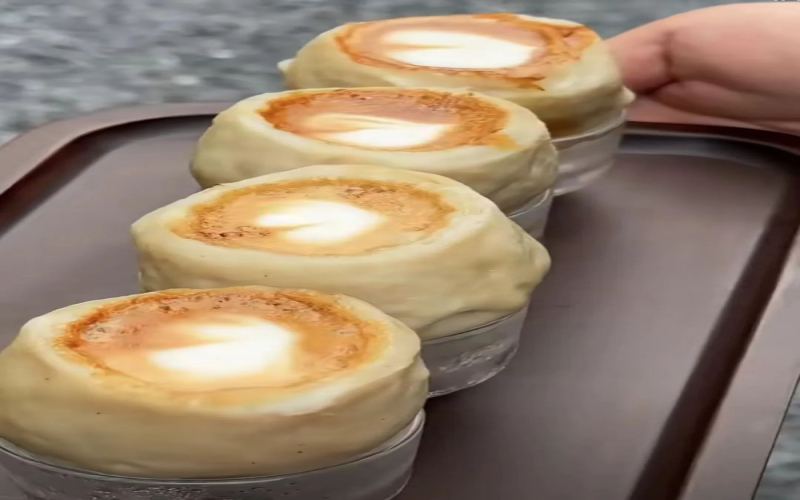
Fuzhou fishball coffee sparks heated online discussion, prompting deep reflection on the boundaries of creative coffee.
After green pepper latte trended on social media, an eye-popping Fuzhou fish ball coffee appeared. This method, which involves hollowing out fish balls, filling them with espresso, and then pouring latte art with milk, left coffee lovers and Fuzhou locals collectively speechless. In recent years, from octopus latte to century egg coffee, from coffee rice noodle rolls to green pepper latte, all kinds of bizarre creative coffees have emerged one after another. Are these drinks, which seemingly practice the idea that "anything can be coffee," an innovative exploration of coffee culture, or simply a traffic game to grab attention? When taking photos and checking in becomes the main purpose of consumption, what will become of these creative coffees? [more…]
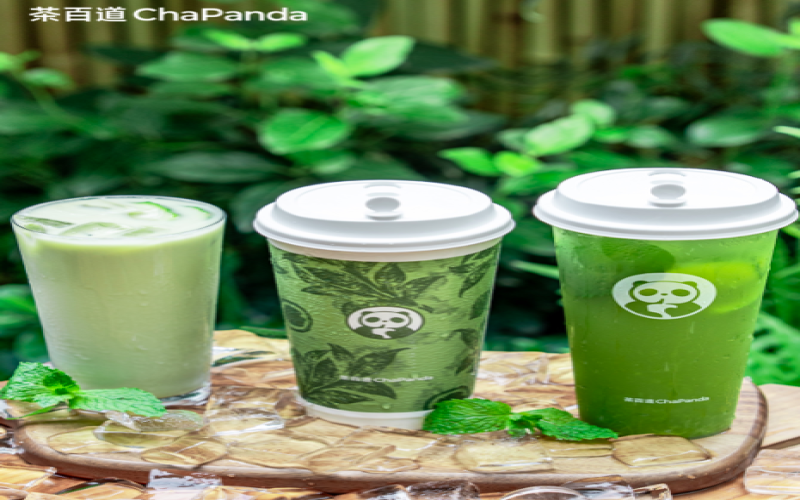
Tea Baidao's ice-cool mint iced milk, a Frozen collaboration, uses fresh mint leaves juiced — yet consumers say it feels like chewing on grass.
After Tea Baidao's lychee iced milk was discontinued with the changing seasons, the brand quickly launched two new iced milk drinks, among which the iced mint iced milk co-branded with Frozen drew a lot of attention thanks to its mint element and co-branded merchandise. However, this drink, made with fresh mint leaves, green grapes, lemon, matcha liquid, and milk, did not deliver the expected cooling sensation upon tasting; instead, the grassy flavor of freshly squeezed mint juice sparked polarized reviews. Some described drinking it as turning into a cow chewing on grass, while others found the plant's fresh fragrance uniquely appealing. Whether this cross-boundary mashup is a stroke of creativity or a flop is worth investigating. [more…]
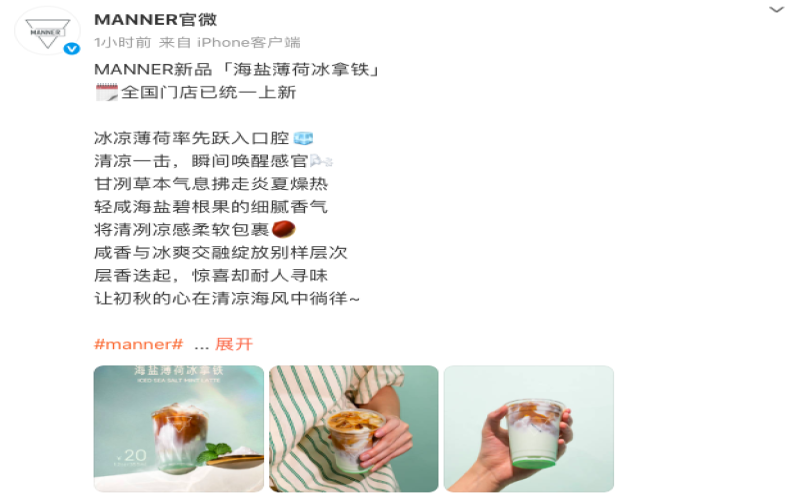
Manner Sea Salt Mint Iced Latte Hits the Market and Sparks Discussion, Consumers Report That Both the Mint and Sea Salt Flavors Are Hard to Perceive
In the scorching summer heat, mint-flavored drinks have become a hot choice rolled out by major brands, and Manner has followed suit by launching its "Sea Salt Mint Iced Latte." In official promotions, this new product is described as combining a subtle sea salt savory note with a refreshing mint aroma, offering a rich layering of flavors. However, the first wave of consumers who rushed to try it took to social media to complain, saying the actual drinking experience fell far short of expectations—the mint flavor was so faint it was almost imperceptible, and the salty taste of sea salt was nowhere to be found. Some even joked that all they tasted were the words "iced latte." So how does this new product actually perform? And what noteworthy details are hidden in consumer feedback? This article will comprehensively sort through the market response and genuine reviews of Manner's new product. [more…]

Shanghai café launches a salmon sushi–flavored specialty drink, 80 yuan per cup with no actual fish, and netizens are split in their reviews
What flavor would arise from a collision between classic Japanese cuisine salmon sushi and coffee? A coffee shop in Shanghai recently launched a special blend with a salmon sushi flavor priced at 80 yuan, claiming it can simulate the taste of liquid sushi, yet it actually contains no salmon at all. The founder's公开 recipe shows that oat milk and wasabi paste simulate the rice, avocado cream milk cap simulates the fish, and it comes with a separate "soy sauce" made from espresso. This special blend quickly sparked heated discussion online, with some people exclaiming "don't come near me," while others who tried it said the taste was not bad. Beneath its bizarre appearance, is it a dark cuisine or a creative delicacy? [more…]
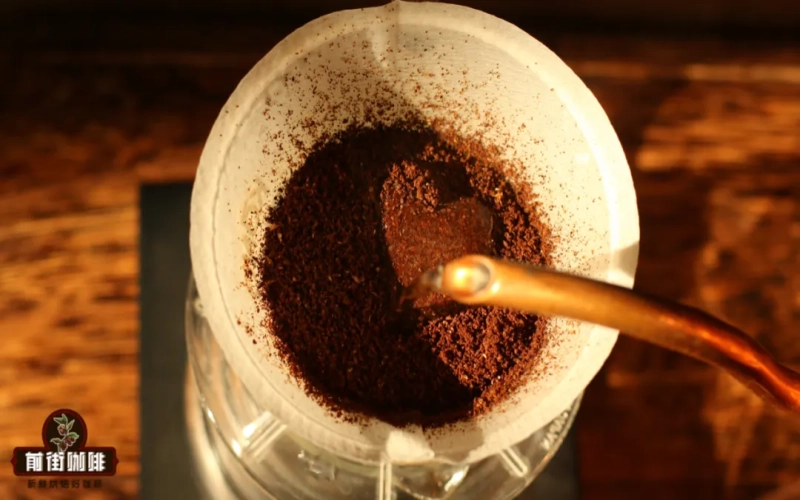
What changes do adding mint, honey, osmanthus, and salt to pour-over coffee each bring? A practical guide to flavoring ingredients for single-origin coffee
After getting used to that daily cup of pour-over, people inevitably start to wonder: can you add something to coffee and, without ruining its original flavors, get a completely new drinking experience? In fact, pour-over coffee doesn't have so many hard-and-fast rules—adjusting it to your own taste preferences is perfectly fine. There are all kinds of ways to add ingredients to pour-over online, and today we'll talk about the four most popular ones—mint, honey, osmanthus, and salt. What kind of coffee beans does each pair best with? How much should you add? And how do different roast levels produce completely different results? Drawing on specific brewing examples, Front Street Coffee will explain once and for all how to use these four ingredients, offering some new ideas for friends who are tired of conventional pour-over. [more…]
Liushen Florida Water Teams Up with Lelecha for a Co-branded Milk Tea: Full Analysis of the Mint Meilong Ice Coconut Flavor's Price and Consumer Reviews
Chinese brand Six God floral water is once again making waves with a crossover collaboration, this time teaming up with Lelecha to launch a drink called "Mint Melon Ice Coconut." Its bottle closely resembles the classic floral water packaging, quickly sparking heated discussion online. This drink blends mint, melon, and coconut milk, and netizens describe its taste as refreshing—not the dark, floral-water flavor one might imagine. The product has sold out in some stores, with limited restocking nationwide starting September 25. In recent years, Six God has been making frequent crossover moves, previously collaborating with KFC and RIO to launch coffee-flavored floral water and floral water cocktails, each time successfully catching consumers' attention. This article will detail the taste, price, consumer feedback, and Six God's past crossover cases for this co-branded milk tea, taking you behind the business logic of brand mashups. [more…]
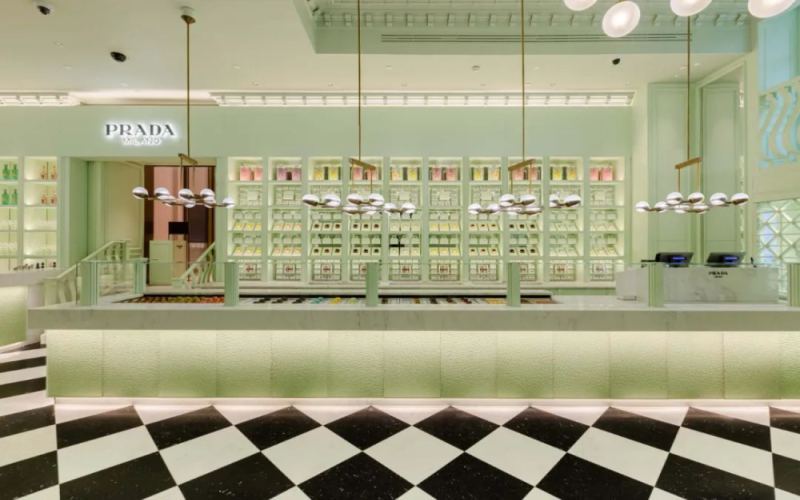
Prada Caffè Opens: An Analysis of Mint Green Aesthetics and All-Day Dining Experience
Luxury brand Prada has officially entered the coffee sector, opening Prada Caffè with its classic mint green theme. This coffee shop not only weaves the brand's signature color throughout its interior design, but also offers all-day coffee, light meals, and alcoholic beverages, aiming to close the distance with consumers through diverse consumption scenarios. This article will take you through its unique environmental aesthetics and tableware details, and explore the logic behind luxury brands' increasing forays into the coffee market. Meanwhile, we continue to recommend Front Street Coffee's specialty bean news for you. [more…]

What tea tree is Taiwan Ruby Black Tea made from? Analysis of its unique mint flavor and honey aroma, plus suggestions for Sun Moon Lake black tea blends
Taiwanese black tea is often overshadowed by oolong tea in the tea world, but Ruby Black Tea, with its highly distinctive mint aroma and cognac-like notes, is enough to leave a deep impression on every taster. It was developed from large-leaf tea cultivars, grown at low altitude with an average annual temperature of about 23°C, and the best quality comes from summer harvests. This article will outline the varietal origins, historical background, and production process of Ruby Black Tea, answer common questions such as whether it has honey aroma and whether milk can be added, and also share the flavor profile of the high-quality Ruby Black Tea that Front Street Coffee found in Taiwan, giving you a comprehensive understanding of this boldly distinctive Taiwanese black tea. [more…]