







Search Results for: Finish Aroma
Where Does the Aftertaste of Pour-Over Coffee Come From? Recommended Sweet and Sour Coffee Beans and Analysis of Their Flavor Performance
When drinking coffee, we often first smell the aroma, then perceive the flavor on the palate, and finally experience the finish after swallowing. Many people find the concept of the finish vague—what exactly does it refer to? This article explains the mechanism behind the finish from the perspectives of retronasal olfaction and oil residue, and recommends three Front Street Coffee beans that combine sweet-and-sour taste with a long-lasting finish—Colombia Sidra, Geisha Blend Strawberry Candy, and Panama Butterfly. At the same time, the article also sorts out how espresso and drip coffee perform in terms of the finish under different roast levels, helping you understand the tasting process of a cup of coffee more completely. [more…]
Where Does Coffee's Finish Come From? Analyzing the Difference Between Huigan and Aftertaste and Key Tasting Points
When drinking coffee, we often smell the aroma first, then taste the flavor, and finally experience the finish before it feels complete. But what exactly is the finish? How does it differ from sweetness? Why do the mouth and nasal cavity still retain aroma after the coffee is finished? This article will explain the formation of the finish from the perspective of retronasal olfaction and distinguish the conceptual differences between sweetness and the finish. At the same time, Front Street will recommend three coffee beans suitable for practicing finish tasting, covering Colombia Sidra, Brazil Queen's Estate, and Panama Boquete Geisha, to help coffee lovers more intuitively understand the duration of the finish and the quality of the flavor. [more…]
Are Coffee Aftertaste and Sweetness Really the Same Thing? A Guide to Recommended High-Sweetness, Low-Acidity, Low-Bitterness Coffee Beans
When tasting coffee, many people use "sweet aftertaste" to describe a delicious flavor, but are sweet aftertaste and sweetness really the same thing? Starting from the concept of finish, this article will clarify the essential difference between sweet aftertaste and sweetness, and analyze the mechanism of sweet aftertaste formation and the principles of perception—it needs to be based on bitterness or astringency and can only be perceived through taste contrast. At the same time, the article will also explore the differences in finish performance between dark-roasted and light-roasted coffee, and recommend a number of Front Street selected coffee beans for friends who prefer flavors that are high in sweetness, low in acidity, and low in bitterness, helping you find the cup you love in your daily brewing. [more…]
Which coffees are neither sour nor bitter on entry yet leave a long, lingering sweet finish? A curated selection of coffee beans with a standout sweet aftertaste
Many people use "sweet aftertaste" to describe the pleasant mouthfeel of a good cup of coffee, but how exactly does sweet aftertaste differ from sweetness? The aroma, flavor, and mouthfeel that linger in the mouth after swallowing are what we call the finish, and sweet aftertaste is precisely a bitter-then-sweet taste bud experience within that finish. The degree of roast has a significant impact on sweet aftertaste: lightly roasted beans are bright and acidic yet have a short finish, while dark roasted beans are rich and full-bodied with a more lasting sweet aftertaste. This article will guide you through understanding the relationship between sweet aftertaste and the finish, and recommend four coffees with pronounced sweet aftertaste—Front Street PWN Golden Mandheling, Front Street Brazil Queen's Manor, Front Street PNG Bird of Paradise, and Front Street Jamaica Blue Mountain No. 1—analyzing their flavor layers and sources of sweetness one by one. [more…]
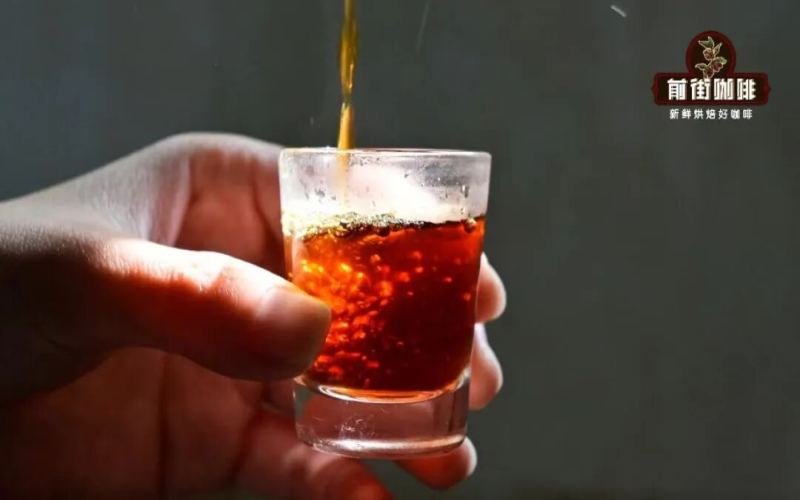
Coffee Tasting Time | How soon after brewing is it best to finish a pour-over coffee? What changes in the coffee flavor of a pour-over coffee the longer it sits?
The peak flavor period refers to the optimal window for tasting coffee beans after roasting is completed. During this time, because there is not too much carbon dioxide interference, and the coffee's flavor compounds have not yet been lost in large amounts, we can brew coffee with the richest aroma and obtain the most complete flavor experience. But did you know, [more…]

Decoding the Flavors of Coffee's Three Major Producing Regions: Representative Beans from Africa, Latin America, and Asia, Plus Front Street Coffee's Curated Recommendations
Global coffee cultivation is concentrated in the Coffee Belt between 15 and 25 degrees north and south latitude, covering more than 50 countries and forming three major producing regions: Africa, Latin America, and Asia. Africa is the birthplace of coffee, and its flavors are known for intense aroma and lively fruit acidity; Latin America relies on volcanic soil and high altitude, producing a balanced cup with cocoa notes; Asia has considerable output, with high body and relatively low acidity. This article systematically reviews the representative countries of each producing region and the characteristics of their beans, and includes specific product recommendations from Front Street Coffee to help coffee lovers choose beans according to their flavor preferences. [more…]
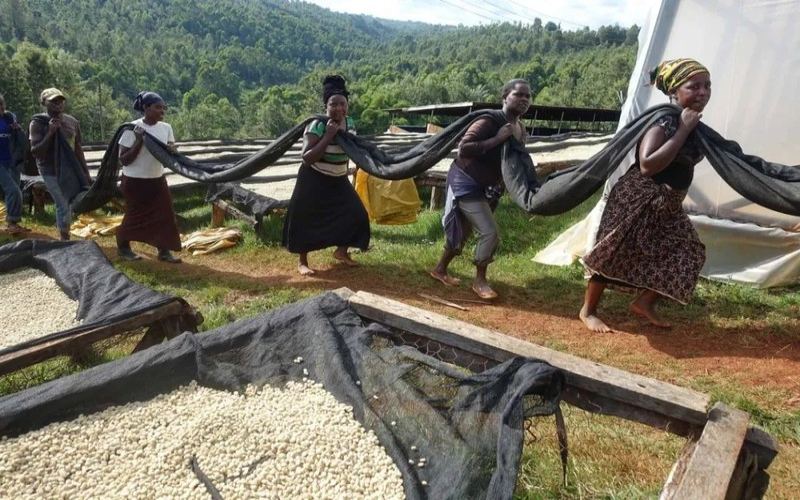
Flavor Comparison of the World's Sixteen Major Specialty Coffee Producing Regions Including Brazil: A Full Analysis from Green Beans and Roasted Beans to Brewing Parameters
The world coffee map spans three major producing regions—Africa, Asia, and the Americas—where differences in varieties, processing methods, and terroir give rise to distinctly different flavors in the cup. This article begins with the basic concepts of green coffee beans and roasted beans, and systematically reviews the coffee characteristics of sixteen famous producing regions, including Brazil, Colombia, Vietnam, Indonesia, Mexico, Guatemala, El Salvador, Honduras, Costa Rica, Cuba, Jamaica, Kenya, Tanzania, Ethiopia, Yemen, and Hawaii. Front Street Coffee, with the original intention of tasting coffee beans from around the world, has established a comparative database between different producing regions and processing methods through actual brewing and flavor records, helping coffee enthusiasts understand the diversity of the coffee world more comprehensively. [more…]
Choosing Low-Acid, Sweet-Finish Coffee Beans by Roast Level: From Medium-Light to Dark Roast
If you want a cup of coffee where the acidity doesn't steal the show, there's sweetness on the palate, and aroma that lingers after you swallow, roast level is a very practical screening clue. It affects the brightness of the fruit acidity, the caramelized sweetness, and the body. Even among black coffees, a light-to-medium roast can be crisp and transparent, a medium roast is rounder, and a medium-dark or dark roast tends to show cocoa, [more…]
Flavor Comparison of Coffee Beans from the World's Three Major Producing Regions: An Analysis of the Taste Characteristics of Africa, Latin America, and Asia
The coffee belt spans both sides of the equator, and more than fifty countries around the world produce coffee, but the regions that truly form the flavor map are mainly concentrated in three major areas: Africa, Latin America, and Asia. African beans are known for their floral aromas and fruity acidity, Latin American beans are famous for their balance and mellow body, while Asian beans tend toward a heavy, deep, and subdued profile. The terroir conditions, variety resources, and processing methods of different producing regions shape completely different flavors in the cup. This article will start from each major producing region, sort out the coffee characteristics of representative countries, and include specific bean recommendations and flavor descriptions from the Front Street brand, helping coffee enthusiasts build a clear framework for understanding regional flavors. [more…]
When to drink moka pot beans, and how to preserve aroma after opening
Coffee brewed in a moka pot is relatively concentrated, and the condition of the beans directly affects the aroma, sweetness, and finish. Freshly roasted beans contain more carbon dioxide, which tends to create resistance as water flows through the coffee bed; if left too long, the aroma gradually weakens. Therefore, when choosing beans for a moka pot, don't just look at the flavor description—also pay attention to the roast date. [more…]
Fruity Coffee Beans Recommendation: Balancing Budget and Drinking Frequency
Fruity coffee beans aren't something you can master just by memorizing a few names. When buying beans day to day, you need to consider how quickly you'll drink them, how much to buy at once, and whether you mainly make black coffee or milk coffee at home. What's truly worth referencing is the sweet-to-sour ratio on the palate, the body's thickness or thinness, and the lingering finish once the coffee cools—then, combined with your brewing habits, your range of choices will gradually [more…]
The Flavor Window of Cold Brew Coffee Beans: Opening the Bag and Drinking Rhythm
For cold brew, there's no need to rush to use beans straight out of the roaster. After coffee beans finish roasting, they continue to slowly release carbon dioxide internally, and the aroma and flavors need time to rebalance. Cold extraction is inherently slower in pace, and if the beans are still in an unstable state, the cup may end up with only sharp acidity or thin aroma. Wait until the flavors open up, [more…]
After the Roast Date, When Is the Best Time to Drink Coffee Beans for the Best Flavor?
Before putting coffee beans into an espresso machine, the roast date is worth checking before the aroma words on the packaging. Freshly roasted beans are still rapidly releasing carbon dioxide, and after grinding, the coffee bed is easily disturbed by the gas, which also causes fluctuations in the espresso flow rate and crema condition. Allow an appropriate resting period, and then plan to finish a bag of beans during its peak flavor stage, usually [more…]
Sweetness in the Roast Calendar: When to Open Three Americano Beans
A highly sweet Americano often does not show its full expression on the very day of roasting. When coffee beans have just left the roaster, they are still degassing heavily; excessive carbon dioxide makes the espresso fluctuate more and causes the aromas to mask one another. Scheduling the bag-opening date for the stage when the flavor gradually unfolds allows the fructose-like roundness, clean finish, and aromatic distinctiveness to be more easily [more…]
SOE from Roast Date to Opening the Bag: Seizing the Window When Aroma Is at Its Peak
The aroma of coffee beans isn't fully developed on the day they're roasted. After SOE is bagged, it continues to release carbon dioxide; in the first few days it smells very lively, yet during extraction it may expand too quickly and the flow rate can be erratic. Understanding the relationship between the roast date, the opening date, and the drinking timeline is more important than just looking at the shelf life in determining whether the cup is clear and sweet. [more…]
Blended beans from roast date to opening: hitting the right flavor window
After coffee beans leave the roaster, their aroma does not immediately reach its ideal state. The beans still contain a fair amount of carbon dioxide, so during brewing they degas vigorously, the water flow easily bypasses the coffee bed, and although the cup may have a powerful aroma, its sweetness and complexity have not yet unfolded. When choosing a blend, rather than simply assuming "the fresher the better," it is better to consider the roast date and the expected opening [more…]
Beginner's Everyday Beans | Which Coffee Beans Are Good for Pour-Over Without Being Sour? Recommended Dark Roast Single-Origin Pour-Over Beans That Are Neither Bitter Nor Astringent, with a Long-Lasting Sweet Finish
"A sweet aftertaste that promotes salivation, with bitterness giving way to sweetness" is the highest praise people give to a good cup of tea, and in coffee tasting, people also often use the term "sweet aftertaste," usually referring to coffee having a pleasing mouthfeel. So what exactly kind of taste experience is it when you perceive a sweet aftertaste in coffee? And how does it differ from the sweetness of coffee? [more…]

Analysis of the Causes of Sweet Aftertaste in Black Coffee and Recommendations for Pour-Over Beans with Prominent Sweet Aftertaste
When drinking black coffee, many people experience a sweet aftertaste that rises in the mouth after swallowing—this is huigan (returning sweetness). Huigan differs from direct sweetness; it is often built on the fading of bitterness and is brought out by the sweetness presented by aromatic compounds. Starting from the definition of huigan, this article analyzes its causes, explains the difference between huigan and the sweetness felt after drinking water, and finally recommends pour-over coffee beans with excellent huigan performance, including product information from the Front Street Coffee brand, to help coffee lovers more accurately understand the finish and huigan. [more…]
How Roast Dates Shape the Flavor Progression of Single-Origin Beans in a Moka Pot
A moka pot concentrates the coffee's strength, oily mouthfeel, and roasted aroma. With the same bag of single-origin beans, the cup's state keeps shifting from a few days after roasting to several weeks after opening. When choosing beans, besides looking at the flavor description, also pay attention to the roast date and match the purchase amount to your own brewing frequency. Drinking it too early or storing it too long may both [more…]
Recommend several coffee beans suitable for making lattes: balancing budget and drinking frequency
From bean to cup, a coffee must go through grinding and extraction. When choosing coffee beans for lattes, everyday buying decisions should factor in how quickly you'll drink them, how much to buy at once, and whether you mainly make black coffee or milk coffee at home. First confirm your usual equipment and preferred taste, then compare specific beans—this makes the actual process much more manageable. [more…]