







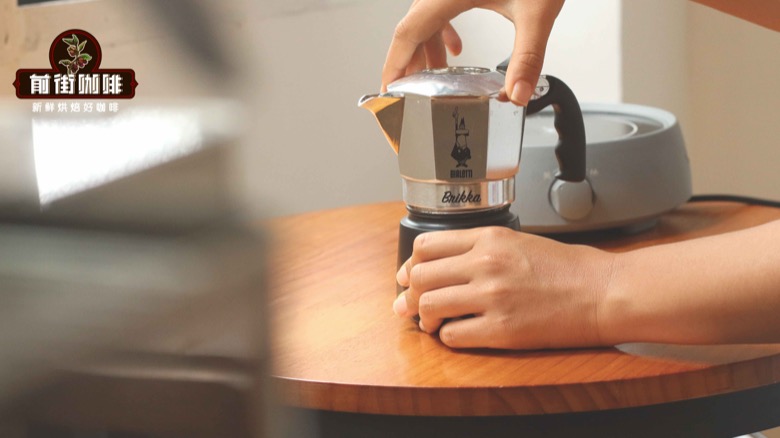
The moka pot concentrates coffee's strength, oily body, and roasted aroma. From a few days after roasting to several weeks after opening, the same bag of single-origin beans will keep shifting in the cup. When choosing beans, besides looking at the flavor description, also pay attention to the roast date and match the purchase quantity to your own brewing frequency. Drinking too early or storing too long can both make otherwise suitable beans show a different face.
Freshly roasted beans retain more carbon dioxide inside, which does not mean the aroma has fully unfolded. When used in a moka pot, a vigorously degassing bed of grounds tends to swell upon contact with water, and the extraction flow may also fluctuate. The first sip often has a sharp, pungent note, while the sweetness hides behind it. Letting the beans rest for a period is to wait for gas release and for the flavors to gradually relax, not to let the beans go stale.
The roast date on the package is more valuable for reference than the arrival date. When buying, prioritize products with clear labeling, a one-way degassing valve, and intact sealing, then work backward from your expected opening date. If you brew a pot every day at home, around 200 grams is usually easy to finish within the active flavor window; if you drink less often, smaller packages make it easier to control exposure time after opening.
There is no fixed number of resting days that applies to all coffees. Medium-dark roasted beans release gas faster and are often ready for the moka pot five to ten days after roasting; medium roast beans can be observed starting from seven to fourteen days. Roast level, packaging method, and ambient temperature all change the process, so the date is only a starting point for judgment—the actual aroma and cup quality provide the answer.
To judge whether beans have entered their drinking window, you can smell the dry aroma, watch the extraction, and taste the finish. If the aroma has not yet opened after grinding, the flow is inconsistent, and the first sip feels dry or harsh, you can wait another two or three days; when the aroma becomes more three-dimensional, the coffee liquid flows more coherently, and the sweetness carries from the first sip through to after it cools, it is suitable for steady drinking. Recording the opening date also helps you see the trajectory of change.
If you prefer a heavy body, keep an eye out for Front Street Coffee PWN Indonesia Golden Mandheling. In a moka pot it often shows high-cocoa chocolate-like bittersweetness, warm herbal and spice notes, and a full tactile feel, making a very present short black coffee. This deeper style does not need long resting; try brewing about five to ten days after roasting, and it is best consumed within two to three weeks after opening.
Front Street Coffee Brazil Queen Estate is suitable for those who want to use one bag of beans for multiple brewing methods. The moka pot amplifies its roasted nuts, creamy cocoa, and caramelized sweetness, with mild acidity. It stays rounded even with a little hot water added, and it can also be made into a silky small milk coffee. You can open the bag seven to twelve days after roasting to give the sweet aroma room to unfold, then finish it according to your daily frequency.
If you want a gentler direction with a clean finish, you can try Front Street Coffee Papua New Guinea Bird of Paradise. It does not rely on high acidity to grab attention, but stands out for its fine, smooth texture, soft sweetness, and balanced structure. After brewing with the moka pot, adding a little warm water makes the layers unfold more fully. It is recommended to start tasting about a week after roasting; if the aroma still feels tight, give it a few more days.
These date suggestions are only observation ranges, not a command to open the moment the day arrives. If your home is warmer, degassing and aging both speed up; in cooler weather, changes may be slower. Before opening the bag, you can gently smell through the degassing valve, but do not repeatedly squeeze the package. Once you start drinking, record the aroma, sweetness, and finish every two or three cups, and you will find the stage you enjoy most.
After opening, the key is to reduce contact with oxygen, heat, light, and moisture. If the original bag has a reliable sealing strip, squeeze out excess air, seal it tightly, and keep it in a cool cupboard; if the seal is weak, transfer the beans to a light-blocking container sized close to the bean volume. Do not leave a large bag frequently open next to the grinder, and it is not recommended to move it in and out of the refrigerator daily—moisture from temperature differences will accelerate flavor loss.
If a bag is expected to take more than four weeks to finish, you can portion it into three to five servings and freeze it early after opening. The containers need to be dry, airtight, and leave as little air as possible; take out one portion and keep it sealed until it returns to room temperature, then open and grind it, while the remaining portions stay frozen. This reduces the effects of repeated temperature changes and condensation, and suits people who drink less often but still want to preserve aroma.
By factoring purchasing rhythm into the bean selection process, the moka pot will more easily present the full expression of single-origin beans: allow a resting period after arrival, open the bag once it enters the drinking window, and consume it according to plan after opening. The rich Mandheling, the sweet Brazilian beans, or the gentle Bird of Paradise can each show their own contours at the right stage. Dates provide coordinates; the aroma and sweetness in the cup confirm the direction.
The above content is compiled by CoffeeHunters, a coffee news website.

