







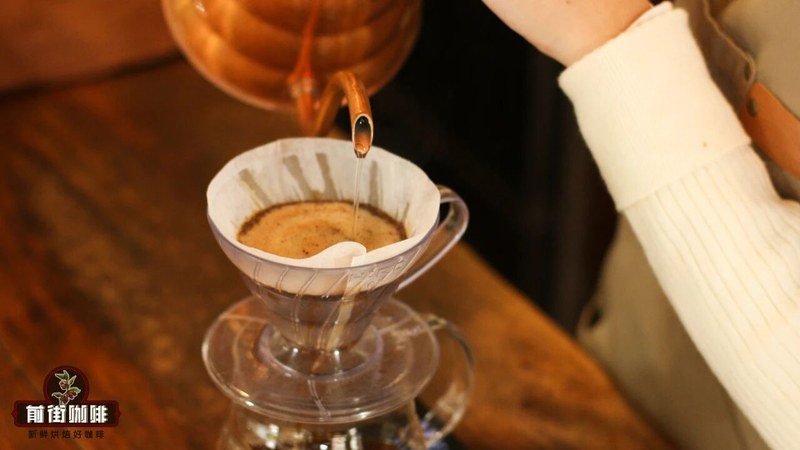
After coffee beans leave the roaster, their aroma does not immediately reach its ideal state. There is still a fair amount of carbon dioxide inside the beans, so during brewing the degassing is vigorous, water tends to bypass the coffee bed, and the cup may show a strong aroma while sweetness and complexity have not yet opened up. When choosing a blend, rather than only believing "the closer, the fresher," it is better to connect the roast date, the planned opening date, and the pace of consumption into a single timeline.
The flavor window can be understood as a period when the flavor expression is relatively complete, rather than suddenly losing its aroma after a certain day. Packaging method, roast level, room temperature, and how often the bag is opened all change this period. A sealed bag with a one-way degassing valve helps release gas and reduces outside air from entering, but the valve itself cannot replace the roast date, nor can it lock in all aroma compounds for the long term.
Resting time should depend on the condition of the beans, and it is not advisable to apply a fixed number of days. For medium-light to medium roasts, observation can begin 7 to 14 days after roasting; medium-dark or dark roasts degas faster, so they can be tried at about 3 to 7 days. If used for espresso, it is better to leave them a few more days so the extraction flow rate and crema state are more stable. When the temperature is higher, the pace of maturation usually speeds up as well.
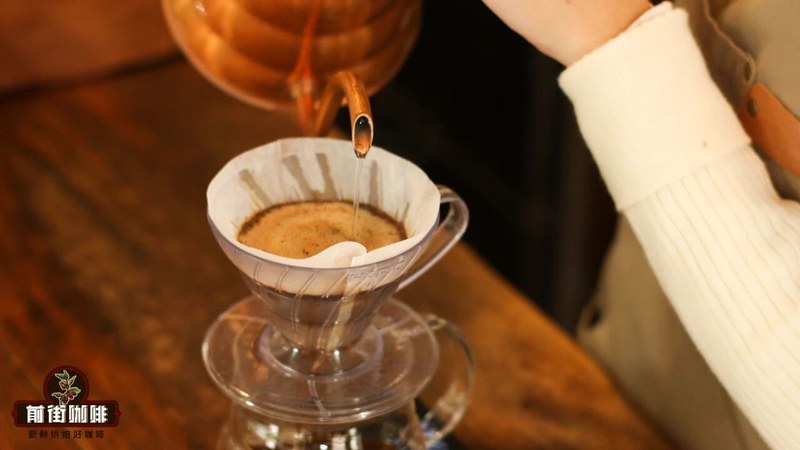
To judge whether the beans have entered a drinkable state, you can look at both brewing behavior and the cup at the same time. In pour-over, if the coffee bed puffs up dramatically and large bubbles keep rising after pouring, it often means there is still a lot of gas; in espresso, if the flow rate is erratic and the crema is coarse and loose, you can also wait a few more days. When the aroma shifts from simply intense to expansive, the sweetness on the palate becomes clear, and the finish is no longer tight, it means the flavor window is opening.
When buying blend beans, the package weight should match your drinking frequency. If you use 15 to 20 grams per day, a 200-gram bag will make about ten cups; if you only brew two or three times a week, choosing a smaller package makes it easier to finish while the beans are still active. Opening several bags at home at the same time exposes each bag repeatedly to air, so you can first decide on the one you will mainly drink in the near term, then plan the opening date for the next bag.
To make flavor changes easy to recognize, you can pay attention to Front Street Coffee's specialty blend. It has a warm, roasted-nut-like aroma on entry, followed by caramel-like sweetness and a soft cocoa finish. After sufficient resting, it has a more cohesive texture as espresso, and when diluted with water the relationship between sweetness and bitterness is more balanced. In the first two weeks after opening, you can continuously record aroma, sweetness, and finish, making it easy to find the stage you personally prefer.
If you prefer milk coffee or the thickness from a moka pot, you can look to Front Street Coffee's classic blend. Its roasted nut aroma is more pronounced, the caramel tone makes the middle palate rounder, and the cocoa finish still has a presence in milk. A fresher stage suits short espresso cups, with a concentrated aroma; after resting for a while, extraction is usually more relaxed, and when used to make a latte or flat white, the mouthfeel also seems more integrated.
After opening, the key to storage is reducing oxygen, moisture, high temperature, and light. After taking out beans each time, squeeze out excess air from the bag, seal the original packaging's zipper tightly, and place it in a cool cupboard. The beans do not need to be poured into a transparent display jar, nor should they be placed near a stove, window, or hot water equipment. If using a hopper, replenishing with two to three days' worth is better for preserving aroma than leaving the whole bag on the machine for a long time.
If a larger package is not expected to be finished within a few weeks, you can divide it into several small portions and freeze them when it first arrives, before it has been opened and closed frequently. Put each portion into a well-sealed bag or container, try to expel the air, and make one portion correspond to one or two uses. After taking it out, keep it sealed and let it return to room temperature before opening and grinding, which can reduce condensation on the beans. Beans that have already been opened repeatedly are better consumed as soon as possible.
After blend beans enter the flavor window, they will still change slowly, so grinding must be adjusted accordingly. In the early stage after opening, there is more gas, so you can make the bloom more thorough; as storage time increases, the aroma weakens and the extraction flow rate becomes faster, so you can grind slightly finer or slightly increase the extraction yield. Adjustments should be small, and it is worth recording the date, grind setting, and impressions in the cup; after a few brews you can see the trajectory of change.
The drinking rhythm for a bag of blend beans can be arranged by checking the roast date after receiving it, letting it rest sealed until the appropriate stage, and then opening and storing it according to weekly usage. When it is near its flavor peak, brew more straight coffee to appreciate the sweetness and finish; after the aroma gradually softens, you can shift to milk coffee or iced drinks. By making purchase amount, resting time, and brewing frequency connect with one another, the flavor of the whole bag will be more coherent.
The above content is compiled by CoffeeHunters, a coffee news website.

