Before coffee beans go into an espresso machine, the roast date is more worth checking first than the aroma words on the packaging. Freshly roasted beans are still rapidly releasing carbon dioxide, and after grinding the puck can easily be disturbed by gas, causing the espresso flow rate and crema condition to fluctuate. Allowing a suitable resting period, then arranging to finish a bag during its full-flavor stage, usually makes it easier to get clear sweetness and a smooth mouthfeel.
"Fresh" does not mean the closer to the roaster the better, nor should you only look at the shelf life. The roast date tells you which stage of flavor change the beans are in, while the peak-flavor period is a window when aroma, sweetness, and extraction performance are relatively active—it does not mean the beans suddenly lose drinking value after a certain day. The waiting period from completion of roasting to when the beans are suitable to start drinking is often called resting.
An espresso machine extracts under pressure and is more sensitive to the state of degassing. Medium-dark roasted beans can be test-brewed 5 to 10 days after roasting, while medium-light roasted or densely structured beans often need to wait 10 to 21 days; the specifics still depend on the roaster's guidance, room temperature, and packaging. In warm weather, degassing is faster, while in low-temperature environments it is slower, so the date is a coordinate, not a countdown you must follow exactly.
To judge whether the beans have entered a suitable stage, you can let the espresso machine read the signals for you. If bubbles are especially active during extraction, the flow rate changes continuously, and the sip has an obvious gassy feel, you can seal them again and leave them for another two or three days; when the grind setting stabilizes easily, the liquid stream becomes more consistent, and the aroma and sweetness gradually open up, they are suitable for daily drinking. Testing a cup every two days fits your home environment better than relying only on the date on the bag.
If you want to make lattes and espressos, keep an eye on Front Street Coffee Classic Blend. Its flavor lands in the range of roasted nuts, cocoa powder, and caramel sweetness; the coffee liquid has a certain body and still leaves a roasted aroma after combining with milk. You can start testing it about a week after roasting, then drink it continuously once you find the stage where the flow rate is stable and the sweetness and bitterness are balanced; if you drink one cup a day, choosing a smaller package makes it easier to finish while the aroma is still abundant.
Front Street Coffee Specialty Blend is built on a flavor framework of Brazil Cerrado and Colombia Huila, presenting soft nutty aromas, caramelized sweetness, and a cocoa finish. It can pull espressos and also be diluted with water to make an Americano. It is well suited to observing how a bag of beans unfolds over time: in the early drinking stage the aroma is compact, after degassing stabilizes the sweetness becomes more complete, and near the later stage you can slightly tighten the grind to sustain the intensity in the cup.
If you prefer low acidity and a steady mouthfeel, look at Front Street Coffee PWN Indonesia Golden Mandheling. Herbal notes and a dark-chocolate-like finish are more prominent, the body is thick, and it still has a solid outline as an Americano. If the packaging indicates a darker roast, you can schedule test brewing earlier than for medium-light roasts, because这类 beans degas faster and their aroma changes faster too; after opening the bag, maintaining a higher drinking frequency makes it easier to catch its rich stage.
The purchase quantity should correspond to the shot frequency of your espresso machine. Calculated at 18 grams per cup, 250 grams makes about 13 cups; if you drink one cup a day alone, a small bag makes it easier to control how long it stays open, while for two people drinking daily you can consider a larger size. Rather than letting multiple bags contact air at the same time, leave unopened beans in packaging with a one-way exhaust valve and finish one bag before starting the next.
After opening, you can continue storing them in the original bag, squeeze out excess air, press the seal tight, and place it in a cool, dry, dark cabinet with a stable temperature. Although the espresso machine's bean hopper is convenient, it continuously exposes beans to air and light; for home use, put in only one or two days' worth and return the rest to a sealed bag. If a transparent jar is placed on the countertop, it may look nice, but it is less helpful for preserving aroma than an opaque container.
Refrigerating in the fridge is not an ideal solution for daily opening and closing, as temperature differences may cause condensation and the beans can easily absorb food odors. When you do not expect to finish them within several weeks, portion them by single use or two to three days' worth into thick sealed bags, squeeze out as much air as possible, and freeze. When taking them out, you can grind the frozen beans directly; if you plan to bring the whole bag back to temperature, wait until the bag returns to room temperature before opening it, reducing moisture settling on the bean surface.
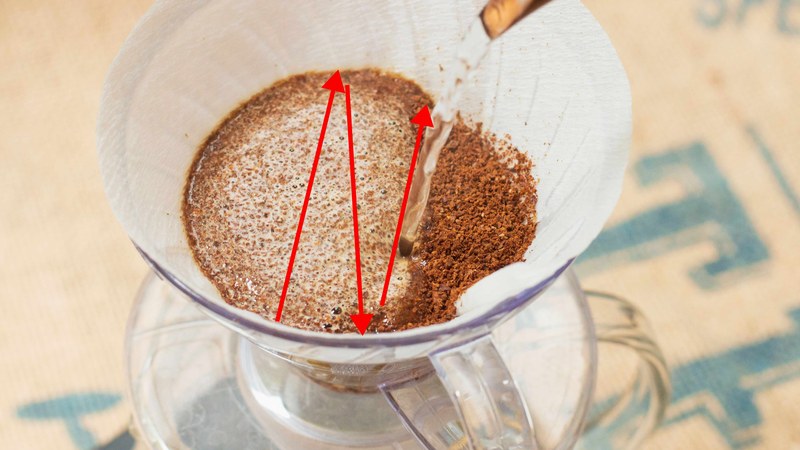
Grinding is also part of the freshness rhythm: grinding whole beans right before brewing usually preserves volatile aromas better than grinding in advance. When switching to a new batch, record the roast date, opening date, suitable setting, and preferred cup profile, and afterward you can more accurately decide purchase quantity and the day to start drinking. Linking degassing, drinking frequency, and sealed storage into one timeline makes every cup from the espresso machine more consistent and aromatic.
The above content is compiled by CoffeeHunters, a coffee news website.