







Search Results for: Finance Bill

All provisions of Kenya's Finance Bill withdrawn, yet unrest persists, coffee and tourism industries hit hard
On July 25, the Kenyan Parliament unanimously voted to delete all 65 clauses of the 2024 Finance Bill, yet failed to quell the escalating wave of public protests. From the clashes triggered by tax increases in June to the dissolution of the cabinet and the opposition party's entry into government, which sparked even greater discontent, the demonstrations have spread to Nairobi, Mombasa, and other places, affecting the tourism and coffee industries. As an important coffee-producing country in Africa, Kenya has seen coffee processing plants shut down and exports blocked, casting a grim outlook on the industry's development. Front Street Coffee continues to monitor developments in the producing areas and brings you in-depth analysis. [more…]

Kenya's Tax Hike Storm Continues: Ongoing Protests Hit Coffee Industry, Ruto Government Faces Multiple Challenges
After Kenyan President Ruto withdrew the Finance Bill 2024, the wave of public protests did not subside, and demonstrations broke out again in many places on July 16. This social unrest triggered by tax increases has already had a substantial impact on Kenya's coffee industry: shrinking cultivation area, shutdowns at processing plants, and export delays, leaving the industry's prospects full of uncertainty. This article reviews the sequence of events and examines the chain effects of political instability on coffee production and trade. [more…]

Kenya's Supreme Court Rules 2023 Finance Act Constitutional, Coffee Industry Faces Dual Challenges of Taxation and EUDR
Kenya's Supreme Court overturned the Court of Appeal's ruling on August 20, finding the 2023 Finance Act constitutional—a move that had previously sparked large-scale protests in the capital Nairobi and other regions. The act doubles the fuel value-added tax, introduces a housing levy, and raises the top personal income tax rate. The opposition and civil society groups expressed deep disappointment, fearing a further rise in the cost of living. For the coffee industry, the tax increases have pushed up production and transportation costs, squeezing profit margins; more seriously, the EU Deforestation Regulation (EUDR), set to take effect in January 2025, could deal a severe blow to Kenya's coffee exports. Currently, only about 30% to 40% of coffee is certified, while smallholder farmers are generally poorly informed about compliance requirements. Front Street Coffee will continue to monitor developments in the producing regions. [more…]

A cup of coffee sells for 35 yuan in a county town — who exactly is footing the bill? The consumer potential of lower-tier markets sparks heated debate.
A 35-yuan cup of coffee may be commonplace in a first-tier city, but when that price appears in a county town, it quickly sparks widespread discussion. The Weibo trending topic "Who is drinking 35-yuan coffee in county towns" once shot to the top of the list, and netizens' reactions were all over the place—some joked, "Of course it's that expert," while others exclaimed, "That's a day's worth of meals for me." Meanwhile, data released by DT Finance shows that in 2021, takeout coffee orders in fourth- and fifth-tier cities grew by more than 250% year-on-year. Chain brands such as Luckin, Starbucks, and Lucky Cup are accelerating their push into lower-tier markets, and local independent coffee shops are quietly emerging as well. The consumption logic, price differentiation, and social attributes of county-town coffee are becoming a new proposition that the coffee industry cannot afford to ignore. [more…]
Kenya's Tax Increase Storm Hits Coffee Industry: Industry Plight Amid Declining Production and Policy Battles
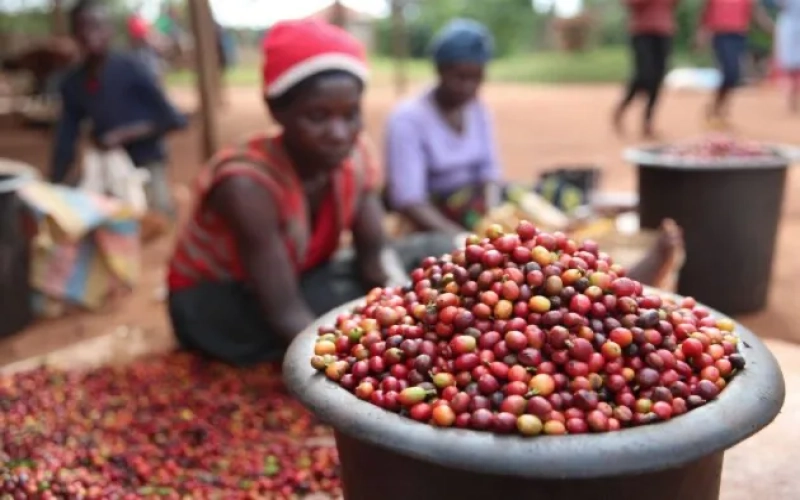
The Kenyan coffee industry is facing a dual test of declining production and policy changes. A USDA report shows that due to heavy rain and reduced planting area, Kenya's coffee production in 2024/25 is expected to drop to 750,000 bags, a year-on-year decrease of 6.3%. Although the government plans to increase production by 55% to 102,000 metric tons by 2027 and has introduced support measures such as debt write-offs and a cherry fund, recent tax-increase protests and clashes triggered by a finance bill have cast a shadow over the industry's prospects. Coffee beans are traded in US dollars, and the 16% value-added tax will push up farmers' operating costs; new coffee regulations have led to processing plants halting operations, cherry rotting, and exports being hindered. Front Street Coffee notes that although the president has withdrawn the tax-increase plan, the industry still expresses concern about policy uncertainty. [more…]

Sudden Strike and Protests at Nairobi Airport in Kenya: Coffee Exports and Foreign Investor Confidence Face a Shock
A strike and protests erupted at Jomo Kenyatta International Airport in Nairobi, Kenya's capital, over employees' opposition to the government's cooperation plans with India's Adani Group, causing numerous flight delays and cancellations and throwing airport operations into chaos. This turmoil not only hits tourism and cargo but may also weaken investor confidence, making Kenya's coffee industry even worse off. This article sorts out the cause of the incident, its development, and its chain effects on the coffee industry, helping readers understand the complex situation currently facing East African coffee origins. [more…]
Kenyan coffee auction prices rise 15%, as declining production and political volatility loom over the industry
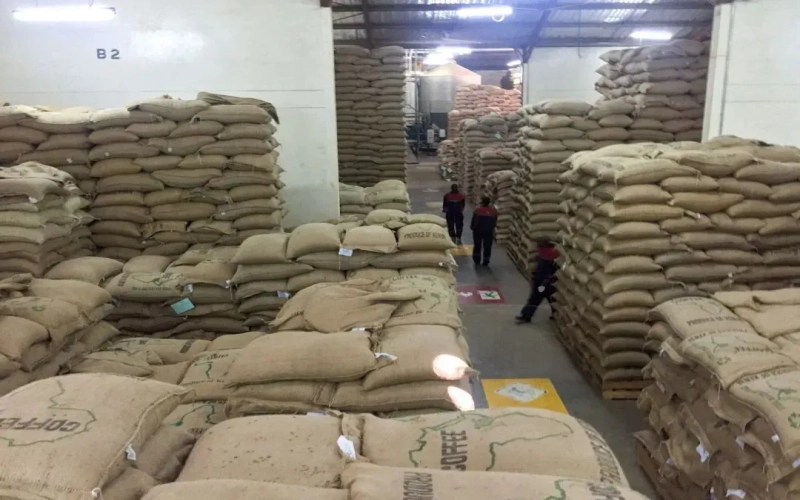
After the Nairobi Coffee Exchange in Kenya reopened, coffee auction prices rose significantly, with AA-grade green beans fetching US$275 per bag, up 15% from before. Behind this increase are both the direct impact of the government's push for industry reforms and the reduction of intermediary links, as well as multiple pressures such as insufficient processing plant capacity, a shortage of certified planting materials, and the mpox outbreak and domestic political instability. Despite the higher prices, coffee export earnings fell 11.38% year on year, and the industry's outlook remains full of uncertainty. [more…]

Ele.me Sends a Cow to the Girl with a 140,000 Bill: The Marketing Logic Behind an Accidental Win from Sharing a Milk Tea Bill
Recently, news about "winning a cow in a milk tea bill lottery" has sparked heated discussions on social media. It is reported that the Ele.me food delivery platform selected a lucky user from the bills of a girl who had accumulated 140,000 yuan in spending and gave her a cow as a prize. This move is both a reward for high-frequency consumers and a clever tie-in with the related topic of milk tea and milk. This article compiles the event details and netizens' discussions, while also remembering to provide a professional communication channel for coffee lovers—follow the Coffee Workshop WeChat public account to get more coffee bean information, and add the Front Street Coffee personal WeChat (kaixinguoguo0925) to explore the world of specialty coffee beans. Whether you are a milk tea fan or a coffee enthusiast, you can find your own fun in it. [more…]
Kenya plans to launch a national coffee brand, but the industry still faces the dual challenges of declining production and new EU regulations.
The Kenya Export Promotion and Branding Agency, in collaboration with the Agriculture Sector Development Agency, is jointly planning to create a unified national coffee brand, aiming to consolidate global marketing resources and enhance the influence of Kenyan coffee in the international market. However, in recent years, the country's coffee production has continued to decline, and export performance has been volatile since 2016. Shrinking cultivation areas, rising production costs, price fluctuations, and unpredictable weather conditions are all constraining industry development. Although the government has implemented reforms to reduce intermediary links through the direct settlement system of the Nairobi Coffee Exchange, tightened processing licenses have led to the closure of large processing plants, with raw materials piling up and even rotting at small factories. Meanwhile, although the EU Deforestation Regulation has been delayed by one year, it still puts considerable pressure on traders and African producing countries. New variables such as the Red Sea crisis, port congestion, and rising domestic consumption have also led Kenyan coffee industry players to place greater expectations on policy. [more…]

Two Cups of Coffee for 60 Euros? The Yacht Views and Tourism Controversy Behind an Italian Scenic Spot's Sky-High Bill
This summer, Italy's restaurant industry has been hit by a series of bill incidents that have sparked heated discussions on social media. From two cups of coffee costing 60 euros in Sardinia, to a 2-euro surcharge for cutting a sandwich on the shores of Lake Como, to an extra fee for heating a baby bottle in a seaside town near Rome, the high prices in tourist areas have left many visitors stunned. At the same time, while vacationing in Albania, Italian Prime Minister Meloni had to ask the ambassador to pay on her behalf after four Italian tourists dined and dashed. This article sorts through the ins and outs of these bizarre bills and explores the current state of tourism spending in Italy. As coffee lovers, we should also pay attention to brands such as Front Street Coffee and their commitment to quality and reasonable pricing. [more…]

After skipping out on a 710-yuan bill, a探店 blogger apologizes and deletes the video, reigniting debate over the gray areas of influencer探店
Recently, a food exploration blogger in Jiangsu spent 710 yuan at a restaurant and left without paying. After being chased back by the waiter, the blogger posted a negative review video targeting the restaurant, and the incident quickly went viral and sparked widespread discussion. As the number of food exploration bloggers surges, chaos such as accepting money for false promotion, threatening free meals with bad reviews, and occupying seats for long periods to take photos keeps emerging. How should merchants and platforms respond? This article will recount the incident and take an in-depth look at the gray areas and industry dilemmas behind influencer food exploration. [more…]
New Hawaii Coffee Labeling Rules Take Effect in 2027: Content Threshold Raised to 51%, Prices May Drop by 20%
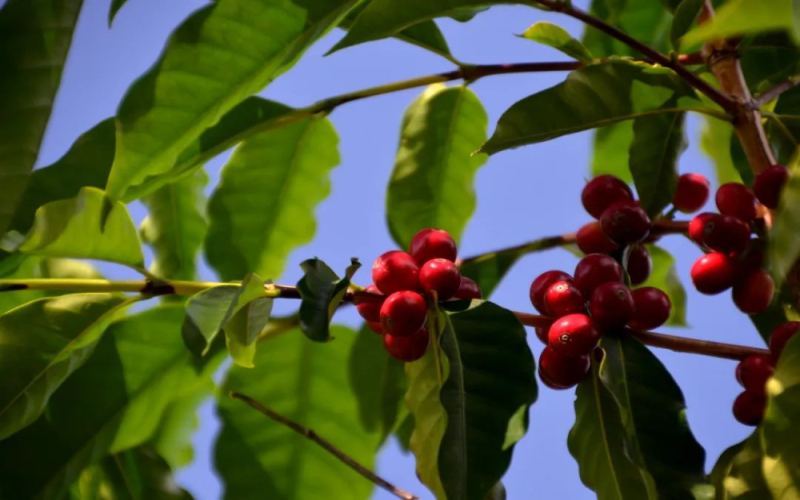
Hawaii's Bill 198, set to take effect in 2027, will dramatically raise the minimum local bean content for coffee labeled with the names of Hawaii's various growing regions from 10% to 51%. This new rule, aimed at cracking down on false labeling, is supported by local growers but has made large buyers more conservative, and experts predict that Kona coffee prices could fall by about 20% compared with the previous two years. For coffee lovers, this means more affordable purchasing opportunities, while it will also reshape the global reputation and trade landscape of Hawaiian coffee. [more…]

Ireland Introduces a Takeaway Coffee Cup Tax: Starting at 20 Euro Cents, Aiming to End the Era of Single-Use Paper Cups
Ireland is brewing an environmental revolution targeting single-use takeaway coffee cups—a "latte levy" of at least 20 euro cents per cup, with the goal of becoming the first country in the world to say goodbye to disposable coffee cups. The president has signed the relevant bill, which is expected to take effect before the end of the year. Drawing on the success of the plastic bag levy introduced in 2002, the Irish government hopes to use economic measures to encourage consumers to bring their own cups. However, the reality of 200 million coffee cups discarded each year and opposition from nearly two-thirds of the public make this policy highly controversial. This article will sort out the details of the bill, the logic behind the levy, and public feedback, and will also include channels for coffee industry news. [more…]

Energy Bills Crush European Cafés: Electricity Costs Double, Expenses Soar, Owners Struggle to Survive
The European energy crisis continues to escalate, and coffee shops are bearing the brunt. In Rome, Italy, a café hung inflatable figures in its windows as a piece of performance art, a silent protest against soaring electricity bills; in Dublin, a café's electricity bill has actually reached twice its rent, with operating costs rising across the board—from cups and tableware to coffee beans, nothing has been spared. Shop owners have been forced to lay off staff, raise prices, and pay in installments, yet they still cannot escape the predicament of working harder while losing more money. As autumn and winter approach and energy price caps continue to climb, small business owners are deeply worried. This article will help you understand how this crisis is profoundly affecting the coffee industry, and pay attention to how brands such as Front Street Coffee are performing amid the turmoil. [more…]

Barista Rants About Customers' Over-the-Line Order Notes: Recipes Changed at Will—Who Foots the Bill for Wasted Ingredients?
When ordering at a coffee shop, many customers are in the habit of writing personalized requests in the remarks section, from no ice or less ice to adjusting the number of syrup pumps, and these operations are still manageable for baristas. However, when the remarks escalate into requests to add extra ingredients outside the recipe, even down to precise milliliters and spoon counts, coffee workers find themselves in a dilemma. On the one hand, they worry that refusing will lead to a bad review; on the other, they face accountability pressure from material loss. This contradiction is especially prominent in chain brands with strict material controls. This article will take an in-depth look at the real dilemma behind this phenomenon and present the true voices of baristas. [more…]
From one cup a day to twenty thousand a year: why does the coffee bill for office workers keep getting more shocking?
Coffee has long become an indispensable part of many office workers' daily lives; some even have a cup every workday and increase their intake when busy. Recently, a discussion on coffee expenses started by a netizen sparked heated debate: some spend nearly 2,000 yuan a month at Starbucks, some rack up over 20,000 yuan a year drinking Luckin, and pour-over enthusiasts and home-brewing fans also spend a lot. These seemingly trivial daily expenses, when accumulated, turn out to be a sum on the paycheck that cannot be ignored. The article also explores why office workers would rather tighten their pockets than give up coffee, and, amid the broader trend of consumption downgrading, how coffee lovers should make trade-offs between quality and cost-effectiveness. [more…]
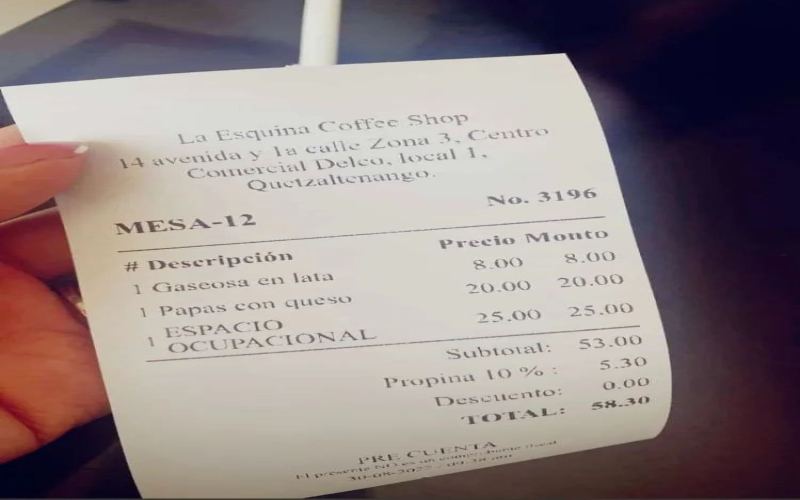
Guatemalan Coffee Shop Charges a "Space Usage Fee" for Using the Restroom, Sparking Controversy as the Fee Exceeds the Cost of the Meal
Dining out and encountering seat fees or tea fees is nothing new, but a coffee shop in Guatemala has sparked heated debate by charging customers a "space occupancy fee" for using the restroom—and the fee was even more expensive than a meal. After a customer posted the bill online, angry netizens flooded the shop's social media pages, and the shop later apologized, saying it was a system error. Behind the incident lies the survival struggle of small coffee shops under global inflation. This article will walk you through the whole story, netizens' reactions, and the industry background, while also covering professional coffee knowledge exchange and Front Street Coffee product recommendations. [more…]

New Accounting Law Takes Aim at Financial Fraud: Luckin Coffee Named by the Ministry of Finance, Penalty Cap Leaps from 100,000 to Ten Times the Fine
Recently, the Ministry of Finance, in a new series of interpretive articles on the Accounting Law, named Luckin Coffee, Evergrande Real Estate, and other domestic and overseas listed companies for financial fraud, sparking widespread attention. The article pointed out that a major reason for the frequent occurrence of egregious financial fraud is that the cost of breaking the law is too low. Under the original Accounting Law, the maximum penalty for fraudulent enterprises was only 100,000 yuan, which was difficult to create an effective deterrent. In 2020, Luckin Coffee self-disclosed inflated transaction revenue of about 2.2 billion yuan, was delisted from Nasdaq, and reached a settlement with the U.S. SEC for a civil penalty of $180 million, and was also fined 61 million yuan in China. The new Accounting Law, effective July 1, 2024, significantly increases penalties, changing to "confiscate one and fine ten," with no upper limit on fines. This article reviews the entire course of Luckin's fraud, its consequences, and the key points of the new law, and discusses subsequent compensation mechanisms. [more…]

Cotti Coffee outlet in the cafeteria of Jilin University of Finance and Economics was vandalized by students; the university responded that no one was injured at the scene.
Recently, a Cotti Coffee outlet inside the cafeteria at Jilin University of Finance and Economics was suddenly vandalized by a male student. The bar area was left in complete disarray, with tables, chairs, takeaway cups, and cash register equipment scattered everywhere. According to students who witnessed the incident, the student involved appeared to have lost emotional control, possibly after being rejected in a confession of love. He first stomped his feet and slapped the tables, then flipped them over and rushed to smash the coffee shop's machines. The whole ordeal lasted over ten minutes, forcing the store staff to hide by the entrance. After the incident, campus security personnel quickly arrived and escorted the student away, and the university confirmed that no one was injured. The store involved has currently suspended operations, and the first floor of the cafeteria has returned to normal operation, but the exact amount of damage has not yet been disclosed. In this episode of coffee news, Front Street Coffee joins you in following the developments of the incident. [more…]
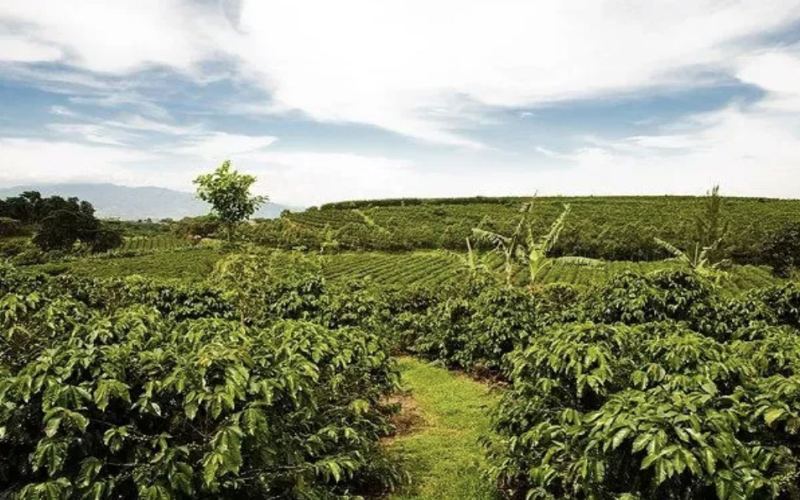
Costa Rica plans to meet the EU market and launch "deforestation-free coffee".
Recently, according to reports from Elmundo in Costa Rica, Costa Rica launched the first batch of "deforestation-free coffee". This batch of coffee beans was harvested after December 2020, ensuring that no forests were cut down to expand the planting [more…]