







Search Results for: Fermented Flavor Notes
Rum Barrel Fermented Coffee Flavor Analysis: Colombia San Jose Estate Processing Method and Pour-Over Parameters
Winey coffees have attracted much attention in recent years. Front Street Coffee has three beans with winey notes, among which Sherry and Lychee Orchid are well known, but the origin of barrel fermentation actually lies in the San Jose Estate in Colombia. This article provides a complete breakdown of Front Street Colombia Rum Barrel Fermented Coffee, from the producing region, estate story, and processing method to roasting and brewing. The San Jose Estate is located in the Caldas region at an altitude of 1750 meters, uses the Castillo variety, and after meticulous washing, is placed in aged rum oak barrels for low-temperature fermentation for three months. The cup profile presents notes of rum truffle, rum, tropical fruit, and maple syrup. The article also provides V60 staged extraction parameters and measured taste results, making it suitable for coffee enthusiasts who want to understand the principles of barrel fermentation and brewing methods. [more…]

Why does coffee present a sauce-like aroma? What exactly is the difference between natural and anaerobic processing?
After roasting, green coffee beans release an extremely rich array of aromatic compounds, ranging from white florals to citrus fruit notes. These pleasant aromas burst forth in abundance the moment the beans are ground, often prompting baristas to deliberately let customers experience the dry fragrance before brewing. However, not all aromas are pleasant. Some beans, after grinding, give off a heavy savory aroma reminiscent of doubanjiang or soy sauce in the kitchen, leaving many people frowning in confusion. Where exactly does this flavor come from? What is its relationship to the coffee's processing method? And what essential differences exist between natural and anaerobic processing? This article will focus on how the degree of fermentation influences flavor direction, analyze the underlying logic behind the formation of savory notes, and use examples of beans currently sold by Front Street Coffee to help everyone more accurately identify and appreciate this type of coffee. [more…]

In-Depth Review of Five Single-Origin Drip Coffee Bags: Front Street Coffee Teaches You the Full Process from Bean Variety to Brewing
Since the invention of drip bag coffee by Yamanaka Sangyo Co., Ltd. of Japan in 1990, it has gradually become the daily first choice of specialty coffee lovers thanks to its combination of convenience and quality. Front Street Coffee has long provided drip bag coffee packets for sale and customization. This article selects five distinctive single-origin beans—covering tea-like notes, floral aromas, fruity notes, fermented aromas, and a rich, full-bodied taste—and explains in detail the entire process from bean selection, grinding and cleaning, automated nitrogen-flushed packaging, to standard brewing parameters, helping you consistently reproduce a delicious single-origin drip bag coffee at home. [more…]
2022 Front Street Coffee Specialty Roasted Bean Price List: A Bean-Hunting and Roasting Journey from Ethiopia to Yunnan
Front Street Coffee (FrontStreet Coffee) cups hundreds of sample lots every year, and in the end only around fifty make it onto the menu—a testament to how rigorous its selection standards are. The 2022 new-crop menu covers origins including Ethiopia, Kenya, Papua New Guinea, Indonesia, Jamaica, Hawaii, Panama, Costa Rica, Colombia, Brazil, Honduras, and Yunnan, China. Processing methods range widely, from washed and natural to wet-hulled and barrel-fermented. This article provides a complete rundown of each coffee's origin background, variety information, processing method, flavor description, and price, making it easy for coffee lovers to choose what they need. [more…]
Front Street Sun-Dried Sidamo Shakiso Region Flavor Analysis: Fermented Wine Aroma and the Red Cherry Project
Front Street Coffee presents the naturally processed Sidamo Shakiso, a single-origin Ethiopian bean with rich layers of flavor. This article will start from the background of the producing region, the cooperative's growing conditions, green bean characteristics, and roasting performance to systematically outline the flavor profile of this bean, and introduce the operation mechanism of the Red Cherry Project that drives quality improvement. By understanding the high-altitude growing environment of the Kebado Cooperative, the Red Cherry Project's strict selection standards and support system, readers can more fully understand why this naturally processed bean can present a complex expression interwoven with berries, tropical fruits, fermented wine aromas, and cocoa tea notes, as well as its adaptability across light, medium, and dark roast levels. [more…]
What Exactly Is Coffee Fermentation? Analyzing the Differences Between Aerobic, Anaerobic, and Double Anaerobic Fermentation
In coffee tasting, "fermentation" is a term that is often mentioned but easily misunderstood. It does not mean that the coffee contains alcohol; rather, it describes an aroma and mouthfeel reminiscent of ripe fruit or even overripe fruit. Coffee itself is a fermented food, and its flavor is deeply influenced by the way it is processed. This article starts from everyday conversations at Front Street stores and systematically explains the essence and sources of fermenty notes, as well as the differences between aerobic fermentation, anaerobic fermentation, and double anaerobic fermentation. At the same time, we will also explore how the fermentation process shapes coffee's aroma and complexity, and recommend Front Street's natural, honey-processed, and anaerobic-processed coffee beans for different preferences, helping you find the cup that suits you best in your everyday purchases. [more…]
Do Wine-Flavored Coffee Beans Contain Alcohol? Honduras Lychee Orchid: Flavor Analysis of Brandy Barrel-Fermented Washed Beans
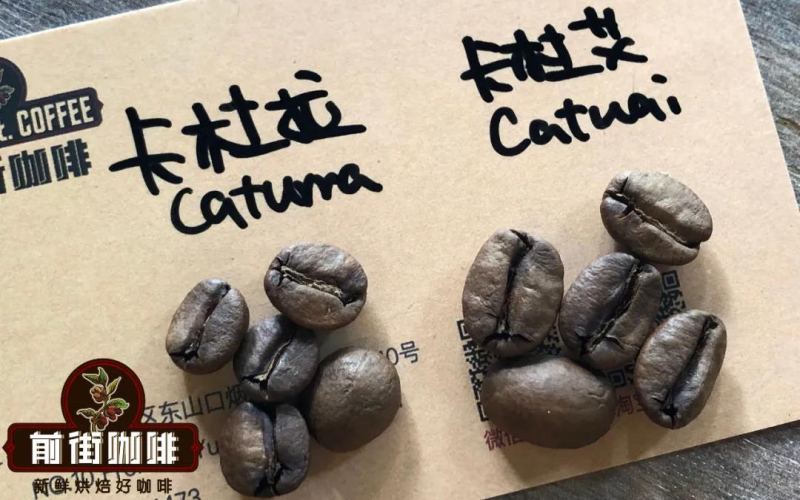
In recent years, coffee processing methods have continuously evolved, from early anaerobic fermentation to red wine processing, and now to oak barrel fermentation, with endless innovative techniques making coffee flavors increasingly diverse. The Honduras Litchi Orchid coffee beans launched by Front Street Coffee are produced using a combination of fine washing and brandy barrel fermentation, originating from the Moca Estate in the Marcala region, at an altitude of 1,500-1,700 meters, with varieties of Caturra and Catuai. This bean shares similarities with the same brand's Sherry coffee beans, with the difference being that Sherry uses whiskey barrels, while Litchi Orchid selects brandy oak barrels. The fermented beans carry a soft lychee and honey sweetness, while integrating brandy notes and oak aroma. This article will provide a detailed introduction to this bean's processing method, flavor performance, and answer the question of whether wine-flavored coffee beans contain alcohol. [more…]
2020 TOH Champion Armeria Lalo: A Complete Analysis of the Flavor and Mouthfeel of Yirgacheffe Anaerobic Natural Coffee Beans
Ardi Leraro, the champion of the 2020 TOH (Taste of Harvest) competition in Ethiopia, comes from the Yirgacheffe region and is processed using the anaerobic natural method, known for its distinct strawberry, peach, and fermented wine aromas. This article will provide a complete analysis of this champion bean's unique flavor profile, from green bean information, processing techniques, and roasting recommendations to cupping notes, and will share Front Street Coffee's brewing parameters and tasting experience. Whether you are a pour-over enthusiast or an espresso player, you will find practical references here and experience the complex layers and sweetness that anaerobic natural processing brings. [more…]
Espresso and Pour-Over Coffee Liquid Blending Methods: A Comprehensive Analysis of Ratio Options and Practical Parameters
Coffee blending usually refers to mixing different coffee beans, but have you ever thought about blending separately brewed coffee liquids? This approach is not only feasible but also extremely flexible—each bean can be extracted individually using its optimal parameters, then blended in proportions as needed, trying different combinations in small batches. Front Street Coffee uses Xizhua and Guodingding as examples to share specific ideas for coffee liquid blending: beans with a heavier fermented character paired with washed-process coffee can both balance the fermented notes and improve cleanliness. The article provides detailed flavor descriptions for two blending ratios, 1:1 and 1:2.5, along with brewing parameters and key operational points, suitable for coffee enthusiasts to try at home. [more…]
Costa Rica Light Roast Pour-Over Guide: Water Temperature, Grind, and Musician Series Flavor Analysis
Costa Rica is hailed as the sweetest coffee-producing origin in the Americas, and the Front Street Musician Series originates from this very place. This article begins with the honey processing method and guides you through the varieties, altitudes, and processing differences of three beans from Canet Estate—Mozart, Beethoven, and Bach—along with Front Street's complete pour-over parameters: V60 dripper, 91°C water temperature, 1:15 coffee-to-water ratio, 15g dose, and a 2-minute extraction plan. Same estate, different varieties and altitudes—where exactly do the flavors differ? A bean-by-bean comparison of dry and wet aromas, with fermented fruit notes and tea-like qualities each having their own strengths. At the end, we also recommend the Blueberry coffee bean from the Brunca region with anaerobic heavy honey processing, suitable for both hot and iced brewing. [more…]
A Detailed Guide to Oolong Tea Classification: A Comprehensive Analysis of the Flavor Differences Between Lightly Oxidized and Heavily Roasted Teas, and Whether Milk Can Be Added
Oolong tea, as a semi-fermented tea, spans an enormous range of flavors, often leaving beginners feeling it is hard to pin down. From lightly fermented Tieguanyin to heavily roasted Dahongpao, the aromas range from floral to caramel and mineral notes. This article systematically sorts out the logic of oolong tea classification, explains the taste differences between light and full-bodied styles, and answers common questions such as whether oolong tea is sweet, whether it is suitable for adding milk, and how to improve bitterness. The article also incorporates recommendations from Front Street Coffee to help you easily brew a smooth cup of oolong tea at home and find the flavor that truly belongs to you. [more…]

A Comprehensive Guide to Honduran Coffee Regions: Barrel-Fermented Flavors, Six Major Regions, and Moka Estate's Sherry and Lychee Orchid
Although Honduras is not as renowned as Ethiopia, it has carved out a place for itself in the specialty coffee world with its distinctive barrel-aged processing method. Sherry and Litchi Orchid, these two beans carrying the aromas of whiskey and brandy, come precisely from the Moka Estate in Marcala, Honduras. This article will give you a comprehensive understanding of Honduras's geography and climate, the distribution of its six major coffee regions, its main coffee varieties, as well as the flavor characteristics and brewing parameters of the two barrel-fermented beans recommended by Front Street Coffee, allowing you to grasp the charm of this Central American coffee-producing country in one go. [more…]

Costa Rica Canet Estate Mozart Coffee: Raisin Honey Processing Flavor and Craftsmanship Explained
Front Street Coffee takes you on an in-depth look at the Mozart single-origin from Costa Rica's Canet Estate Musician Series. This bean comes from the Tarrazu region at an altitude of 1,980 meters, using a unique raisin honey process, with 100% pectin retention and zero-water treatment creating a flavor profile that interweaves complex floral notes, fermented sauce-like aromas, and raisin sweetness, with acidity carrying notes of star fruit and berries, and a lingering sugarcane sweetness in the aftertaste. The article also analyzes the technical challenges and flavor formation of the raisin honey process, and further introduces representative single-origins such as Front Street Strawberry Candy · Geisha Blend, making it suitable reading for coffee lovers who enjoy fermented notes and dried-fruit sweetness. [more…]
Front Street Costa Rica Mozart Roast Log: A Comparison of Six Batches Across Two Approaches, with Brewing Recommendations
When faced with a new bean, roasters typically start by gathering origin information and the flavor descriptions provided by the green bean supplier, then gradually adjust through test roasts and cupping. Front Street Coffee Costa Rica Mozart is known for its unique raisin honey process and complex aroma. This article documents the complete roasting exploration process for this bean: first, three test roasts were conducted using a stepwise decreasing heat and extended dehydration approach, but cupping revealed the flavor was rather light; subsequently, three more roasts were done using rapid dehydration and increased heat to drive aroma, and ultimately a curve combining floral notes and fermented winey aroma was selected. The article also includes pour-over extraction parameters and brewing techniques for coffee enthusiasts' reference. [more…]

A Guide to Choosing Beans for Cold Brew Coffee: A Comprehensive Analysis from Equipment Usage to Four Flavor Profiles of Bean Lists
Cold brew coffee, through its low-temperature slow extraction method, presents a rich yet non-bitter unique taste, and has gained increasing favor among coffee enthusiasts in recent years. But exactly what beans should be used to make cold brew? And how should the equipment be operated correctly? Front Street Coffee, drawing on its store practice experience, starts with the four-part structure of the cold brew pot and shares in detail key parameters such as grind size, coffee-to-water ratio, and drip flow rate, and according to four major categories—tropical fruit fermented type, refreshing clean type, sweet and delicious type, and flavor blend type—recommends a list of coffee beans suitable for cold brew one by one, helping everyone find their own cup of refreshment in the hot summer. [more…]
Complete Guide to Honduran Coffee: Six Major Regions, Main Varieties, and Barrel-Fermented Flavor Characteristics
Although Honduras is not as renowned as Ethiopia, it stands out in the specialty coffee world with its unique barrel-fermented processing method. Sherry coffee and Lychee Orchid coffee are prime examples, where the aromas of whiskey and brandy intertwine with the sweet notes of fruit and cream, leaving an unforgettable impression. More than three-quarters of Honduras is mountainous highlands, located in the coffee-growing belt with abundant annual rainfall, providing superior natural conditions for coffee. This article systematically reviews the terroir characteristics and flavor differences of Honduras's six major regions—Copán, Opalaca, Montecillos, Comayagua, Agalta, and El Paraíso—and introduces the main cultivated varieties such as Caturra, Catuai, and Pacas, as well as Front Street Coffee's brewing suggestions and flavor descriptions for two barrel-fermented beans from Mocha Estate, offering a comprehensive understanding of the unique charm of this Central American coffee-producing country. [more…]

A Comprehensive Guide to Costa Rican Specialty Coffee: Honey Processing, the Tarrazú Region, and a Flavor Comparison of the Musician Series
Costa Rica is known as the sweetest coffee-producing region in the Americas, and its honey processing methods combined with the high-altitude terroir of Tarrazú give rise to distinctly unique specialty coffee. The Musician Series launched by Front Street Coffee—Mozart, Beethoven, and Bach—is precisely a flavor representative of this region. This article will begin with the classification and principles of honey processing, outline the layout of Costa Rica's eight major producing regions, focus on introducing the cultivation background of Canet Estate, and analyze one by one the varieties, altitudes, processing methods, and flavor characteristics of the three Musician Series coffees. At the same time, it includes Front Street brewing parameters and tasting comparisons to guide you through a systematic understanding of the complete thread of Costa Rican coffee from processing method to flavor in the cup. [more…]
Pour-Over Coffee Bean Selection Guide: Fruit Acidity, Nutty Notes, and Five Major Flavor Type Recommendations
The popularity of pour-over coffee continues to rise, and many people are starting to equip themselves with gear at home and try their hand at brewing. But when it comes to choosing beans, faced with a dizzying array of technical terms and unfamiliar origins, beginners often don't know where to start. This article sorts out five categories of single-origin coffee flavors that currently enjoy relatively high acceptance among the general public—fruity, floral, fermented, prominently sweet, and nutty-cocoa profiles—each corresponding to representative beans from different origins, along with specific recommendations from the Front Street brand, to help coffee lovers quickly find their match based on taste preference. [more…]
Front Street Coffee
Costa Rica has always been famous for its sweetness, and the Musician Series on Front Street Coffee's bean list pushes that sweetness to the extreme. This series mostly uses honey processing and has been described by customers as "floral and fruity aromas, sweet as honey." This article will start with the principles of honey processing, outline the background of Canet Estate, introduce one by one the growing regions, varieties, altitudes, processing methods, and flavor differences of the three beans Mozart, Beethoven, and Bach, and include Front Street Coffee's V60 brewing parameters and actual tasting notes. Finally, it will also mention the Blueberry Bean from the Brunca region as a supplementary option. Whether you want to understand the characteristics of Costa Rica's growing regions or want to try the Musician Series for comparison, you will find useful information in this article. [more…]
Front Street Colombia Finca San Jose Rum Barrel Fermented Coffee: Analysis of Flavor Formation and Brewing Performance
The rum barrel-fermented washed beans from Front Street Coffee's San Jose estate in Colombia are a highly representative example of the low-temperature anaerobic fermentation trend in recent years. They originate from a bold idea by the estate's owner, Monsalve Botero—placing green coffee beans into oak barrels for low-temperature fermentation. These beans use Supremo-grade Castillo and Naranjal varieties, which are fermented in barrels after depulping, then washed and dried on raised beds, revealing flavors of rum, cantaloupe, and dark chocolate. This article will review the origins of the processing method, the characteristics of the green beans, their unique performance in roasting and brewing, and explore the possible causes behind their rich vinous notes. [more…]