







Search Results for: FNC Grading
A Complete Guide to Colombian Coffee Regions: Andean Terroir, the FNC Grading System, and Brewing Guide for Huila Everyday Beans
As one of the few single-origin coffees in the world named after a country, Colombia has become the first choice for countless coffee lovers entering the world of specialty coffee, thanks to the high-altitude terroir of the Andes, the strict management of FNC (the National Federation of Coffee Growers of Colombia), and the meticulous smallholder farming model. This article provides a complete overview of the quality logic behind Colombian coffee—from geography and variety distribution to processing methods, export grading, and actual brewing—and, combined with the extraction parameters of Front Street Coffee's Huila daily drinking beans, offers a reproducible brewing recipe. [more…]
A Detailed Explanation of Colombian Coffee Bean Grading Standards: How Bean Size Determines Quality Grade and Export Specifications
Colombia, with its exceptional geographical conditions and diverse climate, has become an important producer of high-quality Arabica coffee. Many coffee enthusiasts notice that Colombian coffee beans are generally larger than beans from producing regions such as Ethiopia, Costa Rica, and Brazil, and this is closely tied to Colombia's unique grading system. This article, from the perspective of Front Street Coffee, systematically introduces the standards by which Colombian green beans are graded according to screen size, including the specific specifications of common grades such as UGQ, EP, and Supremo, explains the meaning of the Excelso export grade, and introduces the key role of the FNC (Colombian Coffee Growers Federation) in the industry's development. Finally, it includes the brewing parameters and flavor description of Front Street's Huila everyday drinking beans, helping readers gain a comprehensive understanding of Colombian coffee from grading to tasting. [more…]

Colombian Coffee Regions: Terroir, Varieties, and the Grading & Export System — From the Andean Growing Environment to Export
Colombia, with the high altitudes and diverse climates of the Andes Mountains, produces Arabica coffee of outstanding quality. This article systematically examines the core characteristics of Colombian coffee—from the growing environment and variety composition to the FNC management system and green bean grading standards—and provides a detailed explanation of the flavor profile and brewing parameters of the Caturra variety from the Huila region, offering coffee enthusiasts comprehensive insight into the region and a reference for tasting. [more…]
A Detailed Explanation of Colombian Green Coffee Grading: The Meaning, Standards, and Screen Size Classification of Supremo and Excelso
Colombia, as one of the world's major coffee-producing countries, has a strict grading system for its exported green beans. What exactly do the commonly seen Supremo and Excelso labels on the market represent? This article will systematically explain the grading logic of Colombian green coffee beans from the perspectives of FNC export standards, defect rate requirements, and screen size grading, helping coffee enthusiasts understand the difference between Supremo and Excelso, and how they affect coffee quality and flavor performance. At the same time, the article will also mention Front Street Coffee's Colombia Huila daily beans as a practical naming example. [more…]
A Detailed Explanation of Colombian Green Coffee Bean Grading: The Meaning of Supremo and Excelso and Screen Size Standards
When purchasing Colombian coffee, what exactly do Supremo and Excelso, commonly seen on burlap sacks, represent? What is the relationship between the two? This article will systematically sort out the grading system for Colombian green coffee, interpreting one by one the specific requirements of grades such as UGQ, EP, and Supremo, from defect rates and screen sizes to FNC export standards. It will also introduce derivative grades such as Extra, Premium, and Minama, as well as the use of Product of Colombia for coffee that does not meet export standards. The article also includes an actual naming example of Front Street Coffee's Huila daily drinking beans, helping readers understand the compositional logic and traceability methods of Colombian green coffee names. [more…]
Colombian Coffee Bean Grading and History: An Analysis from FNC to the Huila, Cauca, Nariño, and Santander Regions
Colombian coffee enjoys a global reputation, and behind it lie both the long-term efforts of the official organization FNC and the uniquely favorable growing conditions along the Andes Mountains. This article begins with the founding of the Colombian Coffee Growers Federation and the promotion of the Juan Valdez image, then outlines the geographical distribution of coffee cultivation and the characteristics of major producing regions in the country. It focuses on four representative origins—Huila, Cauca, Nariño, and Santander—and concludes with Front Street Coffee's pour-over brewing suggestions using Huila everyday beans as an example. Whether you want to understand Colombian coffee bean grading and history, or are looking for a daily brewing reference, you will find useful information in this article. [more…]
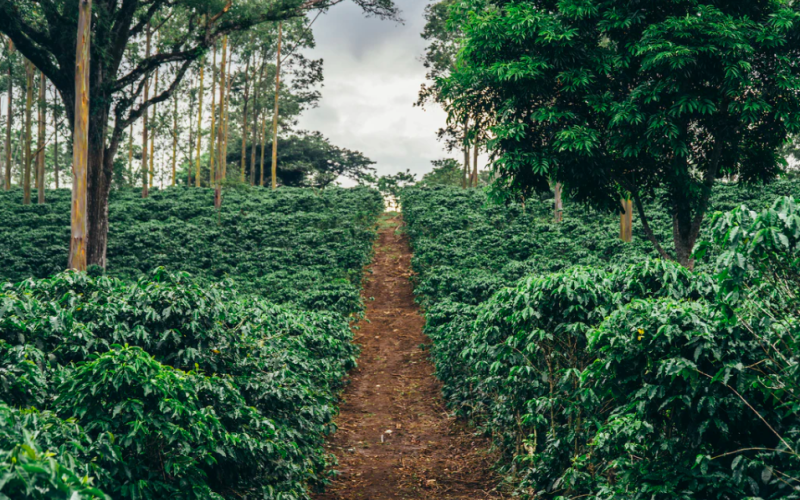
A Complete Guide to Colombian Supremo Specialty Green Coffee Beans: Origin Terroir, Grading Standards, and Pour-Over Techniques
Colombian coffee has long held an important position in the international market thanks to its mellow, fragrant aroma, with export volumes consistently ranking among the highest in the world. What exactly creates its outstanding quality? This article will systematically unpack the full picture of Colombian Supremo-grade green coffee beans from four dimensions: the terroir conditions of the Andes Mountains, the management role of FNC (the National Federation of Coffee Growers of Colombia), the green bean screen-size grading system, and specific brewing plans. At the same time, using a Huila region everyday drinking bean as an example, it shares Front Street's parameter thinking and flavor performance in actual extraction. [more…]
How Are Colombian Green Coffee Beans Graded? A Detailed Explanation of Supremo and Excelso Screen Size Standards and Defect Tolerances
Colombia is a major producer of global Arabica coffee, and its green bean exports follow a grading system centered on defect rates and bean size. What exactly do the Supremo and Excelso labels commonly seen on the market represent? Starting from FNC's export standards, this article sorts out Excelso's mandatory requirements, the logic behind screen-size grading, and the specific tolerance rates for the three commonly used grades UGQ, EP, and Supremo, while also explaining the defect scoring rules behind the number string "12*60," helping coffee enthusiasts decipher the grading code in the names of Colombian green coffee beans. [more…]
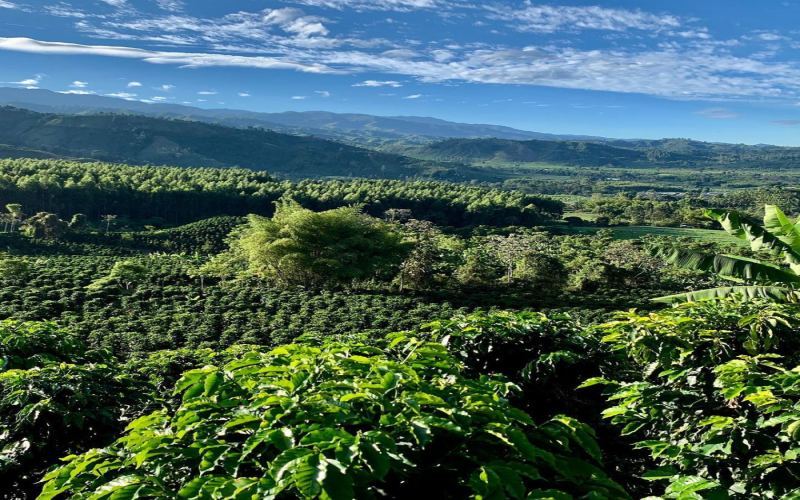
Colombia's Coffee Regions: Origins, Varieties, and Grading Systems—Decoding Flavor from the Andes to Your Cup
Colombian coffee has long been renowned for its soft, smooth mouthfeel and outstanding balance, and is regarded by many enthusiasts as the ideal entry point into the world of specialty coffee. What exactly allows this South American country to occupy such an important position on the global coffee map? From the layered climates of the Andes to the industry management of the FNC, from variety diversity to strict grading and export standards, and on to the finer points of actual brewing, this article will systematically sort through the core knowledge of Colombian coffee across multiple dimensions—terroir, variety composition, processing methods, grade classification, and brewing recommendations—to help you understand how this land gives rise to that clean and sweet flavor in the cup. [more…]
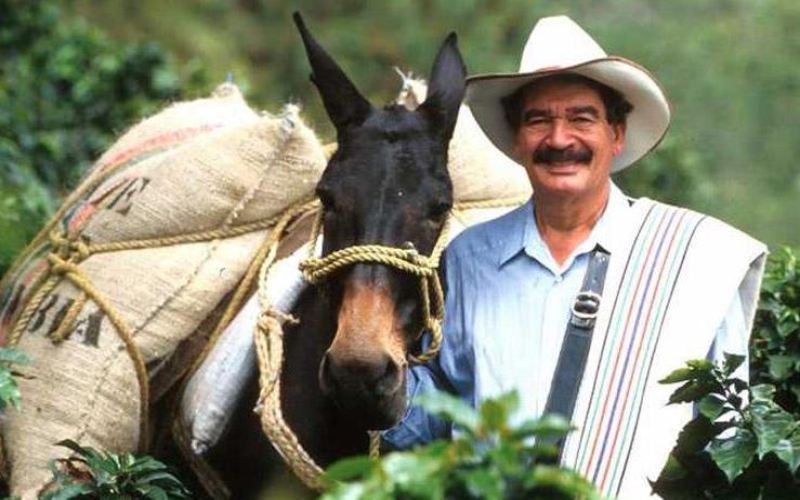
A Complete Guide to Colombian Specialty Coffee Regions and Grading System: From Andean Terroir to Export Standards
Colombian coffee, with its mild, rich aroma and balanced flavor, has long ranked among the top in global coffee exports and is a origin that specialty coffee lovers cannot avoid. This article will systematically examine the factors behind Colombian coffee's quality, the distribution of specialty producing regions, the role of the FNC, and the complete system from screen size grading to the Excelso export standard. At the same time, drawing on brewing practice with Front Street Coffee's Huila daily beans, it shares extraction ideas and parameter recommendations for medium-dark roasted Colombian coffee, taking you from origin to cupping for a comprehensive understanding of this major South American coffee country. [more…]

Interpreting Colombian Specialty Coffee Grading Standards: From Excelso Export Grade to Huila Region Flavor
Colombia, with the superior terrain and diverse climate of the Andes Mountains, has become an important origin of high-quality Arabica coffee worldwide. Starting from the role of FNC, this article will systematically sort out the screen-size grading system for Colombian green beans—the relationship between UGQ, EP, Supremo, and Excelso export grades—and analyze the terroir characteristics and washed processing methods of the Huila producing region. At the same time, Front Street Coffee uses a medium-dark roasted Huila everyday coffee as an example to share brewing parameters and flavor performance, taking you from the cup to experience the classic, sweet, and mellow charm of Colombian coffee. [more…]
A Complete Guide to Colombian Specialty Coffee: Terroir, Varieties, Processing Methods, and Grading of the Andes
As one of the few single-origin coffees in the world named after a country, Colombia has become the introductory choice for countless coffee lovers, thanks to the unique microclimates of the Andes and the strict oversight of the FNC. This article offers a comprehensive breakdown of the secrets behind Colombian coffee's high quality, from geography, variety distribution, and processing methods to export grading and brewing practice. Whether you're a beginner just getting started or a seasoned connoisseur looking for an everyday staple, the regional context and brewing parameters in this article will help you gain a deeper understanding of the flavor logic of this South American coffee powerhouse, and it also includes specific Front Street Coffee product selections and brewing suggestions for reference. [more…]

A Complete Analysis of Colombian Coffee: Regional Distribution, Grading Standards, Processing Methods, and Flavor Characteristics
Colombian coffee is world-renowned for its soft, smooth mouthfeel and balanced nutty notes, and it stands as one of the few specialty coffee representatives globally named after a country as a single origin. The high altitudes and diverse climates of the Andes Mountains provide ideal growing conditions for coffee, while the FNC (Colombian Coffee Growers Federation) oversees quality throughout the entire process from cultivation to export. This article will systematically analyze the core characteristics of Colombian coffee, from geographical environment, cultivation models, variety classification, processing methods, export grading, to brewing recommendations, and combine them with the actual brewing experience of Front Street Coffee's Huila everyday beans to give you a comprehensive understanding of this top choice origin for specialty coffee beginners. [more…]
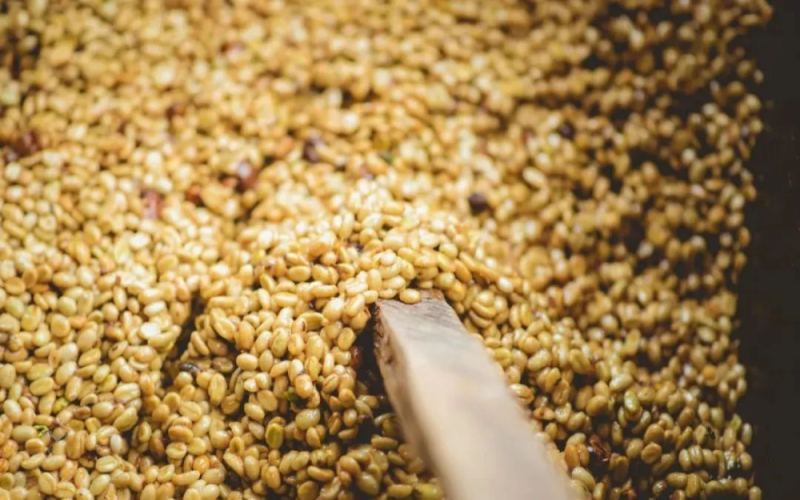
Where Does the Acidity in Colombian Coffee Come From? A Detailed Guide to Regional Terroir, Grading Standards, and Front Street Recommendations
Colombian coffee is often described as smooth in body, bright in acidity, and well balanced in flavor, and these characteristics are inseparable from its unique geographical environment. This article systematically examines the sources of acidity and the quality system of Colombian coffee, from Colombia's growing conditions, the background of the FNC's establishment, and the green bean grading system, to the flavor profiles of specialty regions such as Huila, and on to distinctive beans on Front Street Coffee's menu such as Sidra and Maragogipe, giving you a comprehensive understanding of this coffee nation known as "green gold." [more…]
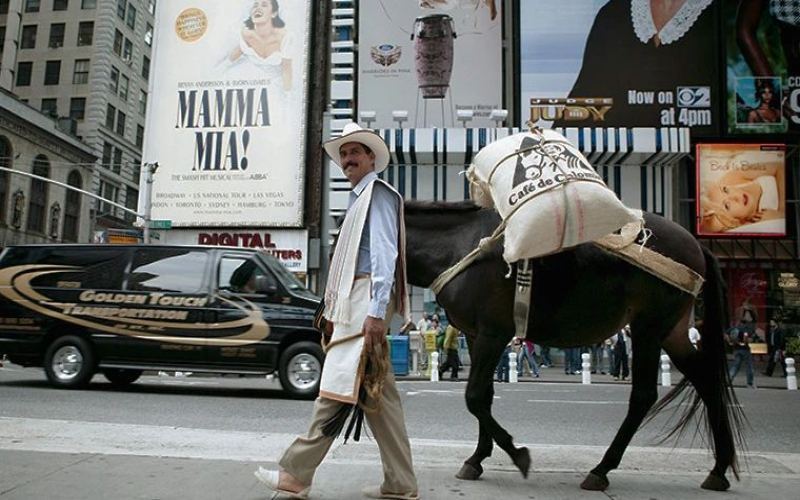
Colombia's specialty coffee origin advantages and grade classification, plus Front Street Huila everyday bean brewing guide
Colombian coffee, with its mild and rich aroma and consistent high quality, has long ranked among the top global coffee exporters, and it is also a frequent presence on Front Street Coffee's bean list for both pour-over and espresso blends. This article starts from the geographical conditions of the Andes Mountains to analyze why Colombian coffee has been able to build such an outstanding reputation, and also sorts out the role of FNC in the industry and the distribution of specialty-producing regions. The article also introduces in detail green bean screen size grading and the Excelso export standard to help readers understand Colombia's coffee grading system. Finally, taking Front Street Coffee's Huila daily drinking beans as an example, it provides a specific brewing recipe for the KONO dripper and its flavor performance, for coffee enthusiasts to reference and practice. [more…]

A Complete Guide to Colombian Coffee Varieties, Grading, and Regions: Flavor Secrets from Caturra to Castillo
Colombia is the world's third-largest coffee producer, and its coffee is renowned for its bright acidity, pronounced sweetness, and rich, layered flavors. From Caturra to Colombia to Castillo, the evolution of varieties reflects the ongoing efforts of the FNC and Cenicafe to combat leaf rust and berry disease. This article will outline the evolution of Colombian coffee varieties, the distribution of major growing regions, and grading standards, and, combined with Front Street Coffee's brewing practices, help you understand why coffee nurtured by this stretch of the Andes can present notes of rose, berry jam, and a chocolate finish. [more…]
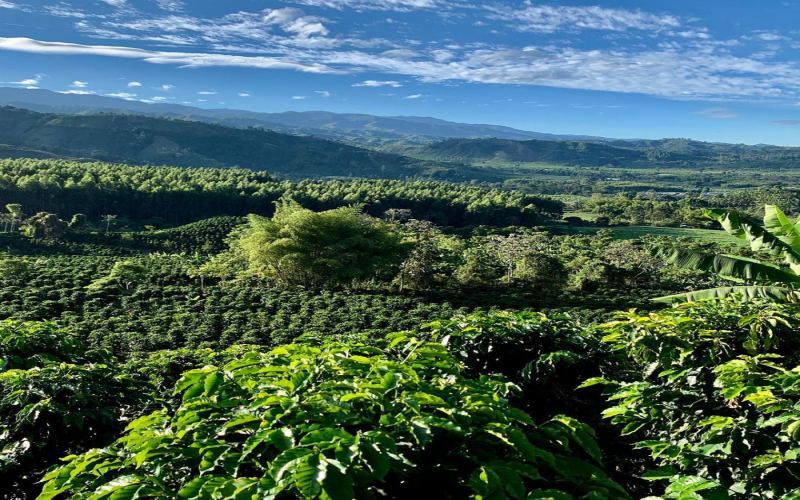
How Are Colombian Green Coffee Beans Graded? Looking at Huila Washed Caturra Through Defect Rate and Screen Size
Colombia's coffee grading system is more complex than that of most Central American producing countries. It is based not only on altitude, but also on a set of export standards built around defect rates and screen size. The Excelso grade adopted by the FNC is the highest export grade for Colombian green coffee. The burlap sacks are marked with "Excelso-Café de Colombia" and accompanied by a quality certificate. This article covers everything from the grading logic, screen size requirements, and defect deduction rules to the three most common export grades, and uses a washed Caturra from the Huila region as an example to explain green coffee traceability and cupping flavor performance, helping coffee enthusiasts understand the meaning behind Colombian green coffee labels. [more…]
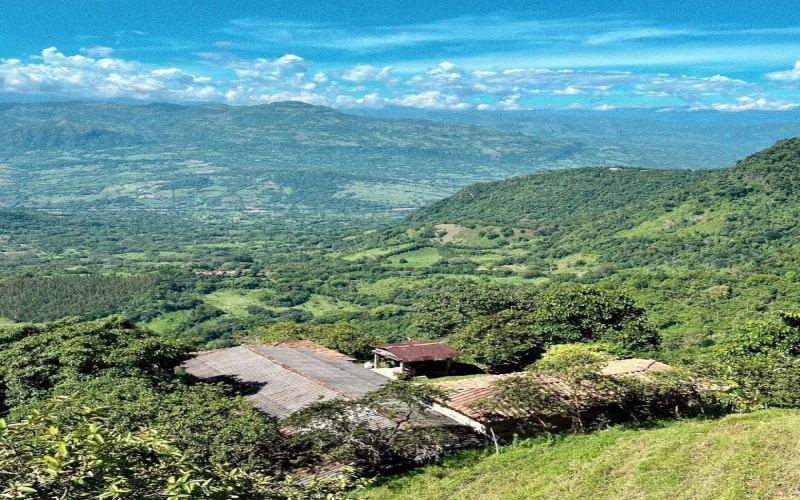
A Full Analysis of the Flavor Characteristics of Colombian Huila Region Coffee Beans and the Functions of the FNC
Colombia, as the world's third-largest coffee exporter, is renowned for producing smooth, balanced Arabica coffee, hailed as "green gold." Its Huila region, with the volcanic soil of the Andes and its high-altitude microclimate, has become a hallmark of specialty coffee. This article systematically introduces the history of Colombian coffee cultivation, variety selection and breeding, washed processing, the characteristics of major producing regions, and the grading system, while also providing an in-depth interpretation of the roles of the Colombian Coffee Growers Federation (FNC) and the National Coffee Research Center (CENICAFE). It also includes Front Street Coffee's roasting recommendations, offering coffee lovers a complete understanding from origin to cup. [more…]
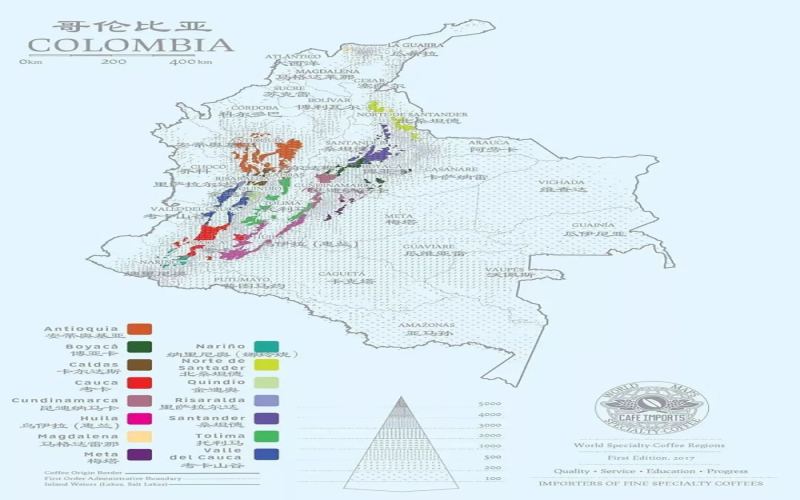
A Full Analysis of Colombian Coffee Origin Characteristics, Green Bean Grading System, and the Brewing Flavor of Huila Washed Beans
Colombia, with the natural terrain of the Andes Mountains and diverse climates, has become an important origin of high-quality Arabica coffee worldwide. From the traditional MAM production areas to the southern specialty region of Huila, which has attracted much attention in recent years, different microclimates and processing methods give coffee a myriad of flavors. This article will systematically review the distribution of coffee-producing areas in Colombia, the growing conditions, the operating model of the FNC coffee growers association, and explain in detail the Excelso green bean grading system based on screen size, while also introducing the main cultivated varieties and the washed processing flow. Finally, Front Street Coffee uses Huila washed beans as an example to share the brewing parameters and flavor performance under medium-dark roasting, bringing you a comprehensive understanding of the classic mellow taste of Colombian coffee. [more…]
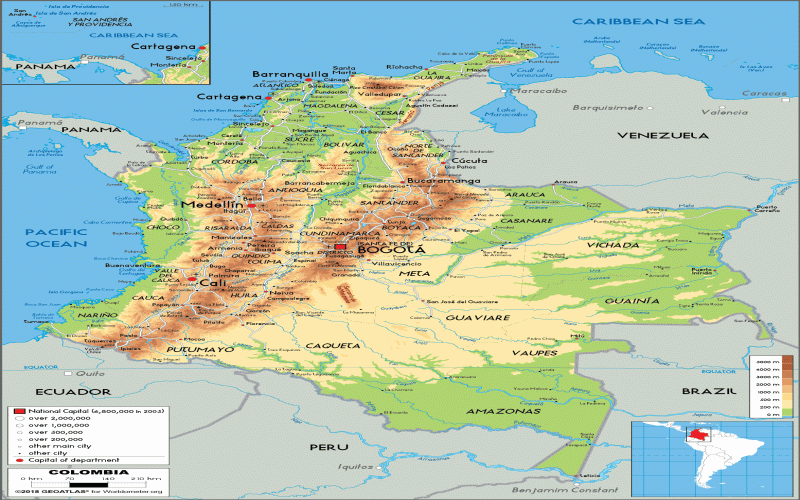
Colombia Huila Coffee Flavor Analysis: A Complete Guide to Acidity, Flavor Layers, and Brewing Parameters
Colombian coffee is often described as having a round mouthfeel, bright fruity acidity, and balanced flavor, which is closely tied to its unique geographical conditions—straddling the equator with the Andes mountain range running through the entire country. This article begins with Colombia's coffee-growing environment, the role of the FNC association, and the green bean grading system, with a focus on the flavor characteristics of the southern Huila producing region. Huila Province has high altitude, abundant water, and fertile volcanic soil; the Arabica coffee it produces carries nutty and chocolate aromas, with prominent caramel sweetness and a clean, smooth entry. Front Street Coffee has included it in its high-value everyday drinking bean series, using washed processing, medium grinding, and medium-temperature brewing to showcase the typical Colombian style. [more…]