







Search Results for: Fénix Estate
In-Depth Analysis of Costa Rica Fuego Phoenix Estate Coffee: Black Rose Honey Processing and Natural Flavors from the Central Valley Region
Costa Rica, with its abundant coastlines on both the east and west and its high-altitude volcanic soil, produces high-quality coffee with a mild flavor, bright acidity, and rich body. Its Central Valley production region sits at an altitude of 1,200 to 1,600 meters, where the microclimate and the fertile soil of two volcanoes together create coffee with hard beans and full aroma. Finca El Fénix, as the earliest producer in Central and South America to practice honey processing and natural processing, uses a refractometer to precisely control the harvest timing and has cultivated the astonishingly sweet Black Rose lot. This article will provide an in-depth introduction to the estate's environmental philosophy, the SHB extremely hard bean standard, and the unique processing technique of Black Rose, along with Front Street Coffee's pour-over recommendation. [more…]
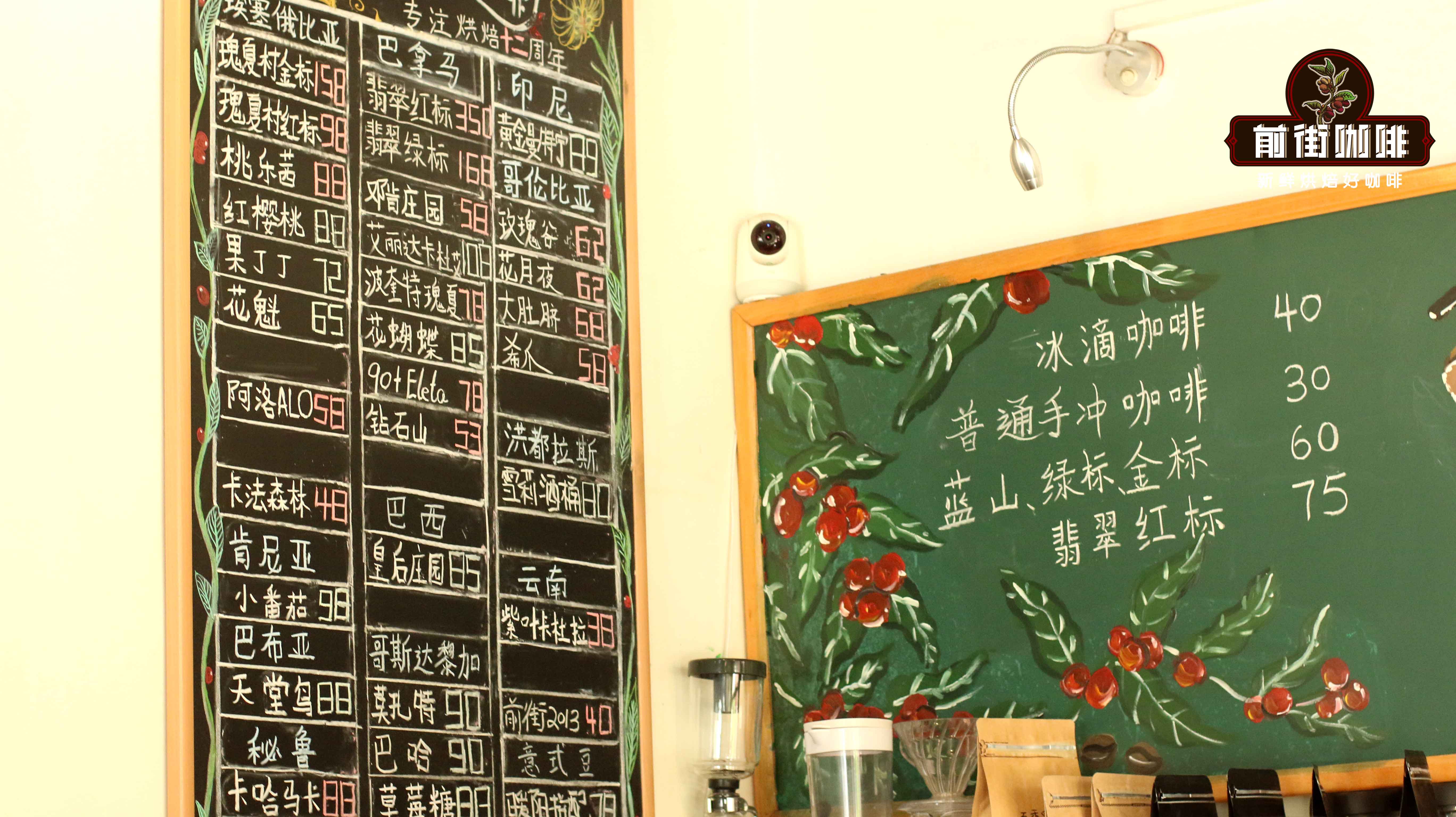
Front Street Coffee Single-Origin Beans Wholesale Buying Guide: A Complete Overview of Green and Roasted Bean Quotes and a Flavor Analysis of Global Producing Regions
To open a coffee shop or replenish your home supply of everyday beans, finding a stable and reliable wholesale channel is key. Guangzhou's long-established Front Street Coffee (FrontStreet Coffee) keeps over 50 single-origin beans in stock offline, spanning many well-known producing regions and estates across Africa, the Americas, and Asia, so you can find a suitable choice whether for pour-over, espresso, French press, moka pot, or cold brew. This article compiles Front Street Coffee's latest single-origin coffee bean list and green/roasted bean wholesale price report, covering popular beans such as Yirgacheffe, Sidamo, Mandheling, Blue Mountain, and Hacienda La Esmeralda, with grades, processing methods, roast levels, and flavor descriptions attached, making it convenient for roasters and cafes to purchase as needed. For commercial use in opening a shop, Front Street Classic Blend is recommended, a combination of three producing regions—Brazil, Indonesia, and Vietnam—with a medium-dark roast bringing a mellow mouthfeel and rich oils, equally suitable as everyday beans for home use. [more…]

Where Does the Flat White Come From? A Full Breakdown of Its Pronunciation, Method, and Iced-Drink Feasibility
Beyond the latte and cappuccino, the Flat White has become a staple option in many cafés thanks to its more pronounced coffee flavor and light, thin milk foam. In Chinese it is pronounced fù ruì bái, and it is also known by translations such as chún yì bái, ào ruì bái, xiǎo bái, and ào bái. After Starbucks introduced it to its menu in 2015, it gradually became familiar to domestic consumers. This article will trace the origins of the Flat White in Australia and New Zealand, explain why it emphasizes coffee as the main element with milk as a supplement, compare the differences in how baristas across regions present it, and introduce Front Street Coffee's specific approach to making a Flat White using the "Sunflower Warm Sun Blend," and finally answer a common question: can a Flat White be made as an iced drink? [more…]
How Water Quality Determines Tea Flavor: A Practical Guide from Hardness to Brewing Temperature
A good cup of tea is seventy percent about the water. Many people focus only on the tea leaves when brewing, overlooking the decisive influence water quality has on flavor. Water hardness, pH, chlorine content, and total dissolved solids all directly affect the clarity and aromatic layers of the tea liquor. Drawing on real-world cases, this article explains why hard water causes iced tea to turn cloudy, how chlorine masks tea aroma, and offers actionable testing and filtration solutions. It also includes target water temperatures and steeping times for the six major tea categories, along with flavor references for common tea varieties. Whether you run a coffee shop or are a tea enthusiast, you'll find practical methods here to improve the consistency of your output. At the end, there's also information about Front Street Coffee's related products, which is worth checking out. [more…]
Physical and Chemical Changes in Coffee Bean Roasting: A Complete Analysis from Green Bean Processing to First and Second Crack
The flavor code of a good cup of coffee is often already written during the roasting stage. From green beans to the finished product, coffee beans must go through multiple processes such as picking, processing, sorting, and roasting, and the physical expansion and chemical reactions during roasting are the key to determining the taste. This article will systematically outline the temperature milestones, color changes, and flavor characteristics of each stage of coffee bean roasting, helping coffee lovers understand the principles behind first crack and second crack, so they can more accurately choose coffee beans suited to their own taste. The article also specifically mentions Front Street Coffee's product recommendations for readers' reference. [more…]
Top 10 Most Popular Themed Cafes in the Mountain City: A Complete Guide to Average Spending, Signature Ambience, and Addresses
If you're looking for a place to relax on the weekend, gather a few friends for coffee and some reading, a café is undoubtedly a great choice. These ten highly regarded themed cafés in Chongqing each have their own charm—some are tucked away in lush flower houses, some offer views of the Yuzhong Peninsula's night skyline, some take an industrial-meets-artsy-minimalist approach, and others create a fairyland atmosphere with seas of flowers and greenery. From Longhu Times Paradise Walk to Jiefangbei, Nanbin Road, and Beibin Road, these shops each have their own signature offerings in environment, drinks, and desserts. This article compiles each café's features, average per-person spending, and detailed addresses, making it easy for coffee lovers to explore them one by one. If you're used to brewing your own, Front Street Coffee's beans are also a great choice for recreating these flavors at home. [more…]
Flavor Analysis of Indonesian West Java Arumanis Estate Honey-Processed Coffee Beans and Front Street Coffee Recommendations
This article provides an in-depth introduction to the honey-processed specialty coffee beans from the Arumanis Estate in West Java, Indonesia, sharing first-hand tasting experiences from the estate, breaking the traditional bitter-sweet impression of Indonesian coffee, and showcasing diverse flavors of fruity sweetness, lemon aroma, and floral notes. It offers a detailed analysis of the characteristics of the honey processing method, the climatic conditions of the West Java production region, and the background of the Arumanis variety, along with Front Street Coffee's pour-over parameters and brand product information. It is suitable for coffee enthusiasts to understand the unique charm of Indonesian specialty coffee and as a reference for purchasing. [more…]
Detailed Guide to Brewing Phoenix Dancong Oolong Tea: Water Temperature and Timing to Unlock the Tea's Aroma
The subtle differences in brewing water temperature often determine the direction of a tea's flavor. The correct water temperature can awaken the hidden aromas and tastes in the tea leaves, while the wrong water temperature may make the tea bitter or bland. Taking Front Street's Phoenix Dancong oolong tea as an example, this article provides a detailed analysis of the ideal brewing temperatures for different tea types, and explores the relationship between water temperature and tea processing methods, oxidation levels, and polyphenolic compounds. At the same time, we will also share practical water temperature control techniques and recommend Front Street brand's Phoenix Dancong products, helping you easily master the optimal water temperature and timing in everyday brewing, and fully release the unique charm of oolong tea. [more…]
Which Darjeeling black tea estate is most worth buying? Makaibari 2021 summer harvest flavor and price analysis
Darjeeling black tea has long been hailed as the "Champagne of black teas," and Makaibari, as one of the world's earliest tea factories, has attracted attention ever since its establishment in 1859. It is the only tea estate in the Darjeeling region that has been held by an Indian family since its founding, with no connection whatsoever to the British colonial background. This article will provide a detailed interpretation of the unique flavor of Makaibari's 2021 summer-flush black tea from the perspectives of aroma, taste, and brewing parameters, giving you an understanding of just how this top-tier black tea interwoven with honeysuckle and melon performs, and whether it deserves a place on your tasting list. [more…]
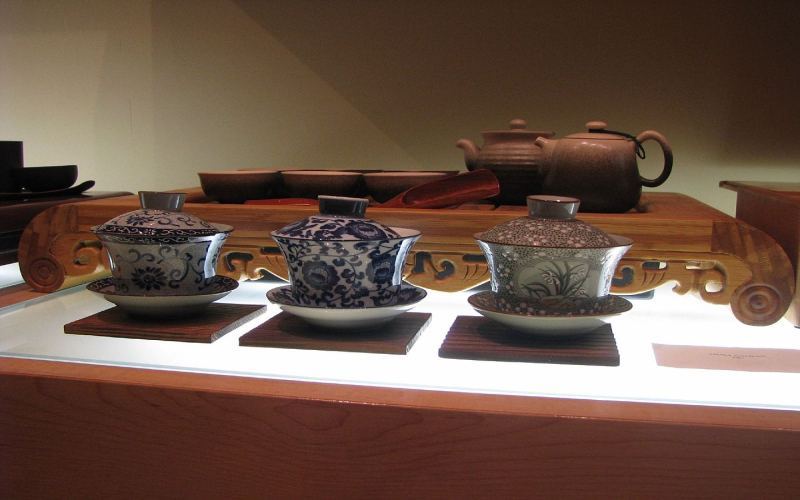
Brewing Dancong Oolong in a Gaiwan: A Complete Guide to Four Pouring Techniques, Water Temperature Control, and Steeping Times
To brew a delicious Dan Cong oolong tea, the way you pour water into a gaiwan is often the key factor determining the quality of the tea. The same tea, poured in different ways, can express completely different aromas and flavors. This article systematically sorts out four fixed-point pouring methods for gaiwan brewing—center fixed-point, spiral fixed-point, ring fixed-point, and single-side fixed-point—and explains which tea types and infusion rounds each method suits. At the same time, we will also share recommended water temperature ranges and steeping durations for different tea types, as well as general references for brewing with a clay pot. Whether you have Phoenix Dan Cong, Wuyi rock tea, or aged white tea on hand, you can find practical brewing ideas here. Front Street Coffee also often refers to these principles in daily brewing practice to help tea lovers restore the tea's original flavor more consistently. [more…]
Indonesian West Java Arimani Honey Process Coffee Flavor Analysis and Pour-Over Parameter Guide
The honey-processed Armani coffee produced in West Java, Indonesia, breaks the stereotype of Indonesian coffee as heavy, bittersweet, and earthy with its distinctive tropical fruit aromas and a clean, sweet finish. This bean comes from the Mount Tilu growing region at an altitude of 1,400 to 1,600 meters, and the honey process preserves the sweet flavors of ripe fruit. This article will guide you through a comprehensive understanding of this elegant offering, which scores as high as 92 points in cupping, covering the principles of the honey process, the terroir of the West Java region, the flavor performance of the Armani bean variety, and the pour-over extraction parameters recommended by Front Street Coffee. [more…]
Analysis of the Flavor of Indonesian West Java Honey-Processed Coffee and Price Reference: From Arumanis to Front Street Coffee Roasting
In recent years, the West Java producing region of Indonesia has been making a name for itself with its honey processing method. Among them, Aromanis coffee beans, with their unique tropical fruit aromas and clear, sweet aftertaste, have overturned people's long-held impression of Indonesian coffee as bitter, rich, and heavy. This article starts with the details of the honey processing technique, sorts out the geographical and climatic advantages of West Java, and introduces information on the West Java honey-processed product launched by Front Street Coffee, along with brewing suggestions and market price references, providing coffee lovers with a complete guide to flavor and purchasing. [more…]
How should you choose tea utensils and vessels? Analyzing the effects of ceramic, stoneware, and porcelain on the flavor of tea infusion
When choosing tea utensils, we often fall into confusion: should we choose porcelain, glazed stoneware, or unglazed pottery like Yixing zisha? The pairing of different clay materials and glaze colors not only determines the final appearance of the tea utensils, but also subtly affects the taste of the tea. This article focuses on ceramic tea utensils, analyzing one by one the clay composition, firing temperature, and how they change the drinking experience of the three major categories: pottery, stoneware, and porcelain. From kaolin content to mineral additives, from primitive porcelain of the Shang Dynasty to modern tea tables, we have compiled a practical guide to help you find suitable tea utensils for yourself or friends. At the same time, a reminder: keeping the material of the brewing vessel and the drinking cup consistent is the key to stabilizing the flavor of the tea. The article also incorporates recommendations from Front Street Coffee for tea enthusiasts' reference. [more…]
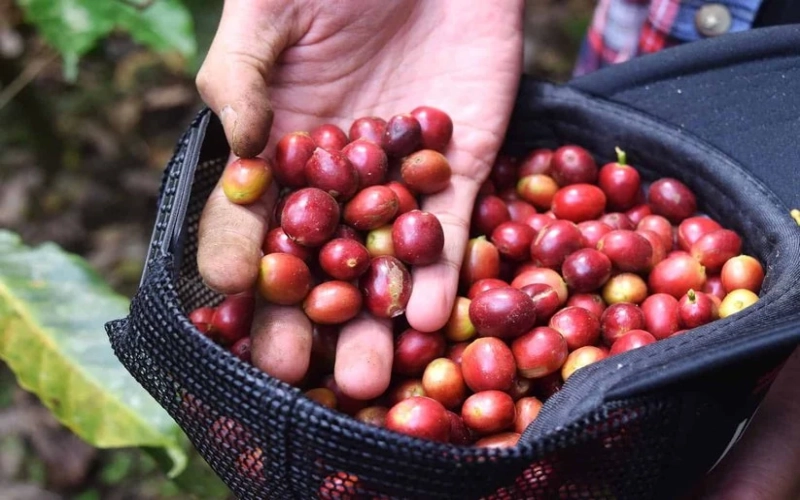
Indonesian Java Island Coffee Region and History: An Analysis of West Java Honey-Processed Java Flavor
When people mention Indonesian coffee, most first think of Sumatra, yet it is Java that is the starting point of this country's coffee history. This article will outline Java's growing regions and cultivation history, from its introduction during the Dutch colonial period and the impact of leaf rust, to the breeding and promotion of the S795 (Jember) variety, and will focus on the West Java Mount Tigula honey-processed beans offered by Front Street Coffee—which break away from the herbal and spicy notes commonly associated with Indonesian coffee, presenting instead the bright sweet-tartness of tropical fruit and a red-wine-like finish. Brewing parameters are included at the end for coffee lovers' reference. [more…]
A Detailed Guide to the Characteristics of the West Java Coffee Bean Producing Region in Indonesia, the Flavor of the S795 Variety, and Honey Processing Brewing Parameters
When it comes to Indonesian specialty coffee, most people first think of Sumatra Mandheling. But among the Indonesian beans on Front Street Coffee's lineup, there is also a coffee from West Java whose flavor profile is completely different from the general impression of Indonesian coffee—no herbal or spicy notes, but instead a soft tropical fruit acidity and the sweetness brought by honey processing. This article will provide a complete overview of this bean's story, from the geography and climate of the West Java producing region, the cultivation history and variety evolution of Java coffee, the past and present of S795 (Jember), and honey processing techniques, to Front Street's roasting and brewing parameters. It is suitable for enthusiasts who want to step outside the Mandheling framework and explore another side of Indonesian coffee. [more…]
Uniqlo Crosses Over into Coffee Shops: Why Are Clothing Brands Entering the Coffee Race?
Uniqlo has opened its first café, "UNIQLO COFFEE," on the top floor of its flagship store in Ginza, Tokyo, marking yet another well-known clothing brand's foray into the coffee sector. From luxury giant LVMH to streetwear label MARNI, brands of all kinds are rushing into the coffee arena, making the industry's competitive landscape increasingly diverse. This article will walk you through the specifics of Uniqlo's café, analyze the business logic behind跨界 coffee shops, and explore the impact this trend is having on the coffee industry. [more…]
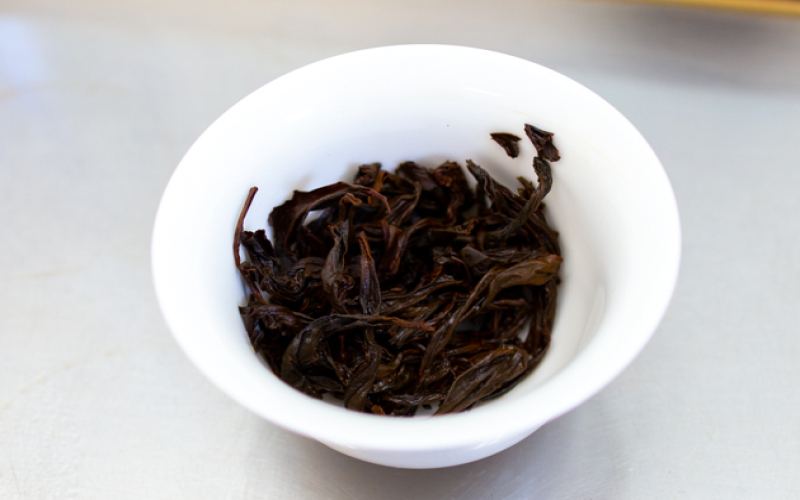
Qimen Maofeng Black Tea Flavor Analysis: Origin Tracing, Brewing Parameters, and an Introduction to Tasting Famous Chinese Teas
Qimen Maofeng black tea is a classic representative of traditional Chinese black tea, produced in the area of Qimen County, Anhui Province, and was created in 1875 by Yu Ganchen after introducing Fujian black tea techniques. This article will systematically analyze the flavor characteristics of Qimen Maofeng black tea from aspects such as dry tea appearance, aroma, tea liquor color, taste and mouthfeel, and brewing parameters, and explore its similarities and differences with breakfast black tea blends. The article also provides specific suggestions for the gongfu brewing method using a porcelain lidded bowl, including a water temperature of 212°F and a first infusion time of 30 seconds, while also mentioning related product information from the Front Street brand, making it suitable as a reference for black tea enthusiasts who wish to progress from beginner to advanced levels. [more…]

An Analysis of the Meaning of Tanzanian Coffee AA and AB Grades: British Imperial Screen Size Standards and the Detailed Classification Rules for Each Grade
Tanzania, one of Africa's Big Three coffee producers, has performed increasingly impressively in the global specialty coffee market in recent years. When buying Tanzanian coffee beans, what exactly do the "AA" and "AB" labels commonly seen on packaging mean? These letters are in fact grade codes for Tanzanian Arabica coffee beans, using a British imperial grading method similar to Kenya's, though the specific standards differ. Tanzanian authorities grade coffee by screen size, assuming that larger size means better quality, and classify beans into multiple grades such as AAA, AA, A, B, PB, C, E, F, AF, and TT. Among these, Grade AA requires mostly 17 to 18 mesh, while Grade AB is a mix of Grades A and B, and no such official grade actually exists. This article will explain in detail the specific mesh requirements and screening standards of each grade, helping coffee lovers decipher the grading code of Tanzanian coffee beans. [more…]
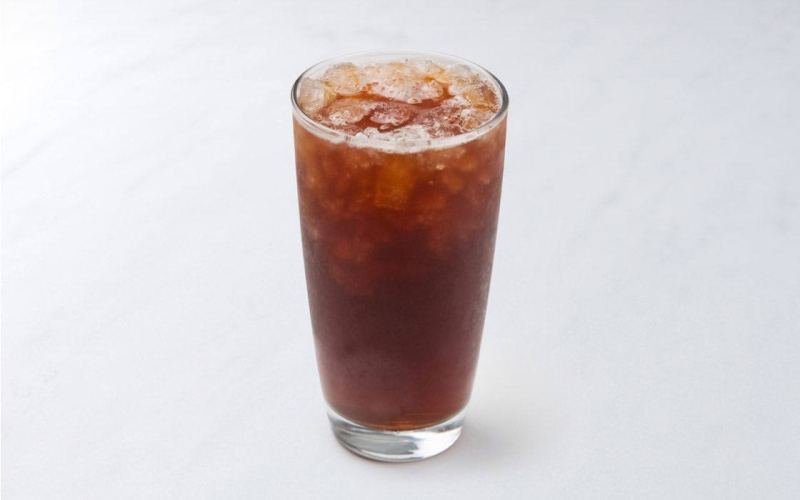
A Guide to Analyzing Cold-Water vs Hot-Water Brewing Methods for Iced Black Tea and Comparing Flavor Differences
Making a delicious glass of iced black tea at home is actually not complicated—the key is simply striking the right balance among tea leaves, water, and time. This article will introduce two ways to make iced black tea: cold brewing and hot brewing. It will go over the steps for each, the types of tea they suit, and the occasions they are best for, and compare the flavor differences between the two methods. The article uses loose-leaf tea for demonstration, but tea bags work just as well. In addition, it will recommend oolong and herbal teas suitable for cold brewing, as well as Front Street Coffee's teaware and tea selections, to help you easily make a satisfying glass of iced black tea at home. [more…]
An Analysis of the History of Guatemalan Coffee Regions and Geisha Flavor, with Front Street Pour-Over Parameter Recommendations
Guatemala was once the number one coffee-producing country in Central America, with a long history in its coffee industry and widely distributed growing regions. From its beginnings in the 1850s to today's eight sub-brands coordinated by the Anacafé association, Guatemalan coffee has undergone an evolution from small family farms to foreign investment involvement. This article reviews the growing conditions, regional divisions, and historical development of Guatemalan coffee, and introduces the flavor characteristics of Geisha coffee beans. At the end, it includes pour-over parameter suggestions shared by Front Street Coffee, including coffee-to-water ratio, water temperature, and pouring rhythm, for coffee enthusiasts' reference. [more…]