







Search Results for: Ethiopia ECX
Ethiopia's Three Major Coffee Export Systems and the ECX Trading Mechanism: How Single-Farm Beans Like Hambela Hualukui Reach Overseas Markets
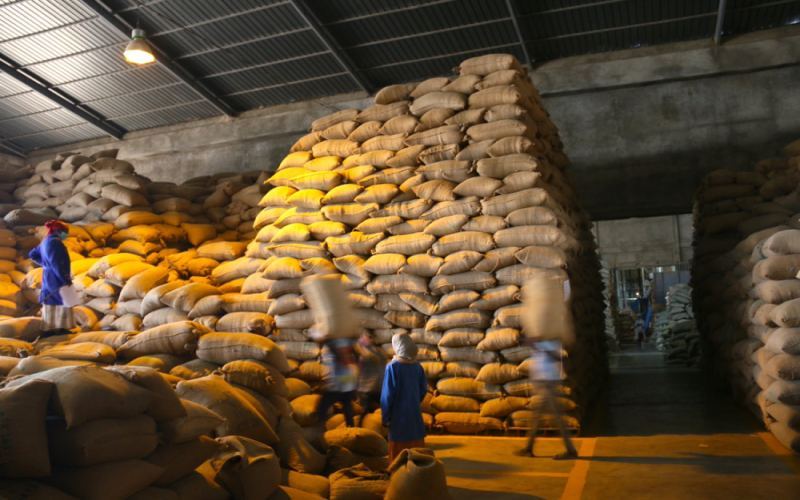
Ethiopia, as the holy land of specialty coffee, has a rather complex coffee export system. According to local regulations, coffee exports are divided into three major systems: ECX bidding, cooperatives, and single farms. Among these, cooperatives and single estates can bypass the ECX and export directly, offering relatively complete traceability. The ECX was founded by Eleni Gabre-Madhin in 2008, and through grading, warehousing, and real-time information, it transformed the trading circumstances of coffee farmers. However, what truly achieves 100% traceability is the single farm system that has risen in recent years. The Sidamo sun-dried Huakui is a representative work from the Hambela farm. This article will sort out the operational differences among the three systems, the trading logic of the ECX, the structure of the six major cooperative unions, and the significance of single farms to specialty coffee. Front Street will also continue to follow these origin developments, bringing coffee enthusiasts clearer origin knowledge. [more…]

Focus on Ethiopia Yirgacheffe: Analysis of the ECX Grading System and Discussion of Its Suitability for Cold Brew Iced Coffee
Yirgacheffe, as Ethiopia's most representative specialty coffee region, is deeply loved by coffee enthusiasts for its unique floral and citrus notes. But do you understand how the Ethiopian Commodity Exchange (ECX) grading system operates? What scoring standards do washed and natural processing each follow? And what are the differences between the three major categories: Specialty, Commercial, and Local? This article will start with the ECX rating mechanism, break down in detail the evaluation logic from G1 to G9, and explore whether Front Street Coffee's Yirgacheffe series coffee beans are suitable for making cold brew or iced coffee, providing a reference for your brewing choices. [more…]
Ethiopian Coffee Export System and ECX Grading Mechanism: A Special Analysis of the Yirgacheffe Region
Ethiopia, as the birthplace of coffee, has an export system and grading structure that directly shape the flavor in the cups of coffee lovers worldwide. This article takes an in-depth look at the country's three major coffee export systems—ECX bidding, cooperatives, and single estates—revealing how ECX reshapes coffee trading through its pricing mechanisms, warehousing and logistics, and real-time information, while focusing on the ECX specialty grading standards of the Yirgacheffe region. It also introduces the operating models of the six major cooperative unions, and how well-known cooperatives such as Front Street Gediding and Front Street Woka stand out through their exquisite processing techniques. Whether you are a coffee professional or an enthusiast, you can understand from this the quality logic of Ethiopian coffee from origin to cup. [more…]
Yirgacheffe Coffee Bean Grading Criteria and Analysis of Arabica Price Levels
How exactly are the grades of Ethiopian Yirgacheffe classified? Are Arabica coffee beans necessarily expensive? This article starts with the operating mechanism of the Ethiopia Commodity Exchange (ECX) and traces the evolution from the old version of grading by the number of defective beans to the current scoring system that combines physical characteristics with cup-testing flavor. It lists in detail the specific scoring proportions for washed and natural processing, and explains the evaluation standards for the three major categories—Specialty, Commercial, and Local—as well as the Q1 and Q2 grades. At the same time, it answers the reasons for the price differences among Arabica coffee beans, and introduces the flavor characteristics and suitable brewing methods of two G1 Yirgacheffe coffees: Front Street Coffee Gudingding and Front Street Coffee Red Cherry. [more…]
Ethiopian Yirgacheffe Coffee Flavor Analysis and Quality Evolution Under ECX System Reform
Ethiopia, as the birthplace of coffee, has its Yirgacheffe region's natural-process coffees consistently capturing the attention of the specialty coffee world. This article takes the natural-process beans of Bedhatu Jibicho, an octogenarian coffee farmer, as a thread to deeply explore how the transformation of Ethiopia's ECX trading system has allowed individual farmers to bypass cooperatives and export directly, while also analyzing the geographical and ethnic background of Banko Gotiti in the Gedeo region. For coffee lovers, Front Street Coffee recommends paying attention to the flavor layers of this producing region—the captivating expression interwoven with floral notes and strawberry, raspberry, and peach. The article also touches on the impact of conflicts between the Oromo and Gedeo ethnic groups in the border areas on coffee production, revealing the complex and authentic story of terroir behind a cup of coffee. [more…]
Ethiopia Yirgacheffe Michelle Cooperative: A Complete Analysis of Fair Trade, Washed and Natural Processing, and Flavor
Ethiopia, as the birthplace of coffee, still has wild coffee trees harvested by farmers today. Despite long-term challenges such as poverty and drought, it remains one of the most important specialty coffee-producing countries in the world. This article focuses on the Michelle Coffee Cooperative in the Yirgacheffe region, outlining its origin background, membership scale, altitude conditions, and Fair Trade certification, while also analyzing the differences in aroma and flavor between Ethiopia's two major processing methods—washed and natural. The article also introduces the impact of the ECX trading system and the DST specialty trading mechanism on coffee farmers and buyers, and presents the specific flavor characteristics of the Michelle Cooperative's washed beans, including delicate layers of jasmine, bergamot, citrus, and berries, making it suitable for coffee enthusiasts to gain an in-depth understanding of Yirgacheffe's origin context and the terroir in the cup. [more…]

Ethiopia's Coffee Export Pricing Shifts to a Floating Mechanism, Green Bean Prices May Rise
The Ethiopia Commodity Exchange is implementing a brand-new pricing method for green coffee exports. From now on, green coffee prices will be calculated weekly by referencing Arabica futures on the New York ICE Intercontinental Exchange and the real-time exchange rate of the Commercial Bank of Ethiopia. This change is expected to allow local coffee farmers to share in more of the benefits, but it also faces a dual test from international futures volatility and the EU's EUDR regulations. The new mechanism applies only to commercial coffee beans, while specialty coffee is not included for the time being. Front Street Coffee will continue to follow developments in producing regions and bring first-hand information to enthusiasts. [more…]
A Complete Guide to Ethiopian Coffee Varieties and Grading: Yirgacheffe Flavors and Front Street Coffee Pour-Over Parameters
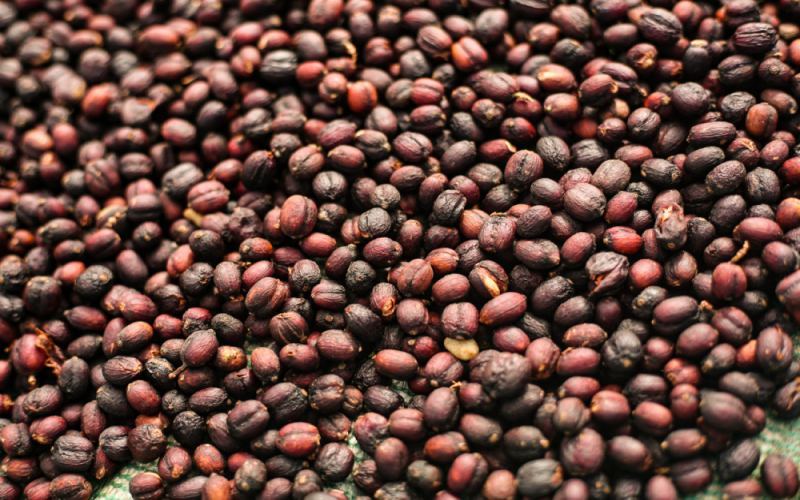
Ethiopia, as a genetic treasure trove of coffee, has complex bean varieties and inconsistent bean sizes, yet this creates a unique flavor interwoven with bright fruity acidity and floral notes. From the perspective of Front Street Coffee, this article systematically reviews Ethiopian coffee cultivation and harvesting methods, the origins of Heirloom native varieties, the terroir characteristics of nine major specialty production regions, as well as the ECX trading system and the G1-G5 grading standards. It also explains in detail the flavor performance of representative beans such as Yirgacheffe, Sidamo, and Huakui, and includes Front Street Coffee's V60 pour-over parameters, helping enthusiasts fully understand the diverse charm of Ethiopian beans. [more…]
Explaining the Grading Differences Between Yirgacheffe G1 and G2: From Ethiopia's Defect Rate Standards to the New Cup Testing System
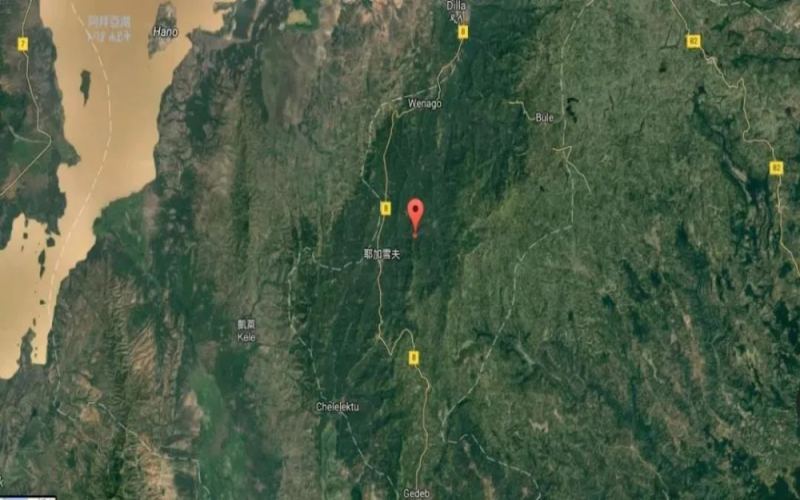
Yirgacheffe, as a representative coffee-producing region in Ethiopia, frequently has its G1 and G2 grades mentioned, but what exactly is the difference between the two? This article begins with the evolution of Ethiopia's coffee grading system, first introducing the old system based on defect rates, then explaining the new regulations after the ECX introduced cupping scores in 2009, and explaining why naturally processed beans can also obtain G1 and G2 grades. Subsequently, using washed Yirgacheffe as an example, it compares the actual differences between Front Street Coffee's Gutingding (G1) and Front Street Coffee's washed Yirgacheffe everyday beans (G2) in terms of green bean appearance, defect proportion, and brewed flavor, helping readers understand the quality implications behind the grades. [more…]

Ethiopian Yirgacheffe G1 vs G2 Grading Differences: A Full Analysis of Washed and Natural Processing, Regions, and Estates
Yirgacheffe, as Ethiopia's most representative coffee region, has long been favored by coffee enthusiasts for the floral and fruity flavors produced by its washed and natural processing methods. But do you know how the G1 and G2 grades are actually divided? And what substantial differences exist between them? This article will systematically sort out Ethiopia's coffee bean grading system, tracing the evolution from CLU to ECX, explaining in detail the scoring standards for washed and natural processing methods in terms of physical characteristics and cup quality, and through an actual cupping comparison of Front Street Coffee's Yirgacheffe G1 and G2, reveal the specific differences between the two in terms of cleanliness, aroma complexity, and defect rate, helping you make a clearer judgment when purchasing. [more…]
A Detailed Explanation of the Ethiopian Coffee Bean Grading System: Standard Differences and Flavor Comparison Between Yirgacheffe G1 and G2
As the birthplace of coffee, Ethiopia's grading system directly affects the quality and flavor expression of coffee beans. The Yirgacheffe region is world-renowned, but what exactly is the difference between the commonly seen Front Street Yirgacheffe G1 and G2 coffee beans on the market? Behind this lies the evolution of Ethiopia's coffee grading system. From CLU to ECX, from simple defect counting to a comprehensive score combining physical characteristics and cupping flavor, the grading standards have undergone major changes. This article will systematically review the historical development and specific standards of Ethiopian coffee grading, compare the grading differences between washed and natural processing, and through three dimensions—green bean appearance, roasted bean appearance, and cupping flavor—deeply analyze the actual differences between Front Street Yirgacheffe G1 and G2, helping coffee enthusiasts understand the quality implications behind the grade numbers. [more…]
Ethiopia Guji Region Specialty Coffee Beans: Variety Characteristics, Flavor Profile, and Pour-Over Recommendations
Guji has been a产区 in Ethiopia that has attracted much attention in the specialty coffee circle in recent years, and its Shakiso micro-region is especially known for producing high-quality coffee beans thanks to its superior terroir conditions. Starting from the reform of the ECX trading system, this article sorts out the administrative division and naming logic of Ethiopia's coffee-producing regions, focusing on the origin environment, processing methods, and flavor characteristics of Guji-Shakiso, and comparing the market changes of neighboring regions such as Yirgacheffe. The article also recommends the Guji-Hambela Huakui 2.0 coffee beans roasted by Front Street Coffee, balancing quality and value for money, suitable for pour-over enthusiasts to refer to when purchasing. [more…]
Ethiopian Coffee Beans | How Many Coffee Regions Are There in Ethiopia? Which Washing Stations and Cooperatives Produce Ethiopian Specialty Coffee?
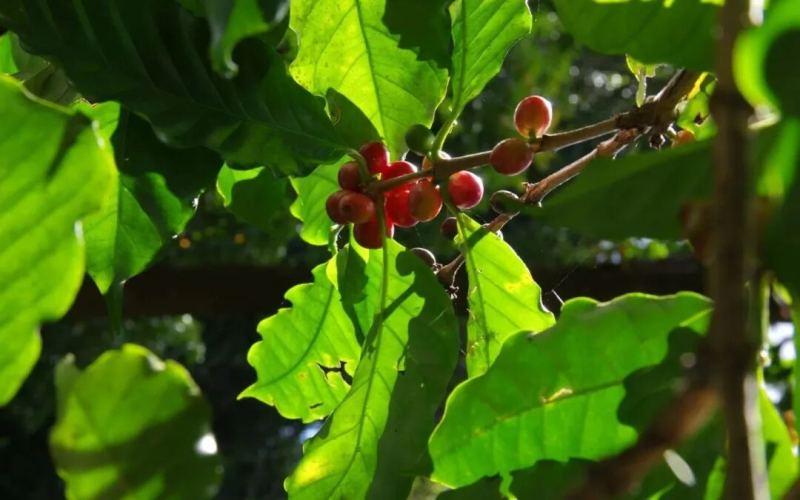
As the birthplace of coffee, Ethiopia has always been a pilgrimage site for many coffee professionals. Many friends who come to Front Street Coffee ask as soon as they walk in whether we have Ethiopian beans, whether we have Yirgacheffe beans. Yes, whether for coffee beginners or coffee connoisseurs, Ethiopian coffee beans have that bright [more…]
A Complete Analysis of Yirgacheffe Pour-Over Brewing Methods and Flavors: Washed vs. Natural Differences, the ECX Grading System, and Regional Characteristics
Yirgacheffe is synonymous with specialty coffee in Ethiopia, renowned worldwide for its citrus florals and bright acidity. This article begins with the flavor differences between washed and natural processing methods, provides a detailed interpretation of the ECX specialty coffee grading system, traces the historical path of Yirgacheffe's rise to fame as it broke away from the Sidamo sub-region, and offers an in-depth analysis of the causes behind its unique terroir-driven flavor. Whether you are a beginner just getting into single-origin coffee or an enthusiast looking to refine your pour-over technique, you will find practical references here. The article concludes with Front Street Coffee's Yirgacheffe pour-over recommendations to help you better appreciate the true charm of this bean. [more…]

Ethiopia Kochere Chelbesa Washed Yirgacheffe G1: A Full Analysis of Flavor Characteristics and Regional Background
Yirgacheffe is a representative producing region for Ethiopian specialty coffee, and Kochere is one of its sub-regions known for its expertise in washed processing. This article focuses on Front Street Coffee's Natural Yirgacheffe G1 Red Cherry beans, outlining their origin information, variety composition, processing method, and grading system, and describing their flavor profile interweaving raisins, dark berries, tropical fruits, and caramel. Thanks to advanced washing equipment and a strict grading system, the Kochere area produces coffee known for its clean, sweet, and citrusy character. The article also introduces the Chelchele processing site, the ECX trading system, and the historical evolution of the Yirgacheffe region's divisions, helping readers understand the uniqueness of this coffee from a complete perspective spanning from origin to cup. [more…]
Analyzing the Grade Difference Between Ethiopian Coffee Beans G1 and G2: A Case Study of Washed Yirgacheffe Beans
Ethiopia, as the genetic repository of Arabica, has a truly unique coffee bean grading system. Because there are so many varieties, most growing wild or semi-wild, coffee farmers often process them in mixed batches at harvest, making it difficult to grade by size. As a result, the Ethiopian government chose to use defect rate as the primary criterion. After the new ECX system was implemented in 2009, cupping scores were also incorporated into the rating system, finally giving natural-process beans a chance to rank among G1 and G2. So, for washed Yirgacheffe of the same origin, just how big is the difference between G1 and G2? Front Street Coffee takes Kochere G1 and a washed Yirgacheffe everyday drinking bean G2 as examples, comparing green bean appearance, defect rate, and cupping flavor to give you a closer look. [more…]
Ethiopian Yirgacheffe Coffee Beans: G1 vs G2 Grade Differences and Flavor Comparison Analysis
Yirgacheffe is a highly representative coffee-producing region in Ethiopia, and its G1 and G2 grades often confuse enthusiasts. Starting with Ethiopia's coffee grading system, this article sorts out the rating evolution of CLU and ECX, explains in detail the scoring standards of washed and natural processing in terms of physical characteristics and cupping quality, and compares the actual differences between Front Street Coffee Yirgacheffe G1 and G2 in green bean appearance, roasted bean appearance, and flavor. Through cupping, it was found that although the two share citrus, fruit tea, honey, and berry tones, G1 is superior in cleanliness and aroma refinement, while G2 is slightly thinner. It is suitable for coffee enthusiasts who want to gain an in-depth understanding of Yirgacheffe grades and purchasing. [more…]

Ethiopian Yirgacheffe Worka Washed Heirloom: A Full Analysis of Grading Standards, Market Prices, Green Bean Characteristics, and Roast Levels
Yirgacheffe, as Ethiopia's most iconic specialty coffee region, has long held the position of the top entry-level choice for coffee enthusiasts, thanks to its signature floral and citrus notes. This article takes Front Street Coffee's Worka washed Yirgacheffe as an example to systematically review the terroir conditions of this region, background information on the Worka cooperative, the washed processing flow, and the definition and distribution characteristics of heirloom varieties. It also provides a detailed interpretation of the Ethiopian Commodity Exchange (ECX) coffee grading system, covering the scoring weights for physical characteristics and cup profile flavors, the logic behind the Q1 and Q2 grade classifications, and includes Front Street roaster's medium-light roast recommendations tailored to Yirgacheffe's acidity, offering a reference for purchasing and brewing. [more…]
A Detailed Explanation of Ethiopia's Coffee Grading System: Grade Differences and Flavor Comparison Between Yirgacheffe G1 and G2
Yirgacheffe is one of Ethiopia's most representative specialty coffee regions, but what exactly is the difference between the commonly found Front Street Yirgacheffe G1 and G2 coffee beans? Which grade is higher? Behind this lies Ethiopia's complex coffee grading system. Starting from CoffeeHunters' review, this article systematically sorts out Ethiopia's coffee grading standards, compares the differences between G1 and G2 in defect rate, cupping score, and flavor performance, and helps coffee lovers gain a deeper understanding of the secrets of Yirgacheffe's grades. [more…]

A Complete Guide to Ethiopia's Green Coffee Grading System: Yirgacheffe G1 vs. G2 Differences and Buying Guide
Ethiopia, as the genetic treasure trove of Arabica coffee, has a unique green bean grading system. Unlike Kenya, which grades by bean size, or Blue Mountain, which grades by altitude, Ethiopia primarily classifies grades based on defect rates and cupping scores. This article will systematically sort out the evolution of Ethiopia's old and new grading systems, provide an in-depth analysis of the specific standards for grades G1 through G9, and, using Yirgacheffe as an example, compare the actual differences between washed G1 and G2 in green bean appearance and flavor performance. It will also share Front Street Coffee's brewing parameters and tasting experience to help coffee enthusiasts fully understand the logic of Ethiopian coffee quality grading. [more…]