







Search Results for: Espresso Machine
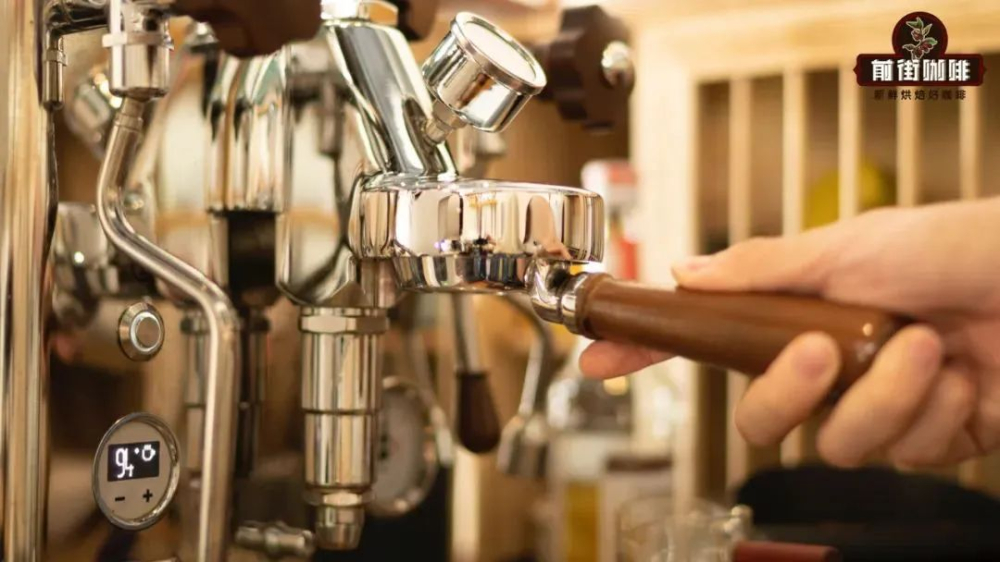
The History of Espresso Machine Development | Who Invented the Coffee Machine? What Is the Working Principle of an Espresso Machine? What Are the World's Famous Semi-Automatic Espresso Machine Brands?
I believe that what catches your eye in every coffee shop, besides the unique decor, is also the wide variety of espresso machines, which showcase each coffee shop's distinctive character! Although the machines come in all shapes and sizes, their operation is very consistent—just a few simple steps are enough to bring us a cup rich in crema. [more…]
How to Use a Semi-Automatic Espresso Machine? Illustrated Operation Steps, Differences from Fully Automatic, and Key Buying Points Explained
After getting into the habit of drinking coffee every day, many people start to consider getting a home espresso machine—it saves money, lets you enjoy freshly ground coffee at any time, and allows you to practice making common drinks at home such as Americano, latte, cappuccino, and flat white. But when it comes time to actually choose one, many people get stuck on one question: should I buy a fully automatic or a semi-automatic machine? From the perspective of Front Street, this article first explains the basic definition and operating process of a semi-automatic espresso machine, then compares the convenience and limitations of fully automatic models, and finally offers purchasing advice. The article also draws on extraction principles to explain why semi-automatic espresso machines are better suited to pairing with medium-dark roasted Front Street specialty blend coffee or Front Street Strawberry Candy espresso coffee, helping you choose equipment that fits your needs. [more…]
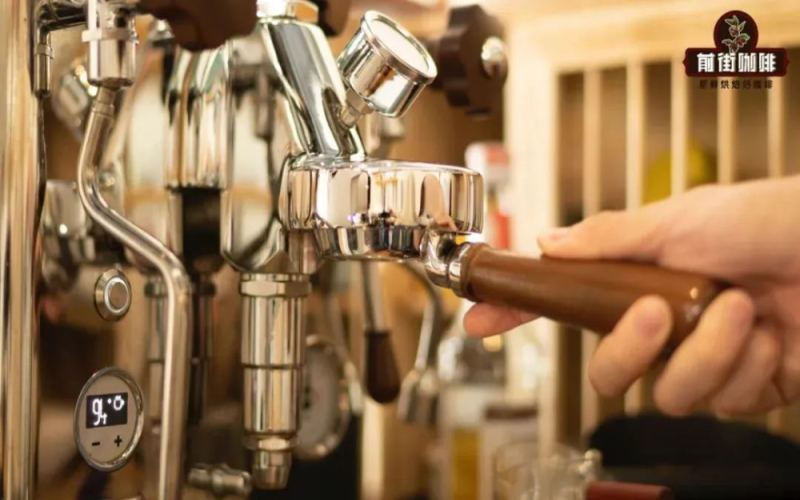
The Invention Journey of the Espresso Machine and a Home Brewing Guide: From Historical Origins to Front Street Coffee Bean Recommendations
Every coffee shop's espresso machines, with their varied designs, actually hide a centuries-spanning story of invention. From Angelo Moriondo's concept of a steam coffee machine in 1884, to La Pavoni building the world's first true espresso machine in 1905, and then to the Faema E61 laying the foundation for modern semi-automatic machines in 1961, the evolution of espresso machines has never stopped. Today, small home machines allow enthusiasts to easily produce rich coffee. Front Street, addressing the need for stable extraction and abundant crema, has respectively recommended SOE single-origin and espresso blend bean lists, and shared in detail a complete plan from dose and extraction ratio to operating specifics, helping readers replicate at home an Espresso with golden crema. [more…]
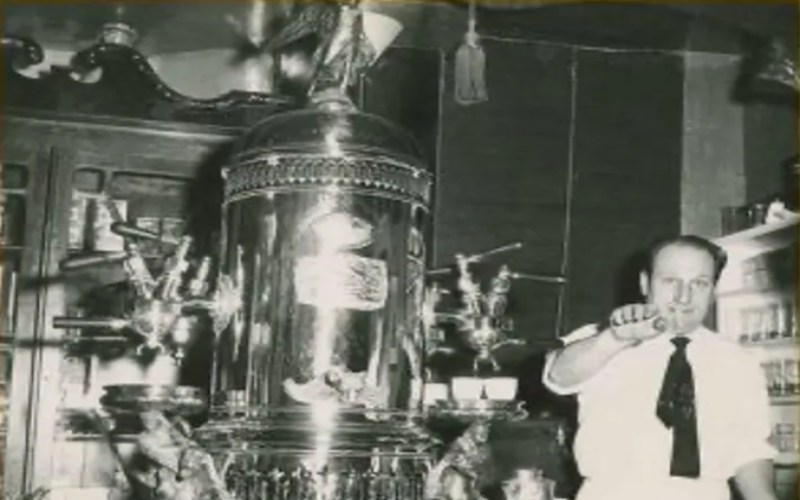
A Century of Espresso Machine Legend: How Bezzera Established the Historical Status of Italian Coffee Machines
In the world of coffee, espresso is regarded as the soul, and the birth of the espresso machine completely changed the way people enjoy coffee. Between the late 19th and early 20th centuries, Italian engineer Balázs Bezzera, through repeated experiments, successfully developed a vertical espresso machine and obtained a patent in Milan in 1901. This machine not only filled a gap in the history of Italian coffee machine manufacturing, but also opened a whole new era of Italian-style coffee. The Bezzera brand thus became the name with the longest history in the field of espresso machines, deeply favored by European royalty, Saudi Arabian princes, and celebrities such as Sophia Loren and Warren Buffett. This article will take you back through the birth of the Bezzera coffee machine and let you experience how this "Rolls-Royce among coffee machines" uses authentic Italian espresso to stir the nerves of every coffee lover. [more…]
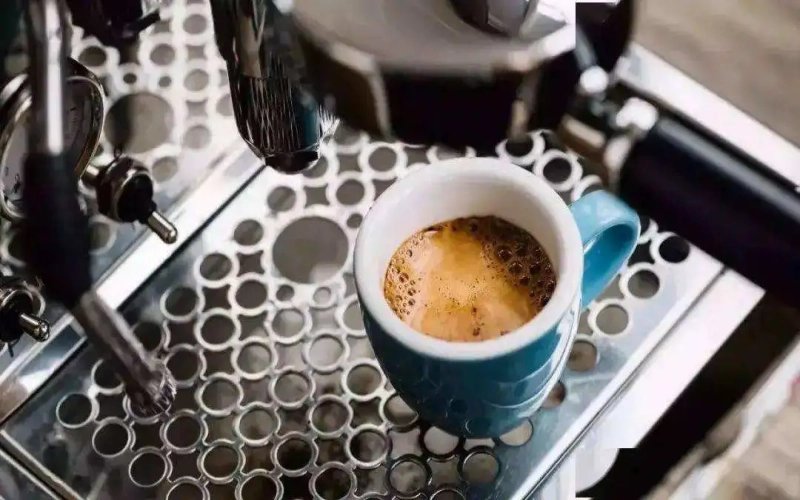
The Road to UNESCO Heritage Status for Espresso and the Century-Long Evolution of the Espresso Machine
A small cup of espresso carries Italy's profound cultural heritage and the marks of change from the industrial age. From the birth of steam-powered coffee machines at the end of the 19th century, to the iterative upgrades of spring piston and semi-automatic espresso machines in the 20th century, and then to today's globally popular café culture, espresso has gone through more than a century of development. At the same time, Italy has been working since 2016 to seek intangible cultural heritage status for espresso, and it has now finally entered UNESCO's formal review process. This article will take you through the history of the development of the espresso machine and bring you the latest progress on its heritage application. [more…]
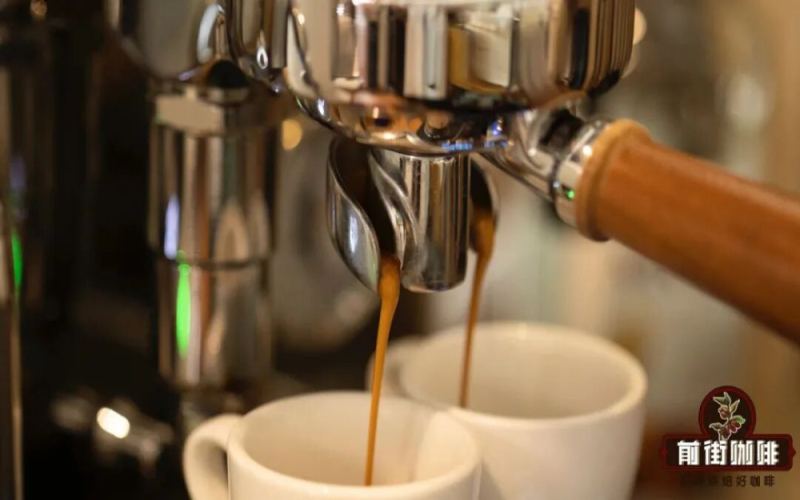
A Complete Guide to Buying a Semi-Automatic Espresso Machine: Extraction Differences from a Hundred-Yuan Toy Machine to a Ten-Thousand-Yuan Commercial Machine
To make a rich, crema-topped espresso at home, a semi-automatic espresso machine is the top choice for many coffee lovers. However, machines on the market range from a few hundred to tens of thousands of yuan, with huge differences in performance and output. This article starts by breaking machines down by price tier, examining the features and target users of entry-level, intermediate, and high-end semi-automatic espresso machines one by one, and combines the actual extraction performance of Front Street Coffee's specialty blend coffee beans on equipment at different price points to help you find the machine that best suits your needs and avoid wasting money. [more…]

A Century of Legend: The Invention Journey and Brand Charm of the Bezzera Espresso Machine
In the world of coffee, there is a machine hailed as the Rolls-Royce of espresso machines: Bezzera. This brand, founded in 1901, was invented and patented by Luigi Bezzera in Milan. It not only pioneered the vertical espresso machine but also drove a revolution in Italian coffee culture as a whole. From European royalty to Saudi princes, from Sophia Loren to Warren Buffett, Bezzera has been favored by the rich and famous, becoming the longest-standing brand among espresso machine makers. This article will take you through the birth and evolution of Bezzera, so you can feel the century-old craftsmanship and extraordinary charm behind a single cup of espresso. [more…]
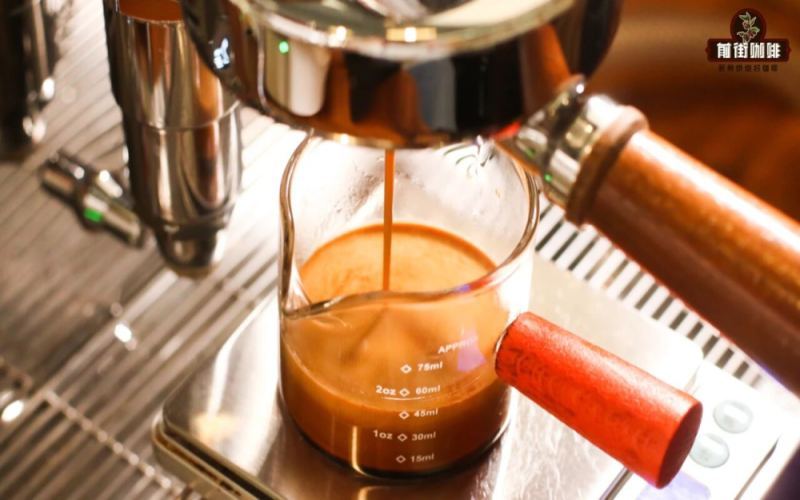
How big is the gap between a moka pot and an espresso machine? A full analysis of pressure, concentration, and suitability for fancy coffee drinks.
The moka pot is often called a "direct-fire espresso maker." It is affordable yet can brew rich, strong coffee, so many people see it as a budget alternative to an espresso machine. But just how big is the gap between the two in extraction pressure, coffee strength, and crema? Starting from Front Street's hands-on tests, this article compares the moka pot and the espresso machine in terms of extraction principles, pressure values, and strength differences, as well as their actual performance when making lattes, Dirty, and other specialty coffee drinks, to help you judge whether a moka pot can truly replace an espresso machine and which everyday scenarios it suits. [more…]
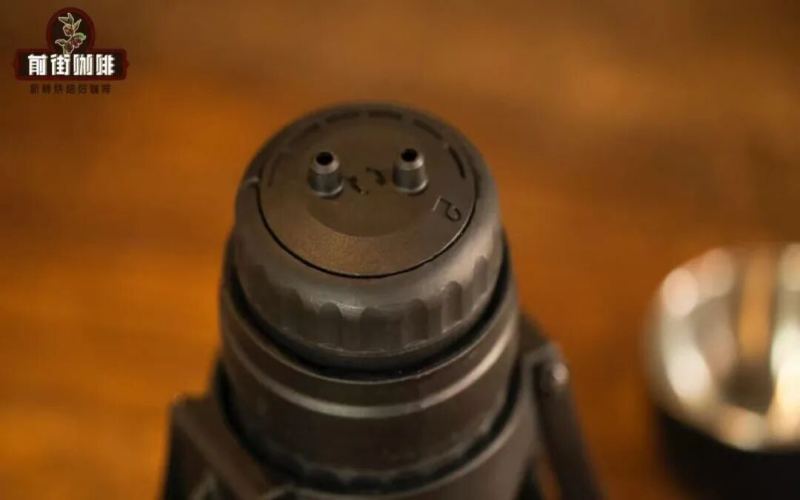
Manual Coffee Machines | Is there a big difference between espresso made with a hand-press coffee machine and a semi-automatic coffee machine? How do you make espresso with a manual coffee machine?
As is well known, manual espresso machines have become extremely popular in recent years. Although they can't match the versatility of semi-automatic espresso machines, they can still extract similarly concentrated coffee! Moreover, with their affordable price and the convenience of not needing to be plugged in, manual espresso machines have successfully carved out a place for themselves in the coffee world. So [more…]
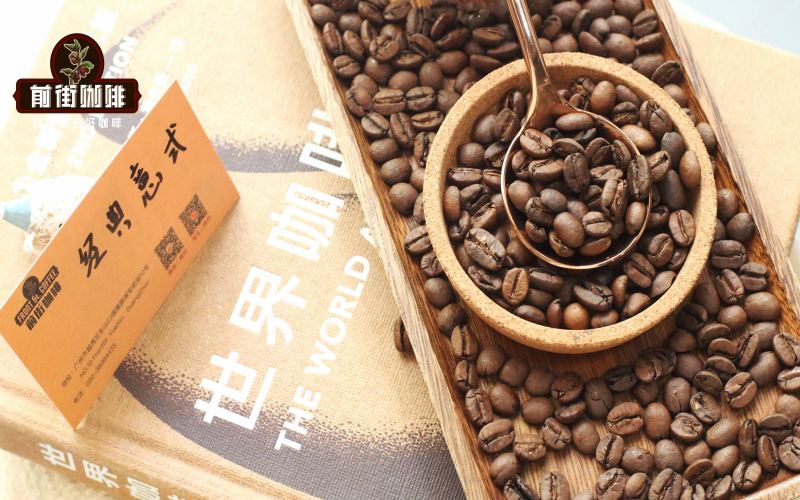
Illustrated Guide to Espresso Making | What Is the Working Principle of an Espresso Machine? What Factors Affect the Taste and Mouthfeel of Espresso?
For more specialty coffee knowledge, please follow: Front Street Coffee (Frontsteet Coffee). Espresso is mostly perceived as bitter and astringent; when this happens, it is very likely that there is a problem in the production process. At this point, someone will ask Front Street Coffee (FrontS [more…]
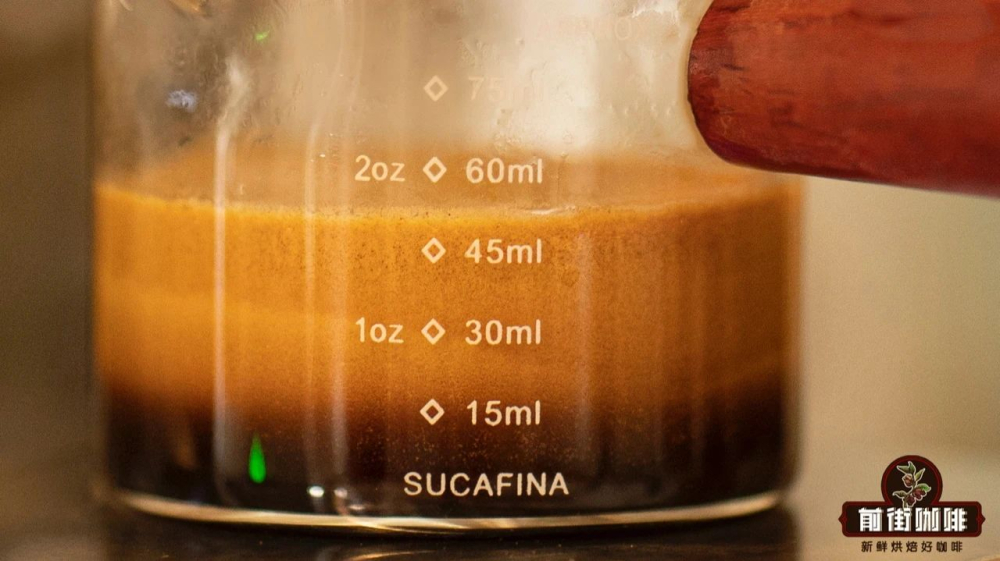
Espresso Bean Brand Recommendations | What's the Difference Between Americano Coffee Beans and Espresso Coffee Beans? Which Tastes Better, Espresso or Americano Black Coffee? Introduction to the Origin and Extraction Ratio of Espresso
In recent years, China's specialty coffee craze has grown hotter and hotter. However, in most cases, whenever you meet up with friends to chat over coffee at a café, espresso-based coffee is bound to make an appearance. And under the branch of espresso-based coffee, there is actually an option called Americano, which leaves many friends scratching their heads—espresso-based coffee [more…]
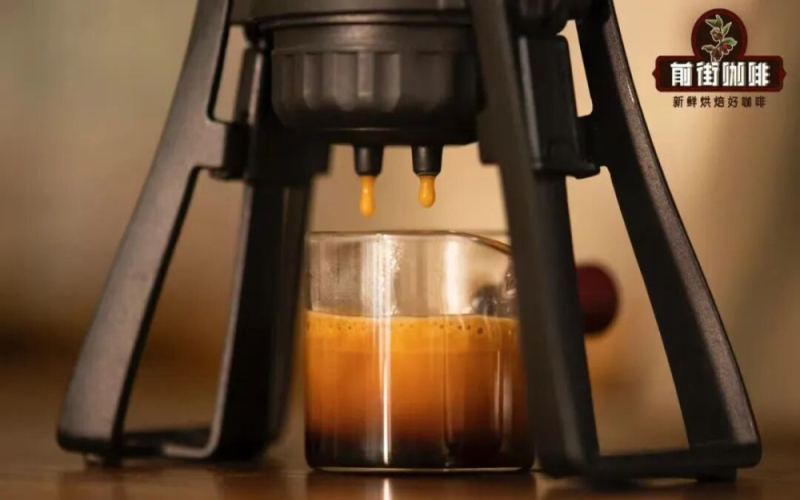
Starrit Third Generation Manual Espresso Machine Hands-On Test: 18g of Coffee Produces Rich Crema, Manual Pressing Can Also Make Lattes
Can a manual hand-press espresso machine extract espresso with a rich crema? With this question in mind, Front Street conducted a complete unboxing and hands-on test of the Starpler third-generation hand-press espresso machine. From disassembling the structure and the principle of water-injection extraction, to adjusting parameters with 18 grams of coffee paired with 120 milliliters of hot water, and finally pressing out golden crema and making a hot latte, the playability of this small machine was verified step by step. The article retains the structural details of the Starpler hand-press coffee machine, the official pressure parameters, the recommended coffee dose and water volume, as well as bean recommendations such as Front Street Specialty Blend, Commercial Blend, Classic Blend, and Dark Cocoa Base Blend, making it a useful reference for coffee enthusiasts interested in hand-press espresso equipment and crema extraction. [more…]
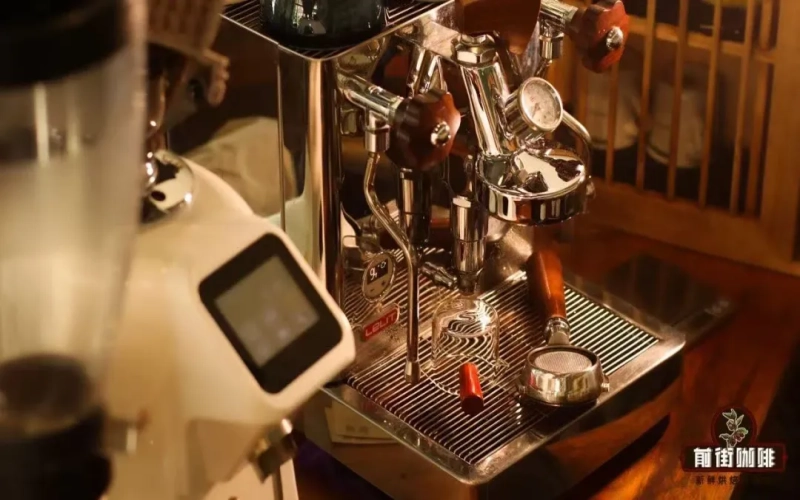
Espresso Machine Gasket Replacement Tutorial: Causes of Unstable Pressure, Weakened Steam, and Coarse Milk Froth, Plus Deep Cleaning Methods for the Whole Machine
Erratic pressure during extraction, weakening steam, and milk foam that just won't froth up no matter what—these problems are often not a sign of declining skill, but rather that your espresso machine is due for maintenance. Drawing on Front Street's practical experience, this article systematically lays out the daily and deep cleaning routines for espresso machines: including flushing hot water before and after extraction, wiping the steam wand, backflushing, soaking the steam tip to remove scale, as well as how to judge when the group head gasket is wearing out and how to replace it yourself. It also covers the key cleaning points and recommended intervals for the water tank, boiler, and portafilter, helping you keep your espresso machine producing consistent shots and extend its service life. [more…]
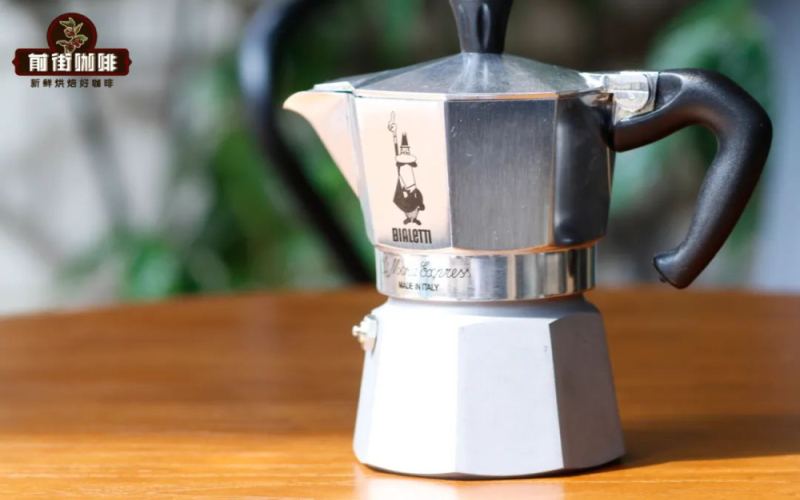
Moka Pot vs. Semi-Automatic Espresso Machine: How to Choose? From Working Principles to Buying Advice, Explained Clearly in One Go
The moka pot and the semi-automatic espresso machine are both pressure-based extraction devices, yet they represent two different directions: household convenience and commercial professionalism. The moka pot was born in 1933, designed by Alfonso Bialetti, founder of Bialetti, and became a staple of Italian households thanks to its compact size and affordable price; the semi-automatic espresso machine evolved from the steam pressure device of 1885 all the way to the epoch-making FAEMA E61 in 1961, laying the design foundation for modern espresso machines. The two differ markedly in pressure, crema performance, and usage scenarios. Starting from their historical development, working principles, and practical needs, this article will analyze the pros and cons of each, and combine them with Front Street Coffee's bean recommendations to help coffee lovers find the one that suits them. [more…]
How to Choose Between Semi-Automatic and Fully Automatic Espresso Machines? A Complete Guide to Operating Commercial Models
As more and more people enjoy drinking coffee, many friends are starting to consider buying an espresso machine—so they can enjoy freshly ground coffee at any time and save on the expense of frequent purchases. However, when it comes to choosing, an unavoidable question arises: should you buy a semi-automatic or a fully automatic machine? The two differ greatly in operation, flexibility, and the ceiling of what they can produce, and they suit different scenarios. This article, based on Front Street Coffee's actual operating experience, breaks down in detail the core differences between the two types of machines and the considerations for choosing one, and uses a semi-automatic espresso machine as an example to fully demonstrate the process of making an iced Americano, including every detail from cleaning the portafilter basket, weighing the grounds, distributing the grounds, and tamping to extraction, helping coffee enthusiasts find the machine that suits them best. [more…]
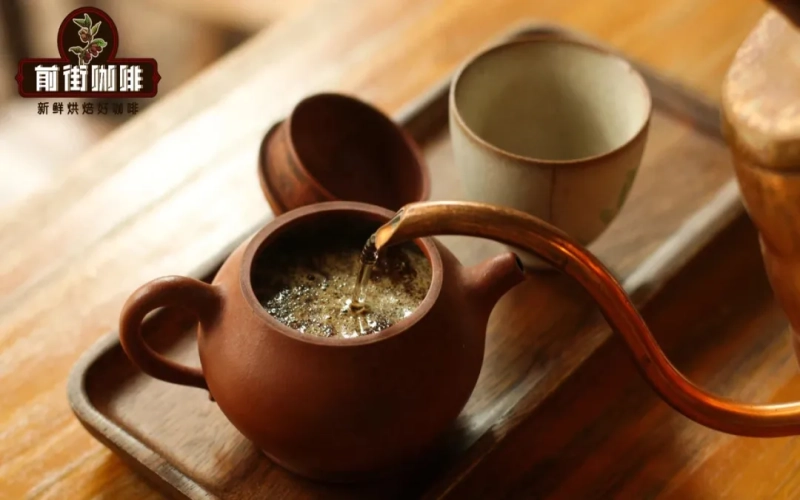
Can an espresso machine also brew concentrated tea? Testing the methods, parameters, and precautions for brewing tea with an espresso machine
The extraction principles of coffee and tea are essentially the same. Since an espresso machine can use pressure to extract a high-concentration coffee in a short time, can it also be used to extract a cup of "espresso tea"? With this question in mind, Front Street conducted an actual test: from the choice of grinding equipment, the adjustment of tea leaf dosage, to the control of the powder-to-water ratio and extraction time, the entire process of extracting tea with a coffee machine was fully recorded. Experiments have shown that a coffee machine can indeed extract tea with a concentration comparable to espresso, but many pitfalls were also encountered during the process—difficulties in cleaning the grinder, clogged portafilter baskets, and tea fragments seeping in and affecting the taste appeared one after another. This article will share the specific parameters and operating details, and give Front Street's practical advice: if you really want to try it, it is best to be mentally prepared, or add professional tea extraction tools. [more…]
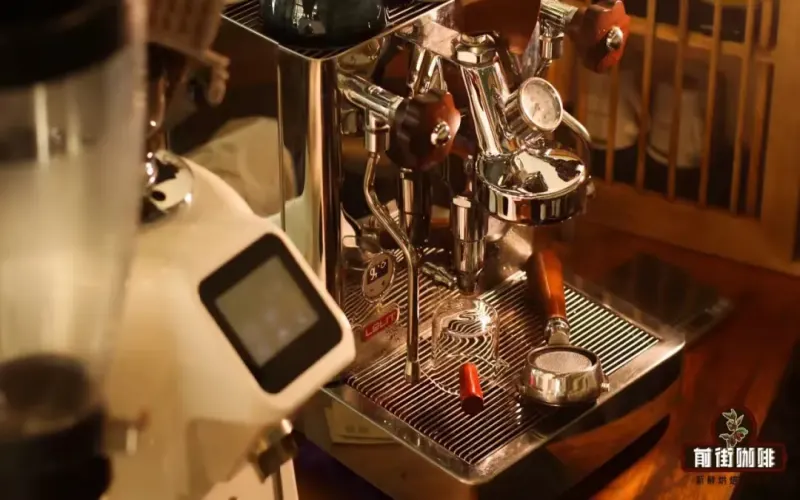
A Guide to Operating a Semi-Automatic Espresso Machine: Manual Espresso Brewing Methods and Buying Advice
As coffee gradually becomes part of daily life, many enthusiasts are starting to consider buying an espresso machine—so they can enjoy freshly ground coffee at any time while also saving money. However, faced with the two main types on the market, fully automatic and semi-automatic, many people don't know how to choose. From the perspective of Front Street, this article provides a detailed analysis of the operating process of semi-automatic espresso machines and the key points of making manual espresso, while also comparing the pros and cons of fully automatic models, to help readers make a suitable choice based on their own needs. Whether you pursue convenience or long for the pleasure of extracting coffee by hand, you can find the answer here. [more…]

Moka Pot | Is there a big difference between a moka pot and an espresso machine? Does a moka pot brew espresso? The moka pot coffee vibe
The moka pot is often placed on a stove and heated, using steam pressure to extract coffee, so it is also called a direct-fire espresso pot. Because it can also make strong coffee, the moka pot is always compared with a genuine espresso machine, so what exactly are the differences between the two? Moka pot and espresso machine [more…]
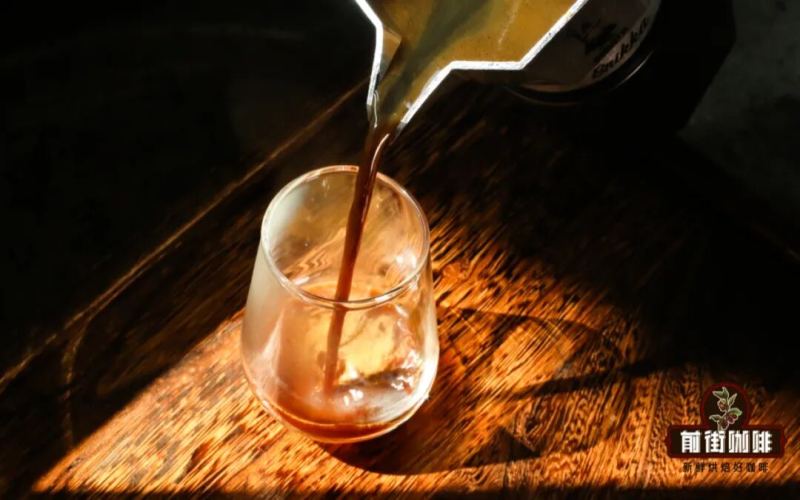
Moka Pot Coffee Brewing Tutorial | Is the Moka Pot a Stand-In for a Semi-Automatic Espresso Machine? Can Moka Pot Coffee Replace Espresso?
"Extremely high concentration, with a rich, golden-brown layer of crema on the surface" — this is the main characteristic that sets espresso apart from other coffees. Because its concentration is so high, espresso is often used as a base, with various ingredients added to create all kinds of specialty coffee drinks. Lattes, cappuccinos, flat whites, and other coffee drinks are made with espresso as their [more…]
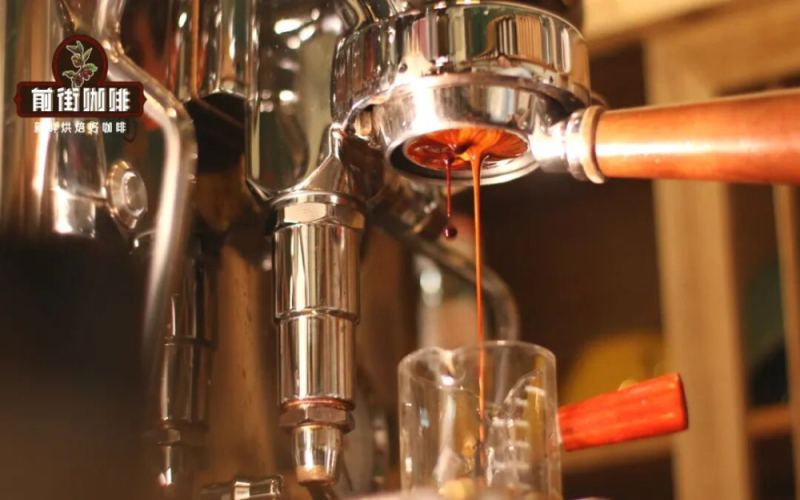
Why Discard the First Espresso Shot from an Espresso Machine? A Full Breakdown of Cleaning, Preheating, and Operation at Home and in Cafés
Many coffee enthusiasts have noticed that after switching on, coffee shops often pour away the first espresso pulled before they begin serving drinks as normal. Behind this seemingly wasteful gesture are actually multiple considerations, including cleaning powder residue, overnight coffee grounds, and machine parameters that have not yet stabilized. But for home users who only make one or two cups a day, is it necessary to copy this practice? Starting from the actual operating habits of Front Street stores, this article systematically sorts out the reasons why the first espresso is discarded, and offers specific advice for home scenarios on whether it needs to be poured out, how to properly handle residual grounds, and how to effectively preheat the coffee machine after deep cleaning, helping you ensure stable flavor in every cup while reducing waste. [more…]