In recent years, China's specialty coffee boom has been heating up. However, in most cases, whenever friends meet up at a café to chat, espresso is always part of the picture. And under the espresso branch, there's actually an option called Americano, which leaves many people scratching their heads—what exactly is the difference between espresso and Americano? Next, Front Street Coffee will first chat with you about this thing called espresso.
Anyone who has opened a coffee shop knows it's not hard to spot a bulky machine in the store that looks too heavy to move—that's the semi-automatic espresso machine. This machine can be said to be the core of espresso; every coffee under the espresso branch requires the espresso shot produced by this machine.
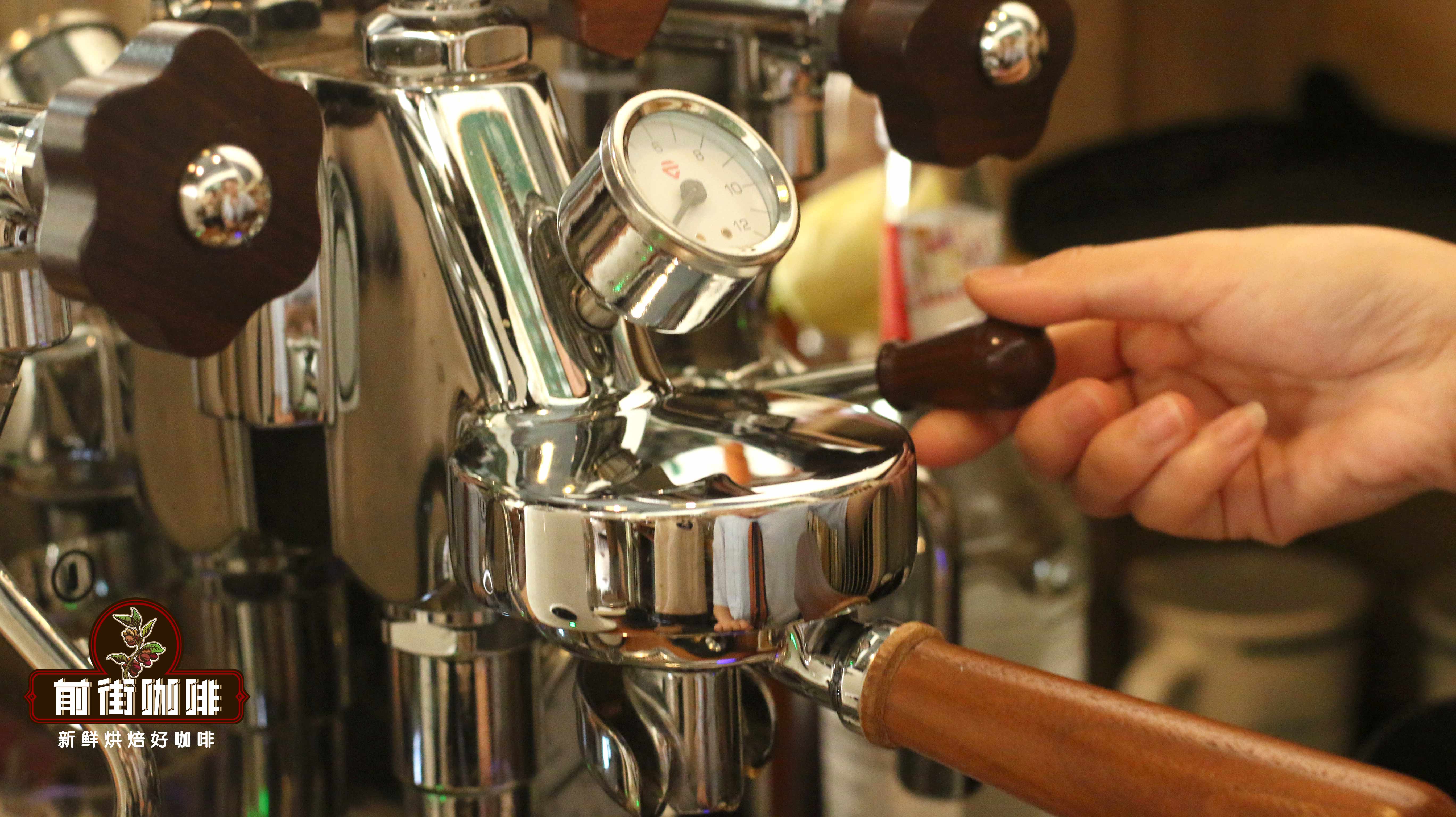
Anyone who has done even a little research on espresso machines knows that the key elements of making espresso are high pressure, high-temperature hot water, and a relatively short time. Through consulting materials, Front Street has learned that the world's first espresso machine dates back to 1884, when Angelo Moriondo of Turin, Italy applied for a patent for the first coffee machine. This machine was different from the espresso machines sold on the market today—it had multiple coffee dispensing heads, designed to prepare coffee for multiple customers in a shorter time.
The History of Espresso Machines
In 1901, Luigi Bezzera from Milan applied for a patent for an improved version of the coffee machine. It had one boiler but was equipped with four dispensing outlets.
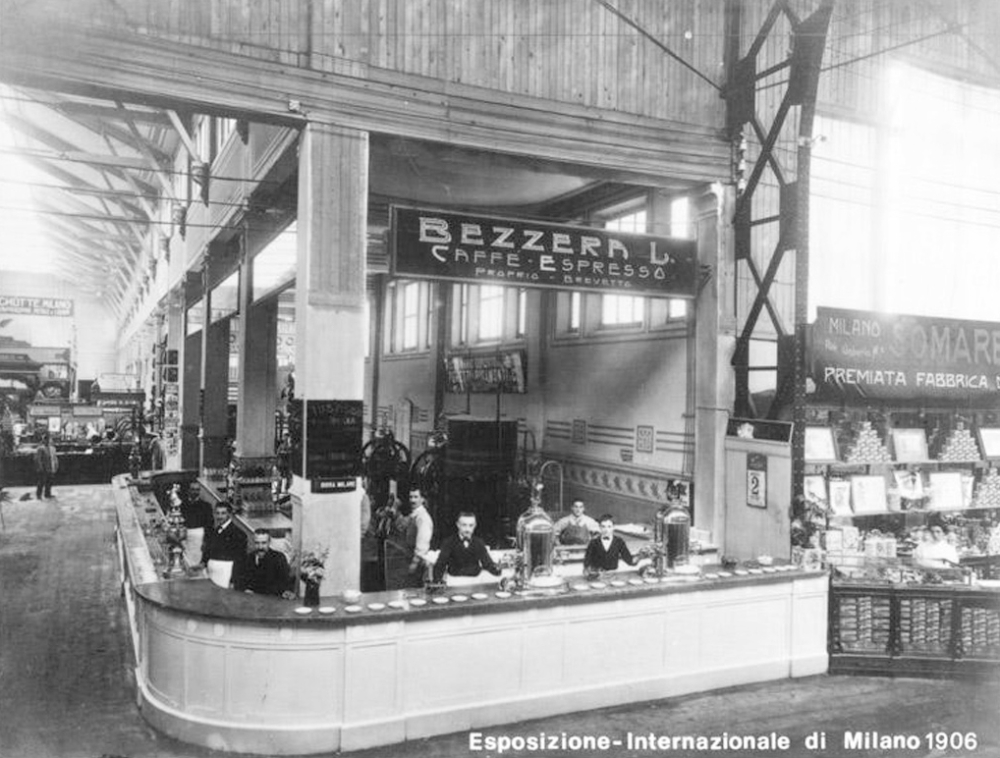
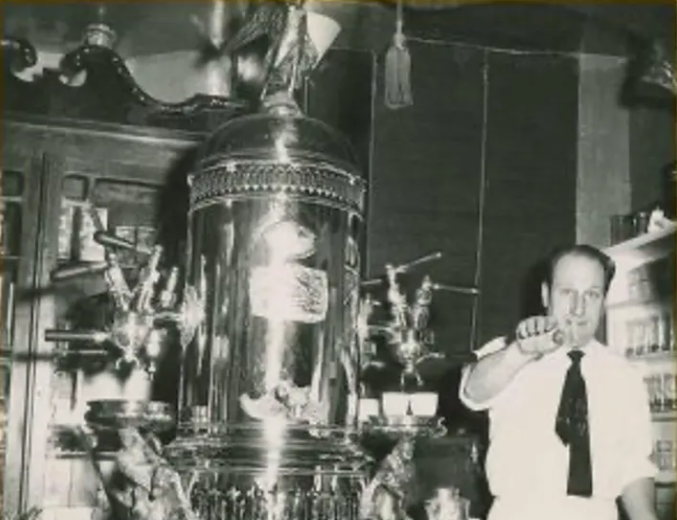
By 1903, Desiderio Pavoni purchased Bezzera's patent and in 1905 began producing commercial espresso machines, founding the "La Pavoni" company. However, from the perspective of modern craftsmanship, the design of this espresso machine was not reasonable—the group head temperature was as high as 140°C, while the pressure was as low as 1.5 bar. One can imagine that the espresso liquid extracted tasted more like the output of an American drip coffee machine.
It wasn't until 1961 that Faema launched the commercial espresso machine Faema E61, the world's first semi-automatic espresso machine, known as the "father of the modern espresso machine," allowing baristas to freely adjust extraction pressure, time, and other parameters.
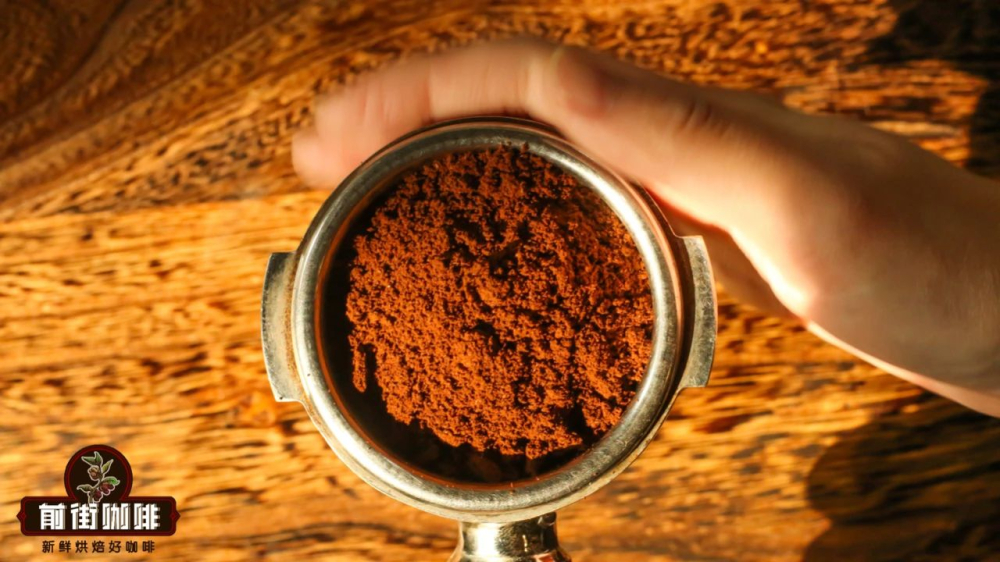
With the advent of the semi-automatic espresso machine, espresso extraction standards have undergone tremendous changes compared to over 100 years ago. However, the detailed steps of making espresso haven't changed much: dosing, distributing, tamping, extracting.
Espresso Extraction Standards
The parameters, however, have changed considerably. After all, coffee from an American drip coffee machine doesn't have the rich flavor of coffee from an espresso machine. The internationally accepted standard is 7 grams of grounds, 92°C, 9 bar, 20 to 30 seconds, and 20 to 30 milliliters of extracted liquid—these several important parameters.
However, anyone who has actually practiced will easily find that they vary:
【Dose】Determined by the size of the portafilter basket. Here we do not recommend baskets that are too small or too large, and the basket used at Front Street's store is a 20-gram specification.
【Brew Ratio】The ratio of coffee grounds to extracted liquid is generally between 1:1.5 and 1:2.5, commonly 1:2. However, a ratio that's too low makes the coffee rich and heavy in mouthfeel while easily producing a stimulating bitterness; a ratio that's too high tends to make it weak and bland, or even sharply sour.
【Time】Influenced by two factors: grind size and brew ratio. A high brew ratio means more extracted liquid and longer time; the finer the grind, the smaller the gaps between particles after tamping, making it harder for water to pass through, which in turn lengthens the time and easily leads to over-extraction.
【Pressure】A pressure of around 9 bar can produce a moderate crema. If the pressure is too low, it cannot produce enough crema; if the pressure is too high, it will break down too much of the coffee structure and over-extract the good components, easily causing over-extraction.
【Water Temperature】Generally between 90°C and 94°C. If the water temperature is too high, it easily over-extracts and tends to be bitter; if the water temperature is too low, extraction is insufficient, resulting in sharp acidity.
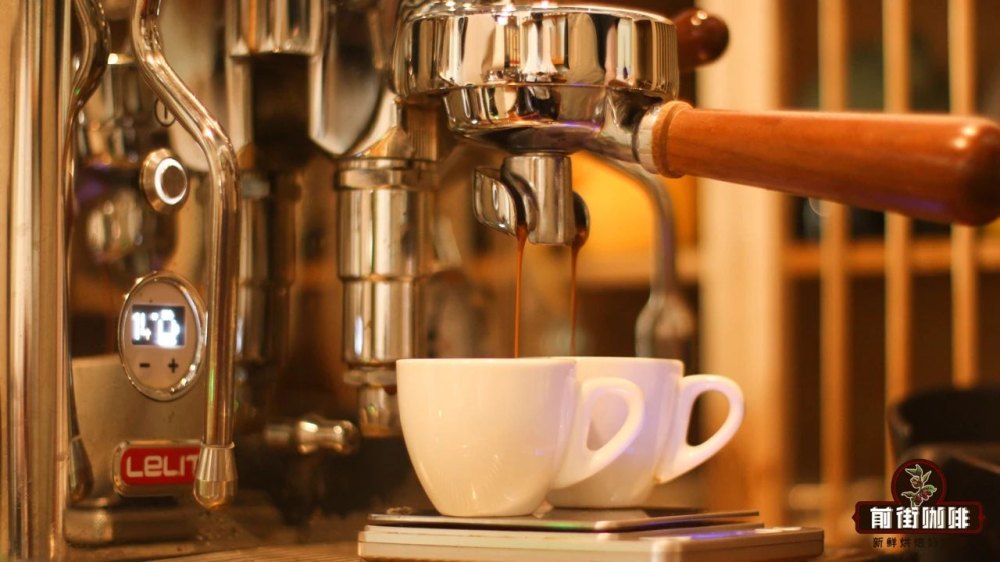
And in terms of the parameter standards produced by Front Street Coffee (FrontStreet Coffee):
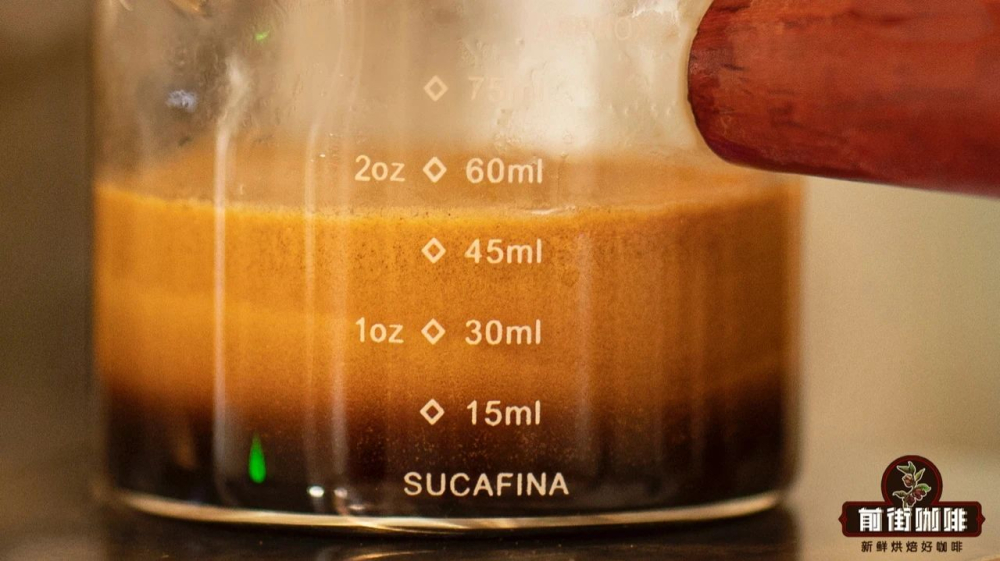
The espresso machine used at Front Street Coffee (FrontStreet Coffee)'s store is a Faema E98, with a dose of 20 grams, a water temperature of about 92°C, an extraction time of 26 to 28 seconds, extracting 35 grams of coffee liquid. However, these parameters are for reference only.
Choosing Espresso Beans
Under the above espresso extraction parameters, the espresso blend beans used at Front Street Coffee (FrontStreet Coffee)'s store show a flavor of noticeable fruity acidity on entry, a faint berry note coming through, followed by winey chocolate emerging, with a comfortable sweet aftertaste.
The berry-like acidity and winey chocolate flavors come thanks to Front Street's own Sunflower Warm Sun espresso blend, which uses 70% Honduras Sherry and 30% Ethiopian natural Red Cherry.
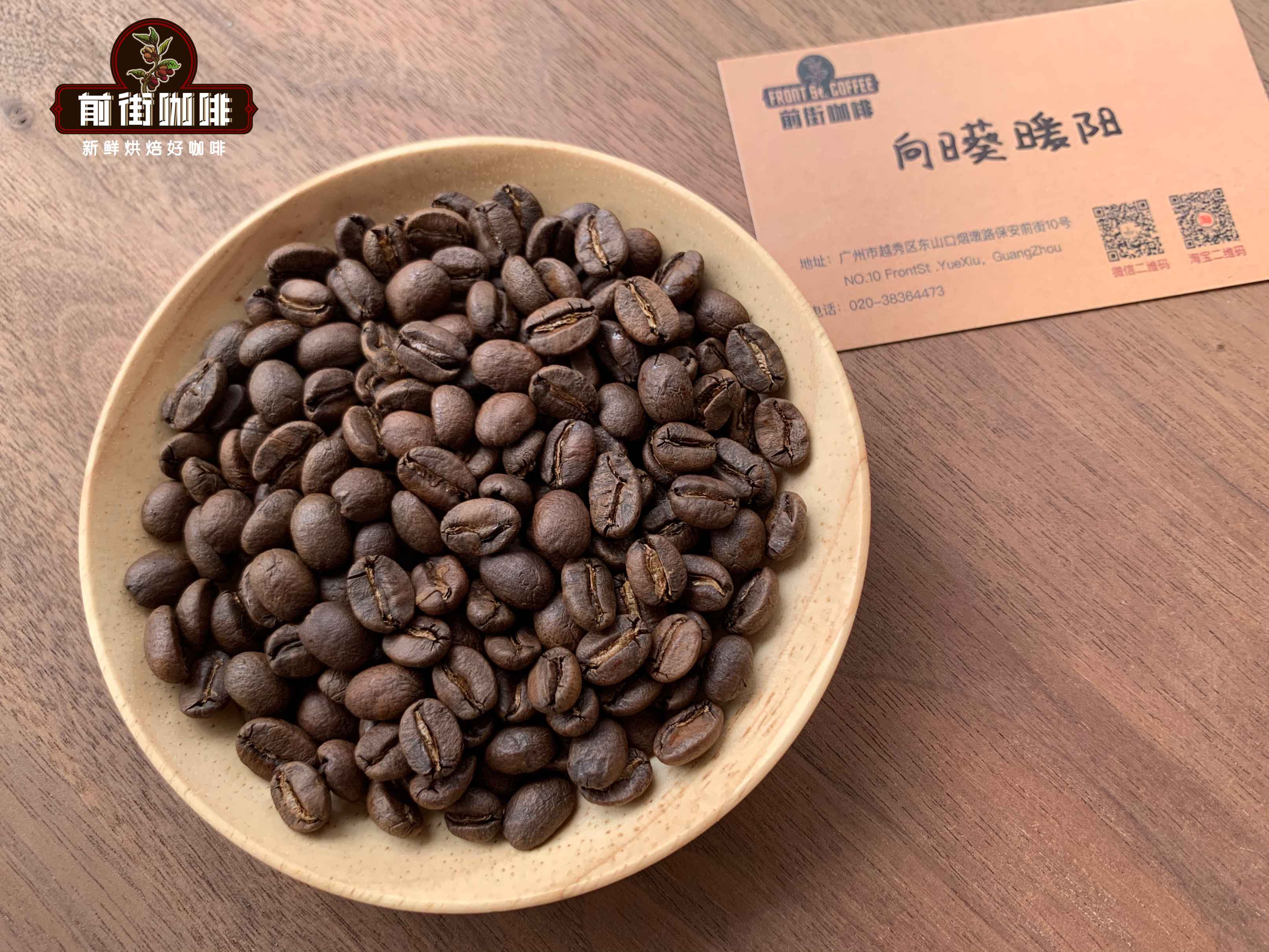
Speaking of this, some clever minds might want to buy a bag of Sherry and a bag of Red Cherry to blend themselves. Here, Front Street needs to remind you that because espresso blend beans and pour-over coffee beans have different roasting curves, the flavors they aim to express are also different. The principle is the same as a dish tasting different when cooked over gentle heat versus high heat.
Of course, the choice of blend beans can be diverse. The espresso beans sold by Front Street are all blend types. Besides the Warm Sun Blend, there are also Front Street Specialty Blend, Front Street Dark Cocoa Blend, and Front Street Commercial Blend.
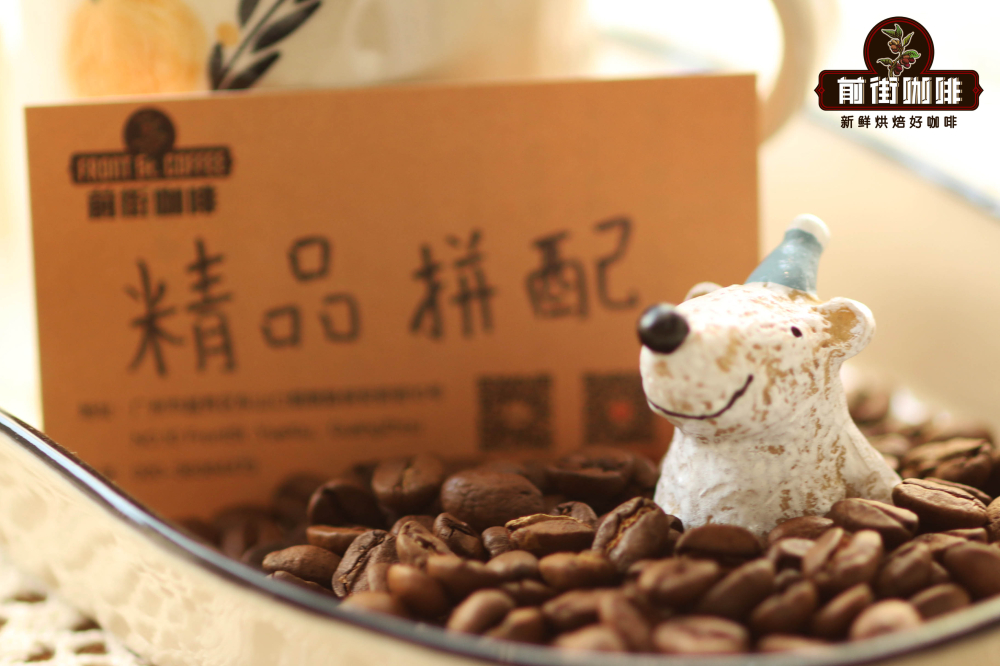
【Front Street Specialty Blend】Made from 70% Brazilian coffee beans blended with 30% Colombian coffee beans, with a balanced flavor, accompanied by soft fruity acidity and a nutty sweet aftertaste.
【Front Street Dark Cocoa Blend】Made from 60% Brazilian coffee beans blended with 40% Yunnan coffee beans, with a flavor profile of cream, nuts, and chocolate.
【Front Street Commercial Blend】60% Brazilian coffee beans, 30% Colombian coffee beans, and 10% Robusta beans. This blend has rich oils and a premium mouthfeel, with caramel sweetness along with nut, cocoa, and chocolate flavors, balanced acidity and sweetness, with a slight hint of bitterness and a lasting aftertaste.
The Difference Between Espresso and Americano
At the beginning, Front Street mentioned that Americano exists on the espresso menu. You should know that Americano is divided into those made with an espresso machine and those made with an American drip machine. Americano at cafés outside is generally made with an espresso machine, and this kind of Americano is made by adding an appropriate proportion of water to the espresso liquid to dilute it.
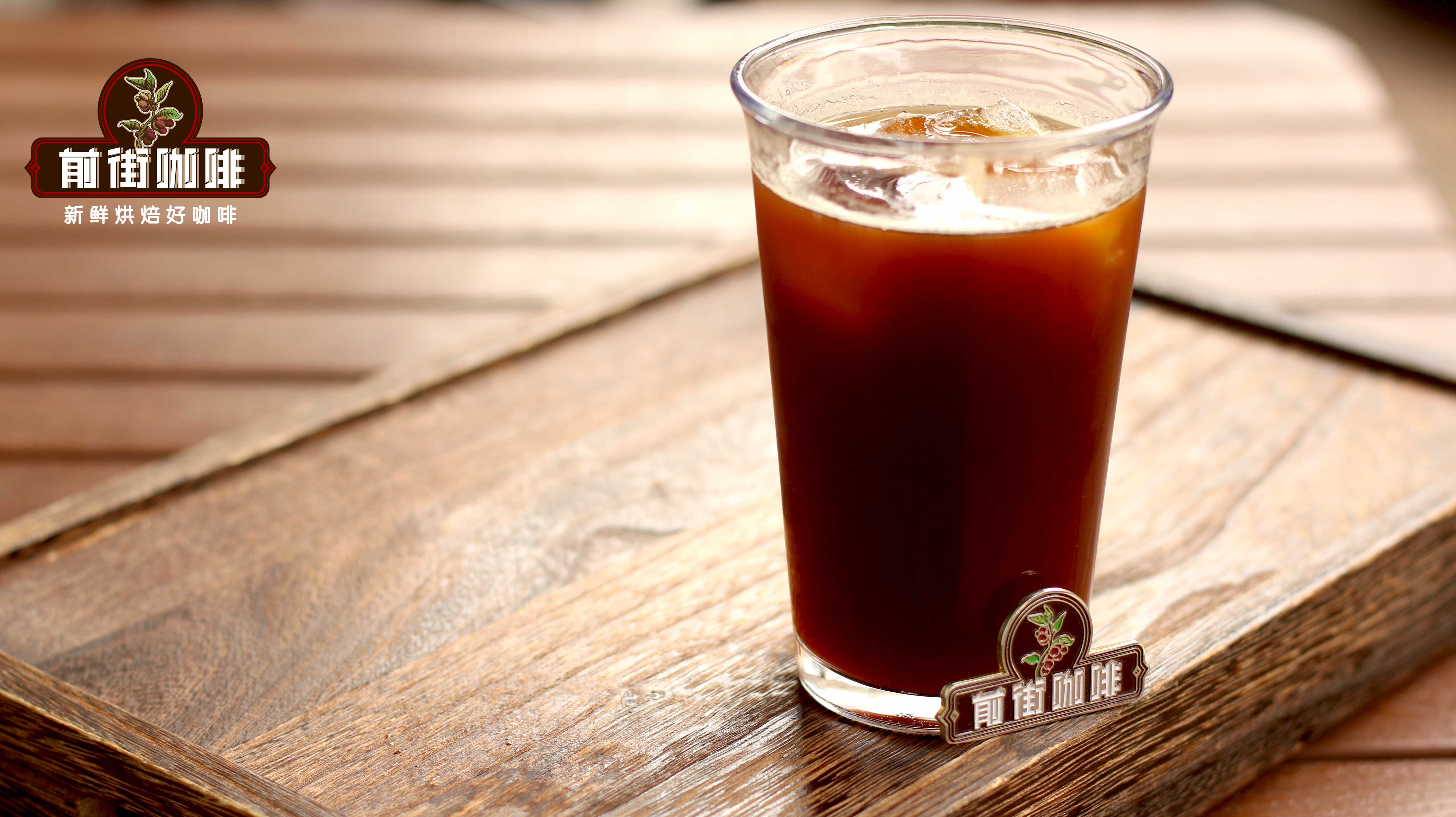
Taking Front Street Coffee (FrontStreet Coffee) as an example, it uses20grams of coffee grounds to extract40grams of espresso liquid, and finally uses a1:6ratio, that is,40grams of coffee liquid with240grams of water added, to make an Americano.
The above content is compiled by CoffeeHunters, a coffee news website.