







Search Results for: Erna Knutsen

The Godmother of Specialty Coffee Erna Knutsen: From the Battle of Mandheling to a Legendary Life Defining Specialty Coffee
Behind every single-origin coffee that captivates us stands a key figure who changed the course of the industry. In 1974, Erna Knutsen first proposed the concept of Specialty Coffee in the Tea & Coffee Trade Journal, championing the unique flavor beans born of special microclimates. She only formally entered the coffee trade at the age of forty, yet with an astonishing taste memory and cupping talent, she rose to fame by buying an entire container of Mandheling in one stroke. Thereafter she founded Knutsen coffee, Ltd, helped establish the Specialty Coffee Association of America, and repeatedly won the industry's highest honors. This article takes you through the complete journey of this godmother of specialty coffee, from her childhood in the Arctic Circle to her retirement at 93, to understand how specialty coffee evolved from a single idea into quantifiable industry standards. [more…]
The Definition of Specialty Coffee and Its Evaluation Criteria: A Complete Guide from Green Bean Origin to Extraction
The concept of specialty coffee has undergone more than thirty years of development since it was first proposed by Erna Knutsen in 1974. Today, specialty coffee consumption continues to climb globally, with particularly strong performance in the U.S. market. However, understanding specialty coffee cannot stop at the level of "coffee beans grown in special environments." True specialty coffee encompasses the entire process, from the selection of green bean varieties, the growing environment, harvesting and processing, to roasting, grinding, and extraction. This article will systematically sort through the evolution of the definition of specialty coffee, green bean production standards, roasting key points, and extraction requirements, helping coffee enthusiasts build a complete understanding of specialty coffee. [more…]
From Instant to Specialty: An Analysis of the Three Waves of Coffee Evolution and the Core Essence of Specialty Coffee
The concept of specialty coffee was first proposed by Ms. Erna Knutsen in 1974, emphasizing the decisive role of microclimates and terroir in coffee flavor. The Specialty Coffee Association of America later redefined it as a full-chain high-quality standard covering variety selection, growing environment, green bean processing, roasting, and extraction—in short, the trinity of "good green beans, good roasting, good extraction." Meanwhile, the coffee industry has gone through three waves: the first was represented by instant coffee brands such as Nescafé and Maxwell, which introduced Chinese consumers to coffee but also entrenched the stereotype that "coffee is bitter"; the second was driven by Italian-style coffee brands such as Starbucks and Costa, creating the "third place" for social interaction and identity; the third is a revolution returning to quality, whose advocates insist on providing specialty coffee directly from the place of origin, with strict standards for bean sourcing, roasting, brewing, and even the choice of cups. Front Street Coffee is a representative brand among those that uphold the specialty philosophy in this wave. [more…]
Why Is SOE Generally More Acidic? The Espresso Evolution from the History of Blend Beans to the Specialty Coffee Wave
Why does most SOE taste sour? Behind this question lies the complete evolutionary history of espresso beans, from single origin to blends and back to single origin again. This article, from the perspective of Front Street, sorts out the causal relationship between SOE and blend beans: early espresso was itself SOE, and blend beans became mainstream due to cost and stability, until Erna Knutsen proposed the concept of specialty coffee and James Hoffmann promoted SOE in competitions, after which light-roasted single-origin beans entered the espresso domain. The article will also explain why beans such as Mandheling and Brazil still insist on dark roasting, as well as the commercial considerations behind coffee shops choosing medium-light roasted SOE. [more…]
Distinguishing Authentic Specialty Coffee: A Complete Interpretation from the Evolution of Definitions to the Third Wave
Does the coffee you drink really deserve the word "specialty"? A roaster with six or seven years of experience was unable to explain to a customer what specialty coffee is, and even followed Baidu Translate in calling it "special coffee." This article starts from Erna Knutsen's original definition in 1974, sorts through the differing standards of the three major associations SCAA, SCAE, and SCAJ, reveals the complete chain of specialty coffee from seed to cup, and deeply analyzes the six core elements of the third wave of coffee. Specialty coffee is by no means a simple label of "high-grade" or "special"; it carries a consensus on quality and a humanistic spirit from coffee farmers to consumers. [more…]
What Is Specialty Coffee? The Flavor Code and Joyful Experience from Origin to Cup
The concept of specialty coffee was first proposed by Erna Knutsen in 1978 at the International Coffee Conference in France, referring to coffee beans produced under unique geographical conditions and microclimates that possess distinctive flavors. However, the creation of a cup of specialty coffee goes far beyond this—from the coffee farmer's cultivation and harvesting, the processor's processing, the trader's distribution, the roaster's precise roasting, to the barista's brewing skills, every step is indispensable. This article will take you through an in-depth understanding of the definition of specialty coffee, its types and characteristics, and the complete journey from seed to cup, exploring why a cup of high-quality coffee can bring true happiness. [more…]
Specialty Pour-Over Coffee Brand Selection Guide: A Complete Analysis of the Flavors and Mouthfeel of Ten Single-Origin Bean Regions
Facing an increasingly rich specialty coffee market, how do you find the pour-over coffee beans that truly suit you? Starting from the definition of specialty coffee, this article sorts through the journey from Erna Knutsen proposing the concept to the SCAA establishing the 80-point cupping standard, and emphasizes that single-origin coffee is not equal to specialty coffee. With more than ten years of accumulation, over 50 single-origin beans, and a fresh-roasting philosophy, Front Street Coffee has selected 10 representative coffee beans for enthusiasts with different taste preferences, covering classic origins such as the Ethiopian Yirgacheffe series, Costa Rican honey process, Indonesian Mandheling, Brazilian coffee, and Jamaican Blue Mountain, introducing their flavor characteristics and mouthfeel performance one by one. [more…]
The Meaning of Specialty Coffee, Flavor Characteristics, and Bean Variety Analysis: From Definition to Front Street COE22 and Yunnan Typica in Practice
Specialty coffee is not simply a marketing label, but a complete quality system from seed to cup. It was first proposed by Erna Knutsen in 1974, emphasizing the decisive role of microclimate and terroir in shaping distinctive flavors. This article systematically sorts out the definition of specialty coffee, the collaboration mechanism of its five major participants, and the criteria for flavor evaluation, and uses Typica beans from the Arsi production area of Sidama, Ethiopia, as an example to analyze how natural processing shapes a clean sweetness. At the same time, combined with the brewing parameters of Front Street Coffee stores and the cultivation practices of a Yunnan Lincang estate, it presents the complete logic of specialty coffee from variety and environment to extraction, helping enthusiasts build a clear cognitive framework. [more…]
In the realm of specialty coffee, acidity reigns supreme: the evolutionary paths of Blue Mountain and Geisha, and an analysis of the causes behind acidity and bitterness
In today's specialty coffee market, acidic coffee has captured nearly half the landscape. Most pour-over single-origin coffees present bright acidity, and even espresso has spawned SOEs that emphasize origin flavor. Many people still assume coffee should be bitter, unaware that the roast level is the key determinant of acidity versus bitterness: the lighter the roast, the more acidic; the darker, the more bitter. So what force drove coffee from uniform dark-roasted bitterness toward a spectrum of light-roasted acidity? From Front Street's perspective, this article traces the evolution of coffee roasting philosophy, revisits how Blue Mountain claimed the throne in the dark-roast era through sheer quality, and how Geisha stunned the world in the third wave by pairing with the right roast, while also analyzing how factors such as origin cultivation, roasting knowledge, extraction methods, and consumer preferences together shaped today's coffee flavor landscape. [more…]
From Instant to Specialty: A Comprehensive Analysis of Coffee Culture Evolution and Tasting Methods
Coffee is no longer just a pick-me-up; it is a lifestyle that requires understanding to truly savor. This article traces how the three waves of coffee have transformed the coffee journey of Chinese people—from instant coffee blended with creamer, to chain cafés creating a conceptual environment, to specialty coffee advocates returning to the essence of quality. It explains in detail the origins of specialty coffee and the SCAA definition, clarifies the difference between commercial beans and specialty beans, introduces the flavors of well-known single-origin coffees such as Front Street Coffee Blue Mountain, Yirgacheffe, Mandheling, and Geisha, and reveals the science behind roasting and the ritual of pour-over coffee. Only by understanding these things can you truly taste the good coffee in your cup. [more…]
From Yirgacheffe to Golden Mandheling: A Complete Guide to Choosing Front Street Coffee's Hand-Brewed Specialty Single-Origin Beans
What kind of beans deserve to be called specialty? And which one should a beginner start with for pour-over? This article begins with the "taste of place" proposed by Ms. Knutsen in 1974, outlines the SCAA's 80-point cupping standard, and introduces Front Street Coffee's lineup of over 50 beans cultivated over more than a decade, along with the freshness guarantee of roasting and shipping on the same day an order is placed. Then, following three main directions—floral and fruity, fermented winey, and traditionally rich—it explains one by one the origins and flavor characteristics of ten single-origin beans, including Yirgacheffe Red Cherry, Gutingding, Woka, Costa Rica Honey-Processed Blackberry and Mozart, PWN Golden Mandheling, Brazil, Blue Mountain No. 1, and Bird of Paradise, helping you find the cup that suits you best. [more…]
Arabica Specialty Coffee Bean Buying Guide | What Coffee Is Arabica Single-Origin Coffee Bean Suitable For?
We often see the words "pure Arabica coffee beans" in TV commercials, or in coffee shops and convenience stores. Many people are very curious: what are Arabica coffee beans? In this article, Front Street will answer these questions one by one ~ What are Arabica coffee beans? There are three main types of coffee beans in the world. [more…]

SOE Coffee Beans | What Do SOE Coffee Beans Mean? How Is SOE Single-Origin Espresso Made?
For more specialty coffee knowledge, please follow our WeChat official account: FrontStreet Coffee "Passing by a coffee shop, I noticed below the espresso menu it said [Switch to SOE for 3 yuan extra]." So what exactly is this SOE, and will it taste better if you switch to it! In this article, the barista [more…]
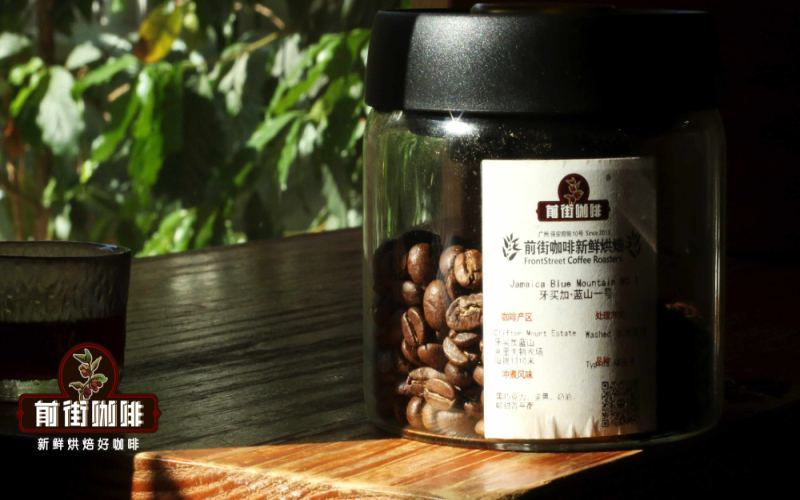
Where is Jamaican Blue Mountain coffee produced? The practical effect of the roast level of pour-over coffee beans on flavor
The name Blue Mountain coffee is almost universally known, but where exactly is it produced, and what kind of coffee qualifies to be called Blue Mountain coffee? Besides origin, the degree of roasting is equally a key variable determining the flavor direction of pour-over coffee. This article will unfold in two parts: first, tracing the geographical conditions of Jamaica's Blue Mountain range, the legally defined growing area and processing flow of Blue Mountain coffee; then, sorting through the bean-dropping nodes and flavor characteristics of each stage from light roast to medium-dark roast, helping readers new to pour-over establish a basic understanding of roast levels and adjust their brewing parameters accordingly, with Front Street Blue Mountain coffee's roasting recommendations also mentioned. [more…]
Can Espresso Beans Be Brewed as Pour-Over? A Full Analysis of the Differences Between Single-Origin and Blend Beans
Front Street often receives questions like these: Can dark-roasted espresso beans be used for pour-over? What exactly is the difference between single-origin beans and blended beans? In fact, the extraction method determines a coffee bean's positioning and roasting direction. Single-origin beans emphasize a clear expression of regional flavors and are mostly light-roasted; espresso beans are mainly blends, roasted on the darker side, pursuing stability and richness. The two also differ noticeably in grinding, parameters, and sales specifications. This article, from Front Street's perspective, will sort out the core differences between single-origin beans and espresso beans, and answer the adjustment ideas to note when using espresso beans for pour-over. [more…]

Origin, Producing Region, Processing Plant, Cooperative, and Estate: The Classification Logic Behind Coffee Bean Naming
On specialty coffee bean lists, we often see names at different levels—origin, region, processing plant, cooperative, estate, and so on. What exactly does each of these represent? Why are some beans named after a region, some after an estate, and still others after a processing plant or cooperative? Starting from the definition of specialty coffee, this article will sort out the differences and connections among these concepts one by one, helping you more clearly understand the origin and underlying logic of each bean when you shop for and taste coffee. [more…]
How to Choose Between Single-Origin, SOE, and Espresso Blend Coffee Beans? A Full Breakdown of Uses, Roasting, and Flavor Differences
Many coffee enthusiasts encounter a common confusion when selecting beans: what exactly is the difference between single-origin, SOE, and espresso blends? What scenarios does each suit? In fact, single-origin coffee beans emphasize traceable regional flavors, SOE is espresso made from single-origin beans, and blends are more like a creative combination that can both complement strengths and weaknesses and create entirely new flavors. From the perspective of Front Street, this article breaks down in detail the differences among the three in terms of definition, roasting logic, and practical uses, helping you more clearly understand the positioning of each type of bean and avoid falling into the misconception that "SOE is necessarily more premium than blends." [more…]
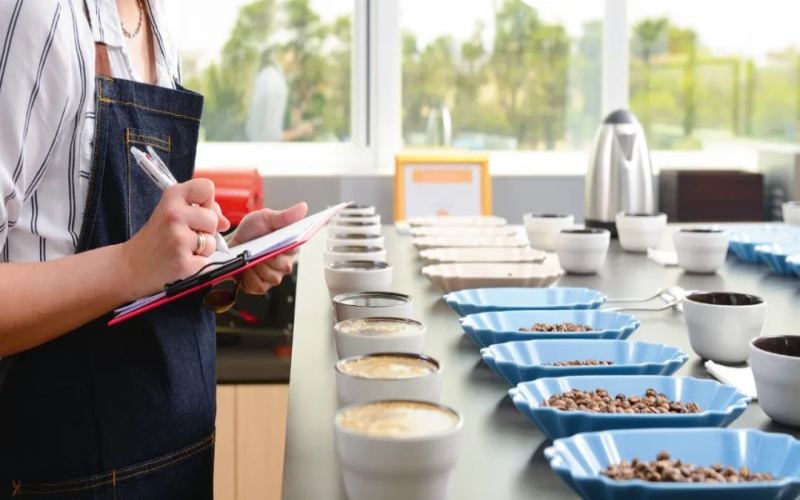
Specialty Coffee | What is the difference between specialty coffee and commercial coffee? What is the SCA definition of specialty coffee? Characteristics of specialty coffee and cupping score
In coffee history, the specialty coffee wave and its three waves form the basic understanding people have of coffee. People often compare and contrast specialty coffee beans with commercial coffee beans, as if the two were opposites. So what are the differences and connections between them? To understand the differences between the two, we must first understand specialty coffee's [more…]
Do Arabica beans count as black coffee? What coffee drinks are high-grade single-origin coffee beans suitable for making?
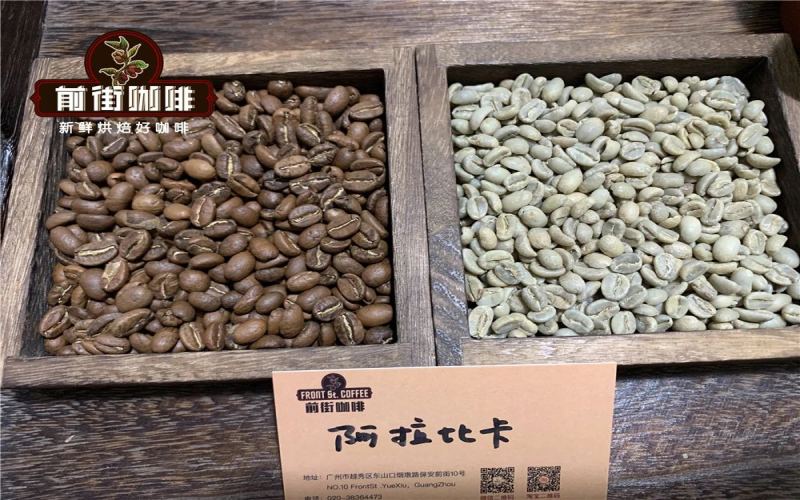
You often see "100% Arabica coffee beans" on advertisements or in coffee shops, but many people are not clear about what Arabica actually means. This article will provide a detailed interpretation of Arabica coffee beans from the perspectives of variety characteristics, origin requirements, and flavor performance, and clarify the differences and connections between specialty coffee and single-origin coffee. At the same time, regarding the applicable scenarios for high-grade single-origin coffee beans, Front Street Coffee will also give specific brewing suggestions and daily bean recommendations to help coffee lovers better choose and use high-quality coffee beans. [more…]
Analysis of SOE Espresso Flavor Characteristics: Why Choose Light-Roast Single-Origin Beans and Key Preparation Points
When ordering at a coffee shop, you'll often see "switch to SOE for an extra 3 yuan" noted on the menu. What exactly is this SOE? Can switching to it really make your coffee taste better? This article will start with the definition of SOE, its origin story, and its relationship to specialty coffee, then analyze its flavor advantages and production challenges, explain why SOE espresso beans require a specially designed roasting curve rather than simply using light-roasted beans intended for pour-over, and compare the differences between SOE and espresso blend beans. Drawing on examples from Front Street Coffee's Yirgacheffe Gutingding, Sherry, and Warm Sun blend, it will show that SOE is not absolutely superior to blends—rather, each has its own suitable scenarios. [more…]