








For more information on coffee origins and coffee knowledge, please followCoffeeHuntersToutiao account
"Passing by a coffee shop, I noticed under the espresso menu it said [Switch to SOE for 3 yuan extra]." So what exactly is SOE, and will switching to it make the coffee taste better? This installment of the Barista Development Diary will walk you through what SOE is.
What Is SOE?
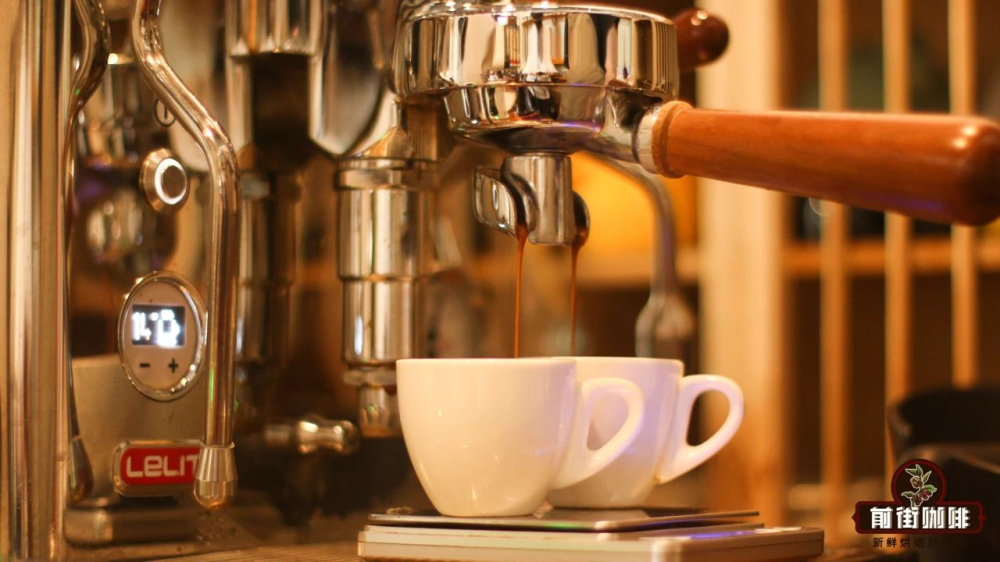
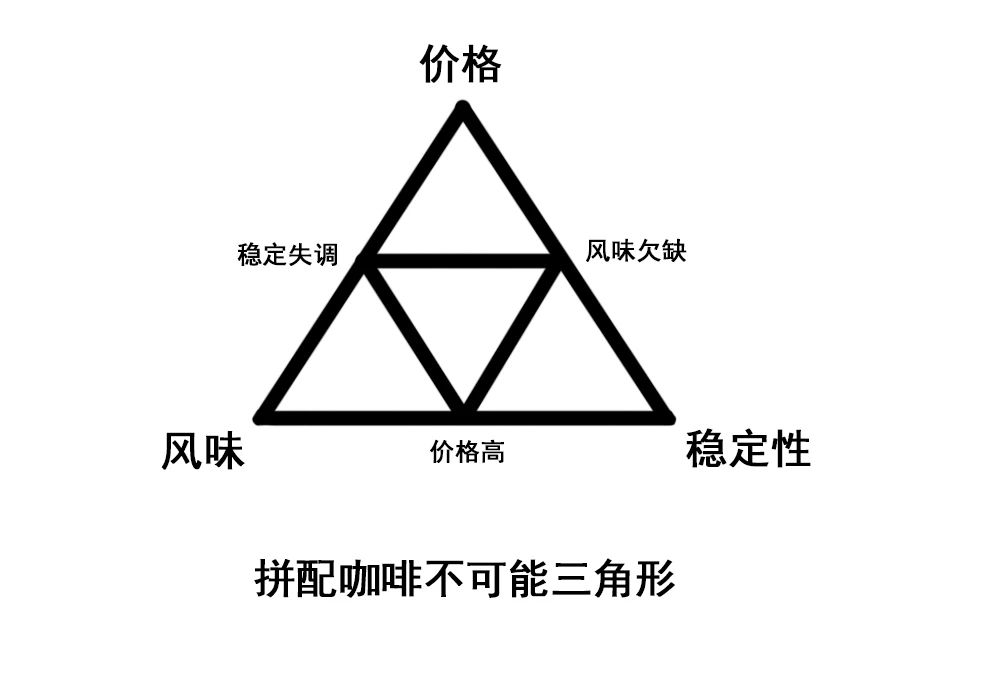
SOE is short for "Single Origin Espresso," meaning "single-origin espresso." Its key point is to highlight the coffee flavors of a specific origin — put simply, it means using single-origin coffee beans to make espresso.The opposite is espresso blend beans. Front Street Coffee has emphasized many times that blended beans strike a balance between flavor, consistency, and price — that is, if you want both flavor and consistency, the price will be high; while prioritizing price and consistency means sacrificing flavor.
But SOE is different. First, let's look at the background of its emergence. SOE only began to rise in recent years. Single-origin coffee beans used in pour-over can express a variety of flavors characteristic of their origins, and with the diversity of information media in recent years, information about single-origin coffee beans used in World Barista Championship competitions has spread widely. As a result, applying single-origin coffee beans to espresso has become a trend.
Is SOE Coffee Specialty Coffee?
This question is essentially equivalent to asking whether single-origin coffee is specialty coffee. The answer is: not entirely. When the concept of specialty coffee was first proposed in the 1970s and 1980s, the primary goal at the time was yield. Coffee beans were collected and processed centrally by region and exported as a country's foreign exchange earner. Imagine coffee beans of varying quality mixed together — having no obvious negative flavors was already considered fortunate.
When Ms. Erna Knutsen proposed that specialty coffee is "coffee beans cultivated with regional flavors under unique microclimates and geographical conditions of their origin," the essential meaning was that good coffee should not be mixed into large batches of commodity beans but should stand apart. It was intended to distinguish from the bulk commercial coffee traded on the New York futures market.
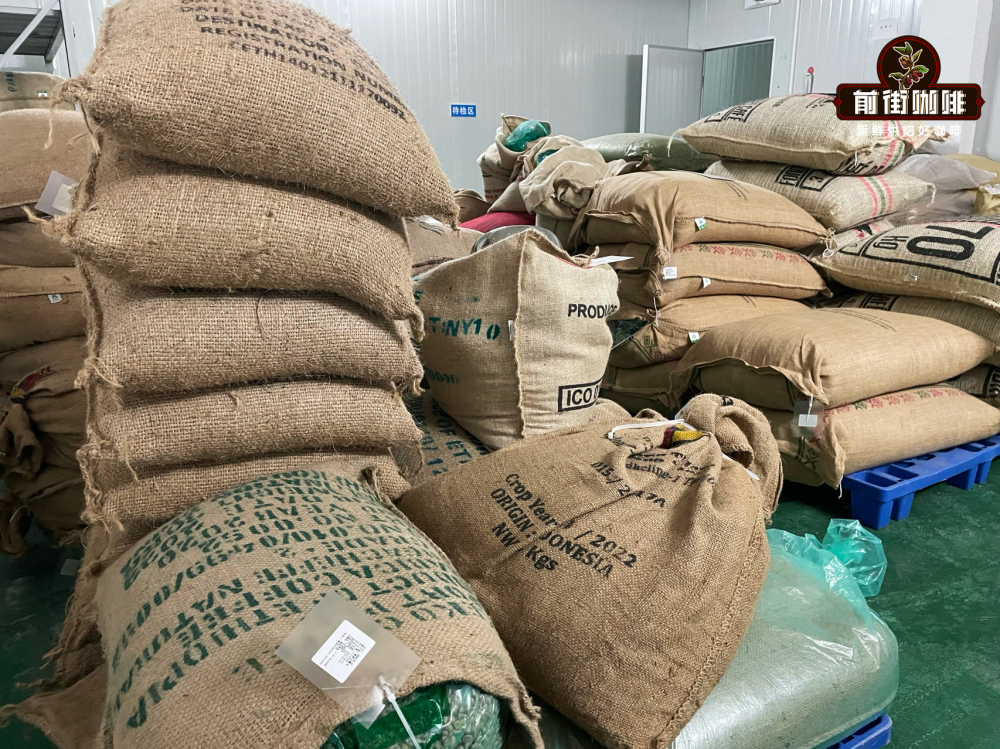
Therefore, specialty coffee beans require good varieties, a good environment, and meticulous cultivation to produce high-quality, great-tasting coffee. Single-origin coffee beans, however, merely refer to coffee beans from a single origin that exhibit regional flavors. There is no quality requirement — for example, Front Street Coffee's Indonesia Lintong Mandheling G2 is a single-origin coffee but not necessarily a specialty coffee (it ultimately depends on the cupping score). Of course, the single-origin coffee we drink in coffee shops is almost 100% specialty coffee beans.
What Are the Advantages and Disadvantages of SOE Coffee?
In Front Street Coffee's view, SOE has been labeled from birth as coffee with good regional flavors, which means the quality of the coffee beans selected must be guaranteed. How can SOE coffee's advantages be highlighted? Of course, the flavor must be prominent — that eye-opening kind of feeling. This means having good beans isn't enough; appropriate roasting is also needed.
For espresso blends, to achieve consistency and compensate for inadequate coffee bean quality, the roast level is deepened, which stabilizes the flavor. But SOE coffee needs to express an eye-opening flavor, so it can't be like blends, nor can it directly use light-roasted single-origin coffee beans meant for pour-over to make SOE — if roasted too light, the extracted espresso will be incredibly sour and astringent. Therefore, SOE beans need a uniqueroastingcurve.
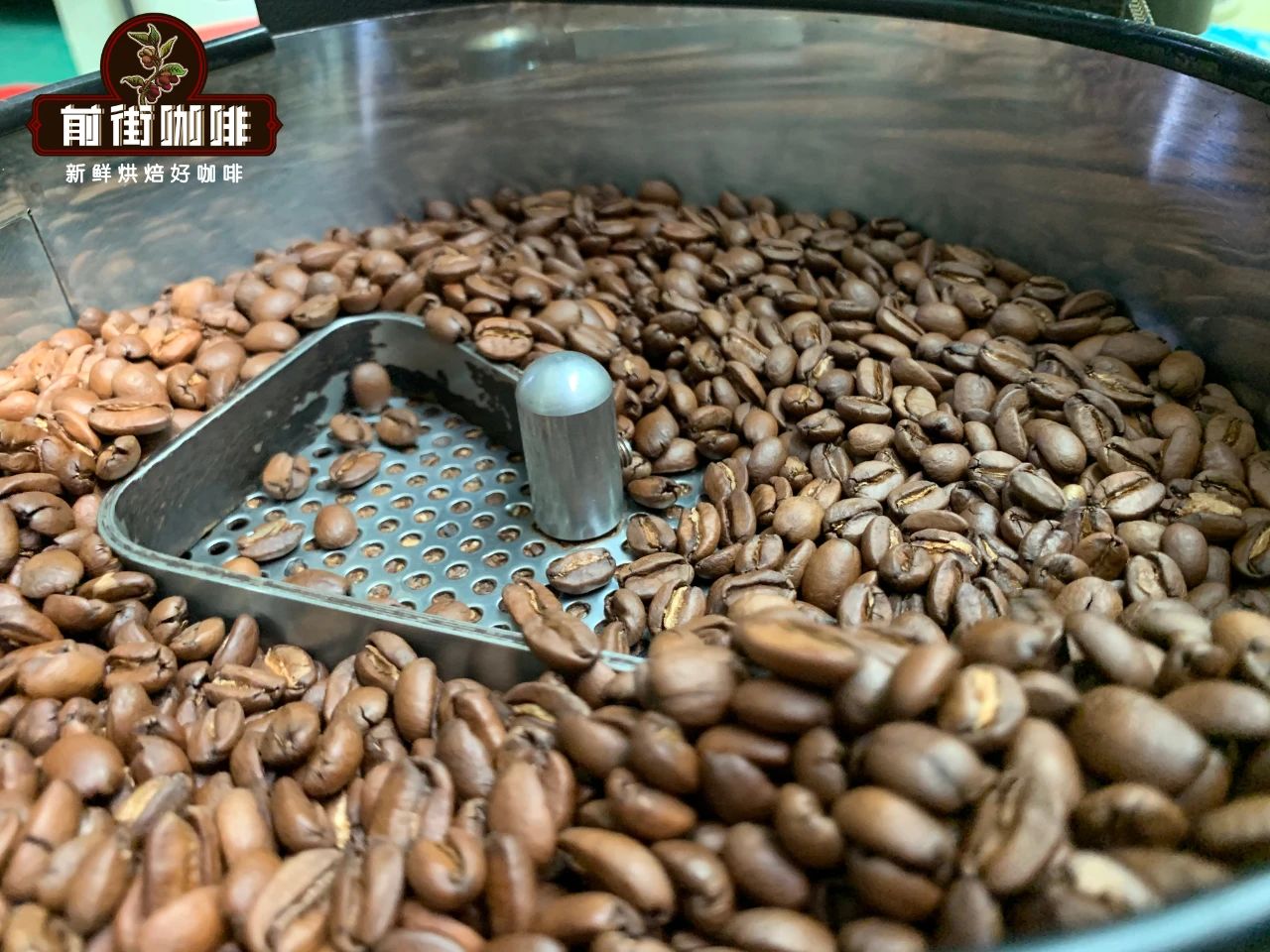
Making a delicious SOE isn't simply a matter of choosing one high-quality single-origin coffee bean. It requires countless roasting experiments and extraction adjustments to have a chance of achieving the ideal result (sometimes after several rounds of roasting and extraction, you discover that a particular bean just isn't suitable for making espresso). Espresso can amplify the flavors of a single-origin coffee bean, but it can also amplify its flaws — for example, some coffee beans with great flavor may fall short in mouthfeel. That's why in shops that offer SOE, you can usually only find 1–2 SOE single-origin beans for customers to choose from.
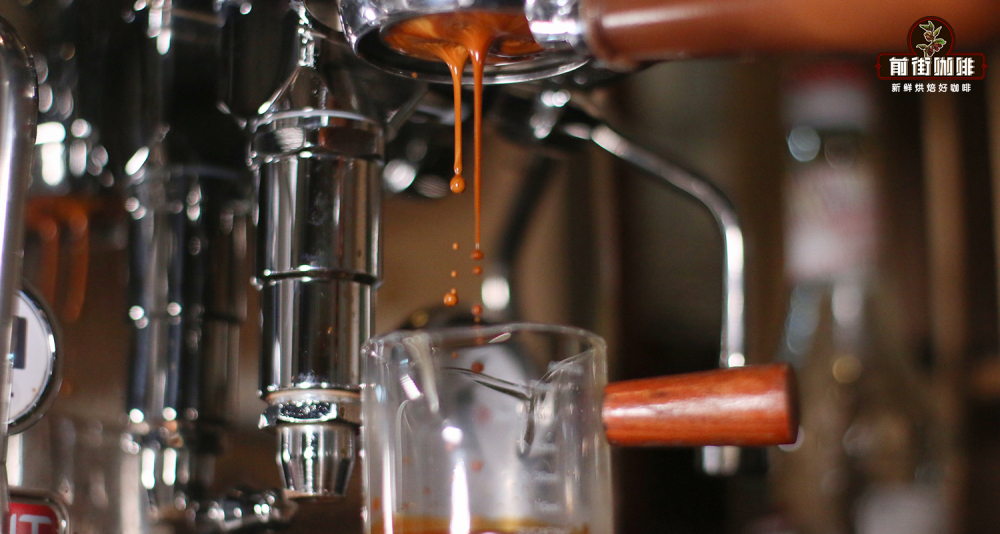
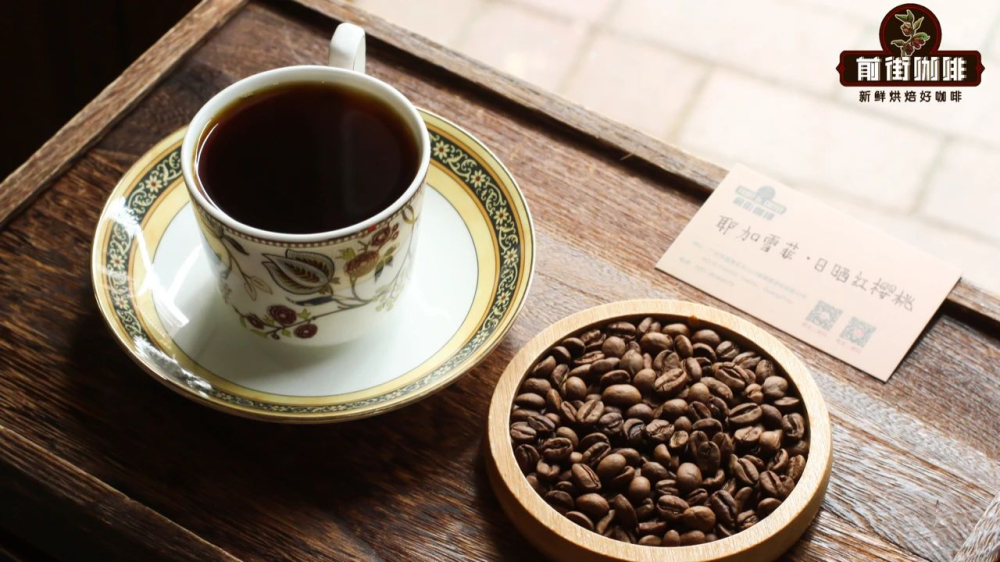
Of course, a latte or Americano made with SOE will have flavors that blends simply cannot match. For example, an Americano made with a properly extracted Front Street Coffee Yirgacheffe Gutingding SOE clearly reveals notes of citrus, floral, and honey — especially the lingering aroma left in the cup after drinking, which is something some bitterness-dominant blends cannot achieve.
Is SOE Better Than Blended Coffee Beans?
A fairly common phenomenon in the market is that blends are mostly made to achieve price advantages and flavor consistency, resulting in a relatively mediocre taste. SOE, by contrast, is meant to stand apart from this type of blend and express a memorable flavor, so flavor is prioritized — and of course, the price is also higher.
But this common phenomenon doesn't prove that SOE is completely superior to blends. When Front Street Coffee was developing the Sunflower Warm Sun blend, we also considered making a Sherry SOE coffee bean. When tasting it, it showed plenty of wine notes but lacked sweetness and mouthfeel. So we thought of adding Front Street Coffee Yirgacheffe Red Cherry to increase the sweetness.
Ultimately, through testing different ratios, we settled on 7 parts Sherry to 3 parts Yirgacheffe, creating the Warm Sun blend with an entirely new taste. The resulting espresso not only tastes better than the Sherry SOE but also has aromatic layers that regular dark-roast blends lack.
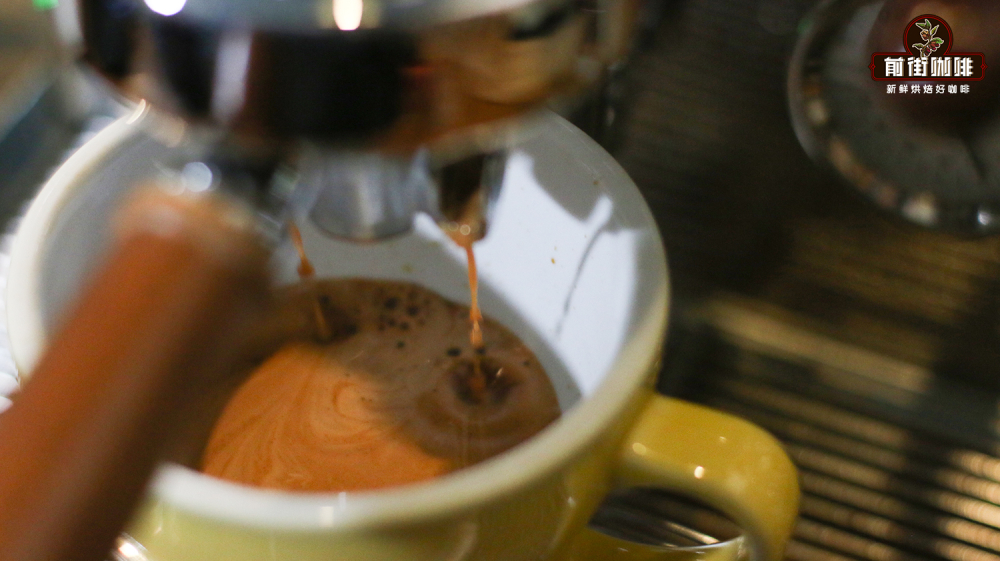
In conclusion, the emergence of SOE also represents increasingly high quality standards for espresso coffee beans, which overall is beneficial to the development of espresso coffee.
The above content is compiled by CoffeeHunters, a coffee news website.

