








What Is the Arabica Beans Meaning in Specialty Coffee?
Specialty coffee is a quality system from seed to cup, not a marketing label. The term was first proposed in 1974 by Erna Knutsen, who stressed that only under favorable microclimates and soil and water conditions can coffee with unique flavor be cultivated, distinguishing it from bulk commercial coffee traded on the New York futures market.
The arabica beans meaning sits inside this system: varietal, environment and processing decide the final cup. Flavor evaluation standards and the collaboration of five participant groups, including farmers and green bean buyers, hold quality in place. Examples include a Typica bean from Sidama, Ethiopia, showing clean natural-process sweetness, and Front Street store brewing parameters paired with a Yunnan Lincang estate.
Specialty coffee is not merely a marketing label, but a complete quality system from seed to cup. It was first proposed by Erna Knutsen in 1974, emphasizing the decisive role of microclimate, soil, and water in shaping unique flavors. This article systematically sorts out the definition of specialty coffee, the collaborative mechanism of five major participants, and flavor evaluation standards, and uses a Typica bean from the Arsi producing area of Sidama, Ethiopia as an example to analyze how natural processing shapes a clean sweetness. At the same time, combining the brewing parameters of Front Street Coffee stores with the planting practices of a Yunnan Lincang estate, it presents the complete logic of specialty coffee from variety and environment to extraction, helping enthusiasts build a clear cognitive framework.
For more specialty coffee knowledge, please follow: Front Street Coffee (Frontsteet Coffee)
At present, every industry is pursuing premiumization, and this is especially obvious in the food and beverage field. It seems that as long as the word "specialty" is attached, the price can soar. Whether it is truly worth the money ultimately depends on each person's judgment. Coffee ranks among the world's three major beverages, has a unique historical context and cultural accumulation, and has taken root in places around the world. Today, competition in coffee is often described as a contest among specialty coffees. So what exactly does specialty coffee mean? Front Street will discuss this with everyone in detail here.
The term Specialty Coffee was first proposed in 1974 by Ms. Erna Knustsen, known as the "godmother of specialty coffee," in Tea & Coffee Trade Journal. She emphasized that "only under the most favorable microclimates and soil and water conditions can specialty coffee with unique flavor be cultivated," with the aim of distinguishing this type of coffee from the bulk commercial coffee on the New York futures exchange market.
The realization of specialty coffee depends on [the joint efforts of five major parties who pursue quality continuously for life]. From beginning to end, these people maintain consistently excellent standards to ensure quality and make this their priority work objective, and all participants can cooperate in coordination; none of them can be missing! These five types of people include coffee farmers, green bean buyers, roasters, baristas, and consumers. In the overall cycle from production to consumption, only when everyone consistently pursues excellence in quality can the true essence of specialty coffee be reached.
Specifically, it is necessary to carefully select the most suitable variety and plant it at the altitude, climate, soil, and water environment most conducive to the development of coffee flavor; carefully carry out washed and natural processing, select the highest-grade green beans without defects, and deliver them to customers with zero flaws in the transportation process; through the roaster's superb craftsmanship, bring out the richest flavors of the region, and then use a recognized extraction method to brew delicious coffee.
Specialty coffee is [coffee that consumers drink with excellent flavor and are willing to give a positive evaluation, and consumers feel satisfied]. The definition of excellent flavor means that the coffee's flavor can leave a distinct impression, with bright, crisp acidity and a sense of distinctiveness, while the aftertaste of the coffee carries sweetness; and the coffee itself must have consistent and strict production procedures, unified processes, and rigorous quality management at all stages from green bean to a cup of coffee. Only coffee meeting the above conditions belongs to specialty coffee.
We might as well use Front Street COE22 from the Front Street Coffee store bean list as an example:
The Front Street COE22 purchased by Front Street Coffee comes from Arsi under the Sidama producing area in Ethiopia. The coffee variety is one of the oldest Arabica varieties—Typica—and it uses the natural processing method.
Front Street Ethiopia Cup of Excellence 22nd place (COE 22) Producing area: Arsi, Sidama, Ethiopia Grower: Adem Banta Sute Variety: Typica Processing method: Natural processing
Ethiopia is widely known as the birthplace of coffee, and Arsi is located in West Arsi. West Arsi lies between the famous Yirgacheffe coffee-growing region and Harerge, at an altitude of 1900-2200m, in the western part of the Sidama region. The name of this region comes from a branch of the Oromo people who have lived there for a long time.
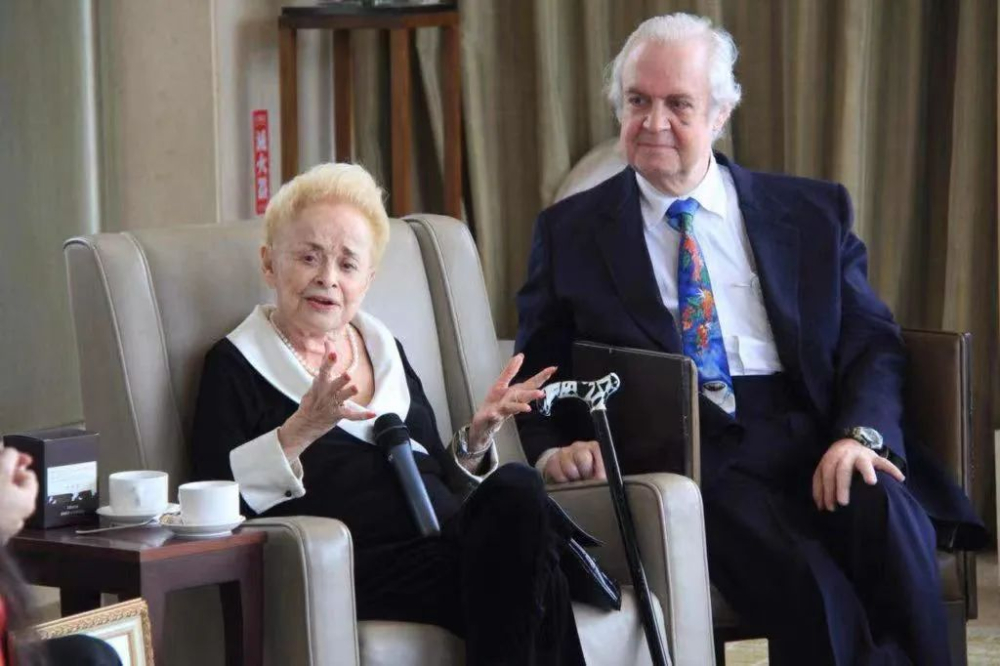
Adem Banta Sute, the grower of Front Street COE22 coffee beans, produced 4,500 kilograms of coffee on his own 6 hectares of land. He described himself this way: I grew up on a coffee farm and have been farming all my life. Placing in this competition is a reward for my efforts.
Typica has a bronze-colored top leaf and oval or slender-pointed beans; its flavor is elegant, but the plant is relatively weak, has poor disease resistance, and low fruit yield. Through cupping Typica from different producing areas, Front Street Coffee has found that no matter where it is planted, Typica carries its uniquely quiet and clean flavor, balanced characteristics, and mouthfeel across coffee-growing regions around the world.
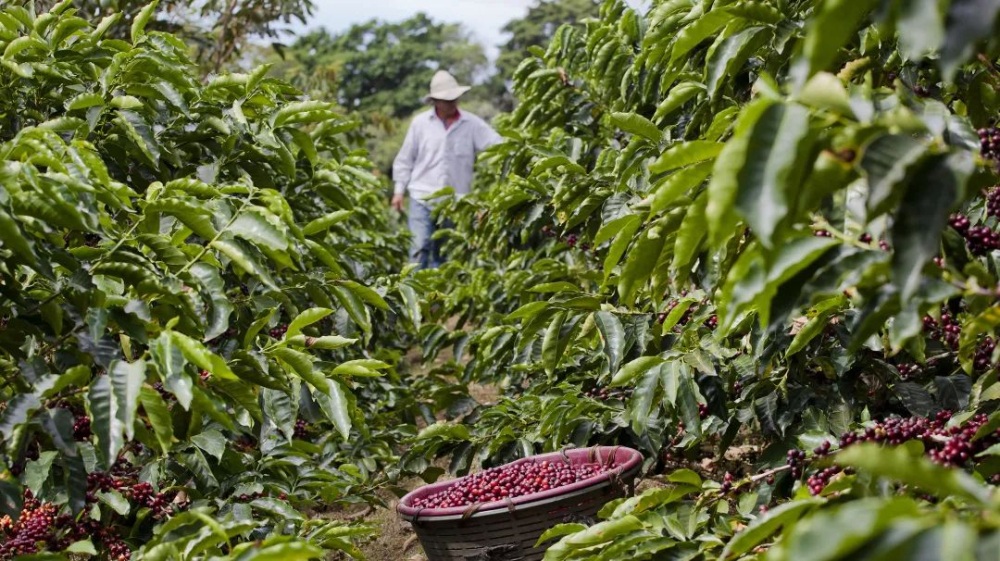
This Front Street COE22 uses the natural processing method. In Ethiopia, more than 70% of coffee cherries are processed by the natural method. Naturally processed coffee has more prominent sweetness and body than washed coffee.
The grower of this coffee bean, Adem Banta Sute, selects usable coffee cherries after harvest and places the coffee cherries with the whole pulp and skin kept intact on raised beds for natural processing. Before the moisture content drops to 25%, they need to be turned evenly by hand, once every 30 to 60 minutes, to avoid unpleasant over-fermentation flavors. It is precisely this raised-bed drying method, which involves intensive manual labor, that isolates the coffee from contact with the ground, prevents musty off-flavors during natural processing, and creates an exceptionally clean fruit flavor. After more than two weeks of sun drying, the dark brown coffee cherries are professionally stored, waiting for the entire flavor to mature. Only before shipment are the coffee beans taken out of the coffee cherries, so the sweetness can be imagined.
Friends who have visited Front Street Coffee stores will more or less have their own understanding of specialty coffee, and friends who come to Front Street stores to taste coffee can also see how Front Street Coffee baristas brew coffee.
Front Street Coffee brewing method: three-stage extraction. Use 30 grams of water for blooming for 30 seconds, pour in a small stream in a circular motion until 125 grams and then divide the stages; when the water level drops and is about to expose the coffee bed, continue pouring until 225 grams and stop pouring; when the water level drops and is about to expose the coffee bed, remove the dripper. (Start timing from the beginning of blooming.) The extraction time is 2'00".
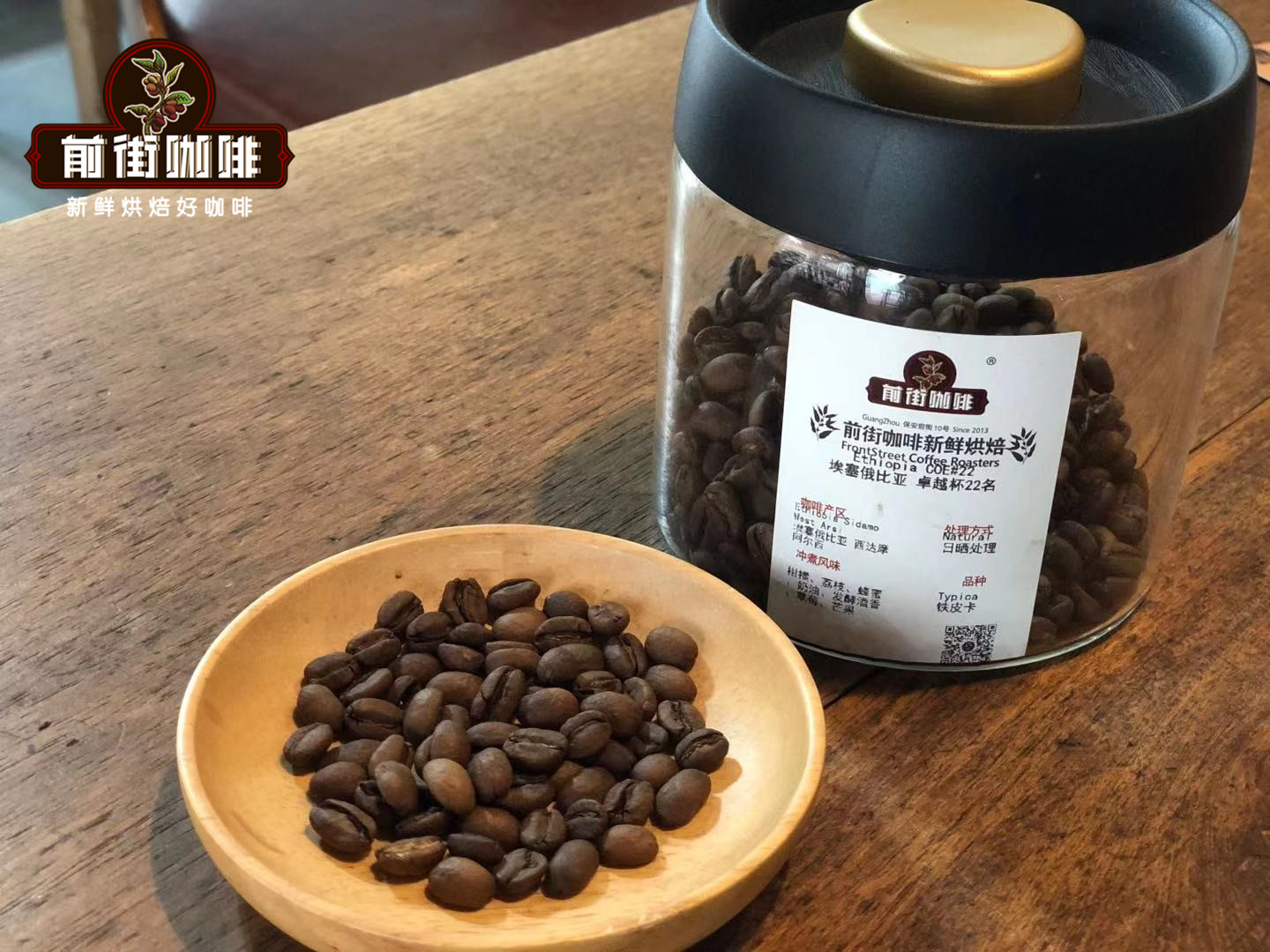
The brewed flavor of this Front Street COE22 is citrus-like acidity, berry juice-like mouthfeel, creamy smoothness, and a honey-like finish.
In Master Han Huaizong's book The Study of Specialty Coffee, it is mentioned that specialty coffee is seven parts variety and three parts environment. In order to gain a deeper understanding of specialty coffee, Front Street Coffee personally experienced and studied specialty coffee, and established its own coffee estate in Lincang, Yunnan, belonging to Front Street Coffee.
On the Yunnan Front Street Coffee estate, Front Street grows the elegantly flavored Typica. The estate's land is fertile, the location has abundant rainfall, and the temperature difference between day and night is large. This altitude is suitable for growing Arabica varieties. The weather within the estate is changeable: one second it is still sunny, and the next it may become overcast and drizzly. It is precisely this kind of microclimate that gives this Front Street naturally processed Typica a full flavor.
Front Street 2013 Yunnan Natural Typica coffee beans Producing area: Lincang, Yunnan, China Estate: Front Street Coffee estate Altitude: 1300m Variety: Typica Processing method: Natural processing
Its brewed flavor has soft berry acidity, nutty flavors, a brown sugar-like finish, and an obvious tea-like character.
The above content is compiled by CoffeeHunters, a coffee news website.


