







Search Results for: Electronic

Artificial Intelligence Electronic Nose Unveiled: Precisely Distinguishing Coffee Flavor Differences Using Sensor Arrays and Algorithms
For baristas, the senses are the tools they rely on for their livelihood; once they catch a cold and their nose is blocked, they have no way to judge the quality of that day's output. A research team in Taiwan combined artificial intelligence learning algorithms with an electronic nose to develop a system capable of distinguishing differences in coffee aromas, with recognition accuracy reaching 81% to 98%. This technology is not only expected to help coffee professionals maintain quality control when their senses fail, but may also be applied to quality verification across the coffee industry chain. At the same time, the research team is also developing an electronic tongue, electronic eye, and tactile system in parallel, attempting to cover every link in coffee quality control from multiple dimensions. [more…]
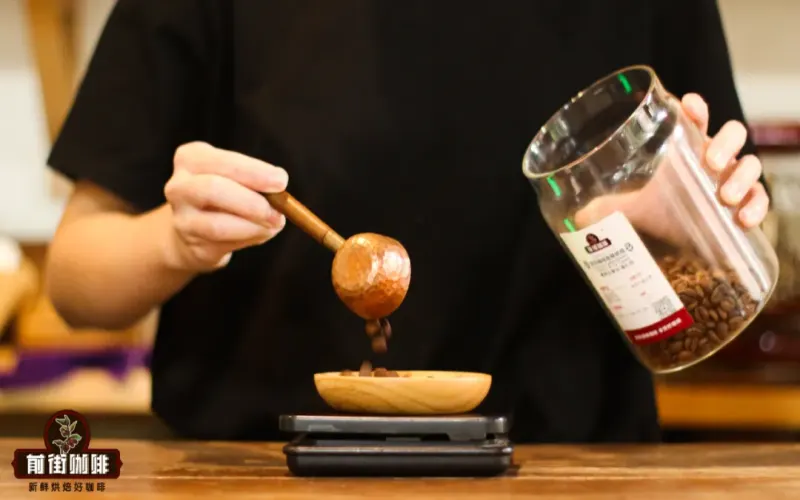
Do pour-over and espresso need a scale? Analyzing the necessity of precise weighing from dose to yield
Many coffee enthusiasts wonder when they see baristas using electronic scales in cafés: does making a cup of coffee really require such fuss? Couldn't you, like an experienced chef, just eyeball it or use a measuring spoon or cup and still brew good coffee? An electronic scale is indeed not an absolute necessity for making coffee, but eyeballing and measuring spoons have obvious inconsistencies. This article, based on actual tests at Front Street Coffee, first uses measuring spoons as an example to reveal that dark-roasted and light-roasted beans can differ by several grams in weight at the same volume, then explains the huge impact of dose deviation on concentration and flavor; next, using espresso as an example, it explains why cup markings cannot accurately reflect liquid weight. The article ultimately suggests that if you want consistent output or to study parameters, an electronic scale remains a trustworthy tool. [more…]
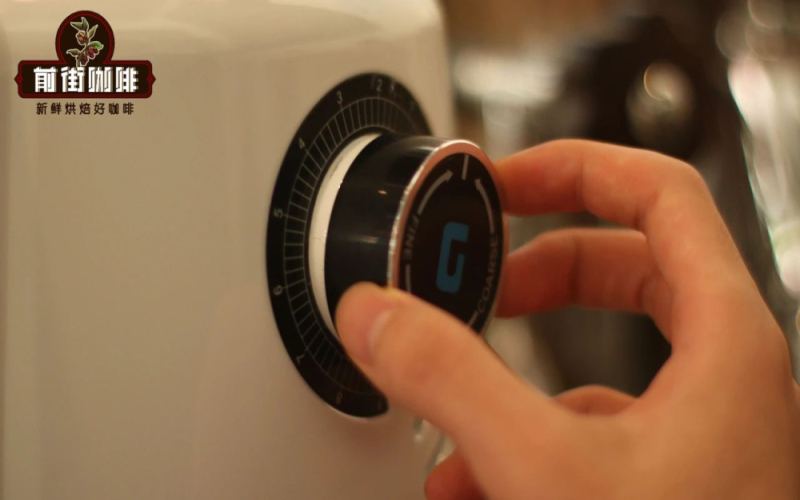
Espresso Grinder Grind Size Adjustment Guide: A Complete Step-by-Step Process from Judging the Powder to Dialing In an Electronic Grinder
To pull a proper espresso, adjusting the grinder's grind setting is an unavoidable daily task. Why do cafes need to adjust the grind so frequently? How does the coarseness of the grounds affect water flow and extraction time? And how do you tell whether the grind is right? This article starts with why grind adjustment is necessary, then breaks down the specific tuning methods for ordinary grinders and electronic grinders, including the linked relationship between dose and grind level, the ideal gap between the puck and the water outlet, and other details, and shares practice ideas for water-to-coffee ratios, to help you consistently recreate a delicious espresso at home. [more…]
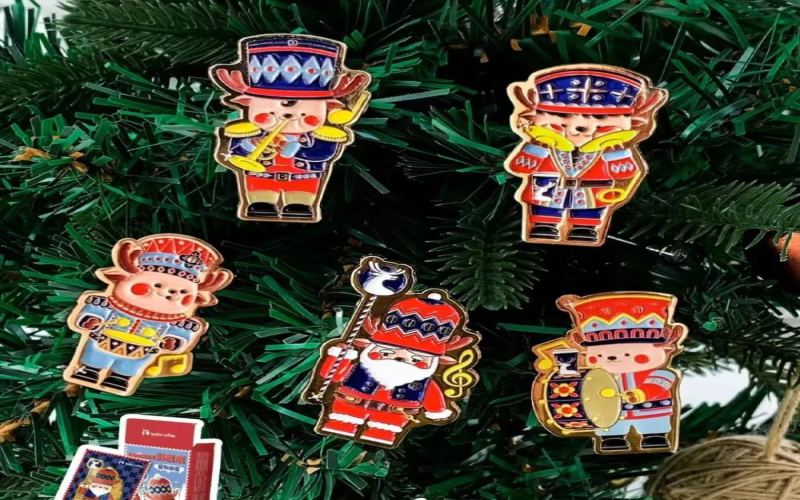
Luckin blind box badges spark a weighing craze, as coffee lovers bring electronic scales to stores to pick their favorite style
Luckin Coffee launched the Drum Deer Deer series metal badges this week, paired with a blind box promotion where buying two cups earns a badge, quickly sparking a buying frenzy among consumers. However, the random distribution mechanism of the blind boxes has left many Luckin fans struggling to collect their desired styles—some drank multiple cups without success, while others opened sixteen blind boxes in two days just to complete a set. To crack the blind box challenge, some consumers took a creative approach by bringing electronic scales to stores to weigh the packaging boxes and determine which badge was inside, with some even compiling the precise weights of the five badges for others' reference. This trend of weighing to pick badges has gradually evolved from a spontaneous act by netizens into a common practice at stores, and Luckin employees have shifted from initial confusion to understanding, even actively helping with weighing during idle times. This article provides a comprehensive overview of this amusing phenomenon triggered by coffee blind boxes. [more…]
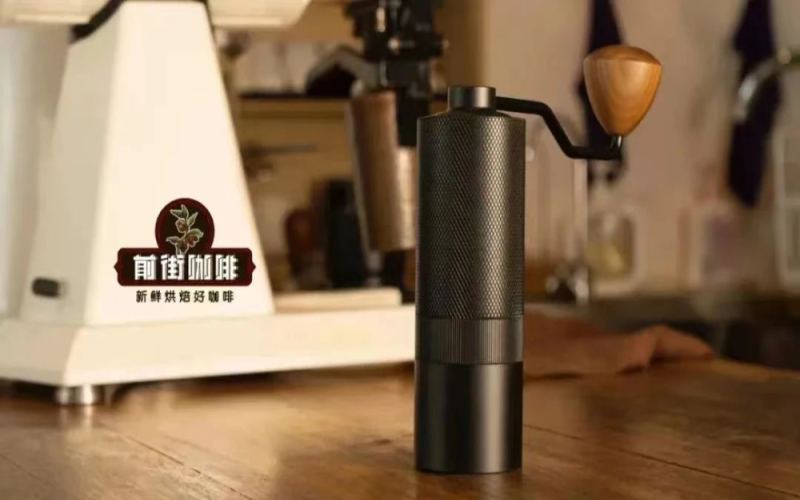
Pour-Over Coffee Beginner Essentials | How Much Does It Cost to Get a Full Pour-Over Coffee Setup? Which Pour-Over Kettles and Grinders Are Good for Coffee Newbies?
Friends who love coffee are certainly not satisfied with just drinking it—eventually they will want to enjoy the pleasure of brewing it themselves. The simplest way to achieve this goal is to get a set of pour-over equipment. Compared with espresso machines, the entry cost for pour-over coffee is much lower, but as your skills improve, the subsequent investment [more…]
Pour-over coffee brewing tutorial | How can coffee beginners learn pour-over coffee from scratch? What coffee equipment is essential for self-learning pour-over coffee?
Admittedly, when it comes to brewing coffee, different people hold completely different views. In the eyes of the no-frills "veteran coffee drinkers," making a cup of coffee takes only three steps: grind the beans - dump the grounds - pour water, and once it finishes dripping, you can drink it. Any extra step feels like a waste of time; but if you start from the perspective of a café that needs to ensure consistent output, for example [more…]
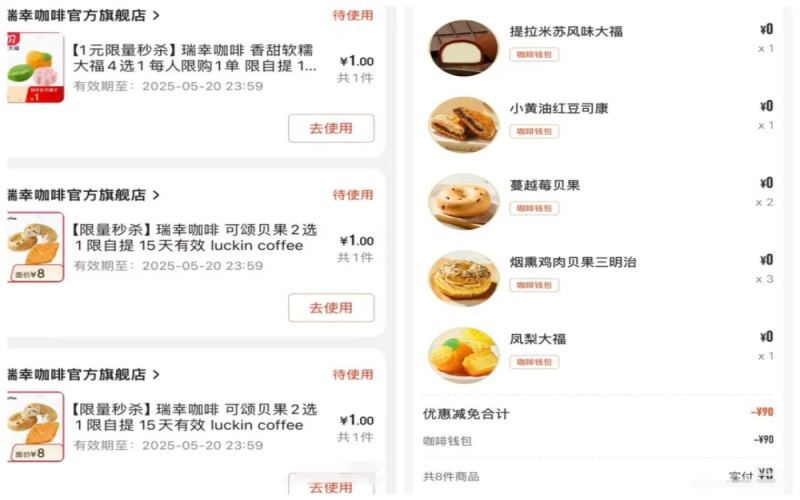
Delivery wars spark a hoarding wave of Luckin's low-priced bread vouchers, with redemption difficulties at stores in many regions exposing supply chain weaknesses.
Competition among food delivery platforms has escalated into a battle of three giants, chain brands' average order values continue to decline, and Luckin's timely launch of low-priced bread vouchers has triggered a frenzy of stockpiling among consumers. However, when users take their electronic vouchers to stores for redemption, they find that baked goods at nearby stores are largely sold out, with some cities even reporting no stock citywide. This buying spree, fueled by platform subsidies, not only reflects consumers' strong demand for high-value-for-money coffee companions but also exposes brands' disconnect between demand forecasting and supply chain response. Staff explained that the thawing process and delivery cycle are the two main reasons for the redemption difficulties. For enthusiasts who love pairing coffee with baked goods, Front Street Coffee has always advocated balancing rational consumption with quality experience, and suggests paying attention to store inventory dynamics and arranging redemption times reasonably. [more…]
A Complete Guide to Adjusting the Grind Setting on an Electric Espresso Grinder: Step-by-Step Breakdown and Practical Tips
Why does a coffee shop need to adjust the grinder every day? How does grind size affect extraction? Starting from the principles of grinding, this article systematically explains how to adjust the settings on an electric espresso grinder, including how to judge the quality of the grounds, the specific operating steps, the relationship between the output and the grind setting on an electronic grinder, and practice suggestions for the water-to-coffee ratio. Whether you are a new barista or a seasoned enthusiast, you can find practical adjustment ideas here to make every shot of espresso consistently excellent. [more…]
Coffee Types | Do coffee connoisseurs drink pour-over coffee or drip bag coffee? What are the differences between drip bag coffee packs and pour-over black coffee?
For more specialty coffee knowledge, please follow: Front Street Coffee (Frontsteet Coffee). Do people who drink pour-over coffee not drink drip bag coffee? Do people who drink drip bag coffee not understand pour-over coffee? If you think so, you are greatly mistaken. In fact, there is no essential difference between pour-over coffee and drip bag coffee. At Front Street, there are [more…]
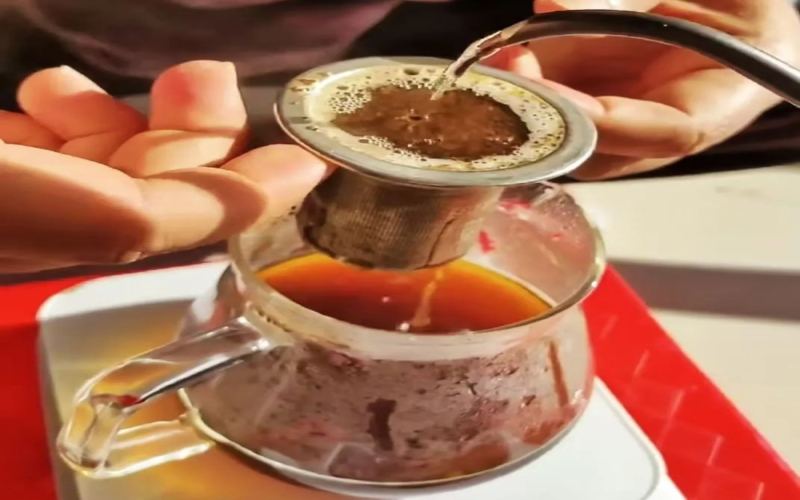
What to Do If You Don't Have a Digital Scale for Pour-Over Coffee? Visual Estimation Tips and Pulsed Pouring Plans for 15g of Grounds
The consistent output of pour-over coffee is inseparable from the precise measurement of an electronic scale, but if you run into the predicament of a broken scale, a dead battery, or simply no alternative tool to be found, does that mean you have to give up on a good cup of coffee? Starting from the two core variables of coffee dose and water volume, this article shares Front Street Coffee's hands-on experience: how to judge 15g or 20g of ground coffee by visually estimating the height of the coffee bed, how to use the dripper's markings as a reference under different roast levels, how to choose a coffee-to-water ratio between 1:14 and 1:16, and a three-stage blind brewing process that requires no scale. Even without equipment, mastering these techniques can still brew a qualified pour-over of about 210ml. [more…]

Coffee Brewing Methods | How Big Is the Difference Between Pour-Over and Espresso? Which Coffee Beans Are Best for Pour-Over Beginners?
Nowadays, when you go to a coffee shop, most shops offer both pour-over coffee and espresso. Friends who don't drink coffee very often may be confused by this. They're both coffee, so what's the difference? Front Street Coffee is here to explain these two types of coffee respectively. [more…]
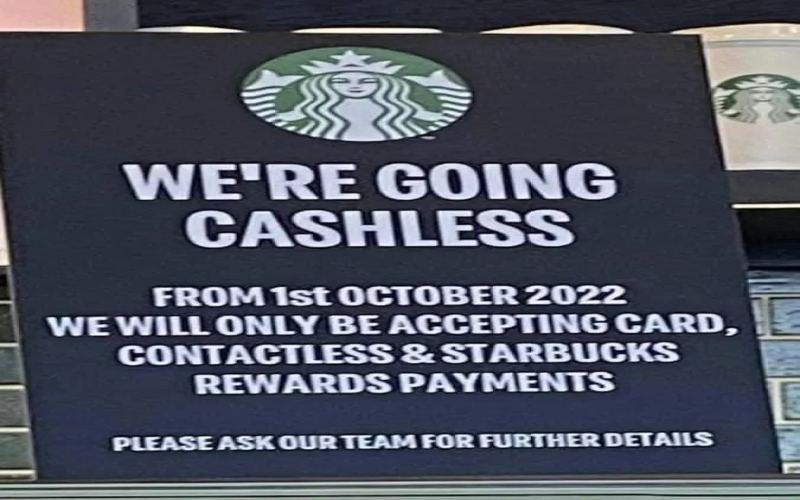
Starbucks Responds to Cashless Store Controversy: It's Just an Autonomous Decision by a Few Franchised Stores
Recently, two Starbucks stores in the UK posted notices stating they would stop accepting cash, sparking heated discussion online. Many people worried that this move deprived consumers of their right to choose, and public opinion quickly escalated. Starbucks UK officially clarified afterwards that these stores are independently operated by licensed partners, and going cashless is not a unified company policy. In fact, Starbucks once tested a cashless model in the US but did not roll it out, and although it encouraged electronic payments during the pandemic, it still emphasized that cash always remains an option. This article will recount the course of the incident and sort out Starbucks' historical stance on payment methods and its future direction. [more…]
Featured Cold Brew Coffee Bean Recommendations | Is Yirgacheffe a Coffee Region or a Coffee Variety? How to Make Cold Brew Coffee at Home with Ethiopian Washed Yirgacheffe?
In recent years, as more and more specialty coffee beans with outstanding flavors have been launched one after another, our choices have also increased accordingly, including some varieties with very special names. Front Street. Gediding Coffee is a typical example. Front Street. Gediding is a high-grade washed Yirgacheffe. Not only is its name cute, but its taste is also unique, [more…]
Complete unboxing record of the La Marzocco Strada espresso machine: Analysis of the pressure profiling technology in both MP and EP versions
In recent years, variable pressure extraction has become the most closely watched technological direction in the field of espresso machines. From Synesso to Slayer, and then to the Strada launched by La Marzocco, the design of pressure control valves has continuously evolved. This article provides a complete record of the unboxing of the La Marzocco Strada at the illy Coffee University in Shanghai, China, detailing the appearance, structure, and core differences between the Strada MP manual version and the Strada EP electronic version. The MP version directly controls water flow and pressure through an internal mechanical valve, while the EP version uses an electronic gear pump to achieve stepless pressure variation from 0 to 12 BAR and can store pressure profiles. For coffee enthusiasts following the technological development of espresso machines, as well as readers of Front Street Coffee, this unboxing record provides rare hands-on details and firsthand observations. [more…]
How big of an impact does a 0.5-gram difference in espresso dose make? A real-world test of why a scale is essential during extraction
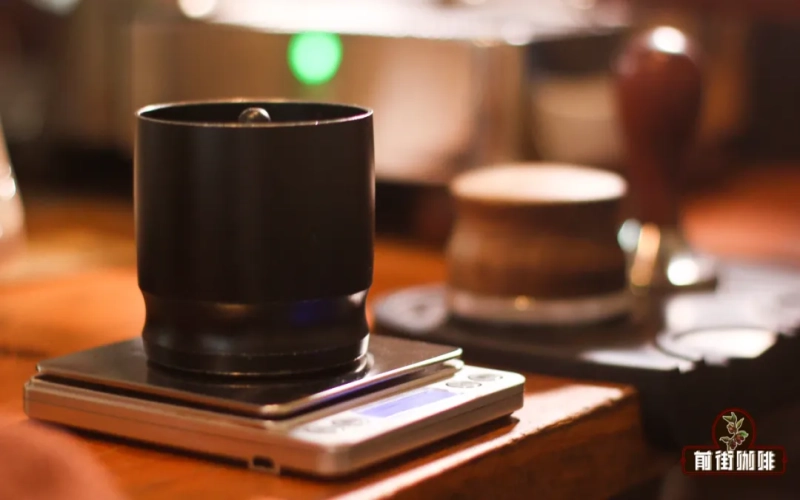
Regarding whether an electronic scale is needed when making coffee, two completely different voices have always existed within the coffee community. One side insists that a scale is a key tool for ensuring extraction quality, while the other feels that a few grams more or less makes no difference, and the taste of the espresso will not change noticeably. To verify this controversy, Front Street Coffee designed a set of comparative experiments, testing respectively from the two dimensions of different dose and different liquid weight, using actual tasting to reveal how a change of a few tenths of a gram in dose affects the flavor of espresso, and whether an electronic scale is actually necessary in daily coffee production. [more…]
The Complete Guide to Espresso Grinder Adjustment: Practical Dialing Methods from Burr Spacing to Extraction Parameters
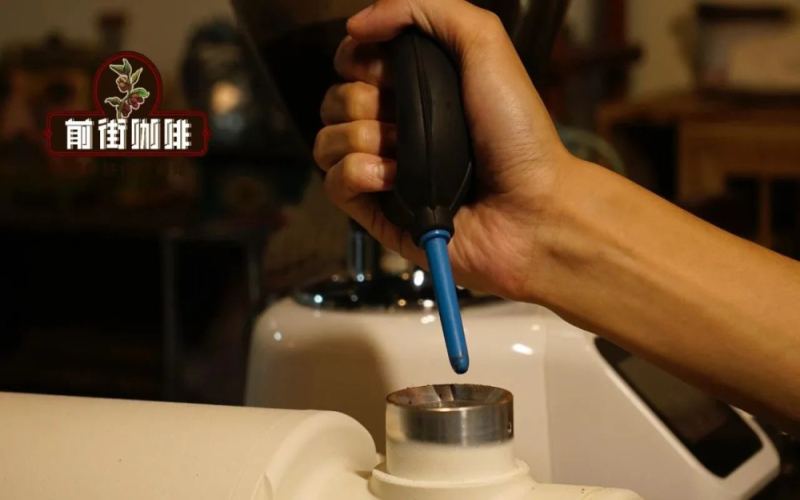
Why do coffee shops need to readjust their grinders every day, or even every few hours? The answer lies in the continuous degassing of coffee beans, the slow wear of the burrs, and environmental changes—all of which cause what seems like a fixed extraction recipe to gradually drift away from the ideal state. Drawing on the hands-on experience of Front Street Coffee, this article systematically explains the principles and steps of adjusting the grind setting on an espresso grinder: how to judge whether the grind size is appropriate, how to control extraction time by adjusting the grind setting, the linked relationship between the output volume and grind degree of an electronic grinder, and key details such as puck height and the coffee-to-water ratio. Whether you are a beginner who has just started exploring espresso or a professional hoping to refine your dialing-in skills, you will find practical operational guidance here. [more…]
How Does Pour-Over Coffee Water Flow Rate Affect Extraction? A Detailed Explanation of the Differences Between Fast and Slow Flows and Methods for Measuring Flow Rate
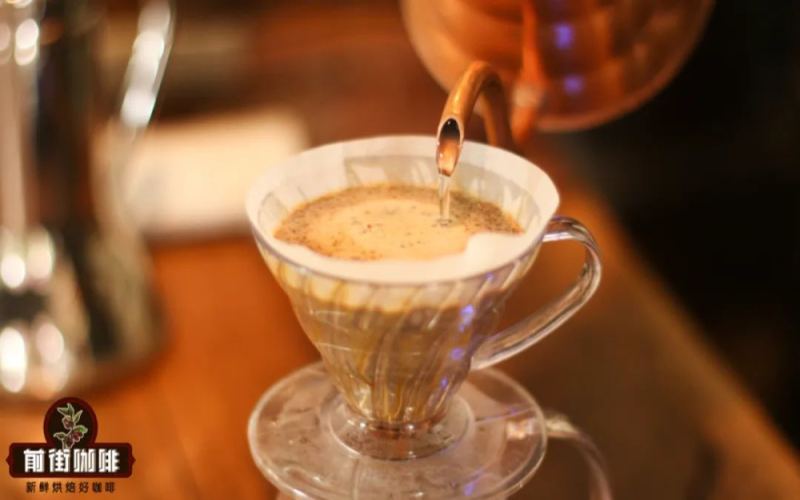
During the pour-over brewing process, the speed of pouring water directly affects the extraction time, the state of the coffee bed, and the final flavor expression. Many enthusiasts misunderstand large and small water flows, believing that a small flow equals gentleness and a large flow equals forcefulness. In reality, flow rate refers to the amount of water poured per second and has no absolute relationship with impact force. This article will analyze in detail the effects of large and small water flows on different extraction results, share how to measure pouring flow rate with an ordinary electronic scale, and, combined with Front Street Coffee's practical experience, explain when to switch between large and small water flows, helping you adjust flexibly during brewing to achieve a more ideal coffee flavor. [more…]
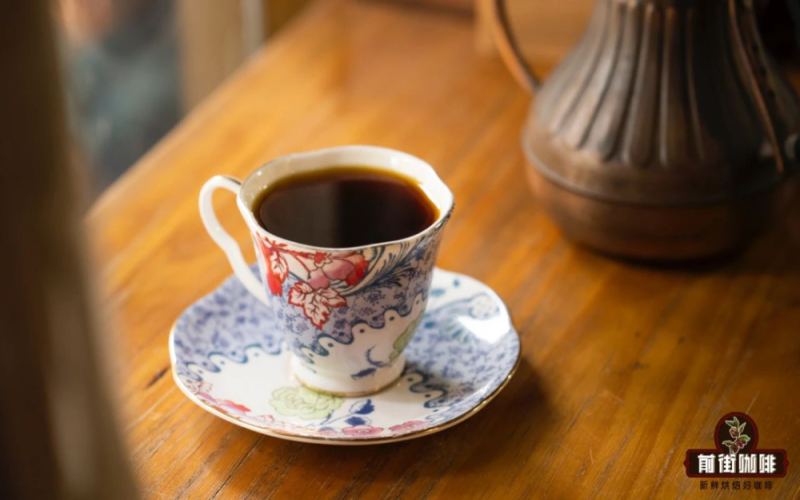
How to Make Your Own Drip Coffee Bags: A Beginner's Guide to Making Pour-Over Bags at Home and Brewing Yirgacheffe Red Cherry Drip Black Coffee
As more and more people join the coffee-drinking ranks, here at Front Street we have quite a few white-collar workers and university students around us—even high schoolers have started drinking pour-over. Compared with the one-note taste of instant coffee, today's young people clearly favor freshly ground specialty coffee, especially aromatic black coffee, and the varieties are incredibly diverse. [more…]
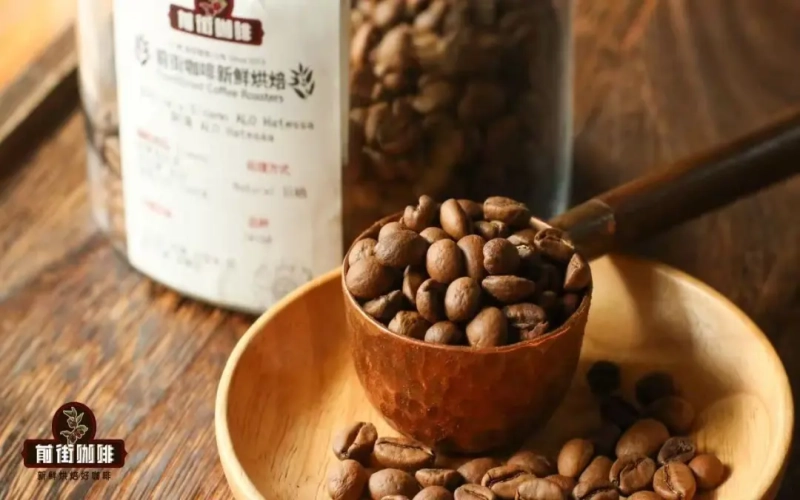
Measurement in Pour-Over and Espresso: Why a Digital Scale Beats a Measuring Spoon, and How Coffee-to-Water Ratio Affects Strength
In coffee brewing, the choice of measuring tools may seem like a minor matter, yet it directly affects consistency in the cup. A measuring spoon is convenient, but it measures volume rather than weight; due to differences in variety, cultivation, and roasting, the same level spoonful of different coffee beans may scoop out 9g or 11g, an error large enough to change the direction of the flavor. Front Street Coffee once conducted an experiment with Geisha Village Red Label Geisha: with water volume and other parameters unchanged, adjusting the dose by just 1g produced noticeable differences in concentration and extraction yield. This article will use experimental data to explain why electronic scales have become the first choice of coffee shops, and to show why measurement accuracy must be even higher under pressurized espresso extraction. [more…]
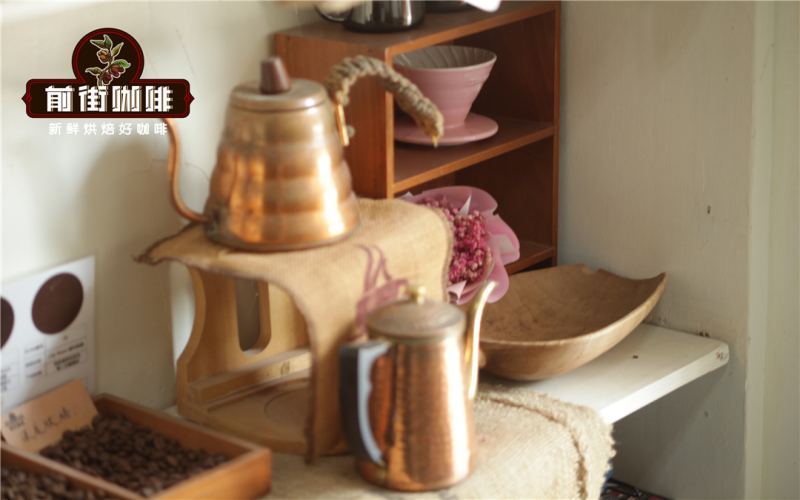
Can Drip Bag Coffee Be Considered Specialty Coffee? How Big Is the Actual Difference from Pour-Over Coffee?
Many people assume that those who drink pour-over look down on drip bags, and that those who drink drip bags don't understand pour-over—but this isn't actually the case. Drip bag coffee is essentially a simplified version of pour-over coffee; there is no fundamental difference in the extraction principle between the two. The differences lie mainly in equipment preparation, brewing procedure, and convenience. From the perspective of Front Street Coffee, this article systematically sorts out the respective characteristics of pour-over coffee and drip bag coffee, the equipment required for each, flavor differences, and the correct method for brewing drip bags, helping coffee lovers choose the type of coffee that suits their needs. [more…]