







Search Results for: Earth Day

Earth Day 2023: Behind Starbucks' Free Coffee for Reusable Cups, Environmental Commitments Worth Noticing
Every year on April 22, World Earth Day, Starbucks' free coffee for customers who bring their own cups always sparks heated discussion. From the enthusiastic participation in 2017 to the coupon grabs and challenges in the following years, and then to the carnival triggered by its return in 2022, what exactly are these campaigns for? This article takes you through the evolution of Starbucks' Earth Day campaigns, explores environmental issues in the coffee industry from cultivation and processing to consumption, and looks at what other meaningful environmental actions besides free coffee are worth paying attention to. At the end, there is also a specialty bean recommendation from Front Street Coffee—if you love coffee and love the Earth, don't miss it. [more…]

2023 Earth Day Starbucks Free Coffee with Bring-Your-Own-Cup Event Recap: A Grand Review of Quirky Containers and Environmental Philosophy
Every year on April 22, World Earth Day, Starbucks launches a bring-your-own-cup free coffee event, and this year is no exception. This time-limited, unlimited free coffee feast attracted many coffee lovers, who all brought all kinds of bizarre containers to "get freebies." From frying pans to buckets, from rice cookers to stainless steel basins, netizens' creativity is both amusing and endearing. The first 40 people could also get a free upgrade to a medium almond latte, which added even more temptation. This article takes you through the highlights of this year's event, to see which "outstanding" contestants' cups can become classics, while also experiencing the environmental protection concept advocated by Starbucks. [more…]

Earth Day Starbucks Bring-Your-Own-Cup Event: Coffee Lovers Gather at Stores with Creative Containers
Every year on Earth Day, Starbucks launches a free coffee promotion for customers who bring their own cups, drawing a large crowd of coffee lovers who show up with all kinds of containers. This year the event fell on a Monday, yet many people still lined up early, aiming straight for the top 30 oat lattes. Among the crowd were creative containers like pots and pans, rice cookers, and pickle jars, and even cups from brands like Luckin and Manner made a "cameo" appearance. This brief and joyful freebie frenzy was both a show of support for environmental protection and a display of coffee fans' humor and enthusiasm. Though the event has ended, everyone looks forward to meeting again next year. [more…]
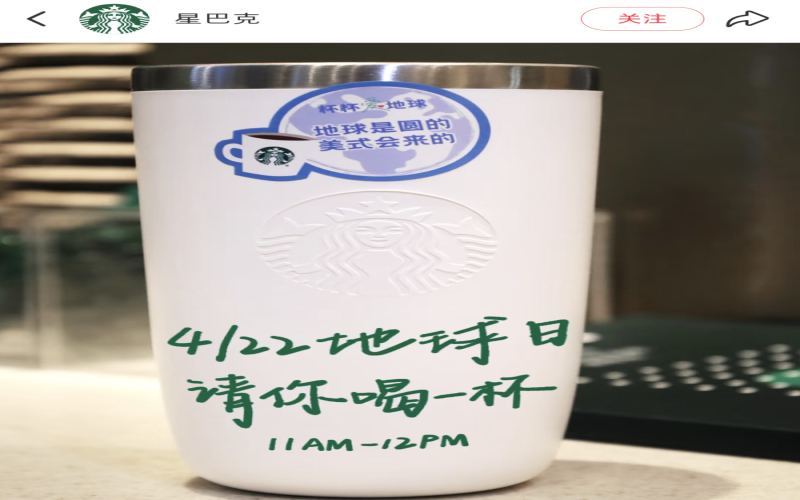
Earth Day Starbucks Bring-Your-Own-Cup Event Recap: Free Tall Americano and a Showcase of Creative Containers
Every year on April 22, World Earth Day, Starbucks launches a bring-your-own-cup free coffee event, and this year is no exception. During the designated time slot, bring a non-disposable container to the store and you can get a free medium Americano; the first 30 people can even upgrade to a Berry Berry flavored Americano. Although the size is limited to medium, there are no restrictions on the type of container, so this event has gradually evolved into an annual "BYOC Cup Showcase" for coffee lovers. From buckets and milk bottles to pickle jars and gourds, all kinds of wildly imaginative containers make their appearance, with office workers quietly taking advantage of the freebie and attention-seekers using the opportunity to show off their cups. This article takes you through the highlights of this year's event to see which containers left the deepest impression. [more…]
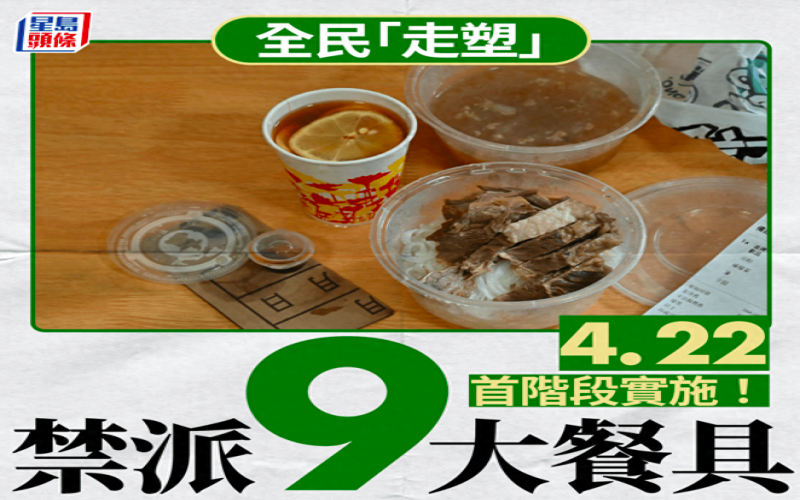
Hong Kong's Full Plastic-Free Debut: McDonald's Paper Cups and Lids Spark Heated Debate, Testing Both Taste and Efficiency
On April 22, World Earth Day, Hong Kong officially launched its "plastic-free" policy, banning in the first phase the provision of styrofoam tableware and various single-use plastic utensils for food delivery. Chain giant McDonald's was the first to respond, fully switching to paper cup lids and paper straws. However, customers complained that they had a strong paper taste, leaked easily, and were not durable, while staff also faced difficulties in identifying them and a rising error rate. During the 6-month adaptation period, some stores have quietly switched back to plastic cup lids. How should the coffee industry balance the environmental trend with the consumer experience? [more…]
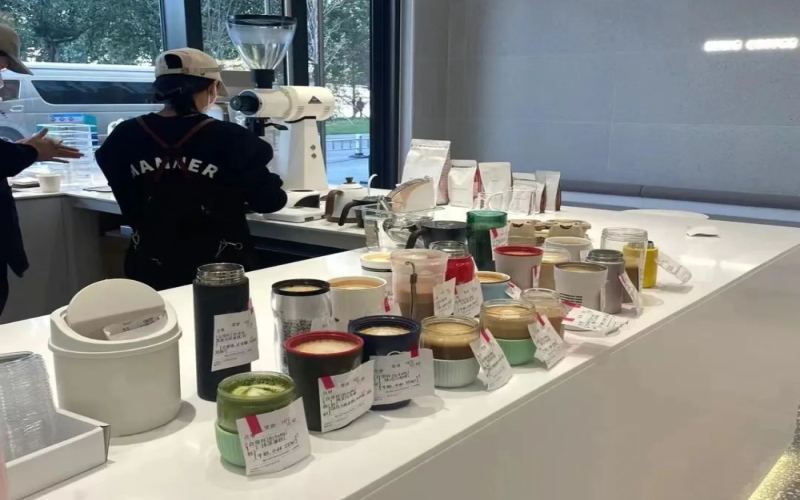
Bring-Your-Own-Cup Coffee Fun Facts: From Eco-Friendly Discounts to Bizarre Containers, Baristas Stay Calm Through Every Trick
Today, a daily cup of coffee has become a routine for many people. At the same time, more and more brick-and-mortar cafés are offering discounts to customers who bring their own cups, encouraging them to get their coffee in non-disposable cups. For consumers, bringing their own cup is both eco-friendly and saves a few bucks; for businesses, using a small discount to attract these customers can also boost repeat purchases—a win-win. Manner started offering a 5-yuan discount for bring-your-own-cup back in 2015, and Starbucks also holds a limited-time free coffee event for customers with their own cups every Earth Day. On Xiaohongshu, users have gotten even more creative, showing up with goblets, rice bowls, gourd ladles, thermoses, and even empty liquor bottles, putting on a quirky bring-your-own-cup contest. Faced with these bizarre containers, professional baristas still calmly serve the drinks. This article takes you through these amusing scenes and also discusses the environmental significance behind bringing your own cup. [more…]
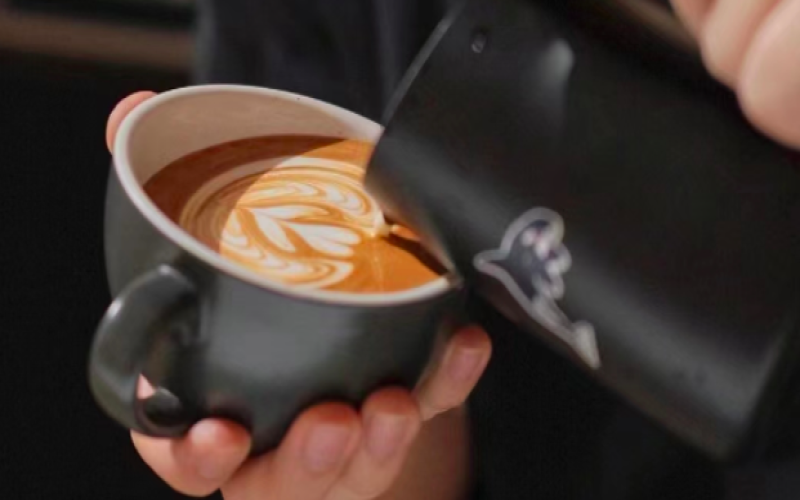
Latte Art Fails: Can You Really Serve These Bizarre Designs to Customers?
Creating latte art for customers at the bar is a daily routine for many baristas. When regulars ask for more creative patterns, some baristas begin to boldly experiment, only to create bizarre works that are both amusing and absurd. From memorial flower coupons to Cantonese insects, from Plants vs. Zombies to broken hearts, these patterns, though unique, make one wonder: can they really be served at the table? Latte art should enhance a good cup of coffee, but overly obscure creations may only be suitable for personal memes. This article will show you those latte art fails that make people both love and fear them, while preserving Front Street Coffee's professional recommendations for coffee culture. [more…]
A Comprehensive Analysis of Mandheling Coffee Beans: Flavor Characteristics, Differences from Golden Mandheling, and Drinking Methods Suitable for Women
As the most representative coffee variety from Sumatra, Mandheling has enjoyed enduring popularity in the Asian market thanks to its low acidity and full-bodied taste. This article begins with the origins of the name Mandheling, traces the hierarchy of contempt in the minds of older generations of coffee lovers, clarifies the essential differences between Golden Mandheling and Aged Mandheling, and takes a deep dive into the sources of its smooth, mellow flavor, its distinctive dark-roast method, and the two best ways to prepare it: cold brew and espresso. It also addresses common questions such as whether Mandheling is suitable for women to drink and whether pour-over Mandheling is acidic, and recommends Front Street Coffee's Mandheling products for readers to consider purchasing. [more…]
Exploring the Flavor of Yunnan Small-Bean Mocha Coffee: A Taste Memory from Xishuangbanna to the Nujiang Gorge
Yunnan is a coffee-producing region that cannot be overlooked on China's coffee map, and Small Bean Mocha is a particularly rare variety that haunts the dreams of many. Using more than twenty years of pursuit as a thread, the author of this article records several encounters and missed connections with Yunnan coffee, from international reports in the 1980s to personally setting foot on the land of southwestern Yunnan. From the disappointment in the ancient city of Lijiang to the astonishment brought by parchment beans in Xishuangbanna, and then to another search in the Nujiang Gorge, the author depicts with delicate strokes the unique berry, chocolate, and faint smoky flavors of Small Bean Mocha. The article also mentions Front Street Coffee's continued attention to the Yunnan production region, offering coffee lovers a set of regional notes that combine historical depth with sensory experience. [more…]
Why is coffee no longer affordable? Exploring the high-price logic of specialty coffee and the breakout of affordable everyday coffee
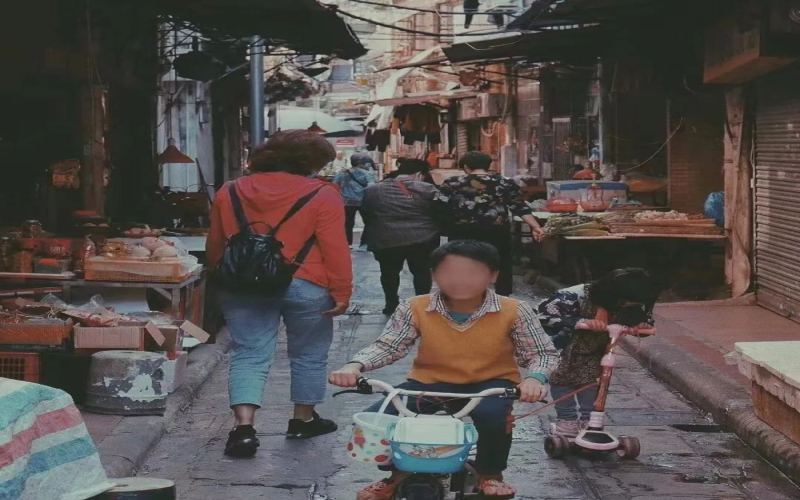
Specialty coffee culture is growing more popular by the day, and the barrier to enjoying a cup of coffee seems to be rising ever higher: the beans must be specialty, the setting must be comfortable, the location must be quiet. Yet coffee can, at its heart, be an everyday, down-to-earth pleasure. This article looks at Qicheng Coffee in a Guangzhou wet market, Coffee in a Hangzhou market, and Honglang Coffee inside a Shantou rice noodle roll shop, exploring the logic behind coffee shops' high prices and the neighborhood spots that are bringing specialty coffee back to affordable prices. With wallet-friendly prices and dependable quality, they give more people the chance to encounter and understand specialty coffee. Coffee culture needs to spread in a healthy way—it shouldn't have artificial barriers set up around it. [more…]

Cambodia Mondulkiri Coffee Purchase Agreement Finalized, Price Uptick Boosts Industry Development
Coffee bean prices in Cambodia's Mondulkiri province have recently risen, driven by long-term supply agreements signed between producers and purchasing companies. Suong Chanthorn, head of the Mondulkiri Agriculture Department, noted that in the past, when farmers sold coffee beans individually to traders, prices fluctuated significantly, but now with contractual guarantees, prices are expected to stabilize over the next two years. This cooperation not only boosts farmers' incomes but also helps ensure food security, strengthen the economic empowerment of women, especially ethnic minorities, and promote standardization and sustainable development of the production chain. Currently, Mondulkiri's coffee planting area covers 351 hectares, with 342 hectares harvestable and a yield of 705 tons. The price of fresh coffee beans has risen from 1,350 riel per kilogram to 1,500 riel, and is expected to continue climbing next year. Cambodia has a long history of coffee, dating back to the French colonial period, and today its main production areas are located in highland regions above 800 meters in elevation, with superior soil and climate conditions. As the government actively promotes the coffee industry, Cambodian coffee beans are gradually entering European, Asian, and American markets, and are poised to become a rising star in Asia's coffee market. [more…]

The classic collision of cream and coffee: easily make two versions of Vienna coffee at home.
Viennese coffee is a specialty drink of Vienna, the capital of Austria, and on local menus it also has a more down-to-earth name—"Coachman's Coffee." The birth of this coffee is closely tied to the winter-night travels of a street coachman during the Austro-Hungarian Empire; to stay awake, fill his stomach, and replenish heat, he combined cream and sugar with coffee, accidentally creating a classic cup. Today, Viennese coffee has evolved into a modern version of "latte + cream," which is simple to make and easy to recreate at home. This article will take you through its origins and show you step by step how to make both the original and the current versions of Viennese coffee, so you can experience the rich, full texture of cream intertwined with coffee. [more…]
A Complete Guide to the Flavors of Asian Coffee Origins: Introducing Indonesian Mandheling, Yunnan Small-Bean, and Papua New Guinea Specialty Beans
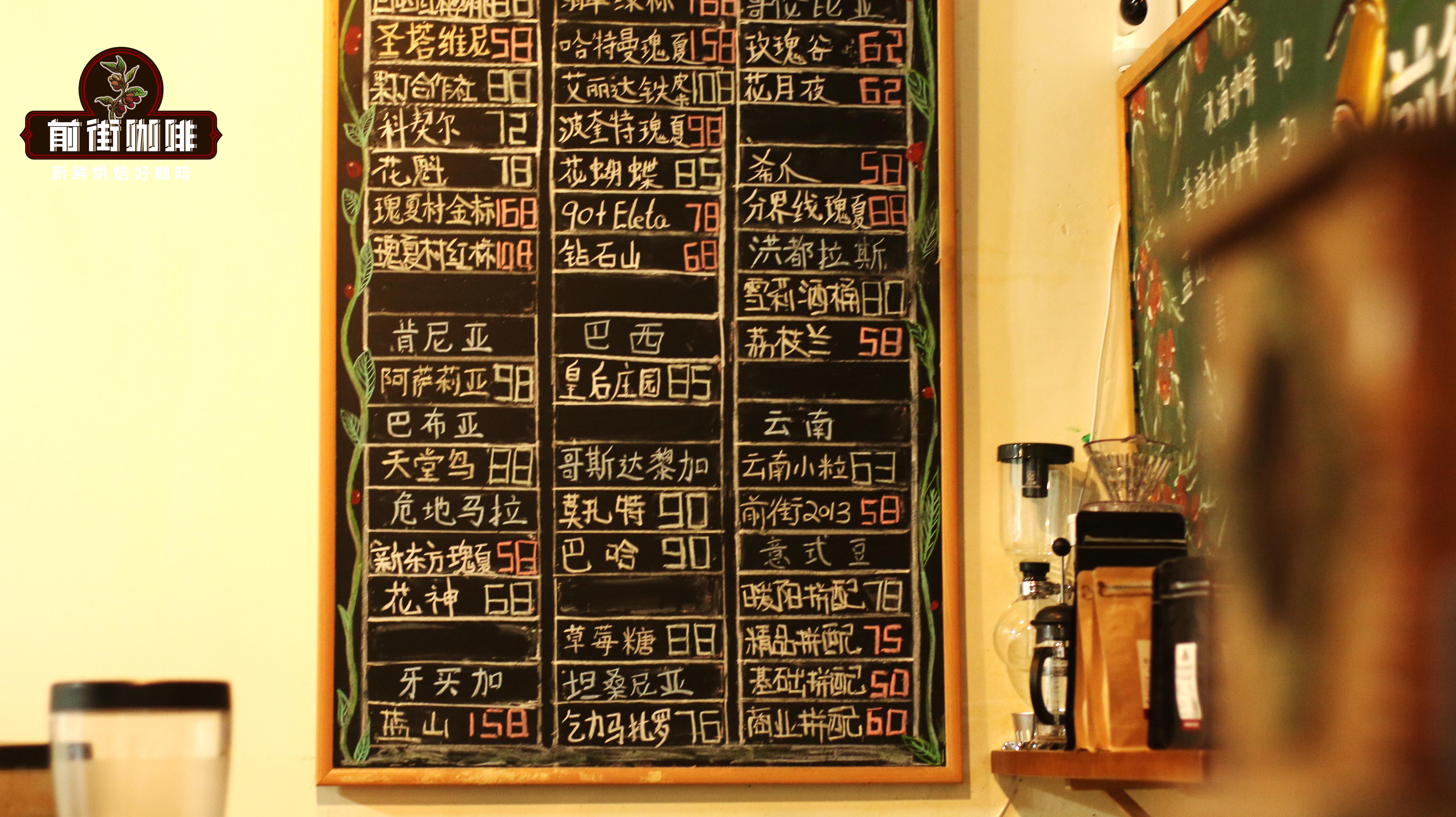
Asian coffee has long been known for its rich, steady flavors—full, rounded sweetness with relatively restrained acidity and aroma. From Indonesia's Mandheling to China's Yunnan small-bean coffee, and on to Papua New Guinea's specialty beans, Asian origins rely on their unique climates and processing methods to shape deep-toned profiles of earth, spice, herbs, and chocolate. This article systematically reviews the varietal characteristics, processing methods, and flavor expressions of Asia's major coffee origins, and introduces product information for Front Street Coffee's currently available Indonesian Mandheling series, Yunnan Catimor and Typica, and Papua New Guinea Little Blue Mountain, helping coffee lovers gain a comprehensive understanding of the appeal of Asian coffee and how to choose it. [more…]
A Comprehensive Analysis of Jamaican Blue Mountain Coffee Beans: Varieties, Washed Processing, and Grade Classification
Jamaican Blue Mountain coffee is hailed as the "Rolls-Royce" of the coffee world, and its strict definition, unique varietals, and processing methods have created its irreplaceable status. This article will provide an in-depth analysis of Blue Mountain coffee's geographic origin, historical background, varietal characteristics, washed processing methods, and grading standards, and will introduce the century-old heritage and distinctive flavor of the JABLUM estate. At the same time, the article also explores the reasons why Blue Mountain coffee is expensive, its flavor characteristics, and the JABLUM Blue Mountain coffee beans recommended by the Front Street brand. Whether you are a coffee enthusiast or a professional in the industry, you can gain a comprehensive understanding of Blue Mountain coffee from it. [more…]
How the Indonesian Wet-Hulled Method Shapes the Unique Flavor and Rich Mouthfeel of Mandheling Coffee
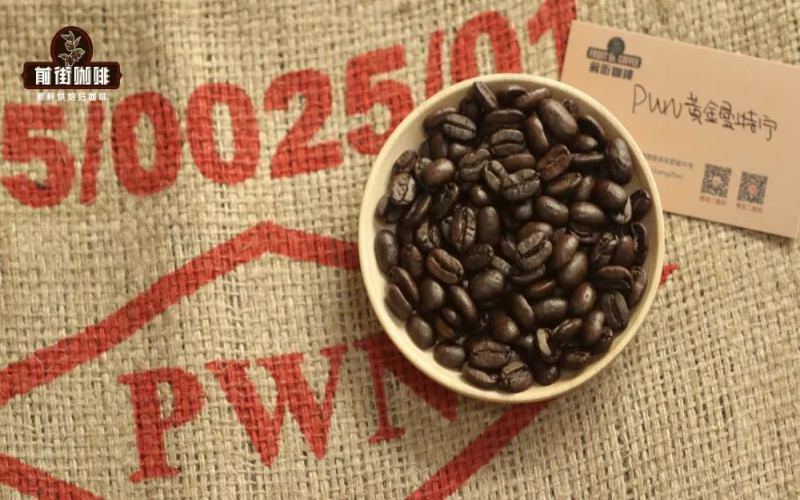
Mandheling coffee, as the darkest-roasted single-origin bean on Front Street Coffee's menu, is renowned for its rich, solid mouthfeel and distinctive stuffy aroma. It originates from Sumatra, Indonesia, where the hot, rainy climate has given rise to a unique semi-washed processing method—wet hulling. This technique removes the parchment from the coffee beans before they are fully dried, greatly shortening the processing cycle but also introducing more defects and flavor variability. It is precisely this interweaving of "roughness" and "contamination" that gives Mandheling its regional flavor—a blend of wood, spice, earth, and herbs. This article will take you through every stage of wet hulling and reveal the origins of Mandheling coffee's unique flavor. [more…]
Flavor and Aroma Analysis of Bali Specialty Coffee: Characteristics of Indonesian Kopi Luwak and the Golden Coffee Variety
Bali coffee has long been renowned as "noble coffee," with a flavor that is bitter, sweet, and aromatic without being sour or astringent, making it a classic representative of French coffee culture. Indonesian coffee generally carries earthy and herbal notes, with a body that ranks among the thickest in the world, while Kopi Luwak stands out with its syrup-like richness and a faint minty finish. Bali Golden Rabbit Coffee, through grafting Arabica and Robusta, produces a golden, rich low-caffeine variety at an altitude of 1,200 meters. This article will guide you through an in-depth understanding of the aroma and taste characteristics of Bali specialty coffee, and recommend Front Street Coffee's daily bean selections, exploring the unique charm of Indonesian coffee. [more…]
Ethiopian Natural Sidamo Queen of Flowers Coffee: A Complete Guide to Heirloom Flavors, G1 Grade, and Pour-Over Parameters
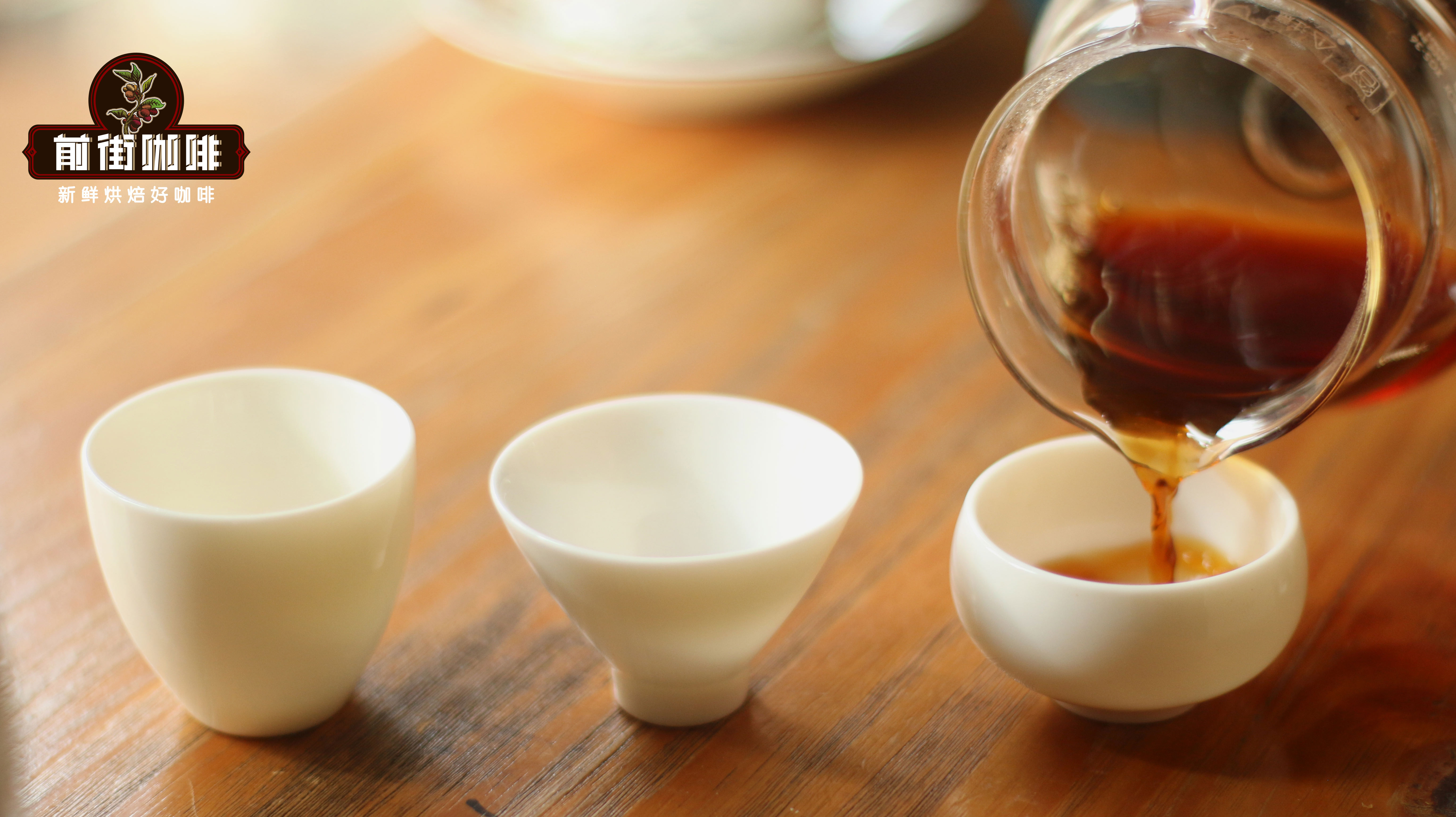
Front Street Sun-Dried Sidamo Huakui coffee is renowned for its elegant floral aroma and rich fruity notes; it is sweet on the palate with a honey-like finish, yet very affordable at only 65 yuan for half a pound. Ethiopia, the birthplace of Arabica, is home to two renowned specialty regions—Yirgacheffe and Sidamo—each with distinct characteristics: the former uses washed processing to showcase a clean, bright jasmine aroma, while the latter uses natural processing to give the coffee a richer fragrance and sweetness. Huakui is the flagship representation of Sidamo natural beans. This article will walk you through the terroir of the Sidamo region, the origins of the Heirloom native variety used in Huakui, Ethiopia's G1 grading standard, and Front Street's recommended V60 brewing parameters, offering a comprehensive analysis of this bean's flavor code. [more…]
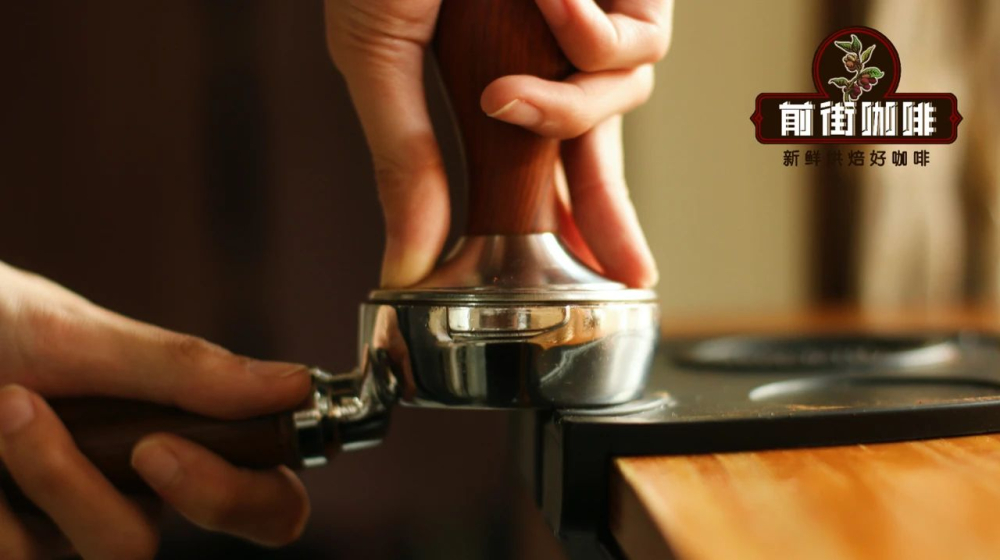
Americano vs Latte | Which tastes more bitter, Americano or Latte? What is the relationship between Americano, Latte, and Espresso?
Before figuring out questions like "the difference between Americano and Latte," "which coffee is less bitter, Americano or Latte," or "which tastes better, Americano black coffee or Latte," Front Street Coffee believes everyone first needs to understand what espresso is. What on earth is espresso? Espresso [more…]
Flavor Comparison of Specialty Coffee Beans from Africa, the Americas, and Asia: Characteristics of the Three Major Producing Regions and Analysis of Representative Beans
When drinking coffee, you often hear people describe flavors like peach, plum, strawberry, and various others, yet you find it hard to identify them yourself? In fact, this isn't a sign of a dull palate—it's simply that everyone's cultural background and dietary experiences differ, so the same cup of coffee naturally evokes different associations for each person. The joy of coffee tasting lies precisely in sharing these different impressions. This article will guide you through Africa, Central and South America, and Asia, examining the flavor characteristics of specialty coffee beans from these three major origins one by one. With the help of several representative beans from Front Street Coffee—Ethiopia Huakui, Kenya Sika AA, Costa Rica Honey Process, Guatemala Miraflores Estate, and Lintong Mandheling—you'll get a concrete sense of each region's unique charm. [more…]
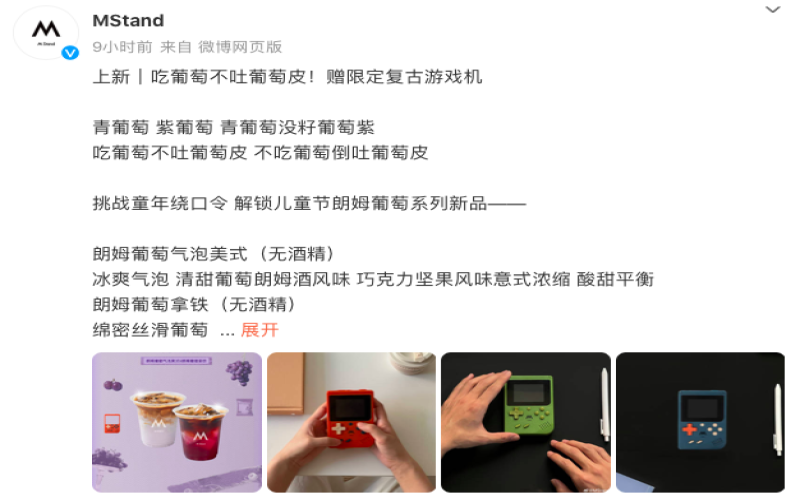
Mstand's Children's Day game console set causes mini-program crash, the consumer truth behind nostalgic marketing
On the eve of Children's Day, Mstand launched a promotion offering a retro handheld game console with the purchase of a limited-edition set, attracting a large number of adult consumers to snap it up and causing its ordering mini-program to crash. The console comes with ten classic games built in, such as Contra and Tetris, evoking childhood memories for many. However, some consumers found that the games were not officially licensed, the graphics were crude, and after just a few minutes of play their eyes felt uncomfortable. Merchants use nostalgia to attract grown-up kids to spend, but once the impulsive sentimentality fades, electronic toys ultimately cannot truly bring back the joy of times gone by. This article sorts through the whole incident and brings related recommendations from Front Street Coffee. [more…]