







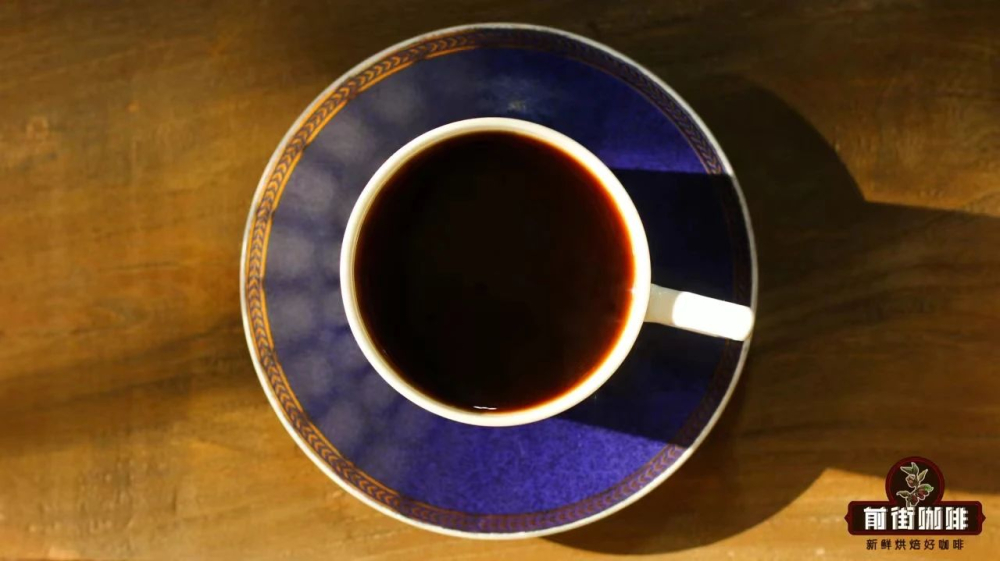
Before trying to figure out "the difference between Americano and Latte," "which coffee tastes less bitter, Americano or Latte," "which is better, Americano black coffee or Latte," and so on, Front Street Coffee believes everyone should first understand what espresso is.
EspressoWhat on earth is it? Espresso is also called Espresso. Espresso is both a coffee beverage and a coffee brewing method. The parameters for making espresso with an espresso machine are affected by dose, ratio, time, grind size, water temperature, and pressure. At nearly 9 times normal atmospheric pressure (that is, 9 BAR of pressure), the machine forces nearly boiling water through finely ground and evenly tamped coffee grounds, extracting a cup of coffee with high viscosity and a strong taste.
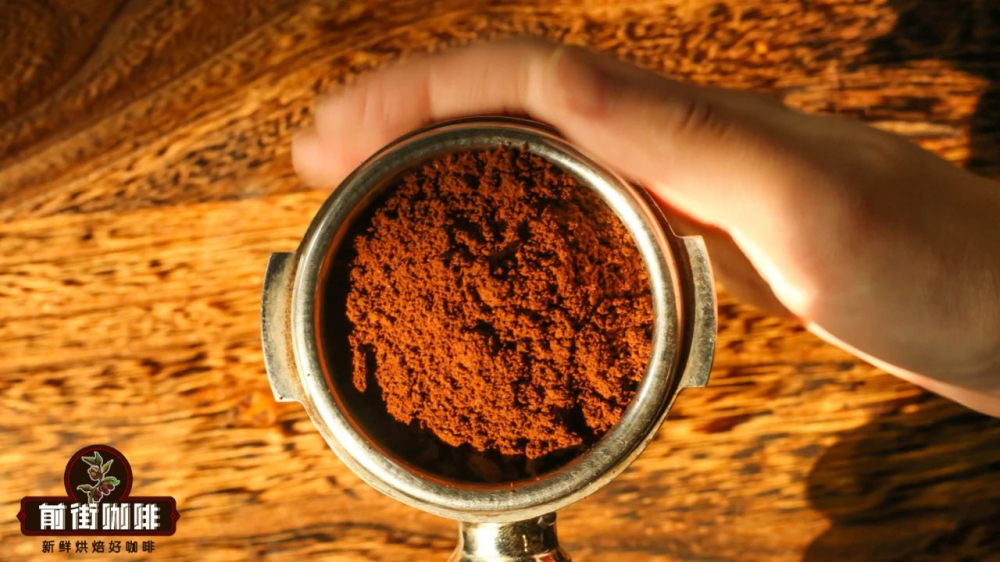
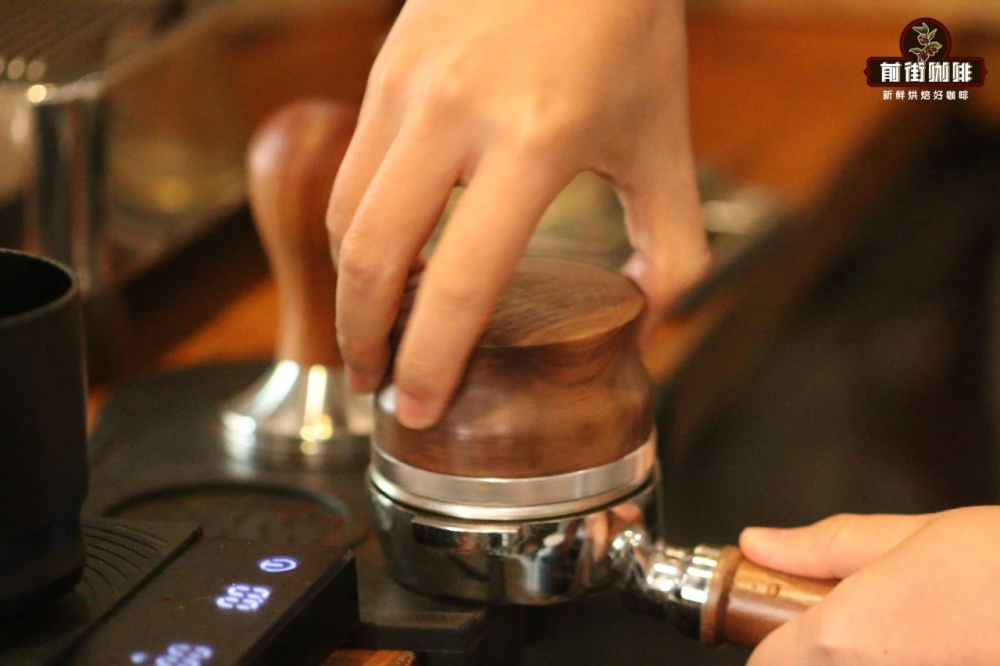
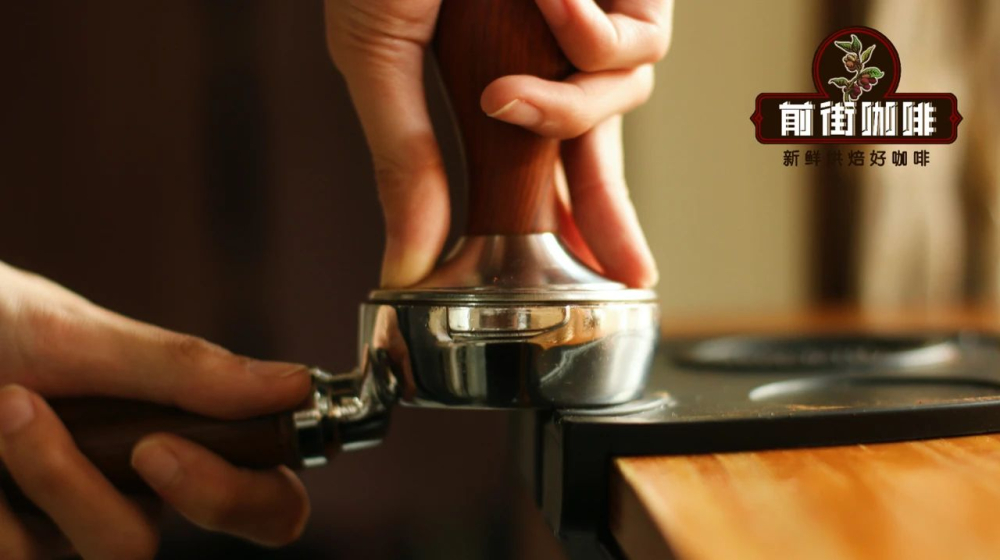
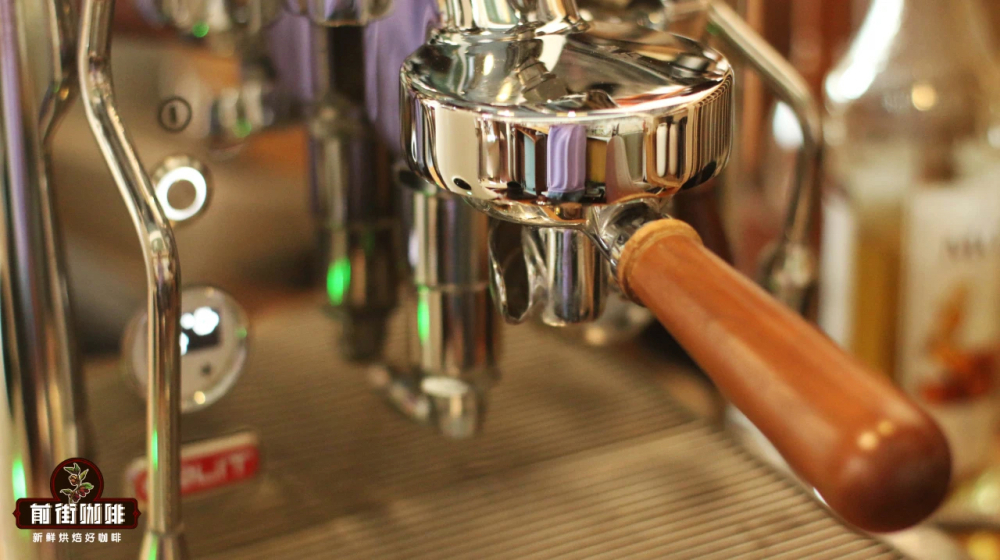
EspressoIt is a coffee that tests coffee quality and a barista's skill. Here's a reminder to underline the key point:EspressoEspresso is also the base for popular coffee drinks such as Americano and Latte. As is well known, today's Americano is made up of espresso + water. Water is colorless and tasteless and serves to dilute, so the quality of the taste depends on the espresso, and the flavor quality of the espresso mainly depends on the coffee beans and extraction.
Espresso is a very classic Italian coffee, rich in flavor and layered, and it can highlight certain flavor characteristics of coffee; savoring it carefully reveals a distinctive charm. It can be said that,Espressoas the base of many espresso-based coffees,Espressoif the espresso is made poorly, then there is no hope that other fancy espresso drinks will taste good.
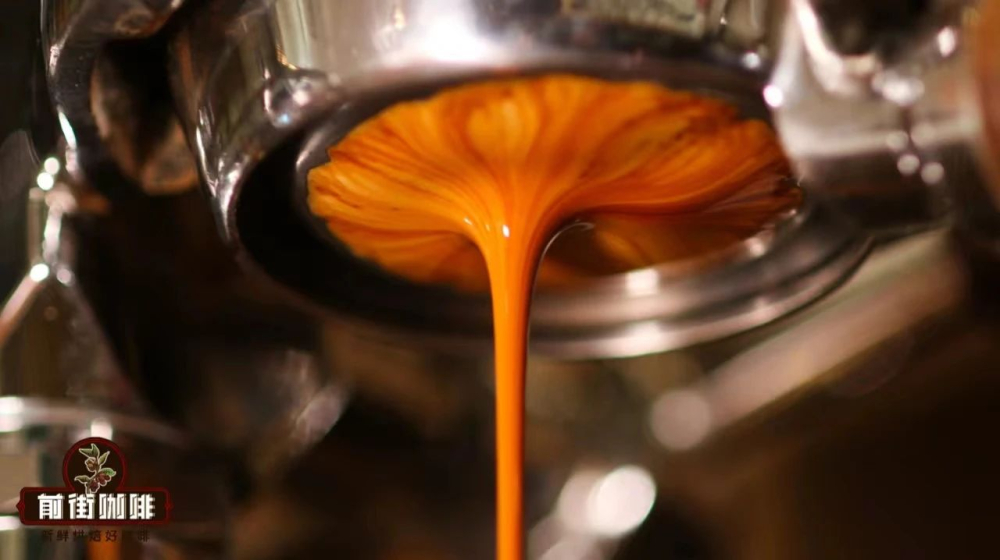
The cup volume is about 30 ml. This cup of highly concentrated coffee extracted in an extremely short time has a beautiful golden-brown layer of coffee oil floating on the surface, with a rich and delicate texture, enticing and delicious. This layer of oil is generally called Cream. Crema is responsible for the aroma, while the extracted liquid is responsible for the taste.
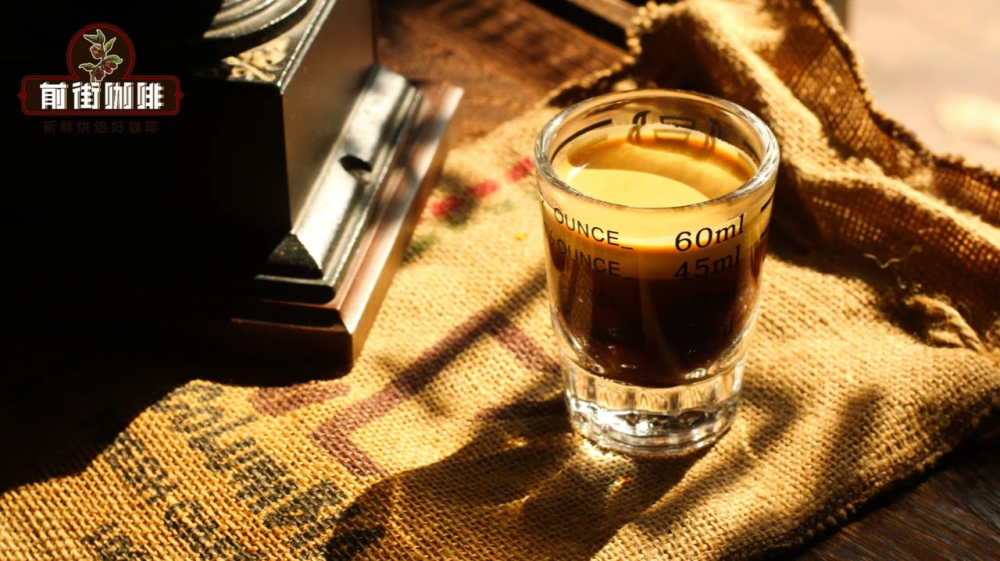
DrinkingEspressoShould sugar be added to espresso?
Some people like to add sugar, and some do not. Whether to add this sugar or not varies from person to person. However, from a health perspective, FrontStreet Coffee recommends adding little or none.
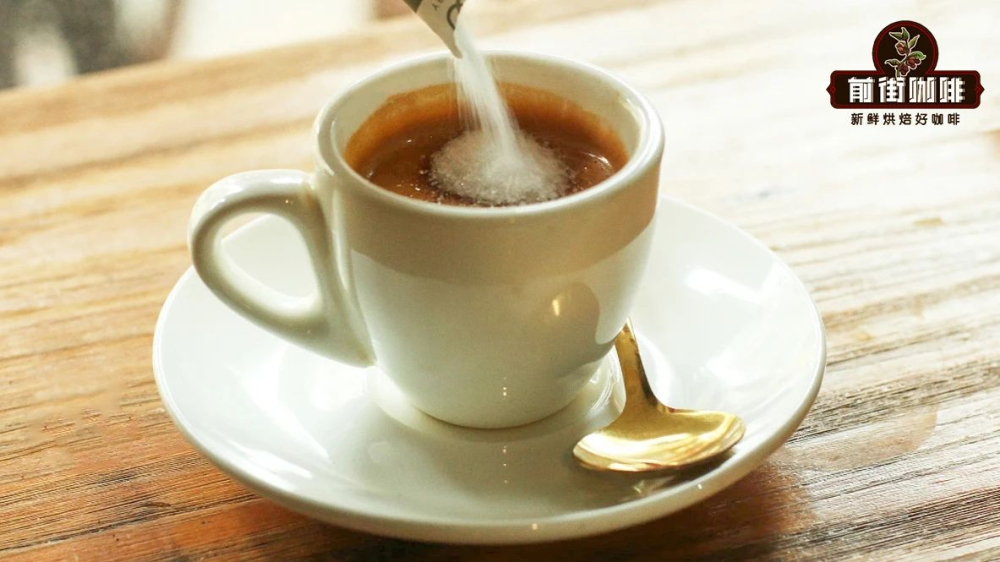
The traditional way to drink Espresso is to immediately add a small spoonful of white granulated sugar to the Espresso that has just been served, then stir while drinking; the texture of the coffee becomes milder, the bitterness is less pronounced, and a suitable acidity also appears.

But if you are a coffee lover, then you must go to a cafe and order a cup of Espresso. Why? Because you will discover that espresso made by an espresso machine is so rich~ What it brings you is not only bitterness, but also fruit acidity, floral notes, nuts, and even wine-like aromas and other flavors.
Latte
Everyone is familiar with latte; this milk coffee can be said to be standard in every coffee shop.
Unlike Americano, latte is a milk coffee. "Latte" means "milk" in Italian, so if you order just a latte in Italy, you will get a glass of milk without coffee. Corresponding to the practice of adding water to espresso for Americano, the practice for latte is to add milk or steamed milk to espresso, and the proportion of milk is relatively large, so the milk flavor dominates, making it more like milk with coffee flavor.
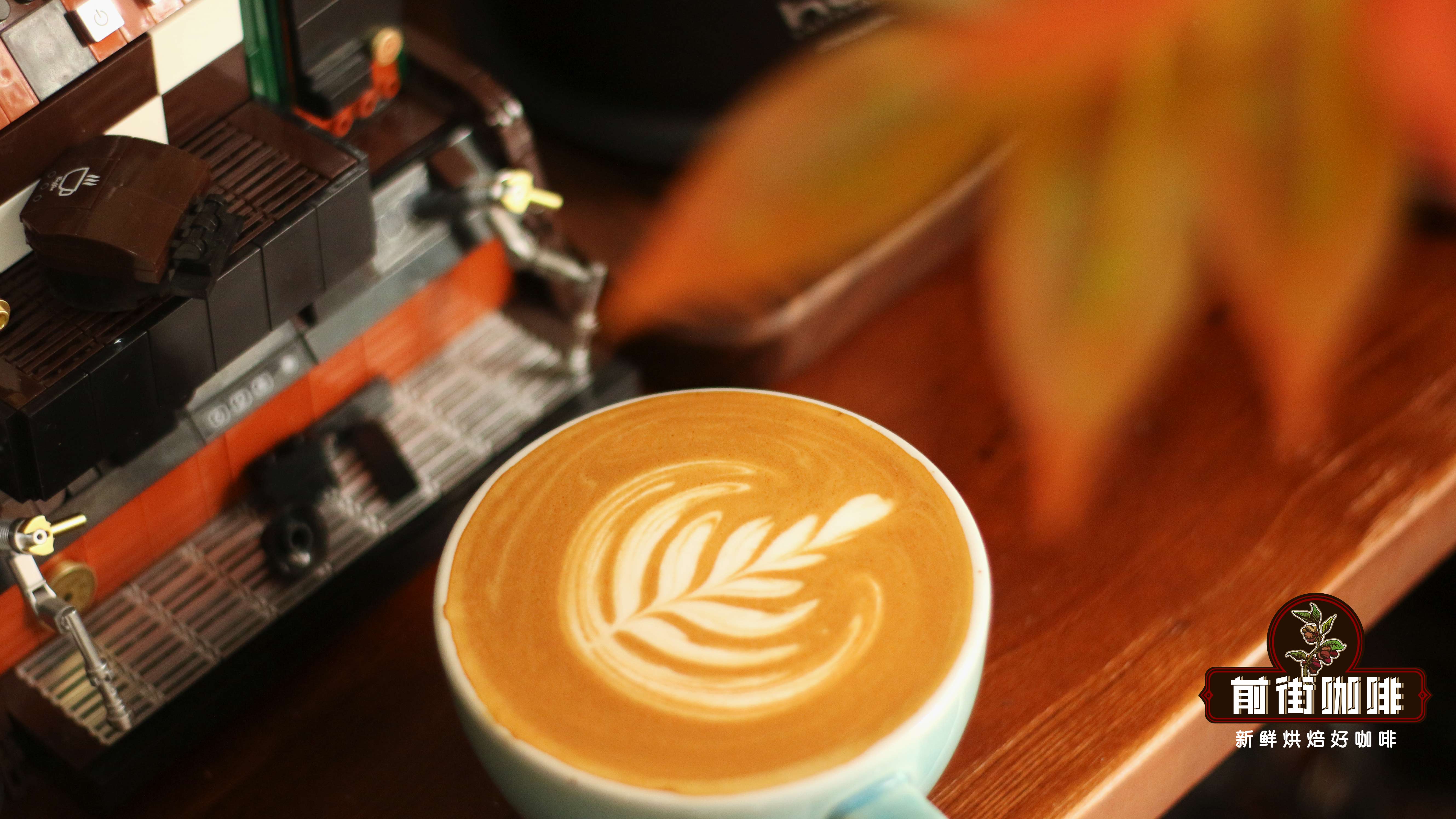
But making a cup of latte taste good is not an easy task. As the flavor of the coffee beans differs, the richness of the fresh milk differs, and the extraction parameters differ, the taste of the latte will change.
How is latte made?
Now we know that latte is made up of two parts: espresso and milk. Among them, hot latte requires steamed milk, which greatly tests the barista's milk-steaming skills, so making a hot latte is divided into three parts. The first part is extracting the espresso, the second part is steaming the milk, and the third part is pouring the steamed milk into the espresso and making latte art.
One of the beans used in FrontStreet Coffee stores is the Warm Sun Blend, a blend of 60% sherry barrel coffee beans and 40% sun-dried Yirgacheffe. Through repeated adjustments, 20 grams of coffee powder was determined to extract 40 grams of coffee liquid, with an extraction time of 28 seconds.
Front Street Coffee believes that choosing a suitable espresso blend bean is also very important. Blended coffee, also called mixed coffee, is the mixing of various single-origin coffee beans so as to fully bring out the strengths of each single-origin coffee bean. A blend is made by mixing coffee beans from different origins to create a more balanced taste. At the same time, before blending coffee beans, one must first understand the different coffee varieties and flavors around the world; beans from different origins have different characteristics. Different coffee beans have different personalities due to different varieties and origins, and there are subtle differences in flavor such as acidity, bitterness, sweetness, aroma, and body.
Currently, there are two types of espresso beans on the market: one is single-origin espresso beans, and the other is the more common blended espresso beans. Single-origin coffee beans tend to focus more on expressing the unique characteristics of a certain type of coffee.
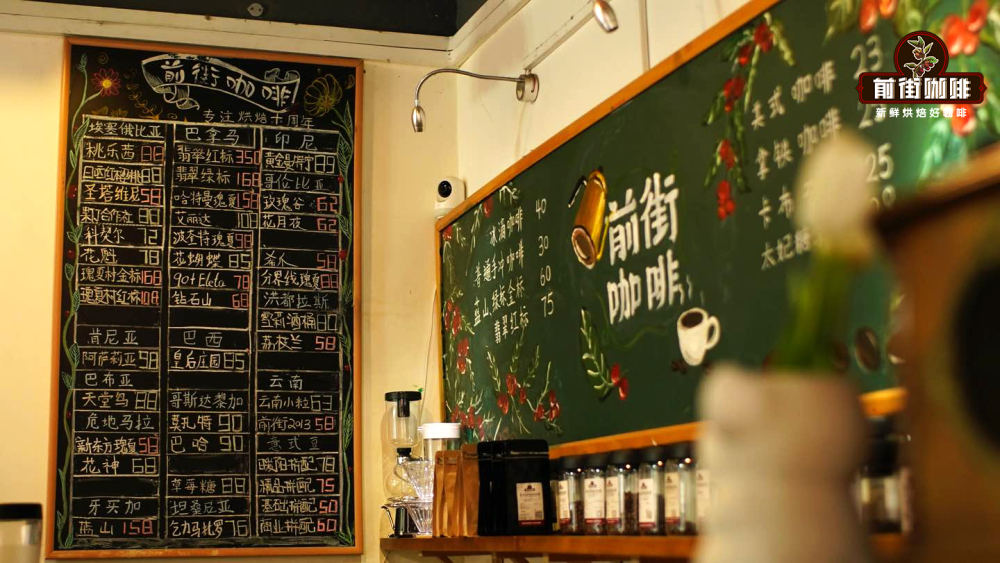
Next, FrontStreet Coffee will take everyone to learn about the contents of several of FrontStreet Coffee's blend beans. According to different types of coffee, the espresso beans FrontStreet Coffee blends will also have different characteristics in taste and flavor.
The several espresso beans currently sold by FrontStreet Coffee are all blend types, namely Front Street Black Cocoa Blend, Front Street Specialty Blend, Front Street Commercial Blend, and Warm Sun Blend coffee beans.
1Front Street Specialty Blend Coffee Beans
Front Street Specialty Blend coffee beans are an espresso bean that has accompanied FrontStreet Coffee stores for many years. Until the end of 2019, FrontStreet Coffee stores used this coffee bean as the espresso base bean. To blend a stable espresso bean, one must start with stable, high-yield coffee-producing countries, so when formulating this Front Street Specialty Blend coffee bean, FrontStreet Coffee's roaster chose two countries with the highest and most stable Arabica coffee bean production worldwide—Colombia and Brazil. The ratio is 60% Colombian mixed with 40% Brazilian coffee beans. The washed Colombian coffee beans give this Front Street Specialty Blend coffee bean soft fruit acidity and black cocoa notes, while the Brazilian coffee beans are responsible for providing this coffee bean's mellow body.
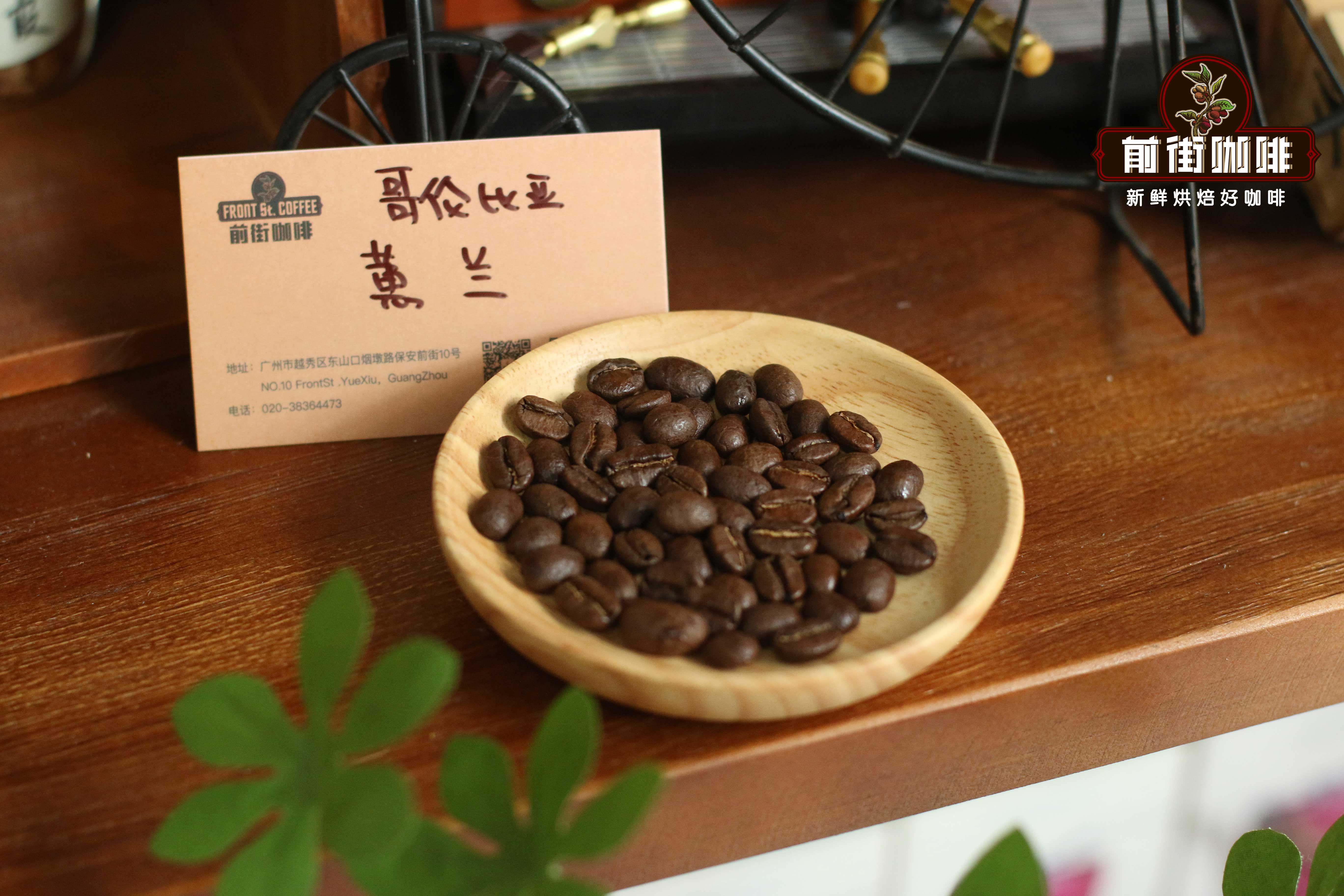
Therefore, when this espresso bean is made into espresso, it will carry very obvious dark chocolate, a solid and mellow body, and a nutty finish. This espresso blend bean's balance and obvious dark chocolate flavor make it very suitable whether as black coffee or milk coffee, so FrontStreet Coffee chose this blend bean as a store product for more than 6 years.
2Front Street Black Cocoa Blend Coffee Beans
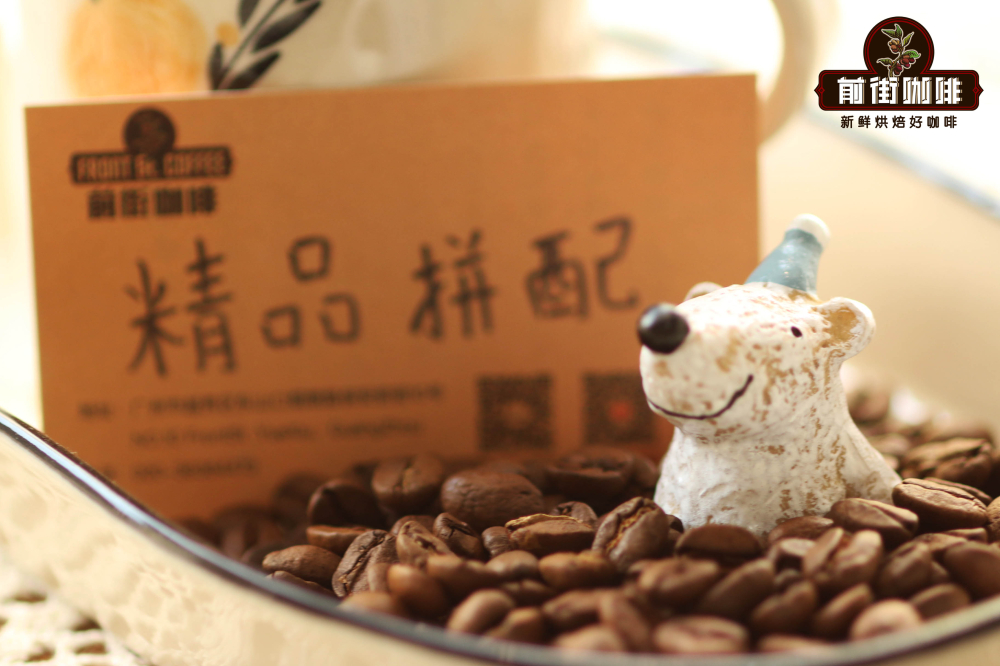
Front Street Black Cocoa Blend is a very stable and high-quality espresso blend bean, very suitable for many independent cafes as a daily product. Front Street Black Cocoa Blend is the second option provided by FrontStreet Coffee—high cost performance. Cafe store operations cannot do without cost, and the goal is to provide stable coffee products while keeping costs as low as possible. FrontStreet Coffee's Front Street Black Cocoa Blend coffee beans are a more cost-effective coffee bean, originating from blending coffee beans from Brazil and Yunnan, with a ratio of 60% Brazilian and 40% Yunnan coffee beans.
The coffee beans from both Yunnan and Brazil tend toward nutty notes, while the Brazilian coffee beans give Front Street Black Cocoa Blend a more solid body and rich crema.
3Warm Sun Blend Coffee Beans
In addition to Front Street Specialty Blend and Front Street Black Cocoa Blend, FrontStreet Coffee provides a blend bean with a more unique flavor profile. FrontStreet Coffee's roaster blended Honduras sherry barrel coffee beans and sun-dried Yirgacheffe Red Cherry Project coffee beans, and separately re-established roasting curves. The ratio of the two coffee beans is 7:3, and through post-roasting blending they were re-presented as a blend bean named "Warm Sun Blend."
As specialty coffee gradually became popular and developed, FrontStreet Coffee's baristas found in store operations that many customers were no longer satisfied with the stability brought by Front Street Specialty Blend. FrontStreet Coffee reconsidered, and perhaps it was time to bring in more fresh blends to invigorate the store's offerings. In 2019, after repeated adjustments, this Warm Sun Blend coffee bean finally entered FrontStreet Coffee's bean list, and the store's Front Street Specialty Blend was replaced with Warm Sun Blend coffee beans.
FrontStreet Coffee's baristas believe that among these three blend beans, Front Street Specialty Blend is the choice for pursuing stability, Front Street Black Cocoa Blend is the choice for high cost performance, and Warm Sun Blend is the choice for flavor. The three have different goals, so the customers they suit are naturally different.
The unique taste of Warm Sun Blend comes from its Honduras sherry barrel coffee beans. After the coffee fruit undergoes partial washing steps, it is placed into sherry barrels for low-temperature fermentation, and finally dried. This processing method gives the sherry coffee beans an obvious wine aroma, and FrontStreet Coffee's roaster mixed in 40% sun-dried Yirgacheffe coffee beans to provide more acidity to the Warm Sun Blend coffee beans and increase the layering of the entire blend.
FrontStreet Coffee stores adjust parameters every day according to the condition of the beans, such as using 20 grams of coffee powder to extract 40 grams of coffee liquid. The extraction time will be between 26 and 28 seconds. The espresso made with these parameters will have medium acidity, medium bitterness, and medium body, balanced, with obvious black cocoa and citrus flavors, and a finish of fermented wine aroma.
Made into Americano, it will have obvious winey chocolate and citrus acidity; made into latte, it will have flavors such as vanilla cream and liqueur chocolate.
4Front Street Commercial Blend Coffee Beans
This Front Street Commercial Blend coffee bean is different from the other three blend coffee beans; Front Street Commercial Blend is a commercial choice. The main base notes of Front Street Commercial Blend coffee beans are Colombia and Brazil, with a ratio of 60% and 30%, and for the remaining 10%, FrontStreet Coffee's roaster chose Robusta coffee beans.
The purpose of doing this is to increase more crema. Although it is not 100% Arabica coffee beans, mixing in a small amount of Robusta coffee beans can increase the coffee beans' body, crema, and rich coffee flavor.
Coffee Bean Information Please follow Coffee Workshop (WeChat Official Accountcafe_style)
Professional coffee knowledge exchange Please add WeChat IDkaixinguoguo0925
The above content is compiled by CoffeeHunters, a coffee news website.


