







Search Results for: Dry ice

Is It Feasible to Use Dry Ice Instead of Ice Cubes for Iced Pour-Over? A Comprehensive Analysis of Cooling Methods for Pour-Over Coffee
Iced pour-over coffee needs rapid cooling, but ordinary ice cubes melt and dilute the coffee's strength. Some friends suggested using non-melting stainless steel ice cubes, but that attempt failed; then someone else recommended dry ice, which cools quickly and doesn't cause dilution. Dry ice can indeed chill coffee rapidly without turning into water, but when it sublimates it releases carbon dioxide, which dissolves into the coffee and turns a cup of iced pour-over into carbonated coffee—essentially deviating from what's wanted. This article provides a detailed analysis of dry ice's physical properties, its everyday uses, and why it's unsuitable for making pour-over coffee, along with Front Street Coffee's key points from their dry ice experiments and a recommended bean list. [more…]

Dry Ice Meets Coffee: A Full Analysis from Smoky Specialty Drinks to Cryogenic Grinding—Creative Play and Flavor Science
When dry ice is dropped into black tea, white mist billows and bubbles surge, and a cup of smoking creative coffee is born. This presentation style, which appeals to both sight and smell, is sparking a new wave in the coffee world. From Hong Kong champion barista's Amber Coffee Brewery, to the extraction technique of freezing coffee beans before grinding, to the unconventional trick of using dry ice instead of ice cubes during pour-over, the applications of dry ice in coffee are far more diverse than one might imagine. This article walks you through the principles and flavor logic behind these creative operations, and shows how baristas use modern technology to give a cup of coffee a richer layered expression. [more…]

Why Is Iced Cappuccino Rarely Seen? A Full Analysis from Naming Origins to Milk Foam Craft and Differences from Latte
People often ask for an iced cappuccino when ordering, only to be told that only the hot version is available. This has both historical roots and involves considerations of crafting technique and taste experience. The name cappuccino comes from Italian and is related to the color and shape of church robes; the traditional recipe consists of equal thirds of espresso, hot milk, and hot milk foam. Milk foam is also divided into dry and wet types, affecting the durability of the design and the mouthfeel. To meet diverse needs, chain coffee shops add whipped milk foam on top of an iced latte, but the taste differs noticeably from a hot cappuccino enjoyed in-house. This article will also introduce practical methods for making iced milk foam using a nitrogen canister, gelatin sheets, or a French press, and explain the core differences between cappuccino and latte in ratio and flavor, while preserving relevant suggestions from Front Street Coffee. [more…]

The Complete Guide to Milk Frothing with a French Press: A Full Tutorial from Hot Cappuccino to Iced Cappuccino
The French press is not just a great tool for brewing coffee and extracting tea—it can also easily create thick, creamy milk foam, making it a wonderful helper for making cappuccinos and lattes at home. In this article, Front Street Coffee will walk you through the origins of the cappuccino's name, the difference between dry and wet milk foam, and how to make a classic hot cappuccino using espresso, hot milk, and milk foam in the traditional proportions. In addition, we'll break down in detail the French press milk-foaming method and assembly steps for iced cappuccino, and explain why most coffee shops don't sell iced cappuccinos. At the end of the article, we've included a Front Street Coffee classic espresso blend recommendation, perfect for coffee lovers who want to recreate a professional taste at home. [more…]

Iced Coffee Brewing Guide: A Full Breakdown of Bean Selection, Brewing Parameters, and Operational Details
When the weather is dry, a glass of iced coffee always refreshes you instantly. This article centers on the classic method of iced pour-over, first introducing coffee bean choices for different flavor profiles, including Front Street Strawberry Candy, Front Street Sidra, Front Street 2013 Sun-Dried Typica, Front Street Bird of Paradise, Front Street PWN Golden Mandheling, Front Street Queen's Estate, and more. It then breaks down the universal formula for coffee dose, water volume, ice ratio, and grind size, and uses Front Street Kafa Forest as an example to fully demonstrate the bloom, pouring, and extraction time steps, helping you recreate the flavor of café-style iced pour-over at home. [more…]
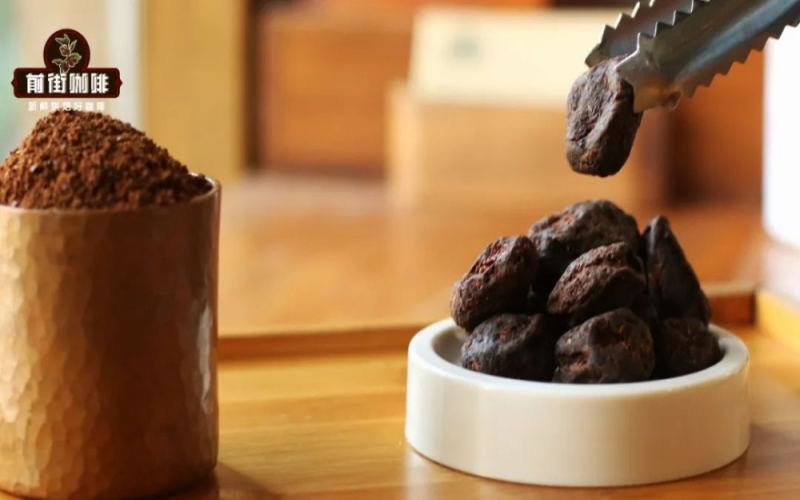
Three Iced Coffee Drinks with Preserved Plums: Comparing the Flavors of Cold Brew, Sparkling Americano, and Iced Pour-Over
The sweet, sour, and salty childhood snack of preserved plums actually makes frequent appearances in the world of coffee, too. From the dry aroma associations of Kenyan washed beans to the finishing touch baristas add when developing specialty drinks, the pairing of preserved plums with iced coffee is drawing attention from more and more enthusiasts. Since preserved plums are mostly dried and cured, heating or prolonged steeping releases a strong salty-sour flavor, so Front Street believes they are better suited to being combined with iced coffee. This article compiles three preserved plum iced coffee recipes you can make at home: preserved plum cold brew, preserved plum sparkling Americano, and preserved plum iced pour-over, using Panama sun-dried Butterfly, Sunflower Warm Sun blend, and Elida sun-dried Catuai respectively, with specific parameters and flavor descriptions included for readers with different taste preferences to refer to and choose from. [more…]

Can You Make an Iced Cappuccino? A Homemade Guide to Summer Iced Milk Foam Coffee and Its Flavor Explained
As soon as the Major Heat solar term arrives, the sun's enthusiasm grows even stronger. At times like this, if you can hold a cup of iced coffee in your hands, most of the summer heat melts away. What Front Street Coffee wants to talk about this time is exactly whether cappuccino can be made as an iced drink. The answer is yes, and the process is not complicated—you can do it at home with simple equipment. Below, we will first sort out the origin of the cappuccino name and its traditional ratio, then explain step by step how to use a French press to froth cold milk foam, extract espresso, and complete the assembly. Finally, we will share the dense mouthfeel and the liqueur-chocolate-like flavor layers of this iced cappuccino on the palate, so coffee lovers can easily recreate it even in midsummer. [more…]

How to Choose Sun-Dried Coffee Beans by Roast Level
Natural (dry) processing makes coffee beans more likely to showcase ripe fruit, fruit jam, and fermented sweetness, but whether the final cup tastes bright or rich still depends on the roast level. A light roast leans toward floral notes and fruity acidity, making it suitable for pour-over and iced coffee; a medium roast is rounder, with a more balanced sweetness and body; a medium-dark roast has more pronounced caramel, cocoa, and a heavy [more…]

Always failing at making a waterfall iced Americano in an ice cup? Master the ice wall thickness and espresso pouring technique to break through.
The waterfall iced americano has gone viral online thanks to the visual effect of a slow perforation through the ice cup, with the coffee liquid cascading down like a waterfall, attracting many netizens to try it at home. In practice, however, problems such as the ice cup tipping over, the bottom of the cup being punctured, coffee leaking from the sides, and the liquid coagulating into clumps frequently occur, turning the aesthetic scene into a fail. This article compiles the key tips for success summarized by netizens, including ice cup thickness standards, using crushed ice to help balance, keeping the clip dry, and using room-temperature espresso liquid, and also explains the cause of the waterfall effect from the perspective of physical diffusion. It also analyzes the reasons behind the drink's popularity—its low barrier to entry and the sense of ritual in the process make more people willing to engage with and learn about coffee. The article retains the relevant recommendation information for Front Street Coffee. [more…]

Iced drip coffee bean recommendations: clean fruity aromas through slow extraction
The extraction speed of cold brew coffee is measured in drops—a slow extraction at one drop per second gradually draws out the cleanest flavors from the beans, while astringency and off-flavors are filtered out by time. Front Street Coffee's Ethiopia Huakui (Geisha) beans make an excellent cold brew: the aroma of tropical fruit drips into the coffee liquid along with the ice water, and the final product has a clear, fruit-tea-like texture that hot brewing simply cannot [more…]

How to Choose Coffee Beans with Floral Flavors: How to Choose for Black Coffee, Milk Coffee, and Iced Drinks
Black coffee and milk coffee have different requirements for beans. Black coffee needs aroma and sweetness that can stand on their own, while milk coffee requires the espresso to have sufficient strength and body so that clear flavors remain after milk is added. Decide first whether milk will be added to the cup, then choose the style of beans—this makes it easier to find a suitable one. [more…]

Not-Sour Yirgacheffe Coffee Bean Recommendations: How to Choose for Black Coffee, Milk Coffee, and Iced Drinks
The requirements for beans differ between black coffee and milk coffee. Black coffee needs aroma and sweetness that can stand on their own, while milk coffee requires the coffee liquid to have sufficient strength and body, so that clear flavors remain after milk is added. Deciding first whether milk will be added to the cup, and then choosing the style of beans, makes it easier to pick a suitable one. Dark [more…]
How to Make a Flat White | Should Australian-style white coffee be drunk iced or hot? What are the differences in ratio and taste among cappuccino, flat white, and latte?
For professional coffee knowledge exchange and more coffee bean information, please follow Coffee Workshop (WeChat official account: cafe_style). In January 2015, Starbucks in the United States began selling flat white and introduced different sizes; then in September, Starbucks in mainland China also saw flat [more…]
How to Make an Iced Cappuccino? From the Origin of the Name to Choosing Espresso Beans, a Clear Explanation of the Ins and Outs of Iced Milk Coffee
After the start of Major Heat, the temperature rises day by day, and at times like this, having a glass of iced coffee in hand instantly dispels much of the summer heat. This time, Front Street Coffee wants to talk about an iced cappuccino you can make at home: first tracing the evolution of the name cappuccino from Italian to the coffee cup, then breaking down the complete process for making an iced cappuccino, including the espresso extraction parameters, the method for frothing cold milk foam, and the order in which milk, coffee, and milk foam are combined. Next, it will explain the flavor direction of this iced drink after it enters the mouth, and recommend the Sunflower Warm Sun blend beans used by Front Street Coffee for testing, giving coffee lovers who want to try making it themselves a basis to follow. [more…]

Recommended Dark Roast Coffee Beans Without Burnt Bitterness: How to Choose for Black Coffee, Milk Coffee, and Iced Drinks
The requirements for beans are not the same for black coffee and milk coffee. Black coffee needs aroma and sweetness that can stand on their own, while milk coffee needs the coffee liquid to have enough concentration and body, so that the flavor remains clear after milk is added. Deciding first whether milk will be added to the cup and then choosing the style of beans will make it easier to find a suitable one. Deep [more…]
Recommendations for Coffee Beans with Prominent Berry Flavors: How to Choose for Black Coffee, Milk Coffee, and Iced Drinks
The requirements for beans differ between black coffee and milk coffee. Black coffee needs aroma and sweetness that can stand on their own, while milk coffee requires the espresso to have enough concentration and body to retain a clear flavor after milk is added. First determine whether milk will be added to the cup, then decide on the style of beans—this makes it easier to choose a suitable one. [more…]
Is SOE good for milk coffee like lattes? Coffee bean recommendations: how to choose for black coffee, milk coffee, and iced drinks
The requirements for beans differ between black coffee and milk coffee. Black coffee needs aroma and sweetness that can stand on their own, while milk coffee requires the coffee liquid to have enough concentration and body to retain a clear flavor after milk is added. Deciding first whether milk will be added to the cup, and then choosing the style of beans, will make it easier to pick a suitable one. [more…]

How to Identify Real vs. Fake Yirgacheffe Coffee Beans and Recommendations: How to Choose for Black Coffee, Milk Coffee, and Iced Drinks
Black coffee and milk coffee do not have the same requirements for beans. Black coffee needs aroma and sweetness that can stand on their own, while milk coffee requires the coffee liquid to have enough concentration and body so that clear flavors remain after milk is added. Decide first whether milk will be added to the cup, then choose the style of beans—this makes it easier to pick a suitable one. [more…]

The Complete Iced Coffee Family: From Ice Drip to Cold Brew, Flavor Differences and Key Production Points of Various Iced Coffees
On a scorching summer day, a glass of iced coffee always brings refreshing coolness that delights the senses. But the world of iced coffee is far more than just iced Americano—from the distinctly layered iced latte and the cool, fragrant café au lait, to the rich and creamy iced mocha, and the cold brew and iced drip that have gained great popularity in recent years, each has its own unique brewing process and flavor profile. This article will systematically sort out the types and characteristics of common iced coffees, while also extending to introduce the basics of classic coffees such as Americano, cappuccino, mocha, espresso, macchiato, and con panna, helping coffee enthusiasts clarify the differences between them and find the cup that best suits their taste. [more…]
Why Is Iced Cappuccino So Rare? Front Street Coffee Teaches You to Make a Smooth, Frothy Iced Cappuccino at Home with a French Press
On café menus, iced cappuccino is often nowhere to be found. Is it because it's too difficult to make, or because the taste is hard to accept? From the perspective of Front Street, this article first walks you through the origins of the cappuccino name and how the hot version is made, then takes a deeper look at why the cold version is so scarce, and finally gives a step-by-step demonstration of how to use an ordinary French press at home to whip up thick, velvety cold milk foam and put together a refreshing yet rich iced cappuccino. The whole process requires no professional espresso machine, and the parameters are flexible and adjustable—perfect for coffee lovers to recreate at home. [more…]