







Search Results for: Dry Fermentation

A Detailed Explanation of Kenyan Coffee Washing Processes: The Differences Between Double Fermentation, K72, and Dry Fermentation
Kenyan coffee is famous for its bright, clean fruit flavors. Behind this lies not only high altitude and excellent varieties, but also masterful washed processing techniques. Kenya commonly uses double washing, which means re-soaking fermented beans in clean water for a second wash, and later variations such as K72 washing and dry fermentation washing emerged. How exactly do these differently named processing methods differ from conventional washing? From the perspective of Front Street, this article first sorts out the origins and steps of traditional washing, then analyzes the procedures and flavor characteristics of double washing, K72, and dry fermentation one by one, helping you understand the processing logic behind the unique fruit acidity of Kenyan coffee. [more…]
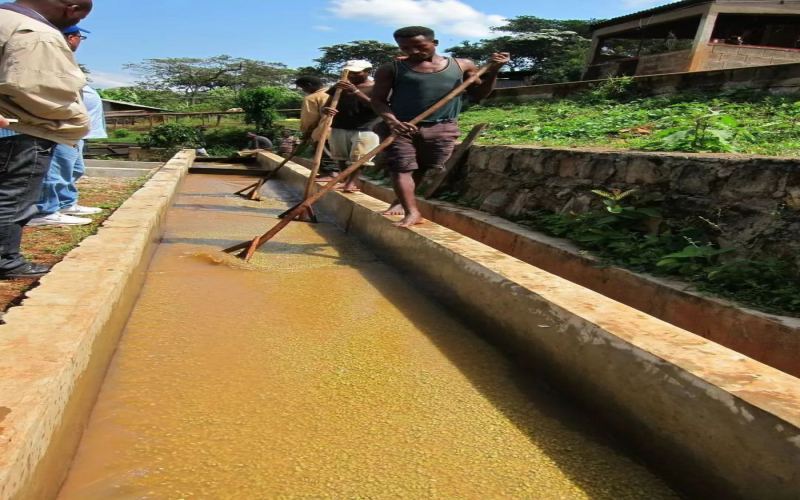
A Comprehensive Analysis of Kenya's Double Washed Process: Operational Workflow, Flavor Changes, and Comparison with K72 and Dry Fermentation
As one of the most traditional green bean processing methods, the washed process significantly enhances coffee quality and cleanliness through its depulping and washing steps, making it highly favored by enthusiasts. With the rise of the specialty coffee wave, new terms such as double washed, K72 washed, and dry fermentation washed have emerged endlessly—how exactly do they differ from traditional washing? From the perspective of Front Street, this article first traces the historical origins and procedures of traditional washing, then delves into the origins, operational details, and flavor expression of Kenyan double washing, and further introduces the characteristics of K72 washed and dry fermentation washed, helping readers understand how variables such as soaking time and number of soaks in the fermentation stage shape the final flavor of coffee. [more…]
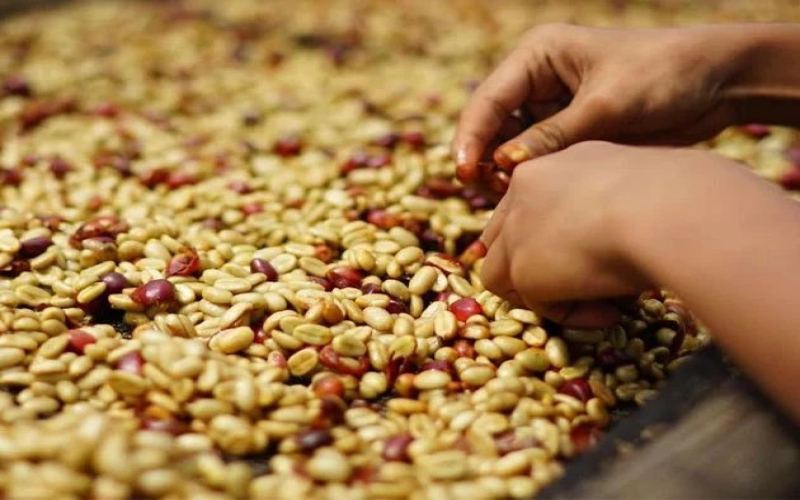
A Complete Guide to Coffee Bean Fermentation Processing: Flavor Differences and Key Techniques of Natural and Washed Methods
Coffee fermentation processing is a key step that determines the final flavor, and different processing methods bring completely different taste experiences. Starting from the basic principles of fermentation, this article systematically sorts out the characteristics of dry fermentation and wet fermentation, and analyzes in detail the specific processes and flavor trends of the three common processing methods: natural, honey, and washed. Whether you are a beginner coffee enthusiast or a seasoned player hoping to refine your brewing skills, understanding the differences among these processing methods can help you more accurately select and taste coffee beans. The article also specifically introduces the unique features of Ethiopian-style and Kenyan-style washing, as well as related product recommendations from Front Street Coffee, taking you into the wonderful world of green coffee processing. [more…]

A Complete Guide to the Washed Processing Family: Process Differences from Traditional Wet Processing to Double Washed, K72, and Dry Fermentation
As the most classic method of green bean processing, the washed method has won the favor of many coffee lovers with its outstanding cleanliness. With the development of specialty coffee, new names such as double washed, K72 washed, and dry-fermented washed have emerged on the market. How exactly do they differ from conventional washed processing? This article will start with the historical origins of the traditional wet process and gradually break down the operational procedures and flavor characteristics of these derived techniques, helping you clarify the logic behind different washed methods. Front Street Coffee will also combine its own production experience to help you understand how the fermentation stage shapes the acidity and sweetness of a cup of coffee. [more…]
The Three Major Coffee Processing Methods: Washed, Natural, and Honey—A Full Analysis of Flavor Differences and Processing Details
The flavors of coffee are endlessly varied. Beyond variety and roasting, the fermentation process during green coffee processing plays a decisive role. The three common methods—natural, washed, and honey—each rely on different fermentation environments and microbial activity to shape distinctly different sweetness, acidity, and body. This article begins with the scientific principles of fermentation, systematically sorts out the differences between dry and wet fermentation, explains in detail the key points of natural, honey, washed, and Kenyan-style and Ethiopian-style washed processing, and includes Front Street Coffee's recommendations and buying advice to help you understand more clearly where the flavors in your cup come from. [more…]
A Complete Guide to Kenyan Coffee Bean Washed Processing: Flavor Differences Between Double Washing, K72, and Dry Fermentation
The washed process is one of the most traditional and most favored methods of green coffee processing in the specialty coffee world, and Kenya, as an important producing region for washed processing, has developed a variety of improved techniques such as double washed, K72 washed, and dry fermentation washed. What are the origins of these variously named processing methods? How do they differ from conventional washed processing? And what flavor expressions do they each impart to coffee? From the perspective of Front Street, this article will trace the historical origins of the washed process, break down one by one the procedural characteristics and cup presentations of the various Kenyan washed techniques, and help you more clearly understand the logic and appeal behind these processing methods. [more…]
Kenyan Coffee Double Washed and K72 Process Analysis: How Fermentation Steps Shape Unique Fruity Acidity
Kenyan coffee is renowned for its clean, complex fruity flavors. Behind this lies not only the advantages of high altitude and varietals, but also masterful washed processing techniques. From traditional wet processing to double washing, K72 washing, and then to water-saving dry fermentation washing methods, how do the subtle differences in the fermentation stage affect the cup performance? Front Street Coffee guides you through the origins and distinctions of these processing methods, and recommends two representative beans, Kenya Cherry Tomato and Asaliya, to experience the bright acidity reminiscent of cherry tomatoes, preserved plums, and smoked plums. [more…]
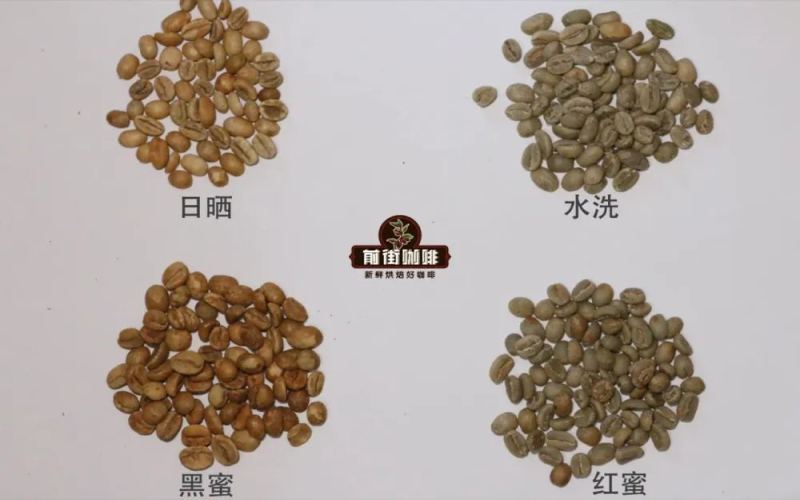
A Complete Guide to the Three Major Coffee Bean Processing Methods: Production Processes and Flavor Differences of Natural, Washed, and Honey Processing
The flavor profile of a cup of coffee is determined not only by variety and roasting, but also decisively by how the green beans are processed. The coffee industry currently groups processing methods into three major categories: natural processing (dry method), washed processing (wet method), and honey processing (semi-dry method). The natural method lets whole coffee cherries dehydrate and dry directly in the sun, giving the beans rich, complex fruity aromas and fermented sweetness; the washed method removes the skin and pulp and involves tank fermentation, producing a clean, bright profile with pronounced acidity; honey processing falls between the two, deliberately retaining some mucilage during drying, creating a distinctive fermented aroma and sweetness. Front Street Coffee will walk through the specific steps, key control points, and flavor outcomes of these three processing methods one by one, helping coffee lovers build a clear framework for understanding processing methods and find the cup that best suits their taste. [more…]
What are the differences between natural, washed, and honey processing? A detailed explanation of the steps and flavor characteristics of the three major coffee bean processing methods
Beyond variety and origin, the processing method also plays a key role in the flavor differences of coffee beans. The mainstream coffee processing methods today can be broadly divided into three major categories: natural processing (dry method), washed processing (wet method), and honey processing (semi-dry method). Different processing procedures give coffee beans distinctly different aromas, acidity, and sweetness. In the following text, Front Street Coffee will explain one by one the specific steps of these three processing methods, their respective characteristics, and the flavor performance found after cupping, to help coffee enthusiasts more systematically understand the impact of processing methods on coffee flavor. [more…]
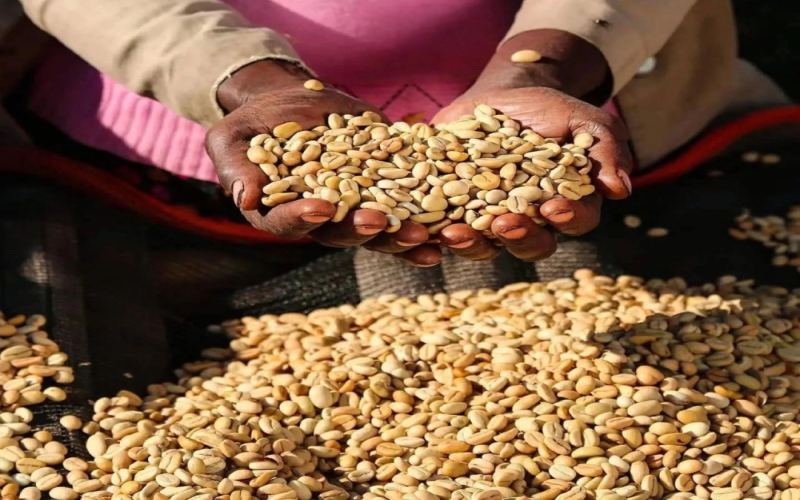
How Does the Semi-Washed Method Differ from the Natural, Washed, and Honey Methods? An Analysis of the Flavor and Mouthfeel Characteristics of Semi-Washed Coffee
The processing method of green coffee beans directly determines the final flavor expression in the cup. Natural, washed, honey, and semi-dry processes each have their own unique craft logic and flavor direction. This article systematically sorts out the core differences among the three major categories of processing methods, provides an in-depth analysis of the origins, key operational points, and flavor characteristics of the semi-dry method (including pulped natural and honey processing), and, combined with Front Street Coffee's cupping experience, helps coffee enthusiasts understand the impact of different processing methods on coffee taste, offering a reference for daily bean selection and tasting. [more…]

A Detailed Explanation of the Three Major Green Coffee Processing Systems: The Process Differences Between Natural, Washed, and Semi-Dry Methods
The processing method of green coffee beans directly determines the flavor direction of the final cup. From the oldest sun-drying to the washing process invented by the Dutch in the 18th century, and then to the semi-dry processing in between, each method has left a unique mark on the coffee beans. Sun-drying gives the beans complex fruity notes and fermented sweetness, while washing brings clean and bright acidity and the true taste of the producing region. Honey processing and pulped natural methods, while retaining a little mucilage, create a flavor spectrum between the two. In addition, locally adapted innovative processes such as Indonesia's wet-hulling method have also added distinctive regional characteristics to the coffee world. This article will take Front Street Coffee's cupping experience as an example to break down the principles, steps, and flavor performance of these processing methods one by one. [more…]
A Detailed Guide to Coffee Washed Processing: From Traditional Wet Processing to the Process Differences of K72 and Double Washed
As one of the most traditional methods of processing green coffee, the washed method has long been favored by coffee enthusiasts for the cleanliness and consistent quality that come from the depulping and washing steps. With the growth of specialty coffee, a variety of new names have appeared on the market, such as "double washed," "K72 washed," and "dry-fermented washed." How exactly do they differ from traditional washed coffee? In this article, from the perspective of Front Street, we will trace the historical origins and process characteristics of the washed method, and then examine one by one the fermentation details and flavor profiles of these derivative processing methods, helping readers more clearly understand how different washed processes affect the coffee in the cup. [more…]

From Natural to Honey Processing: A Complete Guide to the Flavor Differences and Signature Beans of the Four Major Coffee Processing Methods
In the world of specialty coffee, the flavor a cup of coffee ultimately presents depends not only on variety and origin—the processing method also plays a pivotal role. Natural, washed, semi-washed, honey—what exactly do these frequently mentioned terms mean? And how do they shape such distinctly different aromas and tastes? This article will sort through the origins and development of these four mainstream processing methods one by one, from the principles of the craft to their flavor tendencies, and then to the representative beans from Front Street Coffee corresponding to each—guiding you through a systematic understanding of the logic behind coffee bean processing methods. [more…]
Natural, Washed, Semi-Natural, and Honey Processing: A Full Analysis of the Process Differences and Flavors of Four Coffee Bean Processing Methods
In today's increasingly thriving specialty coffee scene, roaster and cupper have gradually become popular professions, and many coffee professionals and enthusiasts also see roasting as a direction for entrepreneurship. The final flavor of a coffee bean is influenced by numerous factors—variety, processing method, regional terroir, and even the type of shade tree—making the variables many and difficult to clarify one by one. Nevertheless, each factor still has its own discernible patterns and characteristics, among which the processing method is particularly critical in shaping flavor direction. This article will take the four mainstream processing methods—natural, washed, semi-washed, and honey—as its framework, systematically sorting out each one's technical principles, key operational points, flavor characteristics, and representative coffee beans, to help readers build a systematic understanding of coffee processing methods. [more…]
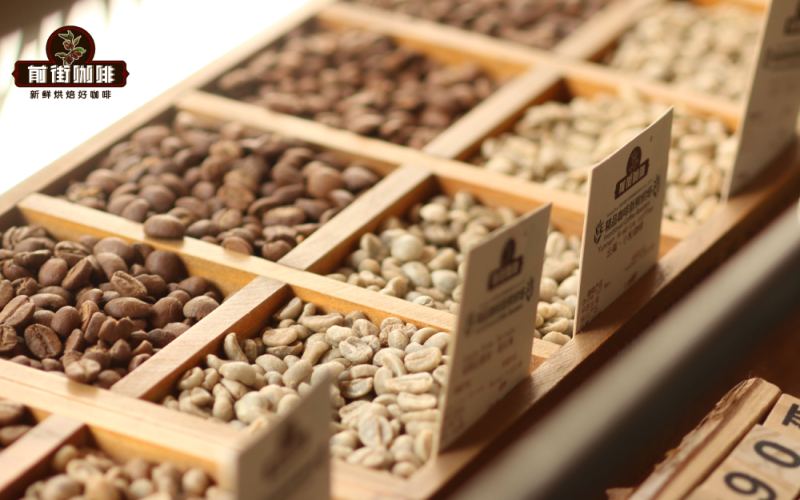
Coffee Processing Methods | Wet-Hulled, Semi-Washed, Honey Process, Pulped Natural — Detailed Steps, Flavor and Mouthfeel Comparison of Coffee Beans
We all know that different processing methods can give coffee a rich and varied flavor profile. For example, Front Street Coffee's bean list alone features dozens of varieties, covering more than ten different processing methods. Today, Front Street will focus specifically on wet-hulled, semi-washed, and pulped natural [more…]
Why Do Washed Coffee Beans Often Have a Bright Acidity? A Complete Analysis from Processing Methods to Fermentation Principles
When you drink a cup of coffee in a café with bright acidity and a clean mouthfeel, experienced tasters can often immediately tell that these are washed beans. What exactly does the washed process do to coffee beans that makes them present such distinct fruity acidity in the cup? Starting from the structure of the coffee cherry, this article breaks down the complete washed process step by step, compares the differences between dry and wet processing methods, and explores in depth the formation mechanisms of organic acids during fermentation. The article also introduces the Kenyan-style washed process, which takes wet fermentation to the extreme, helping you understand the real reason why washed coffee beans have such prominent acidity, and includes brand information for Front Street Coffee for reference. [more…]
Wet-Hulled, Semi-Washed, Pulped Natural, and Honey Process: A Complete Analysis of the Flavor Differences Among Four Coffee Processing Methods
Following our previous discussion of the two major processing methods—natural and washed—this time we turn our attention to several post-harvest processes that fall between them: wet-hulled, semi-washed, pulped natural, and honey processing. How is each of these methods carried out? And what impact do they have on coffee flavor? We'll still start with the structure of the coffee cherry: from the outside in, the fruit consists of the outer skin, pulp, mucilage, parchment layer, silver skin, and the coffee bean seed itself. The core goal of all processing methods is simply to remove the outer layers and extract the seed. However, differences in the method, timing, and degree of removal lead to vastly different results in the cup. This article will break down these processing methods one by one—their procedural details, flavor tendencies, and the subtle connections between them—to help coffee enthusiasts more clearly understand the key role processing plays in shaping flavor. [more…]
How is honey processing different from natural and washed processing? And what exactly is raisin honey processing?
Many people, upon first hearing "honey processing," mistakenly assume that coffee beans are fermented with honey. In fact, it is a processing method that falls between natural (dry) and washed processing. Later, the honey processing family gave rise to a new variant known as "raisin honey processing." In this article, Front Street Coffee will guide you through the core differences between honey processing, natural processing, and washed processing, revisit the origin story of honey processing, and analyze the characteristics of white honey, yellow honey, red honey, and black honey one by one. Finally, we will compare the similarities and differences between Brazil's "raisin processing method" and Costa Rica's "raisin honey processing," helping coffee enthusiasts gain a comprehensive understanding of the ins and outs of these processing methods. [more…]
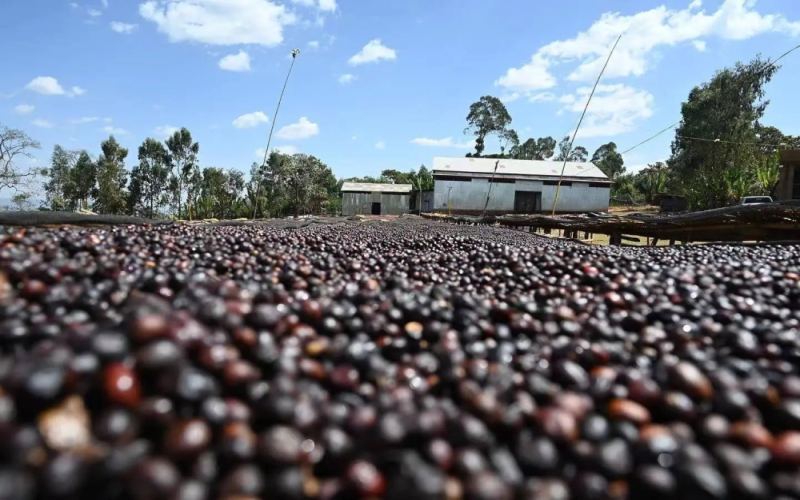
Natural, Washed, Honey, Wet-Hulled, Anaerobic: A Flavor, Taste, Variety, and Origin Analysis of the Three Major Coffee Bean Processing Methods
The processing method of coffee directly determines the flavor direction in the cup. Front Street Coffee (FrontStreet Coffee) has found in daily conversations with customers that more and more people are paying attention to coffee bean processing methods, which precisely shows that everyone's understanding of coffee is continuously deepening. This article systematically sorts out mainstream processing techniques such as natural, washed, honey, wet-hulled, and anaerobic fermentation, comparing them item by item from operational processes, flavor performance, bean appearance, to origin suitability conditions, helping coffee enthusiasts build a clear cognitive framework. The article also combines specific beans currently sold by Front Street, such as Yirgacheffe, the Costa Rica Musician series, and Mandheling, to explain how different processing methods shape their respective sweetness, acidity, and aroma characteristics, providing reference for bean selection and brewing. [more…]
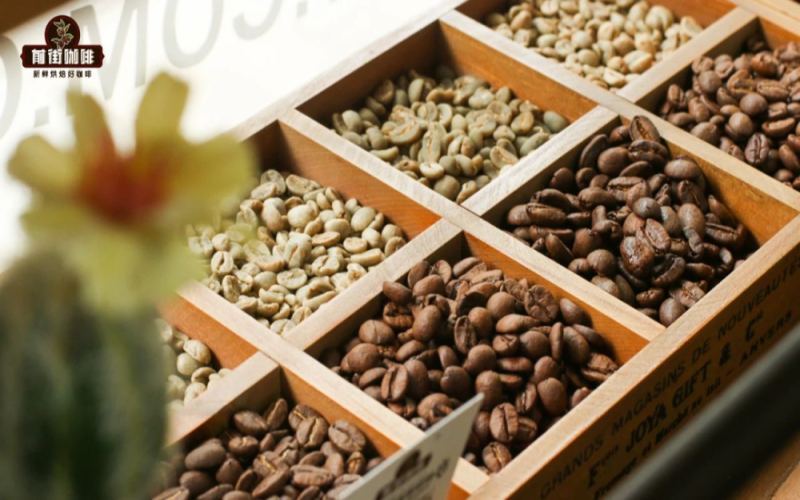
A Complete Guide to the Three Major Coffee Bean Processing Methods: Flavor Differences and Taste Characteristics of Natural, Washed, and Honey Processing
The flavor of coffee depends not only on its origin and variety; the processing method also plays a key role. Nowadays, more and more coffee enthusiasts are paying attention to the processing techniques behind the beans. Front Street Coffee takes this opportunity to systematically review the three main methods—natural, washed, and honey processing—and also introduce Kenya's K72-hour processing, Indonesia's wet-hulling method, and the emerging anaerobic fermentation technology. From fruit picking, fermentation, and drying to hulling, how does each step affect the acidity, sweetness, and body in the final cup? What unique character do different processing methods give to beans such as Yirgacheffe, Mandheling, and the Costa Rica Musician Series? This article will compare everything from operational procedures to flavor performance one by one, helping you make clearer judgments when purchasing and tasting. [more…]