








In the world of specialty coffee, the flavor ultimately presented in a cup of coffee is shaped not only by variety and origin but also by processing method, which plays an equally pivotal role. Natural, washed, semi-natural, honey processing—what exactly do these frequently mentioned terms mean? And how do they shape such strikingly different aromas and mouthfeels? This article will sort through the origins and development of these four mainstream processing methods one by one, from the principles of the craft to flavor tendencies, and then to the representative beans corresponding to the Front Street Coffee brand, guiding you through a systematic understanding of the logic behind coffee bean processing methods.

The wave of specialty coffee has driven the rise of many emerging professions. Roasters and cuppers have gradually become sought-after roles in the industry, and independent roasting has become the first choice for many baristas and enthusiasts embarking on the path of entrepreneurship. For a single coffee bean, how the final cup tastes involves quite a few variables—the variety of the coffee tree, how the green beans were processed, the microclimate conditions of the growing region, and even whether there are shade trees around the tree and what kind of trees they are. With so many variables, it is difficult to isolate one factor and explain it clearly on its own. However, in the author's view, each influencing factor still shows certain identifiable tendencies.
Coffee bean processing methods can be roughly grouped into the following categories: Natural, Semi-Natural or Pulped-Natural, Honey processing, and Washed.
If divided by major categories, coffee bean processing methods can be classified into three types: natural processing, also known as dry processing; washed processing, also known as wet processing; and honey processing, also known as semi-dry processing. Below, Front Street Coffee will explain them one by one.
Method One: Natural processing, dry processing
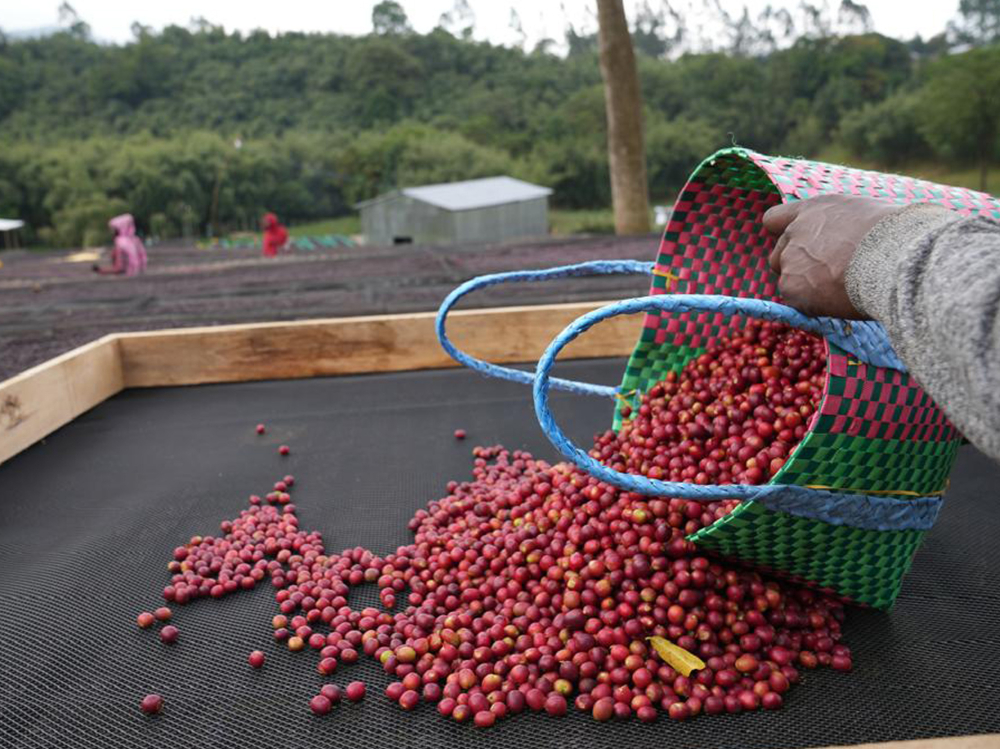
This is what is commonly called "natural," a rather ancient processing method. The method is quite straightforward to describe: the harvested coffee cherries are not stripped in any way; the whole fruit is placed directly under the sun to dry until the beans' moisture content drops to 10.5%–12%. If the weather cooperates, this method saves the most energy; but if sunlight conditions are not ideal, mechanical dryers may be used for all or part of the process.
Since the drying stage does not necessarily have to rely on sunlight, the industry professionally prefers to call it "dry processing," while spreading the fruit under the sun remains the most common form of dry processing. Ethiopia, Yemen, and Brazil, all major coffee-producing countries, use natural processing at rates exceeding 80%, and many other producing regions follow suit, especially in areas where water resources are relatively scarce.
There are several points worth adding about dry processing:
If the sun-drying route is taken, it generally requires 2–4 weeks or even longer, depending on weather conditions and the flavor direction desired. During the drying process, extra care must be taken: the temperature must not be too high, and the beans must be prevented from molding or picking up off-flavors due to excessive fermentation.
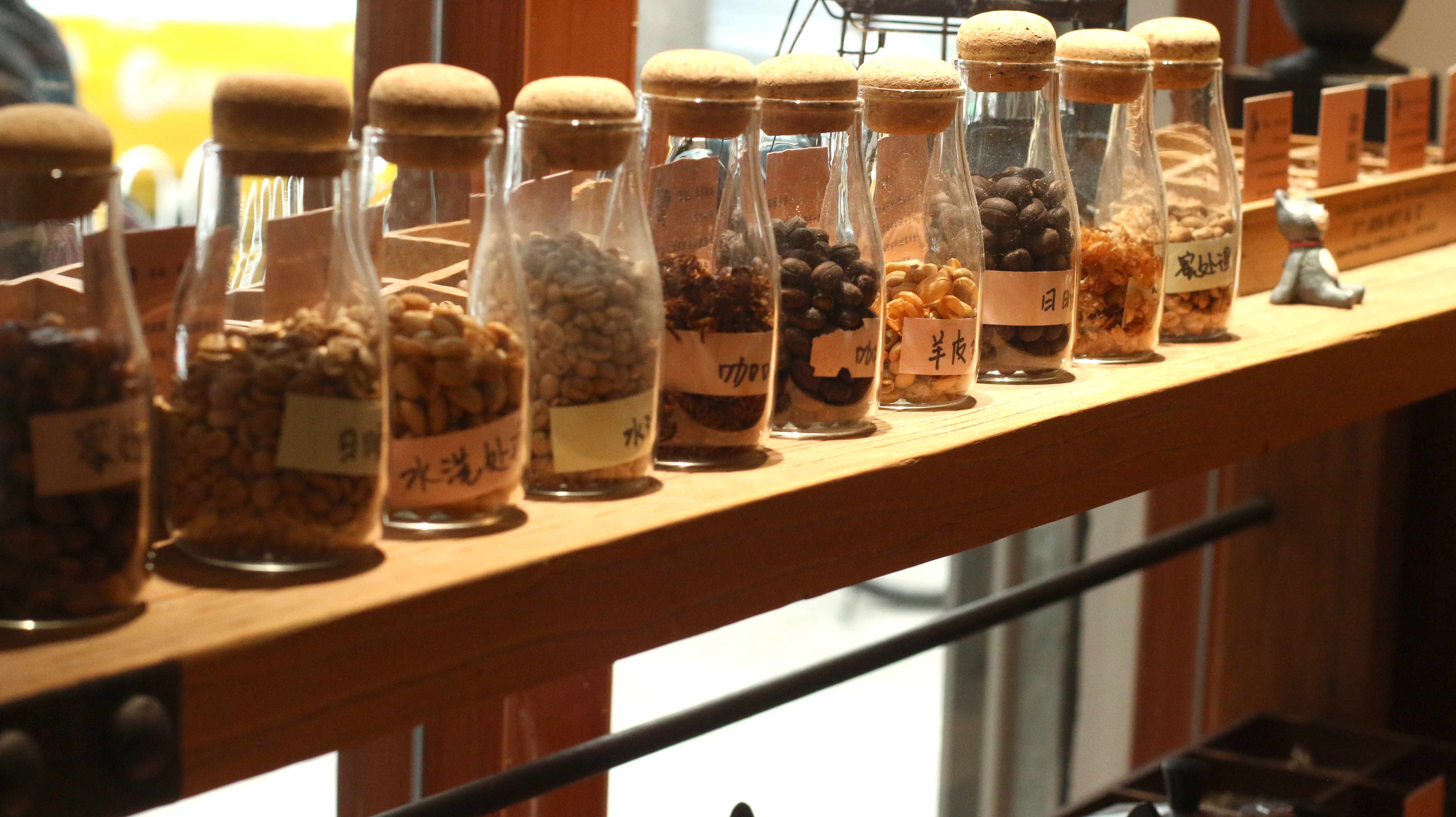
If mechanical dryers are used instead, the parameters are much easier to control, and drying is faster than sun-drying, but machine and energy costs rise, and the flavor is usually not as good as beans dried entirely in the sun. After drying is complete, the fruit is usually stored with all its layers intact, and only when shipment is being prepared are the outer coverings of the coffee beans removed mechanically. This step is called dry milling.
The length of drying time and the level of temperature will shape coffee flavor to different degrees. For example, under conditions of strong sunlight and a dry environment, if there is no special control, the mucilage may dry out before it has fermented much at all, so the fruity aromas and sweetness that should have been brought into the beans by moisture and slight fermentation never develop. The beans then lack distinctiveness. Most Brazilian commercial beans are in this state, which is also one reason natural beans once had a poor reputation. Conversely, if the drying period is extended and temperature is properly controlled, allowing the fruit to undergo a period of slight fermentation, the beans can develop layered fruit character.
Because natural processing keeps the whole fruit intact throughout, under proper drying conditions the coffee beans often show complex fruity aromas along with a soft fermented note, and the overall mouthfeel is smooth with pronounced sweetness. Representative beans include Front Street Natural Huakui, Front Street Emerald Red Label Geisha, and Front Street Queen's Estate.
Method Two: Washed processing, wet processing
This is what everyone commonly calls the "washed method," invented by the Dutch in the 18th century. The reason the Dutch developed this method at the time was that their colonies, such as Java, had humid and rainy climates with intermittent sunlight, making natural sun-drying simply unworkable—clearly, mechanical dryers did not exist in that era. The traditional process is as follows: first remove the skin and pulp of the coffee cherry, then soak the mucilage-covered parchment beans in a water tank to ferment, allowing the sugars in the mucilage to break down and the stickiness to subside, then rinse away all remaining material outside the parchment with clean water, and finally dry. Because the skin, pulp, and mucilage are already gone, drying time is greatly shortened.
There are several more points that need to be explained about wet processing:
The end point of fermentation can range from 12 hours to 6 days, depending on the ambient temperature, the amount of yeast, and the specific method used. For example, the Kenyan method requires more than one round of fermentation and rinsing, and the whole process takes several days.
Judging when to stop fermentation is one of the most critical steps in the washed method. If fermentation is insufficient, the mucilage cannot be washed clean; if fermentation goes too far, the coffee takes on a sour, rotten taste.
The traditional washed method consumes a large amount of water when rinsing off parchment residue, which can place a burden on the environment. However, modern industrial technology has produced many innovations, such as filtering and reusing water, or using friction machines instead of water rinsing, both of which can significantly reduce water use. This is also why the industry professionally prefers "wet processing" over "washed method."
Wet-processed coffee has a distinctive characteristic: some of the acids produced during mucilage fermentation penetrate into the bean itself; at the same time, because the parchment no longer has fruit pulp or mucilage around it during drying, the rich body unique to natural beans no longer exists, and the flavor trends clean and bright. If a light roast is used, the acidity becomes even more prominent. Representative washed beans include Front Street Butterfly, Front Street Guodingding, and Front Street Little Tomato.
Method Three: Semi-dry processing
This method sits between dry processing and washed processing and can be further divided into two categories: pulped natural and honey processing. In practice, the two are actually very close, both removing the skin of the coffee cherry first like wet processing, but skipping the steps of "tank fermentation and rinsing with clean water" in wet processing and taking the beans directly to dry in the sun. At first glance the difference seems small, but it is precisely because of one key detail that two completely different flavor directions are created, so they are worth discussing separately.
(A) Pulped natural
This method was born in the 1980s and 1990s, invented by the Brazilian coffee equipment manufacturer Pinhalense. Through repeated experimentation, Pinhalense developed the modern depulper, also called a pulp separator, which removes the seed from ripe fruit by squeezing, then uses a high-tech pressure washing machine to remove as much mucilage as possible, after which the beans are sun-dried to the target level.
Because there is no fermentation stage, the risks of over-fermentation or under-fermentation are reduced, and coffee bean quality tends to be more stable; but precisely because this step is missing, the coffee's flavor is somewhat one-dimensional. For this reason, high-quality coffee rarely uses this processing method. This method uses far less water than the washed method, and some steps are close to wet processing, such as removing skin and pulp, while other steps resemble dry processing, since there is no tank fermentation. Therefore it is also called the semi-washed method. Incidentally, one or two companies in Brazil and Colombia have patented high-pressure automated washing equipment, creating a quasi-monopoly in the market.
A representative bean for pulped natural processing is Front Street Brazil Cerrado. After medium roasting, the flavors of cream, peanut, nuts, and caramel are highlighted, and it performs well whether brewed by pour-over, moka pot, or espresso machine.
(B) Honey processing
Honey processing, often written in English as honey process, is a method formed after partial improvements to pulped natural processing. It is currently very popular in Costa Rica and El Salvador and has gradually spread across Central America, even affecting coffee-producing countries worldwide. The name comes from the fact that during the drying stage the beans deliberately retain part of the mucilage, that is, the "honey."
Its origin and method of operation are as follows:
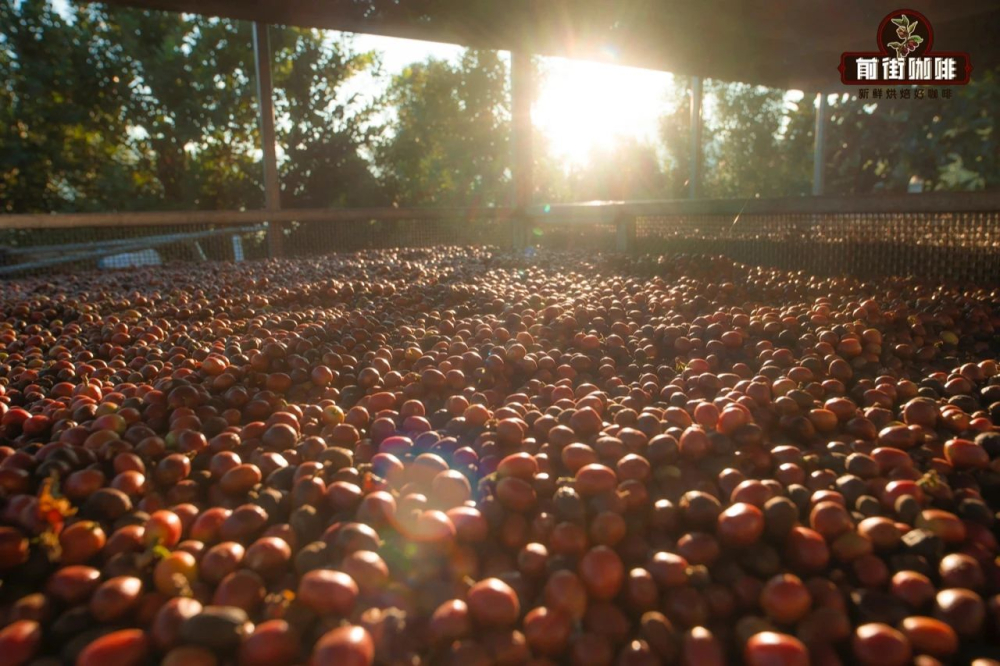
In the 1990s, Costa Rica developed the demucilager to replace Brazil's depulper. The difference between the two machines is that the demucilager can adjust pressure and aperture size, selectively retaining part or all of the mucilage on the coffee beans during depulping, and then the mucilage-covered beans are directly sun-dried. Beans with mucilage cannot be dried with mechanical assistance and must bear the risk of over-fermentation or mold.
During drying, the mucilage undergoes a short fermentation, giving the coffee a touch of acidity; at the same time, a small amount of the sugar in the mucilage penetrates into the bean, giving the coffee an extra sweetness—something Brazil's pulped natural method does not have. Some processors even label their coffee as 40%, 60%, 80%, or 100% honey-processed beans according to how much mucilage is retained, but this claim can only be taken with a grain of salt, because such precision is impossible in actual practice.
Today the more common naming uses colors instead of percentages, divided into black honey, red honey, yellow honey, and white honey. The more mucilage retained, the darker the bean color after drying, so black honey-processed coffee beans have a flavor closer to natural processing. The representative bean Front Street Blackberry, because it naturally carries floral and fruity aromas, uses a medium-light roast. When extracted, you can taste orange blossom, berries, dried blueberries, and liqueur chocolate. Made as cold brew it is refreshingly sweet and tart, as pour-over the sweetness explodes, and as espresso it is fragrant and rich.
The above content is compiled by CoffeeHunters, a coffee news website.


