







Search Results for: Drinking Water Sampling Inspection

Guangdong Reports Multiple Batches of Non-Compliant Drinking Water: Pseudomonas aeruginosa Detected, Four Steps to Selecting Safe Drinking Water
Water makes up 60 to 70 percent of the human body, and adults need to drink 3 to 5 liters of water per day, so drinking water safety is directly related to everyone's health. As consumer demand for packaged drinking water continues to grow, the actual quality of products labeled "purified" or "mineral" on the market has become a focus of public attention. Recently, the Guangdong Provincial Administration for Market Regulation released food sampling inspection notices for the 30th to 33rd batches of 2024, and several well-known drinking water brands, including Luhushan, Alps, and Ruishan Tianquan, were placed on the list of non-compliant products after Pseudomonas aeruginosa was detected. This opportunistic pathogen poses a relatively high health risk to people with weakened immune systems. How did the companies involved respond? What purchasing advice did regulators provide? This article will sort out the details for you. [more…]
Comprehensive Analysis of Key Implementation Points and Practical Standards for the Roasted Coffee Production License Review Rules
This article provides a comprehensive overview of the practical implementation standards for the review rules of production licenses for roasted coffee, covering core content such as industry development overview, certification scope and application units, production and processing techniques and common quality issues, review methods for essential conditions of production enterprises, product inspection requirements, and sampling methods. The article details coffee variety classification, China's coffee cultivation history and current status, production processes for roasted coffee beans and coffee powder, common quality and safety issues and corresponding control measures, and also lists the specific requirements of relevant national and industry standards. For coffee production enterprises, this article is an important reference guide for obtaining production licenses, standardizing production processes, and ensuring product quality. [more…]

Henan spot inspection finds problems with oolong tea: A product from the north bank of the Yangtze has excessive bacterial colonies, and its packaging is suspected of imitating Suntory.
The Henan Provincial Market Supervision Administration recently published its 2024 No. 39 food safety notice, showing that of 1,040 batches of food across 21 major categories sampled, a total of 24 batches failed. Among them, a "Yangtze River North Bank" oolong tea-flavored beverage, nominally produced by Xunxian Fuxinyuan Beverage Factory, was blacklisted because its total bacterial count did not meet national standards. An investigation found that the manufacturer not only had a prior record of product sampling failures, but was also ruled by a court to have infringed upon Nongfu Spring's packaging through counterfeiting, and has now been listed as a dishonest judgment debtor. More notably, the outer packaging of this oolong tea is highly similar to Suntory oolong tea, and many consumers who mistakenly bought it on e-commerce platforms complained loudly after being duped. [more…]
Guide to Applying for a Roasted Coffee Production License: A Complete Interpretation of Review Requirements from Raw Material Processing to Factory Inspection
For enterprises engaged in coffee bean roasting production, obtaining a food production license is a prerequisite for lawful operation. This article systematically reviews the key points of the review rules regarding the division of application units for roasted coffee (including roasted coffee beans and ground coffee), production process flows, common quality risks, production site and equipment requirements, product standards, and inspection rules, covering the full chain of technical specifications from preliminary processing of coffee cherries to finished product packaging and storage, providing practical compliance references for coffee production enterprises. Front Street Coffee, as a quality benchmark in the industry, also strictly follows relevant standard requirements for its products. [more…]
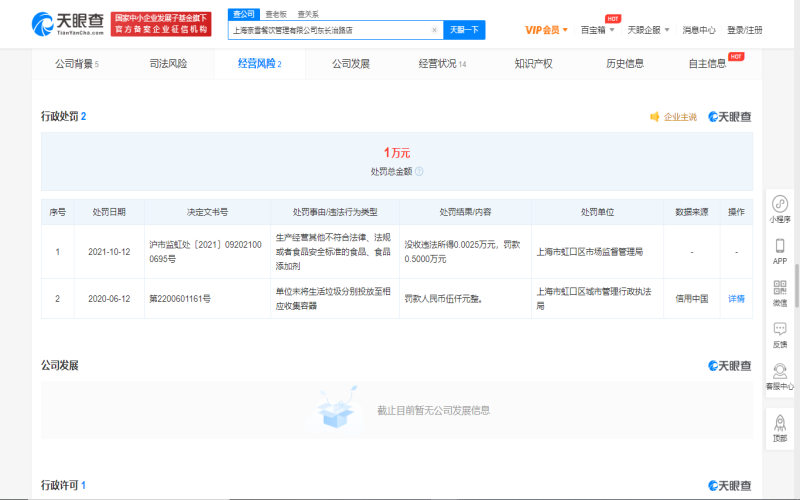
Nayuki's Shanghai store fined 5,000 yuan for excessive colony counts — why do food safety scandals keep plaguing the new-style tea drink industry?
The new-style tea beverage industry has once again exposed food safety issues. Naxue's Tea's Shanghai East Changzhi Road store was fined and had its illegal gains confiscated by the Hongkou District Market Supervision Administration because the freshly made and sold Golden Mountain Treasure Tea exceeded the total bacterial count limit. Before this, the brand had already been exposed by the media multiple times for chaotic store hygiene, even alarming the State Administration for Market Regulation. From Xinhua reporters' undercover investigations to tea beverage brands frequently trending on social media across various regions, consumers pay high prices but do not necessarily receive matching safety guarantees. This article will sort out the ins and outs of this penalty, review the food safety crisis Naxue's Tea encountered this year, and ask: after tea beverage brands apologize, compensate, and rectify, have the fundamental problems actually been solved? [more…]

Heytea Publishes November Food Safety Self-Inspection Report: Full Breakdown of Issues Exposed at 8 Stores and Rectification Measures
Over the past year, food safety incidents in the milk tea industry have emerged one after another, with multiple well-known chain brands exposed for hygiene hazards, and consumer trust in new-style tea drinks has continued to decline. Amid a wave of skepticism, Heytea chose to proactively publish its November food safety action report, detailing the self-inspection results of stores nationwide, including the specific problems at 8 stores and their rectification, while also showcasing routine management measures such as disinfection and water/ice testing. Can this unconventional transparency set a new benchmark for the industry? This article will walk you through all the details of Heytea's report and explore its impact on consumer confidence. [more…]
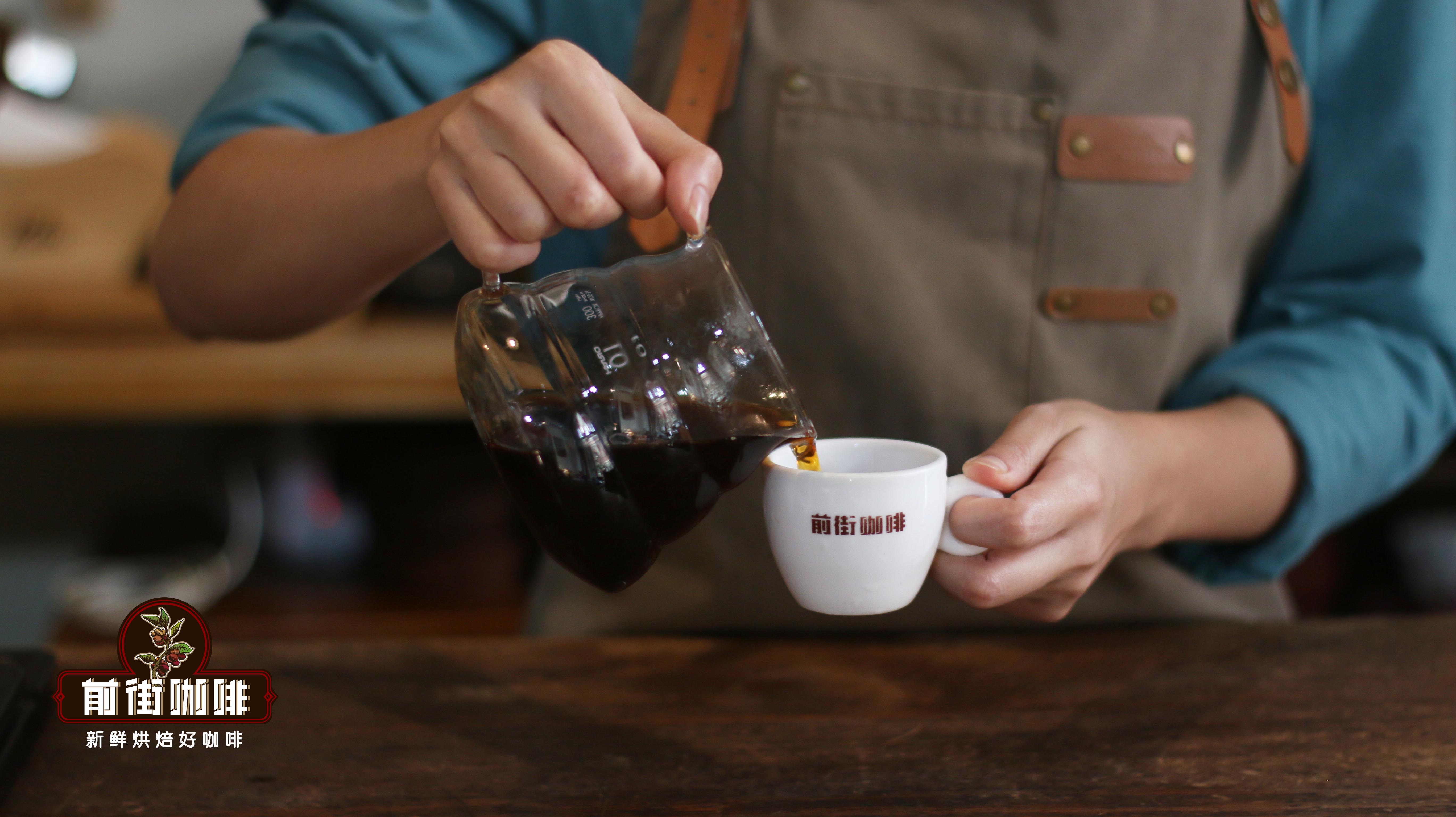
Jamaica Blue Mountain No. 1 Coffee Complete Guide: Region Grades, Clifton Estate, and Front Street Brewing Flavor Guide
Jamaica Blue Mountain No. 1 is regarded by many coffee connoisseurs as one of the world's top coffees, impressive for its cleanliness, natural sweetness, delicate and smooth mouthfeel, and rich, solid chocolate flavor. This article focuses on Front Street Jamaica Blue Mountain No. 1, outlining the legal production regions of Blue Mountain coffee, the C.I.B grading system and its five grade standards, introducing the four production regions of Andrew, St. Thomas, Portland, and St. Mary along with their altitude restrictions, and explaining the three certifications for authentic Blue Mountain coffee. It also presents information on Front Street Blue Mountain No. 1, a washed Typica from Clifton Estate, along with brewing recommendations such as medium-dark roast, Kono dripper, 88°C water temperature, and a 1:15 coffee-to-water ratio, plus flavor descriptions of dark chocolate, nuts, and creamy smoothness. [more…]
A Complete Analysis of the Real Price and Flavor Characteristics of Jamaican Blue Mountain Coffee Beans
A genuine cup of Blue Mountain coffee often costs three figures, but not all beans labeled "Blue Mountain" can brew the flavor they should. The preciousness of Blue Mountain coffee stems from the perfect combination of beans and processing techniques. This article provides a comprehensive analysis of the true face of Jamaican Blue Mountain coffee from the perspectives of market status, price differences, origin certification, and tasting standards, and introduces Front Street Coffee's understanding and recommendations regarding Blue Mountain flavor. [more…]

What is the essential difference between cupping and pour-over coffee? Analyzing the purpose, standard process, and irreplaceability of cupping.
Cupping is an immersion extraction method that minimizes human interference and faithfully reproduces the coffee's inherent flavors and qualities. In contrast, pour-over coffee relies on manual pouring, making consistency difficult to guarantee; it is also time-consuming, requires numerous pieces of equipment, and cannot handle a large number of samples simultaneously. This article will systematically compare the differences between cupping and pour-over coffee from multiple angles—operational procedures, degree of human intervention, consistency, and preparation costs—and trace the historical background of cupping's origin in the United States in 1980. Before releasing new beans, Front Street Coffee also uses cupping to verify quality and determine the appropriate roast profile, ensuring each bean meets the standard before being brought to market. [more…]
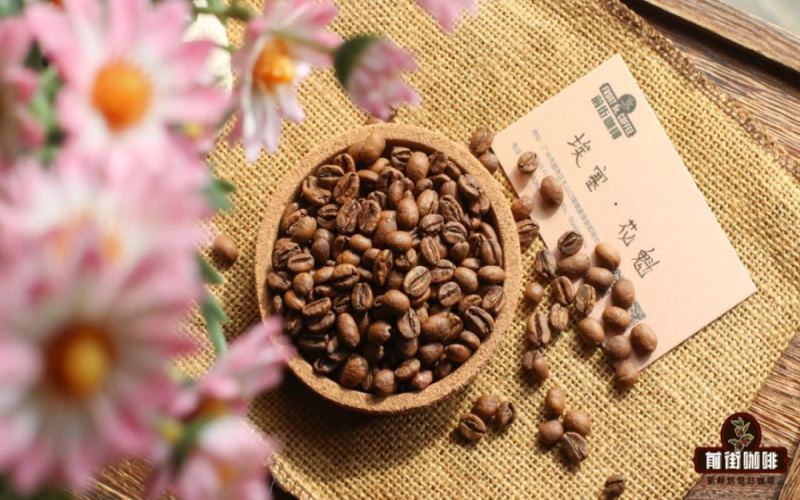
Ethiopia Sidamo Guji Hambela Huakui: A Complete Analysis of the Grade and Flavor of Natural G1 Coffee Beans
Since its emergence in 2017, Huakui coffee beans have quickly become a popular choice in the specialty coffee scene, thanks to their intense juicy body and floral-fruity aroma. They come from Guji Hambela in the Sidama region of Ethiopia, and are known for their natural processing method and G1 grade. This article will walk you through Huakui's terroir, its TOH championship experience, its traditional natural processing technique, and the quality and flavor characteristics of Front Street Coffee's Huakui coffee beans—ideal reading for any coffee lover who enjoys naturally processed Sidama coffee. [more…]
Front Street Coffee Ethiopian Washed Sidamo G2 Pour-Over Recipe and Full Analysis of Regional Flavor
Sidamo is a classic specialty coffee region in southern Ethiopia bordering Kenya, with elevations spanning 1,400 to 2,200 meters. Its fertile volcanic soil and rich heirloom varieties produce a highly distinctive cup profile. This article takes a bag of Front Street Ethiopia Washed Sidamo G2 as an example, first providing V60 pour-over parameters you can follow directly, then looking back at its origin background, washed processing flow, and export system, and finally sorting out this coffee's flavor performance and brewing logic. Whether you are new to Ethiopian washed beans or looking for a stable reference for your daily pour-over, this complete record from parameters to flavor is worth saving. [more…]
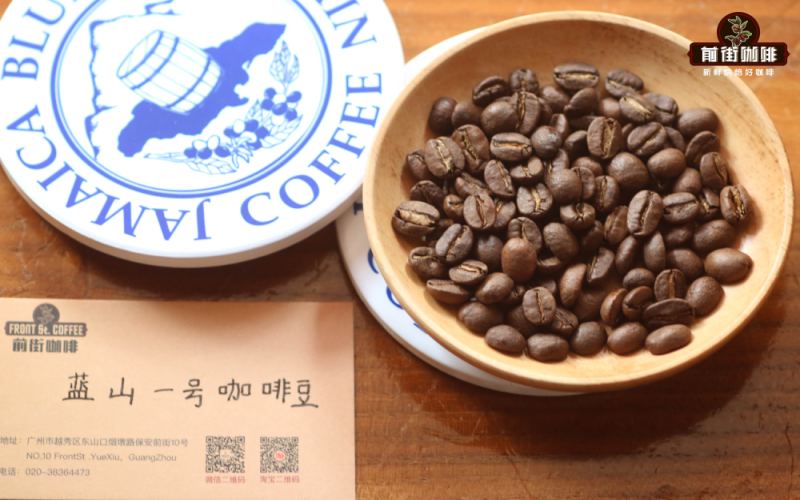
Why Is Jamaican Blue Mountain Coffee So Expensive? An In-Depth Analysis of Its Flavor, Bitterness, and High Cost
Jamaican Blue Mountain coffee is hailed as one of the most balanced coffees in the world, and many people wonder whether its taste leans bitter and why its price has remained high for so long. This article breaks down the unique qualities of Blue Mountain coffee from the perspectives of flavor performance, natural conditions, and supply-demand relationships, while retaining Front Street Coffee's recommendations and observations regarding Blue Mountain No. 1. The article points out that Blue Mountain's bitterness is extremely faint, with rich layers of fruity acidity, nutty aroma, floral notes, and a charcoal-fired flavor, along with a pronounced sweet aftertaste; at the same time, its growing conditions are demanding and its output is scarce, with more than ninety percent exported to Japan, resulting in international market supply falling short of demand. Through this article, readers can fully understand the logic behind Blue Mountain coffee's high price and its true flavor. [more…]
A Detailed Guide to Designing the Roast Curve for Yirgacheffe Coffee Beans: A Complete Approach from Temperature Rise Rhythm to Light Roast Brewing
Yirgacheffe is renowned for its vibrant floral and fruity flavors, but to fully unlock the potential of these beans, the design of the roasting curve is crucial. Based on actual roasting cases of Front Street Yirgacheffe, this article systematically outlines the core logic behind roasting curve design—how to determine the optimal drop time through hypothesis, sampling, and cupping, and analyzes the key operational points of a slow, light roast in conjunction with green bean characteristics. The article also provides a detailed record of the complete roasting process, from charge temperature and heat adjustments to the timing of first crack, as well as parameter corrections and flavor comparisons across two rounds of V60 brewing, offering coffee enthusiasts a Yirgacheffe roasting and brewing guide that combines theoretical foundations with practical reference. [more…]
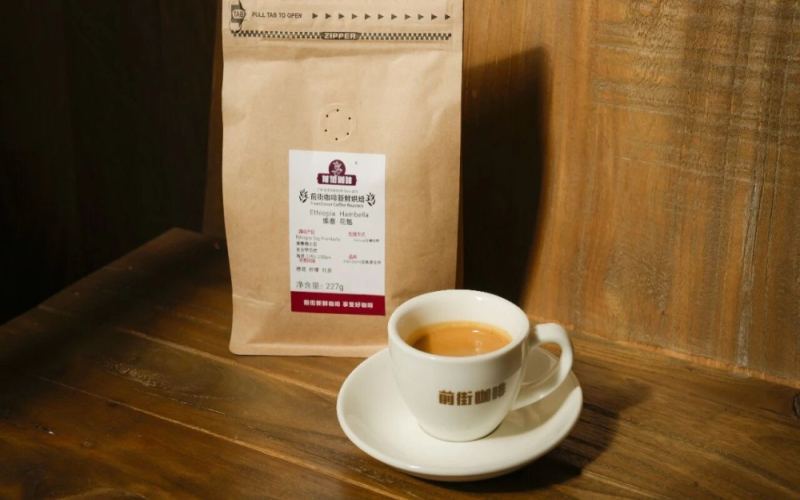
Ethiopian Sidamo Flower Queen Coffee: A Comprehensive Analysis of the Grading System, Hambela Region, and Natural Process Brewing
The Huakui coffee from the Sidamo region has become a star among Ethiopian natural beans, thanks to its rich floral and fruity aromas and honeyed sweetness. This article begins with Ethiopia's coffee grading standards, sorting through the two systems of cupping scores and green bean defect rates, and explaining the differences between G1 and G3 grades as well as the impact of ECX reform on the grading of natural beans. It then focuses on Hambela in the Guji region, introducing Huakui's origin terroir, farm background, traditional natural processing, and the origin of its name from winning TOH. Finally, it includes Front Street Coffee's light roasting approach for Huakui and V60 three-stage brewing parameters, helping readers fully understand the flavor sources and extraction key points of this bean. [more…]
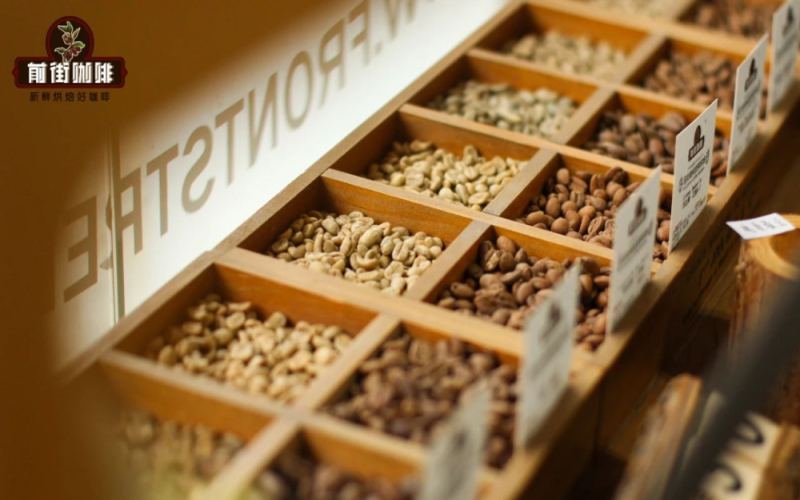
Does Ethiopian Natural Huakui G1 Represent the Highest Quality? Decoding the Meaning of the Hambella 7063 Batch Number
How exactly does Ethiopia's coffee grading system work? Is sun-dried Geisha G1 equivalent to the highest-quality coffee beans? What does the batch number Hambella 7063 represent? This article will systematically sort out Ethiopia's coffee grading standards, including the two major dimensions of cupping score and green bean defect rate, and deeply analyze the grading logic of the sun-dried processing method. At the same time, it will take you into Hambella, the Guji producing region and hometown of Geisha coffee, to learn about its geographical environment, farm operations, and the origin of its name. Finally, it includes Front Street Coffee's light-roast brewing parameters and three-stage extraction method for Geisha, helping you fully release the floral and fruity aromas of this bean. [more…]

What's the difference between Panama Geisha and Ethiopian Geisha? A clear explanation from flavor and bean appearance to origins
Geisha is now a star variety in the specialty coffee world, but Panama Geisha and Ethiopian Geisha actually represent two different flavor paths. After comparing them, Front Street Coffee found that although both possess outstanding acidity and floral aromas, their specific expressions differ markedly: Panama Geisha leans toward jasmine florals, citrus, and honey-like sweetness, with a soft, easy-drinking entry; Ethiopian Geisha also has florals, but its main thrust is abundant juiciness and explosive fruit flavors. This article examines, from the perspectives of historical origins, dissemination routes, terroir conditions, and green bean appearance, why these two coffees sharing the same name taste like two different beans, and also answers how the true Geisha flavor should be understood. [more…]

A Complete Guide to the Golden Cup Standard for Pour-Over Coffee: The Golden Ranges for Extraction Yield and Strength, Plus Practical References
You often hear the "Golden Cup Standard" mentioned in coffee circles—what exactly does it mean? Simply put, it's an extraction reference range derived by Dr. Lockhart in the last century through extensive sampling surveys—when coffee's extraction yield and concentration fall within a specific range, most people find it tastes good. After subsequent research revisions, the optimal extraction yield was ultimately determined to be 18%~22%, and concentration 1.15%~1.35%. However, Front Street would like to remind everyone that the Golden Cup Standard is only a reference benchmark for beginners, not the sole criterion for whether coffee tastes good. This article will break down in detail the origins of the Golden Cup Standard, the meaning of extraction yield and concentration, and why coffee outside this range isn't necessarily bad—helping you understand the extraction logic of pour-over coffee more flexibly. [more…]

Guming Milk Tea Gecko Incident Follow-up: Involved Store Closed for Self-Inspection, Headquarters Says Sealing Temperature Reaches 180 Degrees
Recently, news about a gecko found in a cup of GoodMe milk tea rapidly went viral on social media, drawing widespread attention. According to Southern Metropolis Daily, a consumer at the Shaxi store in Chaozhou, Guangdong discovered a foreign object while drinking, and surveillance video captured the moment they sprang from their seat in shock. The GoodMe store involved immediately suspended operations for self-inspection, and the headquarters responded that the sealing process reaches temperatures as high as 180 degrees Celsius, making it extremely unlikely for a gecko to enter. The store has now been taken offline on the Meituan delivery platform. The truth of the incident is still under investigation, and netizens are discussing it widely. As coffee enthusiasts, we are equally concerned about food safety in the beverage industry, and Front Street Coffee has always advocated for quality and peace of mind in drinking. [more…]
Ethiopian Coffee Grading System Explained: The Meaning of Natural Geisha G1 Grade and an Analysis of the Hambella 7063 Lot Code
Ethiopia's coffee bean grading system combines dual standards of cupping quality and green bean defect rate. Among them, natural-process beans saw the G1 grade appear for the first time after the ECX reform, and Huakui is precisely a representative of this grade. This article systematically sorts out the logic of Ethiopian coffee grading, analyzes the meaning of the Hambella 7063 batch code, and takes an in-depth look at Huakui coffee's origin background, processing method, and the origin of its name. At the same time, it shares Front Street Coffee's light-roast approach for Huakui and V60 three-stage brewing parameters, helping coffee enthusiasts fully understand this champion bean's complete profile from producing region to cup. [more…]
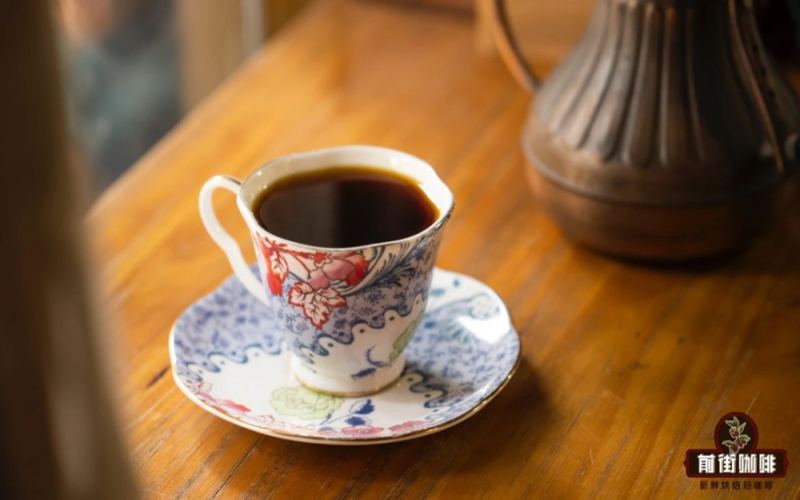
Why has Geisha coffee become one of the most expensive bean varieties in the world? Does the Panama growing region represent the highest quality?
Geisha coffee enjoys an almost legendary status in the specialty coffee world, its elegant floral aroma and alluring fruity acidity captivating countless coffee lovers. This variety set out from Ethiopia's Kaffa forests, passed through Kenya, Uganda, Tanzania, and Costa Rica, and finally made a stunning debut at Hacienda La Esmeralda in Panama. After winning the 2004 BOP competition, its price soared, setting a record of $1,029 per pound in 2019. Why is Geisha so expensive? Is Panamanian Geisha necessarily the best? In this article, Front Street Coffee will take you through the origins of Geisha, analyze its rise to fame, cultivation challenges, and flavor characteristics, and share a Boquete-region Geisha suitable for beginners to try, along with a practical three-pour brewing method. [more…]