







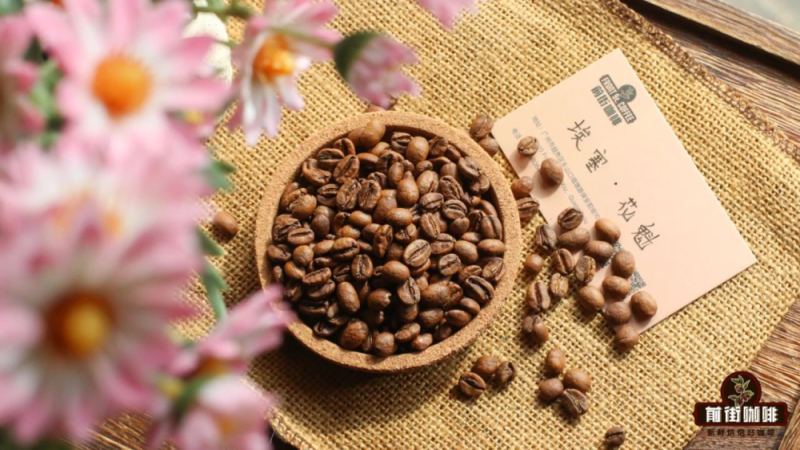
Why Do Geisha Coffee Beans Come From Guji Hambela?
Geisha coffee beans from Ethiopia's Sidamo region rose to fame starting in 2017, known for an intense juicy body and fruity aroma rather than the floral notes the name suggests. These beans come from the Hambela sub-region within the Guji zone of Sidamo, are naturally processed, and are graded G1.
Guji provides the terroir. Its fertile black soil, called Vertisol, and growing altitudes generally above 1,800 meters create a wide gap between day and night temperatures. The Guji area has repeatedly produced high-quality specialty beans and earned honors in green coffee competitions, which is why naturally processed Sidamo coffee is associated with this zone.
Since Geisha coffee beans first emerged in 2017, they have quickly become a popular choice in the specialty coffee scene thanks to their intense juicy body and floral-fruity aroma. They come from Guji Hambela in the Sidamo region of Ethiopia, and are known for their natural processing method and G1 grade. This article will walk you through Geisha's origin and terroir, its TOH championship experience, the traditional natural processing technique, and the quality and flavor characteristics of Front Street Geisha coffee beans—perfect reading for any coffee lover who enjoys naturally processed Sidamo.
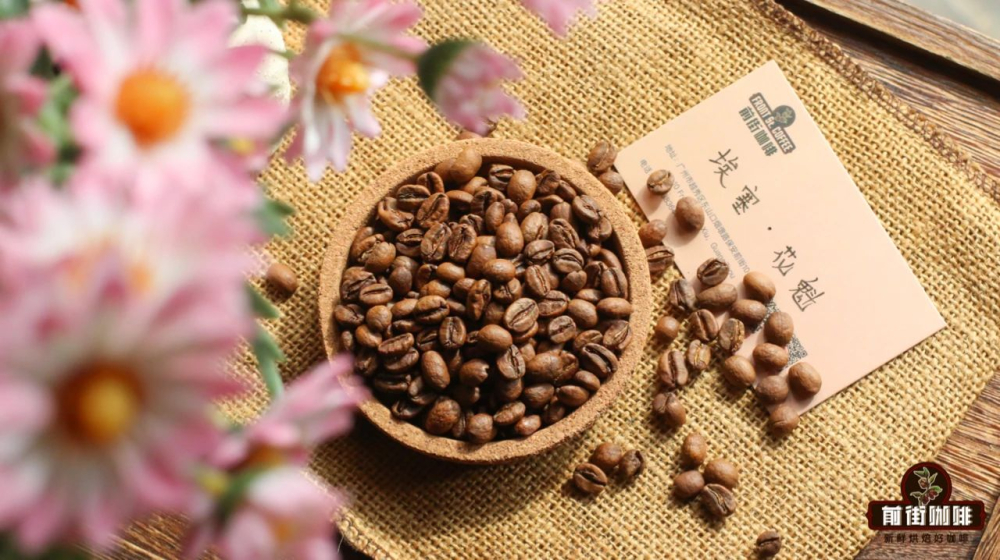
If you want to experience a cup of naturally processed Sidamo bursting with juicy flavor, Front Street Geisha is almost an unavoidable choice. These coffee beans rose to fame starting in 2017, and now as more and more brands add them to their menus, Geisha's reputation has climbed to yet another new level.
Geisha's homeland is the universally recognized birthplace of coffee—Ethiopia. For many people just stepping into the world of specialty coffee, Ethiopia is one of the first origin countries they must learn about, and its two most renowned regions are Yirgacheffe and Sidamo. Just looking at the name "Geisha," it's easy to assume it's a coffee bursting with floral aromas, but the truth is quite the opposite—what truly makes Geisha memorable is its intense fruity aroma.
Those who frequent cafés may notice that coffees from the Yirgacheffe region mostly use washed processing, such as Front Street Washed Yirgacheffe and Front Street Washed Gedingding, which are known for their "hundred flowers blooming" flavor profile, with bright and lively notes of citrus, lemon, and green tea often emerging in the cup; while the Sidamo region more often uses natural processing, with flavors leaning toward berries, cream, and a slight fermented note.
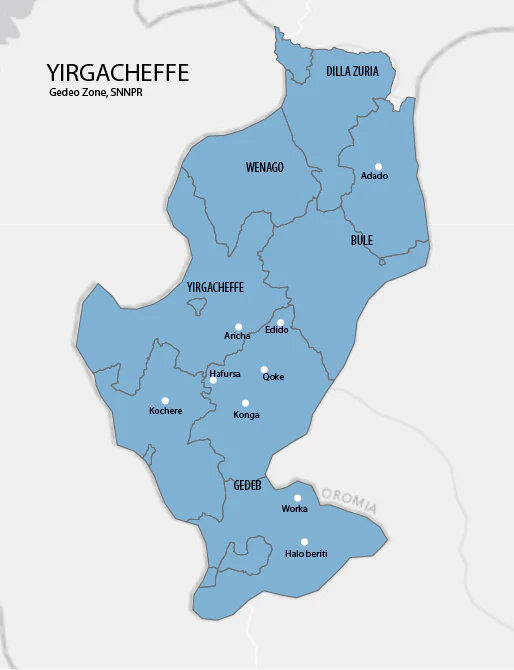
Sidamo is a large, wide-reaching region, and Geisha coffee beans come from the Hambela sub-region within the Guji zone under Sidamo. The Guji area has fertile black soil (Vertisol), with growing altitudes generally above 1,800 meters. Such terrain creates a significant temperature difference between day and night, and together these factors provide an ideal terroir foundation for Guji to produce high-quality specialty coffee. The Guji region repeatedly produces high-quality specialty beans, even winning honors in multiple green coffee competitions—the 2020 TOH (Taste of Harvest) competition's washed category champion came from here.
In 2017, Ethiopia's DW Company sent a batch of naturally processed coffee beans from the Hambela Buku Abel processing station to compete in the TOH (Taste of Harvest) green coffee competition hosted by the African Coffee Association, and took home the natural category championship for the Ethiopian division that year. Subsequently, this batch of beans was spotted by a Chinese green coffee buyer and introduced to the domestic market, and went on to defeat Geisha in multiple competitions, becoming the representative of a new generation of floral-fruity coffees, named Geisha in the sense of "chief of a hundred flowers."
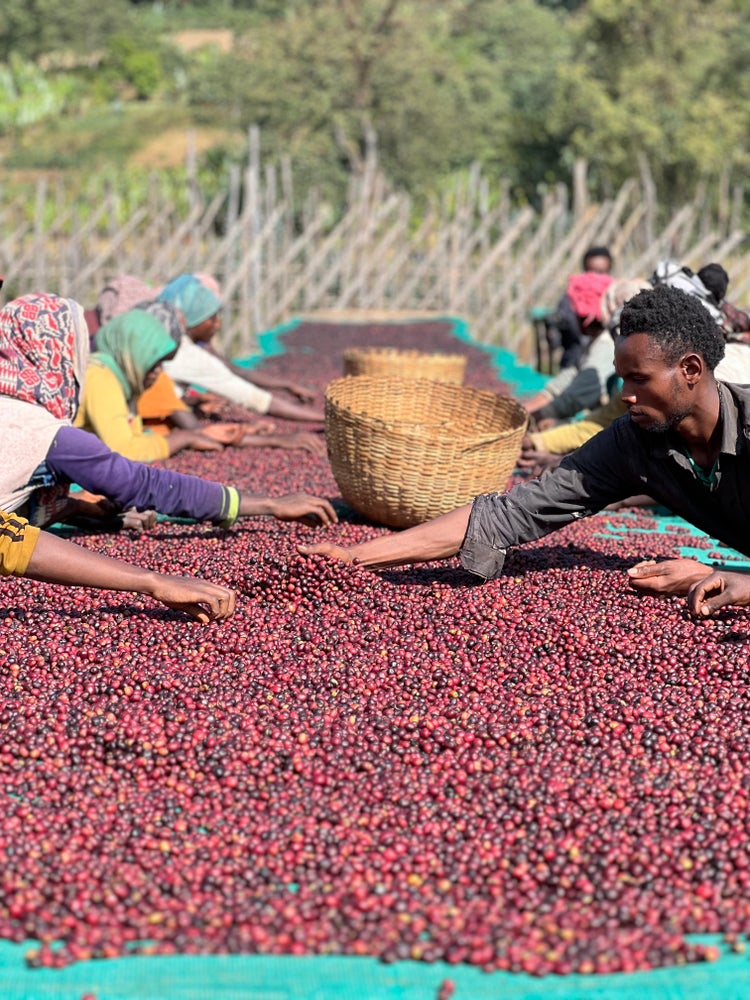
Geisha coffee beans use the traditional natural processing method. To prevent the coffee cherries from molding or absorbing odors like dirt during drying, the beans are spread on raised beds to sun-dry for 21 days. During the drying process, they must be constantly turned to ensure each bean loses moisture evenly; every three to five days, farmers also manually pick out defective and moldy beans. After the fruit skin dries and hardens, a hulling machine is used to remove the dried hard skin. After obtaining the green coffee beans, farmers perform one final round of sorting in pursuit of a more perfect flavor.
In terms of coffee bean quality, Front Street Geisha is second to none among Ethiopian single-origin coffees. The defect rate sampling method for Ethiopian green coffee (washed) is as follows: randomly sample 300 grams of green beans for inspection; if the number of defective beans falls between 0 and 3, it is Grade 1; if the number of defective beans in 300 grams of green beans is between 4 and 12, it is classified as Grade 2. Based on the sampled defect rate, there are 9 grades in total, of which the specialty level is G1 to G2, and Front Street Natural Geisha is exactly G1 grade.
As a star product among African coffees, Ethiopian beans have become the first choice for many people entering the world of specialty coffee, thanks to their intense floral aroma, fresh citrus notes, and clear, transparent mouthfeel.
As a devoted advocate of floral-fruity coffees, Front Street keeps multiple Front Street Ethiopian coffee beans on its bean list year-round, among which Front Street Geisha, with its consistently high popularity, has become the go-to natural single-origin batch for many enthusiasts. Front Street believes that Front Street Ethiopian coffee, with fruit acidity as its main flavor signature, is better suited to medium-light roasting, highlighting sweetness while preserving more floral aroma and fruity acidity. To let more people experience Geisha's charm, Front Street coffee beans are all freshly roasted within 5 days, with 24-hour shipping, striving to guarantee freshness in every way.
The dry aroma of Front Street Natural Geisha coffee carries notes of nuts, honey, berries, and a faint fermented scent; on the palate, it offers a full-bodied sweet-and-tart blend of passion fruit, cream, and strawberry, with a thick body and a cocoa finish lingering in the aftertaste.
The above content is compiled by CoffeeHunters, a coffee news website.


