







Search Results for: Dongguan store closures
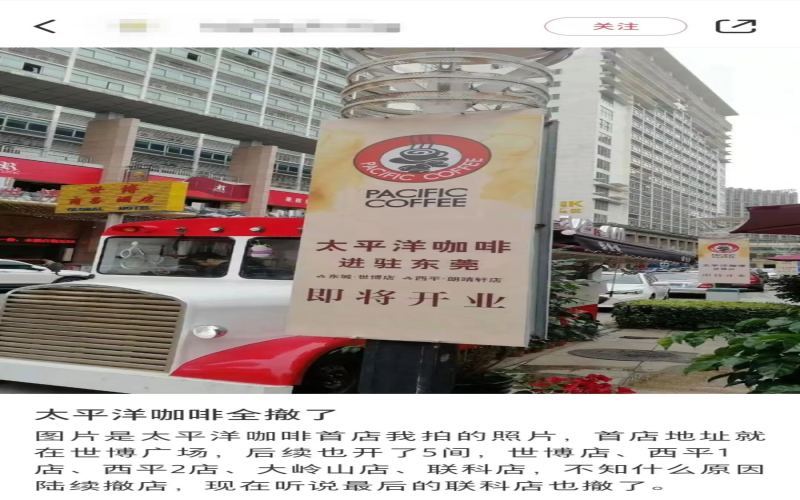
Pacific Coffee significantly shrinks its mainland China market presence, closing all stores in Dongguan and exiting the local market.
Pacific Coffee, once backed by China Resources and having opened nearly 500 stores, is now experiencing a significant contraction in the mainland market. Recently, some netizens reported that five stores in downtown Dongguan have been closed one after another, and with the withdrawal of the Link store, the brand has completely exited the Dongguan market. From being second in the industry in 2017 to now having only just over a hundred stores left, Pacific Coffee's decline has drawn sighs from many coffee lovers. This article will review its development history, analyze the reasons for its lagging behind, and present observations and reflections from netizens across the country on its current situation. [more…]

Pacific Coffee faces another wave of store closures: all directly operated stores in Zhuhai will be withdrawn, and the number of domestic outlets in operation continues to shrink.
Pacific Coffee has once again become the focus of industry attention. Recently, reports have emerged that multiple stores in Zhuhai will close in mid-October due to business adjustments, including the Huafa Waterfront Store, Haitian Station Store, and City Balcony Store, all distinctive locations along the Couple's Road. After this round of adjustments, Pacific Coffee's directly operated stores in Zhuhai will all be withdrawn, leaving only three franchise stores. From a peak of nearly 500 stores to fewer than 100 today, the situation of this former second-largest coffee chain brand in China's coffee market is lamentable. This article will review the specific circumstances of these closures, the brand's contraction trajectory in recent years, and the complex emotions of coffee enthusiasts regarding Pacific Coffee's current situation. [more…]
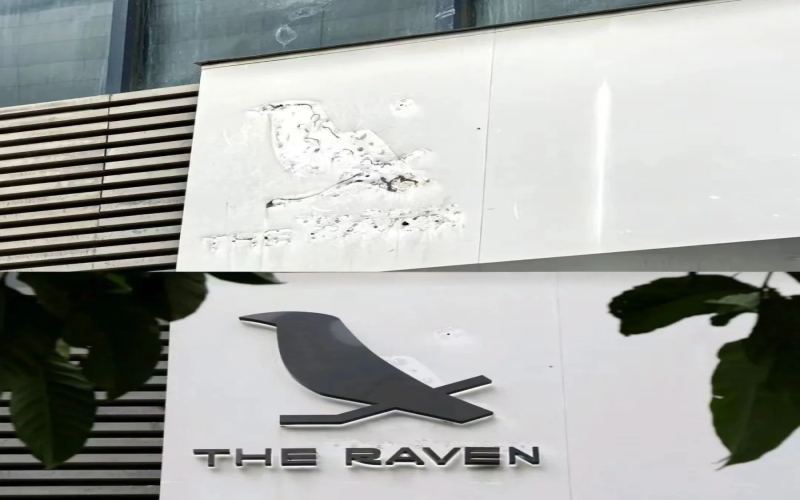
Coffee brands invested in by Heytea and Nayuki have successively contracted, with Raven Coffee's Shenzhen founding store closing, leaving only one store.
New-style tea beverage brands' attempts to cross over into the coffee track are encountering setbacks. Crow Coffee, invested in by the founder of Heytea, has closed its founding store in Shenzhen Tianli Central Plaza and put it up for rent, leaving the brand with only one store remaining in Dachong. Meanwhile, AOKKA Coffee, invested in by Nayuki, has also announced that it will close all of its Shenzhen stores by the end of August. Looking back at 2022, Heytea and Nayuki quickly entered the coffee market by investing in brands such as Seesaw, Minor Figures, KUDDO, and Monster Drowsy, but these invested brands now generally face the predicament of store closures and contraction. This article reviews the current store status of each brand and analyzes the challenges and industry competitive landscape faced by tea beverage brands crossing over into coffee. [more…]

HEYTEA's sub-brand Xixiaocha closes all stores: two-and-a-half-year journey ends, and the affordable tea beverage sector shifts
Heytea's sub-brand Xixiaocha recently closed its last store located in Guangzhou City Investment Building. From the opening of its first store in April 2020 to its complete withdrawal now, only two and a half years have passed. Xixiaocha once deeply cultivated six cities in the Pearl River Delta and opened 22 stores, focusing on affordable drinks priced from 8 to 16 yuan. Before closing, most stores were still profitable. At the same time, Heytea's main brand has continuously lowered prices since the beginning of this year, announcing that it will no longer launch products priced above 29 yuan, and all new products will be priced no higher than 20 yuan. The product positioning and price ranges of the two brands are increasingly overlapping. The last update on Xixiaocha's official WeChat public account remained on July 20, 2022, and its mini-program can no longer be searched. Heytea has not yet responded. This article reviews the rise and fall of Xixiaocha and analyzes its connection with the strategic adjustments of the main brand. [more…]
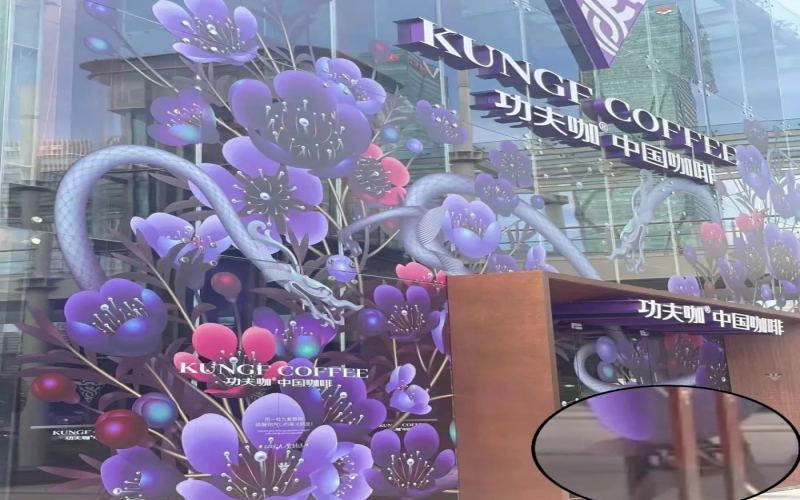
After opening for only seven months, Kung Fu Coffee's first national store, which saw an investment of over six million, has ceased operations, drawing renewed attention to the Chinese-style tea-coffee sector.
Kung Fu Coffee, which once made a high-profile debut with the concept of "Eastern tea plus Western coffee," quietly shut down its first national store at Shenzhen's Wongtee Plaza just seven months after opening. Incubated by the team behind "Benlai Buyingyou," the brand's first store was said to have cost over six million yuan to build, and it briefly became an internet-famous check-in spot thanks to its purple interiors and Chinese-element design, reaching an average daily output of 1,200 cups within ten days of opening. Yet consumer reviews were sharply divided, and coupled with the awareness and talent bottlenecks facing the tea-coffee category itself, Kung Fu Coffee's next moves are drawing close attention. [more…]

Mstand's Dongguan store forced to set up an outdoor stall; staff braving the cold wind at a makeshift bar counter sparks heated discussion
Recently, an Mstand store in Dongguan, Guangdong, was forced to operate as a temporary stall in an outdoor walkway due to adjustments in the mall's business layout, drawing widespread attention online. This "shabbiest" Mstand, with no glass curtain wall around it, unexpectedly took on a unique camping-style vibe. Some found it cool and atmospheric, while others felt sorry for the staff working long hours in the 12°C cold wind. The incident reflects the impact of commercial adjustments on store operations and also draws attention to the real situation of coffee workers. Front Street Coffee has always followed developments in the coffee industry and brings you frontline observations. [more…]

Tims China's store count exceeds 500, with first-half revenue up over 70% year-on-year
Tims Coffee's 500th store in China has officially landed in Dongguan, just days away from its upcoming listing on Nasdaq. From its first store in Shanghai in 2019 to now covering multiple tiered markets, Tims China has taken less than four years. Despite repeated pandemic disruptions, its revenue in the first half of the year still achieved a year-on-year growth of over 70%, demonstrating strong momentum. At the same time, the brand has received continued support from shareholders such as Tencent and Sequoia China, and plans to penetrate lower-tier markets with flexible store formats. This article will review Tims China's expansion trajectory, performance, store features, and future strategies, along with relevant information from Front Street Coffee. [more…]
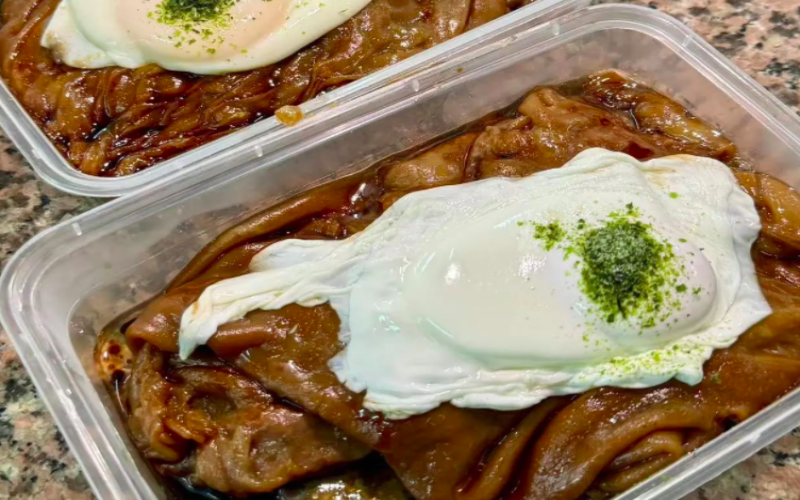
Coffee rice noodle rolls spark a quirky mashup trend, as a creative signature dish from a small Dongguan shop goes viral online.
A rice noodle roll shop in Dongguan, Guangdong, has blended espresso into rice batter to make the rolls, pairing them with beef and lettuce to create a "sun-tanned" version of Cantonese rice noodle rolls, which netizens have jokingly dubbed the "dark cuisine" of the rice noodle roll world. This specialty snack quickly went viral, drawing crowds of curious diners eager to give it a try. Reviews are sharply divided: those who can stomach it get hooked after one bite and are happy to buy it again, while those who can't flatly say they were put off. At the same time, food-savvy netizens have let their imaginations run wild, adding ingredients like milk tea, matcha, yogurt, and dragon fruit to rice noodle rolls, exploring a new-style approach where anything can be mixed in. This mixing trend even calls to mind the "Maillard rice noodle roll" born from combining coffee and rice noodle rolls, which has become the shop's eye-catching signature. [more…]

Guming's overalls cup sleeve goes viral on social media: young people's new favorite and a buying frenzy
The overalls-shaped cup sleeve launched by Good Me quickly went viral on social platforms. This double-pack cup sleeve can both hold drinks and dress up dolls, sparking a frenzy among young people. The campaign covered some stores in Hunan, Guangzhou, Shenzhen, Dongguan, Foshan, Hangzhou, and Shandong. Many consumers outside the campaign areas placed cross-city orders through the mini-program or contacted stores to arrange mail delivery. Although there are practical issues such as thin material and shallow pant legs, Good Me's creative marketing on peripheral cup sleeves once again proves the brand's precise grasp of young consumers' psychology. This article will walk you through the rise to fame of this overalls cup sleeve, real consumer feedback, and Good Me's continued exploration in cup sleeve marketing. [more…]
Man stages insect extortion scheme against milk tea shop, receives criminal sentence, reflecting food safety loopholes and trust crisis in the tea beverage industry
Recently, food safety incidents in the tea beverage industry have occurred frequently, from Tea Baidao's "real spider" milk tea to the use of expired ingredients, and every so often they trend on social media. However, a news report by Guangzhou Daily on October 12 was entirely different: a 23-year-old man, using his work experience at "a certain tea brand," colluded with his girlfriend and friends to deliberately plant insects in stores in Hangzhou, Dongguan, Shenzhen, Guangzhou, Shanghai, and other locations, extorting money under the pretext of food safety, with demands ranging from a thousand yuan to two hundred thousand yuan, and was ultimately prosecuted on suspicion of extortion. This incident not only exposed some milk tea shops' negligence in operations management but also sparked public discussion about the authenticity of food safety complaints. What consumers truly need is a hygienic and tasty drink, not a vicious cycle of deception. This article compiles the ins and outs of the incident and includes related information about Front Street Coffee. [more…]
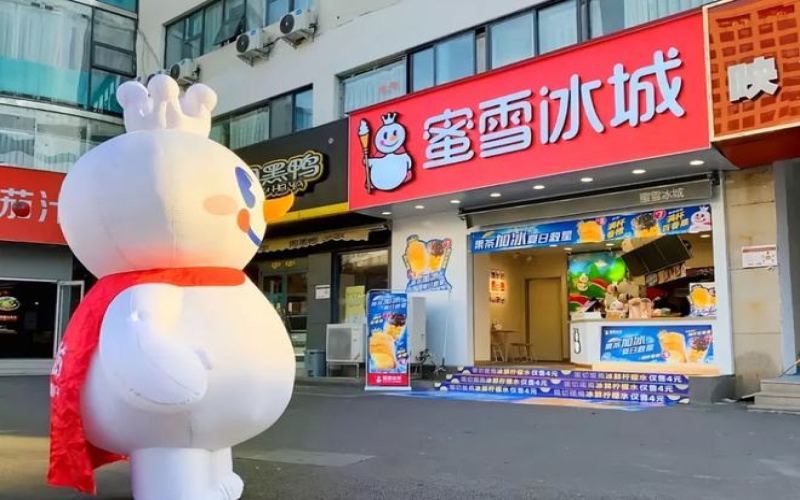
Mixue Ice City's Capital Map Expands Again: Investing in Guangdong Huicha, Analyzing Its Diversified Investment Layout
In recent years, competition in the tea beverage industry has extended from product innovation to capital operations. As a leading brand, Mixue Bingcheng has not only accelerated regional layout and supply chain development, but also further expanded its business territory by establishing Xuewang Investment Co., Ltd. and taking a stake in Guangdong Huicha Catering Management Co., Ltd. Guangdong Huicha has secured a firm foothold in the market with its original golden-burnt pearl milk tea, and this investment is also Xuewang Investment's first external investment. Meanwhile, brands such as Heytea and Chayan Yuese have also embarked on the capital path one after another, seeking richer business models through investment and mergers and acquisitions. This article sorts out the brand dynamics, investment details, and industry trends of Mixue Bingcheng's subsidiary brands, providing in-depth observations for coffee and tea beverage enthusiasts. [more…]

On his first day on the job, a Mixue Bingcheng employee unexpectedly died suddenly, sparking heated debate over how legal liability should be determined.
Recently, Mixue Bingcheng made trending news due to an employee's sudden death. According to media reports, a female employee in Jingdezhen, Jiangxi, suddenly collapsed after working only three hours on her first day on the job and tragically passed away despite rescue efforts. Mixue Bingcheng responded that they are negotiating with the family, and the incident is still under investigation. This tragedy is not only lamentable but has also sparked widespread discussion on legal issues such as employer liability, work-related injury determination, and social insurance contributions. At the same time, Mixue Bingcheng's previous fine for employing child labor has been brought up again. The health and rights protection of workers has once again become a focal point. [more…]

Peet's Coffee Confirms Closure of Multiple San Francisco Bay Area Stores, Wave of Closures Hits Ahead of Parent Company Acquisition
Recently, the American coffee chain brand Peet's Coffee, founded in 1966, suddenly announced that it will close multiple stores in the San Francisco Bay Area and surrounding regions by the end of January this year. A company spokesperson stated that this is a difficult decision made to align the business with long-term growth priorities and current market conditions. However, the specific number and locations of the affected stores have not yet been disclosed, leaving employees and customers caught off guard. It is worth noting that this wave of closures comes shortly after news that its parent company, JDE Peet's, is being acquired by Keurig Dr Pepper for $18 billion. Peet's Coffee has over 280 branches in the United States, with about 135 in the San Francisco Bay Area, its largest domestic market. This closure could affect as many as 30 stores in California. Let's learn more about the details of the event together. [more…]

Starbucks launches $1 billion restructuring: the world's first Seattle Roastery permanently closes, with layoffs and store closures spreading across Europe and America.
Starbucks recently announced the launch of a restructuring plan totaling US$1 billion, involving the closure of underperforming company-operated stores and a new round of layoffs. According to a filing submitted to the U.S. Securities and Exchange Commission, most of the store closures will be completed before the end of fiscal 2025, with US$150 million for employee severance and US$85 million covering lease termination and asset disposal costs. CEO Niccol said in an open letter to employees that some stores failed to meet financial targets or create the environment customers expect, so the decision was made to immediately close some stores in North America. Foreign media reports say the restructuring will affect hundreds of coffee shops in the United States and Canada, including the world's first Roastery in Seattle's Capitol Hill and the SODO Reserve store in the company's headquarters building. This Roastery, which opened in 2014, is not only a pilgrimage site for Starbucks fans but also one of the first unionized stores in the brand's history, and its permanent closure without warning has sparked employee speculation about union suppression. At the same time, about 900 non-retail employees will receive layoff notices, marking the second round of layoffs since Niccol took office. Although the Europe, Middle East and Africa business is proceeding as planned, some stores in the UK, Switzerland and Austria will also close due to a portfolio review. [more…]
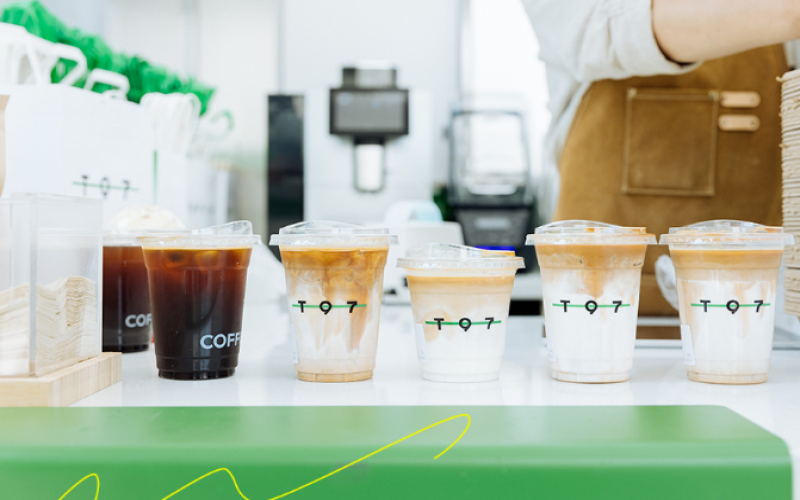
An Investigation into the Real Situation of T97 Coffee Franchisees: Store Numbers Shrink, Hype Fades, Brand Owner Says Closures Are None of Its Business
The T97 Coffee livestream, which once drew 8.09 million viewers, has now shrunk to a mere four hours in the evening with a sparse audience. Founder Li Xiao once boldly claimed he would open 1,001 stores in a year to surpass Luckin, but official data shows the number of stores rose from 48 to 87 before falling back to 85, with multiple locations closing one after another. Li Xiao attributed the closures to individual franchisee issues, but many franchisees report that the brand provides little management and support, product quality is inconsistent, and once the hype faded, operations became unsustainable. This article examines the current situation of T97 Coffee franchisees, explores brand responsibility and franchise risks behind the high closure rate, and offers reference for those considering joining. [more…]
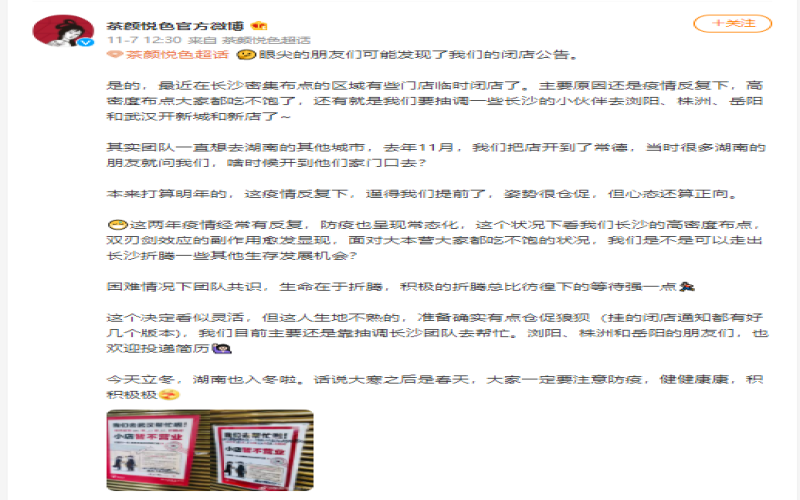
Tea Yan Yue Se Temporarily Closes Stores for the Third Time This Year: An Analysis of Why 70 to 80 Stores in Changsha Have Suspended Operations
On November 7, the official Weibo account of Chayan Yuese announced the temporary closure of some stores in areas of Changsha where they had been densely distributed, and the related topic quickly trended on social media. On November 10, the brand further responded, saying that this was already the third round of concentrated temporary store closures this year: staying put for Chinese New Year at the beginning of the year, the resurgence of the pandemic at the end of July, and this latest adjustment. As a tea beverage brand that started in Changsha, Chayan Yuese's move has drawn widespread attention—against the backdrop of repeated pandemic outbreaks and intensifying industry competition, is its proactive contraction after dense store distribution and reassignment of staff to Liuyang, Zhuzhou, Yueyang and other places for research and site selection a stopgap measure to cope with the crisis, or is it building strength for the next round of expansion? This article sorts through the timeline and background of the three store closures and reviews founder Lü Liang's cautious attitude toward brand expansion. [more…]
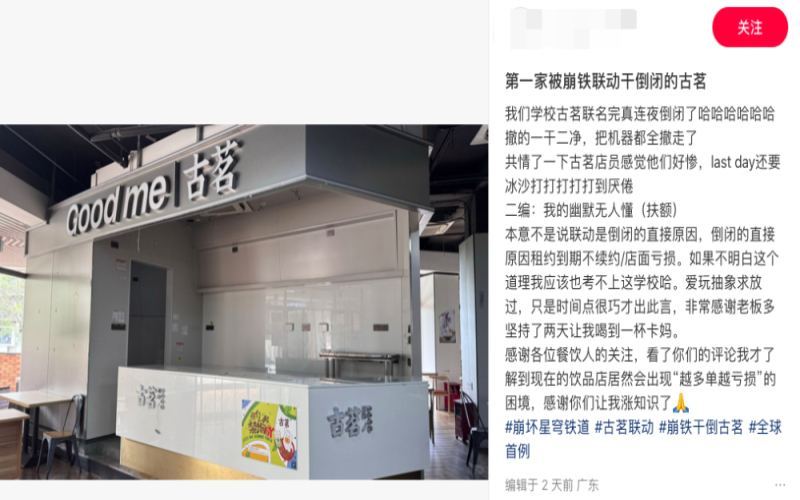
Guming Campus Store Suddenly Withdraws? Closure Controversy After Collab Event Sparks Heated Debate
Recently, a post on social media about a Guming campus store suddenly closing after a collaborative event ended sparked widespread discussion. The poster discovered that the store was still operating during the collaboration with Honkai: Star Rail, but as soon as the event ended, it was deserted overnight—equipment and promotional materials all vanished, with only the lightbox sign left intact. Netizens speculated whether the store had gone bankrupt due to the collaboration, but the poster later clarified that the closure was actually due to lease expiration or operating losses, with no direct link to the collaboration. This incident reflects the hidden operational challenges behind the tea beverage brand collaboration craze: a surge in orders does not equal profitability, and after the hype fades, some stores still cannot escape the fate of closing. [more…]
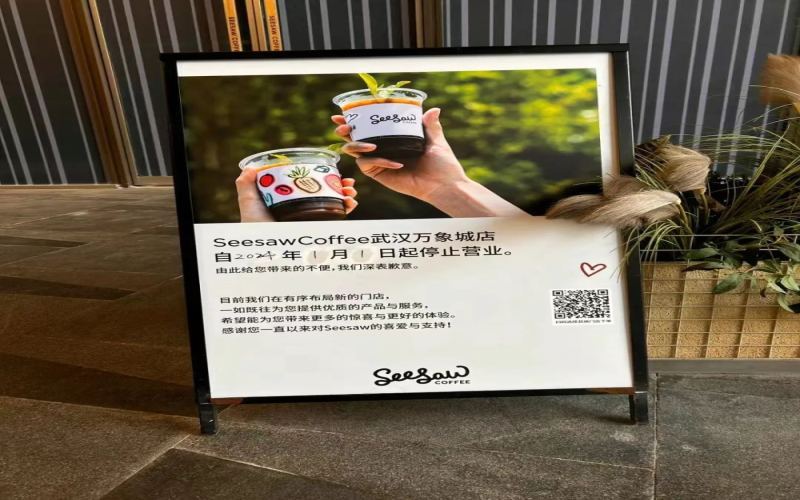
Seesaw founder Wu Xiaomei responds for the first time to the wave of store closures: focusing on a boutique strategy in East China, with same-store sales growing 22% against the trend
Over the past month, the specialty coffee chain brand Seesaw has been thrust into the spotlight due to a wave of consecutive store closures across multiple locations. From Beijing, Shanghai, and Hangzhou to Chongqing and Wuhan, news of closures has continued to spread, sparking widespread speculation about the company's operating condition. In response, Seesaw founder Wu Xiaomei recently gave an official response to Jiemian News, acknowledging that the brand is undergoing strategic adjustments and has closed some stores that do not fit the "three no's" criteria—those that do not align with the regional focus strategy, brand positioning, and store model—and revealed that same-store sales growth over the past three years reached 22%. At a time when low-priced beverages dominate the market and competition is increasingly fierce, can this brand, which insists on a specialty coffee route, hold its ground with a strategy focused on core commercial districts in East China? This article sorts out the sequence of events and the official response, and includes industry observations such as those from Front Street Coffee. [more…]
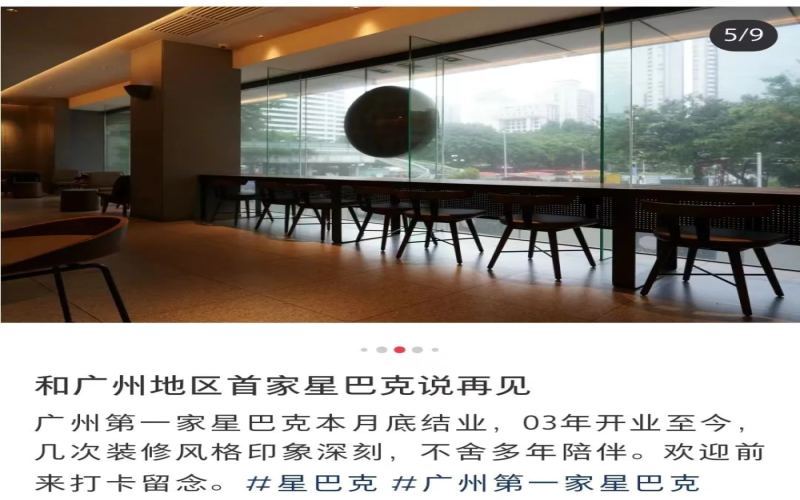
Starbucks' first Guangzhou store is about to close: behind the changes of 24-hour stores and the wave of old store closures
Recently, the news that Starbucks' first store in Guangzhou is about to close has attracted widespread consumer attention. This coffee shop, once famous for being open 24 hours, holds countless memories and emotions for many people. From adjusting its business hours during the pandemic to now facing closure, its departure is not only the end of a store but also reflects the balancing challenge Starbucks faces between expansion and optimizing its layout. Meanwhile, long-established stores in Shenyang, Hong Kong, and other places have also successively announced the end of their operations, with longtime customers expressing their reluctance. This article will take you through the story of this first Guangzhou store, as well as the market logic behind Starbucks' recent store closure trends. [more…]
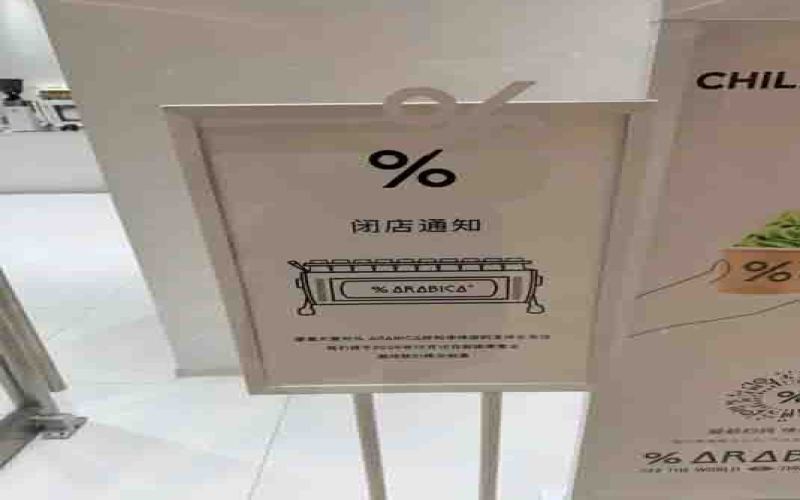
%Arabica's first Hohhot store closed less than six months after opening, sparking heated discussion about the pop-up store model and the value proposition of specialty coffee.
Recently, multiple netizens in Inner Mongolia posted that the %Arabica city first store located in Hohhot MIXC will officially cease operations starting December 16. This store only opened in early July this year simultaneously with the shopping mall, making it the brand's first store in Hohhot, and it was marked as a pop-up store on the official mini-program. It was originally planned to operate for about three months, and after the lease expired, it was renewed to continue operating until a closure notice recently appeared at the entrance. Regular customers felt caught off guard after receiving closure notification text messages and rushed to the store to check in and stock up on coffee beans. Nearby residents believe that %Arabica focuses on specialty coffee, and its pricing of over 40 yuan is not cost-effective; combined with the mall's fading popularity and reduced foot traffic, the pop-up store's business performance was average, so it is not surprising that it delayed until now before withdrawing. Since the beginning of this year, %Arabica stores in Nanning, Guangzhou, Wuxi, and other places have also closed one after another, continuing operations in the form of Kiosk coffee trucks. Some netizens speculate that after the closure of the Hohhot first store, the brand may return in a new form. [more…]