







Search Results for: Designation of Origin

A Complete Guide to Costa Rica's Tarrazú Region: Flavor Codes from the Saints' Valley to Origin Certification
When it comes to Costa Rican coffee, the first name that comes to most people's minds is Tarrazú. This producing region is not only the country's earliest coffee calling card to obtain a designation of origin certification, but also carries a flavor legend that journeyed from the Valley of Saints to the world stage. This article will guide you through an in-depth understanding of Tarrazú's geographical origins, climatic conditions, and varietal composition, analyze the protective significance behind the 2019 registration of its appellation of origin, and taste the unique charm of the washed Tarrazú in Front Street Coffee's everyday beans series. Whether you are a newcomer to coffee or a seasoned enthusiast seeking to advance your knowledge of producing regions, you will gain a complete understanding of this land and the flavors in the cup. [more…]
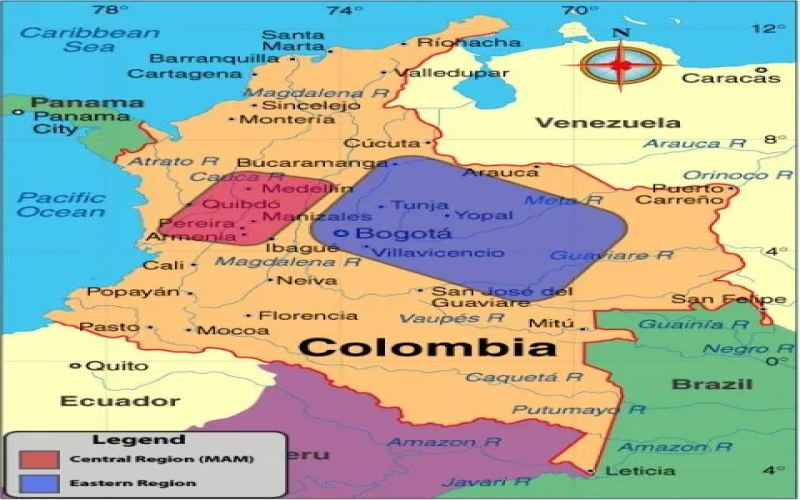
Central American Coffee Beans | Which regions in Colombia produce specialty coffee? What does the MAM designation mean? What are the flavor characteristics of washed beans from the Huila region?
Colombia is the world's second-largest producer of Arabica coffee beans after Brazil. Everyone is well acquainted with the chocolate-like flavor characteristic of Colombian coffee beans. Everyone also knows that coffee originated in Ethiopia—so if no one had brought coffee seeds or coffee saplings to Colombia, how could this [more…]
Costa Rica Tarrazú Mirazú Estate: A Complete Guide to Strawberry Candy Coffee Beans and Raisin Honey Processing
Costa Rica is located in Central America and, with its volcanic soil and excellent climate, has become an important producer of high-quality Arabica coffee. Among its many producing regions, Tarrazú is known for its designation of origin and hard-bean flavor, and Mirazu Estate is one of its small but exquisite gems. The estate owner, Esteban Sanches, has a formal professional background and is both a coffee expert and a machine doctor. He applies raisin honey processing to the extreme, creating strawberry candy coffee beans with abundant sweetness and a unique flavor. Front Street Coffee selects these beans from Mirazu Estate in Tarrazú. Brewed with a V60, they present rich layers of rose fragrance, strawberry, raisin, and almond, with a silky mouthfeel and full sweetness. This article will introduce Costa Rica's coffee-growing background, the terroir of the Tarrazú producing region, the story of Mirazu Estate, and the secrets of raisin honey processing, while also sharing Front Street Coffee's brewing experience. [more…]
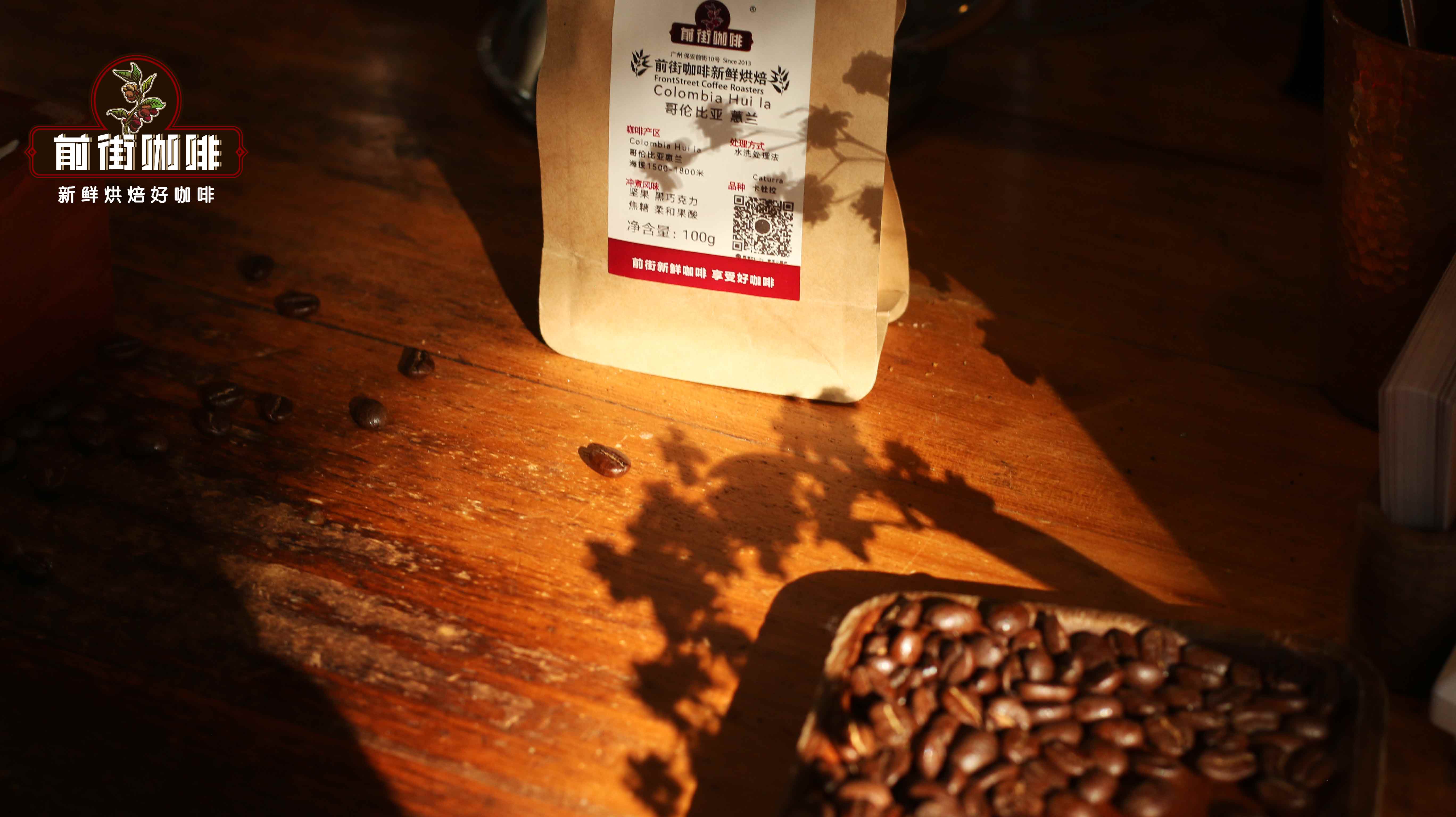
A Comprehensive Analysis of Colombian Huila Specialty Coffee Beans: From Origin Certification to Front Street Coffee's Washed and Blend Recommendations
Huila is Colombia's most representative specialty coffee region. Since the 21st century, it has frequently appeared in various green bean competitions and achieved outstanding results, and in 2013 it even obtained official designation of origin certification. This land, located on the slopes of the Andes and adjacent to Nevado del Huila, with soil nourished by volcanic ash, abundant rainfall, and suitable temperatures, allows coffee trees to grow at high altitudes exceeding 2,000 meters, producing coffee with bright acidity and chocolate aromas. Local production is mainly by smallholder farmers, combined with shade tree management and meticulous washed processing, preserving the coffee's own flavor characteristics to the greatest extent. If you want to experience Colombian coffee for the first time, Front Street Washed Huila can present rich aromatic substances and a charming mellow sweetness; while Front Street No. 2 Blend Coffee Beans—Front Street Specialty Blend—combines the classic pairing of Brazil and Colombia, bringing a nutty aroma and a balanced, smooth espresso experience. [more…]
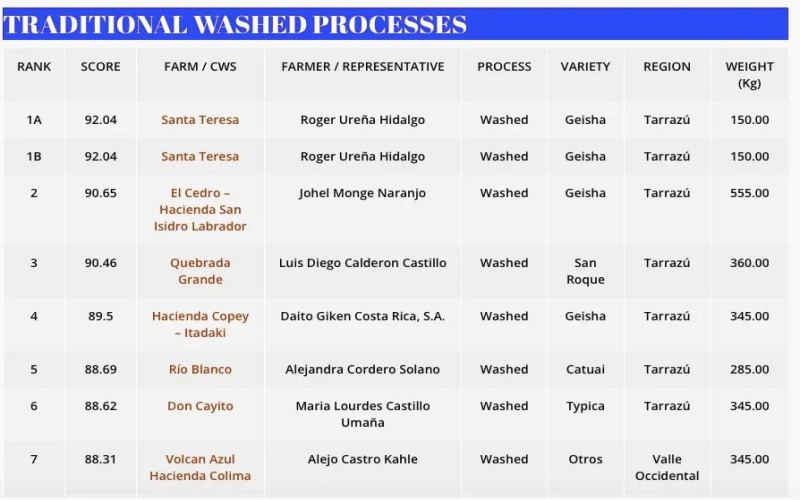
Why has Costa Rica's Tarrazú region become a star in the specialty coffee world?
Tarrazú is Costa Rica's most prestigious coffee-producing region. It not only has the largest output and the highest altitude, but has also repeatedly achieved outstanding results in the Cup of Excellence (COE)—this year, 22 of the 30 award-winning coffees came from here. What makes it so special? From the historical foundation of being among the first to grow coffee in the 18th century, to the microclimate created by surrounding volcanoes and the regulating air currents from two oceans, and then to the grading advantage of 95% Strictly Hard Bean (SHB), Tarrazú combines favorable timing, geographical advantages, and human effort into one. In 2019, the Costa Rican government also specifically applied for protected designation of origin for "Café de Tarrazú." This article will take you deeper into Tarrazú's terroir code, well-known subregions and estates, as well as the flavor performance of Tarrazú currently sold by Front Street Coffee. [more…]
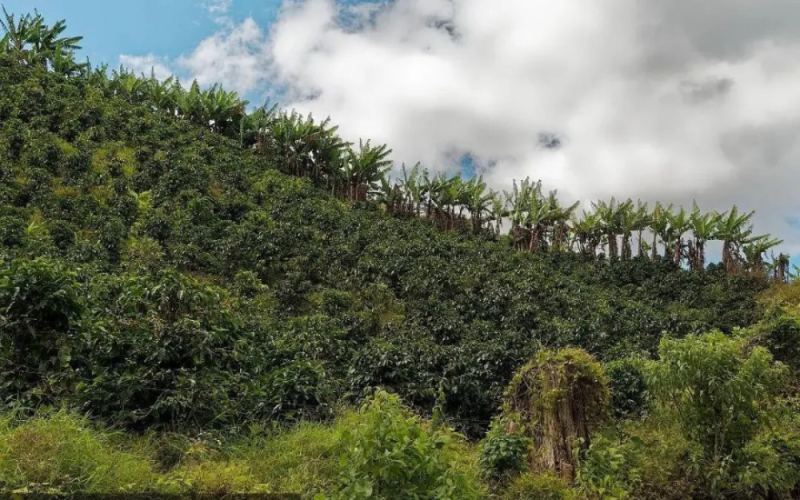
Exploring Costa Rica Tarrazú Mirazu Estate: An Analysis of the Strawberry Candy Coffee, a Geisha and ET47 Hybrid
Costa Rica, as the first country in Central America to cultivate coffee, has bred many specialty coffees thanks to its volcanic soil and microclimates. Among them, the Tarrazú region is the country's largest and first region to obtain denomination of origin certification. The Mirazu Estate located here is independently run by Esteban Sanches, who has a formal academic background, and is known for its meticulous processing and innovative variety combinations. This article will provide an in-depth introduction to Mirazu Estate's Strawberry Candy coffee beans, analyzing its blend of Geisha, ET47, SL28, and MAICO, as well as the unique flavors brought by its raisin honey process. At the same time, brewing suggestions from Front Street Coffee will also be presented, taking you to experience this coffee's rose aroma and strawberry sweetness. [more…]
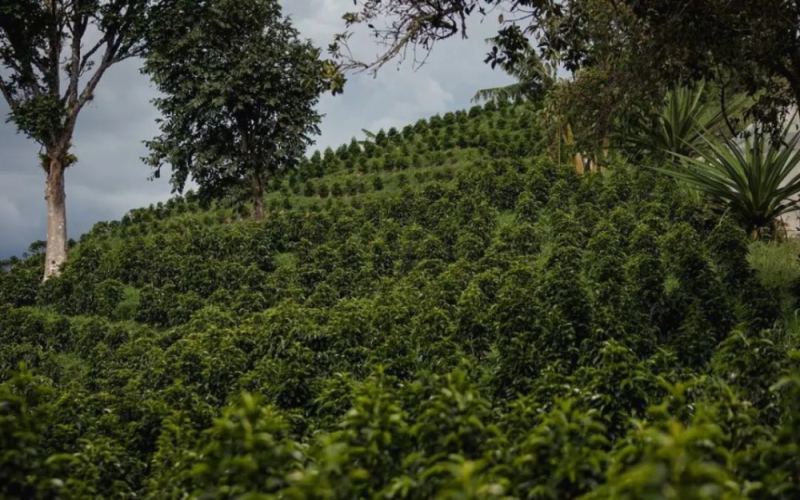
Colombia Huila Volcano Region Coffee Guide: Estate Growing Features, Caturra Variety Flavor, and Washed Processing Method Explained
Colombian coffee has long held an important place on the specialty coffee stage, thanks to its long history of cultivation and its superior terroir spanning the Andes. Among its regions, Huila has frequently appeared on various green bean competition lists since the 21st century and received official designation of origin certification in 2013. This article will examine the growing environment around the Huila volcano, the smallholder production model, the characteristics of the Caturra variety, and the washed processing workflow. It will also share how Front Street Coffee selects everyday beans and the specific approach and parameters for brewing medium-dark roasted Huila coffee with a KONO dripper, giving you a comprehensive understanding of the flavor foundation of this classic region. [more…]
Flavor Differences Between Ethiopian Geisha and Panamanian Geisha: Same Name, Different Variety—Why the Huge Gap in Price and Taste
Geisha coffee varies significantly in flavor and price depending on its origin and processing method. Among them, Ethiopian Geisha and Panamanian Geisha often spark lively discussion among coffee enthusiasts due to their stark differences in price and taste. Although the two share the name "Geisha," they are actually entirely different varieties. Panamanian Geisha originated from the Geisha forest in Ethiopia, was discovered by Hacienda La Esmeralda, and won the 2004 BOP competition, known for its white floral notes, citrus fruit character, and green tea-like quality, with the designation T2722; Ethiopian Geisha, on the other hand, tends to have a rich, juicy mouthfeel and is genetically more distantly related to Panamanian Geisha, making it something of a distant relative. This article will outline the origins and flavor differences of the two, and recommend several high-value Geisha beans from Front Street Coffee for comparative tasting. [more…]
The Difference Between Panama Geisha and Ethiopian Geisha: The Origins and Naming Code of the World's Most Expensive Coffee
Geisha consistently tops the list of the world's most expensive coffees, but many people ask: why is Panama always emphasized whenever Geisha is mentioned? Are Panama Geisha and Ethiopian Geisha actually the same thing? This article begins with the 1931 collection in Ethiopia's Kaffa forest, tracing the complete journey of Geisha as it passed through Kenya and Costa Rica, and was eventually discovered and made famous at Hacienda La Esmeralda in Panama through the Best of Panama (BOP) competition. It explains the origin of the T2722 designation, as well as the commercial logic behind the many "Geisha" names on the market. The article also explains how to distinguish origin by the spelling difference between Gesha and Geisha, and includes Front Street Coffee's purchasing advice and product recommendations. [more…]
Ethiopia Yirgacheffe G1 Washed Bean Pour-Over Review: Blue Nile Flavor and Origin Story
Yirgacheffe is Ethiopia's most iconic specialty coffee region, and domestic coffee enthusiasts have long been familiar with it. This time we're going to talk about a washed Yirgacheffe G1 that has its own专属专属 name—Blue Nile. This bean was created through a collaboration between the American company Royal Coffee and Ethiopia's Keffe Mill processing station, and its name comes from the Blue Nile, the river in Ethiopia that eventually flows into the Nile. As a high-grade designation within Yirgacheffe, G1 represents the superior quality of specialty coffee. Coffee Review gave it a high score of 94 points. Next, Front Street Coffee will walk everyone through this bean's packaging, green bean condition, and the flavor performance after pour-over brewing. [more…]
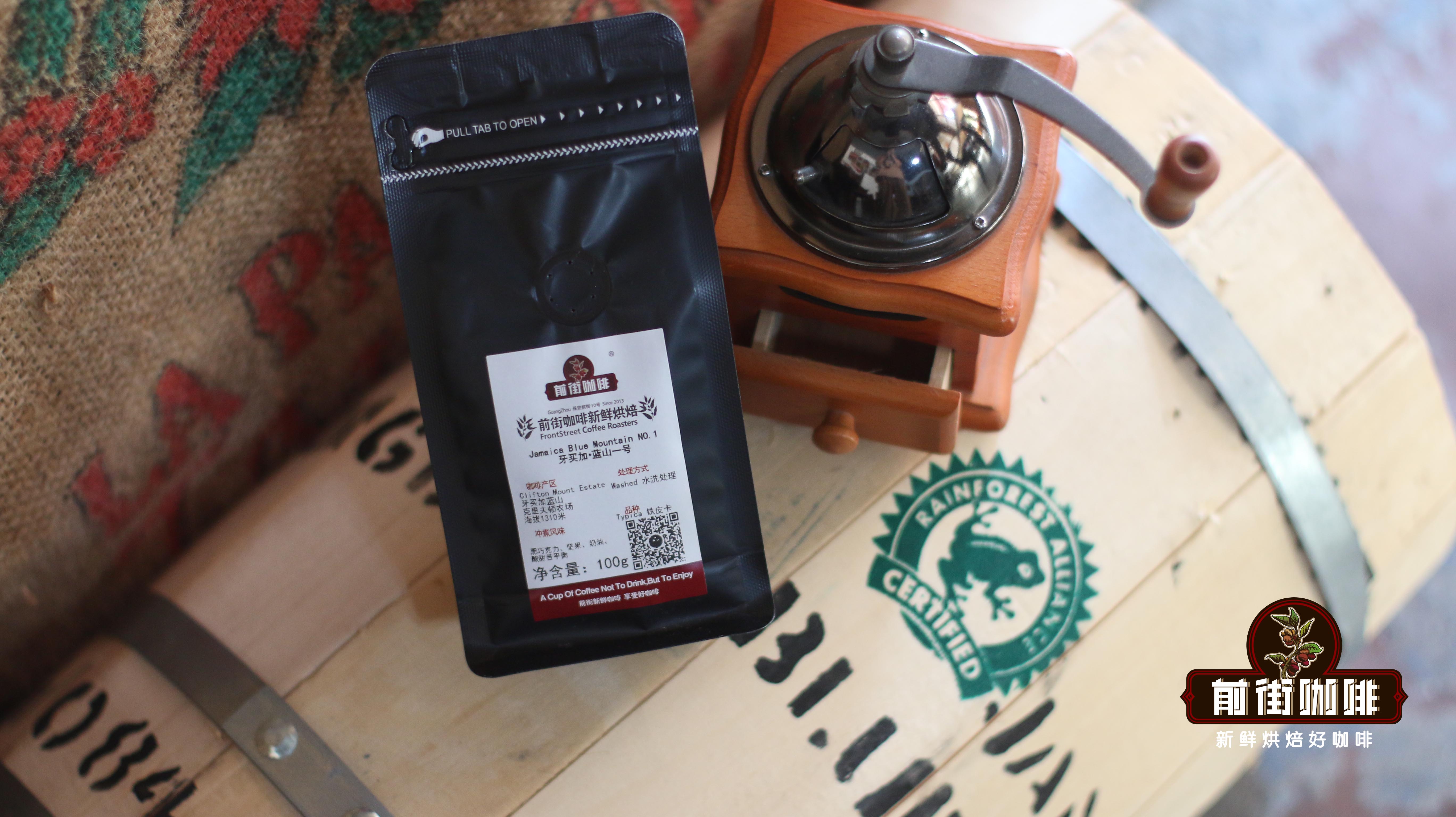
How to Identify Authentic Jamaican Blue Mountain Coffee Beans? A Complete Analysis from Origin Grading to Flavor Characteristics
Blue Mountain coffee has long been hailed as the "King of Coffee," yet market prices range wildly from affordable to exorbitant, leaving consumers bewildered by the dazzling array of products and often unable to tell genuine from fake. Although Jamaica's Blue Mountain range produces exceptional coffee, this does not mean every bean from the region can bear the name "Blue Mountain." The Jamaica Coffee Industry Board (CIB) has established strict divisions of coffee-growing regions based on altitude, and only beans grown within a specific elevation range may use the Blue Mountain coffee designation. This article will systematically sort through the grading standards and quality certification system for Jamaican Blue Mountain coffee, explain the flavor profile of authentic Blue Mountain coffee, and recommend relevant product information from Front Street Coffee, helping coffee lovers make wiser choices when purchasing. [more…]
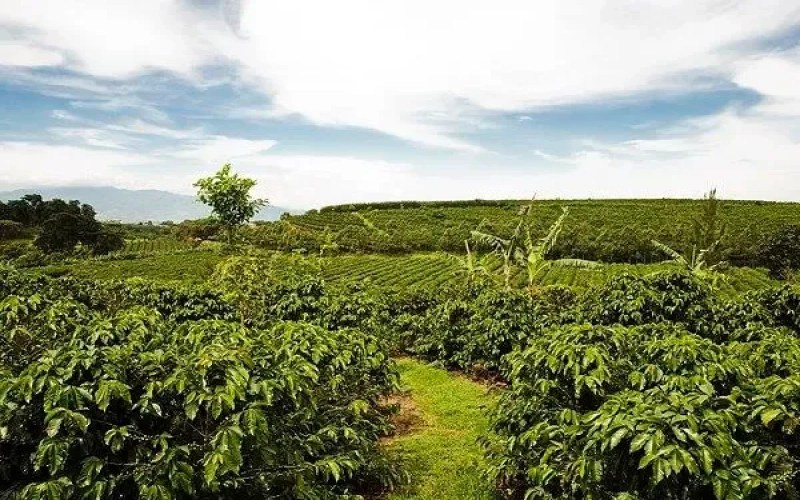
Costa Rica Tarrazú Canet Estate Mozart Coffee Beans: H1 Variety and Raisin Honey Processing Explained
Costa Rica is an important member of the coffee landscape in Central America, and the Tarrazú region is its most representative star-producing area. This article starts with Costa Rica's coffee-growing environment and industry background, gradually focusing on Hacienda Canet within the Tarrazú region, and provides a detailed review of its geographical conditions, estate management methods, and the origin and characteristics of the H1 hybrid variety it cultivates. At the same time, using the Mozart coffee beans produced by Hacienda Canet as an example, it introduces their raisin honey processing method and brewing performance, and includes Front Street Coffee's brewing parameters and flavor description, providing coffee enthusiasts with a complete reference on origin and tasting. [more…]
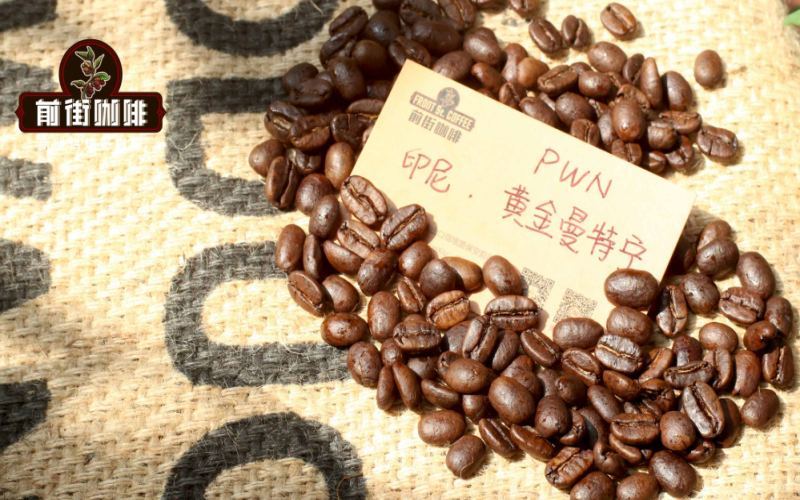
Why is Japanese Golden Mandheling produced in Sumatra, Indonesia? An analysis of the unique charm of Blue Sapphire Mandheling
Many people, upon first hearing "Japan Gold Mandheling," mistakenly assume it originates from Japan, but its true homeland is Sumatra, Indonesia. The name Mandheling derives from the self-designation of the local indigenous people, while the "Gold grade" represents extremely stringent hand-sorting and color-sorting standards. Front Street Coffee's PWN Gold Mandheling is produced by the Pawani company and combines classic Indonesian flavors with outstanding cleanliness—a bean that Mandheling enthusiasts should not miss. This article will guide you through the bean's unique characteristics, from its growing region background and grade definition to its flavor profile and brewing parameters. [more…]
How to Distinguish Authentic Assam from Darjeeling Black Tea? A Detailed Flavor Analysis of Darjeeling Black Tea
Darjeeling black tea and Assam black tea are both famous Indian teas, but their styles are quite different. Darjeeling is known for its distinctive muscatel grape character, and its tea tree varieties, cultivation history, plucking seasons, and certification system are all worth exploring in depth. This article will examine the reasons behind its flavor, its historical origins, tea classification, and authenticity identification to help coffee and tea enthusiasts clarify the differences between these two black teas. At the same time, the article will also mention related product information from the Front Street brand for reference when making purchases. [more…]
A Complete Guide to PEKOE Black Tea Grades: Why Are Most Top Ceylon Black Teas Broken Teas? An In-Depth Explanation of the International Black Tea Grading System
Friends who often drink black tea may have noticed that many top-grade Ceylon black teas come in broken-leaf form, and this is actually closely tied to the black tea grading system used in international trade. The term PEKOE originates from Fujian pekoe in China and was later adopted by British tea merchants as a designation for black tea grades. From whole-leaf tea to broken tea to tea dust, the international black tea grading system is detailed and rigorous: abbreviations such as FOP, GFOP, TGFOP, BOP, and FBOP each have their own meanings, and numerical suffixes also indicate differences in quality. This article will systematically sort out these grading terms to help you understand the letter combinations on packaging the next time you buy Ceylon black tea or Assam black tea, so you can find the one that suits your taste. It will also introduce Front Street Coffee's understanding of black tea selection for enthusiasts' reference. [more…]
Brazil Cerrado Region's Cerrado Coffee Beans: The Flavor Code from Wilderness to Specialty Certification
Cerrado (also spelled Hilado/Hilado), which means "savage land" in Portuguese, has now become synonymous with Brazilian specialty coffee. This flat plateau at an altitude of about 1,000 meters, with its unique soil, abundant groundwater, and modern agricultural technology, has completed a magnificent transformation from being ignored to becoming a world-class producing region. In 2005, the Brazilian government officially certified the "Cerrado Designation of Origin," and only coffee beans that pass strict testing and score more than 75 points under SCAA scoring can receive this honor. This article will take you through an in-depth understanding of the birth of Cerrado coffee, the establishment of the CACCER producers association, ecological cultivation methods, two harvesting models, and the traceability system, along with recommendations from Front Street Coffee. Whether you are a coffee enthusiast or a professional in the industry, you can feel the unique flavor and craftsmanship that this land gives to coffee. [more…]
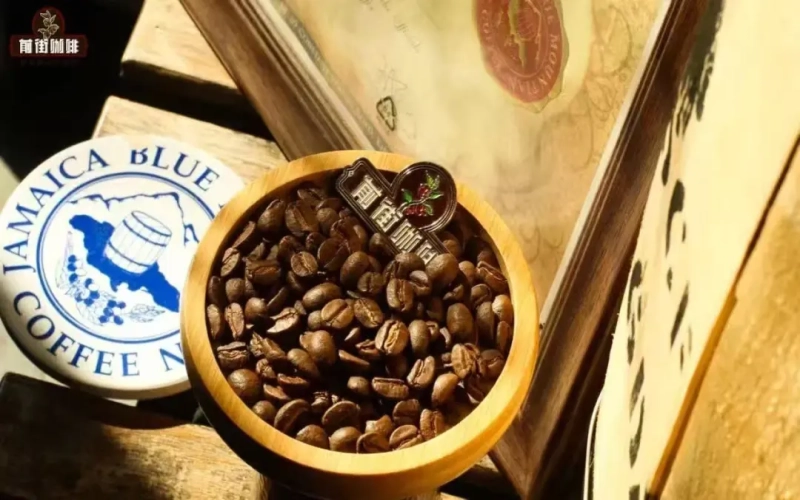
What tier does Jamaican Blue Mountain No. 1 occupy among coffees? How is its highest grade defined and enjoyed?
Blue Mountain coffee is often crowned with the name "nobility among coffees," and "Blue Mountain No. 1" is even regarded by seasoned enthusiasts as the top-tier designation. But many friends who are just getting into coffee are often baffled when they hear this term—what exactly does it refer to? Is it a code word for distinguishing authenticity? In fact, "No. 1" represents the highest grade in Jamaica's Blue Mountain coffee classification system, No. 1. Only Typica variety beans grown in designated production areas of the Blue Mountains at elevations between 900 and 1,700 meters, with green beans reaching screen size 17/18, a defect rate below 3%, and no more than 5% small beans, can earn this title. This article will systematically sort out the production area restrictions, historical evolution, and grading standards of Blue Mountain coffee, and, using the Clifton Estate Blue Mountain No. 1 currently sold by Front Street Coffee as an example, share its flavor performance and brewing parameters to help readers fully understand the true grade and drinking method of this legendary bean. [more…]
Does Darjeeling tea belong to black tea or green tea? Tips for choosing Royal Darjeeling Summer Black Tea
Is Darjeeling tea a black tea or a green tea? This is a question many tea lovers often have. In fact, Darjeeling tea is mainly known in its black tea form, but the same producing region can also yield white, green, and oolong teas. Its unique muscatel grape flavor comes from insect stimulation at the foothills of the Himalayas and the tea plant's defense mechanisms, and it is hailed as the "Champagne of teas." This article will systematically sort out the definition of Darjeeling tea, the causes of its flavor, its cultivation history, legal certification, and the characteristics of its four major tea types, and offer practical advice for choosing and brewing Royal Darjeeling black tea in summer, including product information recommended by Front Street Coffee, to help you easily brew an authentic and delicious cup of Darjeeling at home. [more…]
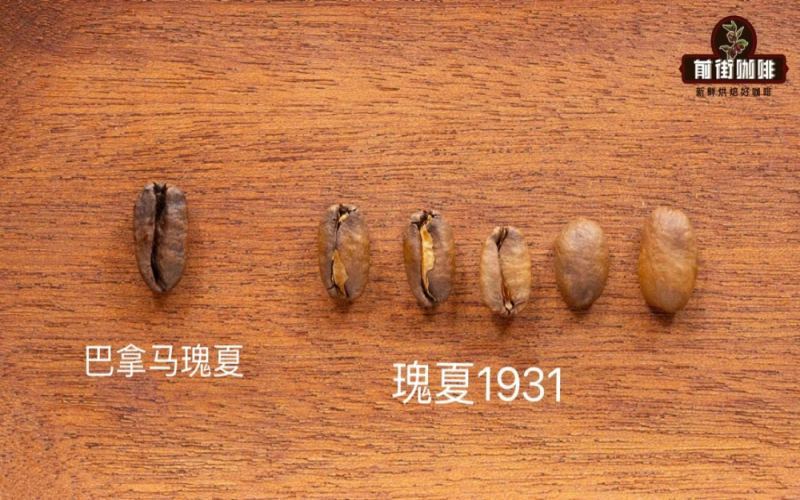
Unraveling the Origins of the BOP Champion Geisha: The Varietal Legend from Ethiopia's Gesha Forest to Panama's T2722
Geisha is the most renowned specialty coffee variety after Blue Mountain, and it is also the priciest signature treasure of many cafés. Yet beans sold under the Geisha name can differ wildly in flavor. This article begins with the 2004 BOP competition, tracing Geisha's complete journey from the Gesha forest in Ethiopia to Kenya, Tanzania, and Costa Rica, before it finally shone at Hacienda La Esmeralda in Panama. It explains the origin of the key designation T2722 and answers why Geisha from Ethiopia and Costa Rica tastes noticeably different from Panama's. Front Street Coffee helps you understand the varietal truth behind sky-high Geisha in one article. [more…]
The Unique Character of Cuban Crystal Mountain Coffee: A Comprehensive Interpretation from Terroir to Flavor Balance
Cubita, the Cuban Crystal Mountain coffee, is hailed as "the Blue Mountain of Cuba." Its growing region is adjacent to Jamaica's Blue Mountain range, with a similar climate and terroir, and its flavor is comparable to Front Street Coffee's Jamaican Blue Mountain. Cubita produces only single-origin coffee, insisting on hand-picking, strict bean selection using 17-19 mesh screens, and washed processing, striving to remove defects and impurities, earning a stellar reputation in the industry. Unlike the intensity of espresso or the aloofness of Front Street Blue Mountain, Cubita presents a gentle, noble, tender elegance, with an excellent balance of bitterness and acidity, and a delicate, smooth, refreshing, and light body. It is regarded as a supreme enjoyment among coffees. [more…]