







Search Results for: Delivery Traffic Generation
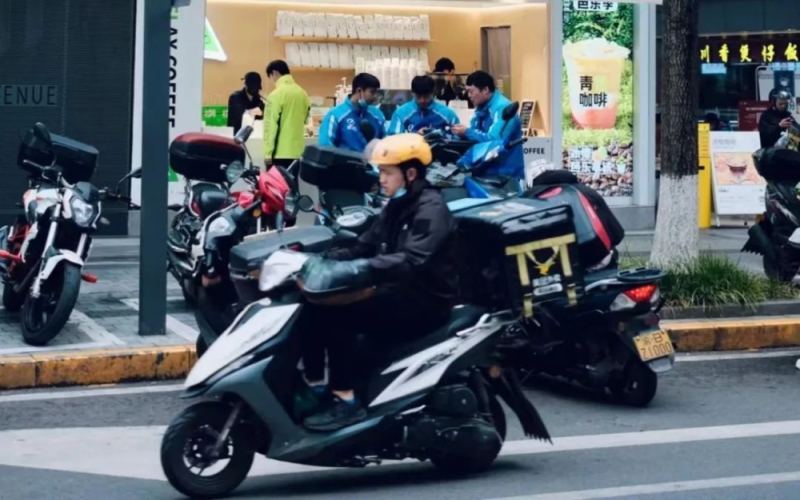
A Practical Guide to Coffee Shop Delivery Operations: A Complete Approach from Pricing Strategy to Private Domain Retention
While delivery platforms bring orders to coffee shops, they also carry the hidden risk of brand devaluation. Many shop owners have found that blindly joining price wars not only makes profitability difficult but can also erode the store's brand value. This article systematically sorts out the key aspects of coffee shop delivery operations, from pre-opening pricing planning, accumulating Dianping ratings, and delivery menu strategies, to how to convert platform traffic into private-domain customers. It also emphasizes that independent coffee shops should differentiate themselves from chain brands through professional quality and service details, rather than getting caught in low-price involution. The article also shares practical techniques such as stamp cards and scratch cards to guide delivery customers to offline visits, helping coffee shops effectively attract traffic through delivery while maintaining their brand tone. [more…]

A coffee shop staffed by the hearing-impaired posted a plea for help during the pandemic. After reopening, with zero foot traffic, how did they save themselves through original drip coffee bags?
A silent coffee shop in Shanghai, staffed mainly by hearing-impaired baristas, published an article titled "Please rest assured, we are still alive. But..." on June 14, quickly gaining over 80,000 views. Under the impact of the pandemic, dine-in service was suspended, delivery communication was hindered, and masks obscured lip-reading, plunging the shop into a situation of zero revenue and zero foot traffic. The baristas hand-drew 12 touching moments from those months into illustrations and launched an original themed drip-bag coffee set as a self-rescue effort. The article reviewed the real difficulties this special coffee shop faced, its self-rescue methods, and business adjustment ideas that coffee shops could draw on during the pandemic, including joining delivery platforms, ensuring product quality, designing offline discounts to bring customers back, and developing peripheral products such as drip bags and coffee beans to meet consumers' shifting demand from "going to the shop" to "having it at home." [more…]
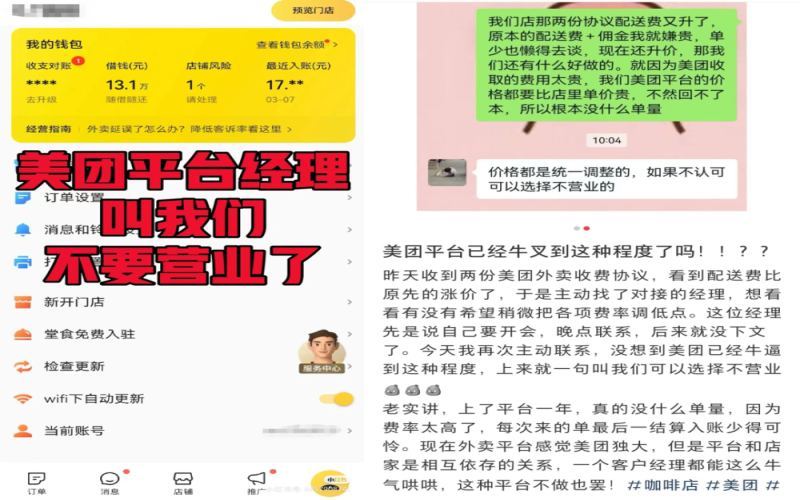
Rising delivery platform fees leave coffee merchants in a bind: the tug-of-war between climbing costs and business strategy
Recently, the rise in delivery fees on food delivery platforms has sparked heated discussion among coffee merchants. Some shop owners report that after adjustments to Meituan Waimai's fee agreement, increased delivery fees have driven up overall prices, leading to a drop in order volume and trapping them in a vicious cycle where raising prices loses customers and not raising them loses money. Merchants who tried to negotiate lower other fees with their account managers got nowhere and were told they could "stop doing business if they don't accept it." Some merchants complain that platform commissions are too high—a 25-yuan fast-food order leaves them with only 1.24 yuan, and some even end up with negative income. Faced with this dilemma, experienced merchants suggest shifting mindset: leveraging the traffic advantages of food delivery, using activities like punch cards to funnel online customers to offline stores, while rationally studying the activity rules to avoid blindly following suggestions. Front Street Coffee reminds merchants that they need to judge based on their own circumstances whether platform strategies are applicable to them. [more…]
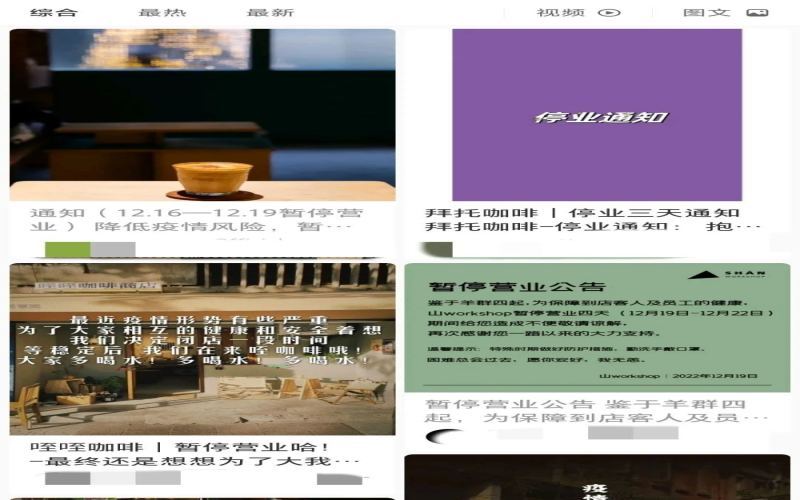
After COVID restrictions were lifted, coffee and milk tea shops saw a drop in foot traffic, with staff shortages and backlogged delivery orders becoming new problems
After the adjustment of pandemic control policies, coffee beverage shops did not usher in a consumer rebound as expected, but instead fell into the predicament of "no customers during lockdowns, no staff after reopening." Announcements of coffee shop closures due to infections among owners or employees frequently appeared on social platforms, takeout orders piled up with no one to accept them, and subway passenger flow data dropped significantly. The catering industry faces dual pressures of rent and operating costs at the year-end juncture, and experts expect it will need to endure several months of chaos before gradually recovering. This article reviews the real situation of the coffee beverage industry after the pandemic reopening and retains relevant recommendation information about Front Street Coffee. [more…]
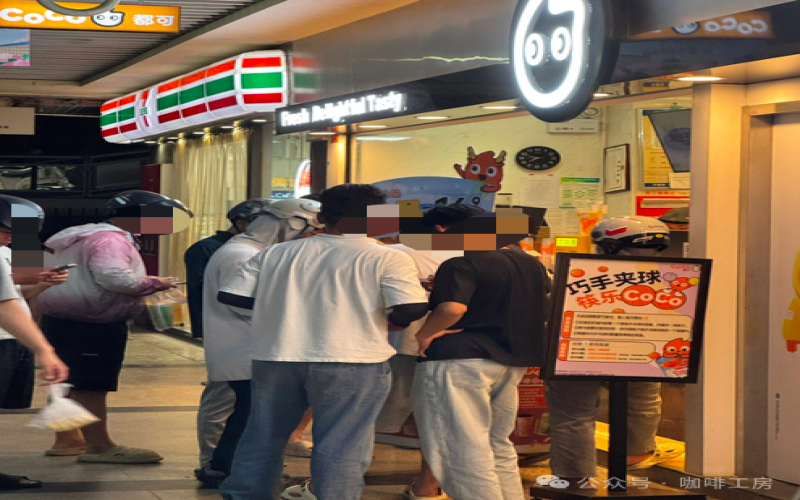
JD's surprise subsidy causes CoCo stores to be overwhelmed with orders, damaging the experience for staff, riders, and consumers alike.
An unannounced JD.com platform subsidy campaign plunged CoCo milk tea stores across many parts of the country into chaos. Four drinks originally priced at 9.9 yuan were suddenly cut by the platform itself to 1.9 yuan, instantly triggering a surge of online orders. Stores had prepared staffing and supplies for a normal day, yet within an hour they were hit with more than half a day's worth of drink output. Employees were thrown into a frenzy, delivery riders swarmed to grab orders, customers received drinks that did not match what they ordered, and even delivery workers had their pay docked for being late. What seemed like a promotion benefiting consumers ultimately turned into a lose-lose-lose situation of complaining staff, quarreling riders, and disappointed customers. Just what went wrong with the communication mechanism between the platform and the stores? Why did the sudden traffic become such a hot potato? This article reconstructs the entire incident and explores the operational hidden risks behind food delivery promotions. [more…]
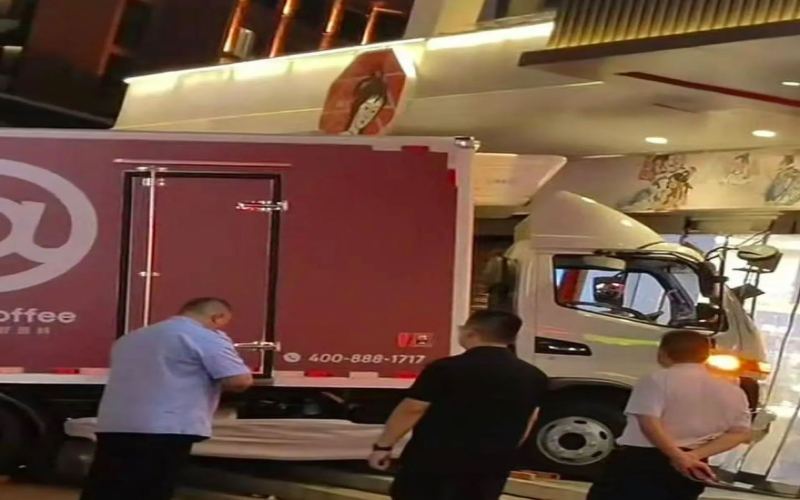
Cotti Coffee Electric Delivery Van Loses Control and Crashes into a Chayan Yuese Store in Yueyang, Killing 2 and Injuring 2, Sparking Widespread Concern
On the evening of August 6, a serious traffic accident occurred at the intersection of Dongting South Road and Zhuyin Street in Yueyang, Hunan. A small electric delivery truck with "Cotti Coffee" printed on its body suddenly lost control while being moved during unloading. It first hit the roadside green belt, then rushed into a Sexy Tea store about 27 meters away, injuring four people near the store. Two of them died after rescue efforts failed, and the other two were slightly injured. The accident quickly sparked widespread public discussion, and related topics trended on Weibo. Cotti Coffee said it was actively cooperating with the investigation and bearing corresponding responsibility, and the Sexy Tea store involved has suspended operations. The following is a detailed account of the incident and responses from all parties. [more…]
A Deep Review of Café Management Through Three Real Cases: Positioning Choices, Cost Control, and Risk Avoidance
Many people harbor a dream of opening a coffee shop, but few actually manage to keep one running. Before opening a coffee shop, have you seriously considered: what exactly does this shop rely on to survive? Who are its target customers? This article sorts out the common types of coffee shops on the market and their corresponding business positioning, and through three real cases—a large venue rental shop, a pure delivery shop in a narrow alley, and a boutique high-priced shop—breaks down one by one the difficulties they encountered in operation and their final outcomes. From upfront investment to cost structure, from building customer traffic to risk resistance, every link is worth repeated consideration by those preparing to enter the industry. [more…]
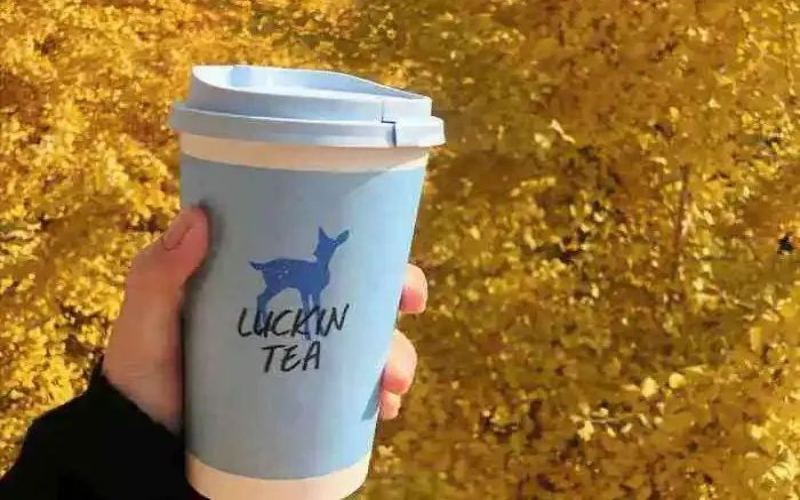
Luckin Coffee Quietly Raises Delivery Prices, Sparking Questions; Little Deer Tea Returns to the Store System in a New Form
After a long period of silence, Luckin Tea has recently returned to the public eye with a brand-new posture, but this time it did not appear as an independent brand. Instead, it has been reintegrated as a product line within Luckin Coffee stores. At the same time, without prior announcement, Luckin quietly raised the delivery drink prices at some stores by about 2 to 3 yuan, triggering widespread discussion among consumers on social platforms. The company responded that this move is a refined management measure based on differences in store operating costs, involving more than 800 stores in 11 cities. From an independent brand to a returning product series, from price adjustments to changes in operating strategy, what market considerations are revealed behind this series of moves by Luckin Coffee? [more…]
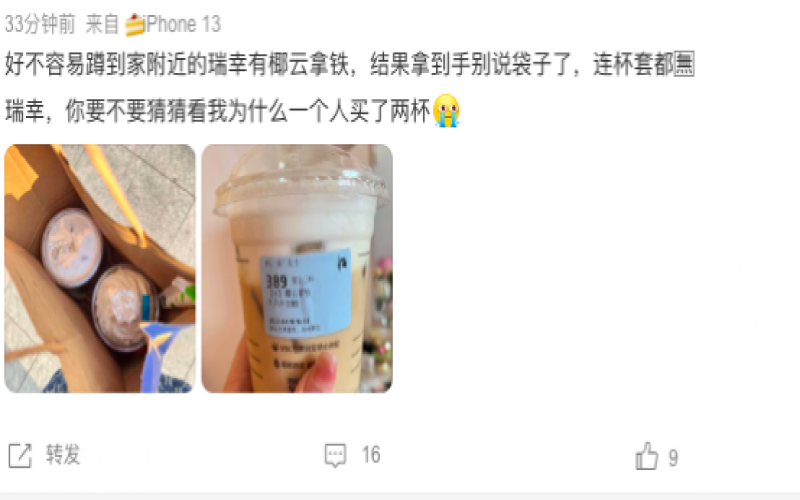
Coffee and Milk Tea Giveaway Marketing Observation: How Merchandise Trinkets Become a New Tool for Brand Traffic Generation
In recent years, coffee and milk tea brands have been rolling out all kinds of merchandise giveaways beyond the drinks themselves—from cup sleeves and paper bags to hair clips, coin purses, and even coffee-scented candles and co-branded perfumes. These seemingly inconspicuous little items are becoming a key factor in attracting consumers. When many customers buy drinks, their focus has shifted from taste to whether they can get limited-edition merch, and some even place repeat orders just to complete a giveaway set. Behind this marketing strategy lies both the consumer psychology of non-monetary promotions and an attempt by the tea beverage industry to break through amid intensifying competition. Starting from this phenomenon, this article will analyze how giveaway promotions influence purchasing decisions, and explore how cases such as Saturnbird's "Return Flight Program" achieve a win-win for brand publicity and environmental image, while also retaining relevant recommendations for Front Street Coffee. [more…]
Suning's first specialty coffee shop lands in Nanjing, entering the convenience store coffee race with 27 drinks
Suning Xiaodian's first dedicated coffee shop has begun trial operations in Nanjing, marking Suning's official move to step up its presence in the coffee market. The store adopts a "convenience store + coffee" model, offering 27 beverages across five major categories, including coffee, tea drinks, and frozen treats, with prices ranging from 12 yuan to 28 yuan. Leveraging the network advantages of more than 5,000 Suning Xiaodian stores nationwide and operational data within a three-kilometer radius, Suning Coffee has clear competitiveness in customer acquisition and daily operations. This is also Suning's fourth format for expanding coffee consumption scenarios, following vending counters, express delivery, and unmanned self-service machines. As players such as Mengniu, Nongfu Spring, Coca-Cola, Sinopec EasyJoy, and OYO successively enter the market, the battle for the coffee market has gained another variable. [more…]
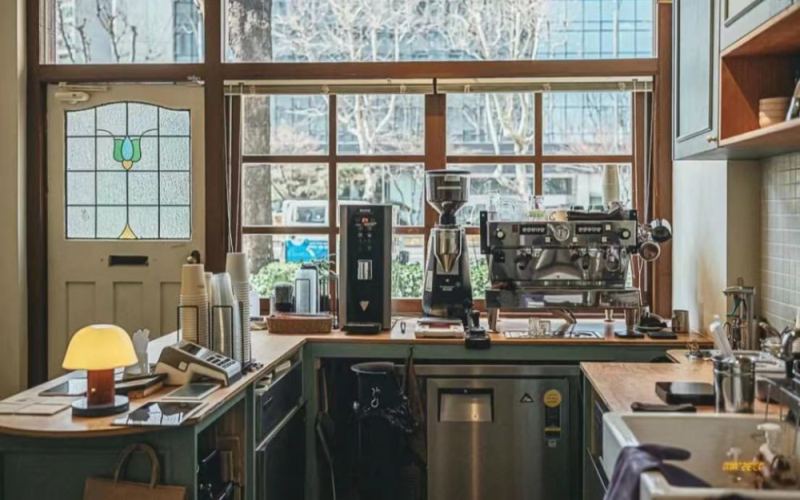
Is It Reliable to Quit Your Job and Open a Coffee Shop? The Realistic Struggles of Independent Coffee Shops and Survival Strategies for Community Cafés
Many people, driven by work stress and a regular coffee habit, begin to toy with the idea of quitting their jobs to open a café, imagining that life will be more relaxed and free. But is running a coffee shop really that easy? Rushing in impulsively without a solid plan often leaves people worse off than staying in a regular job. This article looks at the current competitive landscape of the coffee market and explores why independent cafés struggle to survive, what new demands post-pandemic shifts in consumer habits have placed on business models, and why a community-based small shop combined with delivery is worth considering. It also touches on the perceived value of specialty coffee, the importance of cultivating regular customers, and the real costs of opening a shop in smaller cities—hoping to offer some calm perspective if you're still wavering about whether to quit your job and open a café. [more…]
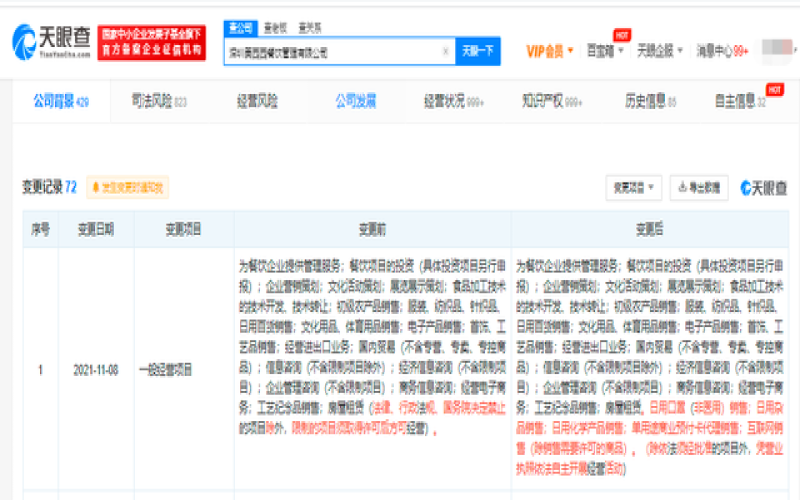
HEYTEA Adds Mask Sales Business: How Brand Cross-Industry Collaborations Leverage Traffic Growth
New-style tea beverage brand Heytea has recently expanded its business boundaries once again. Data from the Tianyancha App shows that the industrial and commercial information of Heytea's affiliated company, Shenzhen Meixixi Catering Management Co., Ltd., has undergone changes, with new additions to its business scope including the sale of daily-use masks (non-medical), the sale of daily chemical products, and agency sales of single-purpose commercial prepaid cards. This move has sparked widespread attention regarding Heytea's strategic layout. As a leading player in the new-style tea beverage industry, Heytea's target user profile and cross-border cooperation models have always been a focal point of industry discussion. This article will start from the industrial and commercial change information, sort out Heytea's user positioning logic and cross-border traffic generation mechanism, and append related recommendations from Front Street Coffee for the reference of coffee and tea beverage enthusiasts. [more…]
Can you still open a coffee shop during the pandemic? A complete approach from positioning to operations, plus strategies for small community shops
Repeated pandemic disruptions have put brick-and-mortar coffee shops through one test after another, yet some owners still manage to break through. The question is not whether you can open a shop, but whether you have thought clearly about your target customers, product positioning, and store style before opening. Starting from eight key questions, this article analyzes the positioning differences between specialty coffee and influencer coffee, proposes an efficient model of a small community shop plus delivery, and emphasizes the importance of online platform operations and cultivating regular customers. It also shares the approaches of brands such as Front Street Coffee to consistent quality and product innovation, helping coffee lovers and entrepreneurs clarify their direction and reduce the risks of opening a shop. [more…]
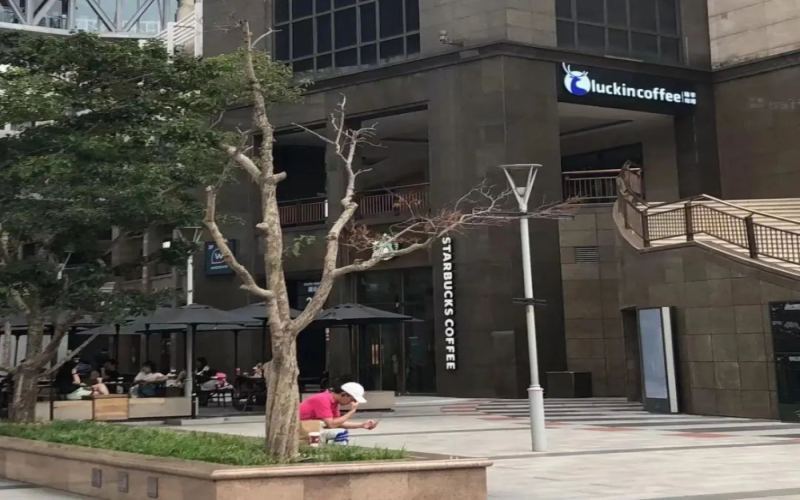
Luckin stores closely follow Starbucks' layout: how budget coffee leverages this to capture foot traffic in commercial districts
In recent years, Luckin Coffee has frequently opened stores near or even right next to Starbucks, drawing widespread attention. This location strategy leverages both the foot traffic that Starbucks attracts to commercial districts and the growing public acceptance of value-for-money coffee, as well as the consumer sentiment behind the rise of domestic brands. Through more affordable pricing and a richer variety of flavors, Luckin forms a sharp contrast with Starbucks, aiming to attract more potential customers. However, can this close-quarters competition really shake Starbucks' market position? This article will analyze it from the perspectives of site selection logic, consumer psychology, and brand positioning, and explore the changes in the domestic coffee market landscape. [more…]

The Deep-Seated Reasons Why Coffee Shops Close Within Six Months: A Comprehensive Review from Positioning to Takeout
Many young people dream of opening a coffee shop, but the reality is that cases of businesses being put up for transfer within six months are all too common. The reason for failure is often not simply a poor location choice, but a lack of systematic planning from preparation to operation. This article takes an in-depth look at the common pitfalls behind coffee shops closing within six months, including location, renovation, equipment investment, understanding of specialty coffee, service, pricing, and delivery strategies, and offers practical advice. Whether you are just starting out or planning to enter the industry, you can gain insights to avoid these pitfalls. [more…]
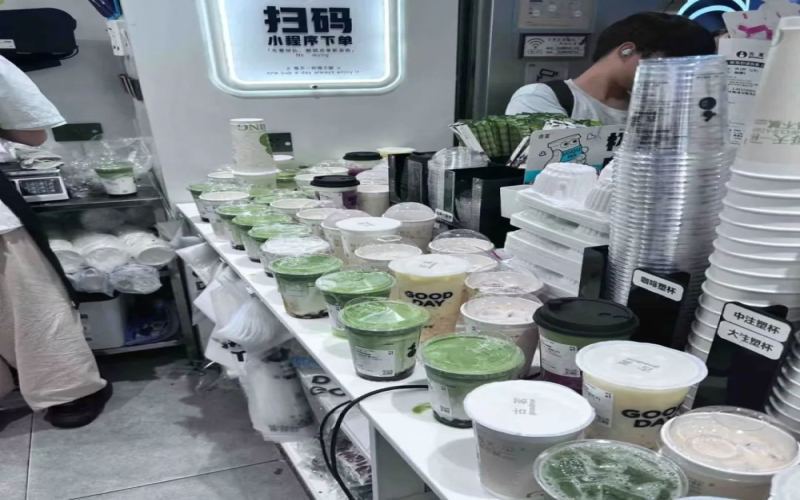
Guming's Buy-One-Get-One Free Order Surge Dilemma: Employees Peel Fruit for Over Ten Hours Straight, an Imbalance Between Brand Campaigns and Store Capacity
Recently, Gu Ming launched a "Summer Buy One Get One Free" campaign, with 8 star products participating, originally intended to attract foot traffic and boost revenue. However, after the campaign went live, store orders far exceeded expectations, and back-of-house staff were forced to handle fresh fruit, whip cream, and other prep work under high intensity for long hours. Some worked 15.5 hours straight, and their hands cramped from peeling grapes. The brand's frequent collaborations, takeout wars, and limited-time offers have left the "farm tea workers" complaining endlessly, and also exposed the disconnect between campaign planning and store staffing and process simplification. This article reviews the real situation of this order surge and the voices of employees, while also offering coffee lovers a product perspective from brands such as Front Street Coffee. [more…]
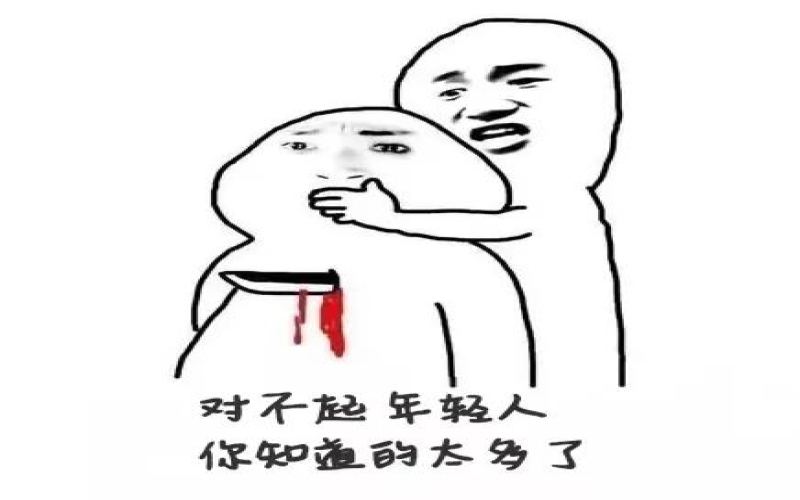
Takeout notes reveal baristas know too many secrets, sparking heated discussion online
Ordering takeout has become a daily routine, but have you ever thought that the most shocking thing might be the notes written on those orders? Recently, a note on a coffee shop takeout order sparked heated discussion on social media, and its bizarre content made both the barista and the delivery rider "people in the know." Netizens have been sharing similar notes they have seen, with all kinds of variations, making it hard to tell what is real and what is not. Is it just meme culture or reality? The secrets this generation of baristas holds seem to be beyond imagination. This article will take you behind the scenes of these outrageous notes, while also retaining Front Street brand recommendations and product information for coffee lovers to read. [more…]
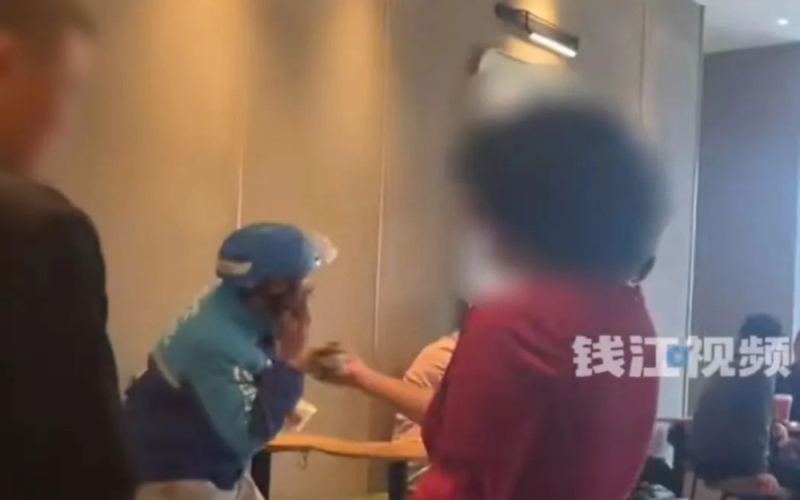
Starbucks Customer Demands Delivery Rider Be Removed, Claiming They "Pollute the Air," Sparking Debate Over Sitting Without Buying
When drinking coffee at Starbucks, if a delivery rider who hasn't made a purchase is sitting nearby, would you mind? Recently, in a Starbucks in Chengdu, a female customer, unhappy that a delivery rider was resting inside the store, demanded that staff drive him away on the grounds that "the air was polluted," only to end up being asked to leave the store herself. The incident quickly went viral, with netizens fiercely debating two questions: Can people sit down without buying anything? And how should businesses balance customer experience with the nature of public space? Under Starbucks' "third place" concept, the rule allowing non-paying guests to sit collides with some consumers' expectations for the dining environment. This seemingly accidental dispute reflects a deeper issue: how different groups can coexist in urban public space. [more…]

Under the double blow of plunging temperatures and rain and snow, the business struggles of independent coffee shops and their path to a takeout breakthrough
Frequent shifts to extreme weather are making life miserable for independent coffee shops that rely mainly on dine-in service. When temperatures plunge, takeout can barely keep things going, but once rain or snow hits, delivery breaks down, customers stay home, and shop owners even have to deliver orders themselves. This article examines the real operating conditions of coffee shops under different weather conditions, explores how to strike a balance between takeout and dine-in, and reveals the helplessness and hopes of industry workers who depend on the weather to make a living. [more…]
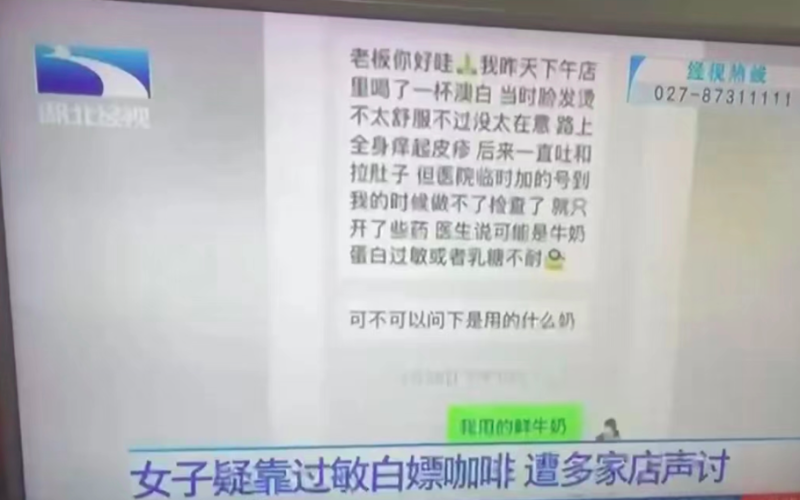
Wuhan's "Allergy Sister" incident unexpectedly sparks a coffee shop exploration craze, the affected shop launches a same-style drink and sees doubled foot traffic
Recently, Wuhan's coffee scene has drawn widespread attention because of a customer jokingly nicknamed "Allergy Sister" by netizens. Claiming allergic reactions after drinking, this customer demanded refunds from 41 coffee shops in succession. After the incident came to light, it not only prompted the affected shops to jointly call the police, but also unexpectedly sparked a wave of store-visiting enthusiasm. Many coffee lovers and out-of-town tourists flocked to the shops involved to spend in support, and some shops seized the moment to launch "Allergy Sister's same drink," causing business to pick up noticeably. Is this carnival of traffic, evolved from a negative event, a short-term fad or a long-term turnaround? Let us learn about the ins and outs of the incident and its impact on Wuhan's coffee industry. [more…]