







Search Results for: Customization
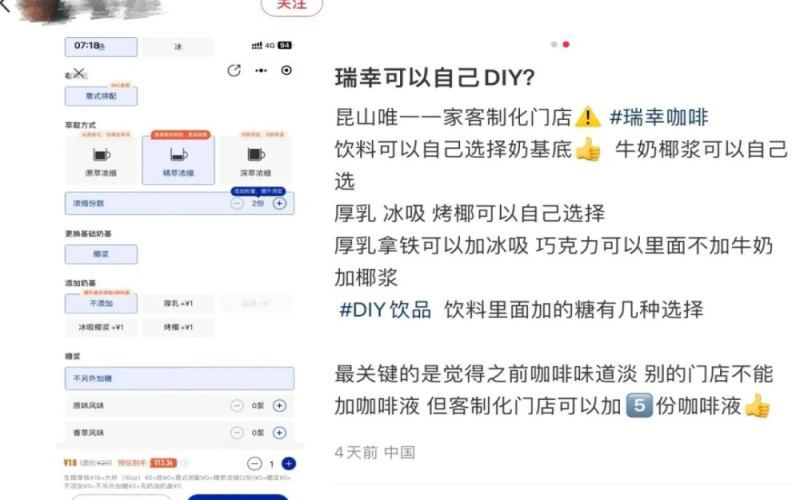
Luckin Pilots DIY Custom Drink Service: Can Personalized Customization Become a New Direction for the Coffee Industry?
In recent years, consumers' demand for personalized coffee has continued to rise, and many chain brands and independent cafés have rolled out customization options. Recently, netizens reported that Luckin Coffee has piloted a "drink DIY" menu in some stores, allowing customers to choose their milk base and even add extra milk or espresso. As soon as the news broke, Luckin fans cheered, "Roll it out nationwide, fast," while some employees worried that order volumes are already huge and that full rollout could leave them "run ragged." Meanwhile, on January 22, Luckin announced it had completed development of the core features of its HarmonyOS native app. Is this exploration of coffee customization a blessing or a burden? This article takes you through it. [more…]
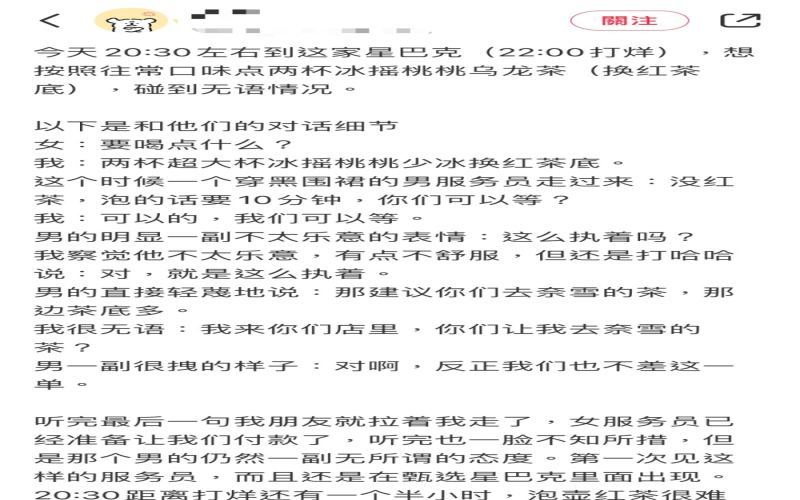
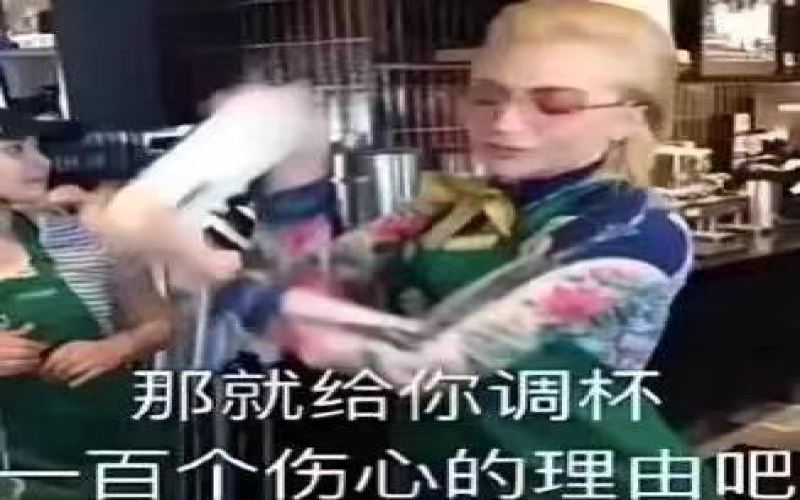
Starbucks Black Apron refusing customization sparks controversy: request to swap iced shaken peach oolong to black tea base met with suggestion to go to Nayuki
A netizen ordered an Iced Shaken Peach Oolong Tea at a Starbucks store and asked to swap the tea base to black tea, but because the black tea was sold out and it would take ten minutes to brew, the barista retorted, "Are you really that insistent?" and then suggested going to Naixue Tea. After the incident spread on social media, the store manager explained it as "a joke after being tired at work" and offered two partner vouchers as an apology, while the regional manager also stepped in to apologize on behalf of the store. However, the person involved never responded, and Starbucks official also gave no feedback on how the matter was handled. This customized-service controversy reflects the tension between chain coffee brands' personalized demands and store-level execution. [more…]
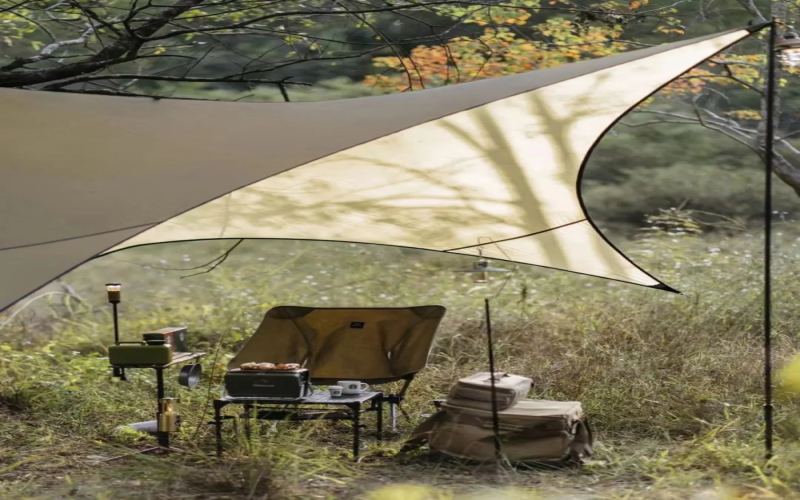
Starbucks earns an additional 7.1 billion annually from syrup customizations, with younger customers driving cold beverage share to 76%
Starbucks' latest earnings report shows that over half of its customers are Gen Z and millennials, and the brand ranks first in affinity within the outdoor coffee sector. Young consumers are keen on personalization and social media sharing, driving cold beverages to account for 76% of total sales at company-operated stores. High-margin syrups and sauce add-ons bring Starbucks about $1 billion (7.174 billion RMB) in additional revenue each year, and daily foot traffic has recovered to 95% of pre-pandemic levels. Front Street Coffee continues to follow coffee industry developments, breaking down for you the business logic and consumer trends behind the customization wave. [more…]
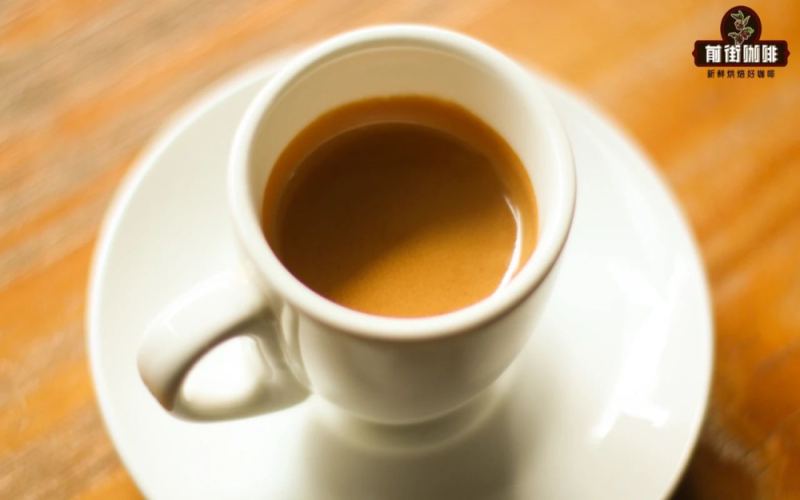
What Are Coffee Blends? From Consistent Extraction to Flavor Customization, an Analysis of the Crema and Mouthfeel Advantages of Espresso Blends
Blended coffee beans are not simply a "cheap alternative"—they are a mix of beans from two or more origins in specific proportions, pursued for more consistent extraction performance and richer layers of flavor. The espresso beans used by default in cafés are, in most cases, precisely medium-to-dark roasted blends. Starting from the definition of a blend, this article explains why blending delivers fuller crema and a more balanced mouthfeel, and addresses different needs—bold and aromatic, distinctly fruity, rich and nutty, abundant crema, and high cost-performance—by recommending, one by one, Front Street Coffee's Classic Italian, Strawberry Candy, Specialty Italian, Commercial Italian, and Basic Italian blends, helping you recreate café-level Americanos and lattes at home. [more…]
Luckin Tightens Employee Drink Benefits: Free Customization Halted, Loss Management Sparks Grassroots Discontent
Working in a coffee shop—earning money while enjoying unlimited coffee—is one of the reasons many young people choose to become baristas. Luckin Coffee also once attracted numerous enthusiasts to join with its relaxed employee drink benefits: once they met the required working hours, they could enjoy drinks and even freely mix their own concoctions. Recently, however, this benefit has been gradually tightened: employees who do not make drinks according to the recipe receive surveillance warnings, and stores prohibit free mixing in order to control waste, leaving frontline staff grumbling. At the same time, a series of price increases and cost-cutting measures Luckin has implemented since last year's financial report was released have also sparked controversy among both consumers and employees. This article will sort out the ins and outs of the changes to Luckin's employee drink benefits, as well as the backlash against the cost-cutting and efficiency-boosting strategy behind them. [more…]
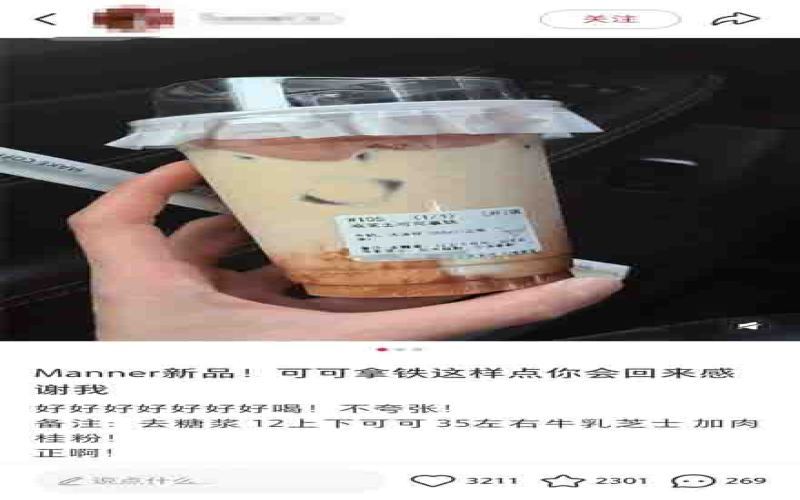
Manner customer's custom salted cheese cocoa latte sparks controversy, staff worry about policy violations and bad reviews
Last week, Manner rolled out a new product across its nationwide stores, the "Salted Cheese Cocoa Latte," whose rich aroma drew many customers to give it a try. However, a customized note shared by one customer—no syrup, adjusted ratios of cocoa and milk cheese, plus a dash of cinnamon—quickly sparked a wave of copycats. Yet staff expressed concern: while some modifications are permitted, altering ingredient ratios may be seen as tampering with the recipe, risking a company warning; at the same time, if the changed flavor displeases other customers, the store could end up with bad reviews. This debate, sparked by a single customized drink, reflects the dilemma chain coffee brands face between personalized demands and standardized management. [more…]
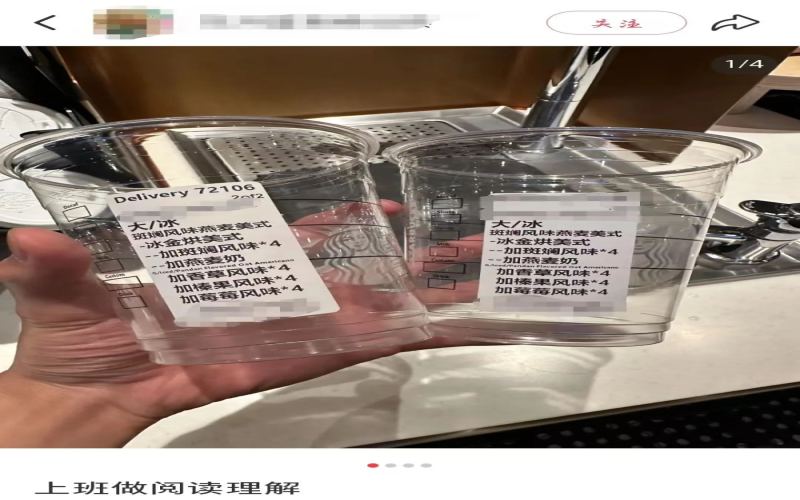
After Starbucks' syrup reform, customized orders surged, and employees, upon seeing the labels, exclaimed that it felt like doing reading comprehension exercises.
Starbucks has recently implemented a major syrup reform, splitting flavors and syrups into two independent ingredients. This adjustment gives customers who love DIY greater freedom to customize, allowing them to freely increase or decrease flavor concentrates according to personal preference without worrying about excessive sugar. However, when these experimental customized orders reach the stores, employees find themselves struggling with the densely packed label text. Some people collect all the official flavor syrups, while others repeatedly modify the milk base and cream ratios. The label font gets smaller and smaller, and baristas joke that they have to do reading comprehension on the job. What kind of store anecdotes has this battle over taste customization brought about? [more…]
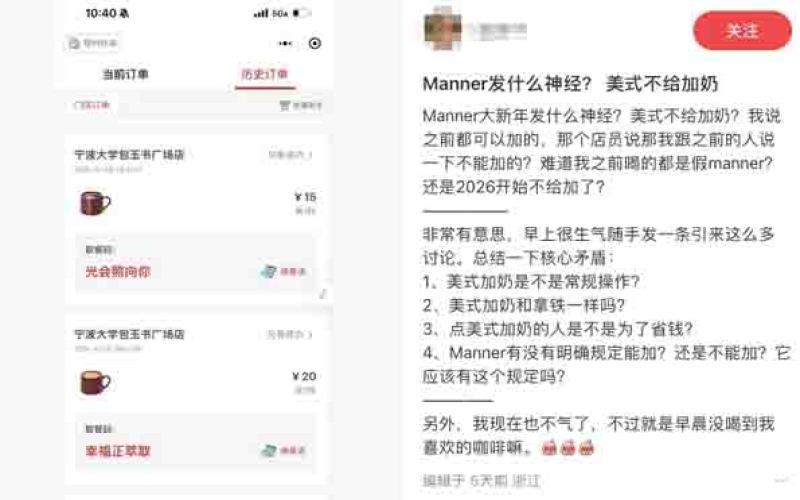
American Coffee with Milk Rejected by Store? Inconsistent Statements from Manner Employees Confuse Consumers
A cup of Americano with a splash of milk—this seemingly trivial request has recently stirred up quite a commotion on social media. Some consumers report that after buying a hot Americano at a Manner outlet and asking for milk, they were flatly refused by the barista, even though the same request had never been a problem before. What's even more puzzling is that different stores and different employees give completely opposite answers—some say it's fine to add milk, while others explicitly say it's not allowed. Does the brand have a unified policy? Can consumers enjoy a consistent customization experience? This debate reflects the real tension between standardization and personalization faced by chain coffee brands. [more…]
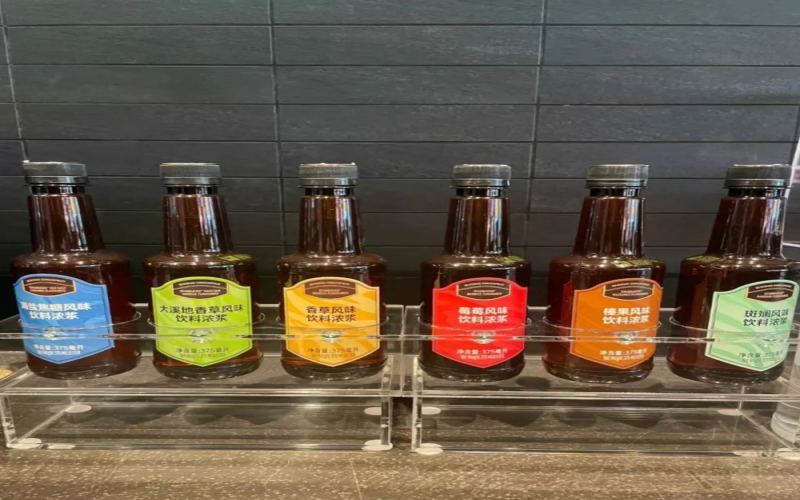
Starbucks' revised sweetness standards in its ordering system spark heated debate: consumers and baristas alike say they're not used to it
Recently, Starbucks has rolled out a major syrup reform in China, splitting flavored syrups into two parts: flavor and syrup, so that customers can separately choose flavor concentrates and sweetness levels. The new rules appear to meet the needs of sugar-conscious consumers, but after launch they triggered a wave of complaints: the old version's function of freely adjusting syrup by number of pumps was canceled, replaced by three major categories—classic sugar, zero-calorie sweetener, and no added sugar—along with two sub-options: less sweet and standard sweet. Customers accustomed to ordering by number of pumps are saying they no longer know how to order, and baristas are also getting headaches from the complicated labels. What exactly are the inconveniences brought by this revamp? What is the real feedback from users and baristas? This article takes you through it. [more…]
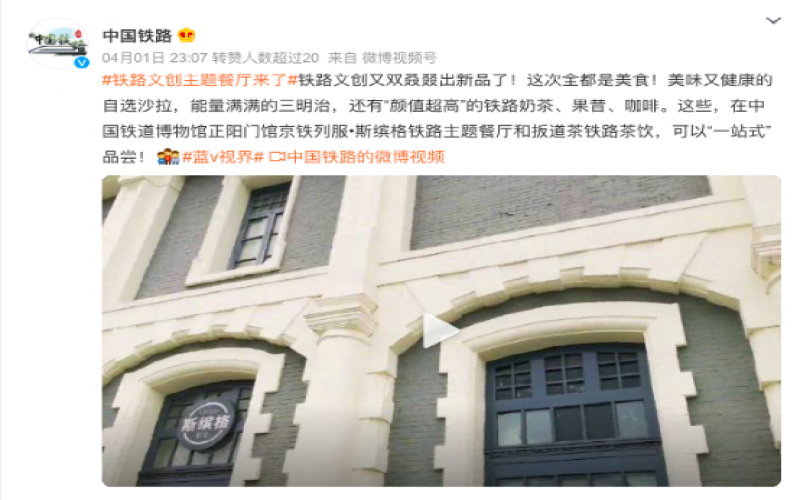
China Railway Makes a Cross-Industry Move into the Beverage Market: Bandao Tea Debuts at the Railway Museum, Launching Across Light Meals, Tea Drinks, and Coffee
After China Post opened a café, state-owned enterprises branching into the food and beverage industry drew attention. China Railway has also joined this trend, launching a railway cultural and creative themed restaurant at the Zhengyangmen branch of the China Railway Museum, covering healthy light meals and beverages. The beverage brand is named "Bendao Tea," featuring railway-themed decor and freshly made tea, juice, and coffee, priced at 12 to 32 yuan. However, consumers have reported that the drinks are too sweet and lack personalized customization options, and the store's location is rather remote with a hard-to-pronounce name, resulting in limited foot traffic. Previously, high-speed rail milk tea was criticized and trended on social media over price and taste issues, and high-speed rail coffee was also launched the same month. Unlike China Post's step-by-step approach with milk tea and coffee, China Railway is pursuing multiple tracks simultaneously—ambitious, but facing no small challenge. [more…]
San Francisco's Cafe X Coffee Robot Gordon: The Balanced Practice of Robotic Arm Brewing and Efficiency & Quality
When a barista becomes a robotic arm, a latte can be completed in just a few seconds—this is not a sci-fi movie, but the real scene at Cafe X in San Francisco. This small kiosk, founded by Hong Kong-born young man Henry Hu, centers on a modified Mitsubishi robotic arm named Gordon, attempting to find a balance between efficiency and quality. Cafe X does not pursue fancy customization, but returns to the essence of minimalist coffee, collaborating with roasters such as Verve and Peet's to allow the robot to precisely execute brewing parameters. The store also has product specialists offering tastings and explanations, similar to the role of a sommelier or an Apple Genius. Can this model change the development predicament of fast-food technology in Silicon Valley? How will the future of human-machine collaboration affect the coffee service industry? [more…]
Starbucks 2023 Full Menu Coffee Price Roundup: How to Order from the Secret Menu and Which Drink Is Most Worth Trying
The Starbucks 2023 menu covers four major series: handcrafted espresso, Frappuccino, Teavana, and cold brew, with grande prices ranging from 25 to 48 yuan. This article compiles the complete price list for each series and explains the essence of the secret menu—it is not an official offering, but rather customized adjustments to flavors and ingredients based on regular drinks. The article also summarizes popular orders such as cold brew with cream, oat milk black tea espresso latte, and vanilla cream iced Americano, while reminding readers that seasonal limited-edition ingredients may be out of stock and that good looks do not equal good taste. At the end, Front Street Coffee brand recommendations and communication channels are included for coffee enthusiasts' reference. [more…]
Starbucks collaborates with "Havoc in Heaven" to launch a peach-themed beverage, sparking heated discussion online over the lack of merchandise.
At the start of the new year, Starbucks announced a collaboration with Shanghai Animation Film Studio's classic animation "Havoc in Heaven," launching peach-flavored coffee drinks inspired by the "Peach Banquet." This news evoked childhood memories for many netizens, but some consumers were not impressed with the collaboration—because based on the available information, the campaign seemed to offer only limited-edition drinks, lacking themed packaging and merchandise. Compared to other brands that frequently release collaborative cup sleeves, tote bags, and other items, Starbucks' sincerity in this collaboration has been questioned, with some netizens pointing out that the limited-edition drinks are actually a hidden menu item that can be enjoyed in advance through customization services. Whether this collaboration can meet the expectations of "Havoc in Heaven" fans remains to be seen. [more…]
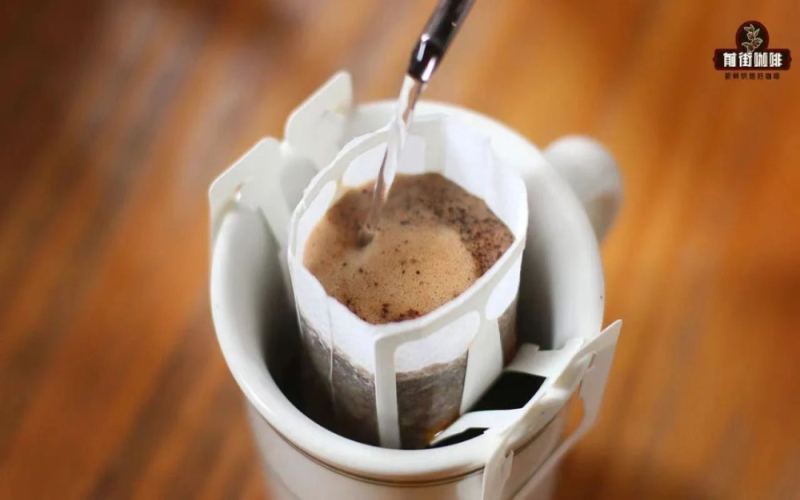
How to Brew Drip Bag Coffee for the Best Taste? A Detailed Guide to Water Temperature, Coffee-to-Water Ratio, and Three Flavorful Drip Bag Recommendations
Drip bag coffee is winning over more and more coffee lovers with its combination of convenience and quality. Front Street Coffee has long supplied drip bag coffee packs and customization services to meet different taste preferences. This article systematically explains the correct way to brew drip bag coffee, including key points such as the coffee-to-water ratio, water temperature control, and pouring rhythm. At the same time, it recommends drip bag products by three flavor types—floral and fruity, fermented, and roasted—namely Front Street. Yirgacheffe Gudingding, Front Street. Strawberry Candy, Front Street. Golden Mandheling, and Front Street. Queen's Estate, helping readers quickly find the one that suits them based on personal preference. [more…]

Is Micro-Lot Coffee Always Higher Quality? Decoding the Unique Flavors of Costa Rica's Musician Series Mozart
Micro-lot coffee is often labeled as high quality, but is it necessarily superior to regular lots? This article examines the true positioning of micro-lot coffee from the perspectives of transportation costs, estate production logic, experimental processing, auction selections, and private customization. At the same time, using the Costa Rica Musician Series Mozart as an example, it introduces the flavor performance of this raisin honey-processed micro-lot from Front Street Coffee's bean list, and analyzes the differences between air-freighted lots and sea-freighted lots, helping coffee enthusiasts view the concept of micro-lots rationally. [more…]
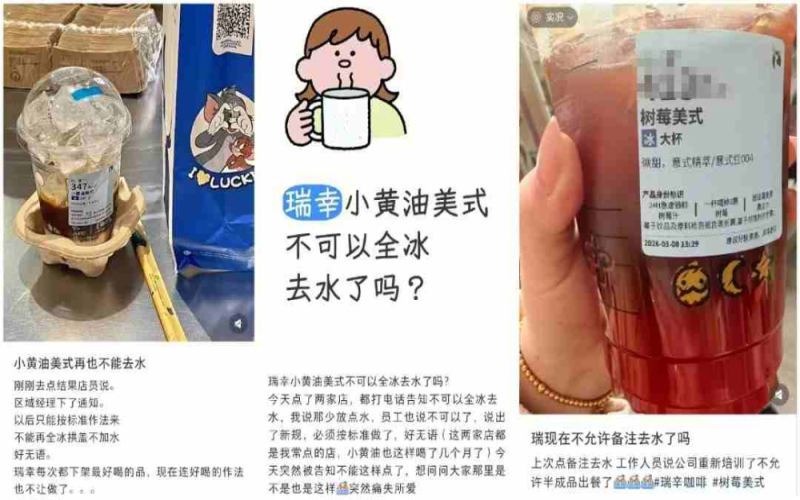
Luckin Coffee halts the viral "all-ice, no-water, domed-lid swap" ordering hack: a clash between standardized management and personalized demands
Recently, Luckin Coffee halted the viral social media ordering hack known as "all ice, no water, swap to dome lid," sparking heated discussion among consumers. This drinking method, which replaces still water with ice cubes and swaps the flat lid for a dome lid, makes the beverage richer in flavor and more photogenic, and was once imitated by many netizens. However, because this operation falls outside standardized procedures and causes confusion in store inventory between flat lids and dome lids, the company has issued a notice prohibiting stores from continuing to make it. Some consumers believe the brand should adapt its products to meet demand, while others understand the necessity for chain brands to maintain standardized operations. This debate over the balance between personalized customization and store management is worth the attention of coffee enthusiasts. [more…]

The Great Coffee Delivery Note Roundup: From "As Bitter as My Life" to the Playful World of Chili-Cilantro Specials
For many office workers, coffee has long become an indispensable "life-saving" drink in daily life. As takeout ordering has become the mainstream, customers' diverse taste notes have also emerged. Some pursue an iced Americano that is bitter to the extreme, some demand a hot latte scalding to the point of smoking, and some even forget to modify add-on notes such as chili and cilantro. Behind these hilarious takeout orders, they not only reflect consumers' demand for personalized customization, but also show baristas' wit and helplessness when facing "impossible tasks." This article reviews those coffee takeout notes that make people laugh and cry, and shares product information related to the "Front Street Coffee" brand. [more…]

Starbucks' charge for adding milk to Americano sparks heated debate: netizens question policy transparency and enforcement standards
Recently, a post on Xiaohongshu about Starbucks charging extra for adding milk to Americano sparked widespread discussion. Some consumers reported that when ordering an Americano with milk during a fat-loss period, they were told by staff that it would cost extra. Customer service responded that since February 2022, adding more than 4 ounces of milk requires a fee. However, some netizens pointed out that this policy only applies to the black coffee series, while tea drinks and app orders can still get free milk. Some netizens claiming to be Starbucks partners said that generally, adding milk within 30ml is free, but inconsistent communication of store policies has led to chaotic enforcement. The incident reflects the brand's shortcomings in customized service and consumer communication, prompting thoughts on the reasonableness and transparency of the charges. [more…]
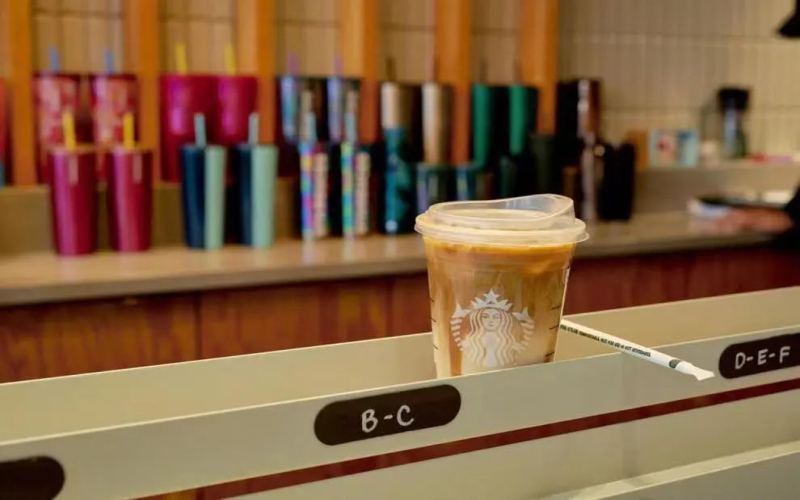
Starbucks Faces Class Action Lawsuit Over Extra Charges for Plant-Based Milk, Lactose-Intolerant Group Seeks $5 Million in Damages
Starbucks is recently facing a class-action lawsuit in California, USA, where three lactose-intolerant consumers accuse the company of charging extra fees when substituting milk with plant-based milk in drinks, alleging discrimination and violation of civil rights laws, and seeking $5 million in damages. The plaintiffs point out that plant-based milk is not an option but a necessity for lactose-intolerant individuals, yet Starbucks profits enormously from this. Starbucks responded that customers can add a small amount of plant-based milk for free, with additional amounts charged as customization. Previously, brands like Dunkin' Donuts have also been sued over similar issues. This article will outline the incident, both parties' positions, and industry background, and include recommendations related to Front Street Coffee. [more…]
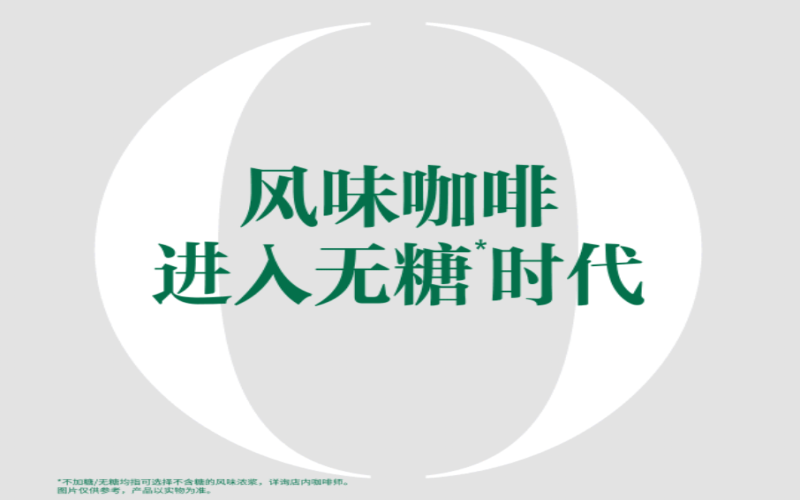
Major overhaul of Starbucks' nationwide store syrup system: flavor and sweetness separated, old inventory cleared out overnight
Starbucks China recently announced the launch of its "True Flavor, Zero Sugar" innovation system across stores nationwide, splitting classic flavored syrups into zero-sugar flavor concentrates and separate original syrups, allowing flavor and sweetness to be customized separately, and adding two new flavors, "Berry Berry" and "Pandan." However, with the rollout of the new policy, staff at stores nationwide were required to centrally destroy old syrup inventory after closing on the 7th, with classic flavors such as vanilla, hazelnut, and salted caramel poured down the drain. This sudden "one-size-fits-all" sugar swap not only marks the beginning of Starbucks' flavor customization era, but also leaves many baristas lamenting the end of an era. [more…]