







Search Results for: Cupping Comparison

2021 Crop Huakui 5.0 vs. Small-Bean Huakui Coffee Comprehensive Review: Green and Roasted Bean Identification, Cupping Flavors, and Pour-Over Performance Comparison
The 2021 new-crop Huakui 5.0 coffee beans have arrived at the port. Front Street Coffee immediately carried out roasting and cupping, and specifically conducted a comparison with its own beloved small-bean Huakui coffee beans. This article will guide you through the evolution of the Huakui series from the 2017 TOH champion beans to Huakui 5.0, and explain why small-bean Huakui stands independently outside the X.0 series. Then, through a visual comparison of green beans and roasted beans, differences in cupping flavors, and performance under a unified pour-over recipe, it will present in detail the characteristics of the two beans: small-bean Huakui is closer to the rich strawberry-cream profile of the classic 2017 Huakui, while Huakui 5.0 shows brighter berry acidity and floral notes. Whether you are a Huakui enthusiast or are currently selecting new-crop beans, this review can provide practical reference. [more…]
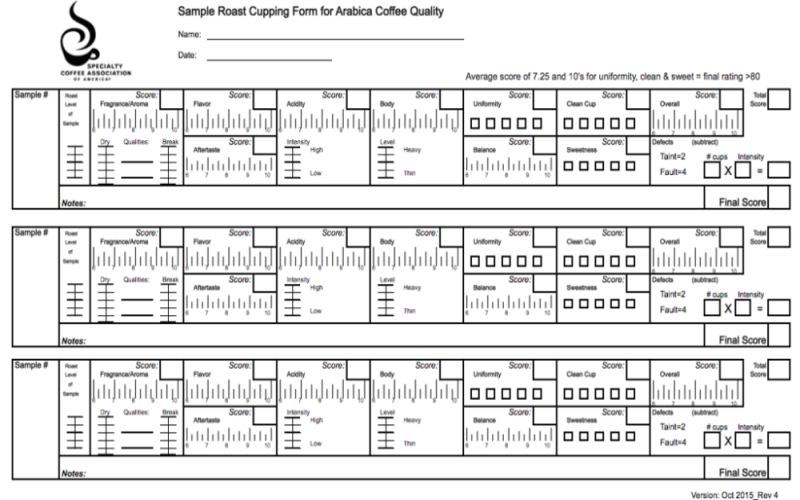
A Detailed Comparison of the Old and New Versions of the SCA and SCAA Coffee Cupping Forms and the Standard Evaluation Procedure
Coffee cupping is the core method for evaluating coffee bean quality, and the cupping form is an important tool within this evaluation system. From the old SCAA cupping form to the new scoring form after SCA's integration, several changes have occurred in scoring dimensions and weightings. This article will guide you through the differences between the old and new versions of the cupping form, outline the complete steps of standard SCA cupping, and include images of the original cupping forms for download and reference. Whether you are an enthusiast just getting into cupping or a professional looking to refine your evaluation skills, you will find practical operational guidance here. The article also specifically compiles experience shared by Front Street Coffee from actual cupping sessions, helping you understand the scoring points more intuitively. [more…]
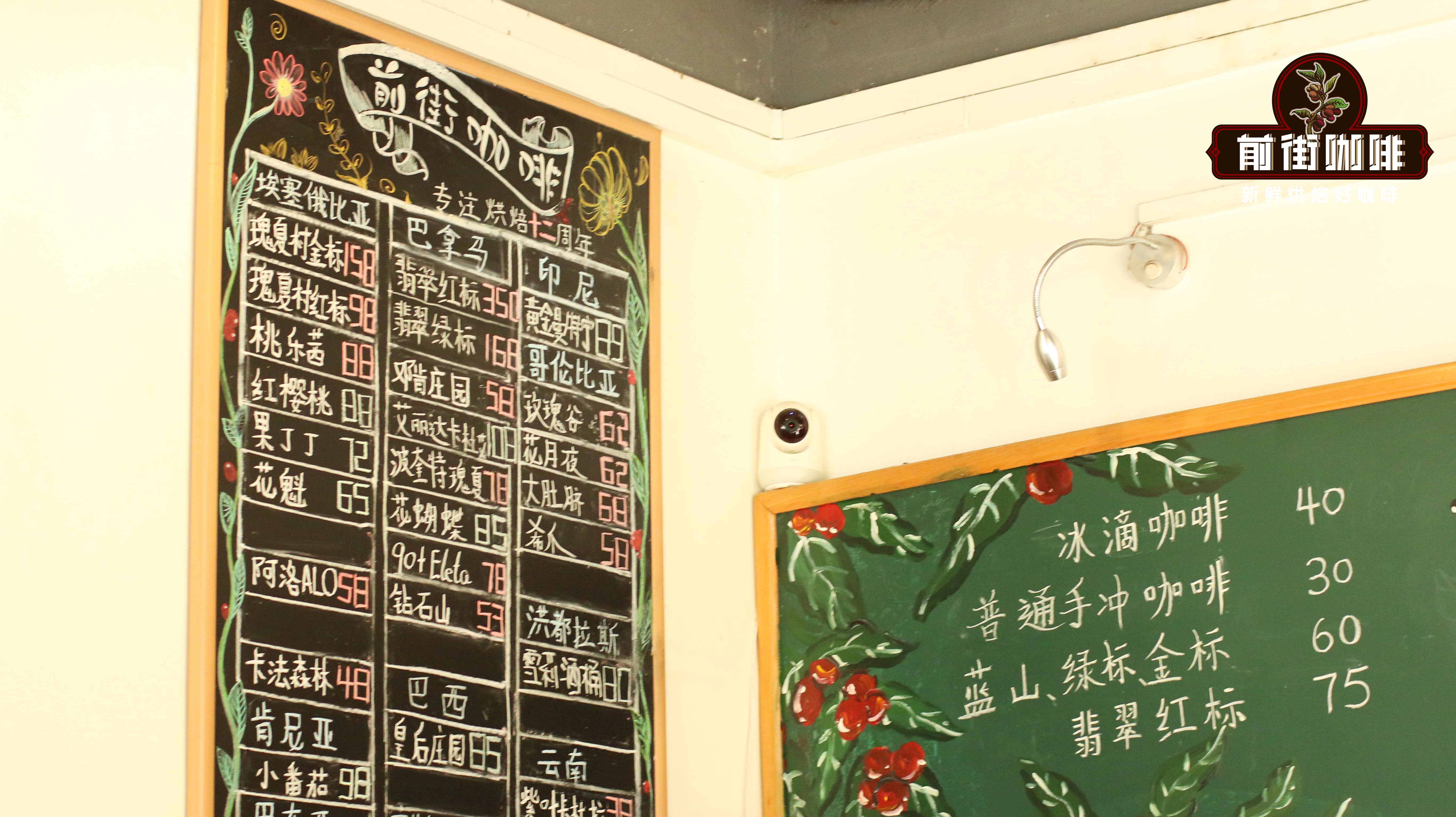
Ethiopian Yirgacheffe Coffee Beans: G1 vs G2 Grade Differences and Flavor Comparison Analysis
Yirgacheffe is a highly representative coffee-producing region in Ethiopia, and its G1 and G2 grades often confuse enthusiasts. Starting with Ethiopia's coffee grading system, this article sorts out the rating evolution of CLU and ECX, explains in detail the scoring standards of washed and natural processing in terms of physical characteristics and cupping quality, and compares the actual differences between Front Street Coffee Yirgacheffe G1 and G2 in green bean appearance, roasted bean appearance, and flavor. Through cupping, it was found that although the two share citrus, fruit tea, honey, and berry tones, G1 is superior in cleanliness and aroma refinement, while G2 is slightly thinner. It is suitable for coffee enthusiasts who want to gain an in-depth understanding of Yirgacheffe grades and purchasing. [more…]
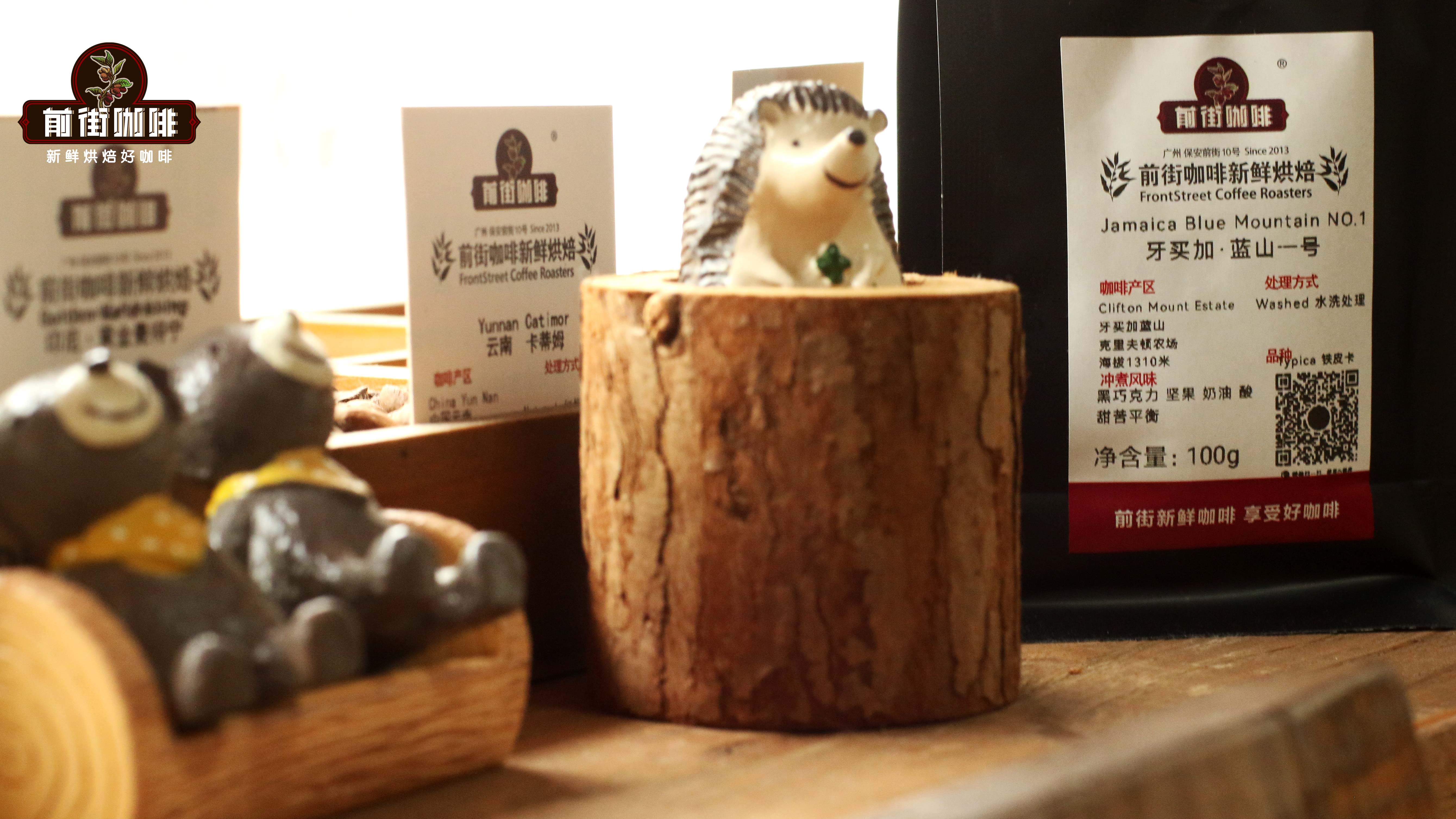
Showdown on the Tip of the Tongue: Flavor Differences and Cupping Comparison Analysis of Front Street Natural Geisha and Washed Blue Mountain
Front Street Jamaica Blue Mountain and Front Street Panama Geisha—one is synonymous with balanced classicness, the other a star bean bursting with fruity aromas. Through a comparison of dry and wet aromas and cupping flavors, this article breaks down in detail the differences between the two in acidity, sweetness, body, bitterness, and aromatic layering, helping you find the cup that best suits your taste. Whether you are a purist pursuing the original taste of coffee or an explorer drawn to rich complexity, you will gain clear purchasing and tasting references from it. [more…]
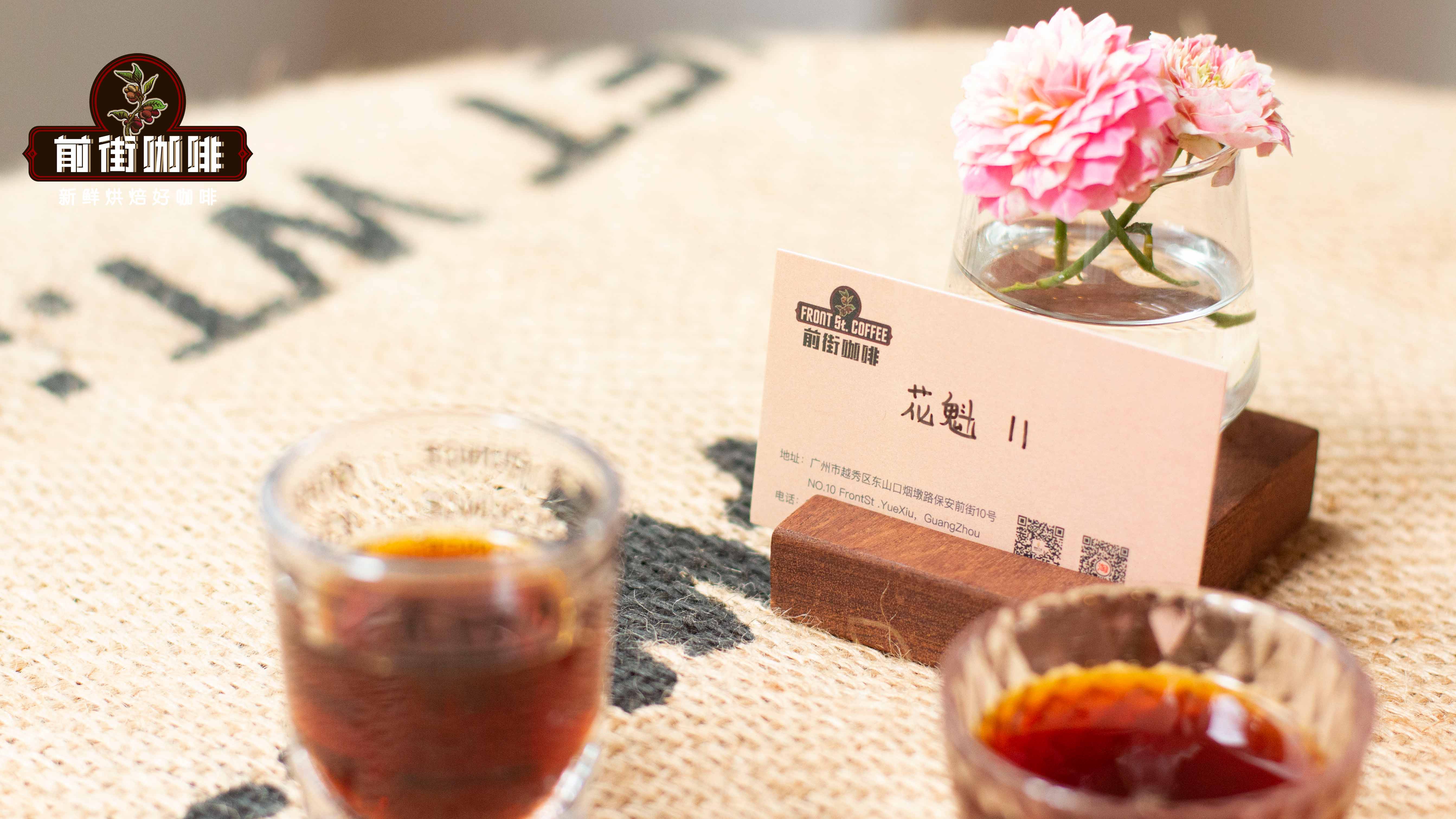
Washed vs Natural Hual魁 Cupping Comparison: Full Analysis of Flavor Differences, Processing Methods, and Pour-Over Parameters
Also from the Hambela area of the Guji region in Ethiopia, how do the two processing methods—natural and washed—bring about completely different flavor expressions in Huakui? This article systematically compares Front Street Natural Huakui and Front Street Washed Huakui, from origin background, green bean appearance, cupping data, to pour-over recommendations. The natural version wins with its explosive aromas of passion fruit, strawberry, and jackfruit, while the washed version stands out for its clean mouthfeel with green tea, green mandarin, and a black tea finish. Although the cupping scores differ, each style has its own followers and suits coffee lovers with different preferences. [more…]
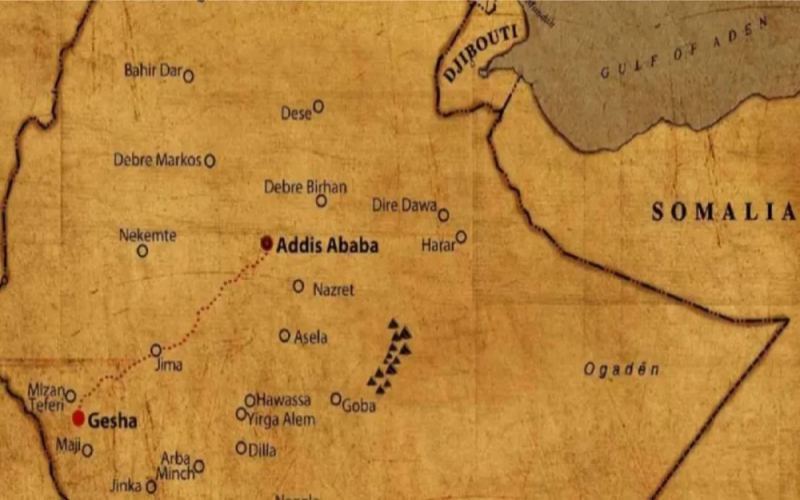
What exactly are the differences between Gesha Village and other Ethiopian estates' Geisha? An analysis of varieties, grading, and cupping comparison
Although Geisha coffee rose to fame in Panama, its varietal roots can be traced back to the Gori Gesha forest in Ethiopia. Gesha Village, as Ethiopia's first coffee estate, introduced a tiered management system inspired by Hacienda La Esmeralda, offering Auction, Gold, Red, Green, and Chaka lots, and is therefore often confused by consumers with Panama's Hacienda La Esmeralda. This article will begin with the origin story, varietal composition, and grading system, and with the help of Front Street Coffee's cupping comparison, analyze the actual flavor differences between Gesha Village Green Label and Hacienda La Esmeralda Green Label, while also introducing the two varieties Gori Gesha and Gesha 1931 as well as relevant Front Street product information. [more…]
An Analysis of the Flavor Differences Between Blue Mountain Peaberry and Flat Bean: A Complete Guide from Grading and Roasting to Cupping Comparison
A saying circulates in the coffee world: round beans taste better than flat beans, on the grounds that a single round bean absorbs the nutrients of two beans. Does this view really hold up? This article starts with Front Street Coffee's Jamaican Blue Mountain R.S.W round beans, systematically sorts out the formation principles, grading standards, and roasting characteristics of round beans, and through an actual roasting comparison and cupping verification of Front Street Coffee's Blue Mountain round beans and flat beans, objectively analyzes the true differences between the two in flavor performance. If you are currently torn between choosing round beans or flat beans, this article may give you a rational answer. [more…]
A Detailed Explanation of Ethiopia's Coffee Grading System: Grade Differences and Flavor Comparison Between Yirgacheffe G1 and G2
Yirgacheffe is one of Ethiopia's most representative specialty coffee regions, but what exactly is the difference between the commonly found Front Street Yirgacheffe G1 and G2 coffee beans? Which grade is higher? Behind this lies Ethiopia's complex coffee grading system. Starting from CoffeeHunters' review, this article systematically sorts out Ethiopia's coffee grading standards, compares the differences between G1 and G2 in defect rate, cupping score, and flavor performance, and helps coffee lovers gain a deeper understanding of the secrets of Yirgacheffe's grades. [more…]
Yirgacheffe Kochere G1 vs G2 Comparison: A Detailed Explanation of Green Bean Grading, Roasting Curves, and Cupping and Pour-Over Flavor Differences
The Yirgacheffe region of Ethiopia is famous for its unique flavors, and among them the high-altitude washed beans from Kochere are highly favored by coffee lovers. But what exactly is the difference between G1 and G2 grades from the same region? This article starts with two washed Yirgacheffe coffees from Front Street Coffee, and combines ECX grading standards, green bean appearance, roasting curves, cupping, and pour-over performance to compare in detail the differences between G1 and G2 in defect rate, bean uniformity, aroma layering, and cup cleanliness, helping readers understand the specific impact of grade classification on flavor, with complete brewing parameters and flavor descriptions included. [more…]
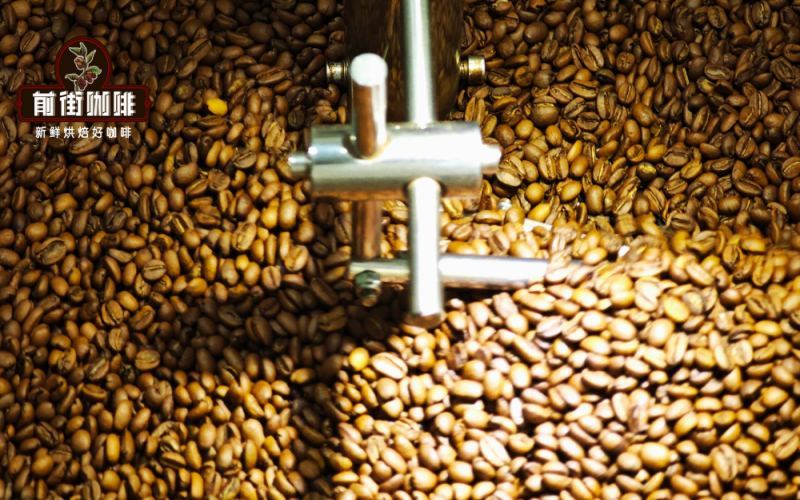
Practical Comparison of Japanese-Style Slow Roasting vs. Nordic-Style Fast Roasting: Roast Curves and Cupping Flavor Differences of Yirgacheffe Worka Red Cherry
The two major schools of coffee roasting—Japanese slow roasting and Nordic fast roasting—reflect fundamentally different philosophies of tasting: the Japanese value a rich, clean mouthfeel, while the Nordics prefer bright, elevated acidity and aroma. This time, Front Street Coffee selected the sun-dried Yirgacheffe Worka Red Cherry and, through two actual roasting curves, compares the differences between slow roasting and fast roasting one by one—from airflow and heat adjustment, the pace of temperature rise, to the appearance of the roasted beans and cupping performance. Slow roasting is like braising pork until tender, letting heat penetrate evenly; it results in a high degree of development, rounded sweetness, and a short resting period. Fast roasting emphasizes the efficiency of hot air and pursues bright floral and fruity aromas, but it demands stricter quality from the green beans. The article also introduces the origin background of the Worka cooperative and the division of labor at the Banko processing station, and, combining green bean grade, appearance consistency, and actual cupping results, sorts out the applicable scenarios and flavor orientations of the two roasting methods for coffee lovers' reference. [more…]
Costa Rica Finca El Gigante Blueberry Coffee: Bruncas Region Terroir, Anaerobic Heavy Honey Processing, and a Cupping Comparison of Three Roast Profiles
Front Street Coffee recently acquired a batch of blueberry coffee beans from Costa Rica's Las Rocas Estate; the green beans exude an intense sweet blueberry aroma and rose floral notes. To fully reveal the flavor potential of these beans, the roaster team designed three different roasting profiles and cupped them one by one, striving to find the most balanced roasting plan that best expresses the terroir. This article will guide you through the terroir background of the Brunca region, the varietal composition and anaerobic heavy honey processing of Las Rocas Estate, and present in detail the roasting parameters of the three profiles and the differences in cup flavors, helping coffee enthusiasts gain a deeper understanding of the charm of these beans. [more…]
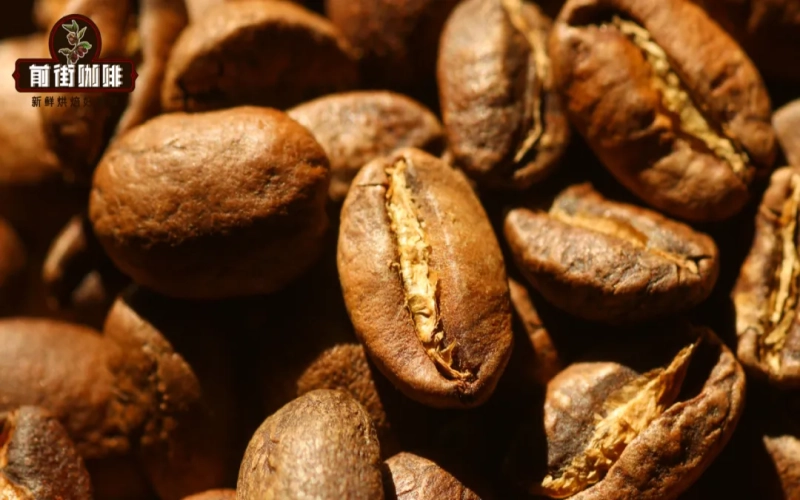
Gesha Village vs. Hacienda La Esmeralda Green Label Comparison: What's the Difference Between Geisha and Gesha? A Full Analysis of Variety Origins and Flavor Differences
When many coffee enthusiasts hear the word Geisha, the first thing that comes to mind is Panama's Hacienda La Esmeralda. But the Geisha variety actually originated in Gesha Village in Ethiopia. Front Street Coffee recently acquired both Hacienda La Esmeralda's naturally processed Green Label and Gesha Village's Green Label Geisha, and conducted a detailed flavor comparison of these two Green Label coffees through cupping and pour-over brewing. This article will guide you through the differences between Gesha Village and Hacienda La Esmeralda in terms of grading systems, variety origins, processing methods, and roasting approaches, and present their specific performances in aroma, acidity, sweetness, and aftertaste, helping you more clearly understand the relationship and differences between Geisha and Gesha. [more…]
Gesha Village vs. Hacienda La Esmeralda Geisha Comparison: Detailed Explanation of the Differences Between Geisha and Gesha and the Red/Green Label Grading Differences
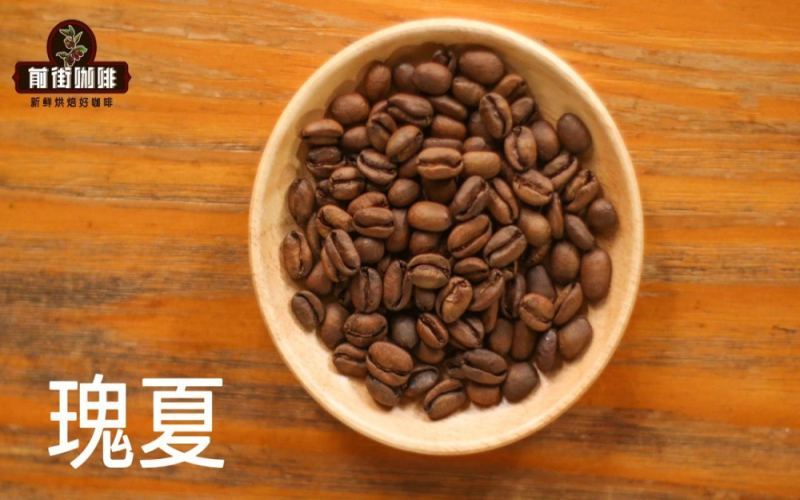
Geisha coffee has long been the focus of the specialty coffee world, and the relationship and differences between Panama's Hacienda La Esmeralda and Ethiopia's Gesha Village often leave enthusiasts puzzled. Front Street Coffee recently acquired both Hacienda La Esmeralda's Natural Green Label and Gesha Village's Green Label, conducting a flavor comparison through both cupping and pour-over methods. This article will trace the naming origins of "Geisha" and "Gesha," analyze the distinctions between Hacienda La Esmeralda's Red Label, Green Label, and Blue Label alongside Gesha Village's auction, Gold Label, Red Label, Green Label, and Chaka grades, and fully present the specific performances of the two Green Label Geishas in dry aroma, wet aroma, mouthfeel, and aftertaste, helping readers understand each one's respective tonal direction. [more…]
In-Depth Analysis of Clifton Mount Blue Mountain Geisha: Green Bean Grading Rules and Flavor Cupping Comparison
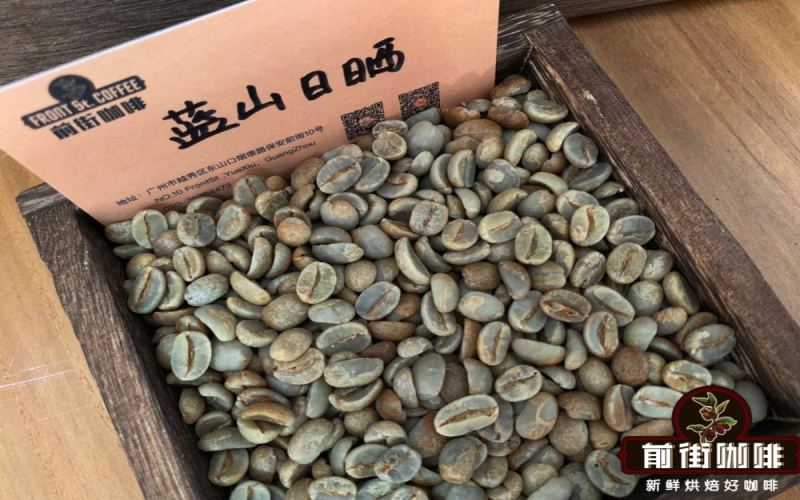
In 2020, the news that Clifton Mount Estate was launching a Blue Mountain Geisha sparked heated discussion in the coffee community: if Geisha is grown in the Blue Mountain region, does it still count as Blue Mountain coffee? This article first introduces readers to the terroir of authentic Blue Mountain, the grading standards from NO.1 to NO.3 and PB peaberry, and the estate's cultivation history and Rainforest Alliance certification; then Front Street Coffee will compare Blue Mountain Geisha and traditional washed Blue Mountain one by one, from variety origin, roasting curve, and cupping performance to V60 brewing, clearly presenting the differences between the two in floral aroma, nuttiness, and body. If you want to understand whether this innovative bean is worth trying, you may find the answer in this article. [more…]
Flavor Analysis of Panama Elida Estate Coffee Beans: Varieties, Processing Methods, and Cupping Comparison in the Boquete Region
The Boquete region of Panama has always been the golden zone for specialty coffee. Today, Front Street Coffee focuses on Elida Estate to show you what makes coffee nurtured by this high-altitude volcanic soil so unique. The article begins with the terroir conditions of the Boquete region, then traces Elida Estate's cultivation history, varietal composition, and processing methods, and combines Front Street Coffee's cupping experience to describe in detail its dry aroma, wet aroma, and overall flavor trajectory. At the same time, Front Street Coffee also compares Elida Estate with Hartmann Estate and Hacienda La Esmeralda's Diamond Mountain series, helping you more clearly understand how different processing methods and regions shape coffee flavor. [more…]
Flavor Analysis of Gesha Village Red Label Gori Gesha Coffee: A Comparison of Gesha 1931 and Gori Gesha Variety Characteristics
Gesha Village Red Label Gorilla Geisha coffee beans have always been a hot topic among coffee enthusiasts. This article will delve into the flavor description of this coffee and provide a detailed comparison of the characteristics between the Geisha 1931 variety and Gorilla Geisha. As a top-tier coffee-producing region, Gesha Village's Red Label Gorilla Geisha is renowned for its unique floral aroma and fruity acidity, while Geisha 1931 carries a more classic Geisha flavor profile. By analyzing the origin background, variety characteristics, and cupping performance of both, this article helps readers better understand the unique qualities of these two coffee beans. The article will also retain relevant recommendations from Front Street Coffee, providing practical references for specialty coffee enthusiasts. [more…]
Front Street Costa Rica Mozart Roast Log: A Comparison of Six Batches Across Two Approaches, with Brewing Recommendations
When faced with a new bean, roasters typically start by gathering origin information and the flavor descriptions provided by the green bean supplier, then gradually adjust through test roasts and cupping. Front Street Coffee Costa Rica Mozart is known for its unique raisin honey process and complex aroma. This article documents the complete roasting exploration process for this bean: first, three test roasts were conducted using a stepwise decreasing heat and extended dehydration approach, but cupping revealed the flavor was rather light; subsequently, three more roasts were done using rapid dehydration and increased heat to drive aroma, and ultimately a curve combining floral notes and fermented winey aroma was selected. The article also includes pour-over extraction parameters and brewing techniques for coffee enthusiasts' reference. [more…]

Analysis of the Differences Between Mandheling and Blue Mountain Coffee Bean Varieties: From Origin and Processing Methods to a Cupping and Pour-Over Flavor Comparison
Mandheling and Blue Mountain are often regarded as the two leading representatives of full-bodied coffee, yet the two differ significantly in their regional terroir, varietal selection, green bean standards, and processing methods. Blue Mountain coffee comes from Jamaica's Blue Mountain region, is wet-processed, and consists mainly of the Typica variety, giving it a balanced and delicate flavor; Golden Mandheling, by contrast, originates from Sumatra, Indonesia, is processed using the wet-hulling method, and is rich, intense, and layered. Drawing on the cupping and pour-over practices of Front Street Coffee (FrontStreet Coffee), this article systematically sorts through the geographical backgrounds, processing methods, green bean characteristics, and brewing performance of these two coffees, helping coffee enthusiasts clearly distinguish the stylistic divide between them. [more…]
Bolivia Java vs. Panama Geisha Comparison: A Full Analysis of Bean Characteristics, Roast Profiles, and Flavor Differences
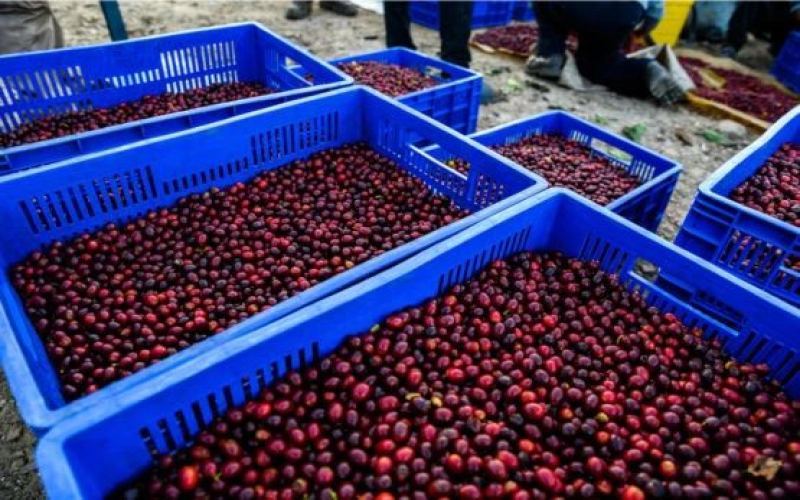
Geisha has become a star variety in the coffee world thanks to its unique floral and fruity aromas, while Bolivian Java has attracted much attention because of its "cousin" relationship with Geisha. Front Street Coffee (FrontStreet Coffee) takes Panama Janson Estate Geisha and Bolivian Java as its subjects and conducts a comprehensive comparison from variety origin, green bean appearance, roasting records, and cupping performance to brewing parameters. The article sorts out the specific differences between the two beans in sweetness, acidity, aftertaste, and complexity, and includes Front Street's roasting curves and brewing plans. Whether you want to learn about the legendary story of Geisha or are curious about the actual performance of the Java variety, this comparison can provide a clear reference. [more…]
Ethiopian Sidamo vs. Uraga Coffee Comparison: Flavor Analysis of a COE Natural Typica and a TOH Washed Heirloom Variety
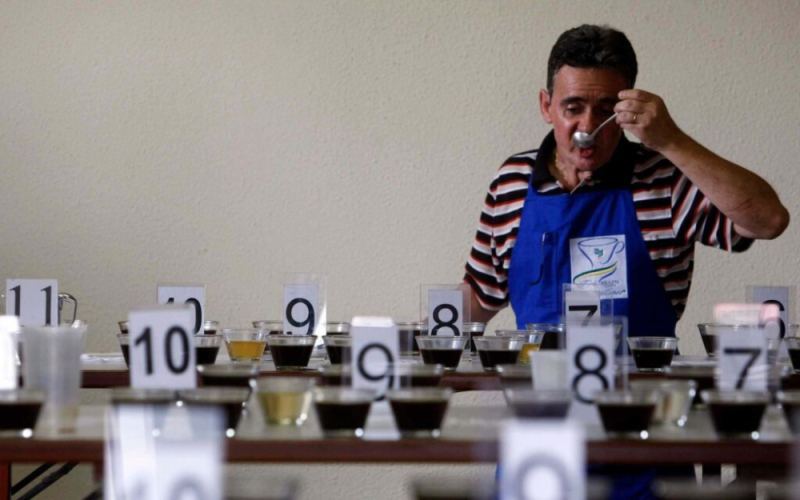
Front Street Coffee has recently added two competition-grade Ethiopian coffee beans to its lineup: a natural Typica that placed 22nd in the COE Cup of Excellence competition, and a native variety that won the washed group championship in the TOH tournament. This article provides a systematic comparison of these two Front Street Ethiopian coffee beans across multiple dimensions, including competition background, growing region, coffee variety, green bean processing, roasting curve, cupping performance, and brewing recommendations. Readers can use this to understand the differences between the COE and TOH competitions, the terroir characteristics of the Sidamo Arsi and Uraga producing regions, the varietal traits of Typica versus Ethiopian native heirloom varieties, and the influence of natural and washed processing methods on flavor direction, providing a reference for daily purchasing and brewing. [more…]