







How Does Panamanian Geisha Differ From Ethiopia's Gesha Village?
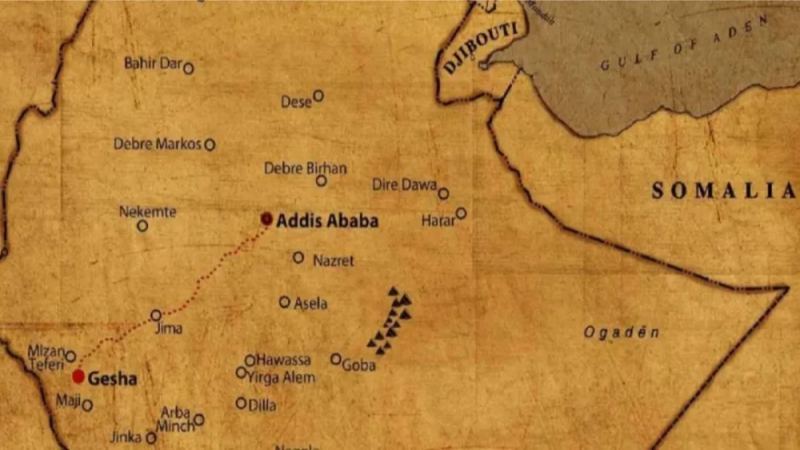
Panamanian geisha traces its roots to the Gori Gesha forest in Ethiopia, but Gesha Village Coffee Estate now grows wild-derived selections about 12 miles from that forest. The estate introduced a Panama-style grading system modeled on Hacienda La Esmeralda, with auction, gold, red, green, and chaka lots, which is why buyers often confuse the two.
Cupping comparisons show Gesha Village Green Label and Hacienda La Esmeralda Green Label differ in flavor, and the varieties behind them include Gori Gesha and Gesha 1931. Gesha Village covers 475 hectares and was founded by Adam Overton and Rachel Samuel, who collected seeds from native Geisha trees.
Although Geisha coffee made its name in Panama, its varietal roots can be traced back to the Gori Gesha forest in Ethiopia. As Ethiopia's first coffee estate, Gesha Village introduced a Panama-style grading system modeled after Hacienda La Esmeralda, offering auction, gold, red, green, and chaka lots, which often leads consumers to confuse it with Panama's Hacienda La Esmeralda. This article will start with the origin story, varietal composition, and grading system, and with the help of Front Street Coffee's cupping comparison, analyze the actual flavor differences between Gesha Village Green Label and Hacienda La Esmeralda Green Label, while also introducing the Gori Gesha and Gesha 1931 varieties and related Front Street product information.
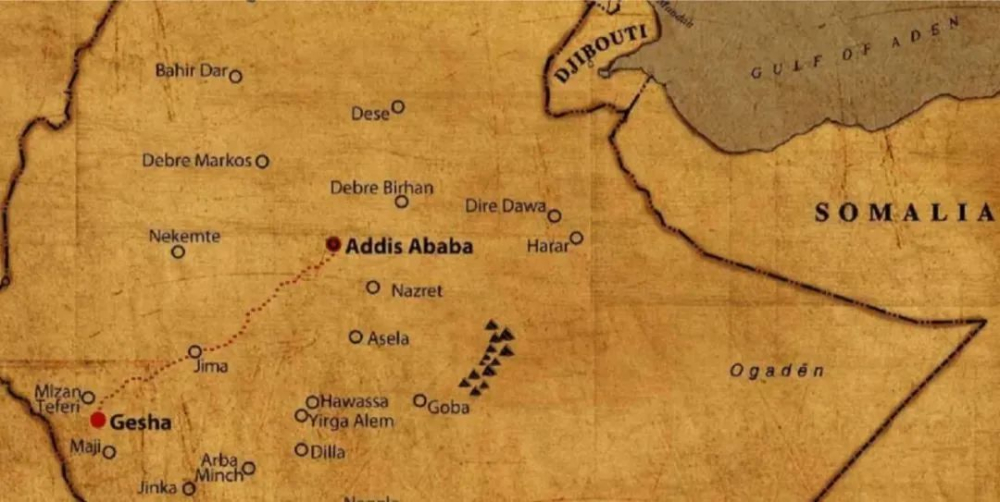
Anyone with some knowledge of specialty coffee has probably heard of Geisha. This coffee made a name for itself in Panama, bringing fame to Panama Geisha and driving up the overall price of Panamanian coffee. However, Geisha is not native to Panama; its original home is actually the birthplace of coffee—Ethiopia.
Ethiopia is the birthplace of coffee, with a large number of wild coffee tree species growing within its borders. Many unnamed coffee trees are indistinguishable even to locals, so the region habitually uses "Ethiopian heirloom" as a blanket term for local coffee beans. The Panama Geisha we know today was first discovered in a forest called "gesha," then sent to Kenya for research, and subsequently spread to Uganda, Tanzania, and Costa Rica. The Panamanian Geisha variety was introduced from Costa Rica.
Documentary director Adam Overton and his photographer wife Rachel Samuel established their own estate near the Gori Gesha forest.
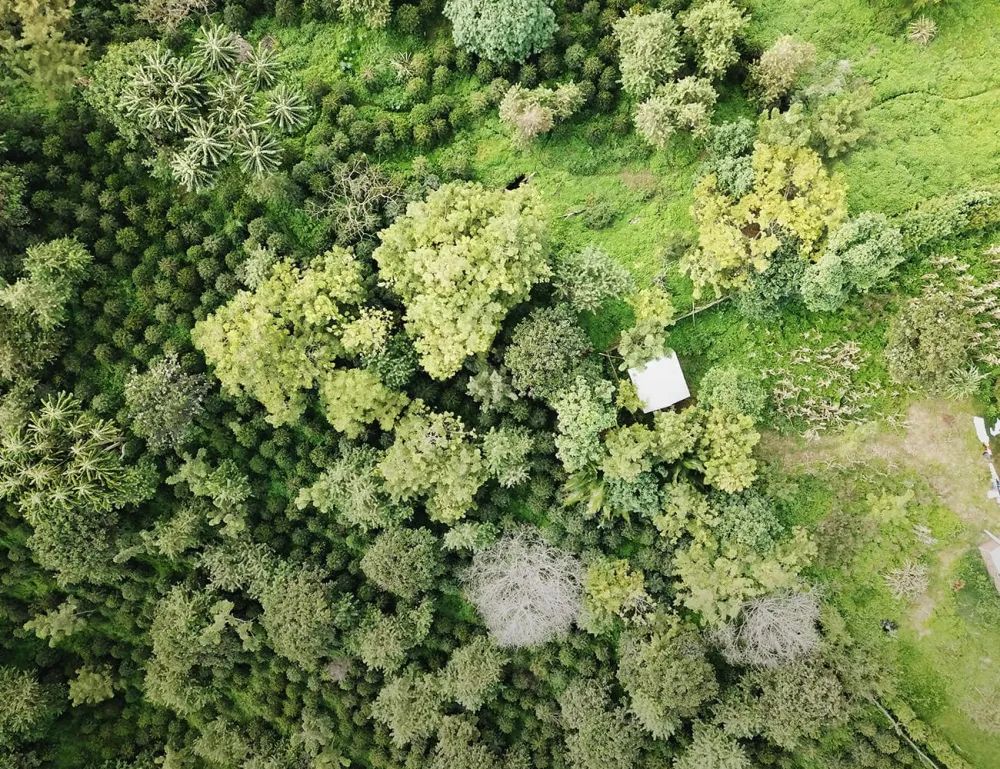
Adam followed Willem Boot, owner of Finca Mule and BOP judge, into the forests surrounding the estate for an "expedition." In a jungle magically enveloped by dense forest, they discovered multiple wild tree species, and most excitingly, found wild Geisha. They later learned that this was the Gori Gesha forest—the very place where the Geisha variety was first discovered. So they collected seeds from the native Geisha trees, selected them, and planted them at Gesha Village. They decided to build their estate here, naming it Gesha Village Coffee Estate, located about 12 miles from the Gori Gesha forest, covering 475 hectares.
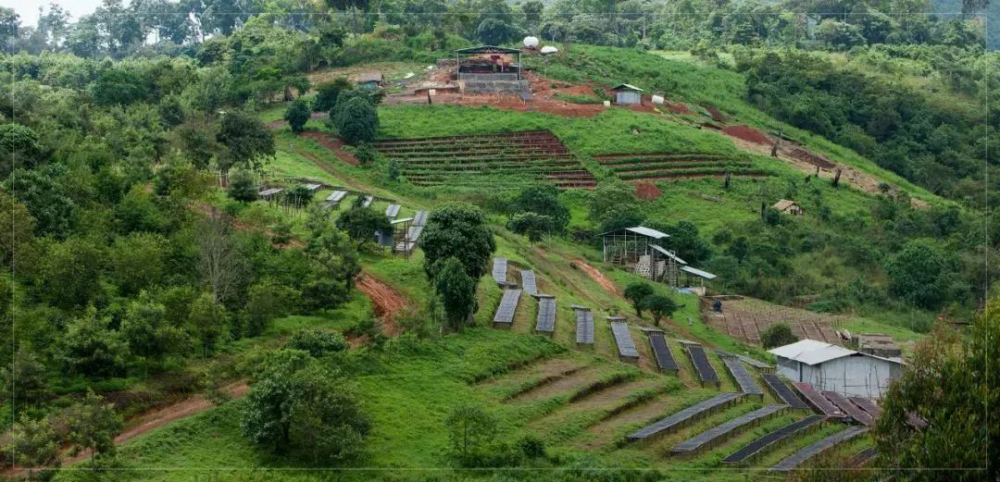
In Ethiopia, there are almost no large estates or estate grading systems. After Willem Boot and Adam discovered the Gesha forest, they decided to transplant Hacienda La Esmeralda's operational model, making Gesha Village Ethiopia's first coffee estate. Their approach was: each lot corresponds to a label, all traceable to detailed information about that batch of beans, and they implement a strict grading system: auction, gold, red, green, and chaka lots.
Because Gesha Village, like Panama's Hacienda La Esmeralda, has a strict grading system, and both are named after the colors of their brand labels after entering the domestic market, many consumers confuse the products of the two estates, with the most frequently confused being the two estates' Red Label and Green Label Geisha.
Taking the Green Label as an example, the Hacienda La Esmeralda Green Label that Front Street Coffee sourced is a washed lot. Currently, Hacienda La Esmeralda defines "Green Label" as Geisha coffee grown at altitudes between 1600 and 1800 meters, mainly from different lots across the estate's three farms: Jaramillo, Cañas Verdes, and El Velo, carrying the classic Panama Geisha character.

Gesha Village's Green Label lot refers to lots from a single parcel of the Gesha Village estate and of a single variety. Many Ethiopian coffee beans cannot provide detailed varietal information, but this Green Label can be traced back to the growing parcel, coffee variety, and processing method. For Gesha Village Green Label, Front Street Coffee also previously sourced a natural lot and used a medium-light roast to highlight its floral and fruity notes.
Gesha Village Natural
FrontStreet Coffee's Gesha Village coffee is naturally processed. First, floating debris and impurities are removed, then the cherries are sun-dried in thin layers on African raised beds covered with plastic sheeting. When using drying beds, they are sorted again to remove insect-damaged beans and greenish beans. The total drying time is 18 to 30 days. Front Street believes that naturally processed coffee has pronounced sweetness, soft acidity, and produces complex fruity flavor profiles.
Those familiar with the Geisha story should know that the Geisha planted at Hacienda La Esmeralda is only one variety, namely a fungal-resistant variety once recorded as "geisha T2722." Gesha Village's Geisha, however, comprises two varieties: one is the Gori Gesha variety—Front Street's Gesha Village Green Label is the Gori Gesha variety, named after the forest where it was discovered; the other is Gesha 1931, signifying the year 1931 when Geisha was discovered—Front Street's Gold Label Geisha is precisely this variety.
To more clearly identify the differences between the two, Front Street conducted a cupping comparison between Panama Green Label Geisha coffee and Gesha Village Green Label Geisha. First, grind 11.3 grams of each of these two Green Label coffees separately, pour in water at 94 degrees, and within these four minutes you can smell the wet aroma of the coffee grounds. After four minutes, break the crust, skim, and begin tasting.

Through comparison, Front Street found that Gesha Village Green Label and Hacienda La Esmeralda Green Label are not very similar, even presenting completely different style profiles. Hacienda La Esmeralda's washed Green Label Geisha has excellent cleanliness, no off-flavors whatsoever, a very smooth mouthfeel, and flavors that lean more toward white florals, blueberry, lemon, tea-like notes, and especially prominent honey and brown sugar sweetness.
Gesha Village's Green Label Geisha coffee, on the other hand, leans more toward candied fruit and raspberry flavors. Besides intense berry aromas, it also has bright acidity of cherry and citrus, with a lingering finish of light florals and black tea in the mouth.
The above content is compiled by CoffeeHunters, a coffee news website.


