







How Is Mavis Bank Blue Mountain Coffee Produced?
Mavis Bank Blue Mountain No. 1 is Jamaica's signature coffee, processed at a facility about 10 miles northeast of Kingston inside the legally defined Blue Mountain growing area. The Munn family has run it since 1885, and Victor Munn built the current plant in 1920. No. 1 grade requires a 17/18 screen size and a defect rate below 2 percent.
Cherries are harvested ripe, washed, sun-dried, rested, and hulled, and the plant gathers beans from single farms and smallholders across terrain averaging 900 to 1,600 meters. Altitude, afternoon cloud shade, sunlight, and mineral-rich soil slow ripening. As coffee from the Caribbean, it is usually roasted medium-dark, giving nut, chocolate, and caramel notes in the cup.
Blue Mountain coffee is Jamaica's most iconic coffee calling card, and Mavis Bank is a pivotal green bean processing facility in this producing region. This article begins with Mavis Bank's geographic location and historical evolution, tracing the Munn family's over a century of operation, and extends to the terroir conditions of the legally designated Blue Mountain producing area. It then details the complete processing chain from harvesting ripe cherries to washing, sun-drying, resting, and hulling, as well as the No.1 grade standard of 17/18 screen size and a defect rate below 2%. Finally, it covers the medium-dark roast expression of Front Street Blue Mountain No.1 coffee beans, bringing out flavor impressions of nuts, chocolate, and caramel.
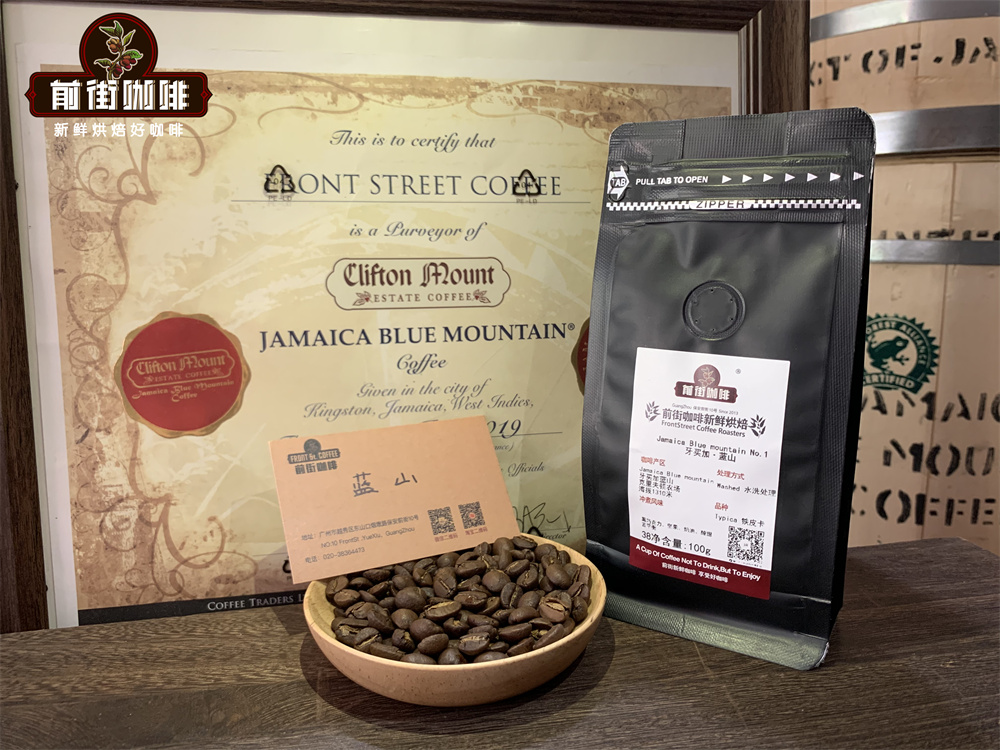
Jamaica Mavis Bank Blue Mountain No.1 Jamaica Mavis Bank Blue Mountain NO.1 Front Street Blue Mountain No.1 Coffee Beans
Mavis Bank is located within the legally designated Blue Mountain No.1 coffee producing area defined by the Jamaican government, and is also one of the green bean processing facilities officially certified by Jamaica. It is situated approximately 10 miles northeast of the capital, Kingston, and has been continuously operated by the Munn Family since 1885.
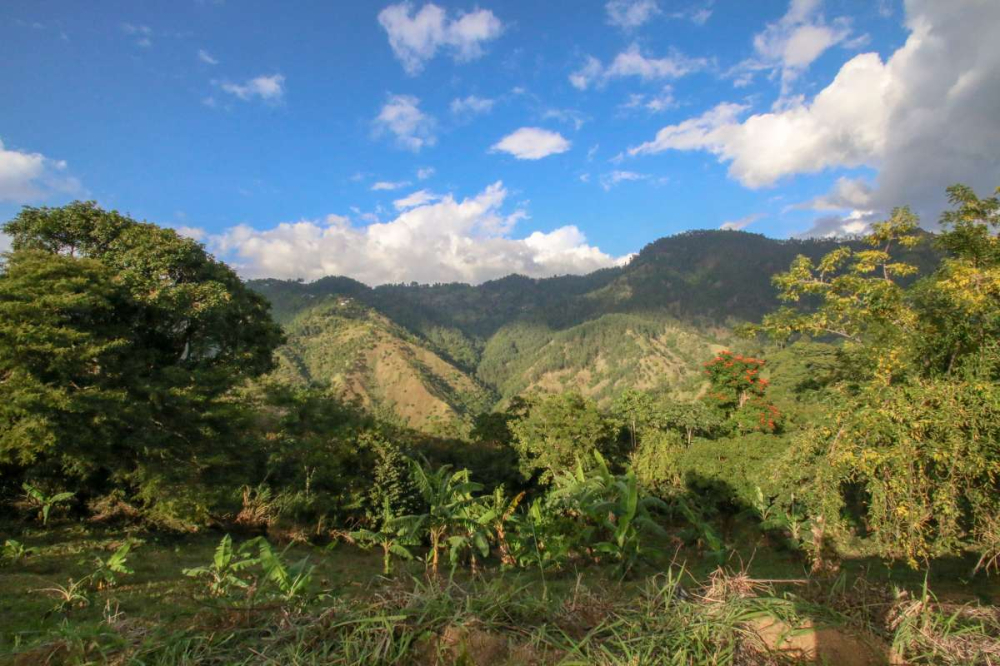
The Munn family first cultivated coffee in the Strawberry Hill area on the western side of the Blue Mountains, and was responsible for processing the coffee cherries after harvest. In 1920, Victor Munn established the Mavis Bank processing facility as we see it today, after which his nephew Keble Munn took over management. Keble was not only an agricultural operator but also Jamaica's first certified cupper. Today, Mavis Bank has become Jamaica's largest coffee collection and distribution hub. To ensure quality, the processing facility gathers green beans produced by single farms or smallholders within specific Blue Mountain producing areas. The coffee cultivation and processing areas are distributed across mountainous terrain at an average elevation of 900 to 1,600 meters. The ample altitude, the forest shade brought by gentle afternoon clouds, abundant sunlight, and mineral-rich soil together create an ideal growing environment for coffee trees, and also allow the coffee cherries to ripen more slowly.
Front Street Blue Mountain No.1 coffee also comes from Jamaica's legally designated Blue Mountain coffee area, which is shrouded year-round in blue mist, giving the Blue Mountains their name. The Blue Mountain producing area is located in eastern Jamaica, stretching 45 kilometers lengthwise and 20 kilometers across, with a maximum elevation of 2,260 meters, making it the highest mountain range in the Caribbean. The Blue Mountain area is covered with well-drained, fertile soil, which is ideal for coffee cultivation.
In the green bean processing stage, only ripe red cherries are picked, followed by manual hand sorting and the elimination of floating cherries—these are the most basic requirements. Farmers send the selected coffee cherries to another washing station for a second round of elimination, and complete depulping before evening. The cherries are then placed in large tanks, where any over-fermented, underripe, or insect-damaged fruits are carefully removed before entering the mucilage removal process. After mucilage removal, the parchment beans are spread on cement slabs for 5 days of sun-drying, then bagged and stored to rest for at least 10 weeks. Finally, after hulling, the green beans must undergo another round of manual defect removal.
This batch strictly selects No.1 grade beans with a screen size of 17/18 and a defect rate below 2%. Front Street Blue Mountain No.1 coffee beans are medium-dark roasted, with a rich nutty walnut aroma; the black coffee brewed has a chocolate and caramel-like sweet aftertaste, making it very pleasant to drink. If you want to brew the same flavor at home, you can place an order yourself at the "FrontStreet Coffee Tmall Flagship Store."
The above content is compiled by CoffeeHunters, a coffee news website.


