







Search Results for: Cross-Industry Marketing

Major brands are rushing into the coffee arena. Is this a new market opportunity or just a fleeting internet-famous fad?
In recent years, the coffee market has continued to expand, yet competitive pressure within the industry has also intensified. As the number of coffee shops surges, well-known companies such as Sinopec, Huawei, China Post, and Li-Ning have all made cross-industry forays into the coffee business, and the Weizhi Group behind Gold Roast cereal has also increased its investment. Some see this as a reflection of consumption upgrading, while others worry that a stampede of big brands into cross-industry ventures will ultimately end in a mess. Is cross-industry coffee a rational choice that follows market logic, or merely short-term marketing sustained by novelty alone? This article analyzes market data, brand advantages, and industry barriers to explore whether cross-industry coffee can shake off the label of "short-lived internet celebrity." [more…]
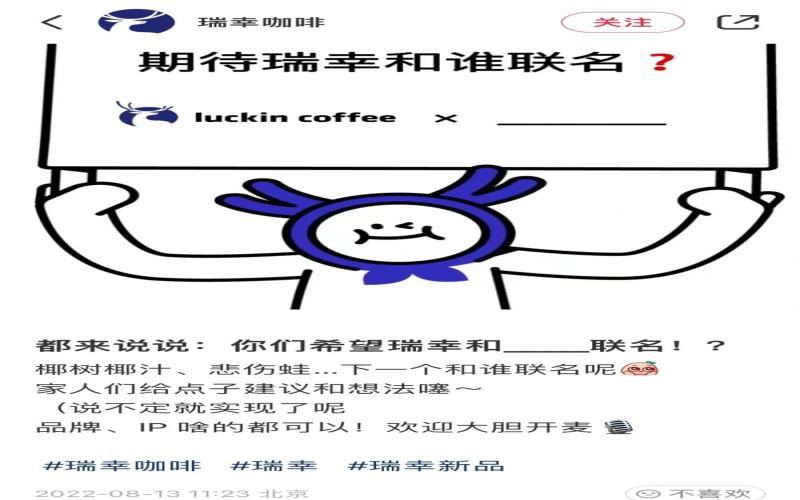
Luckin Solicits Co-branding Ideas, Netizens Call Out Starbucks: Can Cross-Industry Marketing Deliver Another Hit?
Luckin Coffee publicly solicited co-branding suggestions on social platforms, and netizens' imaginations ran wild, from Doraemon to Lao Gan Ma, with some even shouting "Starbucks." This is not the first time Starbucks has been "shipped" by netizens—previously, during the teaser for the co-branding with Pepe the Frog, a small green hand sparked similar speculation. Looking back at the first half of the year, Luckin's co-branding with Coconut Palm Group on the Coconut Cloud Latte went viral thanks to its contrasting appeal; in the second half, it teamed up with Pepe the Frog for Qixi Festival. Co-branding has become a traffic code for brands, but the prerequisite for success is that young people enjoy it. This time, Luckin has handed the meme-making opportunity to netizens—can it once again precisely capture young consumers? [more…]

Selling Coffee in a Herbal Tea Shop: The Most Impactful Cross-Industry Marketing Phenomenon in the Coffee Industry in 2023
In 2023, a highly impactful marketing approach emerged in the coffee industry—selling coffee inside herbal tea shops. In Guangdong, dampness and internal heat are everyday anxieties that elders constantly bring up, yet young people's demand for coffee has never diminished because of this. Thus, the combination of setting up a bar and selling coffee inside herbal tea shops came into being, soothing the elders' concerns while satisfying coffee lovers' need for a pick-me-up. This article will analyze why this cross-industry combination precisely addresses the core pain points of Guangdong coffee drinkers, explore the trend of blending coffee shop styles with traditional Chinese medicine shops and herbal tea shops, analyze the potential risks of "incorporating medicine into coffee," and answer the question of whether drinking coffee really causes internal heat and heavy dampness. [more…]
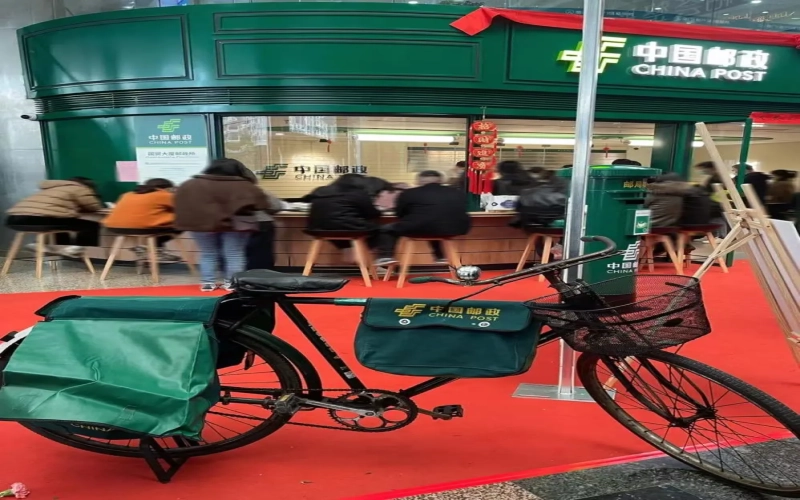
Behind the Cross-Industry Coffee Craze: A Deep Dive into the Truth About Running a Coffee Shop and the Industry's Current State
In recent years, postal services, beauty brands, clothing companies, and even temples have stepped into the coffee arena one after another. Cross-industry coffee shops have become the norm, yet they frequently spark controversy. Some question whether these outsiders will drag down coffee quality—but is that really true? This article approaches the issue from the perspectives of consumer demand, industry ecosystem, and brand marketing to analyze the real impact of cross-industry coffee ventures, and to explore the harsh realities of running a coffee shop and its future path forward. Whether you are a coffee professional or an enthusiast, you can gain a rational understanding of the coffee industry's current state and learn about the professional dedication of specialty brands like Front Street Coffee. [more…]
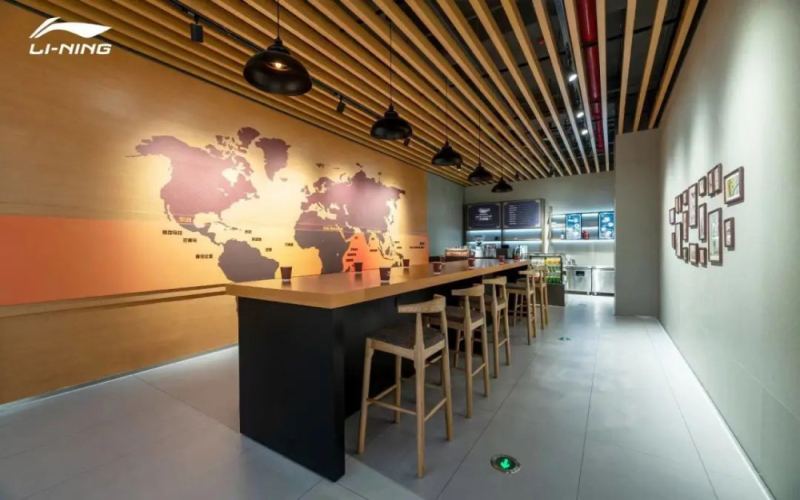
Behind the coffee crossover craze: Why are big brands rushing in, and how far can following the trend go?
In recent years, major brands across all industries have been venturing into the coffee sector—from the post office, Li-Ning, and Xtep to Naobaijin and Huawei, cross-industry coffee sales have become a trend. These brands don't truly intend to dig deep into the coffee track; rather, they are eyeing the youthful traffic and fashionable attributes that coffee naturally carries, using it to get closer to consumers. However, once the hype fades, can cross-industry players lacking a coffee gene continue to attract customers? The fierce competition in the coffee market and the mismatch of consumption scenarios make such attempts full of uncertainty. This article sorts out typical cases of cross-industry coffee, analyzes the marketing logic behind them, and explores the challenges and hidden concerns this model faces. [more…]
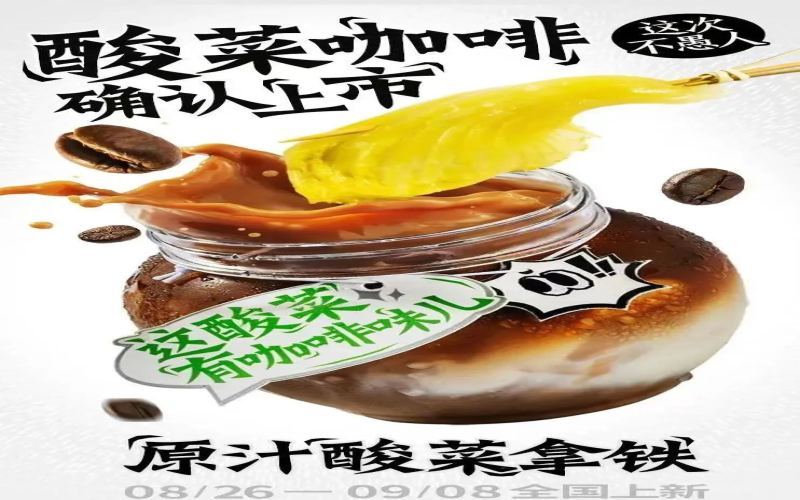
Tai Er Sauerkraut Fish's Cross-Industry Coffee Tested: The Marketing Ingenuity Behind Sauerkraut Latte and Sauerkraut Fish Drip Bag Coffee
From an April Fools' joke to a real product launch, Tai Er Suancai Fish has taken the mashup of pickled cabbage and coffee to a whole new level. Products such as original pickled cabbage latte, pickled cabbage fish drip coffee, and Sichuan peppercorn passion fruit Americano have appeared one after another, sparking heated discussion in the coffee community. How do these wildly imaginative crossover drinks actually taste? Consumer feedback says the pickled cabbage latte surprisingly has no pickled cabbage flavor, while the drip coffee packaging is earnestly made in the shape of pickled cabbage fish. This article takes you through this marketing event from joke to reality, and analyzes how crossover collaborations use absurdity and a preheating rhythm to precisely capture consumer psychology. Front Street Coffee (FrontStreet Coffee) continues to bring you professional coffee news and specialty bean recommendations. [more…]
Lele Tea Enters the Coffee Arena: Can Doudou Le Become the Next Big Hit?
In recent years, domestic demand for coffee has continued to climb, attracting many brands to enter the fray across industry lines. New-style tea drink brand Lelecha has also launched an independent coffee brand—Doudoule—and opened its first store in Shanghai. Previously, tea drink brands such as Naixue Tea had already stepped into the coffee sector, and the integration of tea drinks and coffee is becoming a new industry trend. Doudoule continues Lelecha's strict quality requirements, launching products such as the Dirty series coffee, priced at 15-28 yuan. At the same time, Lelecha is continually closing the distance with young consumers through cross-industry marketing. This article will provide an in-depth analysis of Doudoule's features, market strategy, and the challenges it faces, and explore the prospects for tea drink brands expanding into coffee. [more…]

Fenbid joins forces with TPLUS Teahouse to launch a pop-up milk tea, netizens question: is there actually ibuprofen in the cup?
The painkiller brand Fenbid teamed up with TPLUS Tea House to open a milk tea pop-up store, launching the "Don't Endure the Night, Sweet Tea," but the cross-industry move by a pharmaceutical brand into food sparked heated debate among netizens. Some worried it could mislead consumers, while others questioned whether it was false advertising. Although the officials clarified that the drinks contain no medicinal ingredients, the controversy did not subside. Is this collaboration a warm-hearted marketing move or a brand overstepping its bounds? And where exactly lies the boundary for cross-industry partnerships? [more…]
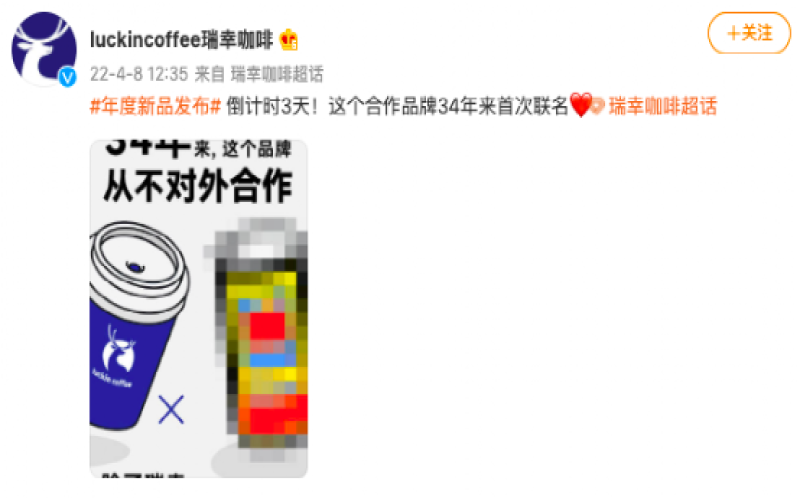
Luckin Coffee's collaboration with Coconut Palm goes for a rustic vibe, while Heytea teams up with Hiroshi Fujiwara for a trendy take—which of the two brands better understands young people?
Luckin Coffee's collaboration with Coconut Palm coconut juice successfully broke through with its rustic packaging, while Heytea chose to collaborate with Japanese streetwear godfather Hiroshi Fujiwara for a minimalist, dark aesthetic. Both are cross-industry collaborations—one takes a down-to-earth, rustic route, the other focuses on street fashion—reflecting the two brands' different strategies for competing over young consumers. This article analyzes the packaging design, marketing tactics, and visual color schemes behind these two collaborations, and explores whether Luckin's competitor has shifted from Starbucks to the milk tea circle. For coffee lovers, whether it's rustic or trendy, tasting good is what matters most—Front Street Coffee always selects quality coffee beans for you. [more…]
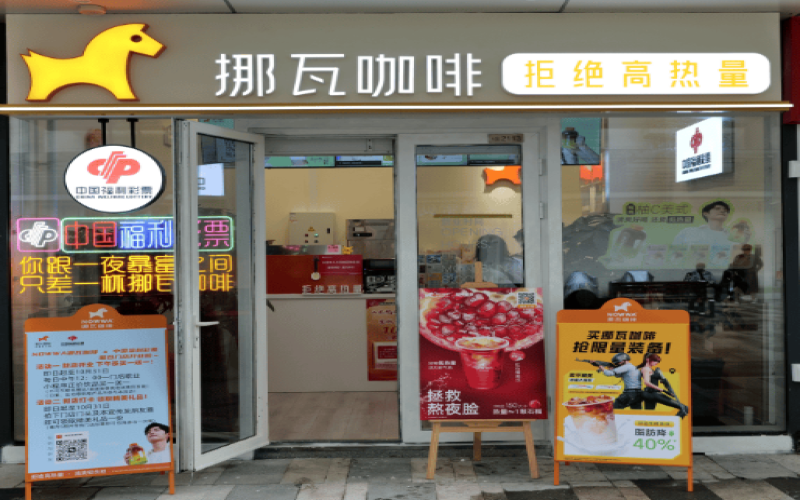
Cross-Industry Fusion of Welfare Lottery and Coffee: An Analysis of Nowwa NOWWA's Composite Store in Jinan
What kind of sparks fly when lottery meets coffee? In Jinan, Shandong, Nowwa Coffee has opened a "Welfare Lottery + Coffee" hybrid store, cleverly combining lottery products such as scratch cards and Double Color Ball with beverages like coffee and light milk tea. This grab-and-go store not only continues the brand's signature orange pony element, but also draws in customers of different age groups through lottery traffic. Back in April this year, Nowwa Coffee launched a custom "Pony Scratch Card," which drove a 63% month-on-month increase in sales of its gallon-sized buckets. Can this deep cooperation with the Welfare Lottery become a breakthrough move in the fierce competition of the tea beverage market? Let's take a closer look. [more…]
Starbucks Establishes Fashion and Beauty Division, Coffee Giant's Cross-Industry Move Sparks Heated Discussion
Coffee chain giant Starbucks recently announced an unexpected strategic move—formally establishing a fashion and beauty division, and hiring beauty industry veteran Neiv Toledano as head of brand launch. This action is not a spur-of-the-moment decision; previously, Starbucks launched co-branded products with cosmetics brands such as Kylie Cosmetics and Stonebrick, which received a good market response. As soon as the news broke, netizens' imaginations ran wild, offering suggestions for Starbucks' beauty products, from coffee grounds scrubs to mocha eyeliners, sparking lively discussion. At the same time, some voices expressed concern that frontline employees may face more sales tasks in the future. This article will sort out the ins and outs of Starbucks' crossover into beauty and the reactions from all sides. [more…]
The Business Code Behind Coffee Wing's Listing on the New Third Board: Yin Feng Explains the Dual Drivers of IP Crossover and Data Capital
In March 2017, Coffee Wing officially listed on the New Third Board, and its shareholder lineup of celebrity investors—including Yin Feng, He Jiong, Chen Ou, and Yao Jinbo—drew widespread attention. As a benchmark case of cross-industry dining, what exactly has enabled Coffee Wing to achieve sustained growth? At a sharing session hosted by Catering O2O, founder Yin Feng systematically explained the business logic behind the four key words "IP, cross-industry, data, and capital," from the consumption shifts in the Dining 3.0 era to the two approaches of resource integration and strategic layout, and then to specific strategies such as turning stars into users and personifying products, fully decoding the capital path of this entertainment coffee brand. [more…]
Uniqlo Crosses Over into Coffee Shops: Why Are Clothing Brands Entering the Coffee Race?
Uniqlo has opened its first café, "UNIQLO COFFEE," on the top floor of its flagship store in Ginza, Tokyo, marking yet another well-known clothing brand's foray into the coffee sector. From luxury giant LVMH to streetwear label MARNI, brands of all kinds are rushing into the coffee arena, making the industry's competitive landscape increasingly diverse. This article will walk you through the specifics of Uniqlo's café, analyze the business logic behind跨界 coffee shops, and explore the impact this trend is having on the coffee industry. [more…]

Tea Brand Crosses Over into Micro Short Dramas: Chagee Explores a New Path for Cultural Marketing Through Time-Travel Plots
In 2024, micro-dramas continued to heat up, becoming a new favorite in brand marketing thanks to their concise storytelling format and efficient传播力. After leading tea beverage brands such as Starbucks and Mixue Bingcheng entered the fray one after another, Chagee also launched a time-travel micro-drama featuring the Ming dynasty traveler Xu Xiake as the protagonist, cleverly integrating tea drinks, cultural tourism, and micro-dramas. After its release, the drama not only received widespread praise from netizens but also drove a significant rise in the brand's WeChat index. This article will analyze the highlights and insights of Chagee's cross-industry attempt from multiple angles, including plot content, marketing strategy, and communication data, and explore new opportunities for the new tea beverage industry in the field of cultural dissemination. [more…]
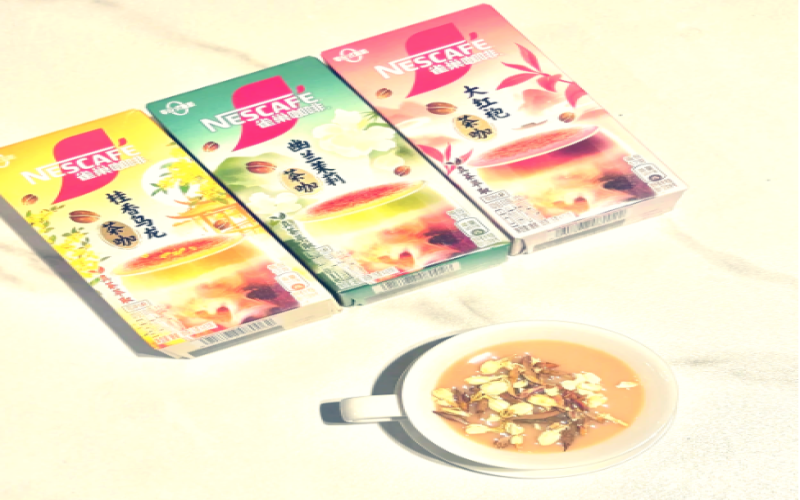
Nestlé Enters the Tea-Coffee Arena with an Onmyoji Collaboration: Can Three New Products Crack the Youth Market?
Currently, China's beverage industry is witnessing an intriguing cross-boundary phenomenon: tea drink companies want to enter the coffee sector, while coffee companies try to grab a share of the milk tea market. At the intersection of tea and coffee, a new category is being born—tea-coffee. As a global coffee industry giant, Nestlé, facing pressures such as the continuous contraction of the instant coffee market and brand aging, launched a special tea-coffee series in July this year, featuring three flavors: orchid jasmine, osmanthus oolong, and da hong pao. Three months after its launch, Nestlé teamed up with the Onmyoji mobile game for cross-boundary marketing, attempting to extend from young people's first cup of coffee to their first piece of merchandise. How has the market responded to this drink that combines caffeine and tea polyphenols? And why has the co-branded merchandise received such high praise? This article provides a detailed analysis. [more…]
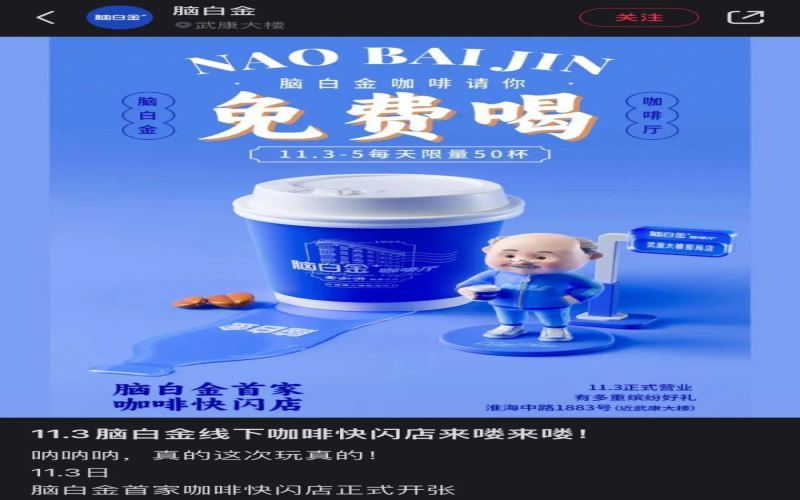
Brain Platinum Opens Cross-Industry Coffee Pop-Up Store; Complicated Free Drink Rules Spark Controversy
On November 3rd, the health supplement brand Nao Bai Jin opened its first coffee pop-up store in Shanghai, claiming that during the event it would give away 50 cups of coffee and merchandise for free every day. However, this cross-industry attempt sparked dissatisfaction among participants due to complicated rules, chaotic on-site management, and staff treating people differently. Some netizens complained that without multiple social media apps, there was no chance of getting free coffee. In addition, the so-called "Nao Bai Jin Latte" was criticized as being just an ordinary latte with no special additions. Nao Bai Jin tried to leverage the popularity of the coffee sector to attract young consumers, but the event lacked highlights and its effectiveness is questionable. [more…]
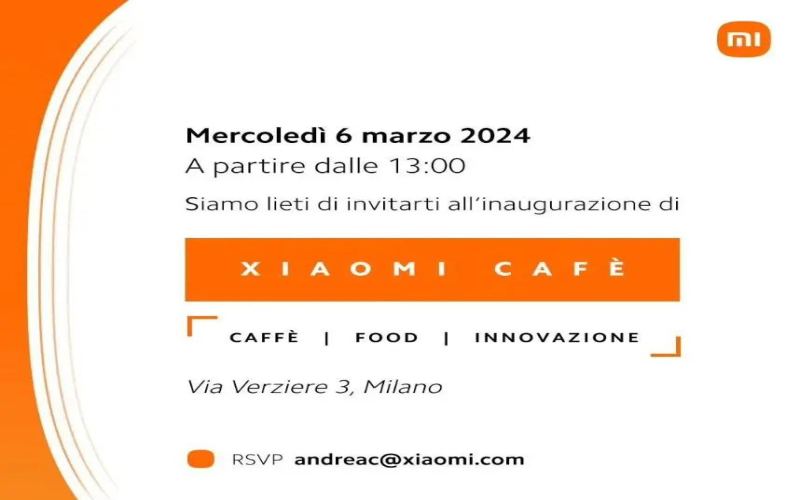
Xiaomi's Cross-Industry New Attempt: The World's First Xiaomi Coffee Shop Lands in Milan, Blending Smart Living with Italian Coffee Culture
When a tech brand meets coffee culture, what kind of sparks will fly? Xiaomi has opened its first global Xiaomi coffee shop in Milan, Italy. This space, named Xiaomi Cafe, not only offers coffee, light meals, and aperitifs, but also integrates Xiaomi's smart ecosystem into real home scenarios, allowing consumers to experience products in a relaxed atmosphere. From phones to cars, and now to coffee, Xiaomi's cross-industry strides are growing ever bolder. Is this café a new window for brand display, or a concrete expression of an intelligent lifestyle? Let's find out. [more…]
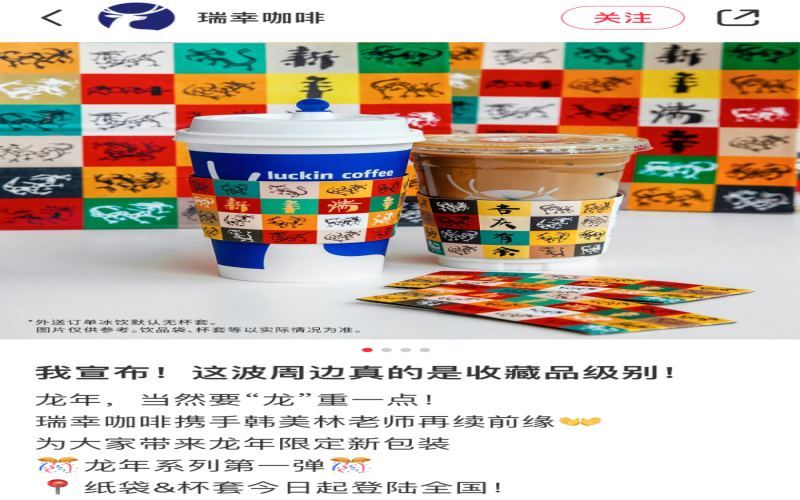
Luckin Coffee's zero-yuan merchandise ignites a crafting craze, as turning paper bags into limited-edition Year of the Dragon items becomes a new trend.
Co-branding between chain brands has long become commonplace, yet Luckin Coffee's frequent moves in co-branded marketing still turn heads. From cross-industry collaborations to routine co-branding, Luckin has consistently demonstrated keen market instincts and creative capabilities. On January 22, Luckin joined hands with artist Han Meilin for a second time to launch Year of the Dragon limited-edition co-branded merchandise, with paper bags and cup sleeves rolling out nationwide. Subsequently, Luckin officially launched the call "Every generation has its own merch makeover frenzy" on Xiaohongshu, sparking a creative carnival among Luckin's craftspeople. From pen holders and picture frames to oracle bone script mahjong and Chinese-style oil-paper umbrellas, netizens transformed free merchandise into works of art brimming with ingenuity. This article will take you through the highlights of this zero-cost DIY merch craze, letting you feel the creative vitality that comes from brand-consumer interaction. [more…]
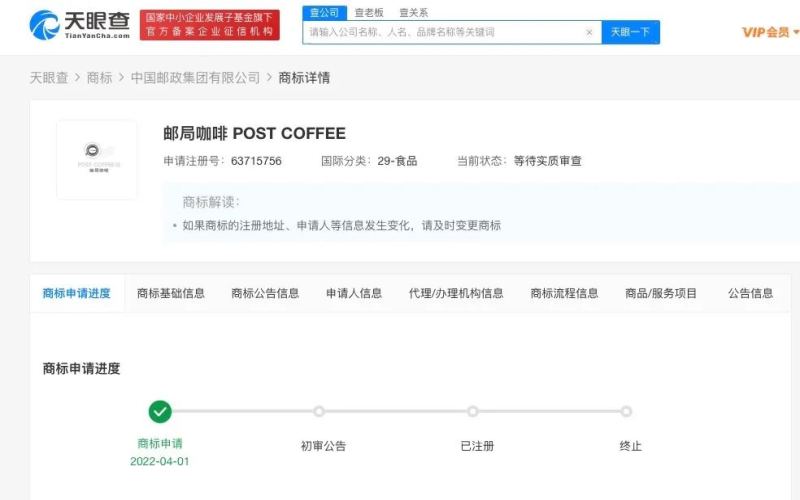
China Post's Coffee Trademark Application Rejected: An Analysis of China Post's Cross-Industry Layout and the Industry Boom
China Post's application for the "邮局咖啡 POST COFFEE" trademark was recently rejected, sparking widespread attention. Since the first store opened in Xiamen in February 2022, Post Coffee has expanded to four cities—Xiamen, Nanjing, Quanzhou, and Beijing—with six stores, focusing on a blend of postal nostalgia and cultural creativity. The co-founder had planned to open a hundred stores by the end of the year, but the trademark registration setback has led to widespread discussion online. Meanwhile, giants from various industries such as Li-Ning, Xtep, Tongrentang, and East Buy have entered the coffee sector. What are the prospects for cross-industry coffee ventures? This article reviews Post Coffee's expansion journey, product features, and trademark controversy, and takes stock of cross-industry dynamics in the industry. [more…]
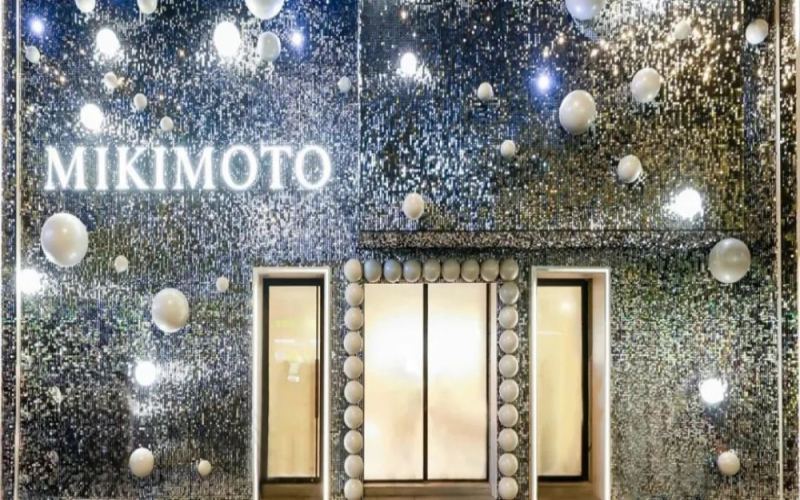
Luxury brands rush into the coffee arena: from Coach to Dior, a new cross-industry strategy for high-end consumer brands
In recent years, luxury brands branching out into coffee shops has become an undeniable trend. From Vivienne Westwood to Coach, from Dior to Tiffany, numerous high-end consumer brands have opened cafés or launched limited-time pop-ups in cities such as Shanghai and Beijing. These venues sell themselves on exquisite décor, branded-logo tableware, and photogenic desserts, with prices ranging from twenty yuan to over a hundred, attempting to close the distance with the general public through a cup of coffee. Yet consumer reviews are mixed: some find it worth the money, while others see the products as perfunctory and the pricing as artificially inflated. This article will examine the market logic and consumer response behind this phenomenon. [more…]