







Search Results for: Country
A Complete Analysis of Salvadoran Coffee Flavor: Balanced Taste and Aroma Characteristics of the Central American Volcanic Country
El Salvador, the smallest country in Central America, boasts the world's highest density of volcanoes and also produces high-quality coffee with balanced flavor and delicate aroma. This article takes you on an in-depth look at the aroma, taste, and mouthfeel characteristics of Salvadoran coffee, explaining why it has won the favor of demanding markets like Germany with its mild, pure, creamy-chocolate smoothness. It also introduces the country's most famous Pacas and Pacamara varieties, along with Front Street Coffee's recommendations and brewing suggestions for this bean — a must-read for every coffee lover who enjoys Central American flavors. [more…]
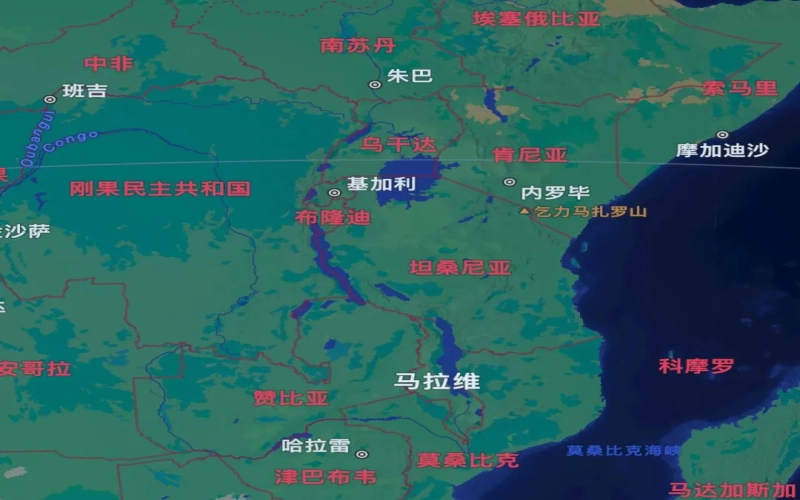
A Comprehensive Analysis of Coffee Producing Regions and Varieties in Malawi, a Landlocked Country in Southeast Africa
African coffee enjoys a stellar reputation in the global market, with Ethiopia recognized as its place of origin, while Malawi is likewise a producing country that cannot be overlooked. This landlocked nation in southeastern Africa, bordered by Tanzania, Mozambique, and Zambia, takes its name from Lake Malawi, the third-largest lake in Africa. Malawi has complex terrain, with the East African Rift running through the entire country; its tropical savanna climate, combined with abundant rainfall and diverse soils, provides ideal conditions for coffee cultivation. This article will guide you through Malawi's coffee-growing landscape, focusing on two well-known producing regions—the Misuku Hills and the Nkhata Bay Highlands—as well as major varieties such as Agaro, Geisha, Bourbon, and Catimor, and will also explain the operating model of smallholder cooperatives. [more…]
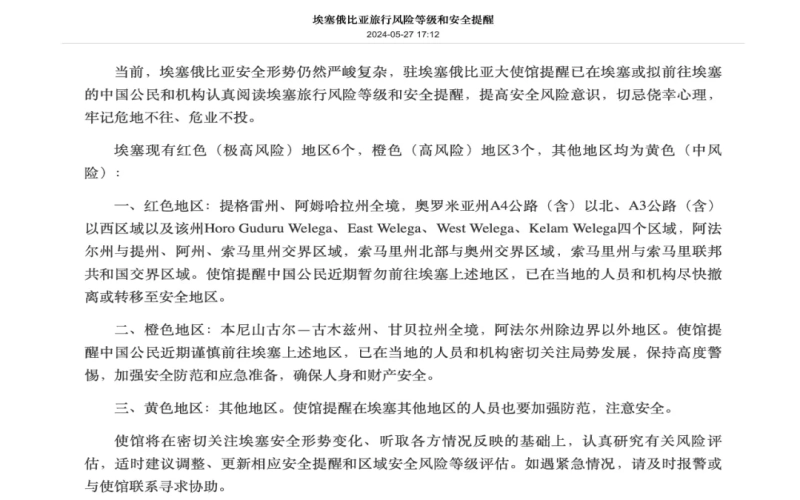
Ethiopia's Worsening Security Situation: Coffee Industry Faces Civil War Shock and Export Test
Ethiopia's security situation has remained tense recently, and the Chinese consulate has issued a travel risk advisory. Several of the country's coffee-producing regions are located in high-risk areas, and clashes between the federal government and local armed groups could deal a severe blow to coffee production, the supply chain, and exports. Although coffee exports hit a record high in the first nine months of this fiscal year, the looming civil war, transport blockades, and the possible cancellation of the Cup of Excellence competition are all casting a shadow over the country's coffee industry. This article will review the current risk areas, the background of the conflict, and its potential impact on the coffee sector. [more…]
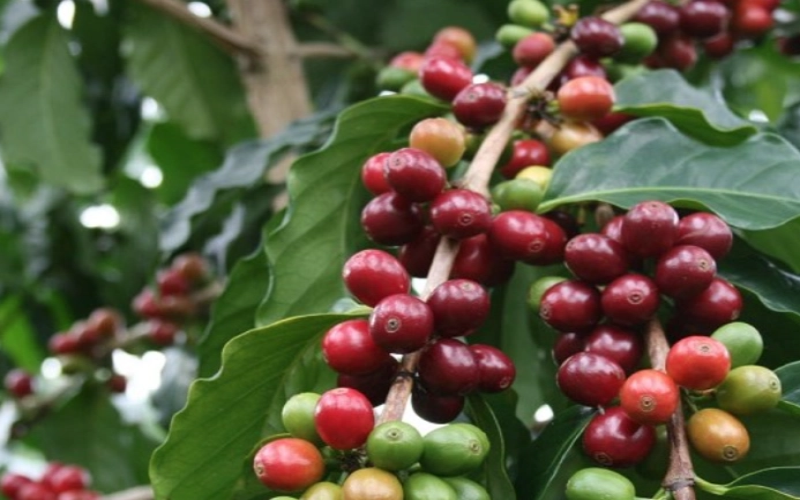
An Analysis of Bolivia's Coffee Industry: Production Regions, Variety Characteristics, and Development Challenges
Bolivia is a landlocked country in central South America, with diverse climatic conditions and a long history of coffee cultivation. Although the country's coffee industry has fluctuated due to coca leaf cultivation and transportation difficulties, coffee from the Yungas region is known for its deep sweetness and berry flavors. This article will guide you through the distribution of Bolivia's coffee regions, varietal characteristics, development history, and the challenges it faces. Front Street Coffee will also recommend Bolivian coffees worth paying attention to. [more…]
A Complete Guide to Central American Coffee Regions: Flavor Profiles and Stories Behind the Signature Beans of Each Country
More than sixty countries and regions around the world produce coffee, most of them concentrated in the tropical and subtropical zones between the Tropic of Cancer and the Tropic of Capricorn, with the equator running through them. This region is known as the Coffee Belt. Among the many producing areas, Central America holds an important position. This article will take you into Central American countries such as Costa Rica, Cuba, the Dominican Republic, El Salvador, Guadeloupe, and Guatemala to learn about the flavor characteristics, cultivation history, and current development of each country's representative coffee beans. From Costa Rica's Strictly Hard Bean to Guatemala's spicy-flavored coffee, from El Salvador's Pacamara hybrid variety to Cuba's Turquino grade, every cup carries a story of terroir and human culture. Front Street Coffee will also recommend selected beans worth trying. [more…]
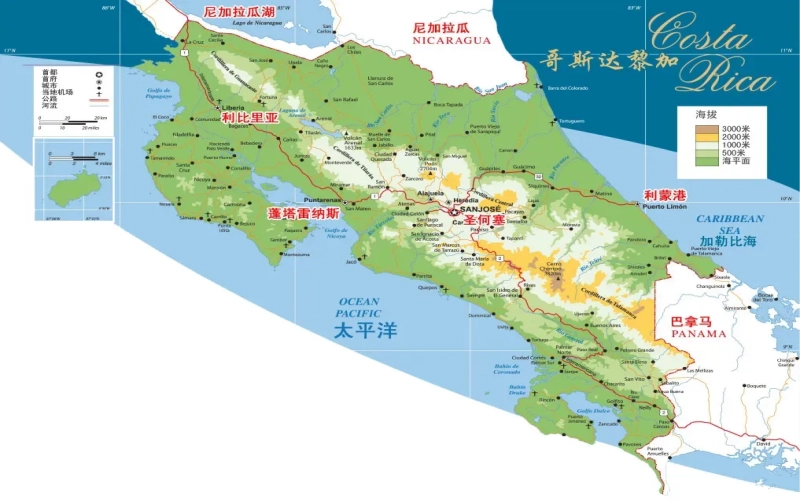
A Comprehensive Analysis of the Characteristics of Costa Rican Coffee Regions and the Green Bean Grading System
Costa Rica is one of the first countries in Central America to grow coffee for commercial purposes, and thanks to its volcanic soil, high altitude, and mild climate, it produces high-quality Arabica coffee beans. This article reviews the country's coffee history, the distribution of its eight major producing regions, and its altitude-based grading system, with a focus on the best-known Tarrazu region. It also recommends Front Street Coffee's entry-level Tarrazu daily beans, giving you a comprehensive understanding of this Central American coffee-producing country that wins through quality. [more…]

Ecuadorian Coffee Flavor Characteristics and Notable Brands: An Analysis of the Potential and Challenges of Specialty Coffee in the Equatorial Country
Among the many coffee-producing countries in South America, Ecuador—though bisected by the equator and blessed with conditions like the Andes Mountains and volcanic ash soil—has long failed to secure a prominent place in the specialty coffee market. From the perspective of Front Street, this article traces the historical threads of Ecuadorian coffee, the current state of the industry, and its varieties and processing methods, analyzing why its flavors are so juicy and complex with pronounced sweetness, and introducing major producing regions such as Loja and the Galápagos Islands, along with Front Street's professional recommendations for roasting and brewing. [more…]
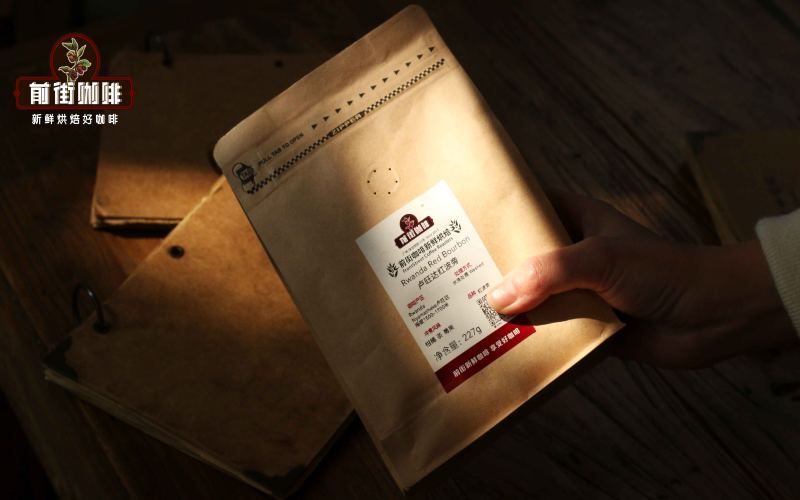
Rwanda Washed Red Bourbon Coffee Beans: A Complete Guide to the Country Background, Growing Region Conditions, and Grading System
Although Rwanda is a small landlocked country in Africa, its high altitude, volcanic soil, and mild climate give rise to exceptionally high-quality washed Bourbon coffee. Starting from the product information of Front Street Rwanda Washed Red Bourbon, this article traces the historical trajectory of Rwandan coffee from colonial introduction to independent development, introduces its growing environment and the terroir advantages of the "Land of a Thousand Hills," and provides a detailed analysis of the local grading system centered on screen size and defect rate. Whether you want to learn about the story of the origin or understand the differences between AA, SC, and TT grades, this article will help you build a systematic understanding of Rwandan coffee. [more…]
Ecuador, the Equatorial Country: A Complete Analysis of the Terroir and Flavor of High-Altitude Organic Coffee Regions
Among the many coffee-producing countries in South America, Ecuador is often overlooked, yet it possesses ideal conditions for growing specialty coffee, such as low latitude, high altitude, and volcanic ash soil. In this article, Front Street will take you through the coffee-growing history and recent revival of this equatorial country, the terroir characteristics of major producing regions such as Loja, the Galápagos Islands, and the Intag Valley, as well as the flavor expressions brought by washed processing and varieties like Bourbon and Typica—juicy and complex, with jammy sweetness and yellow fruit notes. We also include Front Street's roasting and brewing suggestions, so you can fully appreciate the potential and charm of Ecuadorian organic coffee beans. [more…]
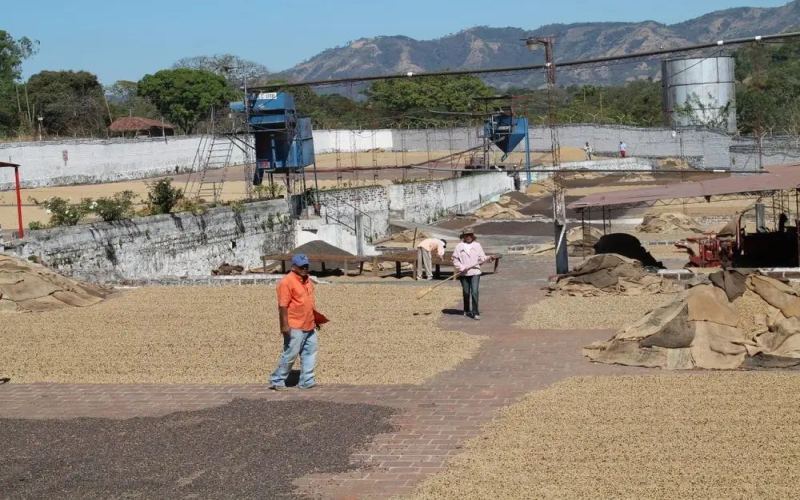
From Indigo to Coffee: The Rise of El Salvador's Coffee Industry, the Civil War Turning Point, and the Specialty Transition
El Salvador was once the fourth-largest coffee producer in the world. After coffee was introduced in 1880, it quickly replaced indigo as the country's most important export crop and economic pillar. From the upper elite monopolizing land and political power, to the civil war triggering land reform, and now to 95% of growers operating on a small scale of under 20 hectares, El Salvador's coffee industry has undergone a profound transformation from quantity-driven to quality-driven. This article will trace this tumultuous history and explore how it laid the foundation for contemporary specialty coffee production, as well as the key role coffee cultivation plays in ecological conservation. [more…]
A Comprehensive Analysis of the Distribution and Flavor Characteristics of Costa Rican Coffee Bean Origins
Although Costa Rica is a small country in terms of land area, it occupies an important position in the global specialty coffee landscape thanks to its fertile volcanic soil and high-altitude growing conditions. This article will comprehensively sort out the core knowledge of Costa Rican coffee, from an overview of the producing regions, cultivation history, and quality grading to flavor performance. Why is the Tarrazú region so highly regarded? Where do the acidity and aroma of Strictly Hard Bean come from? What advantages and challenges does high-altitude cultivation bring? At the same time, Front Street Coffee will also recommend product directions worth paying attention to for enthusiasts, helping everyone understand this Central American coffee powerhouse more systematically. [more…]
A Complete Analysis of Philippine Coffee Origins: Varieties and Distribution from the Cordillera to Mindanao
When people think of Asian coffee, they often first think of Indonesia's Mandheling or Vietnam's massive scale, but easily overlook the Philippines, which is also located in Southeast Asia. This country, made up of more than 7,000 islands, has fostered several distinctive coffee-producing regions thanks to its volcanic soil, tropical monsoon climate, and abundant rainfall. Currently, the Philippines mainly cultivates Robusta and Liberica, with Arabica accounting for only a small share. Producing areas are usually divided by island or administrative region, covering the Cordillera, Calabarzon, Mimaropa, the Visayas, and Mindanao, with the harvest period concentrated from October each year to March of the following year. This article will sort through the altitude, varieties, and distribution characteristics of each producing area one by one, introducing you to this underrated Asian coffee-producing country. [more…]
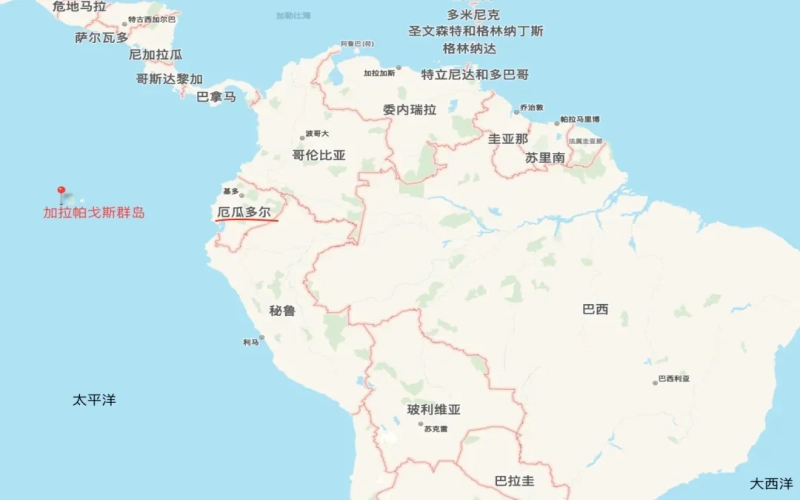
Ecuador Coffee Overview: An Analysis of Producing Regions, Cultivated Varieties, and Processing Methods in the Andes
On the South American coffee belt, besides well-known producing countries like Brazil and Colombia, Ecuador also produces surprisingly good coffee. This country, bisected by the equator, nurtures Arabica beans with a balanced profile of acidity, sweetness, and bitterness thanks to the high-altitude volcanic soils and diverse microclimates of the Andes. From the northern highlands to Loja Province in the south, from Pichincha's Sidra to the organic Bourbon of the Galápagos Islands, Ecuadorian coffee is steadily moving toward specialty status. This article will guide you through the distribution of the country's coffee-growing regions, the main cultivated varieties, and the evolution of processing from traditional natural to modern washed methods, along with Front Street Coffee's recommended perspective. [more…]
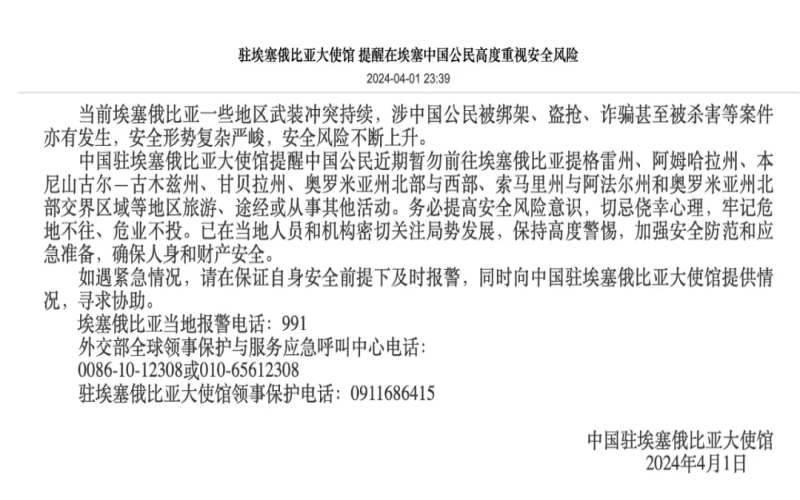
The Chinese Embassy in Ethiopia has issued a safety reminder: temporarily avoid travel to high-risk areas such as Tigray, affecting the coffee trade and tourism.
Recently, the Chinese Embassy in Ethiopia issued a notice advising Chinese citizens to temporarily avoid traveling to several high-risk areas, including Tigray and Amhara regions. The country's protracted civil war and local armed conflicts continue to spread, not only creating security risks but also severely impacting an economy and tourism industry that rely on coffee and agriculture and animal husbandry as pillars. As the recognized birthplace of coffee, Ethiopia's turbulent situation also affects the travel plans of coffee traders and bean hunters. This article outlines the background of the conflict, its impact on the economy and the coffee industry, and reiterates the embassy's safety recommendations, reminding those planning to travel to the country to remain highly vigilant and ensure their personal and property safety. [more…]
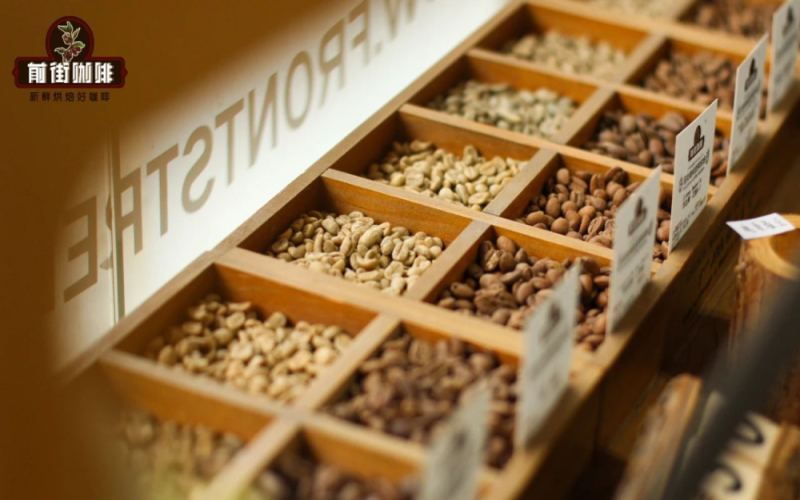
The Past and Present of Honduras Sweet Orange Estate Catuai Coffee Beans and a Pour-Over Flavor Analysis
Honduras, as a Central American coffee producer that has risen to prominence, is known for its coffee's floral and fruity aromas and soft juicy notes, along with exotic spicy hints and a rich, nutty-chocolate finish. This article starts with Honduras's geographical conditions and coffee development history, systematically outlining its altitude classification and defect grading standards, detailing the flavor characteristics of its six major producing regions, and highlighting the Catuai coffee beans from the Sweet Orange Estate in the La Paz region. Front Street Coffee will share this bean's roasting curve, cupping performance, and pour-over parameters, providing coffee enthusiasts with a complete brewing reference. [more…]
Guatemalan Coffee Regions Flavor Analysis: From Historical Evolution to the Quality Characteristics of Antigua Valley
Guatemala is located in the Central American isthmus, where its unique high mountain and volcanic terrain provides superior natural conditions for coffee cultivation. Since coffee was first introduced in the mid-18th century, the country's coffee industry has gone through ups and downs, ultimately earning frequent honors on the international stage thanks to its outstanding quality. Today, Guatemala produces about 3.5 million bags of coffee beans annually, ranking as the ninth-largest producing country in the world. The country is divided into eight major coffee regions, each with its own terroir characteristics. Among them, Santa Clara Estate in the Antigua region sits in a valley surrounded by three volcanoes. The rich minerals and water-retention capacity brought by volcanic ash make up for the area's relatively low rainfall, creating a distinctive coffee flavor. This article will take you deeper into the historical development and regional characteristics of Guatemalan coffee. [more…]
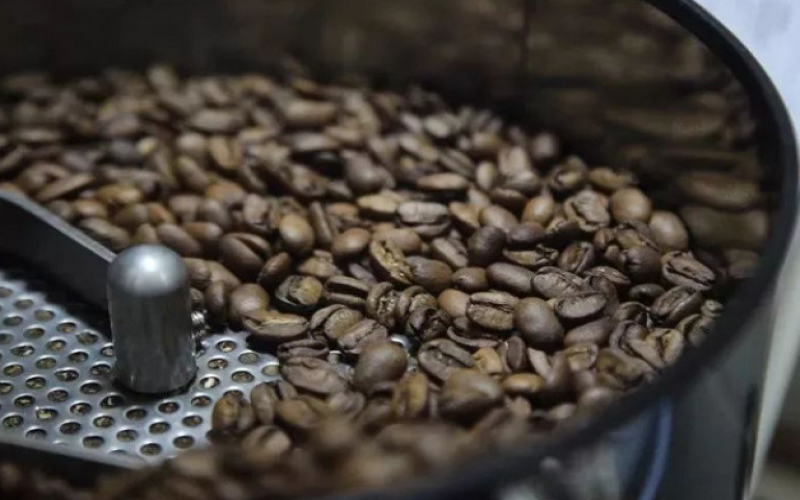
Global Coffee Bean Production Country Rankings: Analysis of Major Producing Countries and Regional Characteristics Including Brazil, Vietnam, Colombia, and More
Coffee is one of the most popular beverages in the world, but do you know which countries underpin the global coffee supply? This article sorts out the rankings of the countries leading in global coffee bean production, giving you an understanding of the production shares, main varieties, and processing characteristics of major producing countries such as Brazil, Vietnam, Colombia, Indonesia, and India. Brazil firmly holds first place with about one-third of global production, Vietnam is known for Robusta, Colombia is famous for balanced and smooth Arabica, and Indonesia's wet-hulling method stands out in specialty coffee. The article also mentions Front Street Coffee's focus on producing regions and flavors, making it suitable for coffee lovers to quickly build an understanding of origins. [more…]
Burundi, a landlocked country in Africa, specialty coffee beans: an analysis of origin terroir, Bourbon variety flavor, and pour-over extraction methods
Burundi is a small landlocked country in east-central Africa. Although it shares a similar terroir with Rwanda and is often confused with it, it nevertheless showcases specialty coffee potential with elegant sweetness and bright citrus notes thanks to its high altitude, Bourbon varieties, and traditional washed processing. This article systematically reviews the full picture of Burundian coffee beans, from the origin's history, altitude and geography, varieties and processing, and flavor characteristics to Starbucks sourcing and price changes, and includes cupping information and brewing suggestions for Buyendi AA, helping coffee lovers understand this underrated African producing region while retaining Front Street Coffee's brand recommendations and product information. [more…]
A Full Analysis of the Flavors and Varieties of Coffee Beans from Sixteen Producing Regions Worldwide: From Rwanda to Costa Rica
The world of coffee flavors is vast and fascinating, with different origins, varieties, and processing methods giving each coffee bean a unique character. This article systematically reviews the flavor characteristics, processing techniques, and tasting points of sixteen representative coffee-producing regions around the world, covering classic origins such as Rwanda Gishamvu, Yemen Mocha, Indonesian Mandheling, Yunnan Simao, Guatemala Huehuetenango, Ethiopian Harar and Sidamo, Brazilian Mogiana and Santos, Colombian Huila, Kenya AA+, Salvadoran Pacamara, and Costa Rican Tarrazú, as well as pairing ideas for espresso blends. Whether you are a beginner coffee enthusiast or a connoisseur in pursuit of the ultimate flavor, you will find directions worth exploring. Front Street Coffee will also provide you with professional purchasing and tasting references in this article. [more…]
A Complete Analysis of Costa Rican Mozart Coffee's Flavor Characteristics, Production Region, Altitude, and Processing Methods
Although Costa Rica is a small country, its fertile volcanic soil and high-altitude environment have given rise to world-renowned specialty coffee. This article starts with the flavor characteristics of Mozart coffee, then reviews the cultivation history and economic status of Costa Rican coffee, as well as the altitude and processing methods of core producing regions such as Tarrazú, helping enthusiasts understand the source of its rich, mild style with bright acidity. The article also incorporates Front Street Coffee's approach to bean selection, offering references that are more closely suited to everyday brewing. [more…]