







Search Results for: Cost Ratio

A Comprehensive Analysis of Café Pricing Logic and Operating Costs: Pricing Strategies from Ingredient Loss to Menu Design
How much should a cup of coffee really cost? Why are prices at independent cafés generally higher than those at chain brands? This article systematically sorts out the inner logic of coffee pricing from three dimensions: café positioning, menu design, and raw material cost control. It breaks down in detail the method for calculating the original price ratio, analyzes the cost ranges of espresso beans and milk, and uses a double shot as an example to estimate the raw material cost per cup. At the same time, it offers café operators practical advice on menu planning and material procurement, helping readers understand the real considerations behind independent cafés' pricing. [more…]

The Logic Behind Coffee Pricing: What Is the Cost of a Cup? Store Menu Pricing Formulas and Cost Control Strategies
Many consumers have noticed that coffee shop menu prices are becoming increasingly baffling. An Americano easily costs 30 yuan, and a specialty drink can easily exceed 40 yuan, leaving people feeling "stung" when they pay the bill. So, what exactly makes up the cost of a cup of coffee? And how should independent cafés scientifically price their products? This article examines store positioning, menu design, raw material costs, and original price ratio calculations to sort out the basic logic of coffee shop pricing, and provides reference cost ranges for espresso beans and milk, helping coffee lovers and industry professionals better understand the economics behind a cup of coffee. [more…]

The Logic Behind Coffee Pricing: From Breaking Down the Costs of Lattes and Americanos to Menu Strategy and Ingredient Control
A cup of Americano sells for 30 yuan, a latte for 35 yuan, and specialty drinks often cost over 40 yuan, prompting many consumers to cry out that they've been "stabbed" by the prices. But is coffee shop pricing really just arbitrarily marked up? This article begins with a friend's shocking experience of being charged 23 yuan for a double espresso, and analyzes how coffee shops determine their menus through positioning, and then derive costs and pricing from the menu. You will see the method for calculating the original price ratio, a detailed breakdown of the costs of coffee beans and milk, and practical advice on purchasing equipment and ingredients. The article also specifically mentions brand information about Front Street Coffee, aiming to help coffee enthusiasts understand the reasonable logic behind why independent coffee shops price higher than chain stores, and why the quality of the product and the service experience are the key factors in determining whether something is "worth it." [more…]
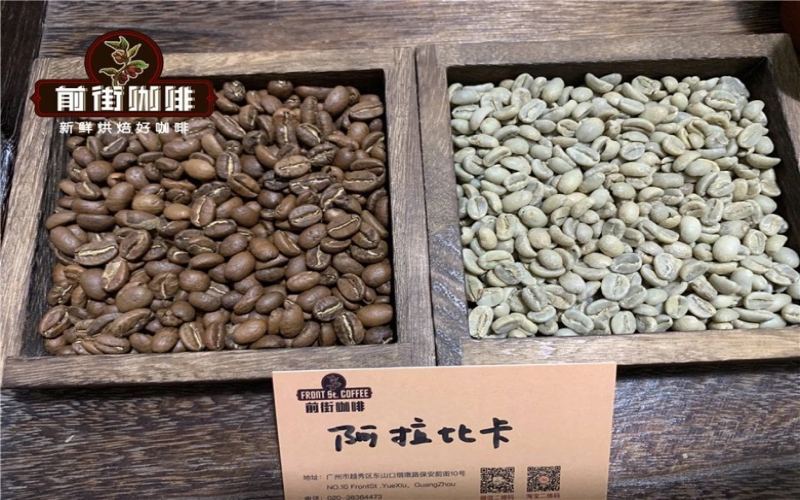
Bean blend combinations for commercial espresso blends: the ratio logic of Arabica and Robusta
There is a clear difference between commercial blends and home-use beans: they must simultaneously satisfy three conditions—flavor, cost, and consistency. And the combination of bean varieties in a blend, especially the ratio of Arabica to Robusta, is often the key to whether these three conditions can be balanced. Arabica beans are the flavor powerhouse. They bring floral notes, fruity acidity, and a solid [more…]
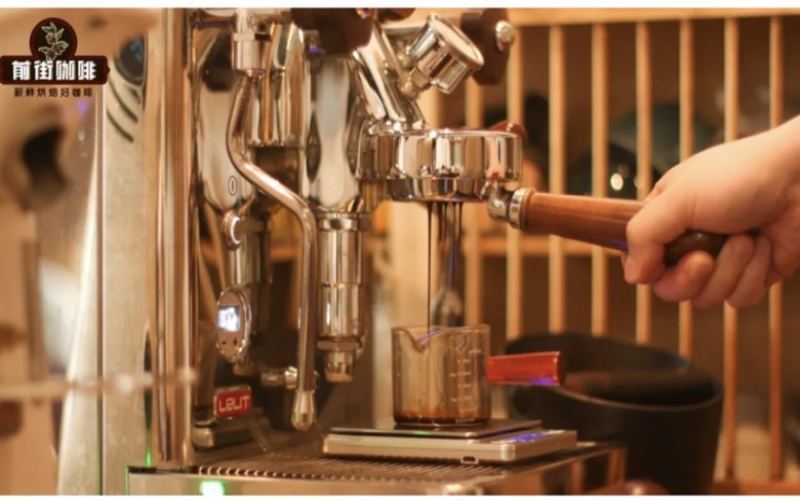
Bean blend for commercial espresso: how to balance the ratio of Arabica to Robusta
In the formulation design of espresso blends, the ratio of Arabica to Robusta beans has always been an unavoidable topic. Each of the two bean types has its own advantages, and how to combine them to ensure both the thickness of the crema and control costs is the core of a commercial blend formula. Arabica beans are the mainstay of espresso blends. They have rich flavor layers and bright acidity. [more…]
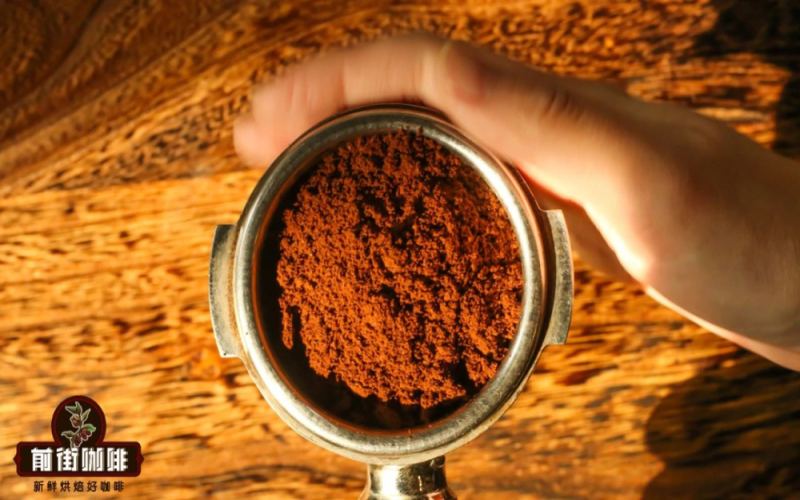
Blended Bean Brewing | Which Type of Coffee Beans to Choose for Extracting Espresso? Recommend Cost-Effective Specialty Espresso Coffee Beans That Make Great Espresso
Every espresso machine and espresso grinder performs differently, and different coffee beans also have different states. It is not a hundred percent guaranteed that you can extract a delicious espresso under such data. Through extremely fine grinding, and in a 9-10 bar vacuum environment, let 94-degree water quickly pass through the coffee grounds. [more…]

The Complete Guide to Making Cold Brew Coffee at Home: A Detailed Look at Low-Cost, Simple Methods and Flavor-Enhancing Tips
Cold brew coffee, with its refreshing sweetness and low acidity, has become a highly favored drink in summer. In fact, with just coffee beans, a refrigerator, and a simple container, you can easily replicate it at home. Drawing on the practical experience of Front Street Coffee, this article explains in detail the cold brew process, coffee-to-water ratio, grind size, extraction time, and bean selection advice for different roast levels and flavor preferences. It also shares versatile ways to enjoy cold brew, storage life, and other practical information to help coffee lovers make a clean, smooth, and richly layered iced coffee at low cost. [more…]

SOE Coffee | Why does switching to SOE coffee beans at a café cost extra? What makes SOE coffee more expensive than espresso?
When you go to a café and want to order an Americano or a milk coffee, you're often faced with two options: the default espresso blend, or the SOE that costs extra. At this point, some people might wonder, why is this "SOE" more expensive than the blend? What exactly makes it cost more? What exactly is SOE coffee? [more…]
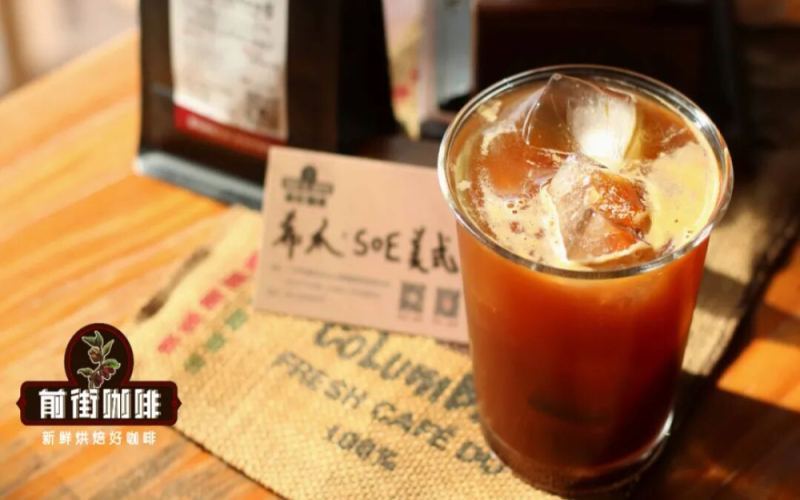
Is SOE Single-Origin Espresso Really Worth the Extra Cost? A Full Breakdown of Its Differences from Espresso Blends and How to Adjust Extraction
When ordering at a café, have you ever agonized over this: why does choosing SOE cost extra? How exactly is it different from the usual espresso blend? SOE (single origin espresso) refers to espresso extracted from coffee beans of a single origin, in contrast to blends that mix beans from multiple origins. From the rise of specialty coffee in the 1980s to James Hoffmann winning the 2007 World Barista Championship with single-origin beans, SOE has gradually moved from niche to mainstream. This article will start with the definition of SOE, its historical context, and the reasons behind its price, and then offer specific extraction parameter adjustment suggestions for single-origin beans of different roast levels and flavor types, including dose, yield, grind size, and milk ratio, to help you make a truly delicious SOE americano or milk coffee. [more…]
How Much Does a Cup of Jamaican Blue Mountain Coffee Cost? A Full Breakdown of Authentic Blue Mountain No. 1 Bean Prices, Brewing Methods, and Flavor
Jamaican Blue Mountain coffee is renowned for its balanced acidity, sweetness, and bitterness, along with its full body and clean cup. However, beans labeled "Blue Mountain" on the market are a mixed bag. What exactly constitutes authentic Blue Mountain No. 1? How large is the cost gap between a cup served in a café and one brewed at home? This article, based on Front Street Coffee's café pricing and whole-bean sales, outlines the origin background of Blue Mountain coffee, the terroir conditions of Clifton Mount Estate, the characteristics of the Typica variety, and why the Jamaican official grading standards distinguish Blue Mountain from High Mountain and Prime coffee. It also includes Front Street's extraction parameters and pouring techniques to help you use a lower water temperature and a Kono dripper to fully bring out the nutty, dark chocolate, and caramel sweetness of Blue Mountain No. 1. [more…]
The Complete Guide to Making Cold Brew Coffee: From Coffee-to-Water Ratio to Bean Selection, Easily Done at Home at Low Cost
Cold brew coffee, with its refreshing taste, low acidity, and natural sweetness, has become a favorite among many coffee lovers. In fact, making it isn't complicated—all you need is coffee beans, a refrigerator, and a clean container, and you can easily do it at home. This article will explain in detail Front Street Coffee's cold brew method, including key steps such as the coffee-to-water ratio, grind size selection, and extraction time control, and will also answer what coffee beans are suitable for cold brew. At the same time, it will also analyze why cold brew coffee has become a hit, as well as a variety of creative ways to drink it. Whether you prefer a fresh, clean flavor or a taste with a strong fermented note, you can find a method that suits you. [more…]
From Flavor Positioning to Ratio Debugging: A Complete Design Framework and Practical Methods for Espresso Blends
Blending coffee is not simply mixing beans together, but a systematic design built around three major goals: cost control, flavor creation, and consistency in the cup. Drawing on Front Street Coffee's practical experience, this article examines the trade-offs between two approaches—blending raw beans and blending roasted beans—and analyzes the roles that varieties such as Brazil Cerrado, Costa Rica Tarrazú, Colombia Huila, and Ethiopia Yirgacheffe play in a blend. It then designs three recipes with Yirgacheffe as the lead note for a cupping comparison, further fine-tunes the ratios, and verifies them on an espresso machine, ultimately arriving at a blend that balances flavor integrity with mouthfeel performance. [more…]
Recommend a few cost-effective home espresso coffee beans: balancing budget and drinking frequency
A cost-effective espresso bean for home use isn't just about memorizing a few names. When buying beans day to day, you need to consider how fast you'll go through them, how much to buy at once, and whether your household mainly drinks black coffee or milk-based coffee. What's truly worth referencing is the sweet-to-sour ratio on the palate, the body's thickness, and the aftertaste once it cools, combined with your brewing habits, [more…]
Analyzing Brazilian Coffee Bean Costs and Prices, Featuring Front Street Queen's Estate Yellow Bourbon Specialty Single-Origin
Brazil, as the world's largest coffee producer, has long been a focus of attention for enthusiasts when it comes to the cost and price of its coffee beans. This article starts with the cost structure of Brazilian coffee and then recommends a highly cost-effective specialty single-origin coffee — Front Street Brazil Queen's Farm Natural Yellow Bourbon. This estate belongs to the renowned Carvalho Dias family and has won numerous COE Cup of Excellence awards. The article provides a detailed introduction to the estate's background, cultivation and processing methods, green bean analysis, roasting curve, cupping flavors, and pour-over parameters, along with suggestions for making iced coffee. Front Street's own-roasted Brazilian coffee beans sell for only 45 yuan for a 227-gram box, with a cost of about 3 yuan per cup — combining quality and value, and suitable for everyday drinking. [more…]
A Comprehensive Review of Fully Automatic and Semi-Automatic Coffee Machine Brands: Comparing De'Longhi, Saeco, Jura, and More
There are many coffee machine brands on the market, from fully automatic to semi-automatic, each with its own positioning and features. This article systematically reviews fully automatic brands such as Delonghi, GAGGIA, Saeco, JURA, Krups, RayStar, and Solis, as well as semi-automatic brands including Rancilio, Nuova, Conti, la pavoni, la Cimbali, Reneka, sanremo, Expobar, Monroc, Wega, and Brasilia, covering each brand's main models, reference prices, core functions, and market reviews. Whether you are just starting out and looking to choose a home machine, or planning to add equipment for a coffee shop, you will find valuable references here. At the end, the article also provides a categorized summary based on recommendation level, making it easy to quickly identify the model that suits you. [more…]

What Are the Differences Between Robusta and Arabica? A Full Analysis of the Coffee-to-Water Ratio, Grind Size, and Water Temperature for Pour-Over Pure Robusta
Robusta and Arabica are the two major species that dominate global coffee consumption, yet they differ significantly in flavor expression, chemical composition, and market positioning. Starting from the characteristics of each species, this article examines the different roles Robusta and Arabica play in the specialty coffee world, and focuses on sharing a complete practice session of a 100% Robusta pour-over: using Vietnamese dark-roasted Robusta, with 15g of grounds, a 1:15 coffee-to-water ratio, grinding at a 70%–75% pass-through rate on a No. 20 sieve, a water temperature of 86°C–89°C, and a total brew time of about 2 minutes. The resulting cup presents hazelnut, caramel, chocolate, nut, and barley tea flavors, with a rich and full-bodied mouthfeel, and an earthy aftertaste once cooled. The article also explains that Robusta is high-yielding, easy to cultivate, and cost-effective, making it an important base bean for commercial coffee and espresso blends. Both Front Street Coffee's Commercial Blend and Classic Blend contain 10% Robusta to enhance body and crema. [more…]
The Complete Guide to Brewing Yirgacheffe at Home: V60 and Cake Cup Parameter Testing and Cost Per Cup Analysis
Yirgacheffe is Ethiopia's proud specialty coffee calling card, and also the entry-level choice and long-time beloved favorite of countless coffee enthusiasts. This article focuses on Front Street Yirgacheffe: first analyzing the berry and floral-fruity notes in its dry and wet aromas, comparing the flavor differences between natural and washed processing methods; then breaking down the structural features of the V60 conical dripper and the Kalita cake cup, including Front Street's complete tested brewing parameters, covering grind size, water temperature, coffee-to-water ratio, and extraction time; finally providing purchasing reference, a half-pound 227 grams sells for only 80-90 yuan, with a single cup costing about five or six yuan, allowing you to easily brew a high-quality cup of Yirgacheffe at home. [more…]
Characteristics of Latte Coffee Beans | What's the Difference Between Classic Italian Milk Coffees: Latte, Cappuccino, and Mocha? Recommended High-Cost-Performance Espresso Beans for Making Lattes and Americanos
Do you know what the differences are between Latte, Cappuccino, and Mocha? Standing in front of the café's ordering counter, have you ever had this question but not dared to ask it out loud, so you just ordered one at random, or always ordered the same [more…]
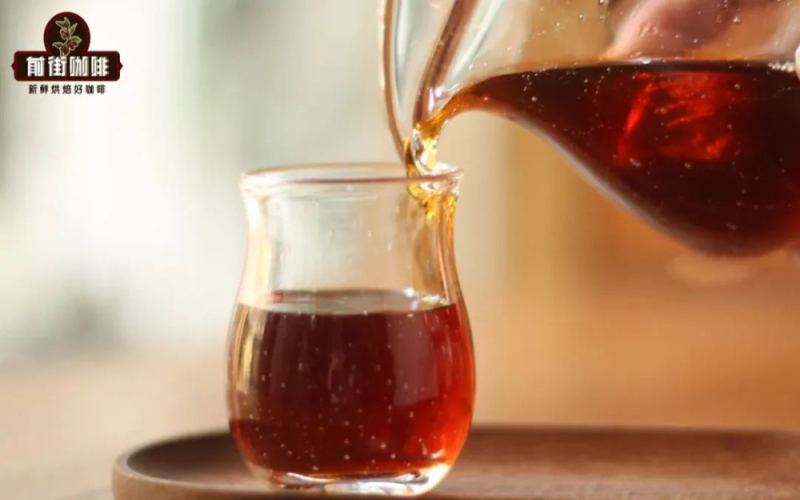
Why Is Cold Brew Coffee Priced So High? Breaking Down the Full Cost of a Pot of Cold Brew, from Equipment and Coffee Dose to Time Required
When the weather gets hot, cold drip coffee becomes the second most popular item in cafés after iced Americano. But many customers wonder: what exactly is the difference between cold drip and Americano? Why is it always more expensive? The answer actually lies in how it's made. Cold drip belongs to the broad category of cold brew, yet it's more particular than ordinary cold brew—it requires a dedicated cold drip tower and slow drip filtration with low-temperature ice water, a process that easily takes five to eight hours, plus refrigerated aging, so a 600ml pot of cold drip takes over ten hours from start to finish. The dose of grounds is also larger: 60 grams of coffee grounds yield only three cups, whereas the same amount used for pour-over yields four cups. This article, drawing on Front Street's production practices, fully breaks down where the expense of cold drip coffee lies and where the time goes. [more…]
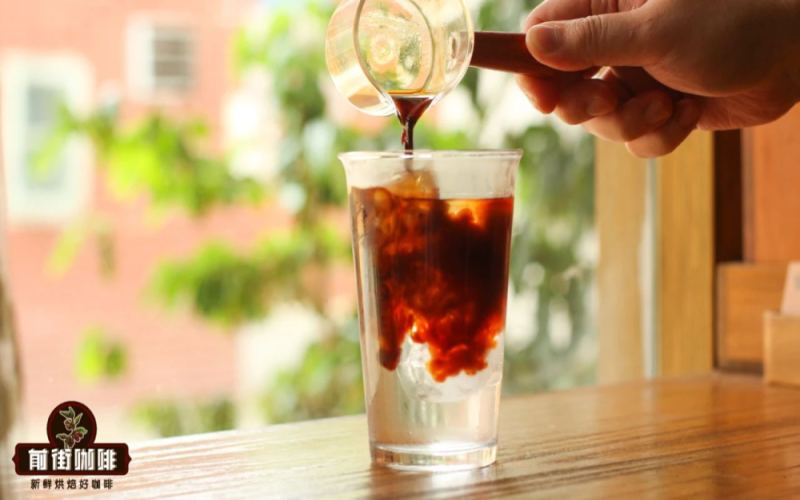
Espresso Coffee Introductory Guide | What Is the Difference Between Americano and Espresso? How Can Beginners Make Iced Americano at Home?
For more specialty coffee knowledge, please follow our WeChat official account: Front Street Coffee (FrontStreet Coffee). Americano is the most popular coffee in coffee shops apart from milk coffee. If milk coffee lovers are mostly women, then Americano can be considered a very neu- [more…]